I found this book to be unputdownable. It’s very dark, gritty, and sad—perhaps even a little too realistic, which makes it even scarier. People have been adapting to the obviously accelerating climate changes around them, but as it becomes evident that spring isn’t going to come, panic sets in and the whole fabric of society begins to crumble as supply chains fail.
Alison Stine’s writing is excellent. She manages to give the reader a very real sense of dread from the beginning of the story, and the tone of the book is relentlessly matter-of-fact. The book is well-paced and wonderfully descriptive, even in its cold starkness and foreshadowing:
“I didn’t know the song they performed at what would be the last graduation ceremony, the final graduating class; the last time the platform groaned under the risers; the last time the wind tried but could not unsettle the principal’s hair, buzzed short on his flat head.”
Wil is a fantastic character: always a loner, with a sad personal history and not much joy in her life, she’s got a lovely heart and cares for her best friend, her mom, and then literal strangers she meets as the chaos sets in. She’s able to create her own family, and that part of the story is heartbreaking and beautiful.
I highly recommend this page-turner dystopian to any fan of the genre. It’s brutal and intense, but it has moments of hope and joy. A truly good read.
Alison Stine’s writing is excellent. She manages to give the reader a very real sense of dread from the beginning of the story, and the tone of the book is relentlessly matter-of-fact. The book is well-paced and wonderfully descriptive, even in its cold starkness and foreshadowing:
“I didn’t know the song they performed at what would be the last graduation ceremony, the final graduating class; the last time the platform groaned under the risers; the last time the wind tried but could not unsettle the principal’s hair, buzzed short on his flat head.”
Wil is a fantastic character: always a loner, with a sad personal history and not much joy in her life, she’s got a lovely heart and cares for her best friend, her mom, and then literal strangers she meets as the chaos sets in. She’s able to create her own family, and that part of the story is heartbreaking and beautiful.
I highly recommend this page-turner dystopian to any fan of the genre. It’s brutal and intense, but it has moments of hope and joy. A truly good read.
I loved The Lost Queen so very much, and was very happy to receive an ARC of The Forgotten Kingdom. If I had any concerns that book two of this trilogy would disappoint, those concerns were promptly vanquished.
There are so many things I absolutely love about this book (and really, this series so far).
First, the writing: clearly, Signe Pike has done her research, and done it well. The various cultural and religious groups in the area of Scotland in this time period come to life in these pages. Then, Pike takes care to add the Arthurian legend into the actual historical events and elevates this story to a whole other level. The prose is gorgeous, the descriptions are breathtaking, and I was completely immersed in this world. This is historical fiction done well—believable and entertaining.
Next, the characters: in The Lost Queen, we first met twins Langoureth and Lailoken as children, and we’ve now followed them well into adulthood. I adore both of these characters and can’t get enough of their narratives. In this book, we have the added perspective of Langoureth’s daughter, Angharad, and her journey takes us in a different direction altogether, adding even more mystical elements and drama. The complicated love stories and the family bonds for these characters are so well done.
The setting: Scotland in the late 6th century AD is such a fascinating time and place. The descriptions of the land and the people, especially the Picts, are fascinating. The struggles between show more the Celtic Britons, the Anglo-Saxons, and the Picts in the time when Christianity was spreading are perfect material for an exciting storyline and some epic battles.
The fantasy elements: I love, love, LOVE how magic and Druidism are weaved into this story. Truly beautiful natural magic and mysticism blend together to set the stage for the Arthurian legend.
Early in the book, I almost felt like I needed a map and a character guide (and maybe the hardcover will have those items—remember I’m working with a galley), but once I got back into the story, I had no trouble keeping everyone straight. Like in the first book, this volume encompasses several years, so be prepared for the time jumps periodically.
I highly recommend this book to those loved The Lost Queen, and to fantasy/historical fiction lovers who are new to Pike’s epic series. Definitely start with The Lost Queen, though… these books won’t make much sense as standalone.
Thank you to the author, the publisher, and NetGalley for my copy in exchange for this honest review. I am very much looking forward to the last book in the trilogy!
⭐️⭐️⭐️⭐️1/2 show less
There are so many things I absolutely love about this book (and really, this series so far).
First, the writing: clearly, Signe Pike has done her research, and done it well. The various cultural and religious groups in the area of Scotland in this time period come to life in these pages. Then, Pike takes care to add the Arthurian legend into the actual historical events and elevates this story to a whole other level. The prose is gorgeous, the descriptions are breathtaking, and I was completely immersed in this world. This is historical fiction done well—believable and entertaining.
Next, the characters: in The Lost Queen, we first met twins Langoureth and Lailoken as children, and we’ve now followed them well into adulthood. I adore both of these characters and can’t get enough of their narratives. In this book, we have the added perspective of Langoureth’s daughter, Angharad, and her journey takes us in a different direction altogether, adding even more mystical elements and drama. The complicated love stories and the family bonds for these characters are so well done.
The setting: Scotland in the late 6th century AD is such a fascinating time and place. The descriptions of the land and the people, especially the Picts, are fascinating. The struggles between show more the Celtic Britons, the Anglo-Saxons, and the Picts in the time when Christianity was spreading are perfect material for an exciting storyline and some epic battles.
The fantasy elements: I love, love, LOVE how magic and Druidism are weaved into this story. Truly beautiful natural magic and mysticism blend together to set the stage for the Arthurian legend.
Early in the book, I almost felt like I needed a map and a character guide (and maybe the hardcover will have those items—remember I’m working with a galley), but once I got back into the story, I had no trouble keeping everyone straight. Like in the first book, this volume encompasses several years, so be prepared for the time jumps periodically.
I highly recommend this book to those loved The Lost Queen, and to fantasy/historical fiction lovers who are new to Pike’s epic series. Definitely start with The Lost Queen, though… these books won’t make much sense as standalone.
Thank you to the author, the publisher, and NetGalley for my copy in exchange for this honest review. I am very much looking forward to the last book in the trilogy!
⭐️⭐️⭐️⭐️1/2 show less
I’m not sure what I was expecting from this new series, but while I did like it, I wasn’t exactly blown away. I really enjoyed the Divergent series (right up until that last book, anyway), and was intrigued with the billing of Chosen Ones as an ‘adult’ book about a group of 5 heroes, ten years after they apparently saved the world as teenagers.
The book is actually a whole lot more than what the blurb lets on: much of it takes place in an alternate-dimension Chicago, and this world is full of magic. Nothing is quite as it appears, and the whole concept is very original.
Roth’s writing is strong, and the plot is clearly developed. The book is very compelling at the beginning, but there is quite a lull in the action towards the middle. Fortunately, things pick up again near the end, which is really quite brilliant. No cliffhangers, but I’m definitely down for a second book.
From the blurb, you would think that the book is about all of the 5 heroes… but really it’s about Sloane. One of the 5 dies near the beginning, another is nearly absent from the rest of the book, and the other two are peripheral at best. I’m not sure if the next book will deal more with the other ‘chosen ones,’ but I would love more development of those characters. For much of the book, I didn’t like Sloane very much, and she felt a lot like a YA character trapped in an adult character’s body, but she grew on me. Esther and Mox are really fun characters, but again, I would love show more more about them. This is really a 3 1/2 star book for me. show less
The book is actually a whole lot more than what the blurb lets on: much of it takes place in an alternate-dimension Chicago, and this world is full of magic. Nothing is quite as it appears, and the whole concept is very original.
Roth’s writing is strong, and the plot is clearly developed. The book is very compelling at the beginning, but there is quite a lull in the action towards the middle. Fortunately, things pick up again near the end, which is really quite brilliant. No cliffhangers, but I’m definitely down for a second book.
From the blurb, you would think that the book is about all of the 5 heroes… but really it’s about Sloane. One of the 5 dies near the beginning, another is nearly absent from the rest of the book, and the other two are peripheral at best. I’m not sure if the next book will deal more with the other ‘chosen ones,’ but I would love more development of those characters. For much of the book, I didn’t like Sloane very much, and she felt a lot like a YA character trapped in an adult character’s body, but she grew on me. Esther and Mox are really fun characters, but again, I would love show more more about them. This is really a 3 1/2 star book for me. show less
I love that Davis sets her historical fiction in and around famous buildings in New York City, and I was very excited to read this one centered at the iconic New York Public Library.
This book ticked so many boxes for me, I was thrilled to receive a copy through NetGalley.
First box ticked: The Lions of Fifth Avenue is my favorite type of book: historical fiction with dual timelines and multiple POVs. Davis is so good at crafting a story across multiple generations, and this book is no exception. The plot flips back and forth between 1913 and 1993 seamlessly, is full of rich detail about the library, and does a great job of capturing the feeling of both time periods.
Next box ticked: interesting female characters. In this book, we get Laura Lyons, who is living the life of many of her contemporaries as a housewife and mother, but wants more for herself. She ends up going back to school for journalism and discovering a lot about herself while she explores the feminist movement in NYC in the early 20th century. We also get Laura’s granddaughter, Sadie, a divorced, childless librarian in the 1990s trying to solve modern day thefts and delving into her family history while also discovering some things about herself. Both characters are well-written and distinct, and I enjoyed being in both of their heads.
Which leads me to another ticked box: feminist themes. Both women go on their own personal journey about what it means to be a woman in their time and discover truths about show more themselves. I especially loved Laura’s path from housewife and mother to journalist, activist, and feminist essayist. Amelia is a fantastic character as well.
The gorgeous New York Public Library is the setting for both storylines and really becomes a character itself. I had no idea that the superintendent of the library and his family once lived in an apartment inside the library, but that is such a fascinating story in and of itself. The descriptions of the library were vivid and obviously well-researched. And who doesn’t love the magic of a library?
While I appreciated the writing and the characters very much, the ultimate resolution of the mystery seemed a little too far-fetched for me, and ultimately didn’t seem to go well with the rest of the book. Laura’s story was more believable and interesting than Sadie’s, and the ending was just a bit Scooby-Doo, which ended up taking a way from my enjoyment in a way.
Still, a fun and light story about interesting women and a beautiful library. Absolutely worth the read for fans of Fiona Davis and historical women’s fiction.
⭐️⭐️⭐️1/2 show less
This book ticked so many boxes for me, I was thrilled to receive a copy through NetGalley.
First box ticked: The Lions of Fifth Avenue is my favorite type of book: historical fiction with dual timelines and multiple POVs. Davis is so good at crafting a story across multiple generations, and this book is no exception. The plot flips back and forth between 1913 and 1993 seamlessly, is full of rich detail about the library, and does a great job of capturing the feeling of both time periods.
Next box ticked: interesting female characters. In this book, we get Laura Lyons, who is living the life of many of her contemporaries as a housewife and mother, but wants more for herself. She ends up going back to school for journalism and discovering a lot about herself while she explores the feminist movement in NYC in the early 20th century. We also get Laura’s granddaughter, Sadie, a divorced, childless librarian in the 1990s trying to solve modern day thefts and delving into her family history while also discovering some things about herself. Both characters are well-written and distinct, and I enjoyed being in both of their heads.
Which leads me to another ticked box: feminist themes. Both women go on their own personal journey about what it means to be a woman in their time and discover truths about show more themselves. I especially loved Laura’s path from housewife and mother to journalist, activist, and feminist essayist. Amelia is a fantastic character as well.
The gorgeous New York Public Library is the setting for both storylines and really becomes a character itself. I had no idea that the superintendent of the library and his family once lived in an apartment inside the library, but that is such a fascinating story in and of itself. The descriptions of the library were vivid and obviously well-researched. And who doesn’t love the magic of a library?
While I appreciated the writing and the characters very much, the ultimate resolution of the mystery seemed a little too far-fetched for me, and ultimately didn’t seem to go well with the rest of the book. Laura’s story was more believable and interesting than Sadie’s, and the ending was just a bit Scooby-Doo, which ended up taking a way from my enjoyment in a way.
Still, a fun and light story about interesting women and a beautiful library. Absolutely worth the read for fans of Fiona Davis and historical women’s fiction.
⭐️⭐️⭐️1/2 show less
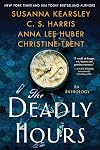
I was drawn to this ARC because one of the stories is by Susanna Kearsley, and I’ve really enjoyed a couple of her novels. While I struggled a bit to engage with this collection, I ended up loving the last story by C.S. Harris, an author I’ve never read before, the most.
I find it hard to review collections of stories like this overall, especially when different authors contribute, so I’m going to review each story individually first.
Weapon of Choice by Susanna Kearsley
In the first story, it’s 1733 and we meet Jacobite Hugh MacPherson and his wife, Mary, as they travel by sea to Italy to meet and protect the Duke of Ormonde while escorting him to Scottish King James’ court in exile. A storm forces them to dock at Portofino, where they stay at an inn with an assassin and a pirate who carries with him ‘La Siréne,’ an elegantly engraved watch that is said to be cursed. Political intrigue, mystery and murder ensue before the travelers and the watch part company.
Hugh and Mary, as well as some other characters that meet at the inn, appear in some of Kearsley’s full-length novels I have yet to read. I’m sure I would have appreciated their presence here more if I had read those novels, but they were still well-developed characters. The writing is good, and the groundwork of the legend of the watch is laid nicely, but I had trouble engaging with the story until it was nearly over. ⭐️⭐️⭐️
In a Fevered Hour by Anna Lee Huber
La Siréne next appears in show more 1831 in Edinburgh, Scotland, where the watch’s curse is blamed for a sickness sweeping parts of the city. Lady Kiera Darby is a rather unusual detective who gets involved in tracking down the watch while trying to solve the mysterious deaths.
I’ve not read any of the Lady Darby mysteries (a google search tells me there are several of them), but I enjoyed the gothic feel, Kiera’s unconventional investigation style, and her relationship with her partner/husband. This story flowed along nicely, but I again felt I would have enjoyed it more if I’d read the background novels first. ⭐️⭐️⭐️
A Pocketful of Death by Christine Trent
La Siréne surfaces again in 1870, when English undertaker Violet Harper quite literally digs it up while exhuming a grave in Edinburgh. The watch travels with her back to London, where it becomes linked to a string of murders in a wealthy Victorian neighborhood. Violet apparently does some mystery-solving when she’s not undertaking, and she becomes involved in solving the crimes.
Again, I’ve not read any of Trent’s Lady of Ashes series, so Violet was new to me. I enjoyed this fun mystery and the quirky characters, and really liked how the watch was a central character as well, and I was only mildly perplexed by some of the backstories that probably would have made more sense if I was reader of the series. ⭐️⭐️⭐️
Siren’s Call by C.S. Harris
The cursed pocket watch next pops up in 1944 in a war-torn seaside village in Kent. Someone who appears to be aware of the legend of La Siréne is murdering villagers in this small community, and museum curator Rachel Townsend-Smythe begins looking for the watch as well. At the same time, two MI5 agents, Jude Lowe and Remus Stokes, are in town trying to track down a German spy, and as it becomes apparent the spy and the murders are linked, Rachel finds herself working closely with Jude.
This last story was my favorite of the anthology, which I wasn’t expecting as I think I may have burned myself out on WWII historical fiction a few years ago. I really loved the WWII storyline, and Rachel and Jude were such great characters—they are also original characters for this story, and I think that helped me not feel like I was missing something. I especially love how this final story wraps up the journey (we hope?) of La Siréne and it’s curse. I’ve never read anything by C.S. Harris before, but I definitely plan to now, as I love her writing style here. ⭐️⭐️⭐️⭐️
Overall, I am impressed with the collaboration between these four authors to bring La Siréne through time in such a cohesive and fascinating way. This collection is probably best suited for readers who are already fans of the characters in the first three stories, but as they are all written to stand alone, that’s not required. Good historical fiction mysteries with four distinct voices. Anthology rating; ⭐️⭐️⭐️1/2 show less
I find it hard to review collections of stories like this overall, especially when different authors contribute, so I’m going to review each story individually first.
Weapon of Choice by Susanna Kearsley
In the first story, it’s 1733 and we meet Jacobite Hugh MacPherson and his wife, Mary, as they travel by sea to Italy to meet and protect the Duke of Ormonde while escorting him to Scottish King James’ court in exile. A storm forces them to dock at Portofino, where they stay at an inn with an assassin and a pirate who carries with him ‘La Siréne,’ an elegantly engraved watch that is said to be cursed. Political intrigue, mystery and murder ensue before the travelers and the watch part company.
Hugh and Mary, as well as some other characters that meet at the inn, appear in some of Kearsley’s full-length novels I have yet to read. I’m sure I would have appreciated their presence here more if I had read those novels, but they were still well-developed characters. The writing is good, and the groundwork of the legend of the watch is laid nicely, but I had trouble engaging with the story until it was nearly over. ⭐️⭐️⭐️
In a Fevered Hour by Anna Lee Huber
La Siréne next appears in show more 1831 in Edinburgh, Scotland, where the watch’s curse is blamed for a sickness sweeping parts of the city. Lady Kiera Darby is a rather unusual detective who gets involved in tracking down the watch while trying to solve the mysterious deaths.
I’ve not read any of the Lady Darby mysteries (a google search tells me there are several of them), but I enjoyed the gothic feel, Kiera’s unconventional investigation style, and her relationship with her partner/husband. This story flowed along nicely, but I again felt I would have enjoyed it more if I’d read the background novels first. ⭐️⭐️⭐️
A Pocketful of Death by Christine Trent
La Siréne surfaces again in 1870, when English undertaker Violet Harper quite literally digs it up while exhuming a grave in Edinburgh. The watch travels with her back to London, where it becomes linked to a string of murders in a wealthy Victorian neighborhood. Violet apparently does some mystery-solving when she’s not undertaking, and she becomes involved in solving the crimes.
Again, I’ve not read any of Trent’s Lady of Ashes series, so Violet was new to me. I enjoyed this fun mystery and the quirky characters, and really liked how the watch was a central character as well, and I was only mildly perplexed by some of the backstories that probably would have made more sense if I was reader of the series. ⭐️⭐️⭐️
Siren’s Call by C.S. Harris
The cursed pocket watch next pops up in 1944 in a war-torn seaside village in Kent. Someone who appears to be aware of the legend of La Siréne is murdering villagers in this small community, and museum curator Rachel Townsend-Smythe begins looking for the watch as well. At the same time, two MI5 agents, Jude Lowe and Remus Stokes, are in town trying to track down a German spy, and as it becomes apparent the spy and the murders are linked, Rachel finds herself working closely with Jude.
This last story was my favorite of the anthology, which I wasn’t expecting as I think I may have burned myself out on WWII historical fiction a few years ago. I really loved the WWII storyline, and Rachel and Jude were such great characters—they are also original characters for this story, and I think that helped me not feel like I was missing something. I especially love how this final story wraps up the journey (we hope?) of La Siréne and it’s curse. I’ve never read anything by C.S. Harris before, but I definitely plan to now, as I love her writing style here. ⭐️⭐️⭐️⭐️
Overall, I am impressed with the collaboration between these four authors to bring La Siréne through time in such a cohesive and fascinating way. This collection is probably best suited for readers who are already fans of the characters in the first three stories, but as they are all written to stand alone, that’s not required. Good historical fiction mysteries with four distinct voices. Anthology rating; ⭐️⭐️⭐️1/2 show less
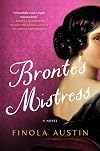
I came to this novel for the Brontë connection, hoping for a really good historical fiction about real-life people. I got a powerful tour de force about the limited lives of even upper class British women in the mid 19th century.
This book is so well written. I have more highlighted passages on my Kindle for this one than for any other book I’ve read recently. Gorgeous and lush prose, obviously meticulously researched, fascinating and intoxicating. It was nearly impossible to put down once I got started—first because of the tension between Lydia Robinson and Branwell, later just to see what Lydia would do next.
Neither Lydia nor Branwell are very likable characters. Lydia Robinson is complex: lonely, sad, passionate, desperate, selfish, shallow… she made me so mad at some points in the story, but at other points I realized she’s very much a product of her time and place. She’s a smart, emotional woman who is oppressed and limited, judged and neglected. Branwell is really a secondary character, and that’s just fine—he’s the tortured, struggling soul that does sort of get chewed up and spit out by his Mrs. Robinson, but I love the way he’s written here. The slow building of the romantic tension between these two is palpable and their inevitable relationship is scorchingly hot.
Despite being the titular mistress, Lydia is much more than an older, married woman dallying with a younger, freer artistic type. She’s a wife who very much loved her early show more relationship with her husband, is mourning the loss of a young child and her own mother, has a complicated relationship with her teenaged daughters, and is dealing with her own aging and loss of relevance. I couldn’t stand her, I was rooting for her, I wanted her to get on with her affair, I wanted her to go to her husband, I wanted her to be a better mother, I wanted her to find what she needed… and I mainly felt horrible for her and the limited options she had. Just listen to her:
‘It was tiring, always calculating how I might appear best, but what other options were available to me? If I had to tie myself to a mast—and I had to—it might as well be to the grandest, proudest ship.’
and…
‘He saved me and destroyed me all at once, taught me I could still feel so I could discover that I needed more than him.’
and especially:
‘There were women from here to England, crying over curtain fabric, scolding their children, and aching for change and love or, at least, excitement. And most, if not all, of them would be disappointed. Their fate and mine was too common to be the stuff of tragedy.’
I can’t finish this review without also mentioning how starstruck I was when the Brontë sisters were mentioned or appeared. Especially Charlotte, of course.
This book is an astoundingly good debut. I can’t wait to see what Finola Austin does next. show less
This book is so well written. I have more highlighted passages on my Kindle for this one than for any other book I’ve read recently. Gorgeous and lush prose, obviously meticulously researched, fascinating and intoxicating. It was nearly impossible to put down once I got started—first because of the tension between Lydia Robinson and Branwell, later just to see what Lydia would do next.
Neither Lydia nor Branwell are very likable characters. Lydia Robinson is complex: lonely, sad, passionate, desperate, selfish, shallow… she made me so mad at some points in the story, but at other points I realized she’s very much a product of her time and place. She’s a smart, emotional woman who is oppressed and limited, judged and neglected. Branwell is really a secondary character, and that’s just fine—he’s the tortured, struggling soul that does sort of get chewed up and spit out by his Mrs. Robinson, but I love the way he’s written here. The slow building of the romantic tension between these two is palpable and their inevitable relationship is scorchingly hot.
Despite being the titular mistress, Lydia is much more than an older, married woman dallying with a younger, freer artistic type. She’s a wife who very much loved her early show more relationship with her husband, is mourning the loss of a young child and her own mother, has a complicated relationship with her teenaged daughters, and is dealing with her own aging and loss of relevance. I couldn’t stand her, I was rooting for her, I wanted her to get on with her affair, I wanted her to go to her husband, I wanted her to be a better mother, I wanted her to find what she needed… and I mainly felt horrible for her and the limited options she had. Just listen to her:
‘It was tiring, always calculating how I might appear best, but what other options were available to me? If I had to tie myself to a mast—and I had to—it might as well be to the grandest, proudest ship.’
and…
‘He saved me and destroyed me all at once, taught me I could still feel so I could discover that I needed more than him.’
and especially:
‘There were women from here to England, crying over curtain fabric, scolding their children, and aching for change and love or, at least, excitement. And most, if not all, of them would be disappointed. Their fate and mine was too common to be the stuff of tragedy.’
I can’t finish this review without also mentioning how starstruck I was when the Brontë sisters were mentioned or appeared. Especially Charlotte, of course.
This book is an astoundingly good debut. I can’t wait to see what Finola Austin does next. show less
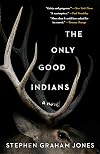
This is only my second book by Stephen Graham Jones, but I’m fairly confident that it has solidified him as one of my favorite contemporary horror authors.
I read this book in one day, and supplemented with audio when I absolutely had to get up and do responsible adult things. As much as I read, the one-day book is still sort of a rarity for me. Read: this is a great book.
First and foremost, this is a horror novel. Reading it was a bit like watching a slasher movie. It’s gory, there’s lots of death, a bonafide monster, and I was genuinely frightened more than once. That the ‘monster’ has a legitimate case for revenge adds another interesting layer to the story.
The Only Good Indians is more than a scary horror novel, though. Stephen Graham Jones gives us a look into the lives and minds of his Native characters. Lewis and his friends aren’t bad people, and the glimpses I got of their individual stories made me invested in them. This makes it all the more distressing to have their stories descend into madness and pain. It’s absolutely devastating.
Jones’ writing is fantastic. Descriptive and deceptive, with frequent switches in POV that add so much to the experience. Such a gritty, heartbreakingly sad, fear-inducing read that I could not stop reading. And then that ending. Such a surprisingly hopeful, kick-ass ending.
If you like horror with well-crafted characters, read this freaking book. And if you like audiobooks, consider the brilliantly narrated audio read show more by Shaun Taylor-Corbett. The acknowledgements read by the author at the end are worth a listen as well. show less
I read this book in one day, and supplemented with audio when I absolutely had to get up and do responsible adult things. As much as I read, the one-day book is still sort of a rarity for me. Read: this is a great book.
First and foremost, this is a horror novel. Reading it was a bit like watching a slasher movie. It’s gory, there’s lots of death, a bonafide monster, and I was genuinely frightened more than once. That the ‘monster’ has a legitimate case for revenge adds another interesting layer to the story.
The Only Good Indians is more than a scary horror novel, though. Stephen Graham Jones gives us a look into the lives and minds of his Native characters. Lewis and his friends aren’t bad people, and the glimpses I got of their individual stories made me invested in them. This makes it all the more distressing to have their stories descend into madness and pain. It’s absolutely devastating.
Jones’ writing is fantastic. Descriptive and deceptive, with frequent switches in POV that add so much to the experience. Such a gritty, heartbreakingly sad, fear-inducing read that I could not stop reading. And then that ending. Such a surprisingly hopeful, kick-ass ending.
If you like horror with well-crafted characters, read this freaking book. And if you like audiobooks, consider the brilliantly narrated audio read show more by Shaun Taylor-Corbett. The acknowledgements read by the author at the end are worth a listen as well. show less
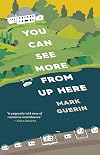
This book was a very pleasant surprise for me. I admit that I was interested by the description, but not exactly excited to read it. Once I got started, I was completely engaged and enjoyed it so much.
The writing is very good—hard to believe this is Guerin’s debut novel—and the story is well structured. You Can See More From Up Here is dual-timeline story: Walker’s coming of age tale in the 1970s, and then a coming-home reckoning tale in 2004. The story unfolds beautifully in both.
Walker is a sympathetic character and his struggles with his father make for some achingly poignant reading. In 2004, he sits at his father’s deathbed, having been estranged from him for 30 years, and begins to to write the story of the summer of 1974 and the years of his childhood leading up to it.
The book deals with class, race, immigrant workers, working class struggles, violence and abuse, and family division, all while illustrating the hold that past mistakes and betrayals can have on our present. All of these issues are handled gracefully and in a realistic manner. All of the characters are flawed and very human.
I highly recommend You Can See More From Up Here to those who enjoy well-written literary fiction that makes you feel and doesn’t shy away from difficult issues.
The writing is very good—hard to believe this is Guerin’s debut novel—and the story is well structured. You Can See More From Up Here is dual-timeline story: Walker’s coming of age tale in the 1970s, and then a coming-home reckoning tale in 2004. The story unfolds beautifully in both.
Walker is a sympathetic character and his struggles with his father make for some achingly poignant reading. In 2004, he sits at his father’s deathbed, having been estranged from him for 30 years, and begins to to write the story of the summer of 1974 and the years of his childhood leading up to it.
The book deals with class, race, immigrant workers, working class struggles, violence and abuse, and family division, all while illustrating the hold that past mistakes and betrayals can have on our present. All of these issues are handled gracefully and in a realistic manner. All of the characters are flawed and very human.
I highly recommend You Can See More From Up Here to those who enjoy well-written literary fiction that makes you feel and doesn’t shy away from difficult issues.
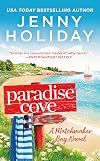
This book was very readable… the story moves along quickly, the characters (especially Jake, who apparently looks like Jason Momoa) are interesting and made me want to know more, and the writing is good. Holiday is great at writing witty banter, and her sex scenes are hot and do not make me cringe. Yay!
The romance in this book is between new-to-town Nora, a city doctor who has just gotten out of a long-term relationship with a cheating jerk, and apparently ridiculously gorgeous Aquaman lookalike Jake, a lifelong resident of the town who is helpful and nice to all, but largely silent and withdrawn since he lost his family years ago. I liked Nora quite a bit and loved Jake. I was absolutely rooting for them from the beginning, and did I mention that the sex scenes in this book are super hot?
The romance in this book is between new-to-town Nora, a city doctor who has just gotten out of a long-term relationship with a cheating jerk, and apparently ridiculously gorgeous Aquaman lookalike Jake, a lifelong resident of the town who is helpful and nice to all, but largely silent and withdrawn since he lost his family years ago. I liked Nora quite a bit and loved Jake. I was absolutely rooting for them from the beginning, and did I mention that the sex scenes in this book are super hot?
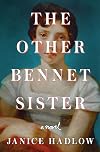
Janice Hadlow is to be commended: she has so well captured that special Austen style that reading The Other Bennet Sister was very much like reading one of Jane’s own novels. That is a wonderful thing, as far as I’m concerned, and this book was an absolute delight to read.
Hadlow takes Mary as Austen created her and gives a little more backstory—we see why, by the time Netherfield was let at last, Mary behaved in the way she did. We then experience the events of Pride & Prejudice through Mary’s eyes, including the often-speculated Mr. Collins/Mary match, before jumping forward 2 years and following Mary as she embarks on her own life away from her mother.
I’ve always been a Mary fan, and I love the way Hadlow has expanded her character. At various points while reading this book, I was heartbroken for Mary, angry at her and immensely proud of her. If you’re the kind of reader who felt sympathy for Mrs. Bennet, though, this book may not be for you. I was steaming mad at her every time she was around. I enjoyed the glimpses we got of the Bingleys, the Darcys, the Collinses, Hill, and especially the Gardiners, who finally got their trip to the lake country. Oh, and Caroline Bingley is still around to annoy the hell out of everyone. I also loved the new characters that Mary meets in London.
The writing is brilliant, the story is fantastically satisfying, and I loved being immersed in Austen’s world again. I highly recommend this book to anyone who loves Jane Austen, show more Pride & Prejudice, regency era stories, or just plain great books. show less
Hadlow takes Mary as Austen created her and gives a little more backstory—we see why, by the time Netherfield was let at last, Mary behaved in the way she did. We then experience the events of Pride & Prejudice through Mary’s eyes, including the often-speculated Mr. Collins/Mary match, before jumping forward 2 years and following Mary as she embarks on her own life away from her mother.
I’ve always been a Mary fan, and I love the way Hadlow has expanded her character. At various points while reading this book, I was heartbroken for Mary, angry at her and immensely proud of her. If you’re the kind of reader who felt sympathy for Mrs. Bennet, though, this book may not be for you. I was steaming mad at her every time she was around. I enjoyed the glimpses we got of the Bingleys, the Darcys, the Collinses, Hill, and especially the Gardiners, who finally got their trip to the lake country. Oh, and Caroline Bingley is still around to annoy the hell out of everyone. I also loved the new characters that Mary meets in London.
The writing is brilliant, the story is fantastically satisfying, and I loved being immersed in Austen’s world again. I highly recommend this book to anyone who loves Jane Austen, show more Pride & Prejudice, regency era stories, or just plain great books. show less
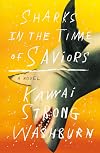
As I read the first few chapters, I honestly didn’t know if I was going to stick with this book. The style of writing took a bit to get used to, but somewhere in Nainoa’s first chapter, I was completely hooked.
This book is very well written: lyrical and lush prose, every chapter told from the POV of one of the members of Nainoa’s family. Each character is so well developed, it gets to the point you don’t need the chapter titles to tell you which character is speaking—they are each so distinct and original.
Nainoa, with his eventful conception, his childhood rescue from drowning BY sharks, and his magical abilities, is the center of the story, but at the same time, it’s not really about just him. We spend a lot of time in the heads of his mother Malia, brother Dean, and sister Kauwi.
This is the story of a poor Hawaiian family. It’s the story of imperfect parents trying to do their best for their children, and those children trying to navigate their own way in life. It’s Nainoa trying to understand the purpose of his gift, and his siblings trying to understand where they fit in relation to their special brother. It’s a story rich in descriptions of Hawai’i and legends of the gods of the island. The magical realism is perfectly done, and the touches of magic actually serve to make the rest of the story seem all the more real. Sharks in the Time of Saviors isn’t a happy, feel-good story, but it still left me hopeful and made me smile more than once.
Kawai show more Strong Washburn has written a very powerful debut. I’m endlessly impressed with his storytelling, especially how he was able to write such a believable female character in Malia. I sometimes struggle with the way male authors write a woman’s POV, but not here.
It seems wrong to say that I ‘enjoyed’ such an extremely depressing book, but here we are: I loved this book. show less
This book is very well written: lyrical and lush prose, every chapter told from the POV of one of the members of Nainoa’s family. Each character is so well developed, it gets to the point you don’t need the chapter titles to tell you which character is speaking—they are each so distinct and original.
Nainoa, with his eventful conception, his childhood rescue from drowning BY sharks, and his magical abilities, is the center of the story, but at the same time, it’s not really about just him. We spend a lot of time in the heads of his mother Malia, brother Dean, and sister Kauwi.
This is the story of a poor Hawaiian family. It’s the story of imperfect parents trying to do their best for their children, and those children trying to navigate their own way in life. It’s Nainoa trying to understand the purpose of his gift, and his siblings trying to understand where they fit in relation to their special brother. It’s a story rich in descriptions of Hawai’i and legends of the gods of the island. The magical realism is perfectly done, and the touches of magic actually serve to make the rest of the story seem all the more real. Sharks in the Time of Saviors isn’t a happy, feel-good story, but it still left me hopeful and made me smile more than once.
Kawai show more Strong Washburn has written a very powerful debut. I’m endlessly impressed with his storytelling, especially how he was able to write such a believable female character in Malia. I sometimes struggle with the way male authors write a woman’s POV, but not here.
It seems wrong to say that I ‘enjoyed’ such an extremely depressing book, but here we are: I loved this book. show less
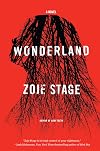
The description for this book says ‘If Shirley Jackson wrote the The Shining, it might look like this…’ The Shining is an awesome book, and I adore Shirley Jackson, so I was thrilled to be approved for a copy of this book.
It seems like I may be one of the few people who haven’t read Stage’s debut, Baby Teeth, yet, so I can’t compare the two books. I did find her writing to be fantastic: beautiful, richly detailed, at times lyrical, and so atmospheric. I was most definitely feeling some Shining vibes in the descriptions of the cold, natural world outside of the farmhouse, and Jackson’s influence was also present. I thought Stage executed the mounting suspense very well, and I found the reading of this novel unsettling in the best possible way.
The story is told first-person from the perspective of wife, mom and newly-retired ballet dancer, Orla. I got a lot of insight into Orla’s character and could definitely sympathize with her throughout. Her husband Shaw isn’t nearly as well fleshed-out as a character, nor are her slightly unusual children—but I believe that was on purpose to help ratchet up the dread, suspense, and wtf moments that this book does so well.
Parts of the book did seem a bit repetitive, especially the near-constant use of the daughter’s name (Eleanor Queen, which is never, ever shortened in the book). I think it was perhaps a few pages too long, as the end seems to sort of drag a bit, but I was still very surprised at a few points show more during the story, and the ending was perfectly ambiguous.
Overall, a solid, suspenseful psychological horror novel. It’s not super gory, and it’s also definitely not a fast-paced, action-packed thrill ride—more of a slow burn, so probably not for everyone. I definitely plan to circle back and read Baby Teeth, as I like what I’ve read from Zoje Stage.
⭐️⭐️⭐️1/2
Thanks to NetGalley, the author, and the publisher for a copy in exchange for an honest review. show less
It seems like I may be one of the few people who haven’t read Stage’s debut, Baby Teeth, yet, so I can’t compare the two books. I did find her writing to be fantastic: beautiful, richly detailed, at times lyrical, and so atmospheric. I was most definitely feeling some Shining vibes in the descriptions of the cold, natural world outside of the farmhouse, and Jackson’s influence was also present. I thought Stage executed the mounting suspense very well, and I found the reading of this novel unsettling in the best possible way.
The story is told first-person from the perspective of wife, mom and newly-retired ballet dancer, Orla. I got a lot of insight into Orla’s character and could definitely sympathize with her throughout. Her husband Shaw isn’t nearly as well fleshed-out as a character, nor are her slightly unusual children—but I believe that was on purpose to help ratchet up the dread, suspense, and wtf moments that this book does so well.
Parts of the book did seem a bit repetitive, especially the near-constant use of the daughter’s name (Eleanor Queen, which is never, ever shortened in the book). I think it was perhaps a few pages too long, as the end seems to sort of drag a bit, but I was still very surprised at a few points show more during the story, and the ending was perfectly ambiguous.
Overall, a solid, suspenseful psychological horror novel. It’s not super gory, and it’s also definitely not a fast-paced, action-packed thrill ride—more of a slow burn, so probably not for everyone. I definitely plan to circle back and read Baby Teeth, as I like what I’ve read from Zoje Stage.
⭐️⭐️⭐️1/2
Thanks to NetGalley, the author, and the publisher for a copy in exchange for an honest review. show less
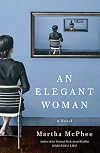
I love a good multi-generational saga, so I was very excited to get an ARC of this book and even more pleased when it turned out to be a brilliant one.
I was immediately drawn in to this story: from the beginning, we know that Isadora’s ‘Grammy,’ variously known throughout the book as Thelma, Tommy, and Katherine, was quite the character, regaling her young granddaughters with incredible ancestry and rich family stories. The narrative skips around a lot, starting when we move from the granddaughters sorting through their late grandma’s things to Tommy as a 6-year-old child whose mother, Glenna, takes her two young daughters with her, leaving her husband in Ohio and heading west for a new life in 1910. Glenna is not a good mother, and leaves her very young children to be raised by others and then by themselves. Tommy cares for and raises her little sister, Katherine, and then makes her own way in the world.
There is an underlying theme of falseness throughout this story. Life is messy, and people tell lies and embellish. Even the most elegant woman has history and secrets. Tommy takes her sister’s name, her sister takes a different name, Glenna does what she pleases without much regard for her daughters, telling lies and leaving things out as she makes her way. Winter has her secrets, including a secret love, a difficult relationship with her mom, and a complicated family of her own. Isadora’s generation, with the help of a great uncle, try to piece their show more colorful family history together and separate the truth from the fantasy.
McPhee’s writing is gorgeous and vivid: the descriptions of the various settings are lushly detailed and the characters are well-drawn. So much intricate information is thrown at the reader, along with a cast of unique characters spanning over more than a century, and yet somehow the plot, timelines, and various narratives are easy to follow. Beyond that, the story is enthralling. I couldn’t stop reading once I got started. The only possible complaint I could have are that some stories end almost too soon—I was left wanting just a bit more time with some characters, but I suppose that’s how life is, with the inevitability of time.
Some of my favorite quotes come from near the end of the novel, and are about human life, death, and the histories of us:
“And just like that, a life is over—the urgencies, the fights, the stories, the sweet peas, the rattlesnakes, the attempts to make something of it, bend it and stretch it and configure it with our wills, give it a narrative, a history, a story, to make it amount to something.”
“Close your eyes. Imagine our historic moment, all that it entails. Imagine a thousand years from now what someone would write about it. Would it fill a sentence? A paragraph, at most? One sentence tells the history of us gathered here today, our lives now so rich in detail, filled with love and hate and joy and dramas. We, all of us, are reduced to a sentence, crushed and overpowered and hidden behind the flimsy weight of that sentence.”
An Elegant Woman is about women: mothers, daughters, sisters, grandmothers, friends. It’s about complicated relationships and history and messy, real family; doing your own thing and still owning your piece of what came before you. I absolutely love the cover, and think it perfectly expresses the themes of the book.
Thanks to the author, the publisher, and NetGalley for my copy in exchange for my honest review. show less
I was immediately drawn in to this story: from the beginning, we know that Isadora’s ‘Grammy,’ variously known throughout the book as Thelma, Tommy, and Katherine, was quite the character, regaling her young granddaughters with incredible ancestry and rich family stories. The narrative skips around a lot, starting when we move from the granddaughters sorting through their late grandma’s things to Tommy as a 6-year-old child whose mother, Glenna, takes her two young daughters with her, leaving her husband in Ohio and heading west for a new life in 1910. Glenna is not a good mother, and leaves her very young children to be raised by others and then by themselves. Tommy cares for and raises her little sister, Katherine, and then makes her own way in the world.
There is an underlying theme of falseness throughout this story. Life is messy, and people tell lies and embellish. Even the most elegant woman has history and secrets. Tommy takes her sister’s name, her sister takes a different name, Glenna does what she pleases without much regard for her daughters, telling lies and leaving things out as she makes her way. Winter has her secrets, including a secret love, a difficult relationship with her mom, and a complicated family of her own. Isadora’s generation, with the help of a great uncle, try to piece their show more colorful family history together and separate the truth from the fantasy.
McPhee’s writing is gorgeous and vivid: the descriptions of the various settings are lushly detailed and the characters are well-drawn. So much intricate information is thrown at the reader, along with a cast of unique characters spanning over more than a century, and yet somehow the plot, timelines, and various narratives are easy to follow. Beyond that, the story is enthralling. I couldn’t stop reading once I got started. The only possible complaint I could have are that some stories end almost too soon—I was left wanting just a bit more time with some characters, but I suppose that’s how life is, with the inevitability of time.
Some of my favorite quotes come from near the end of the novel, and are about human life, death, and the histories of us:
“And just like that, a life is over—the urgencies, the fights, the stories, the sweet peas, the rattlesnakes, the attempts to make something of it, bend it and stretch it and configure it with our wills, give it a narrative, a history, a story, to make it amount to something.”
“Close your eyes. Imagine our historic moment, all that it entails. Imagine a thousand years from now what someone would write about it. Would it fill a sentence? A paragraph, at most? One sentence tells the history of us gathered here today, our lives now so rich in detail, filled with love and hate and joy and dramas. We, all of us, are reduced to a sentence, crushed and overpowered and hidden behind the flimsy weight of that sentence.”
An Elegant Woman is about women: mothers, daughters, sisters, grandmothers, friends. It’s about complicated relationships and history and messy, real family; doing your own thing and still owning your piece of what came before you. I absolutely love the cover, and think it perfectly expresses the themes of the book.
Thanks to the author, the publisher, and NetGalley for my copy in exchange for my honest review. show less
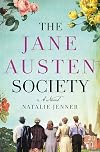
First, I would like to personally thank Natalie Jenner, because it’s pretty obvious this book was written just for me.
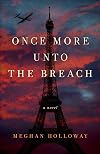
Another one. Another NetGalley book that I have been skipping over and really, really shouldn’t have. I might have read too many WWII novels a few years ago and burnt myself out a bit, but this one. This one is fantastic.
This book is so perfectly written, I found myself rereading passages just so that I could do that stare-off-into-space dreamy thing and then read it again. It’s not flowery and sweet… this is a war story, and it’s full of all the dark, gritty horrors that you expect. It’s just so well told that even the horrible is somehow beautiful. The descriptions of wartime Paris, the French countryside, the Alps, and the Welsh hills are so vivid and lovely.
The novel is obviously well researched and the story, which is most definitely a fast-paced thriller, feels very much like it could have happened. Patton even makes a brief appearance as the Americans have arrived to help liberate France. Side plots of priceless artworks being smuggled from Paris to keep them from the Germans, as well as a network to save Jewish children from Nazis, all while our main character races to find his son… there is so much going on here, and it all just perfectly entwines into a cohesive, engaging story.
Rhys is probably the most attractive white male lead in a book I’ve read for a long time. We aren’t talking Jamie Fraser level here, but it’s a near thing. He’s tough, flawed, and tortured, but he’s got such an incredible sense of what’s right and important. The show more flashbacks to his time in WWI and the losses of his family at home are heartbreaking and endeared him to me. The burdens that he quite literally carries throughout his life, and his relationship with his son, as well as the new relationships he forges with the people he meets in his search for that son, make for an amazing read.
I highly recommend this book to fans of historical fiction, especially WWII era. It may not be a bright, happy story from start to finish, but there is enough hope and love to make it worth the time and emotional investment. show less
This book is so perfectly written, I found myself rereading passages just so that I could do that stare-off-into-space dreamy thing and then read it again. It’s not flowery and sweet… this is a war story, and it’s full of all the dark, gritty horrors that you expect. It’s just so well told that even the horrible is somehow beautiful. The descriptions of wartime Paris, the French countryside, the Alps, and the Welsh hills are so vivid and lovely.
The novel is obviously well researched and the story, which is most definitely a fast-paced thriller, feels very much like it could have happened. Patton even makes a brief appearance as the Americans have arrived to help liberate France. Side plots of priceless artworks being smuggled from Paris to keep them from the Germans, as well as a network to save Jewish children from Nazis, all while our main character races to find his son… there is so much going on here, and it all just perfectly entwines into a cohesive, engaging story.
Rhys is probably the most attractive white male lead in a book I’ve read for a long time. We aren’t talking Jamie Fraser level here, but it’s a near thing. He’s tough, flawed, and tortured, but he’s got such an incredible sense of what’s right and important. The show more flashbacks to his time in WWI and the losses of his family at home are heartbreaking and endeared him to me. The burdens that he quite literally carries throughout his life, and his relationship with his son, as well as the new relationships he forges with the people he meets in his search for that son, make for an amazing read.
I highly recommend this book to fans of historical fiction, especially WWII era. It may not be a bright, happy story from start to finish, but there is enough hope and love to make it worth the time and emotional investment. show less
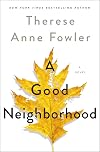
This is one of those books that grabs hold of the reader right from the start and doesn’t let go. From the start, everything slowly revealed about these characters expertly drew me in and made me want to know more.
The titular ‘good neighborhood’ is Oak Knoll, an aging, suburban area full of close-knit neighbors and gorgeous old trees. Valerie Alston-Holt is a widowed, middle-aged Black professor of forestry and ecology. Her main passions have been raising her smart, soon-to-graduate biracial son, Xavier, and doing what she can to protect nature and the environment. Xavier has a bright future ahead of him and all is well until the neighborhood begins to change as homes of aging neighbors are bought up, torn down, and replaced with McMansions by ‘new money’ people. Enter local celebrity Brad Whitman, whose HVAC business is popular and prosperous. Brad moves his family next door to the Alston-Holts, after first clearing the lot of all of its old trees to build his new home. While Brad’s family appears traditional and happy from the outside, things are not as they seem and his stepdaughter, Juniper, is troubled. The two families are very quickly at odds, and a blossoming romance between Xavier and Juniper does nothing to help that.
Fowler’s writing is truly excellent: descriptive while being very to the point, and her use of apparently multiple 3rd person narratives from the perspective of some unnamed neighbors was brilliant and effective. The timing is great, show more and the story moves along such that I had no time to be bored.
The story itself tackles a whole lot of hot-button issues: racism, profiling, sexual abuse, white privilege, power structures caused by economic differences, Christian conservatism, and ecological conservation. While it’s not an in-depth study of any of these issues, the author does manage to keep all of the balls in the air and bring everything together nicely. The end result is a heart breaking and powerful cautionary tale.
If you’re looking for an uplifting novel, this is probably not the book for you. While there is sunshine, there’s a lot more gloom, and from the very beginning, our Greek chorus narrators have warned us that it will not end well. Still, a totally engrossing read that make me think and hurt my heart. show less
The titular ‘good neighborhood’ is Oak Knoll, an aging, suburban area full of close-knit neighbors and gorgeous old trees. Valerie Alston-Holt is a widowed, middle-aged Black professor of forestry and ecology. Her main passions have been raising her smart, soon-to-graduate biracial son, Xavier, and doing what she can to protect nature and the environment. Xavier has a bright future ahead of him and all is well until the neighborhood begins to change as homes of aging neighbors are bought up, torn down, and replaced with McMansions by ‘new money’ people. Enter local celebrity Brad Whitman, whose HVAC business is popular and prosperous. Brad moves his family next door to the Alston-Holts, after first clearing the lot of all of its old trees to build his new home. While Brad’s family appears traditional and happy from the outside, things are not as they seem and his stepdaughter, Juniper, is troubled. The two families are very quickly at odds, and a blossoming romance between Xavier and Juniper does nothing to help that.
Fowler’s writing is truly excellent: descriptive while being very to the point, and her use of apparently multiple 3rd person narratives from the perspective of some unnamed neighbors was brilliant and effective. The timing is great, show more and the story moves along such that I had no time to be bored.
The story itself tackles a whole lot of hot-button issues: racism, profiling, sexual abuse, white privilege, power structures caused by economic differences, Christian conservatism, and ecological conservation. While it’s not an in-depth study of any of these issues, the author does manage to keep all of the balls in the air and bring everything together nicely. The end result is a heart breaking and powerful cautionary tale.
If you’re looking for an uplifting novel, this is probably not the book for you. While there is sunshine, there’s a lot more gloom, and from the very beginning, our Greek chorus narrators have warned us that it will not end well. Still, a totally engrossing read that make me think and hurt my heart. show less
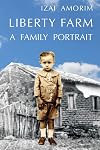
I had the opportunity to read an earlier version of this family saga last year, and I enjoyed it so much that I requested and read a copy from NetGalley this month.
I didn’t know a lot about this time period in Brazilian history, but the author does a great job laying out the national political situation alongside the family’s story. The family itself is populated by colorful and interesting characters: patriarch Ezra made me crazy, but I couldn’t help but like him. I adored Helena and Lara—both are strong female characters doing what they must in their own times—and loved Ezra Neto. Esra Duarte is a perfect villain… when a character can actually make me angry, the author has their job.
This book is well written, informative and entertaining, with a touch of magical realism courtesy of some enlightening dream sequences. Beautiful photographs throughout the book, along with helpful maps, glossaries, and character lists, make this an enjoyable and informative read. Highly recommend for anyone who enjoys Gabriel Garcia Márquez, Isabel Allende, or historical family sagas.
I didn’t know a lot about this time period in Brazilian history, but the author does a great job laying out the national political situation alongside the family’s story. The family itself is populated by colorful and interesting characters: patriarch Ezra made me crazy, but I couldn’t help but like him. I adored Helena and Lara—both are strong female characters doing what they must in their own times—and loved Ezra Neto. Esra Duarte is a perfect villain… when a character can actually make me angry, the author has their job.
This book is well written, informative and entertaining, with a touch of magical realism courtesy of some enlightening dream sequences. Beautiful photographs throughout the book, along with helpful maps, glossaries, and character lists, make this an enjoyable and informative read. Highly recommend for anyone who enjoys Gabriel Garcia Márquez, Isabel Allende, or historical family sagas.
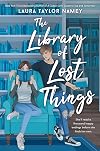
Hooray for YA romance that is fun to read and doesn’t make my eyes roll constantly. It did have some of the usual tropes (main character is different from all of the other girls, adults are fairly useless, rich kids hosting awesome parties), but it has enough good going for it that I didn’t mind.
Darcy is nearly 18, super smart, book-obsessed, and keeping a big secret: the single mom that raised her after her father left their volatile relationship before her birth is a hoarder. Darcy’s best friend Marisol is the only person that has been to her apartment, and Darcy is worried the new building manager will see the mess and kick them out. She’s worried about children’s services finding out and taking her from her mom, and works to help pay expenses since so much of her mom’s money goes to shopping and hoarding. Darcy has never been kissed and lives inside her books and stories. One day, a damaged boy walks into the bookstore where she works, and things start to change.
Things that I love about this book:
Darcy is great. She’s the kind of extreme bookish that I can appreciate, she’s practically a genius, and she has excellent taste in books (if I do say so myself). She’s a little dramatic and whiny at times, but I was that way at 18, too. And for a little while last Tuesday, and many other times in between, so I’m ok with that.
Darcy is nearly 18, super smart, book-obsessed, and keeping a big secret: the single mom that raised her after her father left their volatile relationship before her birth is a hoarder. Darcy’s best friend Marisol is the only person that has been to her apartment, and Darcy is worried the new building manager will see the mess and kick them out. She’s worried about children’s services finding out and taking her from her mom, and works to help pay expenses since so much of her mom’s money goes to shopping and hoarding. Darcy has never been kissed and lives inside her books and stories. One day, a damaged boy walks into the bookstore where she works, and things start to change.
Things that I love about this book:
Darcy is great. She’s the kind of extreme bookish that I can appreciate, she’s practically a genius, and she has excellent taste in books (if I do say so myself). She’s a little dramatic and whiny at times, but I was that way at 18, too. And for a little while last Tuesday, and many other times in between, so I’m ok with that.
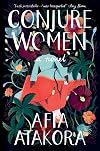
Upon finishing this book, I knew that I needed to read more books by Afia Atakora. A quick search tells me Conjure Women is actually her debut novel? All I can say to that is… wow.
Set just before, during, and after the American Civil War in the antebellum south, this striking novel tells the story of healer and slave Miss May Belle, her daughter and somewhat reluctant protege, Rue, and their master’s daughter, Varina. Rue and Varina are the same age and grow up together amidst the brutality and tragedy of slavery on a southern plantation. Secrets, lies, betrayals, magic, and spiritualism pervade the story of this community of slaves as they become free men and women and their struggles continue.
Atakora’s writing is fantastic and affecting. All of the characters are well-developed and authentic, but Rue especially stole my heart. What a beautifully complex and layered character. She’s very much a product of her life and environment , but she’s alsoindependent, smart and headstrong.
This is definitely not an easy read—as one expects, its dark, heartbreaking, and full of terribleness. It feels realistic, painful, and important, and despite all of the sadness, this book has much to offer of joy and hope. Rue, May Belle, and Varina will stick with me for a long while.
Set just before, during, and after the American Civil War in the antebellum south, this striking novel tells the story of healer and slave Miss May Belle, her daughter and somewhat reluctant protege, Rue, and their master’s daughter, Varina. Rue and Varina are the same age and grow up together amidst the brutality and tragedy of slavery on a southern plantation. Secrets, lies, betrayals, magic, and spiritualism pervade the story of this community of slaves as they become free men and women and their struggles continue.
Atakora’s writing is fantastic and affecting. All of the characters are well-developed and authentic, but Rue especially stole my heart. What a beautifully complex and layered character. She’s very much a product of her life and environment , but she’s alsoindependent, smart and headstrong.
This is definitely not an easy read—as one expects, its dark, heartbreaking, and full of terribleness. It feels realistic, painful, and important, and despite all of the sadness, this book has much to offer of joy and hope. Rue, May Belle, and Varina will stick with me for a long while.
This review is also posted on my blog
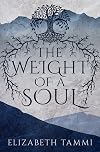
Gorgeous cover, right? The description on NetGalley also grabbed my attention – young sisters in a Viking clan, grief and mourning, Norse gods and maybe even Ragnarök? Yes, please! I was thrilled to be approved for a free ARC of this book. Unfortunately, the book fell flat for me.
The blurb sounds very promising: when Lena’s sister, Fressa, is found dead, the whole Viking clan mourns, but Lena can’t move on. She needs to know how and why her sister died, and feels like the wrong sister was taken. Lena will do anything to bring her sister back, including striking a dark deal with Hela, the goddess of death. As she moves closer to bringing her sister back, she discovers family secrets and does the unthinkable, all while darkness, cold, and possibly the end of the world descend on their world.
I really think this concept could have been developed into a good story, but unfortunately this book suffers from lack of structure and not-so-great writing. While it is clear that a lot of research went into creating the Nordic/viking culture in the story, I don’t feel like the characters themselves are well developed. It’s hard to really feel anything for Lena or any of the other characters when they are so one-dimensional and incomplete. It’s hard to invest in the strong bond between Lena and Fressa when we have no backstory or reason to believe their closeness, and the same is true of the love story – it doesn’t feel special or show more intense at all. The story is told in third person, which in this case didn’t help me to connect to the characters. The plot itself is wandering and clunky, with a big event at the beginning, followed by a lot of randomness, and some more action right at the end. I felt lost throughout and ultimately unsatisfied at the end. The writing itself is ok but in need of some editing – that’s likely just because my copy is an ARC and not the final product.
Since I did enjoy the concept, setting, and addition of Norse mythology, and the story managed to keep me reading until the end, I’m giving this book two stars instead of one. If YA/historical fiction/fantasy is your thing, don’t let my review sway you – Goodreads has many glowing ratings of this book, so maybe it’s just me? show less
Gorgeous cover, right? The description on NetGalley also grabbed my attention – young sisters in a Viking clan, grief and mourning, Norse gods and maybe even Ragnarök? Yes, please! I was thrilled to be approved for a free ARC of this book. Unfortunately, the book fell flat for me.
The blurb sounds very promising: when Lena’s sister, Fressa, is found dead, the whole Viking clan mourns, but Lena can’t move on. She needs to know how and why her sister died, and feels like the wrong sister was taken. Lena will do anything to bring her sister back, including striking a dark deal with Hela, the goddess of death. As she moves closer to bringing her sister back, she discovers family secrets and does the unthinkable, all while darkness, cold, and possibly the end of the world descend on their world.
I really think this concept could have been developed into a good story, but unfortunately this book suffers from lack of structure and not-so-great writing. While it is clear that a lot of research went into creating the Nordic/viking culture in the story, I don’t feel like the characters themselves are well developed. It’s hard to really feel anything for Lena or any of the other characters when they are so one-dimensional and incomplete. It’s hard to invest in the strong bond between Lena and Fressa when we have no backstory or reason to believe their closeness, and the same is true of the love story – it doesn’t feel special or show more intense at all. The story is told in third person, which in this case didn’t help me to connect to the characters. The plot itself is wandering and clunky, with a big event at the beginning, followed by a lot of randomness, and some more action right at the end. I felt lost throughout and ultimately unsatisfied at the end. The writing itself is ok but in need of some editing – that’s likely just because my copy is an ARC and not the final product.
Since I did enjoy the concept, setting, and addition of Norse mythology, and the story managed to keep me reading until the end, I’m giving this book two stars instead of one. If YA/historical fiction/fantasy is your thing, don’t let my review sway you – Goodreads has many glowing ratings of this book, so maybe it’s just me? show less
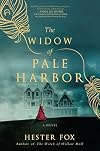
The Widow of Pale Harbor is the second novel by Hester Fox. I read her first, The Witch of Willow Hall, earlier this month. The two books have similarities: a gothic feel, strong female characters trying to make their way in 19th century America, creepy central mysteries, a little bit of witchcraft, and a little bit of romance. Both are well written, engaging, and great reads for me.
The titular character of The Widow is Sophronia Carver, a wealthy recluse in 1846 whom the townspeople suspect of being a witch and the murderer of her husband. Sophie lives with her spinster maid friend, Helen (who is also a real witch) in Castle Carver, editing her deceased husbands magazine and generally being shunned by everyone in town. Gabriel Stone is a recent widower and the new minister in town, hoping to leave behind the ghosts of his own past.
Strange, unsettling things are happening around town, and Gabriel and Sophie quickly realize that all of them are related to stories by Edgar Allan Poe that have been published in Sophie’s magazine. As the mystery culprit escalates from creepy pranks and threatening notes to gruesome murder, our characters struggle with who to trust and their own developing feelings for each other.
This book was pretty much un-putdownable, and I read it in a day. The writing is atmospheric and hauntingly beautiful, the mystery kept me guessing for quite a while, and the romance was just perfect: not too much, but enough to get me invested. I loved Sophie and show more Gabriel, and it was nice to have the story from both of their points of view. The Poe elements were very cleverly done and ratcheted up the tension and creepiness. A perfect read for a chilly, fall day.
Thanks to the publisher and NetGalley for the free copy in exchange for an honest review. I’m looking forward to more books from Hester Fox. show less
The titular character of The Widow is Sophronia Carver, a wealthy recluse in 1846 whom the townspeople suspect of being a witch and the murderer of her husband. Sophie lives with her spinster maid friend, Helen (who is also a real witch) in Castle Carver, editing her deceased husbands magazine and generally being shunned by everyone in town. Gabriel Stone is a recent widower and the new minister in town, hoping to leave behind the ghosts of his own past.
Strange, unsettling things are happening around town, and Gabriel and Sophie quickly realize that all of them are related to stories by Edgar Allan Poe that have been published in Sophie’s magazine. As the mystery culprit escalates from creepy pranks and threatening notes to gruesome murder, our characters struggle with who to trust and their own developing feelings for each other.
This book was pretty much un-putdownable, and I read it in a day. The writing is atmospheric and hauntingly beautiful, the mystery kept me guessing for quite a while, and the romance was just perfect: not too much, but enough to get me invested. I loved Sophie and show more Gabriel, and it was nice to have the story from both of their points of view. The Poe elements were very cleverly done and ratcheted up the tension and creepiness. A perfect read for a chilly, fall day.
Thanks to the publisher and NetGalley for the free copy in exchange for an honest review. I’m looking forward to more books from Hester Fox. show less
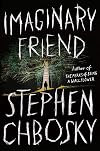
I was so excited to get a copy of this book through NetGalley. I loved Chbosky’s Perks of Being a Wallflower, and the premise of this new book sounded very Stephen King, which translates to very my-kind-of-book. I had just been approved when my 15-year-old daughter also picked it as her BOTM add-on for October, so clearly this was meant to be.
Single mom Kate Reese is running from an abusive man and a heartbreaking past with her seven-year-old son, Christopher. They are both drawn to a tiny, out of the way town in Pennsylvania, and Kate is determine to start fresh and provide her son with a good life. Both are haunted by the suicide of Christopher’s father, who was also the only good man Kate every knew. Just as they are settling in, Christopher vanishes for 6 days after being mysteriously led into the woods outside of town by unknown forces. When he comes out, he can’t remember his time there, but he has a voice in his head that only he can hear and a strange mission to complete to save his mom and the town.
First things first: this is a BIG book (720 pages), and I have seen some reviews that say it’s too long or slow. That was most definitely not my experience reading Imaginary Friend. I though the pacing was perfect, and the tension builds throughout in a slow, perfect burn. There is honestly nothing I would rather have been cut from the story, as everything seems very deliberate and purposeful. I was so drawn in to this story that I also downloaded the audiobook show more so that I didn’t have to stop reading when I couldn’t sit down, and I finished the story in less than 3 days.
The writing is really, really good. The characters are so well-developed and complete. At the beginning of the book, Christopher is clearly written like a young child who is possibly dyslexic, struggling with school, confused about the loss of his father, and worried about his mom; after his return from the woods, he is most definitely changed, which is evident from not only his ‘spontaneous genius’ but from his more mature character voice. Chbosky effortlessly slips between many different character narratives as the town slides into terrifying chaos.
For me, the mark of a truly great read is the books ability to take me through a range of feelings. I cared about Kate, Christopher, and his friends. I felt for many of the townspeople, and I giggled, smiled, cried, and was truly frightened. The comparisons to King are likely because of the horror elements, but I was very pleased with how this book delivered the total experience I treasure as a reader. Just like Stephen King does for me so often. show less
Single mom Kate Reese is running from an abusive man and a heartbreaking past with her seven-year-old son, Christopher. They are both drawn to a tiny, out of the way town in Pennsylvania, and Kate is determine to start fresh and provide her son with a good life. Both are haunted by the suicide of Christopher’s father, who was also the only good man Kate every knew. Just as they are settling in, Christopher vanishes for 6 days after being mysteriously led into the woods outside of town by unknown forces. When he comes out, he can’t remember his time there, but he has a voice in his head that only he can hear and a strange mission to complete to save his mom and the town.
First things first: this is a BIG book (720 pages), and I have seen some reviews that say it’s too long or slow. That was most definitely not my experience reading Imaginary Friend. I though the pacing was perfect, and the tension builds throughout in a slow, perfect burn. There is honestly nothing I would rather have been cut from the story, as everything seems very deliberate and purposeful. I was so drawn in to this story that I also downloaded the audiobook show more so that I didn’t have to stop reading when I couldn’t sit down, and I finished the story in less than 3 days.
The writing is really, really good. The characters are so well-developed and complete. At the beginning of the book, Christopher is clearly written like a young child who is possibly dyslexic, struggling with school, confused about the loss of his father, and worried about his mom; after his return from the woods, he is most definitely changed, which is evident from not only his ‘spontaneous genius’ but from his more mature character voice. Chbosky effortlessly slips between many different character narratives as the town slides into terrifying chaos.
For me, the mark of a truly great read is the books ability to take me through a range of feelings. I cared about Kate, Christopher, and his friends. I felt for many of the townspeople, and I giggled, smiled, cried, and was truly frightened. The comparisons to King are likely because of the horror elements, but I was very pleased with how this book delivered the total experience I treasure as a reader. Just like Stephen King does for me so often. show less
The stories were hit and miss for me, but overall an enjoyable read. See my full review on my blog: http://sprainedbrain.blog/2019/10/19/the-whispered-tales-of-graves-grove-an-anth...
I was expecting horror, and The Twisted Ones does deliver on that, with a pervasive, folksy-gothic atmosphere and some seriously unsettling moments. I was not expecting such a fresh, sarcastic narrator voice and so much humor weaved into the story, but both only added to my enjoyment.
The story starts with our narrator, a thirty something (maybe forty something?) single woman called Mouse and her adorably dumb dog, Bongo, heading into backwoods North Carolina on a mission. Mouse’s mean and nasty old grandmother has died, and Mouse is tasked with cleaning out her home. She discovers that grandma was a hoarder, and begins trying to sort through the mess. In the process, Mouse discovers the journal of her also-deceased step-grandfather, which contains the quote above, and soon strange things start to go bump in the night. And look in the windows in the middle of the night.
I’m not giving away any spoilers, but suffice it to say the things that Mouse and Bongo encounter in the woods outside are terrifying, and the book has more than a few scary moments. The pace is fast, the book is surprisingly modern, the writing is solid, and Mouse is a fantastic character. I loved her wit and realness, and maybe most of all her relationship with her dog.
Speaking of the dog, can I just say how refreshing to was to know early on that the dog was going to make it? Hooray for horror that doesn’t kill off the pet, and double hooray for an author who will tell us that upfront.
The story starts with our narrator, a thirty something (maybe forty something?) single woman called Mouse and her adorably dumb dog, Bongo, heading into backwoods North Carolina on a mission. Mouse’s mean and nasty old grandmother has died, and Mouse is tasked with cleaning out her home. She discovers that grandma was a hoarder, and begins trying to sort through the mess. In the process, Mouse discovers the journal of her also-deceased step-grandfather, which contains the quote above, and soon strange things start to go bump in the night. And look in the windows in the middle of the night.
I’m not giving away any spoilers, but suffice it to say the things that Mouse and Bongo encounter in the woods outside are terrifying, and the book has more than a few scary moments. The pace is fast, the book is surprisingly modern, the writing is solid, and Mouse is a fantastic character. I loved her wit and realness, and maybe most of all her relationship with her dog.
Speaking of the dog, can I just say how refreshing to was to know early on that the dog was going to make it? Hooray for horror that doesn’t kill off the pet, and double hooray for an author who will tell us that upfront.

This little book is brutal and horrible and savage. It’s like Lord of the Flies Friday the 13th (with literal 6-year-olds instead of teenagers). I’m not giving away anything that isn’t in the description: of the 12 children and 3 adults on this camping trip, none of them survive.
I can’t recommend this book to anyone I know, but it’s well-written, beyond disturbing, and I could not stop reading it.
I can’t recommend this book to anyone I know, but it’s well-written, beyond disturbing, and I could not stop reading it.
This is a short read with a really good concept. I enjoy historical fiction set during WWII, and I liked the characters assembled here. It was interesting to have a native character and the author did a good job of showing some of the difficulties he would have living and working with non-native people during a time of war.
There is a lot of beautiful imagery in this book and I enjoyed reading it. However, the book starts and ends very abruptly, is very heavy on dialogue, and the characters don’t feel as fleshed out as they could have been. Overall, a pleasant way to spend my afternoon.
Thanks to the publisher for the copy I received from NetGalley.
There is a lot of beautiful imagery in this book and I enjoyed reading it. However, the book starts and ends very abruptly, is very heavy on dialogue, and the characters don’t feel as fleshed out as they could have been. Overall, a pleasant way to spend my afternoon.
Thanks to the publisher for the copy I received from NetGalley.
Having read Coates' nonfiction, I knew him to be a powerful writer. Nonetheless, I was completely blown away by the strength of emotions that reading his first novel evoked. This is truly excellent, well-researched historical fiction with added magical realism that takes the novel in a very pleasant direction. Wonderful writing, strong characters, and a memorable storyline. One of the best books I read in 2019.
This is a book that sat in my NetGalley tbr for far too long. I have no idea why I kept skipping it for others, and it’s now one of the best books I’ve read this year.
First, The Bright Unknown is beautifully written. It’s descriptive (painfully so at times) and well-paced, with a fully realized character in Brighton. I truly felt like I grew up with her, and felt her feelings right along with her. The characters of Nursey, Angel, and Grace are also well-drawn and authentic. The story feels researched and very much within its time historically. I’ve not read any other books by this author, but I will most definitely be looking for more of her work.
I really appreciated the way the author dealt with the harsh reality of how people with mental illnesses and people on the fringes of society were treated in our institutions in the not-so-distant past. The book is gritty and heartbreaking, and even though poor Brighton has never known anything but Riverside, and the patients and staff there are her friends and family, the reader truly feels the horror, neglect, and sadness of the poor souls trapped within its walls. I think this quote near the end, from grown-up Nell, perfectly summarizes my feelings having finished the book:
“Don’t forget that thousand of souls lived and died there and were ostracized by society. Many are buried in the back corner because no one claimed their bodies. Don’t forget the history of what has happened at Riverside and other facilities show more like it, and don’t let history repeat itself. And when you meet someone who might struggle with mental illness, see the person behind the frightened eyes. Not just the diagnosis.”
Even when Brighton and Angel are able to escape, they have a long way to go both physically and emotionally on their own in the world for the first time. There are times that things outside seem even less hopeful and bleak than things were in the asylum. Thankfully, the endings of both timelines were uplifting and positive… I needed that in my life right now!
I highly recommend this book to anyone who enjoys historical fiction, coming-of-age stories that don’t shy away from the darker side of society. If you’re anything like me, you will need to have some tissues handy, though. It’s a powerful story that will take your heart apart and still leave you hopeful. show less
First, The Bright Unknown is beautifully written. It’s descriptive (painfully so at times) and well-paced, with a fully realized character in Brighton. I truly felt like I grew up with her, and felt her feelings right along with her. The characters of Nursey, Angel, and Grace are also well-drawn and authentic. The story feels researched and very much within its time historically. I’ve not read any other books by this author, but I will most definitely be looking for more of her work.
I really appreciated the way the author dealt with the harsh reality of how people with mental illnesses and people on the fringes of society were treated in our institutions in the not-so-distant past. The book is gritty and heartbreaking, and even though poor Brighton has never known anything but Riverside, and the patients and staff there are her friends and family, the reader truly feels the horror, neglect, and sadness of the poor souls trapped within its walls. I think this quote near the end, from grown-up Nell, perfectly summarizes my feelings having finished the book:
“Don’t forget that thousand of souls lived and died there and were ostracized by society. Many are buried in the back corner because no one claimed their bodies. Don’t forget the history of what has happened at Riverside and other facilities show more like it, and don’t let history repeat itself. And when you meet someone who might struggle with mental illness, see the person behind the frightened eyes. Not just the diagnosis.”
Even when Brighton and Angel are able to escape, they have a long way to go both physically and emotionally on their own in the world for the first time. There are times that things outside seem even less hopeful and bleak than things were in the asylum. Thankfully, the endings of both timelines were uplifting and positive… I needed that in my life right now!
I highly recommend this book to anyone who enjoys historical fiction, coming-of-age stories that don’t shy away from the darker side of society. If you’re anything like me, you will need to have some tissues handy, though. It’s a powerful story that will take your heart apart and still leave you hopeful. show less
Long and sprawling, witty and satirical, this is quite a character study. I think I recognized someone I know in real life in each and every one of the main characters. A novel without a hero, you say, Mr. Thackeray? Then please explain Dobbin! :)