
Heroes must journey to entomb the forbidden truth. Evil knowledge hidden for hundreds of years has been exposed in Northern India. Now the young scholar Pratima and the inexperienced library worker William must join forces to end the threat. Will they be able to travel the rivers, valleys and village ways to arrive in time? Will they have the power to prevent the catastrophe? Their quest for the Librarian is a race against time to stop the unleashing of a grave danger on the land.

Fledgling is now one of my favor books. This was my second read. This story is about a young woman who does not fit into her society and must navigate the treacherous shoals of young adulthood. Her society is completely about academic lifestyle. Theo's mother is a respected scholar of very high status on the planet of Delgado. Women are the dominant gender on the planet and men play a secondary role. Theo's father is a competent scholar, but her mother's work and position takes precedence.
There is a strong change in Theo's character through the book. She begins the book as a clumsy girl and later in the book has respect and potential for great things. There is a lot of tension and conflict in the story, without fighting or battles.
People who would like this story are probably people who have happily spent time in academia and are not looking for fighting scenes. The next book continues Theo's story.
There is a strong change in Theo's character through the book. She begins the book as a clumsy girl and later in the book has respect and potential for great things. There is a lot of tension and conflict in the story, without fighting or battles.
People who would like this story are probably people who have happily spent time in academia and are not looking for fighting scenes. The next book continues Theo's story.
Neuroscience and Media: New Understandings and Representations (Routledge Research in Cultural and Media Studies) by Michael Grabowski
This volume explores how advances in the fields of evolutionary neuroscience and cognitive psychology are informing media studies with a better understanding of how humans perceive, think and experience emotion within mediated environments. The book highlights interdisciplinary and transdisciplinary approaches to the production and reception of cinema, television, the Internet and other forms of mediated communication that take into account new understandings of how the embodied brain senses and interacts with its symbolic environment. Moreover, as popular media shape perceptions of the promises and limits of brain science, contributors also examine the representation of neuroscience and cognitive psychology within mediated culture.
Michael Grabowski is an Associate Professor of Communication at Manhattan College. His work explores how different forms of mediated communication shape the way people think and act within their symbolic environment. He has won two Emmy Awards and has worked on documentaries, feature films, commercials, music videos, and news.
Michael Grabowski is an Associate Professor of Communication at Manhattan College. His work explores how different forms of mediated communication shape the way people think and act within their symbolic environment. He has won two Emmy Awards and has worked on documentaries, feature films, commercials, music videos, and news.

A slow story with some fascinating aspects. One of the main characters is a woman spaceship captain who is a practicing Muslim wearing a niqab. The story of a full fledged war between A.I.s and humans and their allies.

Fun continuation of Kait's story of crime solving high school adventures. I enjoyed it as much as the first in the series.
This is a good space opera adventure read. I liked that the level of threat and danger is continuous from the beginning of the story through to the end.
The parts I liked the best were the boarding of the alien starship and the space battles. The protagonists are faced with the daunting task of seizing control of an alien spacecraft that was built by an unknown civilization thousands of years ago. How they attempt to accomplish that is unique in my reading experience. I would never have thought of trying that. This book is only minimally military fiction. The space battles are few and far between, but I liked how they are handled. The opposing sides are alien cultures to each other and employ different weapons and tactics. It is refreshing to see battle postulated between mismatched military cultures. Military fiction is overflowing with fictional alien cultures that are armed exactly the same on each side. I liked the approach that each side had different strengths and weaknesses when they meet in battle.
The part I found the hardest was the character exposition. For me, the dialogue between the characters dragged. I found positive and negative in the character relations. It is a good thing that the protagonists are not a smoothly working team. Again science fiction books are filled with the heroes being of one mind and never disagreeing. In this book, the protagonists disagree and argue about what to do at each stage of the mission. I found that realistic and somewhat show more refreshing, while also getting a little tired of the bickering.
The leader seemed too much of a martinet during the first part of the book. He is always sure of what to do next, and orders his team to shut up and obey him. This felt like an unlikely style of leadership because they were such a small group in a tiny little scout craft. Then toward the end he changes, but starts trying to sleep with his underlings. Perhaps realistic for a man, but it irritated me.
I enjoyed this read and would read a sequel. show less
The parts I liked the best were the boarding of the alien starship and the space battles. The protagonists are faced with the daunting task of seizing control of an alien spacecraft that was built by an unknown civilization thousands of years ago. How they attempt to accomplish that is unique in my reading experience. I would never have thought of trying that. This book is only minimally military fiction. The space battles are few and far between, but I liked how they are handled. The opposing sides are alien cultures to each other and employ different weapons and tactics. It is refreshing to see battle postulated between mismatched military cultures. Military fiction is overflowing with fictional alien cultures that are armed exactly the same on each side. I liked the approach that each side had different strengths and weaknesses when they meet in battle.
The part I found the hardest was the character exposition. For me, the dialogue between the characters dragged. I found positive and negative in the character relations. It is a good thing that the protagonists are not a smoothly working team. Again science fiction books are filled with the heroes being of one mind and never disagreeing. In this book, the protagonists disagree and argue about what to do at each stage of the mission. I found that realistic and somewhat show more refreshing, while also getting a little tired of the bickering.
The leader seemed too much of a martinet during the first part of the book. He is always sure of what to do next, and orders his team to shut up and obey him. This felt like an unlikely style of leadership because they were such a small group in a tiny little scout craft. Then toward the end he changes, but starts trying to sleep with his underlings. Perhaps realistic for a man, but it irritated me.
I enjoyed this read and would read a sequel. show less

I enjoyed the journey of this science fantasy. There are two narrators in the story who are different in every way. They become friends and allies in the conflict for the new world.
Like other reviewers, I wish the sequel were available. I found the world and struggle in the alternate world to be compelling and interesting.
The most interesting feature of story to me was the beginning of learning the signing language of the raccoon people. The author was very clear and realistic in explaining the difficulty in learning communication between the human and raccoon.
This book is very erudite, educated and sophisticated. I had to look up a few words in this story, which is very unusual for me. This book is probably best for very educated readers. Readers who are looking for a simple action story would likely be disappointed. The most detail in the story is the psychological relations between the different characters. There is some fighting, armed and hand-to-hand raccoon fighting, but this is just incidental to the plot.
I enjoyed the book and recommend it to anyone looking for a deep look at alternate raccoon society.
Like other reviewers, I wish the sequel were available. I found the world and struggle in the alternate world to be compelling and interesting.
The most interesting feature of story to me was the beginning of learning the signing language of the raccoon people. The author was very clear and realistic in explaining the difficulty in learning communication between the human and raccoon.
This book is very erudite, educated and sophisticated. I had to look up a few words in this story, which is very unusual for me. This book is probably best for very educated readers. Readers who are looking for a simple action story would likely be disappointed. The most detail in the story is the psychological relations between the different characters. There is some fighting, armed and hand-to-hand raccoon fighting, but this is just incidental to the plot.
I enjoyed the book and recommend it to anyone looking for a deep look at alternate raccoon society.
Unfortunately, my expectations were too high for this book. I greatly enjoyed the previous book in this series. Anghara had such amazing adventures in the previous book running from her half-brother who usurped her throne away from her. She started out young and inexperienced and grew in understanding, power and self-determination in that book.
Now in the sequel, Anghara is still on the run from Sif, but the first half of the book she is disabled in mind and body and can barely walk, talk and think. Everything to save her has to be done by the men and others around her. It is quite an odd first half of the book.
The last 100 pages of the book redeemed my expectations. Anghara was again the strong Queen who had to struggle to gain her kingdom back from the usurper. The book did a good job of bringing the story to a close and tying up all the loose ends.
Now in the sequel, Anghara is still on the run from Sif, but the first half of the book she is disabled in mind and body and can barely walk, talk and think. Everything to save her has to be done by the men and others around her. It is quite an odd first half of the book.
The last 100 pages of the book redeemed my expectations. Anghara was again the strong Queen who had to struggle to gain her kingdom back from the usurper. The book did a good job of bringing the story to a close and tying up all the loose ends.
I enjoyed the YA story. The main character is 9 years old when the story starts. It is a coming of age story against difficult odds.
I remember being a fan of the book many years ago when I read it as a youngster. Now rereading it in my 50s I find it is still powerful and enjoyable to me.
Certainly the story reads as rather immature in tone and characterization. These aspects are appropriate since the main character/narrator is 13 years old in the story.
Some people might find the plot development rather slow. We spend most of the book following Mia as she lives a year of her life in the massive spaceship that is her home. It is only in the last 1/4 of the book that she lands on planets and begins her rite of passage.
Another aspect that some readers will not like is the fact that Mia does not get her way. Many events around her cause Mia unhappiness. There is a major plot development in the final pages that shock Mia and leave her dissatisfied and unhappy. I think these plot points are useful because life for young people is not a series of wish fulfillments that give the young people everything they want. Adults in the world have the power to make decisions that young people disagree with and leave many young people angry and wanting change. This is the way the world is and should be in YA fiction also.
I enjoyed this book and recommend it to readers who can handle a slow pace aimed at young teens.
Certainly the story reads as rather immature in tone and characterization. These aspects are appropriate since the main character/narrator is 13 years old in the story.
Some people might find the plot development rather slow. We spend most of the book following Mia as she lives a year of her life in the massive spaceship that is her home. It is only in the last 1/4 of the book that she lands on planets and begins her rite of passage.
Another aspect that some readers will not like is the fact that Mia does not get her way. Many events around her cause Mia unhappiness. There is a major plot development in the final pages that shock Mia and leave her dissatisfied and unhappy. I think these plot points are useful because life for young people is not a series of wish fulfillments that give the young people everything they want. Adults in the world have the power to make decisions that young people disagree with and leave many young people angry and wanting change. This is the way the world is and should be in YA fiction also.
I enjoyed this book and recommend it to readers who can handle a slow pace aimed at young teens.
Starting my second read of this book. It was a great read the first time. The intercultural relations is the amazing key to this book.
Talks about body language between people who speak different languages. Talks about big projects require group action by people combining together.
Talks about body language between people who speak different languages. Talks about big projects require group action by people combining together.

I very much enjoyed this read. I finished it quickly, in about 3 days. I do not read much Fantasy, but this was only minimally Fantasy. Yes, there is an Elflord, an enchanted sword and a monster of legend, but after all it is set in the New York City of a few years ago and no one believes in magic.
I believe the most entertaining stories are Mary Sue stories. The main character, Ruth, is a library science graduate student, and the author has library science degrees. I found the trivial details about day to day lives of graduate students at Columbia University to be a refreshing grounding for the high adventure story that is going on.
It was such a relief to me to read a story with words or more than 2 syllables. All popular writing today is dumbed down for about 3rd grade reading levels. Shakespeare would never be able to be published today. "Shakespeare, why do you have to use such difficult words, you will lose your audience!" I could identify with the central characters because they are graduate students and I am a graduate student.
The flow of time in this fantasy felt more real to me compared to most modern fiction. Modern writers know they must plot their stories like a 40 minute television drama. The tension must rise as the action accelerates and the plot points are reached with perfect timing. Of course, no real life adventure occurs like that. Time speeds up unnaturally under threat and stress, while at other times boredom is more dangerous and powerful than the show more enemy. The time flow in this story varied in ways the characters could not control and they were tossed like dolls in the vortex of events beyond their understanding.
Decisions have consequences, loyalties are tested, broken and reformed. I enjoyed the old fashion Rett Butler type of romance that slowly unfolded in the story. I wanted the characters to live and find happiness. While this is not a grim dark type of story, it has dramatic tone and some tragedy comes to some characters.
Unfortunately, as much as I enjoyed the book, I worry about other readers. There are big words, there are references to other historical literature. The characters do not behave as if they read the script. It is frustrating when characters make mistakes. It is frustrating when characters don't trust their companions and are not completely honest. The characters were not well cast for this fantastic adventure they find themselves thrust into. I suspect the likely readers while have some college classes under their belt and able to tolerated a story that does not move from one predictable plot point to the next. I found it alot of fun and a fast read, I hope others find it and give it a try. show less
I believe the most entertaining stories are Mary Sue stories. The main character, Ruth, is a library science graduate student, and the author has library science degrees. I found the trivial details about day to day lives of graduate students at Columbia University to be a refreshing grounding for the high adventure story that is going on.
It was such a relief to me to read a story with words or more than 2 syllables. All popular writing today is dumbed down for about 3rd grade reading levels. Shakespeare would never be able to be published today. "Shakespeare, why do you have to use such difficult words, you will lose your audience!" I could identify with the central characters because they are graduate students and I am a graduate student.
The flow of time in this fantasy felt more real to me compared to most modern fiction. Modern writers know they must plot their stories like a 40 minute television drama. The tension must rise as the action accelerates and the plot points are reached with perfect timing. Of course, no real life adventure occurs like that. Time speeds up unnaturally under threat and stress, while at other times boredom is more dangerous and powerful than the show more enemy. The time flow in this story varied in ways the characters could not control and they were tossed like dolls in the vortex of events beyond their understanding.
Decisions have consequences, loyalties are tested, broken and reformed. I enjoyed the old fashion Rett Butler type of romance that slowly unfolded in the story. I wanted the characters to live and find happiness. While this is not a grim dark type of story, it has dramatic tone and some tragedy comes to some characters.
Unfortunately, as much as I enjoyed the book, I worry about other readers. There are big words, there are references to other historical literature. The characters do not behave as if they read the script. It is frustrating when characters make mistakes. It is frustrating when characters don't trust their companions and are not completely honest. The characters were not well cast for this fantastic adventure they find themselves thrust into. I suspect the likely readers while have some college classes under their belt and able to tolerated a story that does not move from one predictable plot point to the next. I found it alot of fun and a fast read, I hope others find it and give it a try. show less

George Henry Smith (October 27, 1922 – May 22, 1996) was an American science fiction author, who also wrote soft-core erotica according to Wikipedia. This book has a publication date of 1963.
I read this book twenty years ago. I thought it was pretty good for soft-core porn science fiction.
I read this book twenty years ago. I thought it was pretty good for soft-core porn science fiction.
I was long a fan of General Semantics, so this is a great Science Fiction book for me. This was the kind of Sci-Fi book I grew up with, so the male centric, and poor characterization seems just fine to me.
I enjoy the concepts that are being thought about in this story. It is also easier to read than Alfred Korzybski's book explaining the ideas. "Science and Sanity"
Everyone should read this. Just remember Van Vogt was a pulp writer from the 1930s and 1940s.
Below are some academic articles I found about this book:
Sharp, William Henry. "A. E. Van Vogt and the World of Null-a." Et Cetera, 63.1 (2006): 4.
Nosnivel, Nitram. "Quotations from the World of Null-a." Et Cetera, 65.3 (2008): 286.
Drake, H. L. The Null-a Worlds of AE Van Vogt. C. Drumm Books, 1989.
Stephensen-Payne, Phil, and Ian Covell. AE Van Vogt, Master of Null-A: A Working Bibliography. Galactic Central, 1997.
Kiddell, John B. "Titan on an overgrown typewriter: a Jungian approach to AE Van Vogt's Null-A novels." (1989).
I enjoy the concepts that are being thought about in this story. It is also easier to read than Alfred Korzybski's book explaining the ideas. "Science and Sanity"
Everyone should read this. Just remember Van Vogt was a pulp writer from the 1930s and 1940s.
Below are some academic articles I found about this book:
Sharp, William Henry. "A. E. Van Vogt and the World of Null-a." Et Cetera, 63.1 (2006): 4.
Nosnivel, Nitram. "Quotations from the World of Null-a." Et Cetera, 65.3 (2008): 286.
Drake, H. L. The Null-a Worlds of AE Van Vogt. C. Drumm Books, 1989.
Stephensen-Payne, Phil, and Ian Covell. AE Van Vogt, Master of Null-A: A Working Bibliography. Galactic Central, 1997.
Kiddell, John B. "Titan on an overgrown typewriter: a Jungian approach to AE Van Vogt's Null-A novels." (1989).
On page 51 so far. It is fascinating to read so much attention to how language divides us and bridges gaps between us.
On page 120. I am loving this book way too much. Oh my goodness, preventing a fight with words and cultural knowledge. That is what I'm talking about. I believe the most powerful weapon humans have is language, this author is acting on that idea.
I don't want it to end! I am intentionally reading slowly. And there is a naive narrator, how great is that. I love it because I learn through her questions.
On page 120. I am loving this book way too much. Oh my goodness, preventing a fight with words and cultural knowledge. That is what I'm talking about. I believe the most powerful weapon humans have is language, this author is acting on that idea.
I don't want it to end! I am intentionally reading slowly. And there is a naive narrator, how great is that. I love it because I learn through her questions.
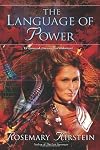
This is book four of a series about the Steerswoman, Rowan. This amazing series might have one or two more books, if and when they get published. This fourth book is similar to the previous books in the series. We follow Rowan in her search to uncover the mysteries of with the wizards and the guidestars.
Rowan comes to Donner and does what Steerswomen do. She questions people who might have known the wizard at the time 4 decades earlier when the guidestar was brought down. She finds the Donner connection to Slado, the head wizard she suspects of being the lead enemy.
Again, I admire the descriptive detail of the author in the day-to-day lives of the characters. When a town is visited in the books, you know what the town looks like, and especially what it feels like in that town.
When people are threatened with danger and death, you know why they die and why they live. I love the way the characters are real in this book, like the scenery. Each person we are introduced to has a back story and motivations. Even the villains have reasons for why they do things. This kind of writing is not what we are used to. There are world famous rich authors who are cranking out books, and getting huge movie deals, with no idea how to represent realistic characters or story world.
There is one major aspect of the book that would be a spoiler if this were book one. If you have not read the three previous books, skip this paragraph of my review, This aspect I was not aware of when I first show more picked up the first book to read, Steerswoman. I was not sure I wanted to continue reading that first book. I don't often read fantasy books. The series has 'wizards', 'dragons' and 'magic.' Someone reviewing the first book revealed the huge spoiler that actually the books are not fantasy. Rowan and the characters in the books think magic exists, but actually when they investigate, in the proper way, they find understandable explanations for all marvelous events. I think this series would be useful in schools to teach students about scientific thinking and methodology.
I only have two reservations about this book. First, the description of the search for the dragons was very long, running over many pages. Second, this book ends with a great need for a sequel. I approached the last pages of the book dreading the ending without a next book to pick up. I will buy the next book, as soon as it comes out. Many mysteries in the series are revealed in this book, but the tension in the long term story has not been resolved.
Who will appreciate this book and series? Unfortunately, the universe of readers who will like this type of writing may be limited. Probably readers have to have experienced enough in their lives to appreciate descriptions of real events in a fictional book. The plot is not driven by action and violence. Occasionally violence and action happens. Those incidents occur because someone makes a mistake, miscalculation or coincidences happen. Readers have to enjoy reading for the sake of character development, not for action alone.
I think this is one of the most interesting series ever written and hope new people can discover it. Enjoy! show less
Rowan comes to Donner and does what Steerswomen do. She questions people who might have known the wizard at the time 4 decades earlier when the guidestar was brought down. She finds the Donner connection to Slado, the head wizard she suspects of being the lead enemy.
Again, I admire the descriptive detail of the author in the day-to-day lives of the characters. When a town is visited in the books, you know what the town looks like, and especially what it feels like in that town.
When people are threatened with danger and death, you know why they die and why they live. I love the way the characters are real in this book, like the scenery. Each person we are introduced to has a back story and motivations. Even the villains have reasons for why they do things. This kind of writing is not what we are used to. There are world famous rich authors who are cranking out books, and getting huge movie deals, with no idea how to represent realistic characters or story world.
There is one major aspect of the book that would be a spoiler if this were book one. If you have not read the three previous books, skip this paragraph of my review, This aspect I was not aware of when I first show more picked up the first book to read, Steerswoman. I was not sure I wanted to continue reading that first book. I don't often read fantasy books. The series has 'wizards', 'dragons' and 'magic.' Someone reviewing the first book revealed the huge spoiler that actually the books are not fantasy. Rowan and the characters in the books think magic exists, but actually when they investigate, in the proper way, they find understandable explanations for all marvelous events. I think this series would be useful in schools to teach students about scientific thinking and methodology.
I only have two reservations about this book. First, the description of the search for the dragons was very long, running over many pages. Second, this book ends with a great need for a sequel. I approached the last pages of the book dreading the ending without a next book to pick up. I will buy the next book, as soon as it comes out. Many mysteries in the series are revealed in this book, but the tension in the long term story has not been resolved.
Who will appreciate this book and series? Unfortunately, the universe of readers who will like this type of writing may be limited. Probably readers have to have experienced enough in their lives to appreciate descriptions of real events in a fictional book. The plot is not driven by action and violence. Occasionally violence and action happens. Those incidents occur because someone makes a mistake, miscalculation or coincidences happen. Readers have to enjoy reading for the sake of character development, not for action alone.
I think this is one of the most interesting series ever written and hope new people can discover it. Enjoy! show less

I enjoyed this second book in the Steerswoman series. It is challenging to read them. This book continues and expands the practice of showing ordinary lives. These books are not about leading up to action payoffs every few chapters. Instead these books are written with the flow of life that seems real. A person lives life with everyday events happening, and once in a while sudden violence might happen which is a surprising interruption.
Rowan is continuing her investigation of the fallen guidestar. I am learning more about day-to-day life in an outskirter camp than I ever wanted to know.
I most enjoy learning about the Face people.
The author is frustrating me by revealing no more about the mysteries of the Guidestars and the Wizards to us readers than she reveals to the steerswoman. So we must try to put together the mystery at the same speed as the characters in the story. Very frustrating, but probably a wise writing choice.
I want to warn potential readers. There are pages upon pages of information about the life and practices of the nomadic goat herders in the Outback and the Face. Be prepared.
Rowan is continuing her investigation of the fallen guidestar. I am learning more about day-to-day life in an outskirter camp than I ever wanted to know.
I most enjoy learning about the Face people.
The author is frustrating me by revealing no more about the mysteries of the Guidestars and the Wizards to us readers than she reveals to the steerswoman. So we must try to put together the mystery at the same speed as the characters in the story. Very frustrating, but probably a wise writing choice.
I want to warn potential readers. There are pages upon pages of information about the life and practices of the nomadic goat herders in the Outback and the Face. Be prepared.
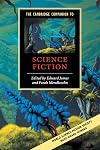
This collection was informative about the history of science fiction. Like most collections the essays are unequal. I most enjoyed the Space Opera (chapter 14) and the life sciences chapter (chapter 12). Following is the chapter list. Great resource for learning and reviewing the historical progress if Science Fiction in the 20th Century. The collection was mostly European and American centric, which was appropriate for me, since matches my reading experiences.
1 Science fiction before the genre 15
brian stableford
2 The magazine era: 1926–1960 32
brian attebery
3 New Wave and backwash: 1960–1980 48
damien broderick
4 Science fiction from 1980 to the present 64
john clute
5 Film and television 79
mark bould
6 Science fiction and its editors 96
gary k. wolfe
7 Marxist theory and science fiction 113
istvan csicsery-ronay, jr
8 Feminist theory and science fiction 125
veronica hollinger
9 Postmodernism and science fiction 137
andrew m. butler
10 Science fiction and queer theory 149
wendy pearson
Part 3. Sub-genres and themes
11 The icons of science fiction 163
gwyneth jones
12 Science fiction and the life sciences 174
joan slonczewski and michael levy
13 Hard science fiction 186
kathryn cramer
14 Space opera 197
gary westfahl
15 Alternate history 209
andy duncan
16 Utopias and anti-utopias 219
edward james
17 Politics and science fiction 230
ken macleod
18 Gender in science fiction 241
helen merrick
19 Race and ethnicity in science fiction 253
elisabeth anne leonard
20 Religion and science fiction 264
farah show more mendlesohn show less
1 Science fiction before the genre 15
brian stableford
2 The magazine era: 1926–1960 32
brian attebery
3 New Wave and backwash: 1960–1980 48
damien broderick
4 Science fiction from 1980 to the present 64
john clute
5 Film and television 79
mark bould
6 Science fiction and its editors 96
gary k. wolfe
7 Marxist theory and science fiction 113
istvan csicsery-ronay, jr
8 Feminist theory and science fiction 125
veronica hollinger
9 Postmodernism and science fiction 137
andrew m. butler
10 Science fiction and queer theory 149
wendy pearson
Part 3. Sub-genres and themes
11 The icons of science fiction 163
gwyneth jones
12 Science fiction and the life sciences 174
joan slonczewski and michael levy
13 Hard science fiction 186
kathryn cramer
14 Space opera 197
gary westfahl
15 Alternate history 209
andy duncan
16 Utopias and anti-utopias 219
edward james
17 Politics and science fiction 230
ken macleod
18 Gender in science fiction 241
helen merrick
19 Race and ethnicity in science fiction 253
elisabeth anne leonard
20 Religion and science fiction 264
farah show more mendlesohn show less

Now that I have finished this book, I love it. This is the first book in a series about the Steerswoman Rowan. After the first 50 pages I was not sure if I was going to finished it. I then went and looked at others' reviews. One secret revealed by another reviewer made me want to continue the book.
I started the book because a reviewer had compared the steerswomen to librarians. I would not have used that analogy. I would have compared a steerswoman to a high level analyst. She always considers all the facts she has access to in making decisions. I found the book slow going, but I am glad I going to keep at it.
This book is got under my skin. As I read, I liked it more and more. It was slow starting, but it may get added to my list of favorite books. The characters are constantly looking around them and smelling the air and trying to reason through what their senses and minds tell them is happening around them.
this book contains many details of life that occur in between plot action. Fictional story-telling is filled with a series of dramatic points where tension is constructed and resolved. Real life is different, our lives do not build to dramatic points on a regular basis. This book contains much more of real life that occurs between dramatic points.
I started the book because a reviewer had compared the steerswomen to librarians. I would not have used that analogy. I would have compared a steerswoman to a high level analyst. She always considers all the facts she has access to in making decisions. I found the book slow going, but I am glad I going to keep at it.
This book is got under my skin. As I read, I liked it more and more. It was slow starting, but it may get added to my list of favorite books. The characters are constantly looking around them and smelling the air and trying to reason through what their senses and minds tell them is happening around them.
this book contains many details of life that occur in between plot action. Fictional story-telling is filled with a series of dramatic points where tension is constructed and resolved. Real life is different, our lives do not build to dramatic points on a regular basis. This book contains much more of real life that occurs between dramatic points.
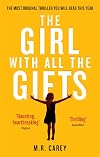
As many reviewers says, this book is a surprisingly good read. I don't often read zombie stories, but when I do I prefer to read ones like this. This books joins the apparently growing subgenre of different zombie tales.
I found the story fascinating from the first pages to the end. I sta
This book goes into the science of the causes for humans becoming hungries
I found the story fascinating from the first pages to the end. I sta
This book goes into the science of the causes for humans becoming hungries

This was an odd and somewhat interesting book. I remember reading it when I was a youngster. I thought is was powerful then. In my attempt to re-read the book now 30 years later, I had a hard time finishing it.
The
The
* Listen to the crash
* Of breakers on yonder reef,
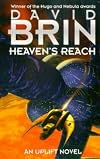
* And. tell me this ain't real! * So says Olelo, a dolphin crew member on one spacecraft on the last pages of the book, Heaven's Reach.
This is a difficult review for me. Brin's book, Uplift War is one of my favorite science fiction books. Heaven's Reach, continuing the same story three books later is a very difficult read. As other reviewers have said, there are way too many POVs.
Let me itemize the evidence for the crime of excessive POVs: Harry Harm, ASX/EASX, Sara, Emerson, Lark, Gillian Baskin, Tsh't, Rety, Dwer. Have I left out some POV characters, who knows, who cares.
I found about the first 100 pages to be highly readable. Then around page 100 I started getting confused by the quick jumping from POV to POV. I started skimming hard. After about another 100 pages I found interesting answers to the questions in the stories. There are about 100 pages starting around page 200 that give answers to why the find from 4 books ago has started an all out attack on Earth. There is information about the older races who are on their path to leaving the physical realm. I find the the author does answer the questions raised in the series if you carefully read pages 200 - 300.
After page 300 I went back to skimming until about 50 pages from the end. The book does a complete job of detailing the fate of each of the separate POV characters in this one book.
So, in conclusion, this book has serious problems. There are some interesting show more storylines: Harry's adventures in E-Space, Gillian's conversations with the old ones, how galactic civilization is changing over millions of years. I would not generally recommend this book for people to read. I had read all of the first Uplift series and the first of this series. so I was interested in finishing the series for myself. Some other people who have read and enjoyed other titles in this series might want to read this one. show less
* Of breakers on yonder reef,
* And. tell me this ain't real! * So says Olelo, a dolphin crew member on one spacecraft on the last pages of the book, Heaven's Reach.
This is a difficult review for me. Brin's book, Uplift War is one of my favorite science fiction books. Heaven's Reach, continuing the same story three books later is a very difficult read. As other reviewers have said, there are way too many POVs.
Let me itemize the evidence for the crime of excessive POVs: Harry Harm, ASX/EASX, Sara, Emerson, Lark, Gillian Baskin, Tsh't, Rety, Dwer. Have I left out some POV characters, who knows, who cares.
I found about the first 100 pages to be highly readable. Then around page 100 I started getting confused by the quick jumping from POV to POV. I started skimming hard. After about another 100 pages I found interesting answers to the questions in the stories. There are about 100 pages starting around page 200 that give answers to why the find from 4 books ago has started an all out attack on Earth. There is information about the older races who are on their path to leaving the physical realm. I find the the author does answer the questions raised in the series if you carefully read pages 200 - 300.
After page 300 I went back to skimming until about 50 pages from the end. The book does a complete job of detailing the fate of each of the separate POV characters in this one book.
So, in conclusion, this book has serious problems. There are some interesting show more storylines: Harry's adventures in E-Space, Gillian's conversations with the old ones, how galactic civilization is changing over millions of years. I would not generally recommend this book for people to read. I had read all of the first Uplift series and the first of this series. so I was interested in finishing the series for myself. Some other people who have read and enjoyed other titles in this series might want to read this one. show less

This is one of my favorite books of all time. Let me just mention some of the topics touched on in this book: relations between humans and chimps and other species; relations between humans and their alien allies; alien invasion; warfare technology; the Galactic Library; interstellar travel; blockading and breaking blockades in space; romantic desire between non-physically compatible species; ecology of alien planets; deception of allies and allies; how communication is difficult between alien species; primitive armaments versus futuristic technology; and how telling a lie can sometimes lead to truth.
This book has the feature I most often appreciate in sci-fi, the intercultural relations between alien species. The main characters are: Fiben Bolger, the neo-chimp who has been uplifted and is a space pilot and colonial fighter; a Tymbrimi young female named Athaclena; her father, Uthacalthing, Kault the Thennanin; the human Robert. As the Gubru invade the human/neo-chim colony planet of Garth, the main characters must take to the hills and organize an armed resistance to the invaders.
This book has that rare feature of containing sex that is essential to the plot. We have heard so much of the argument that sex in art should be justified by importance to story. This is actually the only book or other piece of art, I can think of, where the sex portrayed is actually important to the storyline of uplift of neo-chims.
Now, who will enjoy this story. Readers who are interested in show more military fiction. But, the warfare is very high level and strategic, without much physical fighting on the page. The fact and facts about Galactic aliens is the largest component of this book. So, if you don't enjoy vast amounts of information about alien races, stay away from this book. For me, this is Brin's best book, and I most enjoy his books. show less
This book has the feature I most often appreciate in sci-fi, the intercultural relations between alien species. The main characters are: Fiben Bolger, the neo-chimp who has been uplifted and is a space pilot and colonial fighter; a Tymbrimi young female named Athaclena; her father, Uthacalthing, Kault the Thennanin; the human Robert. As the Gubru invade the human/neo-chim colony planet of Garth, the main characters must take to the hills and organize an armed resistance to the invaders.
This book has that rare feature of containing sex that is essential to the plot. We have heard so much of the argument that sex in art should be justified by importance to story. This is actually the only book or other piece of art, I can think of, where the sex portrayed is actually important to the storyline of uplift of neo-chims.
Now, who will enjoy this story. Readers who are interested in show more military fiction. But, the warfare is very high level and strategic, without much physical fighting on the page. The fact and facts about Galactic aliens is the largest component of this book. So, if you don't enjoy vast amounts of information about alien races, stay away from this book. For me, this is Brin's best book, and I most enjoy his books. show less

Very serviceable old-school space opera from the 1950s. Reads like a boys life adventure from an even earlier period. I breezed through it in 3 days and enjoyed it.
It has a very dated feel today in 2014. Not one female named role. The only mention of alien races have very xenophobic attitudes toward them.
If you are looking for a brief vacation from the complex sci-fi of today give Andre Norton a try.
It has a very dated feel today in 2014. Not one female named role. The only mention of alien races have very xenophobic attitudes toward them.
If you are looking for a brief vacation from the complex sci-fi of today give Andre Norton a try.

Cute juvenile science fiction adventure. Light and frothy tale of alien invasion of earth and teen angst. If you are in the mood for a child's view of an alien attack, this is for you. I would guess 5-14 year old boys would be the normal demographic for this story.

This a significant work of science fiction. Like all important science fiction this book can involve and enmesh the reader. There is an alternate world on the earth of the future. Two races of human exist. There are forerunners, who are old humans like us. There are the ler, who are a new species of human. These ler are smaller than most humans and live longer, having delayed maturation.
Like all good books, the characters in this book face moral dilemmas and decisions. There is a major decision that the ler had to make which lead to the point of contention between the species. The heroine in the story has a difficult decision to make near the beginning of the book. The path she travels sets up the action and storyline for the remainder of the book.
I am so impressed with this work. Every page causes me to think deep thoughts and wonder at implications of the ideas presented. I am not saying the ideas are good or sensible ideas. But, I was driven to think about things. It is said that he worked for secretive agencies of the U.S. government at times in his career. This gives added weight to the portrayal of secretive agencies in the book.
Now to try to think about who might enjoy this book, or not. Even fans of this book would admit there are a lot of info dumps. I mean, really a lot. The book would probably lose half its length without info dumps. But, for me they served a valid purpose. The author is introducing new cultures that are drastically different from our show more traditional world. The author has an excuse for downloading a great deal of facts and information. But I can imagine some readers losing patience. The ideal reader will be fascinated with reading about a new type of human and how they have structured their society so differently from the forerunners. show less
Like all good books, the characters in this book face moral dilemmas and decisions. There is a major decision that the ler had to make which lead to the point of contention between the species. The heroine in the story has a difficult decision to make near the beginning of the book. The path she travels sets up the action and storyline for the remainder of the book.
I am so impressed with this work. Every page causes me to think deep thoughts and wonder at implications of the ideas presented. I am not saying the ideas are good or sensible ideas. But, I was driven to think about things. It is said that he worked for secretive agencies of the U.S. government at times in his career. This gives added weight to the portrayal of secretive agencies in the book.
Now to try to think about who might enjoy this book, or not. Even fans of this book would admit there are a lot of info dumps. I mean, really a lot. The book would probably lose half its length without info dumps. But, for me they served a valid purpose. The author is introducing new cultures that are drastically different from our show more traditional world. The author has an excuse for downloading a great deal of facts and information. But I can imagine some readers losing patience. The ideal reader will be fascinated with reading about a new type of human and how they have structured their society so differently from the forerunners. show less
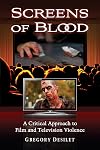
Unfortunately this book contains mostly personal opinions about movies and television shows disguised as academic analysis. The author expresses how horrible "Django unchained" is and undeserving of awards but how great the "Book of Eli" is.
The whole book is structured this way, with the author's opinions expressed as objective fact. Movies and television shows are judged by the author and we are told why we must agree with his assessments. Perhaps a reader might appreciate the book if they agree with the author's views of shows.
The whole book is structured this way, with the author's opinions expressed as objective fact. Movies and television shows are judged by the author and we are told why we must agree with his assessments. Perhaps a reader might appreciate the book if they agree with the author's views of shows.

I finished the 473 pages in about 4 days. It has very much the same feel of the first book. If you enjoyed the previous book, you will enjoy this one.
This is a hard science fiction book with multiple viewpoints from the different characters. We even see internal dialog from two alien intelligences.
The story is a continuation of what transpired in the first book. The Earth has been stolen and transported to a nursery of worlds controlled by an alien intellect that does not even recognize the existence of human beings. Humans on Earth and the abandoned Solar System attempt to restore contact between the two branches of humanity.
All the same characters are involved as were introduced in the first book. Two new scientists are introduced on the Stolen Earth who play important roles and the Autocrat of Ceres is shown with his ship that will be important.
The reason some people would not like this book is because of the constant information dumps. This story is about gravity beam, tunnels, radios and other gravity based technologies. The plot is dependent upon the operation of black holes, neutron stars, fusion engines and radar devices. The narration and dialog constantly refers to the needed facts and theories on which the plot twists rely.
I enjoyed the heavy hard science mumbo-jumbo in the book, but I suspect many readers would not tolerate it. This book is for hard science fans who are interested in conflict with alien intelligences.
This is a hard science fiction book with multiple viewpoints from the different characters. We even see internal dialog from two alien intelligences.
The story is a continuation of what transpired in the first book. The Earth has been stolen and transported to a nursery of worlds controlled by an alien intellect that does not even recognize the existence of human beings. Humans on Earth and the abandoned Solar System attempt to restore contact between the two branches of humanity.
All the same characters are involved as were introduced in the first book. Two new scientists are introduced on the Stolen Earth who play important roles and the Autocrat of Ceres is shown with his ship that will be important.
The reason some people would not like this book is because of the constant information dumps. This story is about gravity beam, tunnels, radios and other gravity based technologies. The plot is dependent upon the operation of black holes, neutron stars, fusion engines and radar devices. The narration and dialog constantly refers to the needed facts and theories on which the plot twists rely.
I enjoyed the heavy hard science mumbo-jumbo in the book, but I suspect many readers would not tolerate it. This book is for hard science fans who are interested in conflict with alien intelligences.

I took this book up after finishing another series by the same author. I liked the other series, obviously, and while this is different, it is interesting to me.
This story involves a violent conflict between two cultures. However, one participant in the struggle does not realize there is a battle going on.
This book is heavily immersed in space science. Gravity and other astrophysics terms are mentioned on every page.
Readers who are likely to appreciate this book are happy with hard science books. There are several main characters who are based on Earth, the Moon, Mars and Pluto. The POV changes in each chapter.
I found the book very entertaining. I was in a mood for this type of book with cultural conflict and hard science.
This story involves a violent conflict between two cultures. However, one participant in the struggle does not realize there is a battle going on.
This book is heavily immersed in space science. Gravity and other astrophysics terms are mentioned on every page.
Readers who are likely to appreciate this book are happy with hard science books. There are several main characters who are based on Earth, the Moon, Mars and Pluto. The POV changes in each chapter.
I found the book very entertaining. I was in a mood for this type of book with cultural conflict and hard science.

Wow. Where to start. I am very impressed by this book. I started reading about 4 days ago. It has several parts that got my attention. There is almost too much to be in one book. Planetary alliances, national relations, military operations in space, alien contact, genocide, gender differences, bio-weapons, romance, betrayal, trust, drunkenness and faster-than-light travel. If that is not enough, there are at least 15 characters to keep track of, and where in space they are during the narrative. Good thing there is no time travel in this book, or it would be more of a mess.
Let me itemize some of the parts of the book that work for me. There is an interstellar war between the loose federation of planets connected to Earth against a mysterious enemy group of humans who left Earth years earlier. I would roughly assign the time of the book as about 200 years in the future. Technology is very similar to what we have in the 20th century with some advances to be compatible with space travel. Societies are descended from national groupings including British, United States, Finns, etc.
The main characters from the first book are involved in this sequel. Mac and Joz are still married and working for the unified militaries that are fighting the Guardians. The Guardians are the evil enemy humans as they were in the first book. We see what happened to the lost survey ship that was mentioned extensively in the beginning of the first book. We see more of the world of the Guardians and show more more of their individual soldiers. New characters are introduced who play different roles in the story.
Big new elements in this book are the aliens. On a planet controlled by the Guardians, first contact is made with aliens who are planet bound and know nothing about humans. These aliens have a profound impact on the war and the plot-lines of the book. The aliens impact the story through introduction of new weaponry, language discoveries and startling differences in biology between the two species.
The book is military fiction, alien interactions, social commentary and a buddy story. The author is making a strong point at the end of the book about the need to be loyal to the people closest to you. The beginning of the story addresses an angle of that message as Mac is being court-marshaled for treasonable actions after saving his bosses so well in the first book.
I always try to guess who will enjoy reading books I review. This is hard to do for this book, as with most books. I believe many people would have a hard time with this book. The story and writing are all over the map. The book merges many genres, there is military action, but it is not all fighting. The book contains interaction with aliens, but, that is not the whole book. The book talks about bio-tech and space technology, but, the book is not about science. I think the book requires the reader to be willing to take their time with it.
What changed my rating from a 3 star or 4 star to a 5 star is one aspect of the book I have not described. There are many dramatic differences between the humans and aliens. The process of learning each others language is detailed in the book. There is one difference that is revealed suddenly near the end of the book that has such momentous importance for relations between the two species that it can decide the war and the future of the two species.
I am so glad I read this book. My review of the first book in this series, states that it was a moderately competent space opera that includes military fiction. This second book seemed a great deal more to me. This book helped me think about why human beings are the way we are, and why we do some things the way we do. I read the 1985 version of this book. show less
Let me itemize some of the parts of the book that work for me. There is an interstellar war between the loose federation of planets connected to Earth against a mysterious enemy group of humans who left Earth years earlier. I would roughly assign the time of the book as about 200 years in the future. Technology is very similar to what we have in the 20th century with some advances to be compatible with space travel. Societies are descended from national groupings including British, United States, Finns, etc.
The main characters from the first book are involved in this sequel. Mac and Joz are still married and working for the unified militaries that are fighting the Guardians. The Guardians are the evil enemy humans as they were in the first book. We see what happened to the lost survey ship that was mentioned extensively in the beginning of the first book. We see more of the world of the Guardians and show more more of their individual soldiers. New characters are introduced who play different roles in the story.
Big new elements in this book are the aliens. On a planet controlled by the Guardians, first contact is made with aliens who are planet bound and know nothing about humans. These aliens have a profound impact on the war and the plot-lines of the book. The aliens impact the story through introduction of new weaponry, language discoveries and startling differences in biology between the two species.
The book is military fiction, alien interactions, social commentary and a buddy story. The author is making a strong point at the end of the book about the need to be loyal to the people closest to you. The beginning of the story addresses an angle of that message as Mac is being court-marshaled for treasonable actions after saving his bosses so well in the first book.
I always try to guess who will enjoy reading books I review. This is hard to do for this book, as with most books. I believe many people would have a hard time with this book. The story and writing are all over the map. The book merges many genres, there is military action, but it is not all fighting. The book contains interaction with aliens, but, that is not the whole book. The book talks about bio-tech and space technology, but, the book is not about science. I think the book requires the reader to be willing to take their time with it.
What changed my rating from a 3 star or 4 star to a 5 star is one aspect of the book I have not described. There are many dramatic differences between the humans and aliens. The process of learning each others language is detailed in the book. There is one difference that is revealed suddenly near the end of the book that has such momentous importance for relations between the two species that it can decide the war and the future of the two species.
I am so glad I read this book. My review of the first book in this series, states that it was a moderately competent space opera that includes military fiction. This second book seemed a great deal more to me. This book helped me think about why human beings are the way we are, and why we do some things the way we do. I read the 1985 version of this book. show less