
The story was relatively well-written and very successful at keeping the intrigue up throughout the whole narrative, making the reader more and more pumped for an ending that would blow our collective minds. but the sad truth is that it just didn't. the end was far too vague to balance out the fascinating oddities of the rest of the narrative and left most readers going, "wait... what just happened?" as they finished the tale. I had much more hope for the book than its ending provided, leaving it deeply unresolved in my mind.
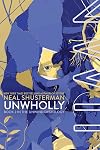
Shusterman's follow-up to Unwind was utterly brilliant. Originally, Unwind was written to be a stand-alone novel so I wasn't sure what to expect in it's sequel but Shusterman did not disappoint. I'm blown away by the expansion and development of the world and characters created in Unwind and am even more impressed by its potential philosophical implications. This installment proved quickly to be yet another thought-provoking thrill ride.

bizarre but a classic is a classic, no matter how weird and depressing

much more profound and original than anticipated - a strong conclusion to a trilogy that stumbled at times but ultimately told a powerful story
much more profound and original than anticipated - a strong conclusion to a trilogy that stumbled at times but ultimately told a powerful story

there were many aspects that could have been better but the content has enslaved me with intrigue. even if it reads like a panem/maze runner ripoff at times. even if I want to punch the narrator in the face for being a dumb twat. I still have to know what happens

Interesting to think it was the first book of it's kind. There's definitely a jump from the lore familiar in the modern world but is probably more organic to the time and place in which it was written. A bit frustrated that Le Fanu hit you over the head with some aspects to make his point but left gaping holes in other aspects. That's the thing with Gothic fragmentary writing though, I guess. Overall, a really interesting read.

I was really impressed with the strong finale of the series. Dashner does an incredible job keeping the suspense up and breaking our hearts when they need to be broken, not to mention reinventing labyrinthine horror! It actually strikes me as a dystopian take on Walpole's the Castle of Otranto in which the most prevalent theme is that the sins of the fathers will be visited upon the sons (which essentially means consequences will always come around). I like seeing the theme again here acting as the terrain of the post-apocalyptic world. Unfortunately, that also might be the reason some readers found it a bit lacking in substance. Dashner sets up a promising premise and does a good job redefining what reality means for the gladers, but he also utilizes some archetypal narrative devices which is why some scenes may remind you of Indiana Jones and the Temple of Doom. But at the same time, I think he applies such archetypal narrative devices very creatively, combining them with conspiracies and corrupt institutions. You have to give the story arc credit as an impressive platform for social commentary, though, regarding everything from the principles of utilitarianism to the flare's relevance in modern day degenerative diseases and the complexities of euthanasia. Overall, I think Dashner did a great job creating a fast-paced dystopian thriller which communicates ideas on multiple levels.
I was really impressed with the strong finale of the series. Dashner does an incredible job keeping the suspense up and breaking our hearts when they need to be broken, not to mention reinventing labyrinthine horror! It actually strikes me as a dystopian take on Walpole's the Castle of Otranto in which the most prevalent theme is that the sins of the fathers will be visited upon the sons (which essentially means consequences will always come around). I like seeing the theme again here acting as the terrain of the post-apocalyptic world. Unfortunately, that also might be the reason some readers found it a bit lacking in substance. Dashner sets up a promising premise and does a good job redefining what reality means for the gladers, but he also utilizes some archetypal narrative devices which is why some scenes may remind you of Indiana Jones and the Temple of Doom. But at the same time, I think he applies such archetypal narrative devices very creatively, combining them with conspiracies and corrupt institutions. You have to give the story arc credit as an impressive platform for social commentary, though, regarding everything from the principles of utilitarianism to the flare's relevance in modern day degenerative diseases and the complexities of euthanasia. Overall, I think Dashner did a great job creating a fast-paced dystopian thriller which communicates ideas on multiple levels.
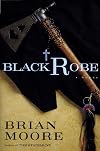
Brian Moore captures the emotional anguish of a priest in a crisis of faith surprisingly well for a journey narrative. It was well written, full of incredible metaphors and parallels that make you look past the culture clash and see, instead, the shared humanity of very different people. That being said, I read it for a class and really didn't anticipate how graphic some of the torture scenes were - it was pretty traumatizing. still a better way to spend my night than watching the grammy's, though.
there were many aspects that could have been better but the content has enslaved me with intrigue. even if it reads like a panem/maze runner ripoff at times. even if I want to punch the narrator in the face for being a dumb twat. I still have to know what happens
bizarre but a classic is a classic, no matter how weird and depressing
Brian Moore captures the emotional anguish of a priest in a crisis of faith surprisingly well for a journey narrative. It was well written, full of incredible metaphors and parallels that make you look past the culture clash and see, instead, the shared humanity of very different people. That being said, I read it for a class and really didn't anticipate how graphic some of the torture scenes were - it was pretty traumatizing. still a better way to spend my night than watching the grammy's, though.
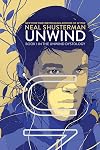
I'm really impressed with the implications of Shusterman's social commentary. I hadn't read him in eight years - I read Downsiders as part of a summer list for my english class - and can attest to the widespread appeal of his writing. He's one of few to successfully write an intriguing narrative chalked full of historical allegory and discussions of current controversial issues. I'm curious where it goes from here, and I'm excited to find out.
Shusterman's follow-up to Unwind was utterly brilliant. Originally, Unwind was written to be a stand-alone novel so I wasn't sure what to expect in it's sequel but Shusterman did not disappoint. I'm blown away by the expansion and development of the world and characters created in Unwind and am even more impressed by its potential philosophical implications. This installment proved quickly to be yet another thought-provoking thrill ride.
I'm really impressed with the implications of Shusterman's social commentary. I hadn't read him in eight years - I read Downsiders as part of a summer list for my english class - and can attest to the widespread appeal of his writing. He's one of few to successfully write an intriguing narrative chalked full of historical allegory and discussions of current controversial issues. I'm curious where it goes from here, and I'm excited to find out.
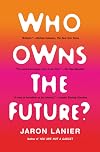
This book was my everest. It took 16 months of starting and stopping to read it in completion. The first half of the book flew by in a whirlwind of intrigue and critical thought but as its conclusion approached, the narrative seemed to shift abruptly from a blend of social science, economics, technology, and cultural application to a tone heavily dominated by complex economic models and name-dropping accomplishments. I wasn't going to let myself put another book down when it seemed dull just to start another to half-finish, and it was one of the most difficult commitments I have ever held myself to. I like the metaphor an earlier reviewer used likening this book to being stuck in an elevator with your most brilliant friend and an excess of wine. Lanier can be thought-provoking and profoundly articulate just as much as he can be obnoxiously braggy and far too dense. It's been one hell of a challenge to get through.
This book was my everest. It took 16 months of starting and stopping to read it in completion. The first half of the book flew by in a whirlwind of intrigue and critical thought but as its conclusion approached, the narrative seemed to shift abruptly from a blend of social science, economics, technology, and cultural application to a tone heavily dominated by complex economic models and name-dropping accomplishments. I wasn't going to let myself put another book down when it seemed dull just to start another to half-finish, and it was one of the most difficult commitments I have ever held myself to. I like the metaphor an earlier reviewer used likening this book to being stuck in an elevator with your most brilliant friend and an excess of wine. Lanier can be thought-provoking and profoundly articulate just as much as he can be obnoxiously braggy and far too dense. It's been one hell of a challenge to get through.
Interesting to think it was the first book of it's kind. There's definitely a jump from the lore familiar in the modern world but is probably more organic to the time and place in which it was written. A bit frustrated that Le Fanu hit you over the head with some aspects to make his point but left gaping holes in other aspects. That's the thing with Gothic fragmentary writing though, I guess. Overall, a really interesting read.
The story was relatively well-written and very successful at keeping the intrigue up throughout the whole narrative, making the reader more and more pumped for an ending that would blow our collective minds. but the sad truth is that it just didn't. the end was far too vague to balance out the fascinating oddities of the rest of the narrative and left most readers going, "wait... what just happened?" as they finished the tale. I had much more hope for the book than its ending provided, leaving it deeply unresolved in my mind.