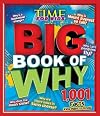
I like this book for two reasons. First, I really like the incorporation of images and color. Each set of pages in this book incorporates about three to six images and includes a multitude of colors. This is great for keeping kids attention. Some of the facts they include in the book may be a little difficult for young readers to understand without assistance. These images provide that help by showing an image that directly correlates with the fact. The varying colors shown on each page I feel gives a very youthful and friendly feel to the book that is also appealing to young readers as it makes it feel much less intimidating. I also like how the facts are broken up. All of the facts are broken up in small paragraphs that kids can easily follow, and the main idea of the paragraph is in bold, large font, easily showing what the fact is. The main idea of this book is providing facts about animals, Earth, Space, Humans, People, Places, History, Science, and Technology. Overall I like this as an informational book. It's simply broken up, and the coloring can make it appealing to young readers.
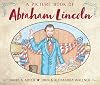
I like this book for a couple reasons. First, the information Adler chose to use is very good. Of course the major events such as the Emancipation Proclamation, The Gettysburg Address, and the assassination are all used. What I liked was his choice of background information. His child hood on a farm, enjoying books, and attending law school are all included and are simple enough that young readers definitely can understand it. The second thing I like is the illustrations. While cartoony in some places they still compliment the information that's happening in the biography very well. If a young reader is getting confused by what is happening the pictures easily explain it. The main idea of this book is the life of Abraham Lincoln from hos childhood to his assassination. Overall I really like this as a biography. It gives a good overview of his life highlighting specific events while being broad enough that young readers would easily be able to follow what;s being said. I definitely feel it would be an asset in a classroom.
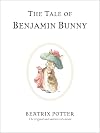
I like this book for two reasons. First I love the illustrations. The art style is very realistic and has a very rustic style to it. I also like the environment for the story that Potter has set. Some readers could easily relate to having only single parent, or a sly friend who maybe has gotten you into trouble. This relatabilty is very good for keeping hold of young readers. The main idea of this story there are consequences for your actions. Overall this story is ok, there is nothing spectacular about it, but the art style and environment I think could still make this a good book for young readers.

I like this book for two reasons and dislike it for another. I like the humor involved with the illustrations. When Brer Rabbit pulls his pranks the illustrations of Brer Fox and Brer Bear could be pretty funny for young readers. This humor in a small book with a simple plot is crucial for keeping young readers entertained. The second thing I like is is the environment. The forest world that is drawn is very simple and easy to comprehend. For young readers they will easily be able to visualize and see what is happening in the story. What I don't like is Brer Rabbits personality. While older readers wouldn't have any problems with it, for younger readers it's possible they could be negatively influenced by Brer Rabbit's pranks that are performed for really no good reason. The main idea of this story is Brer Rabbit pulling tricks on Brer Bear and fox while trying to find a place to rest. Overall this book is ok, it has some humor to it that could entertain kinds, but for younger readers the pranks I feel may be negatively influential.
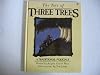
The Tale of Three trees is a cute story and I like it for two reasons. The first thing I like is the criticle thought it could spark. The lessons given to the trees in this story could easily be applied to children. Children with their wild imaginations need to be taught to pursue your dreams, however they may not always appear exactly how you imagined it. The second thing I like is the illustrations. The color pencil style art gives a rustic feel to the environment of the tale that I really like. There is also really nothing fancy about the drawings either, and appear very realistic. This realism I feel allows a mich better connection to the story which is very crucial for young readers. For those who may still be struggling in English, the illustrations can very much be a tool to help them understand the message and feel of the story. The main idea of this story is that while it's to good to pursue your dreams, your achievmwnt of them may not appear as you expect. Overall I enjoy this story it's cute, definitely could spark good conversation with a child, and would definitely recommend it as a family book
I love The Lightening Thief for three reasons. First, I love the characters. Percy and his friends while sometimes being Greek Creatures are extremely relateable and believable. Their personalities as characters all have parts about them that the reader can latch on to. The is crucial especially in a chapter or series book. If the reader can't connect with the characters there will be no connection to the story. The second thing I like is the humor. The natural sarcasm of Percy and his friends is extremely entertaining, and has a very good wit to it. The third thing I like is the world that Riordan has created. In this book Riordan does a masterful job at mixing real Greek Mythology into the modern world, and have it feel very relatable and understanding. Incorporating this book with a Greek Mythology lesson would be very helpful. The main point of this story is the mixing of Greek Mythology into the modern world. Overall I love this story. Even as a twenty year old i can still pick up this book and thoroughly enjoy what I'm reading, and I would absolutely recommend it for a fifth or sixth grade classroom.
I like this version of Aesop's Fables for a couple reasons. In comparison to a lot of the Aesop's fables out the writing in this version is very understandable for younger readers. The wording is kept very basic, and even some of the longer words are still words that kids would be familiar with such as frighten. The easier language a long with the already short stories are very good combination for helping a child start to get interested in reading. The second thing I like is that the moral is written in bold at the end of each story. With how the stories typically are, some younger readers may not be able to pick up the some of the morals of the stories reading independently. Having the moral written allows the kids to read independently plus discover the purpose of the story. The main idea of Aesop's Fables are the morals. Each story that's written is written to teach a different lesson. Overall I enjoy this interpretation the main idea of the stories are kept, but are simplified as such that a young reader could very much understand them.
I like this book for a couple reasons. The biggest is the topic of bullying. Young readers can easily relate to the topic in schools. This relateability can easily engage readers, and can also be a great conversation topic for group work. The story goes over the pains that bullying cause, and what you should do if you see bullying, all of which children should be educated about. The second thing I like is the illustrations themselves. The illustrations clearly show the reactions of the characters, and very much enhance the feelings of sadness that the llama feels about being bullied. The main idea of this story is the topic of bullying. It shows that bullying does hurt people, and what you should do if you observe an act of bullying. Overall I really like this story, the illustrations very much enhance the story, and the topic is very much a relatable issue in today's schools and should be talked about.

I like Lambert the Sheepish Lion for a couple reasons. The biggest one is the idea about differences. In the story, Lambert is laughed at and made fun of by the other sheep for being different since he was a lion. However, by the end after he drives out the wolf, he is appreciated since his differences allowed too him to save the sheep. In an increasingly diverse school world this is an important lesson for kids to read and learn. The new students coming in who may be seen as different are not less than the others and should not be made fun of for how they are. This book can provide kids a visual for that lesson. The second I like is the simplicity of the writing. The writing is easily follow-able and kids can easily follow the story of Lambert the Lion. If children can't relate to what is going on they will find it very hard to pay attention. The main idea of this book is differences, and that just because someone is different or can't do something as well as you, doesn't mean that they deserve to be made fun of. I very much like this story, and it is one that I definitely can see having a very good use in today's classrooms.

I like this book for a couple reasons. I like how Oleson was able to keep a forward moving, story style feel, and yet keep the main focus on the alphabet. This is good for young readers, A lot of phonics and grammar style activities can become very mundane if they aren't provided with entertaining help. This book provides that. While going through the alphabet and different words, the story still gives an entertaining effect that you are on this plane adventure with Donald. I also like the amount of examples that he provides with each word and their letters. For each letter he provides about 5-7 different words that start with the letter of the page, and each one is simple. These words could easily be used on a word wall or a white board phonics lesson to connect to the story. These examples are very good for young readers in giving repeated examples of one sound and the same words to help shape there phonemic awareness. While the setting of this story is a plane adventure with Donald,the main idea of this story is the alphabet. Overall I like this book, having a recourse that can provide a fun way for children to study letters is always good to have.
I like Arthur's Thanksgiving for a couple reasons. First the topic that can easily be connected to outside of school. A teacher could easily assign the students into groups and talk about what they themselves do for Thanksgiving, or what Thanksgiving means to them. This option allows students to connect their lives to the story as learn about each other. I also like how even though the plot was simple, it still contained an arc of suspense. For a young reader they could easily follow whats going on, and be entertained by wondering whether Arthur is gong to be able to find a Turkey in time. This suspense is good for young readers. If they don't feel interested, young readers can easily start fading out and just blankly turn pages as they go through the book. This suspense helps keeps them tuned into the story for the entire time. The main idea of this story is Thanksgiving and togetherness. Overall I enjoy this story, it's a relatable subject that children can talk about, and the simple plot arc can help keep kids engaged.
I like Bee-Bim Bop for a couple reasons, and dislike it for another. I do like the fact that the writing is very rhythmic and can be used in a song. Being able to sing the words is very helpful for helping young readers to understand the phonics of those particular words. I also like how the book also provides the way to make Bee-Bim Bop. While it's a small thing it does instruct kids on a little something of a different culture which is good. The one thing I didn't like was that there wasn't much to the story except for making Bee-Bim Bop. There wasn't anything else on Korean Culture, and the only plot of the story was them buying the ingredients, making the food, and then eating it. While it is simple enough for a child to read and pick up quickly, but there isn't enough to the story to keep the reader coming back for more. The big idea of this book is how too make Bee-Bim Bop. Overall the story is only ok, it has some good things about it in that the kids could enjoy the song and learn good phonics from it, plus enjoy making the food if they want. I just wish there was more to it.
I like Magic School Bus for a couple reasons. First is the information that childeren can learn. In this story good information on what gravity is, what the axis is, what the solar system is, what an orbit is and many more, are all included in this fun story. The clear information provided in this book could make an easy and I feel very effective tool for a science class. I also like the humor involved. The sarcastic jokes that some of the kids have, and the bizarreness of Ms. Frizzle I feel would make this very entertaining for kids. This balance is very good for creating a general enjoyment of learning for young kids. If they can understand from a young age that education is not just boring facts you need to learn to pass school, but fun and enjoyable, they will have a much better attitude towards their work, and school in general. The Main Idea of this book, is in a fun modern fantasy style way inform readers about the solar system. I really enjoy this book, its fun, it's informative, and could easily by used in a science lesson.
I like this book for a couple reasons. The critical thinking it can inspire is very good for young readers. In the early elementary years, kids are still very much egocentric only really concerned with how they see things. This book could provide a very good lesson in perspectives and looking at all sides of a story. The example from the book is if you only read the traditional Three Little Pigs, you would always assume that The Wolf was evil and on a hunt to eat the pigs. But when you hear the wolf's side if the story you understand that all he was looking for was a cup of sugar, that the pigs were being rude, and that it was his sneeze from a cold that caused the houses to blow down. The second thing I liked was the writing it self. While simple, it does a great job at taking a traditional, well know story and twisting it. Scieszka involves almost all the key events that everybody knows, and yet are explained differently because of the different narrator. The big idea of this book is perspective and that all sides must be looked at to determine the truth. Overall I like this story, it's a fun twist on a traditional tale, and it can really help kids with critical thinking.

I like Green Eggs and Ham for three reasons. Like most Seuss' books the constant rhyming that goes on with the text I think is very good for young readers. The rhyming can help them predict the coming text, and even help them decode words they may not have previously known. This ability that the rhyming provides is great for building the confidence of young readers which is crucial in growing their skills of reading. The second thing I like is the plot. It's lovably pointless and bizarre. There is no deep meaning or twists that happen it is only about Sam trying to get the guy to eat Green Eggs and Ham. This bizarreness is something that I think could appeal too young readers. A story that they can enjoy without having to overly think about what is going on to truly comprehend it is very good for hooking young readers with intimidating them. The third thing I like is the illustrations. They perfectly match the bizarreness of the plot. The more ridiculous Sam gets in trying to get the guy to eat Green Eggs and Ham, the more ridiculous the illustrations get. It eventually gets to the point where the illustrations show them in a car with a fox and a mouse, which is stacked on a passenger filled train, which is stacked on a moving boat. The growing craziness is great for keeping kids interested until the end. The main idea of Green Eggs and ham is Sam trying to get the guy to eat Green Eggs and Ham and using various rhyming sequences to explain the plot. Overall this is a fun show more bizarre story that I would absolutely keep in my classroom for a student just to sit with and enjoy. show less
I like Bud, Not Buddy for a couple reasons. The writing is very descriptive and engaging . When Bud is inside the barn and he breaks the hornets nest thinking it was a vampire bat, Curtis makes you feel as uncomfortable as he feels. This engagement is crucial for entertaining older readers. As readers enter the 4th, 5th, and 6th grade range they tend to drift away from reading. Writing that can make them feel like they are part of the story is huge for holding their reading enjoyment. The second thing I like about the book is the character of Bud himself. Even though his mannerisms are properly depression era, his sense of humor and feelings are very relatable for the targeted audience. This relateability is also helpful for engagement. If you can't identify with the main character it makes very difficult to get attached to and care about the story. The main idea of this story is trying to find out who Bud's father is. Is it Herman E. Calloway? Or is it someone else? Overall I enjoy this book, it feels very era appropriate which helping kids understand the Depression a little bit, and the writing and character of Bud all help make it a very engaging story.
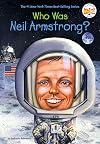
I like Who Was Neil Armstrong for a couple reasons. The writing is for the large part simple and would easily be able to be understood by young readers. Even the small parts they may not understand like Aeronautic Engineering they provide a brief, kid friendly definition right after. Another thing I like about this book is the additional information it gives. Along with the biography of Neil Armstrong it also gives a bit on the Wright Brothers, Charles Lindbergh and his flight across the Atlantic, plus more as they connect to what was happening in Neil's life at the time. I like this, it provides young readers with additional history while reading the biography. The big idea of this book is the life of Neil Armstrong, Overall I enjoy this book, its simple to understand, the life is that of a man who is a pioneer in space travel, and you get additional historical facts with biography. It's one I would definitely keep in my classroom.

I like Cal Ripken's Farewell Commemorative for two reasons. The subject of an all time great in sports could be very appealing to young readers. Finding books for young readers that appeal to them subject wise can be very hard, and teachers not understanding this causes young readers to drift away. A book like this can help with that I think. A book about a legend, going through what he has done I think could absolutely engage readers. The second thing I like, is the incorporation of photographs. Information especially for young readers can get kind of draggy in biographies uness you have some sort of extra stimulus to keep it engaging. The pictures do that. Seeing shots of Cal sliding into a base, hitting a homerun, or making a great diving catch absolutely adds to the entertainment and engagement of the book. If I would improve one thing about this book it's the writing. The big idea of this book is the baseball career of Cal Ripken Jr. and everything he accomplished in his Hall of Fame career. Overall I really enjoy this commemorative, it's an entertaining subject, the photos help add to the engagement, I would absolutely keep it on hand as a reading option.
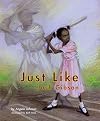
I like Just Like Josh Gibson for a couple reasons. The fact that it centers around sports I think is very helpful for securing young readers. Young readers, especially boys need something they can relate to in order to enjoy reading this book provides that. Almost everyone knows and has played baseball at some point, the core of the game really hasn't changed all that much over the years, this allows kids to easily relate to what's happening in the story. I also like the sense of history that is put into it. You get both the sense of how not only how African Americans were viewed at the time with segregated baseball leagues, but also gender roles as well in that the narrator's grandmother was told that girls don't play baseball. This is very important for young readers to experience I think in order to understand the cultural history of America. The Big Idea of Just Like Josh Gibson is to portray both the cultural views on African Americans and women in 1940's America. Overall I like this book, the implication of sports I think is a good way to get young readers interested, and the history it portrays is very important for kids to understand.
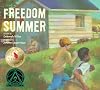
I like Freedom Summer for a couple reasons. First is the realism of the setting. During the era of segregation in America it would be completely viable for John Henry to not be able to enter a place like the town pool or Mr. Mason's General Store. It is also very realistic for after segregation laws were abolished for those who supported them to perform acts like filling in the pool as an act of defiance. The realism of what happens in this story is something that I think would be very healthy for young students to read and experience. The second thing I like is the writing. While for the most part it's simple enough for young readers to comprehend Wiles also incorporates some era appropriate dialog that still gives a feel for how people spoke in the South in the 60's. This healthy balance is a great way for readers to understand but also be able to understand the culture of the past as well. The big idea of Freedom Summer is segregation. It takes place in the American South at the time when segregation laws were being abolished, and it provides a really good feel for young readers as to how life then was like. Overall I really enjoy this book, it gives very good historical insight for kids, and it's also a sweet story about two friends. I absolutely recommend this book for a classroom.
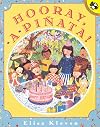
I like Hooray A Pinata for two reasons and then dislike it for one. I like how the setting of the story is relateable. Most kids will understand and comprehend setting up and participating in a birthday party. This comprehension and relatability is crucial for the growth of young readers. The writing is also good and simple. A young reader can easily track what Clara is doing and her love of her Pinata. What I don't like as much was that it was pretty generic. Aside from a few Spanish words, they don't give you a lot on Spanish culture. By the way Clara and her friends act they seem a lot more like a traditional American family then Spanish. I wish it would have been a little more authentic. The big idea of this story is attachment and the difficulty it can be to let go. Overall the story does have good things about it, It's simple, authentic, I just wish it could have gone more into Spanish culture.
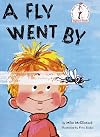
I really like A Fly Went By for a couple reasons. The rhyming aspect of the writing is very easy for early readers to catch on to. Even if at first they do not know all the words in the book, once they pick up the rhyming pattern they can use that to predict the sounds of the other words. The growing ridiculousness of the plot is also something that I enjoy. Seeing the escalation from a simple fly to the entire line of eight things all because of a lamb with a tin can is really entertaining. This simple fun I feel is good for young readers. One of the best things you can do when teaching young readers is to show that there can be fun in reading. The growing craziness of the plot of this book can help do that. A young kindergartner, first, or second grader would be very into the growing line of chaos and finding out exactly what the real problem is. The big idea of this book is to solve the mystery of what started this growing line of chaotic misunderstanding. Overall I really like this book, it's fun, and it definitely would entertain young readers.
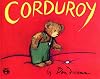
Corduroy is good for three reasons. I think it appeals really well to kid's imaginations. Most kids can relate to having the one key toy that you either have or really want, then thinking about them and what they are doing while you are gone. I also really like the overall plot message of the book. The idea of loyalty with a friend despite what outside people might describe about them as "flaws", like Corduroy with his missing button, is very crucial for kids to learn especially at a young age. The writing is also while simple is also very meaningful. Kids can easily follow what happens with Corduroy. He also has good thoughtful questions. Corduroy's progression in his thoughts from the "I Thinks" when he is going through the mall' rooms to "I know I want" when he Lisa becomes his friend. These critical thinking questions of what is important are huge for young readers. The big idea of Corduroy is like I said before is loyalty among friends despite what other people say. This is a sweet story and provides very good critical thought, and is very good for young young readers.
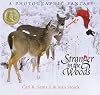
I like a Stranger on the Woods for a couple reasons. The largest being the amazing pictures that go with it. The shots that were captured for this novel are amazing and are extremely helpful for keeping readers interested. Young readers I feel will especially like the reality of the photographs. Their realness I feel truly make it seem like the animals are having these conversations together. You add that to a child's already massive imagination, I feel that they would very much enjoy this book. I also like the simplicity of the story as well. Aside from the conversations between the animals the overall plot of the story is very realistic. Two kids hiding in bushes watching as animals come and eat the vegetables off of the snowman is incredibly relateable. It's something I could easily see kids picturing, comparing it to something they have done, or maybe trying out themselves afterwards on a snow day. The big idea of this story is to tell a story from pictures. While it's not a full picture only book, the photographs are the center of the story and the text I feel is created to fit the photo that is there. While there is no real climactic plot arc to this story, the low key realism I actually feel is a strength of this book. Used in the right place, it could spark a lot of great conversations and activities among the kids.
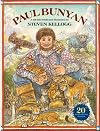
I like Kellogg's interpretation of Paul Bunyan for two reasons. The writing is understandable and yet very fun and entertaining. Young readers can clearly understand the craziness that happens to Paul and Babe. The wording shows in a very understanding way the youth of Paul, to why Babe is blue, to what he supposedly did to cause the great national landmarks like the Great Lakes and the Grand Canyon, and why we supposedly never see him anymore because of his move to the Alaskan Wilderness. The simplicity does not detract from the entertainment of the story though. Young readers will still be very entertained by the crazy creatures and events like the Gungaroos and the giant flap jacks. The balance of these two is very good for keeping a young reader's interest. The second thing I liked about the book was the illustrations. They were extremely complementary to the story. You could clearly see Paul's massive strength and size even as a youth, and later in his life how through dragging his ax he dug out the Grand Canyon. It's clear throughout the entire story, if something may have been confusing in the language the illustrations clearly portrayed what was happening. The big idea of Paul Bunyan I feel is simply to entertain and also in a kind of almost mythological way explain how certain landmarks came to be. I really enjoy Paul Bunyan, it's a fun folktale and I definitely feel it should be read by young readers not just for entertainment but also as a way to connect with show more the culture of old America. show less
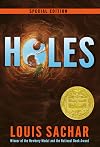
I like Holes for three reasons. First, the plot, it has a great deal of mystery to it at the beginning. Why do the holes have to be five feet across and five feet deep? What is the Warden looking for? Second, I really like the character development of Stanley. In the beginning of the story he has this self pitied view of himself that he will never amount to anything thanks to his no-good-dirty-rotten-pig-stealing great-great-grandfather. However as his time at Camp Greenlake progresses, and specifically as he spends time with Zero he begins to feel a sense of purpose and happiness again as if he was sent to the lake for a reason. I like this progression especially for the main character. Longing for a purpose, and having a feeling that bad luck just seems to happen that's out of your control, is a feeling many people have. Letting the main character have that also is a good way to draw them in. Third, I love the humor involved. It's always refreshing to me when an author creates characters who despite their bad situations are able to generate humor. You need that in a story. Without good humor to breakup a story the bad situations can seem almost to heavy and can be hard to get through. The example that jumps out at me is Stanley's great-great grandfather excuse. Whenever something would go bad for Stanley he would always blame his no-good-dirty-rotten-pig-stealing great-great-grandfather. Just that toss in of such a bizarre name is enough to dissolve the tension a little show more bit provide a little bit of breathing room to continue reading. The main idea of this story is Stanley discovering exactly what The Warden is looking for at the lake and why. Overall I loved this book. The plot is fantastic and entertaining. The characters are funny and relate-able with solid progression. I would recommend it to anyone. show less
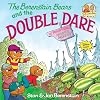
I liked this book for two reasons. First, the idea of peer pressure is something that all readers can relate to. In the book, Brother Bear knows that stealing is wrong. However, his desire too be considered cool by Too-Tall and his gang over takes his morals and he goes for it. This is very good for readers to think about, what might they do because of peer pressure, or what they may have pressured someone else into doing that is wrong. Second, I liked the Illustrations. The world is very nicely drawn and you get a clear sense of the setting that the bears live in. The expressions of the characters are also done very well. You clearly see Brother's discomfort as he attempts to steal the watermelon, plus the mockery of Too-Tall and his buddies as they pressure him. Overall this book is very good, from its relateable protagonist, to the trouble making antagonists, and a great central idea of moral strength verses peer pressure. Something that is very crucial for kids to learn.
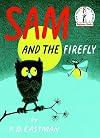
I like Sam and the Firefly for two reasons. First, I like the writing. Eastman's style is very simple yet he is still able to create an engaging climax. The average amount of words per sentence in the book is probably around four to five, and is very understandable for young readers. That simplicity though does not deter the engagement. Eastman is still able to engage the reader by having Gus get captured and his only hope is for Sam the Owl to be able to save him. Second, I like the development of the characters. Sam and Gus first meet because Sam wants to find a friend to play with. He teaches Gus a game in which he creates words using his light. However, Gus is to impulsive early on. He uses the game to pull off various pranks that he feels are fun. Sam, being an owl and thus wise, tries to tell Gus to stop, but he doesn't listen. Only when he is captured by the angry hotdog man does Gus realize that Sam was right. By the end of the story, Gus appreciates the wisdom of Sam and understands that it's fine to have fun, as long as it doesn't go to far. Gus' development also highlights what I feel is the main point of the story, and that is all things in moderation. As I said before it's perfectly fine that Gus wanted to have fun, it's only when he took to to far and started using the game as a means for pranking that he got into trouble. Overall I really like this story. The simplicity and engaging plot is very good for hooking young readers. It's one I will definitely show more read to my kids. show less
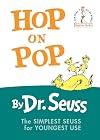
I like Hop on pop for a couple reasons. The continuous rhyming that occurs makes it very easy to be able to predict how the up coming words and phrases are going to sound. For instance the page goes "Up pup, pup is up." Once you already get the idea of how "up" sounds you already have a sense how pup will sound since "up" is part of pup. The second thing I like about this book is the Illustrations. They are entertainingly bizarre. On one page you have a mouse carrying a house. The people are drawn with what seems like white furry faces. Another page has two bear looking things fighting on a bed like human kids. All of the illustrations are extremely unique, and fun to go through. The bid idea of Hop on Pop I feel is a fun way to learn the phonology of words through rhymes and illustrations. I like this concept because reading can be seen as boring by many young students. However if you can use easy rhymes and imagery to keep kids entertained as this book does, they will be much more likely to enjoy reading and greatly benefit from it.
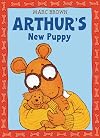
I like this book for three reasons. First, the plot is very relate-able. All the struggles Arthur has to put up with raising Pal are all things we have had to go through raising a pet. Pal goes to the bathroom in the house, he chews up toys and furniture, and he's uncooperative about going for a walk. This relate-ability is very good for the story as it allows readers to truly see themselves in the shoes of the characters . Connecting with that the second thing i like is how the characters behave due to Pals antics. After Pal destroys the living room everyone in the family besides Arthur wants to move Pal to the garage. This is an appropriate response that most people would have. This dog that I don't own just destroyed an entire room of my house. I would be a little upset myself if that happened. Human like responses from the characters is something Brown does very well with this story. The third thing I like is how the illustrations complement the scenes of the story. You clearly see the destroyed living room, and the characters reactions on their faces. As Arthur begins to be able to train Pal a picture is given for everything that he teaches him. These coordinating pictures do a very good job at providing a clear visual aid to what is happening. Overall I enjoy this story. reader can easily relate to the plot and characters, and I like the simplicity of the main idea of the story of just the early training of a puppy