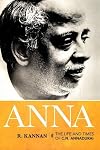
An early 2011 review: A biography of the eternal "elder" brother, replete with all the sloganeering that Tamils are familiar with. Enjoyable!
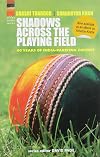
A recent review: The title is inspired by an excellent cricket book from Ramachandra Guha that comes more recommended than the frequent in-your-face insertions of statements backing up India's secular ideals espoused in cricket and other arenas here by Dr. Tharoor. Coming from an educated, intelligent and well-traveled man like he is, it seems nothing more than a diplomatic gimmick disguised under anti-diplomatic passion that takes more potshots at Pakistan's sectarian ideals than required. The Shaharyar Khan portion fares better with a tempered and more equitable stance, but is hampered by the language a bit. There is some overlap in content between the Tharoor and the Khan portions that distracts the attention somewhat. Not recommended!

A recent review: Even though the book's more than a century old, this's some of the most beautiful, sophisticated and original prose that one can encounter. Content doesn't matter when it is art for art's sake.
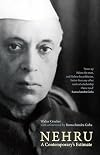
(A 2010 review of mine)
The return to print on Random House and the Ramachandra Guha introduction drew me to this. Walter Crocker, Australian diplomat to India during the times of Nehru, pulls no punches with regard to Nehru's "bad" decisions/judgment during (and leading to) controversial incidents and tries to provide reasonable interpretations. Crocker, however, never hides his admiration for Nehru as a man, as a decent (if not brilliant) intellectual, as a "secularist," and as someone who almost always had the best intentions in mind. Nehru could never shake off the Cambridge in him and the Kashmiri roots, and may also have clung on to power for too long (with no dictatorial designs obviously), but, most importantly, he comes off as a likeable human being in this book. Highly recommended!
The return to print on Random House and the Ramachandra Guha introduction drew me to this. Walter Crocker, Australian diplomat to India during the times of Nehru, pulls no punches with regard to Nehru's "bad" decisions/judgment during (and leading to) controversial incidents and tries to provide reasonable interpretations. Crocker, however, never hides his admiration for Nehru as a man, as a decent (if not brilliant) intellectual, as a "secularist," and as someone who almost always had the best intentions in mind. Nehru could never shake off the Cambridge in him and the Kashmiri roots, and may also have clung on to power for too long (with no dictatorial designs obviously), but, most importantly, he comes off as a likeable human being in this book. Highly recommended!
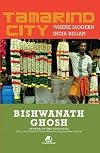
A mostly trite account of an uninteresting man's Chennai experiences, abounding with dreadful writing, pointless drinking episodes, a few typos and cliches that probably hold some appeal to an outsider and none to an insider. The only part where I could not believe my eyes was Bishwanath's luck in meeting Sylvie, formerly a girlfriend of a genius jazzman, the late Don Cherry. And that too at Hotel Karpagam, Mylapore. Avoid, for the most part!