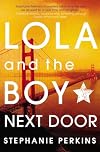
Lola Nolan thinks life in her San Francisco neighborhood is pretty great: she has a hot (older) rocker boyfriend, two caring (if overbearing) dads, and one dedicated best friend. When she's not hanging out with any of the above, she's either working at a local movie theater or creating her latest over-the-top outfit-cum-costume. But all of this happiness threatens to fall apart when Calliope and Cricket, her old neighbors and the two responsible for crushing her spirit and breaking her heart three years ago, move back in.
In this companion novel to last year's overwhelmingly popular Anna and the French Kiss, Stephanie Perkins has crafted another swoon-worthy teen romance full of quirky, likable characters. Lola is a force -- yes, she is a bit melodramatic, but she's also full of life. I loved her endlessly wacky and inspired outfits and costuming prowess. The boy-next-door, Cricket, captured my heart with his lovable nerdiness. Their burgeoning relationship was both delightful and agonizing (just tell him you like him already!), though that's to be expected in a romance novel. My one real qualm was that Lola's original boyfriend, Max, was just too obviously wrong for her, making the inevitability of the end just that much more inevitable.
Of course, it's not all teen angst and romance -- Perkins deftly handles the relationship between Lola and her mostly absent, often homeless mother, letting it evolve in a realistic manner, and Lola's friendship with Lindsey felt very true show more to life. I was surprised by how big of a role Anna and Etienne played in the story, but this should work as a standalone title for those who haven't read Anna (but if readers like this one, they definitely should!). This is a great pick for any contemporary YA lit lover! show less
In this companion novel to last year's overwhelmingly popular Anna and the French Kiss, Stephanie Perkins has crafted another swoon-worthy teen romance full of quirky, likable characters. Lola is a force -- yes, she is a bit melodramatic, but she's also full of life. I loved her endlessly wacky and inspired outfits and costuming prowess. The boy-next-door, Cricket, captured my heart with his lovable nerdiness. Their burgeoning relationship was both delightful and agonizing (just tell him you like him already!), though that's to be expected in a romance novel. My one real qualm was that Lola's original boyfriend, Max, was just too obviously wrong for her, making the inevitability of the end just that much more inevitable.
Of course, it's not all teen angst and romance -- Perkins deftly handles the relationship between Lola and her mostly absent, often homeless mother, letting it evolve in a realistic manner, and Lola's friendship with Lindsey felt very true show more to life. I was surprised by how big of a role Anna and Etienne played in the story, but this should work as a standalone title for those who haven't read Anna (but if readers like this one, they definitely should!). This is a great pick for any contemporary YA lit lover! show less
 This review was written for LibraryThing Early Reviewers.
When Brooke finds out that her long-time crush, Scott Abrams, is moving to New York, she negotiates with her divorced parents to relocate to her dad’s Manhattan apartment for senior year in hopes of finally telling Scott how she feels. Her plans don’t go as smoothly as she imagined. Scott has a girlfriend, her mom and friends from back home feel abandoned, and her new school pushes her out of her comfort zone. But Brooke is determined and won’t let those setbacks get in her way of enjoying New York and maybe finding a little romance.
It’s hard to get past the incredibly dubious premise — really, a mom lets her daughter move to Manhattan with her estranged father for her last year of high school?! — and things don’t necessarily get better for Susane Colasanti’s latest novel. Brooke, our protagonist, is a bit of a Mary Sue. She’s allegedly super-duper-incredibly smart, but we mostly just hear this from others and Brooke herself and don’t actually see it. In fact, she makes some incredibly dumb decisions in her single-minded quest to make Scott like her. Plus, her relationships with her old friends and her parents are thrown in as almost an afterthought and get really weak resolutions. That said, there are a few highlights that make the story worth finishing. Her two new friends, Sadie and John, are fun characters who manage to bring out the best in Brooke, the city of New York shines with lots of great details, and Brooke’s character development is show more actually very realistic and satisfying. Though it’s not the paragon of contemporary YA romance, readers, especially those on the younger side, will enjoy this quick, breezy novel, that would be perfect for the summer. show less
It’s hard to get past the incredibly dubious premise — really, a mom lets her daughter move to Manhattan with her estranged father for her last year of high school?! — and things don’t necessarily get better for Susane Colasanti’s latest novel. Brooke, our protagonist, is a bit of a Mary Sue. She’s allegedly super-duper-incredibly smart, but we mostly just hear this from others and Brooke herself and don’t actually see it. In fact, she makes some incredibly dumb decisions in her single-minded quest to make Scott like her. Plus, her relationships with her old friends and her parents are thrown in as almost an afterthought and get really weak resolutions. That said, there are a few highlights that make the story worth finishing. Her two new friends, Sadie and John, are fun characters who manage to bring out the best in Brooke, the city of New York shines with lots of great details, and Brooke’s character development is show more actually very realistic and satisfying. Though it’s not the paragon of contemporary YA romance, readers, especially those on the younger side, will enjoy this quick, breezy novel, that would be perfect for the summer. show less
This review was written for LibraryThing Early Reviewers.
Through a series of loosely related, contemporary character pieces interspersed with historical vignettes, this book tells the story of a failing English-language newspaper based in Rome. The characters' lives and experiences are diverse, but most are depressing at their core, showing the true desperation and isolation that come with life abroad. Readers who like fast-paced, action-packed stories should look elsewhere, but this novel succeeds as a character study that is a quick read despite some somber topics.

This book collects three beautiful and enthralling Shaun Tan stories into one gorgeous volume about things lost and things found. The Red Tree is a picture-heavy, text-light tale about a girl looking for a bright spot in a dark world. In The Lost Thing, a story that would easily fit into Tan's Tales of Outer Suburbia, a boy brings home a lost, robot-like creature. The final entry, The Rabbits written by John Marsden, is a haunting look at a people whose land is overtaken by outsiders, an allegory for the European invasions of Australia and America. All three are visually and literarily engaging, asking more of the reader than a cursory glance.
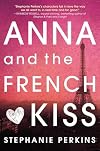
What's not to like about a romance set in Paris with a witty British leading man and a totally down-to-earth protagonist? This novel reads like a movie with lots of snappy dialogue, which fits with Anna's cinema-loving ways, and will make any reader want to jet away to Paris for their own romantic adventure.
Told in verse, this novel takes a nuanced look at a rape accusation that tears a family and a friendship apart. Elizabeth's story packs an emotional punch and provides lots of fodder for discussion in a brief, compelling story.

Jane Hayes's late aunt sends her on an all-expenses paid trip to Pembrook Park, a British resort where guests play out their Jane Austen fantasies, in the hope of curing her Mr. Darcy fixation.
While this book has an interesting premise, the plot is anything but. Rather than coming across as an everywoman, Jane just reads as frustrating and annoying, as do most of the secondary players. The antics that happen at Pembrook Park are expected and repetitive and the eventual conclusion can be seen a mile away. This may be intriguing enough for die-hard Austen fans, but most readers would do better just picking up an Austen novel for a dose of Regency romance.
While this book has an interesting premise, the plot is anything but. Rather than coming across as an everywoman, Jane just reads as frustrating and annoying, as do most of the secondary players. The antics that happen at Pembrook Park are expected and repetitive and the eventual conclusion can be seen a mile away. This may be intriguing enough for die-hard Austen fans, but most readers would do better just picking up an Austen novel for a dose of Regency romance.

Brooklyn high school student Ari Mitchell has always lived in the shadows of both her sister and her best friend. But when she gets a chance to attend an elite private school, she makes friends with Leigh, who's artsy, rich, and sees Ari for who she really is. Leigh introduces Ari to a world of privilege and to her gorgeous college-aged cousin, Blake. As Ari spends more and more time with Blake, she begins to distance herself from her friends and the high expectations of her family.
I was drawn to this debut novel by the beautiful cover and the promise of a 1980s setting, but ended up disappointed. There was just too much going on in the plot, but at the same time it felt like not much happened at all. Plus, the summary gives away a plot point that doesn't happen until about three quarters of the way into the book! Though it is ostensibly set in the 80s, it felt like an afterthought that had no bearing on what happened to the characters. Certainly some readers will enjoy the romance, the friendships, and the family drama depicted in this story, but they have to be patient and willing to look past its shortcomings.
I was drawn to this debut novel by the beautiful cover and the promise of a 1980s setting, but ended up disappointed. There was just too much going on in the plot, but at the same time it felt like not much happened at all. Plus, the summary gives away a plot point that doesn't happen until about three quarters of the way into the book! Though it is ostensibly set in the 80s, it felt like an afterthought that had no bearing on what happened to the characters. Certainly some readers will enjoy the romance, the friendships, and the family drama depicted in this story, but they have to be patient and willing to look past its shortcomings.
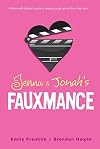
Jenna and Jonah's Fauxmance offers a behind-the-scenes look at the lives of two insanely popular teen TV stars -- Charlie and Fielding -- who have been acting out a romance both on and off screen for the last four years. When their off-screen relationship is revealed as a front, the news throws both their careers and futures into a tailspin and forces the pair to figure out if there's any truth in their relationship at all.
This sweet, fun novel that will be sure to delight fans of shows like iCarly and Hannah Montana and their respective stars. It offers a bit of voyeurism into the star-studded lifestyle, while also showing that they're just like real teens. It's told through the alternating viewpoints of the main characters, so the reader gets some insight into both, and while the final conclusion is pretty inevitable, there's still enough of that will they or won't they tension to keep the reader interested. The story also takes an interesting turn about halfway through as the two perform in a summer Shakespeare festival and introduces some heavy Much Ado About Nothing references that might scare away more reluctant readers. Ultimately, though, it serves as an effective environment for them to explore themselves and their relationship with each other. This is a great option for tween and younger teen readers or anyone looking for an easy-to-read romance with a bit of Hollywood flair.
This sweet, fun novel that will be sure to delight fans of shows like iCarly and Hannah Montana and their respective stars. It offers a bit of voyeurism into the star-studded lifestyle, while also showing that they're just like real teens. It's told through the alternating viewpoints of the main characters, so the reader gets some insight into both, and while the final conclusion is pretty inevitable, there's still enough of that will they or won't they tension to keep the reader interested. The story also takes an interesting turn about halfway through as the two perform in a summer Shakespeare festival and introduces some heavy Much Ado About Nothing references that might scare away more reluctant readers. Ultimately, though, it serves as an effective environment for them to explore themselves and their relationship with each other. This is a great option for tween and younger teen readers or anyone looking for an easy-to-read romance with a bit of Hollywood flair.

In the sequel to 13 Little Blue Envelopes, Ginny returns to Europe to complete the quest left for her by her late aunt, this time with help from the guy she has a crush on, Keith, his new girlfriend, Ellis, and the mysterious and brooding Oliver, who found the last little blue envelope.
It's a treat to return to these characters, especially Ginny, who's a little bit wiser this time around, and Aunt Peg, whose final letter provides an epic quest and a bit of soul-searching for Ginny and her friends. Johnson's treatment of place is captivating and transports the reader to an enchanting European winter. The group's often-hilarious adventures make the story move along quickly, but still allow plenty of time for Ginny to both grieve and celebrate her aunt's life. Overall, this is a delightful and satisfying end to the journey started in 13 Little Blue Envelopes.
It's a treat to return to these characters, especially Ginny, who's a little bit wiser this time around, and Aunt Peg, whose final letter provides an epic quest and a bit of soul-searching for Ginny and her friends. Johnson's treatment of place is captivating and transports the reader to an enchanting European winter. The group's often-hilarious adventures make the story move along quickly, but still allow plenty of time for Ginny to both grieve and celebrate her aunt's life. Overall, this is a delightful and satisfying end to the journey started in 13 Little Blue Envelopes.
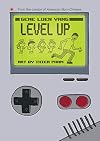
Dennis Ouyang struggles to live up to his parents' high expectations through college and med school when all he really wants to do is play video games. With a little help from a quartet of seemingly innocent angels, he learns to find his true destiny.
Gene Luen Yang's latest graphic novel, illustrated by Thien Pham, tells a story of family loyalty and finding your true calling in beautiful full color illustrations. A touch of magical realism and snippets of med school mayhem bring some lightheartedness to an otherwise somber tale that will particularly resonate with post-collegiate readers.
Gene Luen Yang's latest graphic novel, illustrated by Thien Pham, tells a story of family loyalty and finding your true calling in beautiful full color illustrations. A touch of magical realism and snippets of med school mayhem bring some lightheartedness to an otherwise somber tale that will particularly resonate with post-collegiate readers.
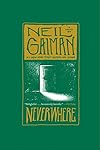
Richard Mayhew stops to help a wounded girl one evening and soon finds himself nearly invisible to everyone around him, but very much a part of London Below, a city between the cracks and underground. He joins the girl, Door, on her quest to avenge her family's murder and encounters the bizarre, the mischievous, and the just plain evil denizens of this fantastical world.
Neil Gaiman's twisted tale of London's underground universe is at once thrilling and humorous. Packed with references to real London places, the story feels grounded in reality while at the same time being so far from it. It's an action-filled adventure that still manages to be understated in that uniquely British way. This will definitely appeal to readers looking for a smart, whimsical, and dark tale.
Neil Gaiman's twisted tale of London's underground universe is at once thrilling and humorous. Packed with references to real London places, the story feels grounded in reality while at the same time being so far from it. It's an action-filled adventure that still manages to be understated in that uniquely British way. This will definitely appeal to readers looking for a smart, whimsical, and dark tale.
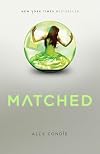
In a society where everything is chosen for you -- what you can read, your occupation, and your spouse -- Cassia begins to question these decisions when the screen containing her match malfunctions. After showing Xander, her longtime friend anyone would be happy to be paired with, the screen flickers and displays the face of Ky, the mysterious boy who moved to her town from the outer provinces. This anomaly in the otherwise perfect society leads Cassia to question other aspects of her world, but her realizations may come too late to save the ones she loves.
This book is a compelling entry in the rapidly growing genre of dystopian YA fiction, but it lacks that certain something that makes it stand out from the rest. For me, Cassia was weak and complacent. Things happened to her and around her, but her conviction to do anything didn't manifest until near the end of the book and was almost purely based on her feelings for a boy. The worldbuilding left a lot of details unexplained and left some major revelations until the end. This makes some sense as the story is told from a sheltered viewpoint, but it was hard to really connect with these characters' universe. Things really picked up at the end, thought, and perfectly set up a course of action for the second book in the eventual trilogy.
This book is a compelling entry in the rapidly growing genre of dystopian YA fiction, but it lacks that certain something that makes it stand out from the rest. For me, Cassia was weak and complacent. Things happened to her and around her, but her conviction to do anything didn't manifest until near the end of the book and was almost purely based on her feelings for a boy. The worldbuilding left a lot of details unexplained and left some major revelations until the end. This makes some sense as the story is told from a sheltered viewpoint, but it was hard to really connect with these characters' universe. Things really picked up at the end, thought, and perfectly set up a course of action for the second book in the eventual trilogy.

Thomas Mackee wakes up in the hospital, realizing that he's wasted away the past few years after his favorite uncle died and that he may be headed down the same path as his alcoholic father. With no other options, he moves in with his pregnant aunt, Georgie, gets a grunt job at a pub with old friends, and tries to make sense of his failed, not-quite-relationship with Tara Finke. In this companion novel to Saving Francesca, readers get to reconnect with some of their favorite characters and meet some engaging new ones, all of whom come together to help Thomas deal with the tragedies, both big and small, in his life.
Melina Marchetta's fluid, natural writing style brings her characters to life in a way that feels like you've known them forever. Though Thomas feels alone, he's surrounded by a rich cast of characters, all with their own quirks, that gives the book a sense of intimacy. The interactions between the younger characters were particularly entertaining and will definitely appeal most to teen readers. Thomas is certainly the focus of the book, but his 40-something aunt Georgie gets nearly equal prominence. Her pregnancy and more complex relationship problems were compelling for me, but may put off younger readers looking for a true YA book. And while this does stand alone from Saving Francesca, it may be a harder sell for those who haven't read it. Some elements of the story, especially the Thomas-Francesca-Will relationship, are richer knowing their history. Overall, show more this is a story about family, community, grief, healing, and reconciliation that will resonate with many readers, though it may have some difficulty finding them. show less
Melina Marchetta's fluid, natural writing style brings her characters to life in a way that feels like you've known them forever. Though Thomas feels alone, he's surrounded by a rich cast of characters, all with their own quirks, that gives the book a sense of intimacy. The interactions between the younger characters were particularly entertaining and will definitely appeal most to teen readers. Thomas is certainly the focus of the book, but his 40-something aunt Georgie gets nearly equal prominence. Her pregnancy and more complex relationship problems were compelling for me, but may put off younger readers looking for a true YA book. And while this does stand alone from Saving Francesca, it may be a harder sell for those who haven't read it. Some elements of the story, especially the Thomas-Francesca-Will relationship, are richer knowing their history. Overall, show more this is a story about family, community, grief, healing, and reconciliation that will resonate with many readers, though it may have some difficulty finding them. show less

On their way to compete in the Miss Teen Dream pageant, a plane full of teen beauty queens crashes on a desert island. The diverse group of survivors bands together despite their fierce competitiveness and makes do by pooling their skills and re-purposing evening gowns, hair dryers, and other beauty supplies into survival equipment. In the midst of some intense female bonding, the girls begin to suspect that they aren't alone on the island. Throw in an evil corporation, a Sarah Palin-esque pageant director-cum-villain, a whack-a-doodle dictator, and a group of sexy, reality-show pirates, and you've got an island adventure like no other.
Libba Bray's latest takes a wacky plot set-up and somehow makes it even more ridiculous in the best possible way. A biting satire of our consumption-driven, beauty-obsessed, reality-show-infatuated culture, this is also a straight-up adventure story with strong female leads who realize that they have more to offer than pretty faces and perfectly groomed resumes, that they can be friends despite their differences, and that sexuality is not something to be ashamed of. Bray takes different female stereotypes, pushes them to their extremes, and then subverts them all while keeping the plot rolling along. This book is so over-the-top that it may alienate more close-minded readers, but there's enough entertainment here for girls (and boys) of all different reading tastes to like.
Libba Bray's latest takes a wacky plot set-up and somehow makes it even more ridiculous in the best possible way. A biting satire of our consumption-driven, beauty-obsessed, reality-show-infatuated culture, this is also a straight-up adventure story with strong female leads who realize that they have more to offer than pretty faces and perfectly groomed resumes, that they can be friends despite their differences, and that sexuality is not something to be ashamed of. Bray takes different female stereotypes, pushes them to their extremes, and then subverts them all while keeping the plot rolling along. This book is so over-the-top that it may alienate more close-minded readers, but there's enough entertainment here for girls (and boys) of all different reading tastes to like.
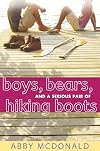
Seventeen-year-old Jenna Levison devotes her free time to environmental activism in her suburban New Jersey hometown and plans to spend the summer interning with a nonprofit and changing the world. But her parents have other ideas. Before she knows it, she's shipped off to a small town in the Canadian Rockies to live with her godmother, Susie, and her sullen stepdaughter, Fiona. Will she learn to fit in and enjoy nature, without the comfort of her eco-friendly ways?
Abby McDonald's second novel is nothing groundbreaking, but she has created a strong character in Jenna and it's fun to see her learn, grow, and experience a bit of romance. The secondary players serve as entertaining foils to Jenna and the rustic setting provides for a lot of interesting experiences. Readers looking for a breezy read about friendships, family, and boys will find a lot to like here.
Abby McDonald's second novel is nothing groundbreaking, but she has created a strong character in Jenna and it's fun to see her learn, grow, and experience a bit of romance. The secondary players serve as entertaining foils to Jenna and the rustic setting provides for a lot of interesting experiences. Readers looking for a breezy read about friendships, family, and boys will find a lot to like here.
This review was written for LibraryThing Early Reviewers.
Carrie Pilby is a 19-year-old Harvard graduate who doesn't understand her peer group's obsession with drinking, sex, and other mindless diversions. She'd much rather curl up with a classic movie and ignore the rest of the world. But at her therapist's insistence, she attempts to break out of her comfort zone by completing a list of tasks, including joining a club, going on a date, and making plans for New Year's Eve. Originally published by Harlequin's 'chick lit' line, Red Dress Ink, in 2003, the book was recently re-released it under the new HarlequinTeen imprint. This seems like a better fit for the novel's jaded prodigy, who, while extremely intelligent, still has a lot of growing up to do. Carrie's behavior can be frustrating at times, but she displays a lot of growth as she steps out of her solitary comfort zone. As a fellow introvert, I was charmed by Carrie's quirky demeanor and the cast of characters she grew close to.
I was excited when I recently had to make a 6-hour roundtrip drive, which is conveniently about the length of an average 300-page YA novel. I settled on Gabrielle Zevin’s Memoirs of a Teenage Amnesiac, which I picked up as a free trial from eMusic’s audiobook service. It’s the story of high-school junior Naomi, who loses four years of her memory after falling down her school’s front steps. She doesn’t remember her best friend Will, her boyfriend Ace, or her parent’s divorce. Plus, she’s rescued by the mysterious new guy James, who makes her already confused life even more confusing. This unique premise gives Zevin plenty of room to examine the nature of identity. We see Naomi struggle to make sense of her relationships with not only her family, friends, and boyfriend, but also with herself. A lot happens in this not-very-long book, but none of it feels rushed and Zevin makes all of her characters likable despite their faults. Caitlin Greer deftly narrates the audiobook, giving life to each of the characters and keeping the listener’s attention throughout. Except for the memory loss, this is a fairly typical contemporary realistic YA book that should delight fans of the genre. It would also be a great book club selection, as the premise sets up some interesting questions for readers.

Beverly Cleary’s Fifteen, published in 1956, tells the story of a few months in the life of fifteen-year-old Jane Purdy. Jane considers herself an ordinary girl – she spends most of her free time babysitting, her parents are embarrassing, and she wants nothing more than a cute boyfriend with a car. Things start to look up when she meets Stan Crandall, the new boy in town, and he invites her to the movies. Jane really likes him, and thinks he likes her, but not everything goes as planned. He spends too much time talking to cool girl Marcy, their date to Chinatown involves eating bizarre foods, and he doesn’t invite her to the first school dance. Will things ever go Jane’s way?
Fifteen is a fun and pleasant read, but doesn’t offer much in the way of substance. Jane does learn to be herself and not worry what others think about her, but most of the book is concerned with whether or not Stan will call her after one seemingly embarrassing event or another. Still, Jane’s affability and naivete are endearing and the other characters, however briefly mentioned, are fun as well. Many of Jane’s concerns – embarrassing parents, what to wear, will he call? – still apply to today’s teens, even if they’re not worried about their mother not wearing stockings, wearing the same suit twice, and tying up the party phone line. I definitely found this more accessible than Seventeenth Summer, which has a similar storyline, but that probably has more to do with Cleary’s show more writing style than cultural differences due to time period. I could see tweens enjoying this, especially for those who are graduating from Cleary’s younger books. show less
Fifteen is a fun and pleasant read, but doesn’t offer much in the way of substance. Jane does learn to be herself and not worry what others think about her, but most of the book is concerned with whether or not Stan will call her after one seemingly embarrassing event or another. Still, Jane’s affability and naivete are endearing and the other characters, however briefly mentioned, are fun as well. Many of Jane’s concerns – embarrassing parents, what to wear, will he call? – still apply to today’s teens, even if they’re not worried about their mother not wearing stockings, wearing the same suit twice, and tying up the party phone line. I definitely found this more accessible than Seventeenth Summer, which has a similar storyline, but that probably has more to do with Cleary’s show more writing style than cultural differences due to time period. I could see tweens enjoying this, especially for those who are graduating from Cleary’s younger books. show less
Jane Eagland weaves an engrossing tale about a teenaged girl who finds herself locked up in Wildthorn, a mental institution in Victorian England. Neither the protagonist, Louisa Cosgrove, nor the reader know why she was sent there, until clues are revealed in flashbacks interspersed with the narrative. Louisa must figure out the truth behind her situation, amidst the lies and abuse from the institution's staff, aided by the kindness of Eliza, one of the assistant caregivers. Throughout the story, a lot is revealed about women in medicine, the wretched reality of patient care, and social customs of the time, which could provide good discussion points. While the plot gets wrapped up a little too nicely at the end, it's still a captivating story that will especially appeal to historical fiction fans.
In the third and final book in the Dairy Queen series, DJ Schwenk has a lot to think about. Her new-found attention from a People magazine article brings lots of college basketball offers and tough on-the-court decisions, but her love life predicaments may be even tougher. She's dating Beaner, her longtime friend and all-around good guy, but she can't stop thinking about her ex-boyfriend Brian and he keeps showing up in unexpected places. DJ is as lovable and funny as ever in this installment, and the reader can't help but agonize along with her decisions and applaud her growth. Natalie Moore's narration of the audiobook is a treat to listen to and her Wisconsin accent brings DJ to life.
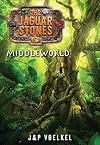
Fourteen-year-old Max's archaeologist parents have abandoned him yet again in favor of a Maya excavation. But his lazy summer gets cut short when he gets a mysterious ticket to join his parents in the Maya jungles of San Xavier. This city boy soon finds himself caught up in a fantastical world of artifact smugglers, ancient magic, and grand adventure accompanied by a headstrong Maya girl named Lola and her two howler monkeys. Can Max save his parents and the end of the world?
Authors Jon and Pamela Voekel have created an action-packed adventure story filled with Maya history and culture. With the 2012 phenomenon, interest in the Maya is sure to be high and the book includes an informative glossary and explanation of the Maya calendar. While it's not a groundbreaking work of children's literature, the story is compelling and sets the groundwork for an eventual trilogy. The history and magic make this a good choice for kids graduating from the Magic Tree House books, but should appeal to many young readers in the 8-12 age range.
Authors Jon and Pamela Voekel have created an action-packed adventure story filled with Maya history and culture. With the 2012 phenomenon, interest in the Maya is sure to be high and the book includes an informative glossary and explanation of the Maya calendar. While it's not a groundbreaking work of children's literature, the story is compelling and sets the groundwork for an eventual trilogy. The history and magic make this a good choice for kids graduating from the Magic Tree House books, but should appeal to many young readers in the 8-12 age range.
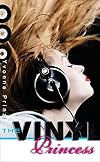
This slice of life story about a vinyl music loving 16-year-old brings Berkeley, CA to life and makes the reader want to haul out a record player and some classic LPs. The plot is fairly straightforward and predictable, but the characters and their passions shine through.
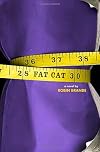
Overachieving high schooler Cat is determined to ace her science project and beat her ex-best friend Matt McKinney at the science fair. Since the competition is so intense, Cat knows she has to do something drastic -- she will use herself as a test subject. She has always struggled with her weight, so decides to essentially live like a caveman by eating unprocessed foods and walking everywhere. What starts as an experiment changes Cat in unexpected ways and may just change her long-strained relationship with Matt.
Cat's transformation is inspiring, especially since it comes from a healthy relationship with food. The ending is fairly predictable, but the journey is fun and full of characters that you can't help but love.
Cat's transformation is inspiring, especially since it comes from a healthy relationship with food. The ending is fairly predictable, but the journey is fun and full of characters that you can't help but love.

High school senior Devi gets a surprise when she drops her cell phone in the mall fountain -- she's somehow able to call her 14-year-old self. She seizes this opportunity to shape her life, as the actions her past self takes immediately affect her present. And she especially wants to avoid ever dating her boyfriend of three years, who broke her heart right before prom. But not all of Devi's past decisions have favorable outcomes and she starts to understand what's really important in her life. Devi's a likable character and it's interesting to see the interactions between the past Devi and the present Devi. The unique time-bending nature of the story adds a fun level to this otherwise typical contemporary YA novel. The premise also lends itself to some fun discussion about what you would tell your past self and how little actions can have big consequences.

Kat Bishop grew up with a family of art thieves, but just wants to enjoy being a normal high school student for once. Her attempt at normalcy is short-lived, however, when the theft of a famous art collection is pegged on her father. Kat soon finds herself putting together a crack team of teen-aged thieves to pull off one last heist to clear her dad's name. This book is pure fun featuring a strong female lead and a great cast of supporting characters.

Melissa Walker's Violet trilogy offers a fun, pop-culture-filled look at the modeling industry from the point of view of a regular teen girl plucked from obscurity to make it big on the runways of New York, Brazil, and Paris.
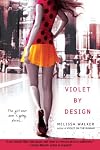
Melissa Walker's Violet trilogy offers a fun, pop-culture-filled look at the modeling industry from the point of view of a regular teen girl plucked from obscurity to make it big on the runways of New York, Brazil, and Paris.
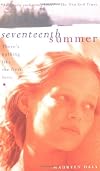
Written by Maureen Daly when she was a teenager herself, Seventeenth Summer is often considered the first true YA novel. It's still in print and Simon and Schuster will be releasing a new edition this month. But, as with most books written almost 70 years ago, the story is pretty dated and it's not just in the social norms. Unlike modern YA books, there's very little dialogue to be found here. It's hard to tell why Angie and Jack even like each other, considering they spend so much time not talking (and don't think they're filling their time 'necking' -- Angie can barely bring herself to utter the word). Angie's other relationships aren't much better. The minor subplot involving Angie's sister Lorraine and her on-again-off-again male caller has some nuance to it, but Angie and Lorraine's interactions are more about what they can't bring themselves to say to each other. Modern readers may be frustrated by the lack of action, but the romance, while innocent, will still capture the hearts of teen girls. The story is also a fascinating look at everyday life in the late 1930s, which could be appealing for readers with an interest in past generations.

Finnikin of the Rock, an epic fantasy tale, is a marked departure from Melina Marchetta's usual contemporary realistic fiction, but she has crafted a rich, complex world full of intriguing and mysterious characters. The strong socio-political undercurrents have parallels to our own world, but they don't overwhelm the core story about Finnikin's search for a homeland for his displaced kingdom and his acceptance of his destiny to become king.