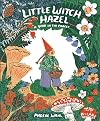
Little Witch Hazel not only uses descriptive, beautiful language, but its rich and colorful illustrations add a whole other interactive component to the overall story. Cozy “cottage-core” figures and scenery fill each page as 4 mini stories make up one big one, covering each season. The enchanting artwork added to the charming storyline, especially with the depiction of such diversity and inclusion such as a wheelchair user, different body types, a woman with leg hair, etc. The world building creates a unique experience for young readers, allowing them to completely immerse themselves into the forest while becoming captivated by the magic of both the characters and the story.
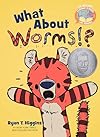
This was an interesting read, since it's in a "book within a book" format. This book undoubtedly provides a fun and silly experience for beginner-readers, which is incredibly beneficial in teaching about more of a heavy topic of phobias and anxiety to young children. At first I was a bit disappointed that there was no resolution when it came to Tiger and his fear of worms, but the redeeming scene was all of the worms facing their fear and overcoming it! At the same time, I feel like this book was missing something for me, or a piece of the puzzle got lost and not all of the parts clicked by the end; I feel like if anything it creates more of a fear of worms for kids, or rather doesn't help one get over their fear of worms by any means, much like how Tiger didn't either!
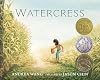
This is a beautiful tale of painful memories and culture, where a young girl learns the truth about her family’s survival of a famine. While the young child originally is made to believe “free is bad”, equaling hand-me-down clothes and food from a ditch, she learns to appreciate watercress and her family. This read, mixed with gorgeous watercolor artwork, shares a sweet message of embracing your family’s past and culture, while changing shame into appreciation.
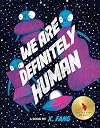
A short and sweet, funny read that emphasizes the importance of community and kindness. This teaches young readers that even if your peers may look or act different from you, you can still welcome them with open arms and treat them the way you would want to be treated. There is also an underlying theme of sharing culture with each other, such as the family showing the “definitely humans” how they dance, what they eat, and the ways they converse. I recommend this read to those wanting to teach children how important it is to show up for and help others within their community.
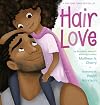
A very sweet story showing young individuals, particularly children of color, the power and beauty that their hair holds. While most of the book presents words and pictures that will likely build a child’s confidence, the only thing I had mixed feelings about was the hair styles that were shown that the dad did while Zuri says, “No, daddy”. More specifically, two braids are shown in her hair while she says these words, which could potentially be discouraging for children and turn them away from this specific hairstyle.
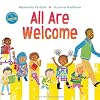
A powerful read celebrating diversity, inclusion and kindness. Beautiful, bright illustrations depict a classroom of children during a school day where they are all accepted. This book shares a kind message important for children to be aware of, teaching them that no matter where you come from or what makes you “different” from others, there is always a place for you.
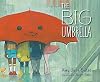
A short, cute read that sends a loving message of inclusion. This book with adorable illustrations teaches children that “there is always room” for everyone, and the importance of kindness to your community.
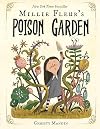
This was such a cute read and a great way of teaching young readers not only the importance of individuality, but to stay true to yourself and that it’s okay to be different from others. Some people may be scared of change, but this picture book sends a great message to children to embrace who you are and showcase your unique personalities.