75 Books Challenge for 2017 for ralphcoviello
Talk 75 Books Challenge for 2017
This group has been archived. Find out more.
Join LibraryThing to post.
1ralphcoviello
All,
An enjoyable 2016 was year 2 of the 75 Books Challenge for myself! Work demands and health challenges slowed my reading with the books completed being 28 in total. However it is likely I read 75 stories with the collections of short stories and Neil Gaiman's stories within stories in The Sandman! Finally catching-up with Neil Gaiman was a wonderful journey of reading discovery that continues to promise of new finds in 2017! My intentions for 2017 will be finishing some books I am reading or had put aside as well as the ever growing TBR stack.
Special thanks to drneutron, PaulCranswick and Oregonreader for their efforts across LibraryThing and thoughtful comments here!
Happy reading in 2017 to all!
Best,
Ralph
An enjoyable 2016 was year 2 of the 75 Books Challenge for myself! Work demands and health challenges slowed my reading with the books completed being 28 in total. However it is likely I read 75 stories with the collections of short stories and Neil Gaiman's stories within stories in The Sandman! Finally catching-up with Neil Gaiman was a wonderful journey of reading discovery that continues to promise of new finds in 2017! My intentions for 2017 will be finishing some books I am reading or had put aside as well as the ever growing TBR stack.
Special thanks to drneutron, PaulCranswick and Oregonreader for their efforts across LibraryThing and thoughtful comments here!
Happy reading in 2017 to all!
Best,
Ralph
3ralphcoviello
BRITISH AUTHOR CHALLENGE 2017 organised by the generous PaulCranswick! Some intriguing authors and categories to choose from in 2017!
JANUARY : IRISH BRITONS - ELIZABETH BOWEN & BRIAN MOORE
FEBRUARY : SCIENCE FICTION & FANTASY - MARY STEWART & TERRY PRATCHETT
MARCH : A DECADE OF BRITISH NOVELS : The 1960s - 10 Novels by Men; 10 Novels by Women
APRIL: SOUTH YORKSHIRE AUTHORS : AS BYATT & BRUCE CHATWIN
MAY : BEFORE QUEEN VIC : 10 Novels written prior to 1837
JUNE : THE HISTORIANS (Historical Fiction / Historians) GEORGETTE HEYER & SIMON SCHAMA
JULY : SCOTTISH AUTHORS : D.E. STEVENSON and R.L. STEVENSON
AUGUST : BRITAIN BETWEEN THE WARS (Writers active 1918-1939) WINIFRED HOLTBY & ROBERT GRAVES
SEPTEMBER : THE NEW MILLENNIUM (Great Books Since 2000) A novel chosen from each year of the new century
OCTOBER : WELSH AUTHORS (Born in or associated with Wales) : JO WALTON & ROALD DAHL
NOVEMBER : POET LAUREATES : British laureates, children's laureate, National Poets
DECEMBER : WILDCARD (Chosen via a vote) : ELIZABETH GASKELL & NEIL GAIMAN
JANUARY : IRISH BRITONS - ELIZABETH BOWEN & BRIAN MOORE
FEBRUARY : SCIENCE FICTION & FANTASY - MARY STEWART & TERRY PRATCHETT
MARCH : A DECADE OF BRITISH NOVELS : The 1960s - 10 Novels by Men; 10 Novels by Women
APRIL: SOUTH YORKSHIRE AUTHORS : AS BYATT & BRUCE CHATWIN
MAY : BEFORE QUEEN VIC : 10 Novels written prior to 1837
JUNE : THE HISTORIANS (Historical Fiction / Historians) GEORGETTE HEYER & SIMON SCHAMA
JULY : SCOTTISH AUTHORS : D.E. STEVENSON and R.L. STEVENSON
AUGUST : BRITAIN BETWEEN THE WARS (Writers active 1918-1939) WINIFRED HOLTBY & ROBERT GRAVES
SEPTEMBER : THE NEW MILLENNIUM (Great Books Since 2000) A novel chosen from each year of the new century
OCTOBER : WELSH AUTHORS (Born in or associated with Wales) : JO WALTON & ROALD DAHL
NOVEMBER : POET LAUREATES : British laureates, children's laureate, National Poets
DECEMBER : WILDCARD (Chosen via a vote) : ELIZABETH GASKELL & NEIL GAIMAN
4FAMeulstee
Happy reading in 2017!
5PaulCranswick

I am part of the group.
I love being part of the group.
I love the friendships bestowed upon my by dint of my membership of this wonderful fellowship.
I love that race and creed and gender and age and sexuality and nationality make absolutely no difference to our being a valued member of the group.
Thank you for also being part of the group.
Welcome back, Ralph. My wife is the one with the generous heart!
6ralphcoviello
As I mentioned in closing out 2016 it was my intention to bookend the 75 Book Challenge 2016 with the sister volume to Book 1 Old Mars instead Old Venus edited by George R. R. Martin and Gardner Dozois becomes Book 1 of the 75 Book Challenge 2017! Finally it too is mission accomplished and if it was not quite as fun and rousing as its predecessor Old Mars it is was still a trip well worth taking!
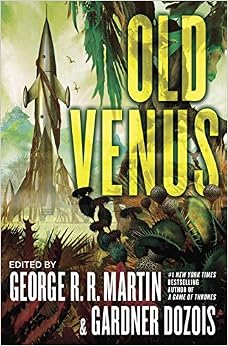
This time introduction honors are handled by Gardner Dozois where as before the premise of the book is a return to a world of adventure by viewing Venus as a living planet cloaked in clouds, endless rain, swampy terrain and vast oceans while teaming with exotic flora and fauna plus unique sentient beings. Dozois traces the introduction of Venus to the Planetary Romance with Otis Adelbert Kline's 1929 novel Planet of Peril which was clearly inspired by the swashbuckling Mars novels of Edgar Rice Burroughs who returned the favor with his own hero Carson Napier in Pirates of Venus! Sequels by both authors and stories by many others ensued across the decades including contributions by Ray Bradbury, Leigh Brackett, C.L. Moore and Poul Anderson plus many more. As before the Golden Age dream of Venus as a living world died when NASA's Mariner 2 probe reached orbit and returned readings indicating the planet's surface was much too hot to support life.

As before this is not a single vision of Venus, past, present or future, so with over a dozen authors contributing to the book it contains a variety of settings and stories. Not all are retro adventures with many looking at a future that might have been or could possibly be with contributions by Allen M. Steele, Lavie Tidar, Paul McAuley, Matthew Hughes, Gwyneth Jones, Joe Haldeman, Stephen Leigh, Eleanor Arnason, David Brin, Garth Nix, Michael Cassutt, Tobias S. Buckell, Elizabeth Bear, Joe R. Lansdale, Mike Resnick and Ian MacDonald.
As with many sequels I did not find this collection quite as engaging as its predecessor, although for me it finished strong with Lansdale's well balanced salute and satire of Burrough's style of planetary romance adventure in The Wizard of The Trees and Resnick's return to his mercenary characters Scorpio and his telepathic alien sidekick Merlin in The Godstone of Venus plus MacDonald's riff on the epistolary format in the concluding story Botanica Veneris: Thirteen Papercuts by Ida Countess Rathangan.
Perhaps next time Martin and Dozois and their authors can take us Beyond the Farthest Star!
This time introduction honors are handled by Gardner Dozois where as before the premise of the book is a return to a world of adventure by viewing Venus as a living planet cloaked in clouds, endless rain, swampy terrain and vast oceans while teaming with exotic flora and fauna plus unique sentient beings. Dozois traces the introduction of Venus to the Planetary Romance with Otis Adelbert Kline's 1929 novel Planet of Peril which was clearly inspired by the swashbuckling Mars novels of Edgar Rice Burroughs who returned the favor with his own hero Carson Napier in Pirates of Venus! Sequels by both authors and stories by many others ensued across the decades including contributions by Ray Bradbury, Leigh Brackett, C.L. Moore and Poul Anderson plus many more. As before the Golden Age dream of Venus as a living world died when NASA's Mariner 2 probe reached orbit and returned readings indicating the planet's surface was much too hot to support life.

As before this is not a single vision of Venus, past, present or future, so with over a dozen authors contributing to the book it contains a variety of settings and stories. Not all are retro adventures with many looking at a future that might have been or could possibly be with contributions by Allen M. Steele, Lavie Tidar, Paul McAuley, Matthew Hughes, Gwyneth Jones, Joe Haldeman, Stephen Leigh, Eleanor Arnason, David Brin, Garth Nix, Michael Cassutt, Tobias S. Buckell, Elizabeth Bear, Joe R. Lansdale, Mike Resnick and Ian MacDonald.
As with many sequels I did not find this collection quite as engaging as its predecessor, although for me it finished strong with Lansdale's well balanced salute and satire of Burrough's style of planetary romance adventure in The Wizard of The Trees and Resnick's return to his mercenary characters Scorpio and his telepathic alien sidekick Merlin in The Godstone of Venus plus MacDonald's riff on the epistolary format in the concluding story Botanica Veneris: Thirteen Papercuts by Ida Countess Rathangan.
Perhaps next time Martin and Dozois and their authors can take us Beyond the Farthest Star!
7ralphcoviello
Well, well a long time since posting as my reading pace has devolved into something closer to the 7.5 books challenge! Changes at work have brought new levels of demand on time and energy with little left for reading much less posting. However, things calmed a little in July and I manged to finish 3 books including 2 for LT Early Reviewers which I need to review anyway. Of course I do this for myself, however I have always appreciated the thoughts and comments of others on LibraryThing. Thanks.
8ralphcoviello
Book 2 in a similar fashion to Book 1 was a carry over from 2016 as I finally finished reading Sandman Vol. 10: The Wake written by Neil Gaiman which is the last volume collecting his original run writing The Sandman.
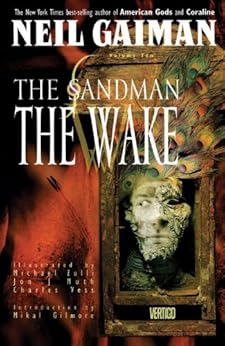
While I was long aware of Gaiman's talent and his original run with The Sandman, in comics issues and collected graphic novels, I did not actually pick one up to read until 2016! They delay was my loss and one I am glad to have rectified at last. This is possibly the most intelligent and literary world ever created in comics or any medium especially under a mainstream publisher like DC! This final volume is a fitting end for The Sandman offering a rare definitive close for a long running comics series & character while clearly mapping out a way forward with Dream of the Endless. I look forward to continuing to read more of Gaiman's work and look eventually returning to the world of The Sandman!
While I was long aware of Gaiman's talent and his original run with The Sandman, in comics issues and collected graphic novels, I did not actually pick one up to read until 2016! They delay was my loss and one I am glad to have rectified at last. This is possibly the most intelligent and literary world ever created in comics or any medium especially under a mainstream publisher like DC! This final volume is a fitting end for The Sandman offering a rare definitive close for a long running comics series & character while clearly mapping out a way forward with Dream of the Endless. I look forward to continuing to read more of Gaiman's work and look eventually returning to the world of The Sandman!
9ralphcoviello
If you find stock investing intimidating and wanted an approachable way to learn more then Book 3 in the 75 Book Challenge 2017 is for you! In The Little Book of Value Investing author Christopher H. Browne gives a step by step guide to this investing method developed by Benjamin Graham and further popularized by the success of his student Warren Buffett!

While this book's intended audience is definitely not experienced investors, really anyone might benefit from Browne's historical perspective and illustrative stories of a life in value investing on Wall Street.

While this book's intended audience is definitely not experienced investors, really anyone might benefit from Browne's historical perspective and illustrative stories of a life in value investing on Wall Street.
10ralphcoviello
Book 4 in the 75 Book Challenge 2017 is the The Witch of Lime Street: Séance, Seduction, and Houdini in the Spirit World in which author David Jaher recreates the world of this true life story in remarkable factual and novelistic detail.
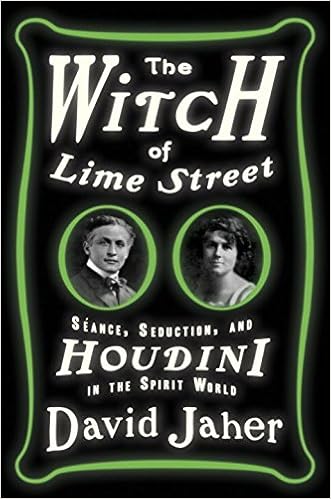
The central conflict involves the great Harry Houdini and a medium called Margery who surprisingly resides at the center of high society Boston. Jaher goes to great lengths in telling his readers about the rise of Houdini and how he became obsessed, due to the loss of his beloved mother, with exposing fraudulent mediums. Equally Jaher illuminates how mediums like Margery where being taken seriously at a time scientific advances, technological change and the impact of the devastation of the Great War aka World War I. Most stunning to many readers will be the central roles played by the Scientific American magazine in sponsoring a contest for mediums as well as the involvement of the creator of Sherlock Holmes Arthur Conan Doyle as a champion of mediums being pivotal in the new religion of spiritualism!
I have a long fascination with Houdini and the condensed biography (I would welcome a full biography on the magician from the author) offered here by Jaher was my favorite part of the book including learning he had a close, then fractious, relationship with Doyle. Honestly, for this reader the central conflict and approach of treating Margery's seances as possibly authentic goes on for far too long in far too much detail. Still this dense, detailed, deeply researched book brings to life a forgotten time when talking to the dead was deemed just as likely as one day visiting the moon!
The central conflict involves the great Harry Houdini and a medium called Margery who surprisingly resides at the center of high society Boston. Jaher goes to great lengths in telling his readers about the rise of Houdini and how he became obsessed, due to the loss of his beloved mother, with exposing fraudulent mediums. Equally Jaher illuminates how mediums like Margery where being taken seriously at a time scientific advances, technological change and the impact of the devastation of the Great War aka World War I. Most stunning to many readers will be the central roles played by the Scientific American magazine in sponsoring a contest for mediums as well as the involvement of the creator of Sherlock Holmes Arthur Conan Doyle as a champion of mediums being pivotal in the new religion of spiritualism!
I have a long fascination with Houdini and the condensed biography (I would welcome a full biography on the magician from the author) offered here by Jaher was my favorite part of the book including learning he had a close, then fractious, relationship with Doyle. Honestly, for this reader the central conflict and approach of treating Margery's seances as possibly authentic goes on for far too long in far too much detail. Still this dense, detailed, deeply researched book brings to life a forgotten time when talking to the dead was deemed just as likely as one day visiting the moon!
11scaifea
>8 ralphcoviello: Oh, yay for Sandman! Isn't it just marvelous?
12ralphcoviello
Yes! As someone with a long time interest in comics, literature, history, mythology and fantasy; not to mention ultimate questions on the meaning of life and the mystery of death, it was truly a dream!
Thanks scaifea!
Thanks scaifea!
13ralphcoviello
Speaking of books that combine my interest in comics and history is book 5 in the 75 Book Challenge 2017 being the first volume in the manga magnum opus Showa 1926-1939: A History of Japan (Showa: A History of Japan) in which author & illustrator Shigeru Mizuki recreates the world of his own true life story within the tumultuous 20th century of Japan.
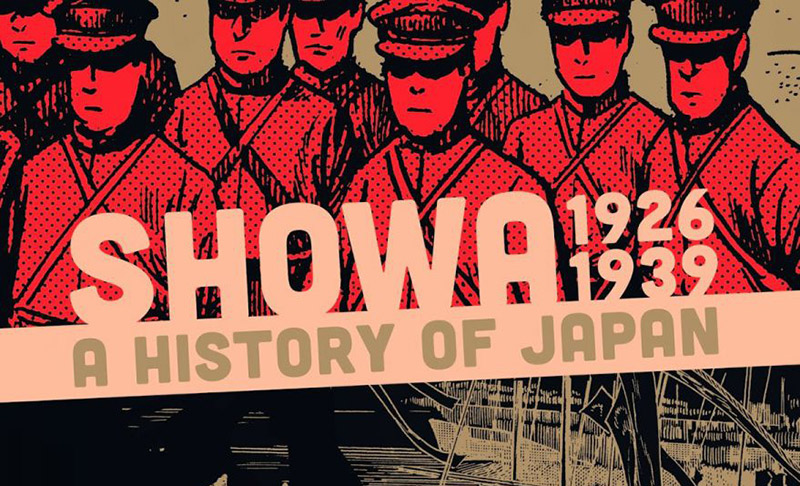
Mizuki born in 1922 starts his history in 1926 from his earliest memories as a spunky 4 year old growing up amid a culture still struggling to recover from the devastation of the 1923 Kanto earthquake. The entire volume pretty much alternates between cartoon depictions of family life and photo real illustrations of historical events into which he injects a cartoon character commentator based on a personal friend. Mizuki depicts events about his extended family beyond his own childhood experiences especially his father's peripatetic and hapless business career. This first volume ends in 1939 as an emotionally immature Mazuki reaches adulthood and General Tojo seizes power as World War II breaks out in Europe.
Published by Drawn & Quarterly with English translation by ZACK DAVISSON and organized into 4 large volumes which preserve the Japanese manga layout, so your reading begins on the back cover and you read the comic panels and pages from right to left. The entire set covers Mizuki's personal story alongside Japan's history through 1989 and I look forward to continuing this journey with the man and his country.
Mizuki born in 1922 starts his history in 1926 from his earliest memories as a spunky 4 year old growing up amid a culture still struggling to recover from the devastation of the 1923 Kanto earthquake. The entire volume pretty much alternates between cartoon depictions of family life and photo real illustrations of historical events into which he injects a cartoon character commentator based on a personal friend. Mizuki depicts events about his extended family beyond his own childhood experiences especially his father's peripatetic and hapless business career. This first volume ends in 1939 as an emotionally immature Mazuki reaches adulthood and General Tojo seizes power as World War II breaks out in Europe.
Published by Drawn & Quarterly with English translation by ZACK DAVISSON and organized into 4 large volumes which preserve the Japanese manga layout, so your reading begins on the back cover and you read the comic panels and pages from right to left. The entire set covers Mizuki's personal story alongside Japan's history through 1989 and I look forward to continuing this journey with the man and his country.
14ralphcoviello
Book 6 in the 75 Book Challenge 2017 is Something in the Blood: The Untold Story of Bram Stoker the Man Who Wrote Dracula in which author David J. Skal with deep research relates the personal and social context in which this man created his novel and it's immortal character.

My reading was actually listening as this was the audio-book published by HighBridge and read by James Patrick Cronin who does a marvelous job. The challenge for author Skal as well as the reader is the enigma of his subject Bram Stoker which makes this scholarly biography a necessity as well as a frustrating experience at times. Essentially Bram Stoker through his choices and the circumstances of the Irish & English Victorian culture into which he was born and lived frequently makes him a peripheral participant in his own life. In his life as well as in this book of his life-story he is overshadowed by dominant personalities including his mother, his fellow author & Irishman Oscar Wilde and the central person in his life actor & showman Henry Irving. Stoker's marriage to his wife Florence was mostly loveless and sexless, although their union did produce a son Noel. Stoker's affections were reserved for men, although probably not of the physical kind, especially great men including American poet Walt Whitman, best selling author Hall Caine and actor Henry Irving. Skal shows that despite Stoker's devotion to Henry as his business manager the emotional connection was strictly one way. A more intimate relationship existed between Stoker and Hall Caine for whom he did legal publishing work and from whom he sought advice on his own writing projects. It is made clear that Stoker's writing and publishing career was driven by a desire write books that would sell. Upon publication Dracula was well received by reviewers and sold steadily, although in no way a best-seller, it garnered fans including a young Winston Churchill. However, much of Dracula's popular success arose after Stoker's death in 1912 and widow Florence driven to support herself, acted as literary agent, in keeping Stoker's books in print and adding new markets through translation. One such market was Germany where an unauthorized adaption of Dracula was produced in 1922 as "Nosferatu". Florence's lawsuit was successful and resulted in all prints of the film being seized destroyed, nearly making the F. W. Murnau film a lost silent classic, it netted her no money. However, the case was widely covered vaulting Dracula to much wider public attention and notoriety. Eventually, this lead to a hit theatrical play being adapted from Dracula, which Stoker himself tried and failed to get Irving to mount, and after a successful three year run in England transferred to America. One thing that did not transfer to Broadway was the actor playing Dracula whose role was eventually assumed onstage by a little know Hungarian actor Bela Lugosi. A huge hit Dracula was then put into production as a film at Universal with director Tod Browning who intended the title role for the star Lon Chaney. When Chaney died no other actor would accept the role, once again, the last minute addition was Bela Lugosi film history was made. Dracula and vampires achieved an immortality and popularity that would astound Bram Stoker who would undoubtedly be proud to find himself and his character at the center of a biography published 100 years after his death. Equally Stoker, the reserved and private man, would be dismayed by the analysis on his character Dracula as well as his own character, not because it is wrong, rather because of the depth and breath as we confront social, sexual and medical realities that Victorians & Edwardian's likely would not have believed or certainly not acknowledged about themselves or anyone they knew, except maybe Oscar Wilde.
This biography is well written and researched on a fascinating period of history even if it's central subject Bram Stoker remains an enigma while being less interesting than those around him or, of course, the immortal fascinating character he created in Dracula.

My reading was actually listening as this was the audio-book published by HighBridge and read by James Patrick Cronin who does a marvelous job. The challenge for author Skal as well as the reader is the enigma of his subject Bram Stoker which makes this scholarly biography a necessity as well as a frustrating experience at times. Essentially Bram Stoker through his choices and the circumstances of the Irish & English Victorian culture into which he was born and lived frequently makes him a peripheral participant in his own life. In his life as well as in this book of his life-story he is overshadowed by dominant personalities including his mother, his fellow author & Irishman Oscar Wilde and the central person in his life actor & showman Henry Irving. Stoker's marriage to his wife Florence was mostly loveless and sexless, although their union did produce a son Noel. Stoker's affections were reserved for men, although probably not of the physical kind, especially great men including American poet Walt Whitman, best selling author Hall Caine and actor Henry Irving. Skal shows that despite Stoker's devotion to Henry as his business manager the emotional connection was strictly one way. A more intimate relationship existed between Stoker and Hall Caine for whom he did legal publishing work and from whom he sought advice on his own writing projects. It is made clear that Stoker's writing and publishing career was driven by a desire write books that would sell. Upon publication Dracula was well received by reviewers and sold steadily, although in no way a best-seller, it garnered fans including a young Winston Churchill. However, much of Dracula's popular success arose after Stoker's death in 1912 and widow Florence driven to support herself, acted as literary agent, in keeping Stoker's books in print and adding new markets through translation. One such market was Germany where an unauthorized adaption of Dracula was produced in 1922 as "Nosferatu". Florence's lawsuit was successful and resulted in all prints of the film being seized destroyed, nearly making the F. W. Murnau film a lost silent classic, it netted her no money. However, the case was widely covered vaulting Dracula to much wider public attention and notoriety. Eventually, this lead to a hit theatrical play being adapted from Dracula, which Stoker himself tried and failed to get Irving to mount, and after a successful three year run in England transferred to America. One thing that did not transfer to Broadway was the actor playing Dracula whose role was eventually assumed onstage by a little know Hungarian actor Bela Lugosi. A huge hit Dracula was then put into production as a film at Universal with director Tod Browning who intended the title role for the star Lon Chaney. When Chaney died no other actor would accept the role, once again, the last minute addition was Bela Lugosi film history was made. Dracula and vampires achieved an immortality and popularity that would astound Bram Stoker who would undoubtedly be proud to find himself and his character at the center of a biography published 100 years after his death. Equally Stoker, the reserved and private man, would be dismayed by the analysis on his character Dracula as well as his own character, not because it is wrong, rather because of the depth and breath as we confront social, sexual and medical realities that Victorians & Edwardian's likely would not have believed or certainly not acknowledged about themselves or anyone they knew, except maybe Oscar Wilde.
This biography is well written and researched on a fascinating period of history even if it's central subject Bram Stoker remains an enigma while being less interesting than those around him or, of course, the immortal fascinating character he created in Dracula.
16ralphcoviello
In Book 7 of the 75 book challenge 2017 The Travelers author Chris Pavone offers an intriguing premise 'what if a highly regarded travel magazine was actually a cover for a global spying and information network?'.
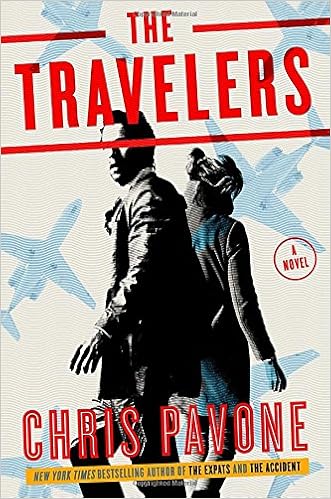
Will Rhodes is the talented, if initially naive, journalist who gets caught up in the intrigues surrounding the magazine where he works as a globetrotting reporter writing features on high end travel. Unfortunately, his marriage is under strain due financial and marital stresses which leads to his wandering eye and being ensnared by the alluring Elle. While Pavone writes in a clear style, for this reader, the set-up takes far too long with characters I did not find nearly as engaging as the author intended. If the characters do not improve at least the pace picks up great momentum in the second half. Strangely the story is both too convoluted and too predictable at the same time. Other readers may rate the this thriller higher, however I was left disappointed that for me it did not deliver in the end.
Will Rhodes is the talented, if initially naive, journalist who gets caught up in the intrigues surrounding the magazine where he works as a globetrotting reporter writing features on high end travel. Unfortunately, his marriage is under strain due financial and marital stresses which leads to his wandering eye and being ensnared by the alluring Elle. While Pavone writes in a clear style, for this reader, the set-up takes far too long with characters I did not find nearly as engaging as the author intended. If the characters do not improve at least the pace picks up great momentum in the second half. Strangely the story is both too convoluted and too predictable at the same time. Other readers may rate the this thriller higher, however I was left disappointed that for me it did not deliver in the end.
17ralphcoviello
A return to the fantastic imagination of the "God of Manga" for Book 8 of the 75 book challenge 2017 with Dororo a transitional work by author & artist Osamu Tezuka in an omnibus edition collecting the set originally published in English in three volumes into a solid single tome from Vertical.

This 2009 Eisner Award winner is not kids stuff, even if Dororo might be a cute looking moppet in the style of Tezuka's iconic character Astro Boy aka Mighty Atom, as it quickly becomes clear that this is an incredibly violent horror tinged story. Dororo, the wily little thief, despite being the title character, is actually a second lead as the spine of the story is focused on the quest of Hyakkimaru an unusual samurai, to restore his body which was reduced to a shell when his warlord father sacrificed him as a baby in a temple of hell with his body parts claimed by 48 demons. Our heroes adventures focus on defeating those demons, with each victory Hyakkimaru regains another part of himself. This dark tale is set during the warring states period of Japan where peasants were subject to repeated trauma by war, bandits and starvation; Tezuka does not stint on having awful fates befalling many characters both evil and good.
The ending is rushed and while is resolves many threads it is not wholly satisfying, however it in know way diminishes this imaginative journey. A better understanding of why, in hindsight, Dororo was an important transitional work and some of the reasons for its radical tonal shifts and publication history can be learned at Tezuka in English.

This 2009 Eisner Award winner is not kids stuff, even if Dororo might be a cute looking moppet in the style of Tezuka's iconic character Astro Boy aka Mighty Atom, as it quickly becomes clear that this is an incredibly violent horror tinged story. Dororo, the wily little thief, despite being the title character, is actually a second lead as the spine of the story is focused on the quest of Hyakkimaru an unusual samurai, to restore his body which was reduced to a shell when his warlord father sacrificed him as a baby in a temple of hell with his body parts claimed by 48 demons. Our heroes adventures focus on defeating those demons, with each victory Hyakkimaru regains another part of himself. This dark tale is set during the warring states period of Japan where peasants were subject to repeated trauma by war, bandits and starvation; Tezuka does not stint on having awful fates befalling many characters both evil and good.
The ending is rushed and while is resolves many threads it is not wholly satisfying, however it in know way diminishes this imaginative journey. A better understanding of why, in hindsight, Dororo was an important transitional work and some of the reasons for its radical tonal shifts and publication history can be learned at Tezuka in English.
18ralphcoviello
Book 9 of the 75 book challenge 2017 is Perfect Health Diet: Regain Health and Lose Weight by Eating the Way You Were Meant to Eat by Paul Jaminet and Shou-Ching Shih Jaminet and it offers a road-map to potentially guide readers to a healthier lifestyle.

"Paleo Perfected" as the cover quote indicates will give you a good idea of the basis for the PHD program. The theory of paleo eating is that our hunter/gatherer ancestors in the paleolithic period ate these types of meat, fish and vegetable foods for over 100,000 years while our agriculture driven grain based diet has only been around 15,000 years or less. The Jaminet's take the view that our bodies are much better adapted to the foods of the paleolithic period. Therefore, grain based foods introduced in the more recent period of history are gradually harmful, possibly poisonous, provoking inflammation in our bodies which is very damaging to human health. Additionally, they examine how intermittent fasting had once been a normal part of human life whereas today we have an abundance of food always at hand, so we miss out on the natural benefits of proper fasting. The Jaminet's back these claims with scientific research, case studies from those who benefited from following PHD as well as their own personal health crises that lead them down this path of research in food and health science.
I personally find this a very convincing read, even if the scientific data can be a challenge to absorb, the personal testimonials are much easier to relate to. I do wish the Jaminet's had not used the word "diet" in their title as far too many people approach "diets" as short term fixes. This is really a call for a lifestyle change of what and when you eat and not necessarily an easy change for most of us to make. I am taking a gradual approach for myself incorporating different aspects of PHD and eventually hope to embrace it to a far greater degree. You can read and learn more about PHD on the website at Perfect Health Diet.

"Paleo Perfected" as the cover quote indicates will give you a good idea of the basis for the PHD program. The theory of paleo eating is that our hunter/gatherer ancestors in the paleolithic period ate these types of meat, fish and vegetable foods for over 100,000 years while our agriculture driven grain based diet has only been around 15,000 years or less. The Jaminet's take the view that our bodies are much better adapted to the foods of the paleolithic period. Therefore, grain based foods introduced in the more recent period of history are gradually harmful, possibly poisonous, provoking inflammation in our bodies which is very damaging to human health. Additionally, they examine how intermittent fasting had once been a normal part of human life whereas today we have an abundance of food always at hand, so we miss out on the natural benefits of proper fasting. The Jaminet's back these claims with scientific research, case studies from those who benefited from following PHD as well as their own personal health crises that lead them down this path of research in food and health science.
I personally find this a very convincing read, even if the scientific data can be a challenge to absorb, the personal testimonials are much easier to relate to. I do wish the Jaminet's had not used the word "diet" in their title as far too many people approach "diets" as short term fixes. This is really a call for a lifestyle change of what and when you eat and not necessarily an easy change for most of us to make. I am taking a gradual approach for myself incorporating different aspects of PHD and eventually hope to embrace it to a far greater degree. You can read and learn more about PHD on the website at Perfect Health Diet.
19ralphcoviello
Book 10 in the 75 Book Challenge 2017 is the second volume in the manga magnum opus Showa 1939-1944: A History of Japan (Showa: A History of Japan) in which author & illustrator Shigeru Mizuki recreates the world of his own true life story within the tumultuous 20th century of Japan.
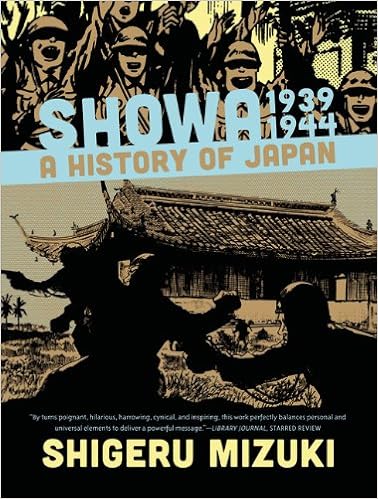
Published by Drawn & Quarterly with English translation by ZACK DAVISSON and organized into 4 large volumes which preserve the Japanese manga layout, so your reading begins on the back cover and you read the comic panels and pages from right to left. The entire set covers Mizuki's personal story alongside Japan's history through 1989. See my overall review below at Book 16 of the 75 Book Challenge 2017.
Published by Drawn & Quarterly with English translation by ZACK DAVISSON and organized into 4 large volumes which preserve the Japanese manga layout, so your reading begins on the back cover and you read the comic panels and pages from right to left. The entire set covers Mizuki's personal story alongside Japan's history through 1989. See my overall review below at Book 16 of the 75 Book Challenge 2017.
20ralphcoviello
Book 11 in the 75 Book Challenge 2017 is one of the most engaging and accessible popular history books I have read The Rise and Fall of Alexandria: Birthplace of the Modern World by authors Justin Pollard and Howard Reid.
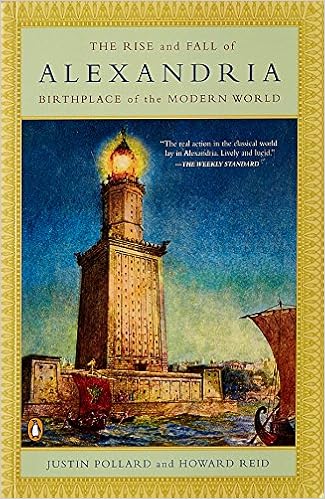
I know when I was younger it was a bit mysterious to me how a city in Egypt could be the center of the Greek world in ancient history. This book is essentially a biography of Alexandria from its founding when Alexander the Great shared his vision for a harbor with a city and had its basic design marked in the sand in addition to giving it his name. As we know Alexander moved on with his conquests never to return during his lifetime instead his death sparked the destiny of his self named city. Ptolemy was the first of Alexander's generals upon his death to recognize that this recently won empire was too unwieldy to hold without the charisma and leadership of the great man, so he seized the most valuable piece of the empire Egypt. To cement his authority as Alexander's heir Ptolemy then hijacked Alexander's funeral procession and build a great tomb for him in Egypt. Ptolemy founded a dynasty that would last 300 years to his final heir Cleopatra, yet his greater achievement was to build the great library of Alexandria. Ptolemy and his heirs poured Egypt's treasure into acquiring the world's knowledge in both its books and great thinkers which would make it first city of the Hellenistic world in science, culture and trade. Even after the Ptolemaic dynasty fell with Egypt becoming a province of the Roman empire Alexandria with its library and lighthouse remained an intellectual light in the ancient world for hundred's of years. A final grace note was the life of Hypatia a woman who was one of the last great teachers, philosopher's and mathematicians in Alexandria. Alexandria's intellectual life died in 415 AD when Hypatia was murdered as part of a power struggle for control the of early church and then the city itself by Christian zealots. Alexandria was an important city in early life of the Christian church as it was a welcoming place for differing beliefs and competing dogma's. However, Christian control lasted only a few hundred years until the rise of Islam and the Muslim siege and conquest of Alexandria which closes the story. The author's Pollard and Reid have a television background, yet they do not dumb down their story instead they tell in a clear and engaging narrative the life story of this great city as the light of the Hellenistic world from the birth to the death of Alexandria.
I know when I was younger it was a bit mysterious to me how a city in Egypt could be the center of the Greek world in ancient history. This book is essentially a biography of Alexandria from its founding when Alexander the Great shared his vision for a harbor with a city and had its basic design marked in the sand in addition to giving it his name. As we know Alexander moved on with his conquests never to return during his lifetime instead his death sparked the destiny of his self named city. Ptolemy was the first of Alexander's generals upon his death to recognize that this recently won empire was too unwieldy to hold without the charisma and leadership of the great man, so he seized the most valuable piece of the empire Egypt. To cement his authority as Alexander's heir Ptolemy then hijacked Alexander's funeral procession and build a great tomb for him in Egypt. Ptolemy founded a dynasty that would last 300 years to his final heir Cleopatra, yet his greater achievement was to build the great library of Alexandria. Ptolemy and his heirs poured Egypt's treasure into acquiring the world's knowledge in both its books and great thinkers which would make it first city of the Hellenistic world in science, culture and trade. Even after the Ptolemaic dynasty fell with Egypt becoming a province of the Roman empire Alexandria with its library and lighthouse remained an intellectual light in the ancient world for hundred's of years. A final grace note was the life of Hypatia a woman who was one of the last great teachers, philosopher's and mathematicians in Alexandria. Alexandria's intellectual life died in 415 AD when Hypatia was murdered as part of a power struggle for control the of early church and then the city itself by Christian zealots. Alexandria was an important city in early life of the Christian church as it was a welcoming place for differing beliefs and competing dogma's. However, Christian control lasted only a few hundred years until the rise of Islam and the Muslim siege and conquest of Alexandria which closes the story. The author's Pollard and Reid have a television background, yet they do not dumb down their story instead they tell in a clear and engaging narrative the life story of this great city as the light of the Hellenistic world from the birth to the death of Alexandria.
21ralphcoviello
Exceedingly clever, creative and imaginative is Book 12 in the 75 Book Challenge 2017 Masterful Marks: Cartoonists Who Changed the World conceived and edited by Monte Beauchamp.

Beauchamp has organized the writing and drawing of sixteen Graphic Novel Biographies of some of the most groundbreaking and influential people in cartoons including Walt Disney • Dr. Seuss • Charles Schulz • The Creators of Superman, Jerry Siegel & Joe Shuster • R. Crumb • Jack Kirby • Winsor McCay • Hergé • Osamu Tezuka • MAD creator, Harvey Kurtzman • Al Hirschfeld • Edward Gorey • Chas Addams • Rodolphe Töpffer • Lynd Ward and Hugh Hefner. To do so Beuchamp has lined up artists including top illustrators Drew Friedman, Nora Krug, Denis Kitchen, and Peter Kuper and each has created stories that illuminate the lives and illustrations that capture the distinctive styles of each of their subjects as in the opening pages of the story of Superman's Creators.

It is a delightful way to learn about these legends and to enjoy the creative pen & ink talents of the latest generation they have inspired.

Beauchamp has organized the writing and drawing of sixteen Graphic Novel Biographies of some of the most groundbreaking and influential people in cartoons including Walt Disney • Dr. Seuss • Charles Schulz • The Creators of Superman, Jerry Siegel & Joe Shuster • R. Crumb • Jack Kirby • Winsor McCay • Hergé • Osamu Tezuka • MAD creator, Harvey Kurtzman • Al Hirschfeld • Edward Gorey • Chas Addams • Rodolphe Töpffer • Lynd Ward and Hugh Hefner. To do so Beuchamp has lined up artists including top illustrators Drew Friedman, Nora Krug, Denis Kitchen, and Peter Kuper and each has created stories that illuminate the lives and illustrations that capture the distinctive styles of each of their subjects as in the opening pages of the story of Superman's Creators.

It is a delightful way to learn about these legends and to enjoy the creative pen & ink talents of the latest generation they have inspired.
22ralphcoviello
Book 13 in the 75 Book Challenge 2017 is the third volume in the manga magnum opus Showa 1944-1953: A History of Japan (Showa: A History of Japan) in which author & illustrator Shigeru Mizuki recreates the world of his own true life story within the tumultuous 20th century of Japan.

Published by Drawn & Quarterly with English translation by ZACK DAVISSON and organized into 4 large volumes which preserve the Japanese manga layout, so your reading begins on the back cover and you read the comic panels and pages from right to left. The entire set covers Mizuki's personal story alongside Japan's history through 1989. See my overall review below at Book 16 of the 75 Book Challenge 2017.

Published by Drawn & Quarterly with English translation by ZACK DAVISSON and organized into 4 large volumes which preserve the Japanese manga layout, so your reading begins on the back cover and you read the comic panels and pages from right to left. The entire set covers Mizuki's personal story alongside Japan's history through 1989. See my overall review below at Book 16 of the 75 Book Challenge 2017.
23ralphcoviello
A comparatively slim graphic adventure created in the writing & illustrative style of Jules Verne is Book 14 in the 75 Book Challenge 2017 The Arctic Marauder by author & illustrator Jacques Tardi.
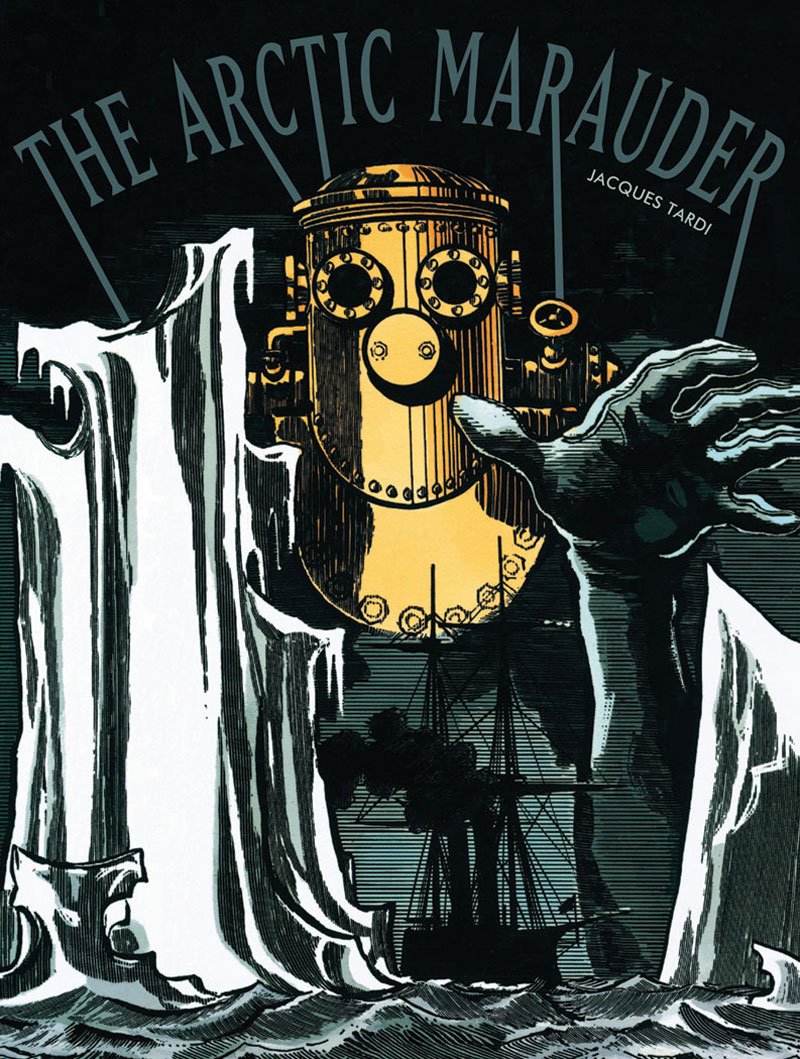
As you can see the cover image beautifully captures the atmosphere of scientific mystery and adventure at the heart of the works of legendary French author Jules Verne as his compatriot Tardi takes his inspiration both from those famous stories and the illustrations that accompanied them. Sadly this large sized, yet slight book, does not deliver on the promise of that cover and intriguing set up in the opening pages of the book. Still this is worth a look for enthusiasts of either Verne or Tardi as you can breeze through it in a short amount of time.
As you can see the cover image beautifully captures the atmosphere of scientific mystery and adventure at the heart of the works of legendary French author Jules Verne as his compatriot Tardi takes his inspiration both from those famous stories and the illustrations that accompanied them. Sadly this large sized, yet slight book, does not deliver on the promise of that cover and intriguing set up in the opening pages of the book. Still this is worth a look for enthusiasts of either Verne or Tardi as you can breeze through it in a short amount of time.
25ralphcoviello
I was looking for a change of pace and found it in Book 15 in the 75 Book Challenge 2017 Cat on a Cold Tin Roof: An Eli Paxton Mystery by author Mike Resnick.

This book is part of a detective series which is also a change of pace for Mike Resnick an award winning science fiction and fantasy author. Eli Paxton is a Private Investigator and former police detective in Cincinnati, Ohio who lives a slovenly bachelor life with his lazy dog Marlowe who he feeds leftovers while fighting him for space on the couch to watch old detective movies on TCM Turner Classic Movies. The dog's name and references to classic detectives like The Falcon and Sam Spade is part of the fun author Resnick is having. Like those detective's Eli lives a retro life without a computer or cell phone which leads him to frequently call on his former associates in the Cincinnati police force for help. In addition to enjoying the movie references, having visited Cincinnati I liked the way Resnick weaved in local references such as how chili is served on spaghetti, sports teams like the NFL Bengals and the airport being across the river in the state of Kentucky. Also, along the way you get a tour of various local eateries where Eli meets up to exchange information with a friendly mob hit man from Chicago. Your overall enjoyment will vary depending on your response to those type of references as the central mystery of a murder and a missing cat is fairly light and predictable.
You can read and learn more about the author at his site Mike Resnick | Words of Wonder.

This book is part of a detective series which is also a change of pace for Mike Resnick an award winning science fiction and fantasy author. Eli Paxton is a Private Investigator and former police detective in Cincinnati, Ohio who lives a slovenly bachelor life with his lazy dog Marlowe who he feeds leftovers while fighting him for space on the couch to watch old detective movies on TCM Turner Classic Movies. The dog's name and references to classic detectives like The Falcon and Sam Spade is part of the fun author Resnick is having. Like those detective's Eli lives a retro life without a computer or cell phone which leads him to frequently call on his former associates in the Cincinnati police force for help. In addition to enjoying the movie references, having visited Cincinnati I liked the way Resnick weaved in local references such as how chili is served on spaghetti, sports teams like the NFL Bengals and the airport being across the river in the state of Kentucky. Also, along the way you get a tour of various local eateries where Eli meets up to exchange information with a friendly mob hit man from Chicago. Your overall enjoyment will vary depending on your response to those type of references as the central mystery of a murder and a missing cat is fairly light and predictable.
You can read and learn more about the author at his site Mike Resnick | Words of Wonder.
26ralphcoviello
Book 16 in the 75 Book Challenge 2017 is the fourth and final volume in the manga magnum opus Showa 1953-1989: A History of Japan (Showa: A History of Japan) in which author & illustrator Shigeru Mizuki recreates the world of his own true life story within the tumultuous 20th century of Japan.
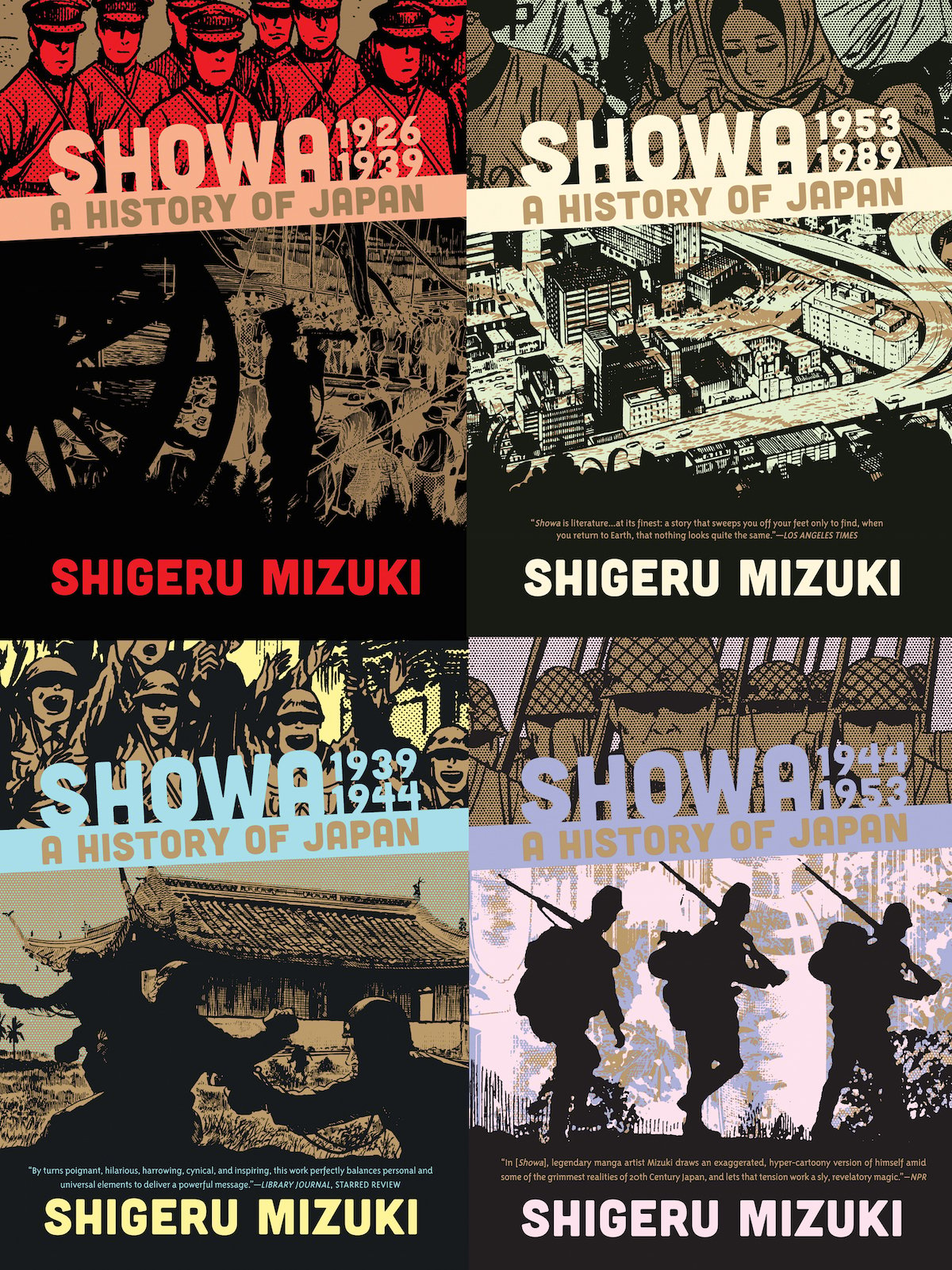
Published by Drawn & Quarterly with English translation by ZACK DAVISSON and organized into 4 large volumes which preserve the Japanese manga layout, so your reading begins on the back cover and you read the comic panels and pages from right to left. The entire set covers Mizuki's personal story alongside Japan's history through 1989 as the boy grows into a man and an artist across seven decades during the reign of Emperor Hirohito. This period is called Showa as there is a new name given to the reign of each emperor as it begins, so since that time with the death of Hirohito Japan has been in the Heisei period under the reign of Emperor Akihito. This is a remarkable personal and historical record as Mizuki alternates between cartoony & frequently comic episodes from his life and those of his family, especially his Father, Mother and adopted Grandmother NonNonBa, in contrast the historical episodes are depicted in a photo-realistic style with footnotes and end notes. All of this is commented on with frequent asides by a cartoony character based on a friend and associate of Mizuki. Despite incredible suffering and hardship Mizuki maintains his sense of humor and love for what is beautiful in the world. Anyone interested in a human view of Japanese history as well as insight into the early days of Manga as well as the true perseverance of an artist to create will find these volumes a rewarding read.
Published by Drawn & Quarterly with English translation by ZACK DAVISSON and organized into 4 large volumes which preserve the Japanese manga layout, so your reading begins on the back cover and you read the comic panels and pages from right to left. The entire set covers Mizuki's personal story alongside Japan's history through 1989 as the boy grows into a man and an artist across seven decades during the reign of Emperor Hirohito. This period is called Showa as there is a new name given to the reign of each emperor as it begins, so since that time with the death of Hirohito Japan has been in the Heisei period under the reign of Emperor Akihito. This is a remarkable personal and historical record as Mizuki alternates between cartoony & frequently comic episodes from his life and those of his family, especially his Father, Mother and adopted Grandmother NonNonBa, in contrast the historical episodes are depicted in a photo-realistic style with footnotes and end notes. All of this is commented on with frequent asides by a cartoony character based on a friend and associate of Mizuki. Despite incredible suffering and hardship Mizuki maintains his sense of humor and love for what is beautiful in the world. Anyone interested in a human view of Japanese history as well as insight into the early days of Manga as well as the true perseverance of an artist to create will find these volumes a rewarding read.
27ralphcoviello
Book 17 of the 75 Book Challenge 2017 is The Book of Swords which finds editor Gardner Dozois going solo while his frequent co-editor George R. R. Martin contributes a history story from his world of Westeros the setting of Game of Thrones!

In his introduction Gardner Dozois explains that the book is a result of a long held desire for a collection of stories focused on swords especially those set in worlds of sword & sorcery! Taking inspiration from works and characters including Robert E. Howard’s Conan the Barbarian, Michael Moorcock’s Elric of Melniboné, Fritz Leiber’s Fafhrd and the Gray Mouser the contributing authors explore a wide range of settings and atmospheres in each of their stories. In addition to the aforementioned GRRM contributors include K.J. Parker, Robin Hobb, Ken Liu, Matthew Hughes, Kate Elliott, Walter Jon Williams, Daniel Abraham, C.J. Cherryh, Garth Nix, Garth Nix, Ellen Kushner, Scott Lynch, Rich Larson, Elizabeth Bear, Lavie Tidhar and Cecelia Holland. Some of these stories explore characters or settings the authors previously established and there are locations as diverse as ancient China and imperial Rome alongside a steampunk alternate reality! In some the swords are objects of the characters desire while in others they are an extension of who the characters are or are becoming.
Dozois has promised a companion volume focused on sorcery in 2018 with The Book of Magic!

In his introduction Gardner Dozois explains that the book is a result of a long held desire for a collection of stories focused on swords especially those set in worlds of sword & sorcery! Taking inspiration from works and characters including Robert E. Howard’s Conan the Barbarian, Michael Moorcock’s Elric of Melniboné, Fritz Leiber’s Fafhrd and the Gray Mouser the contributing authors explore a wide range of settings and atmospheres in each of their stories. In addition to the aforementioned GRRM contributors include K.J. Parker, Robin Hobb, Ken Liu, Matthew Hughes, Kate Elliott, Walter Jon Williams, Daniel Abraham, C.J. Cherryh, Garth Nix, Garth Nix, Ellen Kushner, Scott Lynch, Rich Larson, Elizabeth Bear, Lavie Tidhar and Cecelia Holland. Some of these stories explore characters or settings the authors previously established and there are locations as diverse as ancient China and imperial Rome alongside a steampunk alternate reality! In some the swords are objects of the characters desire while in others they are an extension of who the characters are or are becoming.
Dozois has promised a companion volume focused on sorcery in 2018 with The Book of Magic!
28ralphcoviello
I received a Library Thing Early Reviewers copy of The Color of Pixar for Book 18 of the 75 Book Challenge 2017 by Tia Kratter with a Foreword by John Lasseter.
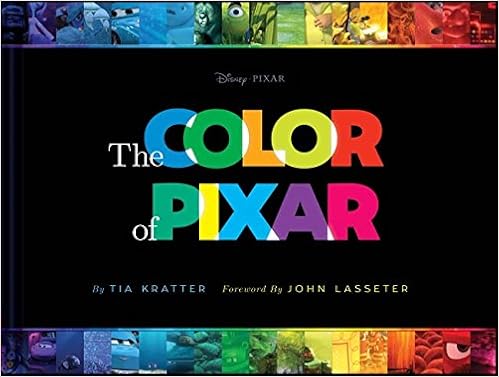
This is less a book than a colorful bauble, however the images are all dazzling! Tia Kratter has the needed eye and background having been with Pixar since joining the studio in 1993 during production of their first feature film, Toy Story and she was the Shader Art Director on five films, including Brave. In his brief Foreword John Lasseter, Pixar's Creator-in-Chief discusses the emotion of color and credits the many artists who have worked on Pixar's films. In her Introduction Tia Kratter explains that Pixar creates a color script to visually map the emotional highs and lows of the story from beginning to end and that the idea for the book involves looking at individual frames using the spectrum of color as a connecting theme. The result is that on its side the book will remind one of a Pantone formula guide as it flows with color like a rainbow. The downside of this book is that the commentary is limited to those brief words at the outset and really some more context is needed in how each color is used in a Pixar film to create more than pretty pictures and instead use colors to paint the emotional journey of the characters. Still each image selected is beautifully reproduced and printed on heavy slick photo paper stock.
This is less a book than a colorful bauble, however the images are all dazzling! Tia Kratter has the needed eye and background having been with Pixar since joining the studio in 1993 during production of their first feature film, Toy Story and she was the Shader Art Director on five films, including Brave. In his brief Foreword John Lasseter, Pixar's Creator-in-Chief discusses the emotion of color and credits the many artists who have worked on Pixar's films. In her Introduction Tia Kratter explains that Pixar creates a color script to visually map the emotional highs and lows of the story from beginning to end and that the idea for the book involves looking at individual frames using the spectrum of color as a connecting theme. The result is that on its side the book will remind one of a Pantone formula guide as it flows with color like a rainbow. The downside of this book is that the commentary is limited to those brief words at the outset and really some more context is needed in how each color is used in a Pixar film to create more than pretty pictures and instead use colors to paint the emotional journey of the characters. Still each image selected is beautifully reproduced and printed on heavy slick photo paper stock.
29ralphcoviello
After a long absence I returned to the world of Easy Rawlins the detective character Walter Mosely has written across the colorful history of Los Angeles for Book 19 of the 75 Book Challenge 2017 with Gone Fishin'.
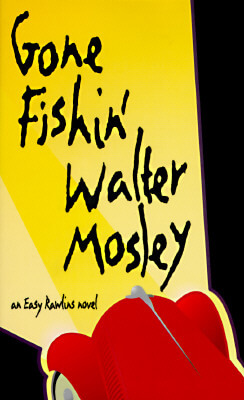
Like myself this book is a journey into the past returning to the early days of Easy and his uneasy friendship with Mouse long before either of them ever ventured out to California. This change is signaled in the title Gone Fishin' which breaks with the always present colors in the titles of the previous books including A Red Death and Devil in a Blue Dress with the book's cover further indicating it is an Easy Rawlins novel and not a mystery. Instead the book explores the Texas roots previously hinted at in the origins of Ezekiel "Easy" Rawlins and Raymond "Mouse" Alexander and their unique "friendship'. This journey into the past involves an actual journey into Ray's past as they "borrow" a car for a ride from the big city of Houston to his rural hometown of Pariah. They are going there because Ray is about to marry EttaMae and he feels he needs some money to start their new life and that his stepfather owes him. Like an archaeologist Mosely uncovers the layers to get down to the raw qualities of his characters as especially our hero is shown to be much more of an unformed Ezekiel than the problem solving Easy we know from the mysteries. This brief novel, really more of a novella in length, will reward longtime readers of Easy Rawlin's mysteries by providing the solution to the mystery of the close, yet never comfortable, friendship and the ties that bind Mouse and Easy together.
To read and learn more visit the Offical Website of Author Walter Mosely.
Like myself this book is a journey into the past returning to the early days of Easy and his uneasy friendship with Mouse long before either of them ever ventured out to California. This change is signaled in the title Gone Fishin' which breaks with the always present colors in the titles of the previous books including A Red Death and Devil in a Blue Dress with the book's cover further indicating it is an Easy Rawlins novel and not a mystery. Instead the book explores the Texas roots previously hinted at in the origins of Ezekiel "Easy" Rawlins and Raymond "Mouse" Alexander and their unique "friendship'. This journey into the past involves an actual journey into Ray's past as they "borrow" a car for a ride from the big city of Houston to his rural hometown of Pariah. They are going there because Ray is about to marry EttaMae and he feels he needs some money to start their new life and that his stepfather owes him. Like an archaeologist Mosely uncovers the layers to get down to the raw qualities of his characters as especially our hero is shown to be much more of an unformed Ezekiel than the problem solving Easy we know from the mysteries. This brief novel, really more of a novella in length, will reward longtime readers of Easy Rawlin's mysteries by providing the solution to the mystery of the close, yet never comfortable, friendship and the ties that bind Mouse and Easy together.
To read and learn more visit the Offical Website of Author Walter Mosely.
30ralphcoviello
Here is a journey I wish I had skipped with The Forgiven by Lawrence Osborne for Book 20 of the 75 Book Challenge 2017.
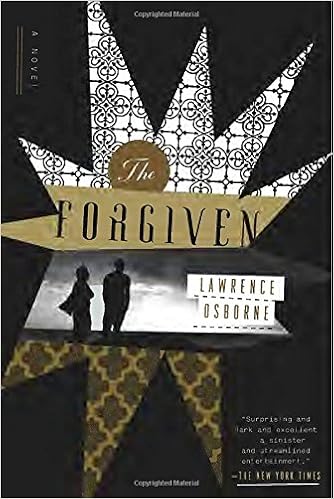
I was introduced to Osborne through a Library Thing Early Reviewers copy of his Hunters in the Dark which I enjoyed and lead me to read and enjoy his The Ballad of a Small Player. In those two books and this one Osborne details the experiences of British (primarily male) characters in exotic locales where the present and past and modern and ancient uncomfortably coexist. Unfortunately, I was immediately put off by the sour central characters of David and Jo, a husband and wife, on a doom laden journey to a soiree in Morocco. Frankly, I would have put this book down after the first chapter if I had not enjoyed my reading experience with those previous novels. Still I forged ahead because Osborne is the type of writer who has a facility for language that can be a pleasure to read and absorb in its own right. Additionally, I liked the exploration of history and culture as Hunters examined the many layers of Cambodia and Small Player did the same to a lesser extent in its setting of Macau. This aspect does not disappoint as The Forgiven examines the uncomfortable coexistence of the religious and secular and rich and poor in Morocco and its relationship to Europe past and present. Sadly there are no appealing characters and it is an unpleasant journey from beginning to end.
I was introduced to Osborne through a Library Thing Early Reviewers copy of his Hunters in the Dark which I enjoyed and lead me to read and enjoy his The Ballad of a Small Player. In those two books and this one Osborne details the experiences of British (primarily male) characters in exotic locales where the present and past and modern and ancient uncomfortably coexist. Unfortunately, I was immediately put off by the sour central characters of David and Jo, a husband and wife, on a doom laden journey to a soiree in Morocco. Frankly, I would have put this book down after the first chapter if I had not enjoyed my reading experience with those previous novels. Still I forged ahead because Osborne is the type of writer who has a facility for language that can be a pleasure to read and absorb in its own right. Additionally, I liked the exploration of history and culture as Hunters examined the many layers of Cambodia and Small Player did the same to a lesser extent in its setting of Macau. This aspect does not disappoint as The Forgiven examines the uncomfortable coexistence of the religious and secular and rich and poor in Morocco and its relationship to Europe past and present. Sadly there are no appealing characters and it is an unpleasant journey from beginning to end.
31ralphcoviello
Fortunately 2017 gets to close on a happy note thanks to a Library Thing Early Reviewer's copy of The Art of Aardman: The Makers of Wallace & Gromit, Chicken Run, and More with separate Forewords provided by David Sproxton and Peter Lord for Book 21 of the 75 Book Challenge 2017.
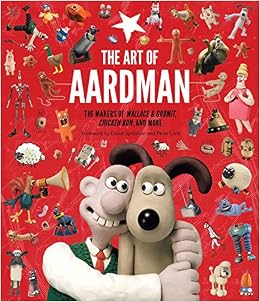
One of the joys and reasons I am reviewing The Art of Aardman as my final book of 2017 is that I spent much of the last month watching or re-watching many of their shorts and films! Like many Americans I was first introduced Aardman Animations through Nick Park's Oscar winning shorts starring Wallace & Gromit who are prominently featured on the book's cover. Yet, as the galaxy of small characters around them on the cover indicate there is much more to Aardman Animations than just W&G and their pursuit of cheese! While Aardman is best know for their detailed and humorous stop-motion animation they have also done traditional cel animation and digital animation. The book is broken into six sections with brief introductions to each and is over-sized and full of gorgeous images with a particular focus on sketches the animators and storytellers use in developing their characters. Sadly the book could have been so much more as 20 years ago a warehouse fire destroyed many pieces of their earlier production history. Also, the book could have used a stronger authorial voice as well as an additional Foreword from Nick Park who outside of the studio founders has been a critical participant. Those quibbles aside anyone interested in the creative process, especially with animation should enjoy this book!
Be sure to check out their YouTube channel and to learn more visit the Offical site of Aarman Animations.
One of the joys and reasons I am reviewing The Art of Aardman as my final book of 2017 is that I spent much of the last month watching or re-watching many of their shorts and films! Like many Americans I was first introduced Aardman Animations through Nick Park's Oscar winning shorts starring Wallace & Gromit who are prominently featured on the book's cover. Yet, as the galaxy of small characters around them on the cover indicate there is much more to Aardman Animations than just W&G and their pursuit of cheese! While Aardman is best know for their detailed and humorous stop-motion animation they have also done traditional cel animation and digital animation. The book is broken into six sections with brief introductions to each and is over-sized and full of gorgeous images with a particular focus on sketches the animators and storytellers use in developing their characters. Sadly the book could have been so much more as 20 years ago a warehouse fire destroyed many pieces of their earlier production history. Also, the book could have used a stronger authorial voice as well as an additional Foreword from Nick Park who outside of the studio founders has been a critical participant. Those quibbles aside anyone interested in the creative process, especially with animation should enjoy this book!
Be sure to check out their YouTube channel and to learn more visit the Offical site of Aarman Animations.

