This topic is currently marked as "dormant"—the last message is more than 90 days old. You can revive it by posting a reply.
1GlebtheDancer
A few literary travellers have decided to try a different twist on group reads. We are going to try to focus on a specific country, rather than a specific book. A few of us have books by Haitian writers waiting to be read, so we decided to go there in March.
Hopefully we will be able to build up a quick picture of Haitian literature (there is a surprising amount of it) and get a feel for the history and culture of the country. As always with group reads, the more the merrier. We are not going to try to co-ordinate our reading, just pick whatever you want.
I have written a potted history of Haiti below (when I say written, I mean copied from Wikipedia), in case it helps frame anybody's reading.
Finally, of course, feel free to post your Haiti-related posts here before or after March but, if you can find the time, it would be great if we can use that month for a more intensive investigation of Haitian literature.
Hopefully we will be able to build up a quick picture of Haitian literature (there is a surprising amount of it) and get a feel for the history and culture of the country. As always with group reads, the more the merrier. We are not going to try to co-ordinate our reading, just pick whatever you want.
I have written a potted history of Haiti below (when I say written, I mean copied from Wikipedia), in case it helps frame anybody's reading.
Finally, of course, feel free to post your Haiti-related posts here before or after March but, if you can find the time, it would be great if we can use that month for a more intensive investigation of Haitian literature.
2GlebtheDancer
Haiti:
Where is it: Greater Antilles archipelago of the Caribbean. The Western-most half of the Island of Hispaniolia (sharing with the Dominican Republic) and it is slightly more than 50 miles east of Cuba. It is mostly mountainous, with flat coastal planes and river valleys. Ayiti means ‘Mountainous Land’ in Arawak. It has suffered massive deforestation and subsequent soil erosion. Logging for charcoal is big industry It is ranked 146 out of 177 in the UN human development index, and is frequently quoted as being the poorest country in the Americas. Literacy is 52.9%, which is very low. 95% of Haitians are of African descent. Most are Roman Catholic, though many also practice Vodou
Where is it: Greater Antilles archipelago of the Caribbean. The Western-most half of the Island of Hispaniolia (sharing with the Dominican Republic) and it is slightly more than 50 miles east of Cuba. It is mostly mountainous, with flat coastal planes and river valleys. Ayiti means ‘Mountainous Land’ in Arawak. It has suffered massive deforestation and subsequent soil erosion. Logging for charcoal is big industry It is ranked 146 out of 177 in the UN human development index, and is frequently quoted as being the poorest country in the Americas. Literacy is 52.9%, which is very low. 95% of Haitians are of African descent. Most are Roman Catholic, though many also practice Vodou
3GlebtheDancer
History:
Originally populated by Taino Arawaks. Columbus landed here, and claimed it for Spain in 1492. The Taino fought colonial rule but are now extinct, due to defeat in battle, epidemic disease and assimilation with African slaves and European invaders. As the Taino disappeared, the Spanish imported slaves, initially to look for gold, but Hispaniola was neglected after richer seams were found in Mexico and South America. The British, Dutch and French established pirate bases on the largely empty north and West coasts. In 1625 French settlement began and by 1664 it was formally claimed as a French colony (Saint Domingue). This split the island into French western and Spanish eastern colonies (today Haiti and Dominican Republic).
Inspired by the French revolution, the mulatto and black population of Haiti demanded rights, and revolted in 1790, resulting in limited rights for free-born, but none for slaves. A second revolt started in 1791 defeating the French, but the French abolished slavery, the armies joined forces and attacked the invading British and Spanish. However, the French re-imposed slavery in other colonies and the mistrustful Haitians revolted again, winning independence in 1804, becoming the only successful slave rebellion in world history. Haiti suffered blockade from other still colonial nations, fearing the spread of slave revolts. Even the priests abandoned it. Internal fighting lead to a brief split into north and south, and there was fighting with the neighbouring Dominican Republic until it too won independence from Spain.
In the 20th Century, the USA became concerned about the growing influence of Germany in Haiti. In 1915, the US invaded and imposed a system of unpaid labour. The US also funded education, engineering and health care programs, but progress was deemed to be slow. Under pressure from Cacos rebels, and disappointed by progress, the US pulled out in 1934, leaving power in the hands of mulatto minorities.
Transfer of power to the black majority lead to the election (with a little help from the army) of ‘Papa Doc’ Duvalier, who subsequently declared himself leader for life. Duvalier, and subsequently his son ‘Baby Doc’ ruled by using the ‘Tonton Macoutes’, security forces criticised internationally for their brutality and political bias. ‘Baby Doc’ was deposed in 1986. In 1986 Jean-Bertrand Aristide was elected leader, but he was deposed in a US supported coup in 1991, before being returned to power in another US supported coup in 1994 (this time the US had imposed conditions on his leadership). In 2004 Aristide fled, leading to months of violence between supporters of a US, Canada and France approved interim government, and members of the opposition. Stability was restored in 2006 elections.
Originally populated by Taino Arawaks. Columbus landed here, and claimed it for Spain in 1492. The Taino fought colonial rule but are now extinct, due to defeat in battle, epidemic disease and assimilation with African slaves and European invaders. As the Taino disappeared, the Spanish imported slaves, initially to look for gold, but Hispaniola was neglected after richer seams were found in Mexico and South America. The British, Dutch and French established pirate bases on the largely empty north and West coasts. In 1625 French settlement began and by 1664 it was formally claimed as a French colony (Saint Domingue). This split the island into French western and Spanish eastern colonies (today Haiti and Dominican Republic).
Inspired by the French revolution, the mulatto and black population of Haiti demanded rights, and revolted in 1790, resulting in limited rights for free-born, but none for slaves. A second revolt started in 1791 defeating the French, but the French abolished slavery, the armies joined forces and attacked the invading British and Spanish. However, the French re-imposed slavery in other colonies and the mistrustful Haitians revolted again, winning independence in 1804, becoming the only successful slave rebellion in world history. Haiti suffered blockade from other still colonial nations, fearing the spread of slave revolts. Even the priests abandoned it. Internal fighting lead to a brief split into north and south, and there was fighting with the neighbouring Dominican Republic until it too won independence from Spain.
In the 20th Century, the USA became concerned about the growing influence of Germany in Haiti. In 1915, the US invaded and imposed a system of unpaid labour. The US also funded education, engineering and health care programs, but progress was deemed to be slow. Under pressure from Cacos rebels, and disappointed by progress, the US pulled out in 1934, leaving power in the hands of mulatto minorities.
Transfer of power to the black majority lead to the election (with a little help from the army) of ‘Papa Doc’ Duvalier, who subsequently declared himself leader for life. Duvalier, and subsequently his son ‘Baby Doc’ ruled by using the ‘Tonton Macoutes’, security forces criticised internationally for their brutality and political bias. ‘Baby Doc’ was deposed in 1986. In 1986 Jean-Bertrand Aristide was elected leader, but he was deposed in a US supported coup in 1991, before being returned to power in another US supported coup in 1994 (this time the US had imposed conditions on his leadership). In 2004 Aristide fled, leading to months of violence between supporters of a US, Canada and France approved interim government, and members of the opposition. Stability was restored in 2006 elections.
4alphaorder
Do you have suggested titles?
5GlebtheDancer
I think that everyone should find their own, so that we don't all end up reading the same thing. I have a copy of Masters of the Dew by Jacques Roumain, and I think others will have something by Edwidge Danticat, but if you could introduce us to something new that would be great.
6alphaorder
Thanks for the suggestions. Haven't read much on Haiti, so if people want to throw out titles, I appreciate it.
7Irisheyz77
To help people find a book to read here is a link to a list of Haitian Authors
http://www.haitiwebs.com/emagazine/content/view/767/155/lang,en/
I got there through an interesting article on the History of Haitian Literature
http://www.haitiwebs.com/emagazine/content/view/765/155/lang,en/
http://www.haitiwebs.com/emagazine/content/view/767/155/lang,en/
I got there through an interesting article on the History of Haitian Literature
http://www.haitiwebs.com/emagazine/content/view/765/155/lang,en/
8SqueakyChu
To get some good suggestions, do a tagmash on "Haiti, fiction". Then match the highest-rated books with Irisheyz77's lists.
I know I have a Danticat book somewhere in my house. If only I could find it... *sigh* (hoping to join your group read)
I know I have a Danticat book somewhere in my house. If only I could find it... *sigh* (hoping to join your group read)
9A_musing
If anyone is looking for something to listen to while reading, may I suggest: http://www.bmop.org/cd_detail.aspx?cid=25
I just picked up an Edwidge Danticat book of short stories (Krik? Krak!)
Thanks for some of the background. A nonfiction book I've read that is interesting is Tracy Kidder's Mountains beyond Mountains, about a doctor setting up a clinic far into rural Haiti.
I just picked up an Edwidge Danticat book of short stories (Krik? Krak!)
Thanks for some of the background. A nonfiction book I've read that is interesting is Tracy Kidder's Mountains beyond Mountains, about a doctor setting up a clinic far into rural Haiti.
10lauralkeet
I'll be reading Edwidge Danticat's Breath, Eyes, Memory.
It's on my 2008 list (see my Reading Globally Thread).
It's on my 2008 list (see my Reading Globally Thread).
11vpfluke
I am going to try and get Jacques Stephen Alexis' General Sun, my brother via interlibrary loan. This is supposed to be a classic.
12SqueakyChu
--> 10
If I can find it, I'll be reading Breath, Eyes, Memory as well. :-)
I love the idea of reading about one country and being able to choose your own book to do so. This is going to be so much fun!
If I can find it, I'll be reading Breath, Eyes, Memory as well. :-)
I love the idea of reading about one country and being able to choose your own book to do so. This is going to be so much fun!
13avaland
If I have time, I hope to read Vale Of Tears: A Novel From Haiti by
Paulette Poujol Oriol. It's about 200 pages so I should be able to squeeze it in.
Paulette Poujol Oriol. It's about 200 pages so I should be able to squeeze it in.
14Irisheyz77
I think that I might read All Souls' Rising by Madison Smartt Bell. Bell isn't a Haitain writier but the book takes place in Haiti in the eighteenth century during the slave rebellion.
15SqueakyChu
Well, in searching my house for Breath, Eyes, Memory, I found Krik, Krak instead - so that looks like it'll be my March read with this group.
16vpfluke
I also just bought Breath, Eyes, Memory tonight for 50 cents, as the East Meadow Library was disposing of it!
17frithuswith
I've ordered Reflections of Loko Miwa so hopefully that should arrive by March :-)
18GlebtheDancer
I've just got round to reading the article that Irisheyz77 posted a link to (thanks very much by the way). It is well worth a quick read. It touches on the problem of the literature of the colonised reflecting the culture of the colonizer more than a people's own (in this case African/Caribbean heritage). This is something that has cropped up in other places, such as introductions to Francophone North African novels I have read. The article also suggests that modern Haitian writers are embracing creole as a language as well as their African heritage. It would be interesting to see if people see this in their Haitian reads.
19alphaorder
I did a quick search for Edwidge Danticat in my library, and apparently I have a copy of The Farming of Bones in my library. I will go search for it, and if I can find it, it will be my read. Otherwise, looks like there are many other interesting books I could go pick up.
20avaland
alphaorder, I got on Amazon and searched by "Haiti" and "novel" and found quite a few choices, which then lead to other choices. . .
I then looked for women authors (yes, I specifically wish to support women authors with my dollars. . . ) and then decided it might be interesting to read someone other than Danticat. Gawd, I love shopping for books. . .
I then looked for women authors (yes, I specifically wish to support women authors with my dollars. . . ) and then decided it might be interesting to read someone other than Danticat. Gawd, I love shopping for books. . .
21Irisheyz77
I just ordered Vale of Tears by Paulette Poujol Oriol. It takes place in Haiti and is written by a Haitain author. I look forward to reading it.
22Irisheyz77
Ack! I place and confirm my order with Amazon and then that evil company puts up a list of other books I might enjoy based on my selections one of which was Walking on Fire by Beverly Bell. Its not fiction but it sounds really good and I wants it. (Damn you Amazon!!). Must see if I can get it through the library....
The amazon description says:
"What I have witnessed, I have no tongue to tell," says one of the 38 Haitian women who express themselves here. A lyrical but trenchant foreword by Edwidge Danticat and succinct author introductions by Bell (director of Albuquerque's Center for Economic Justice) provide historical and personal contexts for the narratives, or "istwa" (a Creole word "meaning both story and history"), that follow. Many of the women address the random arrests, sadistic torture, savage beatings and violent sexual abuse inflicted upon them by the state and by a sexist social structure. Taken collectively, the women (interviewed largely between 1991 and 1994, during Haiti's brief period with a popularly elected government) tell the same story "survival, resistance, and occasional triumph by women with little formal power." Individually, each voice is unique. One has been a minister of the Status and Rights of Women; another was given away as a child slave. There's also a market woman, a labor organizer and a nurse; a woman with graduate degrees, women who have lived abroad and women who have never left their villages. They are joined by their resistance to oppression. For some, mere survival is an act of resistance. Others resist through poetry, journalism, dance or painting. Some are even involved in political activism, women's advocacy and reestablishing economic and political structures. This is painful reading; it shows much suffering but also much remarkable transcendence. Bell's book vocalizes this, but its point is not merely archival. These testimonies are meant to move readers to action. "I want to make the big ears listen," says Lelenne Gilles. "I'll die with the words on my lips."
Copyright 2001 Cahners Business Information, Inc.
The amazon description says:
"What I have witnessed, I have no tongue to tell," says one of the 38 Haitian women who express themselves here. A lyrical but trenchant foreword by Edwidge Danticat and succinct author introductions by Bell (director of Albuquerque's Center for Economic Justice) provide historical and personal contexts for the narratives, or "istwa" (a Creole word "meaning both story and history"), that follow. Many of the women address the random arrests, sadistic torture, savage beatings and violent sexual abuse inflicted upon them by the state and by a sexist social structure. Taken collectively, the women (interviewed largely between 1991 and 1994, during Haiti's brief period with a popularly elected government) tell the same story "survival, resistance, and occasional triumph by women with little formal power." Individually, each voice is unique. One has been a minister of the Status and Rights of Women; another was given away as a child slave. There's also a market woman, a labor organizer and a nurse; a woman with graduate degrees, women who have lived abroad and women who have never left their villages. They are joined by their resistance to oppression. For some, mere survival is an act of resistance. Others resist through poetry, journalism, dance or painting. Some are even involved in political activism, women's advocacy and reestablishing economic and political structures. This is painful reading; it shows much suffering but also much remarkable transcendence. Bell's book vocalizes this, but its point is not merely archival. These testimonies are meant to move readers to action. "I want to make the big ears listen," says Lelenne Gilles. "I'll die with the words on my lips."
Copyright 2001 Cahners Business Information, Inc.
23alphaorder
Actually, I saw a collection of short stories by various authors (cannot recall - maybe they were essays) that looked really interesting. Of course I didn't write it down... I will do some more hunting when I get home from work.
24Irisheyz77
alphaorder - could the book of short stories book be The Butterfly's Way: Voices from the Haitian Dyaspora in the United States by Edwidge Danticat?
25alphaorder
That is a good one, but the one I was looking at was Walking on Fire. Now I need to find a copy.
26vpfluke
I just thought of another book that is set in Haiti, The Comedians by Graham Greene. Of course, Greene is not Haitian. I did see the movie many years ago with my sister, who was having eye problems at the time, and insisted that we sit in the front row of the theater. I won't forget the early scene in some sort of voudou ceremony when a rooster's (I think) head is cut off and there is blood everywhere.
27avaland
irisheyz77, ha ha, you did the same thing I did on Amazon:-) and looks like (see #13) we might be reading the same book! I saw that anthology also and paused over it. . .
28Irisheyz77
avaland.....I just know that if I'd seen the anthology before completing my purchase the damn thing would have been added to my cart as well.
Especially since I put in two books (Vale of tears and Blindness) and got that friendly little note saying that if I just spent $2.50 more I'd qualify for free shipping...so off I went to search for another book and ended up buying a $9.00 book in order to save $5.00 S&H. At the time it seemed perfectly reasonable. *sighs*
(Hello, my name is Irish and I am a bookaholic)
Especially since I put in two books (Vale of tears and Blindness) and got that friendly little note saying that if I just spent $2.50 more I'd qualify for free shipping...so off I went to search for another book and ended up buying a $9.00 book in order to save $5.00 S&H. At the time it seemed perfectly reasonable. *sighs*
(Hello, my name is Irish and I am a bookaholic)
29legxleg
this sounds like a fun idea! I just ordered Krik? Krak! from the library since I figure that way, even I get really busy and can't finish a whole book, I'll at least be able to read a short story to participate. I'm looking forward to March :-)
30Litfan
This is a neat way to "visit" a country. I just purchased General Sun, My Brother for March; I also have a couple of books by Danticat that I haven't read yet-- The Dew Breaker and Behind the Mountains, so I will try to fit those in as well.
31ljbwell
Love the idea! I've pulled old uni packets from a course, "La littérature française d'outre mer" (basically, overseas French lit) in the hopes that I'd find Haïtian work. Sure enough, there are a few excerpts by Haïtian authors: Jacques Roumain's Gouverneurs de la Rosée, Compère Général Soleil by Jacques Stepen Alexis, and then a few poems by René Depestre.
Saving & lugging around the binders for all these years has finally paid off! :-)
Saving & lugging around the binders for all these years has finally paid off! :-)
32Irisheyz77
I know its not March yet, but has anyone started on their book yet?
34SqueakyChu
I'll start mine this week.
How about if you post some questions for us to keep in mind as we read our books? I'd love to have some sort of guide since we're all reading something different.
How about if you post some questions for us to keep in mind as we read our books? I'd love to have some sort of guide since we're all reading something different.
35Irisheyz77
Some questions....hmmm....
1. Did you learn anything new about Haiti from reading the book you chose?
2. What was the major theme?
3. Could this theme work in other places, or is it something that can only be told in Haiti?
4. What was something that you really liked about the book that you read?
5. Something that you didn't like?
6. If Applicable, Do you think Haitain writers write differently about Haiti then a non-Haitian writing about Haiti?
Any other ideas for questions?
Edited to fix spelling error
1. Did you learn anything new about Haiti from reading the book you chose?
2. What was the major theme?
3. Could this theme work in other places, or is it something that can only be told in Haiti?
4. What was something that you really liked about the book that you read?
5. Something that you didn't like?
6. If Applicable, Do you think Haitain writers write differently about Haiti then a non-Haitian writing about Haiti?
Any other ideas for questions?
Edited to fix spelling error
36SqueakyChu
This is great! Thanks, Iriseyz77.
If others would post some more questions, I'll print them out later and then try to take a few notes as I read.
If others would post some more questions, I'll print them out later and then try to take a few notes as I read.
37Irisheyz77
Another question
7. What is the impression you get about Haiti and its people as you read your book?
7. What is the impression you get about Haiti and its people as you read your book?
38GlebtheDancer
One thing I have noticed in my Caribbean reads (and literature from other former colonies) is a shift in the writers from seeing themselves as being part of the literary heritage of their colonial nation (in this case France), to the post-WWII rise of 'negritude' and an awareness in the African origins of many of the people there (as well as African traditions such as obeah/vodou), to establishing an identity which is aware of colonial and African roots, but is looking forward to a unique caribbean identity. If this makes sense, then I would be interested to know what perspective the writer you chose appears to take.
btw If anyone can spare the time, I would also be interested in a potted biography of an author when you discuss your book.
btw If anyone can spare the time, I would also be interested in a potted biography of an author when you discuss your book.
39A_musing
Depressaholic, I think that's a very interesting observation, and one that fits for my most recent Carribean read (Omeros). Clearly a journey through colonialism and beyond it, and back to roots both European and non- (and, indeed, Homer precedes the idea of the European and is father of far more than European literature, a point Walcott makes very well).
40SqueakyChu
--> 3
What is a "potted" biography?
What is a "potted" biography?
41SqueakyChu
Before I ask this question, I am **not** (notice all the asterisks) volunteering to do this!! (...as I recently volunteered myself almost out of existence!!!).
I was thinking that this is such a good idea that I was wondering if there were any way we could archive some of the information we glean from this experience (i.e. author biography, list of works, discussion questions with brief responses, anything else).
Perhaps others (or even LT in some way) would be able to use this information in the future.
Comments?
I was thinking that this is such a good idea that I was wondering if there were any way we could archive some of the information we glean from this experience (i.e. author biography, list of works, discussion questions with brief responses, anything else).
Perhaps others (or even LT in some way) would be able to use this information in the future.
Comments?
42SqueakyChu
I started my Haiti book two nights ago. The book of short stories, Krik? Krak!, that I chose to read is very engaging.
Here are some additional questions I thought would be helpful for me. Perhaps you will find them useful as well.
1. How did your book get its title?
2. What were some recurrent themes in your book? Describe with examples.
3. What do you have to know about Haiti's geography and history in order to understand the book?
4. What new words or terms did you learn in the course of reading?
Here are some additional questions I thought would be helpful for me. Perhaps you will find them useful as well.
1. How did your book get its title?
2. What were some recurrent themes in your book? Describe with examples.
3. What do you have to know about Haiti's geography and history in order to understand the book?
4. What new words or terms did you learn in the course of reading?
43GlebtheDancer
>40 SqueakyChu: Potted means brief. I suspect it is an English colloquiallism.
I like the idea of collating at the end, though LT doesn't provide much of a facility for this. I would be happy to do this, seeing as I started the thread. We'll see how next month goes and then I might try to summarise our observations.
I like the idea of collating at the end, though LT doesn't provide much of a facility for this. I would be happy to do this, seeing as I started the thread. We'll see how next month goes and then I might try to summarise our observations.
44GlebtheDancer
>40 SqueakyChu: Potted means brief. I suspect it is an English colloquiallism.
I like the idea of collating at the end, though LT doesn't provide much of a facility for this. I would be happy to do this, seeing as I started the thread. We'll see how next month goes and then I might try to summarise our observations.
I like the idea of collating at the end, though LT doesn't provide much of a facility for this. I would be happy to do this, seeing as I started the thread. We'll see how next month goes and then I might try to summarise our observations.
46SqueakyChu
I put my questions on my wiki. If you haven't been using the LT wiki optional page before, now is a great time to start!
I'll be adding answers there as I read. It's a great place for notes on our reads. It will also allow members in our group to peek into the notes of others to see how their Haiti read is coming along and how it's affecting them.
P.S. Don't you just love to peek?! :D
I'll be adding answers there as I read. It's a great place for notes on our reads. It will also allow members in our group to peek into the notes of others to see how their Haiti read is coming along and how it's affecting them.
P.S. Don't you just love to peek?! :D
47SqueakyChu
--> 44
...as long as it's not like "potty"! Ha!
"Potted" here in the U.S. means planted in a pot, as in a potted plant. :-)
...as long as it's not like "potty"! Ha!
"Potted" here in the U.S. means planted in a pot, as in a potted plant. :-)
49frithuswith
Squeaky - those are some great questions, I'm looking forward to starting my read and seeing how it goes now :-)
50SqueakyChu
The questions came to me after I started reading my book. There were things I thought I'd like to share with the group once our discussion got under way. I added another question:
What did you learn about Haiti and/or Haitians?
What did you learn about Haiti and/or Haitians?
51GlebtheDancer
I have finally made it to Haiti, and thought I would kick off the discussion with a brief description of my author. I am reading Masters of the Dew by Jacques Roumain, and knowing a bit of his history has really helped to inform my reading. I know its not quite March yet, but it would be if it was a normal year.
Roumain was born in Haiti to a rich bourgoise family in 1907. He was sent to Europe for his education (not uncommon in rich Haitians) until his return in 1927. By that time, Haiti had been under American occupation for 12 years. Roumain adopted a violent nationalistic, anti-American political stance.
Modern Haitian identity was born at this time, with the nationalists wishing to create a new creole character for the nation. Roumain founded the first nationalist newspaper (La revue indigene). The movement for indiginous identity started to focus on the role of peasants (i.e. the silent majority of haitian society), and was trying to define the roles of African and Christian heritage on their lives.
In the 1930s Roumain became a Marxist, seeing class struggle as being at the heart of Haiti's problems. He founded the Haitian communist party in 1934. The Haitian president banned the party and exiled Roumain. He spent his exile in Europe, the US and Cuba. In the US he became involved in civil rights politics, writing about the lives of black americans and racial violence from a Marxist perspective.
He was allowed to return to Haiti in 1941, and founded the Bureau of Ethnology in order to pursue series study of the history and culture of Haiti's peasants. He also opposed the 'campagne anti-superstiteuse', in which the catholic church tried to crack down on vaudou (vodou/voodoo - take your pick) practices. Roumain saw this as a threat to what was uniquely Haitian.
In 1944 he was sent to Mexico as an ambassador. This gave him the time to write Masters of the Dew, which he completed that year. A few weeks later, he died of undetermined causes.
I know this is all very long-winded, but Roumain's experience and politics defined, for him, what it meant to be Haitian, and it really shows through in what I have read so far. The intro also talks about the origins of the peasant novel in Haiti, which i might also post about later.
Roumain was born in Haiti to a rich bourgoise family in 1907. He was sent to Europe for his education (not uncommon in rich Haitians) until his return in 1927. By that time, Haiti had been under American occupation for 12 years. Roumain adopted a violent nationalistic, anti-American political stance.
Modern Haitian identity was born at this time, with the nationalists wishing to create a new creole character for the nation. Roumain founded the first nationalist newspaper (La revue indigene). The movement for indiginous identity started to focus on the role of peasants (i.e. the silent majority of haitian society), and was trying to define the roles of African and Christian heritage on their lives.
In the 1930s Roumain became a Marxist, seeing class struggle as being at the heart of Haiti's problems. He founded the Haitian communist party in 1934. The Haitian president banned the party and exiled Roumain. He spent his exile in Europe, the US and Cuba. In the US he became involved in civil rights politics, writing about the lives of black americans and racial violence from a Marxist perspective.
He was allowed to return to Haiti in 1941, and founded the Bureau of Ethnology in order to pursue series study of the history and culture of Haiti's peasants. He also opposed the 'campagne anti-superstiteuse', in which the catholic church tried to crack down on vaudou (vodou/voodoo - take your pick) practices. Roumain saw this as a threat to what was uniquely Haitian.
In 1944 he was sent to Mexico as an ambassador. This gave him the time to write Masters of the Dew, which he completed that year. A few weeks later, he died of undetermined causes.
I know this is all very long-winded, but Roumain's experience and politics defined, for him, what it meant to be Haitian, and it really shows through in what I have read so far. The intro also talks about the origins of the peasant novel in Haiti, which i might also post about later.
52SqueakyChu
Thanks for your introduction, depressaholic.
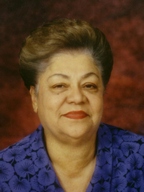
I'd like to introduce my author, Edwidge Danticat. She was born in Haiti in 1969. She came to the United States at the age of twelve. Only two year later, she published her first writing in English. She earned her undergraduate degree in French literature at Barnard College and her Master of Fine Arts at Brown Unversity. Both a 1995 Pushcart Short Story prize winner and a 1995 National Book Award finalist, Danticat is well known both for her short stories and novels.
 ... (Photo by denton.)
The book I'm reading is Krik? Krak! - a collection of short stories in which Danticat writes about a variety of Haitian characters, pretty much all of who live in extreme poverty and unfortunate situations. Included in her stories are examples of the many superstitions in which Haitians believe. I will enjoy sharing some of these with all of you later in our discussion.
ETA:
From the introduction to my book (and explaining Krik? Krak!):
"Krik? Krak! Somewhere by the seacoast I feel a breath
of warm sea air and hear the laughter of children.
An old granny smokes her pipe,
surrounded by the village children...
'We tell the stories so that the young ones
will know what came before them.
They ask Krik? we say Krak!
Our stories are kept in our hearts.' "
-Sal Scalora, "White Darkness/Black Dreamings" in Haiti: Feeding the Spirit
(I was rarin' to begin this discussion, too!)
I'd like to introduce my author, Edwidge Danticat. She was born in Haiti in 1969. She came to the United States at the age of twelve. Only two year later, she published her first writing in English. She earned her undergraduate degree in French literature at Barnard College and her Master of Fine Arts at Brown Unversity. Both a 1995 Pushcart Short Story prize winner and a 1995 National Book Award finalist, Danticat is well known both for her short stories and novels.
 ... (Photo by denton.)
The book I'm reading is Krik? Krak! - a collection of short stories in which Danticat writes about a variety of Haitian characters, pretty much all of who live in extreme poverty and unfortunate situations. Included in her stories are examples of the many superstitions in which Haitians believe. I will enjoy sharing some of these with all of you later in our discussion.
ETA:
From the introduction to my book (and explaining Krik? Krak!):
"Krik? Krak! Somewhere by the seacoast I feel a breath
of warm sea air and hear the laughter of children.
An old granny smokes her pipe,
surrounded by the village children...
'We tell the stories so that the young ones
will know what came before them.
They ask Krik? we say Krak!
Our stories are kept in our hearts.' "
-Sal Scalora, "White Darkness/Black Dreamings" in Haiti: Feeding the Spirit
(I was rarin' to begin this discussion, too!)
53Irisheyz77
My author, Paulette Poujol Oriol was born on May 12, 1926 in Port-Au-Prince and is known as a writer, journalist and playwright. At an early age, she lived in Paris but returned to Haiti in 1932. Her father founded the Commercial Institute Joseph Poujol in Port-Au-Prince. Paulette attended the elite Ecole Superieure and majored in Education. She then went to Jamaica to Study Commerce and Business at London Institute of Commerce and Business Administration. Once completing her schooling, she went back to teach at her father's institute in Haiti and for more than 13 years taught French and English at "Saint François D'assise.
A born actress, Paulette founded the Paulette Poujol Oriol Piccolo Teatro, a performing Arts School for children. She wrote many plays and for 8 years (1983-1991) was in charge of the National School of Arts. A die-hard feminist for 50 years, she has been part of many women's empowerment organizations and has served as president in the "Ligue Feminine D'Action Socialeâ.
She brought her perspective of the universal struggle to life in her first novel, The Creuset, in which she depicts the harsh reality and attempted upward mobility of a modest family. In her second novel La Fleur Rouge that is prefaced by Pradel Pompilus, she primarily writes to a francophone audience exploring Parisian French, Haitian French and Creole language and culture.
In this book, Paulette has used all languages with mastery. She personifies certain vices or excesses and ridicules them. Most of her protagonists ended up being punished for their flaws. In Vale of Tears (Le Passage) Paulette painted with elegance the trials and tribulations of Coralie Santeuil to Bourgeoisville. Unapologetically, in that book she interlaces Creole and French without taking in consideration the non-Creole readers.
Paulette Poujol Oriol lives in Port-Au-Prince and remains a high-octane force in the Haitian literature.
(info above courtesy of http://hasenet.net/writers.html)
Here is the description of the book I chose:
Vale of Tears is a stark, meditative, and vivid exploration of Coralie Santeuil’s life through a series of flashbacks she has on New Year’s eve as she makes fourteen stops while walking from one end of the busy city of Port-au-Prince to the other in a last quest to save her life and retain her dignity.
Although the novel is set in the period around the Second World War, it is in many ways a book about contemporary Haiti. We pause to wonder what happens to the privileged when their world disintegrates. We contemplate the survival skills of the poor. Vale of Tears offers a critical reading of the class system and corruption which plague the country.
Paulette Poujol Oriol’s unmatched psychological renditions, her extraordinary story-telling talent and masterful prose beguile and outrage, enchant and enrapture all at once.
From Wikipedia: The phrase vale of tears refers to Earth and the sorrows left through life. "Vale" means a valley or a dale. The phrase comes from the Catholic prayer Salve Regina: "To thee do we send up our sighs, mourning and weeping in this vale of tears." The expression hearkens to Psalm 23's reference to the valley of the shadow of death, the phrase implies that the wickedness of the world makes it dark and reprieve comes only from divine salvation.
A born actress, Paulette founded the Paulette Poujol Oriol Piccolo Teatro, a performing Arts School for children. She wrote many plays and for 8 years (1983-1991) was in charge of the National School of Arts. A die-hard feminist for 50 years, she has been part of many women's empowerment organizations and has served as president in the "Ligue Feminine D'Action Socialeâ.
She brought her perspective of the universal struggle to life in her first novel, The Creuset, in which she depicts the harsh reality and attempted upward mobility of a modest family. In her second novel La Fleur Rouge that is prefaced by Pradel Pompilus, she primarily writes to a francophone audience exploring Parisian French, Haitian French and Creole language and culture.
In this book, Paulette has used all languages with mastery. She personifies certain vices or excesses and ridicules them. Most of her protagonists ended up being punished for their flaws. In Vale of Tears (Le Passage) Paulette painted with elegance the trials and tribulations of Coralie Santeuil to Bourgeoisville. Unapologetically, in that book she interlaces Creole and French without taking in consideration the non-Creole readers.
Paulette Poujol Oriol lives in Port-Au-Prince and remains a high-octane force in the Haitian literature.
(info above courtesy of http://hasenet.net/writers.html)
Here is the description of the book I chose:
Vale of Tears is a stark, meditative, and vivid exploration of Coralie Santeuil’s life through a series of flashbacks she has on New Year’s eve as she makes fourteen stops while walking from one end of the busy city of Port-au-Prince to the other in a last quest to save her life and retain her dignity.
Although the novel is set in the period around the Second World War, it is in many ways a book about contemporary Haiti. We pause to wonder what happens to the privileged when their world disintegrates. We contemplate the survival skills of the poor. Vale of Tears offers a critical reading of the class system and corruption which plague the country.
Paulette Poujol Oriol’s unmatched psychological renditions, her extraordinary story-telling talent and masterful prose beguile and outrage, enchant and enrapture all at once.
From Wikipedia: The phrase vale of tears refers to Earth and the sorrows left through life. "Vale" means a valley or a dale. The phrase comes from the Catholic prayer Salve Regina: "To thee do we send up our sighs, mourning and weeping in this vale of tears." The expression hearkens to Psalm 23's reference to the valley of the shadow of death, the phrase implies that the wickedness of the world makes it dark and reprieve comes only from divine salvation.
54lauralkeet
I, too, am reading Edwidge Danticat. Nice intro, SqueakyChu. My book is Breath, Eyes, Memory. From the back cover:
At the age of twelve, Sophie Caco is sent from her impoverished village of Croix-des-Rosets to New York, to be reunited with a mother she barely remembers. There she discovers secrets that no child should ever know, and a legacy of shame that can be healed only when she returns to Haiti -- to the women who first reared her."
I read the first part during my lunch hour today and truly wished I did not have to work the afternoon! More to come.
At the age of twelve, Sophie Caco is sent from her impoverished village of Croix-des-Rosets to New York, to be reunited with a mother she barely remembers. There she discovers secrets that no child should ever know, and a legacy of shame that can be healed only when she returns to Haiti -- to the women who first reared her."
I read the first part during my lunch hour today and truly wished I did not have to work the afternoon! More to come.
55SqueakyChu
I thought I'd post a photo of Port-Au-Prince, Haiti:

Creative Commons Attribution 2.0 Generic - Photo by joquerollo
ETA: This picture doesn't really show the poverty and slums, but it is a beautiful picture of the mountains and landscape.
P.S. Sorry, lindsacl. I don't have a photo for Croix-des-Rosets.

Creative Commons Attribution 2.0 Generic - Photo by joquerollo
ETA: This picture doesn't really show the poverty and slums, but it is a beautiful picture of the mountains and landscape.
P.S. Sorry, lindsacl. I don't have a photo for Croix-des-Rosets.
56SqueakyChu
--> 54
I have that book, too. I might just read it next!
Don't you just wish sometimes that you could just jump into a particularly vivid novel?!
I have that book, too. I might just read it next!
Don't you just wish sometimes that you could just jump into a particularly vivid novel?!
57GlebtheDancer
--> 53
Do the 14 stops on Coralie's journey correspond to the Christian stations of the cross, which are the 14 stops Jesus made during his crucifixion, or is the number a coincidence?
Do the 14 stops on Coralie's journey correspond to the Christian stations of the cross, which are the 14 stops Jesus made during his crucifixion, or is the number a coincidence?
58A_musing
I'd always associated "vale of tears" with St. Augustine for some reason. I suspect, however, that we'll see a fair bit of Catholic imagery in Haiti. Is English spoken at all, or it is entirely French and Creole, which was my impression?
I'm also reading Krik? Krak!, and began last night. I note this was written in English - were other authors originally French or English as well? We begin the first story on a boat leaving Haiti - and I'm expecting departure and exile to be a theme as we move into this.
I'm also reading Krik? Krak!, and began last night. I note this was written in English - were other authors originally French or English as well? We begin the first story on a boat leaving Haiti - and I'm expecting departure and exile to be a theme as we move into this.
59Irisheyz77
@57 depressaholic - The 14 stops that Coralie makes are symbolic to the 14 stations of the cross. Coralie learns at the begining of the novel that she must come up with rent money by the next morning or be tossed out of her home...and action that would surely result in her death. So she undertakes a journey to try to find her salvation by visiting with the ghosts of her past.
@58 - the predominent language in haiti is French and Creole. English is spoken there but only because of the tourists from America that have started to visit the country in the later part of this century. Or at least that is the impression that I got from reading Vale of Tears.
@58 - the predominent language in haiti is French and Creole. English is spoken there but only because of the tourists from America that have started to visit the country in the later part of this century. Or at least that is the impression that I got from reading Vale of Tears.
60GlebtheDancer
It sounds like Paulette Poujol Oriol's book is strongly infromed by Christian beliefs. I would be interested to know how she treats the African religions manifest in Haiti. The two clearly co-exist comfortably in haitian culture, although the church has tried to crack down on what it labelled superstitious beliefs in the 1940s (see message 51). Does Oriol let the two co-exist, or would she like to see a more fundamentally christian Haiti?
Also, do those people who are reading contmeporary authors see a strong influence of Africa and voodoo, or is there a conflict between beliefs, with one or the other winning?
Also, do those people who are reading contmeporary authors see a strong influence of Africa and voodoo, or is there a conflict between beliefs, with one or the other winning?
61avaland
I also have read Vale of Tears. Thanks to Irisheyz for getting to the background, description...etc ahead of me. I'm pressed for time at the moment and will write more later, but, depressaholic, to answer your question... while the novel is clearly informed by Christian beliefs particularly in its structure, it is not an overtly Christian novel, imo. Must run. . .
62Irisheyz77
What Avaland said.
In this book at least, Oriol doesn't specifically bring out the various religions in Haitian culture. Much of the Christianity it more of an applied nature than anything else and for much of it you have to have a good knowledge of Chrisianity to pick it up. Oriol's novel also doesn't really deal much with the lower, more native classes of people. Yes they get mentioned but like religion the different classes are more implied then outwardly discussed. Coralie is white with red hair and when she is in Europe (in her past) she often gets accused of not being Haitain. Most of her friends and the people she knows in Haiti are of white French decent.
Oriol's book was more about the journey and the choices that Coralie made that landed her in the desolate precarious position that she was in at the start of the novel.
In this book at least, Oriol doesn't specifically bring out the various religions in Haitian culture. Much of the Christianity it more of an applied nature than anything else and for much of it you have to have a good knowledge of Chrisianity to pick it up. Oriol's novel also doesn't really deal much with the lower, more native classes of people. Yes they get mentioned but like religion the different classes are more implied then outwardly discussed. Coralie is white with red hair and when she is in Europe (in her past) she often gets accused of not being Haitain. Most of her friends and the people she knows in Haiti are of white French decent.
Oriol's book was more about the journey and the choices that Coralie made that landed her in the desolate precarious position that she was in at the start of the novel.
63SqueakyChu
--> 2
I'm going to share some thoughts with you. I suggest everyone, if you so desire, highlight themes as we talk to make it easier to go back to reference ideas from previous posts. Perhaps even use the book and author occasionally to head a post since we're using so many different sources. What do you think?
By the way, I really love the idea that we're bringing so many different sources to our discussion. Those different perspectives make the Haitian culture so much more vivid to my way of thinking.
Krik? Krak! - ""Children of the Sea" - Edwidge Danticat
Vodou:
95% of Haitians are of African descent. Most are Roman Catholic, though many also practice Vodou
I was interested in learning about Haitian Vodou, whether it derived from the Arawaks or from the African slaves. Here is what I found out from Wikipedia:
"In Haitian Vodou or Sèvis Lwa or 'Service to the Spirits' in Haiti, there are strong elements from the Bakongo of Central Africa and the Igbo* and Yoruba of Nigeria, although many different people or nations of Africa have representation in the liturgy of the Sèvis Lwa. Islam has also been noted in some services. Among these other nations are the Taíno and Arawak Indians, venerated as the indigenous population (and hence, a form of ancestors) of the island now known as Hispaniola..."
*For me this information is especially interesting because I know people at my work who are Nigerian and of the Igbo tribe.
--> 3
Genocide:
Originally populated by Taino Arawaks. Columbus landed here, and claimed it for Spain in 1492. The Taino fought colonial rule but are now extinct, due to defeat in battle, epidemic disease and assimilation with African slaves and European invaders.
This statement reinforces the idea that genocide as we view its potential in our own generation
(e.g. Jews in Nazi Europe, Tutsis in Rwanda, Albanians in Yugoslavia, etc.) is sadly nothing new.
Macoutes:
Duvalier, and subsequently his son ‘Baby Doc’ ruled by using the ‘Tonton Macoutes’, security forces criticised internationally for their brutality and political bias.
The macoutes (soldiers) are mentioned in the short story "Children of the Sea". In one scene, I learned of a mother who was given her son's head back following his disappearance along with the information that "a car ran over him and took the head off his body". In another scene, I read about a rape in which the soldiers forced a man at gunpoint to have sex with his mother...
(NOT a spoiler...)
"She was home one night with her mother and brother Lionel when some ten or twelve soldiers burst into the house. The soldiers held a gun to Lionel's head and ordered him to lie down and become intimate with his mother. Lionel refused. Their mother told him to go ahead and obey the soldiers because she was afraid that they would kill Lionel on the spot if he put up more of a fight. Lionel did as his mother told him, crying as the soldiers laughed at him, pressing the gun barrels farther and farther into his neck..."
I learned that families had to either comply with the wishes of the soldiers, bribe them, or flee. Not a pretty picture.
Question:
I was wondering if the poorer people of Haiti are more believers in Vodou and the wealthier and more eucated tend to be closer in their religious beliefs to the Catholic church? Or do both of those religions seem to intertwine throughout all classes?
P.S. Yikes!! I didn't mean for this post to be so long...but it's all so interesting!
I'm going to share some thoughts with you. I suggest everyone, if you so desire, highlight themes as we talk to make it easier to go back to reference ideas from previous posts. Perhaps even use the book and author occasionally to head a post since we're using so many different sources. What do you think?
By the way, I really love the idea that we're bringing so many different sources to our discussion. Those different perspectives make the Haitian culture so much more vivid to my way of thinking.
Krik? Krak! - ""Children of the Sea" - Edwidge Danticat
Vodou:
95% of Haitians are of African descent. Most are Roman Catholic, though many also practice Vodou
I was interested in learning about Haitian Vodou, whether it derived from the Arawaks or from the African slaves. Here is what I found out from Wikipedia:
"In Haitian Vodou or Sèvis Lwa or 'Service to the Spirits' in Haiti, there are strong elements from the Bakongo of Central Africa and the Igbo* and Yoruba of Nigeria, although many different people or nations of Africa have representation in the liturgy of the Sèvis Lwa. Islam has also been noted in some services. Among these other nations are the Taíno and Arawak Indians, venerated as the indigenous population (and hence, a form of ancestors) of the island now known as Hispaniola..."
*For me this information is especially interesting because I know people at my work who are Nigerian and of the Igbo tribe.
--> 3
Genocide:
Originally populated by Taino Arawaks. Columbus landed here, and claimed it for Spain in 1492. The Taino fought colonial rule but are now extinct, due to defeat in battle, epidemic disease and assimilation with African slaves and European invaders.
This statement reinforces the idea that genocide as we view its potential in our own generation
(e.g. Jews in Nazi Europe, Tutsis in Rwanda, Albanians in Yugoslavia, etc.) is sadly nothing new.
Macoutes:
Duvalier, and subsequently his son ‘Baby Doc’ ruled by using the ‘Tonton Macoutes’, security forces criticised internationally for their brutality and political bias.
The macoutes (soldiers) are mentioned in the short story "Children of the Sea". In one scene, I learned of a mother who was given her son's head back following his disappearance along with the information that "a car ran over him and took the head off his body". In another scene, I read about a rape in which the soldiers forced a man at gunpoint to have sex with his mother...
(NOT a spoiler...)
"She was home one night with her mother and brother Lionel when some ten or twelve soldiers burst into the house. The soldiers held a gun to Lionel's head and ordered him to lie down and become intimate with his mother. Lionel refused. Their mother told him to go ahead and obey the soldiers because she was afraid that they would kill Lionel on the spot if he put up more of a fight. Lionel did as his mother told him, crying as the soldiers laughed at him, pressing the gun barrels farther and farther into his neck..."
I learned that families had to either comply with the wishes of the soldiers, bribe them, or flee. Not a pretty picture.
Question:
I was wondering if the poorer people of Haiti are more believers in Vodou and the wealthier and more eucated tend to be closer in their religious beliefs to the Catholic church? Or do both of those religions seem to intertwine throughout all classes?
P.S. Yikes!! I didn't mean for this post to be so long...but it's all so interesting!
64lauralkeet
SqueakyChu, thank you for your description of the Macoutes. They figure prominently in Breath, Eyes, Memory as well, committing both rape and murder, and I did not understand the context.
65GlebtheDancer
-->63 SqueakyChu:
Squeakychu,
I think vodou is classified as an animist religion, which is where natural phenomenon (weather, animals, plants, etc.) are controlled by spirits. There are a lot of places which practice animist religions, but they are/were prevalent in West Africa. A lot of the time, Christian missionaries who came to convert the locals found it easier to incorporate animist spirits into christian teaching, rather than eradicate them completely. Consequently, much of West Africa could be described as Christian-Animist, where belief in one big God (the Judeo-Christian creator) is combined with the belief that a lot of the 'little' things that happen are controlled by lesser Gods/spirits. These beliefs came to the caribbean with the influx of slaves from West Africa, and have different names in different countries (vodou in Haiti, Obeah in Jamaica, I think), and have been evident in a lot of my caribbean reads.
btw my read from Malaysia (Srengenge by Shahnon Ahmad) provides an interesting parallel, in that it is set in a muslim-animist village, which seemed to share a very similar perspective to the christian animists.
btw2 Its always seemed to me the incorporating animism into a religion like christianity or islam must lead to a very different idea of God. In the original religions, God is responsible for absolutely everything, in christian-animism it seems better to pray to the little gods for things like good weather/hunting/farming, if they are going to be the ones with a more direct effect. I'll keep an eye on that in my book (which was, adnittedly, written by a marxist who probably had little time for either).
I'll shut up now.
Squeakychu,
I think vodou is classified as an animist religion, which is where natural phenomenon (weather, animals, plants, etc.) are controlled by spirits. There are a lot of places which practice animist religions, but they are/were prevalent in West Africa. A lot of the time, Christian missionaries who came to convert the locals found it easier to incorporate animist spirits into christian teaching, rather than eradicate them completely. Consequently, much of West Africa could be described as Christian-Animist, where belief in one big God (the Judeo-Christian creator) is combined with the belief that a lot of the 'little' things that happen are controlled by lesser Gods/spirits. These beliefs came to the caribbean with the influx of slaves from West Africa, and have different names in different countries (vodou in Haiti, Obeah in Jamaica, I think), and have been evident in a lot of my caribbean reads.
btw my read from Malaysia (Srengenge by Shahnon Ahmad) provides an interesting parallel, in that it is set in a muslim-animist village, which seemed to share a very similar perspective to the christian animists.
btw2 Its always seemed to me the incorporating animism into a religion like christianity or islam must lead to a very different idea of God. In the original religions, God is responsible for absolutely everything, in christian-animism it seems better to pray to the little gods for things like good weather/hunting/farming, if they are going to be the ones with a more direct effect. I'll keep an eye on that in my book (which was, adnittedly, written by a marxist who probably had little time for either).
I'll shut up now.
66SqueakyChu
Vodou:
I'd like to share some examples of beliefs of characters from my reading of "Krik? Krak!".
From "Children of the Sea":
"...manman says that butterflies can bring the news, the bright ones bring happy news and the black ones warn us of deaths."
"...manman says that banyan trees are holy and sometimes if we call the gods from beneath them, they will hear our voices clearer."
From "Nineteen Thirty-Seven":
"These days her skin barely clung to her bones, falling in layers, flaps, on her neck. The prison guards watched her more closely because they thought that the wrinkles resulted from her taking her skin off at night and then putting it back on in a hurry, before sunrise."
"...and before the women went to sleep, the guards made them throw tin cups of cold water on one another so that their bodies would not be able to muster up enough heat to grow those wings made of flames, fly away in the middle of the night, slip into the slumber of innocent children and steal their breath."
I'll post some more later.
I'd like to share some examples of beliefs of characters from my reading of "Krik? Krak!".
From "Children of the Sea":
"...manman says that butterflies can bring the news, the bright ones bring happy news and the black ones warn us of deaths."
"...manman says that banyan trees are holy and sometimes if we call the gods from beneath them, they will hear our voices clearer."
From "Nineteen Thirty-Seven":
"These days her skin barely clung to her bones, falling in layers, flaps, on her neck. The prison guards watched her more closely because they thought that the wrinkles resulted from her taking her skin off at night and then putting it back on in a hurry, before sunrise."
"...and before the women went to sleep, the guards made them throw tin cups of cold water on one another so that their bodies would not be able to muster up enough heat to grow those wings made of flames, fly away in the middle of the night, slip into the slumber of innocent children and steal their breath."
I'll post some more later.
67avaland
I still have not had time to post my thoughts on Vale of Tears in regards to some of the questions posed. I will get to it, eventually.
Here is a piece on the Haitian upper class though, that I found enlightening:
http://countrystudies.us/haiti/25.htm
Here is a piece on the Haitian upper class though, that I found enlightening:
http://countrystudies.us/haiti/25.htm
68SqueakyChu
--> 67
Upper Class:
Thanks for your post, avaland. Here are some of my thoughts on "upper class" based on your post:
"Increased access to education helped carry some individuals into the ranks of the upper class. Others were able to move upward because of wealth they accrued in industry or export-import businesses."
Education and accrued wealth through business seem to be the way up in just about any society. I imagine that's why, in countries where much wealth is situated in the hands of fewer people, the target of the upper class's wrath always seem to be the college students ... who the are on their way to challenge the elite status of the upper crust. That's probably also why wealthy business owners are so careful to control who will inherit their holdings once they reach a certain age.
"'good families,' which claimed several generations of recognized legal status and name."
"Good families" are certainly threads which run through what are known as poorer countries of our world.
"Light skin and straight hair continued to be important characteristics of this group."
These characteristics have also been the stepping stones for people of Spanish-speaking countries to move up in status.
"The only group described as an ethnic minority in Haiti was the 'Arabs,' people descended from Syrian, Lebanese, and Palestinian traders who began to arrive in Haiti and elsewhere in the Caribbean in the late nineteenth century."
I found an allusion to the Arabs coming to Haiti in my reading (but I can't find the exact spot now). I thought that was interesting. Does anyone here know why the Arabs from those three couuntries particulary chose Haiti as an immigration destination?
Upper Class:
Thanks for your post, avaland. Here are some of my thoughts on "upper class" based on your post:
"Increased access to education helped carry some individuals into the ranks of the upper class. Others were able to move upward because of wealth they accrued in industry or export-import businesses."
Education and accrued wealth through business seem to be the way up in just about any society. I imagine that's why, in countries where much wealth is situated in the hands of fewer people, the target of the upper class's wrath always seem to be the college students ... who the are on their way to challenge the elite status of the upper crust. That's probably also why wealthy business owners are so careful to control who will inherit their holdings once they reach a certain age.
"'good families,' which claimed several generations of recognized legal status and name."
"Good families" are certainly threads which run through what are known as poorer countries of our world.
"Light skin and straight hair continued to be important characteristics of this group."
These characteristics have also been the stepping stones for people of Spanish-speaking countries to move up in status.
"The only group described as an ethnic minority in Haiti was the 'Arabs,' people descended from Syrian, Lebanese, and Palestinian traders who began to arrive in Haiti and elsewhere in the Caribbean in the late nineteenth century."
I found an allusion to the Arabs coming to Haiti in my reading (but I can't find the exact spot now). I thought that was interesting. Does anyone here know why the Arabs from those three couuntries particulary chose Haiti as an immigration destination?
69avaland
I should have posted the main page for my reference in >67 avaland:. It has much information on Haiti and is separated into topics. This could be a decent resource for those who are looking for bits particular to their reading.
http://countrystudies.us/haiti/
squeaky, the answer to your question about why the Arabs may have chosen Haiti might be here (this was under the 'French Colonialism' section)
Although Hispaniola never realized its economic potential under Spanish rule, it remained strategically important as the gateway to the Caribbean. The Caribbean region provided the opportunity for seafarers from Britain, France, and the Netherlands to impede Spanish shipping, to waylay galleons crammed with gold, and to establish a foothold in a hemisphere parceled by papal decree between the Roman Catholic kingdoms of Spain and Portugal. This competition was carried on throughout the Caribbean, but nowhere as intensely as on Hispaniola.
http://countrystudies.us/haiti/
squeaky, the answer to your question about why the Arabs may have chosen Haiti might be here (this was under the 'French Colonialism' section)
Although Hispaniola never realized its economic potential under Spanish rule, it remained strategically important as the gateway to the Caribbean. The Caribbean region provided the opportunity for seafarers from Britain, France, and the Netherlands to impede Spanish shipping, to waylay galleons crammed with gold, and to establish a foothold in a hemisphere parceled by papal decree between the Roman Catholic kingdoms of Spain and Portugal. This competition was carried on throughout the Caribbean, but nowhere as intensely as on Hispaniola.
70Irisheyz77
Time now to answer some questions on the book I read Vale of Tears
1. How did your book get its title?
From Wikipedia: The phrase vale of tears refers to Earth and the sorrows left through life. (the rest of the wiki pasted above).
The title that Oriol used is fitting for this novel because it is a story filled with sorrow. The main caracter Coralie just can never seem to find her happiness and every choice that she makes only seems to lead to more sorrow.
2. What were some recurrent themes in your book? Describe with examples.
The recurrent themes of this novel are sorrow and the power of choice. Coralie has the tools to be able to change her fate if only she just pays attention to the mistakes that she has already made. Instead she refuses to learn form her choices and so can never seem to find her happiness.
3. What do you have to know about Haiti's geography and history in order to understand the book?
This book didn't really dealve much into the actual geography of Haiti. Most of the book takes place in Port-au-prince. Some street names and locals are mentioned but I don't think that they are pivatal to the story. As for the history it may have been helpful to know more about those people of French descent....who were of the upper crust before hand as that is the primary circle that Coralie lives in....even when she is at her lowest she still identifies herself more with that class than with any of the classes that she falls through.
4. What new words or terms did you learn in the course of reading?
A multitude. Oriol makes no apologies (As the writeup above says) for making use of the native french creole language. She uses it liberally throughout the novel. Fortunately the translator took pity on the English reader and put the translation....or what I assumed to be the translation after each utterance.
5. Did you learn anything new about Haiti from reading the book you chose?
I learned that Haiti is pretty culturally diverse. There is also a deep seeded personality to the island. Even though Oriol didn't ever really go into depth in describing the culture you could still feel its vibrancy coming through in her words and phrasing.
6. What was the major theme?
The major theme of the novel was of the power of choice...and just how far a person could sink if they always make the wrong choice. Coralie can be a very unsympathetic character. Its hard to care for her when you can see that if she had just chosen a different path, made a different choice, then her life would not been as bad as it turned out.
7. Could this theme work in other places, or is it something that can only be told in Haiti?
I think that this theme could work anywhere but is made all the more powerful when set in Haiti because of the closeness of the culture there. Its such a small island...and there are only so many places that a person can go.
Questions to answer at a later date:
8. What was something that you really liked about the book that you read?
9. Something that you didn't like?
10. Do you think Haitain writers write differently about Haiti then a non-Haitian writing about Haiti?
11. What is the impression you get about Haiti and its people as you read your book?
1. How did your book get its title?
From Wikipedia: The phrase vale of tears refers to Earth and the sorrows left through life. (the rest of the wiki pasted above).
The title that Oriol used is fitting for this novel because it is a story filled with sorrow. The main caracter Coralie just can never seem to find her happiness and every choice that she makes only seems to lead to more sorrow.
2. What were some recurrent themes in your book? Describe with examples.
The recurrent themes of this novel are sorrow and the power of choice. Coralie has the tools to be able to change her fate if only she just pays attention to the mistakes that she has already made. Instead she refuses to learn form her choices and so can never seem to find her happiness.
3. What do you have to know about Haiti's geography and history in order to understand the book?
This book didn't really dealve much into the actual geography of Haiti. Most of the book takes place in Port-au-prince. Some street names and locals are mentioned but I don't think that they are pivatal to the story. As for the history it may have been helpful to know more about those people of French descent....who were of the upper crust before hand as that is the primary circle that Coralie lives in....even when she is at her lowest she still identifies herself more with that class than with any of the classes that she falls through.
4. What new words or terms did you learn in the course of reading?
A multitude. Oriol makes no apologies (As the writeup above says) for making use of the native french creole language. She uses it liberally throughout the novel. Fortunately the translator took pity on the English reader and put the translation....or what I assumed to be the translation after each utterance.
5. Did you learn anything new about Haiti from reading the book you chose?
I learned that Haiti is pretty culturally diverse. There is also a deep seeded personality to the island. Even though Oriol didn't ever really go into depth in describing the culture you could still feel its vibrancy coming through in her words and phrasing.
6. What was the major theme?
The major theme of the novel was of the power of choice...and just how far a person could sink if they always make the wrong choice. Coralie can be a very unsympathetic character. Its hard to care for her when you can see that if she had just chosen a different path, made a different choice, then her life would not been as bad as it turned out.
7. Could this theme work in other places, or is it something that can only be told in Haiti?
I think that this theme could work anywhere but is made all the more powerful when set in Haiti because of the closeness of the culture there. Its such a small island...and there are only so many places that a person can go.
Questions to answer at a later date:
8. What was something that you really liked about the book that you read?
9. Something that you didn't like?
10. Do you think Haitain writers write differently about Haiti then a non-Haitian writing about Haiti?
11. What is the impression you get about Haiti and its people as you read your book?
71GlebtheDancer
Some responses to the questions for Masters of the Dew:
How did your book get its title?
Masters of the Dew is a work of socialist realism, written to espouse his marxist principles. The title comes from the idea that peasants who rely on the land for their living need to take control of it. The characters in the book bemoan the state of drought, and curse and appeal to the gods for help. The hero, Manuel, covinces them that they can be masters of nature, rather than its subject, by building a canal. This was the same principle that lead to collectivisation and mechanisation of agricultural in the USSR. It is the idea that mans well-being is taken out of the hands of God/nature and back to man.
"But the earth is a battle day by day without truce, to clear the land, to plant, to weed and water it until the harvest comes. Then one morning you see your ripe fields spread out before you under the dew and you say - whoever you are - 'Me - I'm master of the dew!'"
Later Roumain talks about the relationship between religion and mastery of the land.
'You've offered sacrifices to the loas, you've offered the blood of chickens and young goats to make the rain fall. All that has been useless. Because what counts is the sacrifice of a man, the blood of a man."
btw 'loa' is word for the afro-haitian deities. I have also seen it spelt 'lwa'.
How did your book get its title?
Masters of the Dew is a work of socialist realism, written to espouse his marxist principles. The title comes from the idea that peasants who rely on the land for their living need to take control of it. The characters in the book bemoan the state of drought, and curse and appeal to the gods for help. The hero, Manuel, covinces them that they can be masters of nature, rather than its subject, by building a canal. This was the same principle that lead to collectivisation and mechanisation of agricultural in the USSR. It is the idea that mans well-being is taken out of the hands of God/nature and back to man.
"But the earth is a battle day by day without truce, to clear the land, to plant, to weed and water it until the harvest comes. Then one morning you see your ripe fields spread out before you under the dew and you say - whoever you are - 'Me - I'm master of the dew!'"
Later Roumain talks about the relationship between religion and mastery of the land.
'You've offered sacrifices to the loas, you've offered the blood of chickens and young goats to make the rain fall. All that has been useless. Because what counts is the sacrifice of a man, the blood of a man."
btw 'loa' is word for the afro-haitian deities. I have also seen it spelt 'lwa'.
72GlebtheDancer
Some responses to the questions for Masters of the Dew:
The relationship of people to the land.
(I'm paraphrasing a few questions)
There was a very uneasy relationship between the characters in the novel and the landscape. They are poor peasant farmers who are struggling to make a living in Haiti's mountainous landscape. They see Haiti as being part of their oppression. When characters die their relatives talk about them being on the savannah in Guinea. The contrast between the mountainous Haiti and the portrayal of the savannah as being 'heaven' shows the longing the people have for wide open spaces. It is not quite true that Haiti is presented as a Dante-esque hell (probably because Romain had little use for religious metaphors) but it certainly isn't the promised land for its people, that role seems to be reserved for Africa.
The relationship of people to the land.
(I'm paraphrasing a few questions)
There was a very uneasy relationship between the characters in the novel and the landscape. They are poor peasant farmers who are struggling to make a living in Haiti's mountainous landscape. They see Haiti as being part of their oppression. When characters die their relatives talk about them being on the savannah in Guinea. The contrast between the mountainous Haiti and the portrayal of the savannah as being 'heaven' shows the longing the people have for wide open spaces. It is not quite true that Haiti is presented as a Dante-esque hell (probably because Romain had little use for religious metaphors) but it certainly isn't the promised land for its people, that role seems to be reserved for Africa.
73GlebtheDancer
Some responses to the questions for Masters of the Dew:
Recurrent themes:
As I said above, Roumain's book is a piece of socialist realism, and the whole book is informed by his marxist principles. The religious aspects are strong, because religion is a big part of haitian life, but Roumain's hero, Manuel, has little time for religious solutions to the peasant's problems.
The marxism comes through in themes such as mastery of the land (see post 71), but also in the expression of class struggles. Roumain wrote an essay on lynching while in the USA, in which he says:
"The mobs that pursue the human 'game' are composed of poor whites whose material condition is hardly better than that of the blacks. They labour under the illusion of white superiority and think they have something in common with the ruling classes. Colour prejudice is a divisive tool among the workers of the south..."
He, like many marxists, sees conflicts within the working classes as being manufactured by the ruling classes to keep the working classes down (divide and conquer). In Masters of the Dew this is manifest as a feud between two families, who refuse to cooperate with each other. The conflict is encouraged by the local landowner, with the aid of the police, so that the peasants don't present a threat to his wealth.
Recurrent themes:
As I said above, Roumain's book is a piece of socialist realism, and the whole book is informed by his marxist principles. The religious aspects are strong, because religion is a big part of haitian life, but Roumain's hero, Manuel, has little time for religious solutions to the peasant's problems.
The marxism comes through in themes such as mastery of the land (see post 71), but also in the expression of class struggles. Roumain wrote an essay on lynching while in the USA, in which he says:
"The mobs that pursue the human 'game' are composed of poor whites whose material condition is hardly better than that of the blacks. They labour under the illusion of white superiority and think they have something in common with the ruling classes. Colour prejudice is a divisive tool among the workers of the south..."
He, like many marxists, sees conflicts within the working classes as being manufactured by the ruling classes to keep the working classes down (divide and conquer). In Masters of the Dew this is manifest as a feud between two families, who refuse to cooperate with each other. The conflict is encouraged by the local landowner, with the aid of the police, so that the peasants don't present a threat to his wealth.
74Nickelini
For those of you who want to read more about Haiti, I have two non-fiction recommendations. The first is an interesting but academic (in other words, not the easiest read, but worth it) book about Haitian history titled Silencing the Past, by Michel-Ralph Trouillot. He discusses how Haiti and Haitians have been "silenced" or ignored by the West.
The second book is The Serpent and the Rainbow, by Wade Davis. It's about a scientist who is hired to find out the scientific explanation for zombies. There was a movie made from this book that was really lame and silly, and only sort of followed the book. I enjoyed the book because it was so different from anything else I've ever read.
The second book is The Serpent and the Rainbow, by Wade Davis. It's about a scientist who is hired to find out the scientific explanation for zombies. There was a movie made from this book that was really lame and silly, and only sort of followed the book. I enjoyed the book because it was so different from anything else I've ever read.
75lauralkeet
My thoughts on the questions, after reading Breath, Eyes, Memory:
1. Did you learn anything new about Haiti from reading the book you chose?
Yes, I really knew nothing about Haiti prior to reading the book, so I obtained insight to culture and customs and a sense of life during Duvalier's regime.
2. What was the major theme?
Matriarchal relationships
3. Could this theme work in other places, or is it something that can only be told in Haiti?
The theme could work elsewhere; in this book the relationships were defined by Haitian culture and beliefs, particularly about virginity, which was a unique angle.
4. What was something that you really liked about the book that you read?
I liked Danticat's writing style which effectively conveyed both the tension, and the deep love, in the novel's matriarchal relationships.
I'll come back to the rest of these later if I have thoughts to add...
5. Something that you didn't like?
6. If Applicable, Do you think Haitain writers write differently about Haiti then a non-Haitian writing about Haiti?
7. What is the impression you get about Haiti and its people as you read your book?
1. Did you learn anything new about Haiti from reading the book you chose?
Yes, I really knew nothing about Haiti prior to reading the book, so I obtained insight to culture and customs and a sense of life during Duvalier's regime.
2. What was the major theme?
Matriarchal relationships
3. Could this theme work in other places, or is it something that can only be told in Haiti?
The theme could work elsewhere; in this book the relationships were defined by Haitian culture and beliefs, particularly about virginity, which was a unique angle.
4. What was something that you really liked about the book that you read?
I liked Danticat's writing style which effectively conveyed both the tension, and the deep love, in the novel's matriarchal relationships.
I'll come back to the rest of these later if I have thoughts to add...
5. Something that you didn't like?
6. If Applicable, Do you think Haitain writers write differently about Haiti then a non-Haitian writing about Haiti?
7. What is the impression you get about Haiti and its people as you read your book?
76Litfan
I have enjoyed looking through what other people have read. I'm making my way through General Sun, My Brother (touchstone not working) which is a very intriguing read. So far it has much to say on the corruption of the government and police force, and the plight of the impoverished. I will post more when I have finished the book.
77Litfan
Here is what Wikipedia has to say about my author, Jacques Stephen Alexis:
"Jacques Stephen Alexis (22 April 1922 - 1961) was a Haitian novelist. He is best known for his novels Compère Général Soleil (1955), Les Arbres Musiciens (1957), and L'Espace d'un Cillement (1959), and for his collection of short stories, Romancero aux Etoiles (1960).
Alexis was born in Gonaïves, the son of novelist and diplomat Stephen Alexis. After completing medical school in Paris, he traveled throughout Europe and lived for a few years in Cuba.
Writer, poet, activist - A descendent of Jean-Jacques Dessalines, Alexis was born on 22 April 1922, in Gonaïves. His father was a journalist, historian and diplomat, and Alexis grew up in a family in which literary and political discussions were the norm. At the age of 18, he made what was regarded as remakable literary debut with an essay about the Haitian poet, Hamilton Garoute. He collaborated on a number of literary reviews, before founding La Ruche, a group dedicated to creating a literary and social spring in Haiti in the early 1940s.
In 1955, his novel "Compere General Soleil," was published by Gallimard in Paris. This superb novel has recently been translated into English - General Sun, My Brother, and is a must-read for all those with an interest in understanding Haiti. He followed up with "Les Arbres Musiciens" (1957), "L'Espace d'un Cillement" (1959), and "Romanceros aux Etoiles" (1960).1
More than just a brilliant intellectual, Jacques Stephen Alexis was also an active participant in the social and political debates of his time. In 1959, he formed the People's Consensus Party (Parti pour l'Entente Nationale-PEP), a left-oriented political party, but he was forced into exile by the Duvalier dictatorship. In August 1960, he attended a Moscow meeting of representatives of 81 communist parties from all over the world, and signed a common accord document called "The Declaration of the 81" in the name of Haitian communists.
In April 1961, he returned to Haiti but soon after landing at Mole St Nicholas he was captured by Tontons Macoutes. He was taken to the town's main square where he was tortured and then put on a boat to Port-au-Prince he was never seen again.
Later his death was confirmed by an osbcure notice in the government newspaper buried on page 14."
"Jacques Stephen Alexis (22 April 1922 - 1961) was a Haitian novelist. He is best known for his novels Compère Général Soleil (1955), Les Arbres Musiciens (1957), and L'Espace d'un Cillement (1959), and for his collection of short stories, Romancero aux Etoiles (1960).
Alexis was born in Gonaïves, the son of novelist and diplomat Stephen Alexis. After completing medical school in Paris, he traveled throughout Europe and lived for a few years in Cuba.
Writer, poet, activist - A descendent of Jean-Jacques Dessalines, Alexis was born on 22 April 1922, in Gonaïves. His father was a journalist, historian and diplomat, and Alexis grew up in a family in which literary and political discussions were the norm. At the age of 18, he made what was regarded as remakable literary debut with an essay about the Haitian poet, Hamilton Garoute. He collaborated on a number of literary reviews, before founding La Ruche, a group dedicated to creating a literary and social spring in Haiti in the early 1940s.
In 1955, his novel "Compere General Soleil," was published by Gallimard in Paris. This superb novel has recently been translated into English - General Sun, My Brother, and is a must-read for all those with an interest in understanding Haiti. He followed up with "Les Arbres Musiciens" (1957), "L'Espace d'un Cillement" (1959), and "Romanceros aux Etoiles" (1960).1
More than just a brilliant intellectual, Jacques Stephen Alexis was also an active participant in the social and political debates of his time. In 1959, he formed the People's Consensus Party (Parti pour l'Entente Nationale-PEP), a left-oriented political party, but he was forced into exile by the Duvalier dictatorship. In August 1960, he attended a Moscow meeting of representatives of 81 communist parties from all over the world, and signed a common accord document called "The Declaration of the 81" in the name of Haitian communists.
In April 1961, he returned to Haiti but soon after landing at Mole St Nicholas he was captured by Tontons Macoutes. He was taken to the town's main square where he was tortured and then put on a boat to Port-au-Prince he was never seen again.
Later his death was confirmed by an osbcure notice in the government newspaper buried on page 14."
78SqueakyChu
Book: Krik? Krak!
Author: Edwidge Danticat
I'll start with a few questions that appeal to me:
How did your book get its title? (to expand on what I said in post # 52)
Haitian storytellers have a ritual in which they warm up their audiences by asking "Krik?" When the audience collectively responds by saying "Krak!", that is the storyteller's signal to begin.
What was something that you really liked about the book?
I like that this book is short stories so that I can meet many different characters. What is sad, though, is that the characters in my book are very poor and very fearful.
In the lead story, "Children of the Sea", a young woman's boyfriend has left her to escape Haiti by sea. They write to each other (although the letters cannot be mailed), but both never know whether or not they'll see each other again.
In "Night Women", a mother must wait for her son to fall asleep so she can earn her money through prostitution.
Author: Edwidge Danticat
I'll start with a few questions that appeal to me:
How did your book get its title? (to expand on what I said in post # 52)
Haitian storytellers have a ritual in which they warm up their audiences by asking "Krik?" When the audience collectively responds by saying "Krak!", that is the storyteller's signal to begin.
What was something that you really liked about the book?
I like that this book is short stories so that I can meet many different characters. What is sad, though, is that the characters in my book are very poor and very fearful.
In the lead story, "Children of the Sea", a young woman's boyfriend has left her to escape Haiti by sea. They write to each other (although the letters cannot be mailed), but both never know whether or not they'll see each other again.
In "Night Women", a mother must wait for her son to fall asleep so she can earn her money through prostitution.
79GlebtheDancer
Some new words:
Jacques Roumain wrote in french but left some creole terms untranslated. Luckily there is a glossary, so i thought I would copy a few down, in case anyone else come across them:
Asogwe - afro-Haitian religious ritual
Cacos - peasant revolutionary
Clairin - white rum
Coumbite - collective agricultural effort, in which neighbours work each other's land
Cric?...crac! - conventional form of starting a story. The narrator says 'cric?', the listeners reply 'crac!'.
Houngan - voodoo priest
Hounsi - the houngan's assistants
Pere savane - bush priest who recites catholic prayers
Negre, Negresse - translated in my book as 'Negro' or 'Negresse', these terms now have an entirely friendly, non-racial connotation of affection, closer to 'dear' or 'darling'.
Simidor - leader of a coumibite, who sets the pace with singing and drumming
Jacques Roumain wrote in french but left some creole terms untranslated. Luckily there is a glossary, so i thought I would copy a few down, in case anyone else come across them:
Asogwe - afro-Haitian religious ritual
Cacos - peasant revolutionary
Clairin - white rum
Coumbite - collective agricultural effort, in which neighbours work each other's land
Cric?...crac! - conventional form of starting a story. The narrator says 'cric?', the listeners reply 'crac!'.
Houngan - voodoo priest
Hounsi - the houngan's assistants
Pere savane - bush priest who recites catholic prayers
Negre, Negresse - translated in my book as 'Negro' or 'Negresse', these terms now have an entirely friendly, non-racial connotation of affection, closer to 'dear' or 'darling'.
Simidor - leader of a coumibite, who sets the pace with singing and drumming
80CEP
What a fascinating thread! I'm reading The Dew Breaker by Edvige Danticat. It's the story of a "dew breaker" --a torturer--a man whose brutal crimes in the country of his birth lie hidden beneath his new American reality. (excerpted from the flyleaf)
I'm just a few pages in but engrossed. My years as a teacher and school administrator in a largely Haitian community in Brooklyn, NY will add an edge to the read. I'll weigh in in a few days.
I'm just a few pages in but engrossed. My years as a teacher and school administrator in a largely Haitian community in Brooklyn, NY will add an edge to the read. I'll weigh in in a few days.
81Irisheyz77
Can't wait to hear your thoughts CEP =)
82vpfluke
I've just started Edwidge Danticat's Breath, Eyes, Memory and it reads well. Sophie, as a young teen has now left Haiti, and is falling in love with a musician. So, far, a coming of age story.
83rachbxl
Inspired by this thread, I've just read The Farming of Bones by Edwige Danticat, the first time I'd read any of her work, or anything from Haiti. This book has done for me what I think good fiction should - it's awoken my interest in the world, and has made me want to go away and find out more about the historical period in which the novel is set, although I found the novel to be self-explanatory; my shocking ignorance about the Haitian massacre in the Dominican Republic in 1937 didn't prevent me from understanding what was going on. What shook me particularly was that I've been to several of the places mentionned in the book as scenes of particularly gruesome events in the massacre, but I was still oblivious to it.
I don't have time for more right now, and I'm going away for a week tomorrow, but I hope to be able to contribute more after that.
I don't have time for more right now, and I'm going away for a week tomorrow, but I hope to be able to contribute more after that.
84Nickelini
#83: my shocking ignorance about the Haitian massacre in the Dominican Republic in 1937 didn't prevent me from understanding what was going on. What shook me particularly was that I've been to several of the places mentionned in the book as scenes of particularly gruesome events in the massacre, but I was still oblivious to it.
----------------
This is exactly what Michel-Ralph Trouillot talks about in his book Silencing the Past, which I mentioned, above, in post 74. He does not believe that this is simply a case of you not knowing about Haitian historical events, but that the events have been purposely buried.
----------------
This is exactly what Michel-Ralph Trouillot talks about in his book Silencing the Past, which I mentioned, above, in post 74. He does not believe that this is simply a case of you not knowing about Haitian historical events, but that the events have been purposely buried.
86SqueakyChu
--> 80
I'm just a few pages in but engrossed. My years as a teacher and school administrator in a largely Haitian community in Brooklyn, NY will add an edge to the read. I'll weigh in in a few days.
I was interested in hearing either from any Haitians or anyone who is friends with Haitians who may want to say a few words. I'll be eagerly waiting to hear from you (and others).
I'm just a few pages in but engrossed. My years as a teacher and school administrator in a largely Haitian community in Brooklyn, NY will add an edge to the read. I'll weigh in in a few days.
I was interested in hearing either from any Haitians or anyone who is friends with Haitians who may want to say a few words. I'll be eagerly waiting to hear from you (and others).
87avaland
>70 Irisheyz77: thanks to Irisheyz for the writeup on Vale of Tears which I had hoped to do; however, I cannot improve upon her notes! I'm up to my eyeballs in some research and had not been able to get to an analysis of the novel, so thanks again.
With regards to the theme working in other places. I was reminded a bit of House of Mirth by Edith Wharton; although the two novels only resemble each other in that they are about women falling down the social ladder.
With regards to the theme working in other places. I was reminded a bit of House of Mirth by Edith Wharton; although the two novels only resemble each other in that they are about women falling down the social ladder.
88Irisheyz77
Sorry to steal your thunder avaland!
But I am sure that there is much improvement and insight that you can make/say/add to the various questions that are available on this thread. =)
But I am sure that there is much improvement and insight that you can make/say/add to the various questions that are available on this thread. =)
89avaland
>88 Irisheyz77: heh heh, I could use some quieter weather:-)
I'm hoping that all of our analysis and deep discussion will not discourage some readers who may wish to participate and post on a more casual level.
I admit that, except for a little research into the time period related to the Oriol book and a quick skim of history, I did not delve deeply into Haitian history, culture or literary history; I cannot afford the distraction from my research (which, since there is no longer construction going on in my home, I can get back to).
I'm hoping that all of our analysis and deep discussion will not discourage some readers who may wish to participate and post on a more casual level.
I admit that, except for a little research into the time period related to the Oriol book and a quick skim of history, I did not delve deeply into Haitian history, culture or literary history; I cannot afford the distraction from my research (which, since there is no longer construction going on in my home, I can get back to).
90legxleg
I also read Krik? Krak!, but I liked it so much I went on to read The Farming of Bones and Anacaona, a book that Edwidge Danticat wrote for a young adult series I used to read when I was younger. I know, I went a bit overboard, but I really liked her writing!
I was shocked by the terrible things I read about in Krik? Krak! and The Farming Bones, and more than a little ashamed that I didn't know anything about them, aside from a vague knowledge that Haiti has had a really tough time of it.
One of the themes I noticed in all of the books, but most prevalently in The Farming of Bones, was memory and telling stories. The protagonist of The Farming of Bones is unable to escape the things that happened to her as she fled the Dominican Republic, and she's not alone. One small moment I found very moving was that when a local church offered to listen to the stories of the victims they were so indundated by people that they had to stop doing it. The wikipedia page for The Farming of Bones suggests that the title might refer to remembering the past - farming the memories of the dead - as well as the practice of sugar cane, which I find interesting.
The last story of Krik? Krak! is about a family that immigrated (or is it emigrated? I always get them mixed up) to the United States from Haiti. The protagonist, who has just become an American citizen, struggles with remembering her own heritage through the stories and traditions of her mother. Just as Amabelle, the protagonist of The Farming of Bones, is visited by her lover Sebastien in dreams, the girls in the last story of Krik? Krak! go through some traditions to keep the ghost of their father from visiting them. I thought it was interesting that while Amabelle clings to the dreams she has of Sebastien, perhaps unhealthily so, the girls in the story take measures to keep that from happening.
Anacaona is a different kettle of fish. It's from a young adult series called 'The Royal Diaries', which consists of the fictional diaries of various royal girls throughout history. Danticat wrote about a Haitian princess/queen who struggled against conquistadors. In the preface of the book they explained that Anacaona's culture was actually an oral one, so they had to cheat a bit historically to fit the diaries trope. I thought that Danticat still did a good job bringing in the oral tradition aspects by writing out riddles and poems throughout. I think I read somewhere - I don't remember if it was on this thread, or wikipedia, or maybe a book jacket somewhere - that Edwidge Danticat is a big fan of the oral tradition, and I can tell. Certainly an oral tradition isn't unique to Haitian culture, but if I had to pick one aspect of Haitian culture conveyed by the books I read, I think the oral tradition would be it.
I was shocked by the terrible things I read about in Krik? Krak! and The Farming Bones, and more than a little ashamed that I didn't know anything about them, aside from a vague knowledge that Haiti has had a really tough time of it.
One of the themes I noticed in all of the books, but most prevalently in The Farming of Bones, was memory and telling stories. The protagonist of The Farming of Bones is unable to escape the things that happened to her as she fled the Dominican Republic, and she's not alone. One small moment I found very moving was that when a local church offered to listen to the stories of the victims they were so indundated by people that they had to stop doing it. The wikipedia page for The Farming of Bones suggests that the title might refer to remembering the past - farming the memories of the dead - as well as the practice of sugar cane, which I find interesting.
The last story of Krik? Krak! is about a family that immigrated (or is it emigrated? I always get them mixed up) to the United States from Haiti. The protagonist, who has just become an American citizen, struggles with remembering her own heritage through the stories and traditions of her mother. Just as Amabelle, the protagonist of The Farming of Bones, is visited by her lover Sebastien in dreams, the girls in the last story of Krik? Krak! go through some traditions to keep the ghost of their father from visiting them. I thought it was interesting that while Amabelle clings to the dreams she has of Sebastien, perhaps unhealthily so, the girls in the story take measures to keep that from happening.
Anacaona is a different kettle of fish. It's from a young adult series called 'The Royal Diaries', which consists of the fictional diaries of various royal girls throughout history. Danticat wrote about a Haitian princess/queen who struggled against conquistadors. In the preface of the book they explained that Anacaona's culture was actually an oral one, so they had to cheat a bit historically to fit the diaries trope. I thought that Danticat still did a good job bringing in the oral tradition aspects by writing out riddles and poems throughout. I think I read somewhere - I don't remember if it was on this thread, or wikipedia, or maybe a book jacket somewhere - that Edwidge Danticat is a big fan of the oral tradition, and I can tell. Certainly an oral tradition isn't unique to Haitian culture, but if I had to pick one aspect of Haitian culture conveyed by the books I read, I think the oral tradition would be it.
91laytonwoman3rd
I just finished re-reading The Dew Breaker. I read it first several years ago, and I'm afraid it didn't make much of an impression on me. I know I finished it thinking "That is an important book, and a good book. I'm glad I read it." But it didn't stick with me and it did not make me either want to delve deeper into Haitian history, or read more of Danticat's work. THIS time, however, I couldn't put it down. I found it compelling, beautiful, terrible and perfectly put together. I started re-reading it because I was about to send it off to someone else, and something prompted me to open the cover... Now I want to read ALL of Danticat's other work, including her autobiography, Brother, I'm Dying, which just won the National Book Critics Circle Award. And I hopped over to this thread to see what else in Haitian literature I should be picking up.
92Irisheyz77
layton - isn't it weird how the same book can affect you differently just by reading it at different points in your life? I've always been amazed by that.
93GlebtheDancer
Thought I would post my review of Masters of the Dew as it appears on my round the world thread:
Masters of the Dew is a socialist realist novel written in 1944 by the prominent Haitian communist Jacques Roumain. It follows the story of Manuel, who is returning to his Haitian village after years in Cuba, to find it poor, starving and feuding. He tries to unite the village to build a canal so that it can farm prosperously and harmoniously once more, but finds old hatreds, religious beliefs and scheming landlords blocking his way.
I enjoyed Masters of the Dew, but it was unrelenting in its political preaching and this did detract from the book. Every character becomes a cipher to illustrate a point about marxist politics and Haitian society, to the point that aspects of characterisation and narrative sometimes become squeezed in its political framework. This is, of course, an issue with any book trying to take on much bigger issues than are simply suggested by the story, and there are many examples that get the balance more badly wrong than Masters of the Dew. It is a quick, easy and interesting read, and worth a look if you get the chance.
Masters of the Dew is a socialist realist novel written in 1944 by the prominent Haitian communist Jacques Roumain. It follows the story of Manuel, who is returning to his Haitian village after years in Cuba, to find it poor, starving and feuding. He tries to unite the village to build a canal so that it can farm prosperously and harmoniously once more, but finds old hatreds, religious beliefs and scheming landlords blocking his way.
I enjoyed Masters of the Dew, but it was unrelenting in its political preaching and this did detract from the book. Every character becomes a cipher to illustrate a point about marxist politics and Haitian society, to the point that aspects of characterisation and narrative sometimes become squeezed in its political framework. This is, of course, an issue with any book trying to take on much bigger issues than are simply suggested by the story, and there are many examples that get the balance more badly wrong than Masters of the Dew. It is a quick, easy and interesting read, and worth a look if you get the chance.
94Litfan
I have finally finished General Sun, My Brother and am copying my review here:
This was a somewhat difficult book to continue reading and is not for the faint of heart, but it is well worth the effort. The novel follows the story of Hilarion, a Haitian peasant who struggles against poverty and despair. The novel follows Hilarion as he is imprisoned, connects with others who are trying to begin a Marxist movement, and falls in love. While frequently depressing, the novel is an unsparing, unflinchingly accurate portrayal of life in Haiti and the struggles endured by the lower class as they are oppressed by a corrupt and cruel government. At times the political message distracts from the characters and plot, but overall these were balanced well. The ending will bring up strong emotions and reactions for most, and leaves the reader thinking about the novel and its themes long after the last page is turned.
Depressaholic-- I thought your comment about the political preaching was interesting as I noticed traces of this in Sun also. The amazon description for my book indicates that Jacques Stephen Alexis, the author, based one of the characters in Sun on Jacques Roumain. If I remember correctly from reading some of the background Roumain had significant influence on Alexis. It sounds as if your book had very similar themes to the one I read.
This was a somewhat difficult book to continue reading and is not for the faint of heart, but it is well worth the effort. The novel follows the story of Hilarion, a Haitian peasant who struggles against poverty and despair. The novel follows Hilarion as he is imprisoned, connects with others who are trying to begin a Marxist movement, and falls in love. While frequently depressing, the novel is an unsparing, unflinchingly accurate portrayal of life in Haiti and the struggles endured by the lower class as they are oppressed by a corrupt and cruel government. At times the political message distracts from the characters and plot, but overall these were balanced well. The ending will bring up strong emotions and reactions for most, and leaves the reader thinking about the novel and its themes long after the last page is turned.
Depressaholic-- I thought your comment about the political preaching was interesting as I noticed traces of this in Sun also. The amazon description for my book indicates that Jacques Stephen Alexis, the author, based one of the characters in Sun on Jacques Roumain. If I remember correctly from reading some of the background Roumain had significant influence on Alexis. It sounds as if your book had very similar themes to the one I read.
95Irisheyz77
Litftan....nice review. I think that I might have to add this book to my wishlist.
96frithuswith
So, I finished Reflections of Loko Miwa while I was away, and I've now written a slightly over-long review. But to start with, here's the author's potted biography, cribbed from the introduction:
Originally from Jérémie, a coffee-exporting habour situated in the Gulf of Gonave on the west coast of the island, Lilas Desquiron's family belongs to the small, literate upper class, the privileged mulatto elite, also referred to as the "caste", made up of landowners, merchants and occasional politicians and writers... She left her native town at the age of two, when her parents and other members of their families settled in the capital, Port-au-Prince. There, with some of their affluent Jeremiean friends, they strove to re-create the atmosphere and dynamics of their previous comfortable lifestyle. Through photographs and numerous stories told by Desquiron's paternal grandmother, and later by her father, the town of Jérémie acquired a mythical dimension that haunted her childhood. Her progressive parents gave her an unusually broad education. She attended a Catholic school where she was, she reports, exposed to the social diversity of the captical. Her secondary education complete, she was sent to Belgium where she studied ethnology at the University of Brussels. She eventually wrote a master's thesis on the African origins of vodou. A film critic and scriptwriter for French television, she now lives in Paris.
From the introduction, she's part of a larger literary Haitian diaspora, and "Haitian writing has been most prolific outside the island, in places where material and spiritual condictions have been more conducive to artistic creation". Reflections of Loko Miwa is "aimed at a readership located outside its narrative space", but for all that I would still have been seriously at sea without the introduction to help me make sense of some of the cultural background of the novel.
Originally from Jérémie, a coffee-exporting habour situated in the Gulf of Gonave on the west coast of the island, Lilas Desquiron's family belongs to the small, literate upper class, the privileged mulatto elite, also referred to as the "caste", made up of landowners, merchants and occasional politicians and writers... She left her native town at the age of two, when her parents and other members of their families settled in the capital, Port-au-Prince. There, with some of their affluent Jeremiean friends, they strove to re-create the atmosphere and dynamics of their previous comfortable lifestyle. Through photographs and numerous stories told by Desquiron's paternal grandmother, and later by her father, the town of Jérémie acquired a mythical dimension that haunted her childhood. Her progressive parents gave her an unusually broad education. She attended a Catholic school where she was, she reports, exposed to the social diversity of the captical. Her secondary education complete, she was sent to Belgium where she studied ethnology at the University of Brussels. She eventually wrote a master's thesis on the African origins of vodou. A film critic and scriptwriter for French television, she now lives in Paris.
From the introduction, she's part of a larger literary Haitian diaspora, and "Haitian writing has been most prolific outside the island, in places where material and spiritual condictions have been more conducive to artistic creation". Reflections of Loko Miwa is "aimed at a readership located outside its narrative space", but for all that I would still have been seriously at sea without the introduction to help me make sense of some of the cultural background of the novel.
97frithuswith
And my review:
---
This novel is a commentary on Haitian society and its hypocrises during the time of the Duvalier (or "Papa Doc") regime, made via the fate of a daughter of the Jeremiean mulatto elite, Violaine. It explores the deeply ingrained racism that was especially marked in Jérémie (a rather isolated town that is far along the mountainous south peninsula) and the deep tension between the preferred European influence on the mulatto culture and their African roots, particularly their fear and use of vodou. It also provides an insight into the rebellion against Duvalier's rule.
The story is told by multiple first-person narrators, initially Violaine and her marasa, or spiritual twin, Cocotte. Violaine is the daughter of one of the most prestigious mulatto families, whereas Cocotte is a black girl from the hills, who is brought to live with her marasa-sister in Jérémie as a concession by the mulatto family to the lwa (vodou spirits). Even in this relationship, though, the racism is clear. Cocotte has no real identity of her own - she is confidante and support to the fiery-tempered Violaine and pained observer of her downfall. As the narrative progresses to Violaine's emphatic rejection of her upbringing and its consequences, more viewpoints are introduced, some for only a single chapter.
To me, this is really a novel of ideas. Though it does have a clear narrative, the characters are often sketchy and two-dimensional. Even the relatively central relationship of the marasa sisters is unclear - their closeness is stated, not shown, and it leads to a lack of emotional weight in the story. This may not be unintentional however. The excellent introduction examines the traditional Haitian narrative of the mulatress who is turned into a zonbi because she is seduced by a black man and how Desquiron's story subverts this. Her heroine is not the perfect woman who will fulfill all her family's desires. She longs for Africa (or at least the mythologised Ginen) and longs to express it, and the tension between the blackness she feels and her family's mulatto propriety eventually come to a head.
I found the story surprisingly compelling, given the lack of characterisation. The sense of place was excellent - her descriptions of Jérémie and its surroundings were fabulous and the vodou ceremonies which punctuate the book were well described. The parts about the rebellion against Duvalier felt a little irrelevant to the main story (although ultimately Duvalier's rule was partially allowed because of the tensions between black and mulatto on the island, so thematically it wasn't totally irrelevant). It sometimes felt as if it perhaps had suffered a little in translation - speech was often very stilted and the different narrators didn't have individual voices or ways of speaking. However, I felt deeply involved in Haitian culture and society while I was reading it and it was a fascinating introduction to a troubled country.
---
I'll try and get round to answering some of the questions more directly soon. I've found it interesting that the main theme in this book - that of race, and the tension between the black and mulatto cultures - doesn't seem to have come up particularly in other reads. It was somehow a very personal look at the culture I think - although she did address the politics and history of the country to an extent, it was supplementary to the main focus of the story, on Violaine and her struggle for identity.
---
This novel is a commentary on Haitian society and its hypocrises during the time of the Duvalier (or "Papa Doc") regime, made via the fate of a daughter of the Jeremiean mulatto elite, Violaine. It explores the deeply ingrained racism that was especially marked in Jérémie (a rather isolated town that is far along the mountainous south peninsula) and the deep tension between the preferred European influence on the mulatto culture and their African roots, particularly their fear and use of vodou. It also provides an insight into the rebellion against Duvalier's rule.
The story is told by multiple first-person narrators, initially Violaine and her marasa, or spiritual twin, Cocotte. Violaine is the daughter of one of the most prestigious mulatto families, whereas Cocotte is a black girl from the hills, who is brought to live with her marasa-sister in Jérémie as a concession by the mulatto family to the lwa (vodou spirits). Even in this relationship, though, the racism is clear. Cocotte has no real identity of her own - she is confidante and support to the fiery-tempered Violaine and pained observer of her downfall. As the narrative progresses to Violaine's emphatic rejection of her upbringing and its consequences, more viewpoints are introduced, some for only a single chapter.
To me, this is really a novel of ideas. Though it does have a clear narrative, the characters are often sketchy and two-dimensional. Even the relatively central relationship of the marasa sisters is unclear - their closeness is stated, not shown, and it leads to a lack of emotional weight in the story. This may not be unintentional however. The excellent introduction examines the traditional Haitian narrative of the mulatress who is turned into a zonbi because she is seduced by a black man and how Desquiron's story subverts this. Her heroine is not the perfect woman who will fulfill all her family's desires. She longs for Africa (or at least the mythologised Ginen) and longs to express it, and the tension between the blackness she feels and her family's mulatto propriety eventually come to a head.
I found the story surprisingly compelling, given the lack of characterisation. The sense of place was excellent - her descriptions of Jérémie and its surroundings were fabulous and the vodou ceremonies which punctuate the book were well described. The parts about the rebellion against Duvalier felt a little irrelevant to the main story (although ultimately Duvalier's rule was partially allowed because of the tensions between black and mulatto on the island, so thematically it wasn't totally irrelevant). It sometimes felt as if it perhaps had suffered a little in translation - speech was often very stilted and the different narrators didn't have individual voices or ways of speaking. However, I felt deeply involved in Haitian culture and society while I was reading it and it was a fascinating introduction to a troubled country.
---
I'll try and get round to answering some of the questions more directly soon. I've found it interesting that the main theme in this book - that of race, and the tension between the black and mulatto cultures - doesn't seem to have come up particularly in other reads. It was somehow a very personal look at the culture I think - although she did address the politics and history of the country to an extent, it was supplementary to the main focus of the story, on Violaine and her struggle for identity.
98GlebtheDancer
Excellent review, LizT. It does seem odd that your book is the first to really explore race as an issue, especially because (according to the history, above) there have clearly been issues of race when it comes to power (i.e. the post-USA occupation mulatto government, then the uneasy transfer of power to the black majority). My read, and that of Litfan, were by marxist writers who perhaps wouldn't want to see racial tension in Haiti (or would prefer to view it in terms of class struggle). Perhaps some of the Danticat readers could share their thoughts on race in her book?
99GlebtheDancer
btw I have just picked up The Kingdom of this World by the Cuban writer Alejo Carpentier. It is set in Saint Domingue (the French colony that became Haiti) during the slave rebellion. I will try to get it read before the end of the month, but may struggle.
100SqueakyChu
Perhaps some of the Danticat readers could share their thoughts on race in her book?
I didn't notice race as a theme in Krik? Krak! Most pervasive to me were the themes of oppression, severe proverty, and the desire to escape from Haiti (or even life itself - as it was so hard in Haiti).
This book of short stories itself ends with a story in which the protagonists no longer live in Haiti, but rather in Brooklyn, New York, New York (USA). I did see an effort in the last story ("Caroline's Wedding")of the family trying to hang on to Haitian customs. This story (which I'm still reading) focuses on a mother's being unhappy with her daughter's choice of fiancé as he's not Haitian. Ah! Isn't this the case with most other cultures as parents get a first glimpse of their children's suitors?
I didn't notice race as a theme in Krik? Krak! Most pervasive to me were the themes of oppression, severe proverty, and the desire to escape from Haiti (or even life itself - as it was so hard in Haiti).
This book of short stories itself ends with a story in which the protagonists no longer live in Haiti, but rather in Brooklyn, New York, New York (USA). I did see an effort in the last story ("Caroline's Wedding")of the family trying to hang on to Haitian customs. This story (which I'm still reading) focuses on a mother's being unhappy with her daughter's choice of fiancé as he's not Haitian. Ah! Isn't this the case with most other cultures as parents get a first glimpse of their children's suitors?
101Nickelini
Can someone tell me what Krik? Krak! means? I just finished a book (Indigo) set in part on a mythical Caribbean island and they use the expression too. I couldn't tell what it meant in the context it was used.
102SqueakyChu
--> 101
As noted in post # 78 above,
'Haitian storytellers have a ritual in which they warm up their audiences by asking 'Krik?' When the audience collectively responds by saying 'Krak!', that is the storyteller's signal to begin."
I wonder if the "mythical" Caribbean island in your book was really meant to be or was based on Hispaniola (the island on which Haiti and the Dominican Republic are situated). Do any of the themes mentioned in posts above sound familiar to you in your reading of Indigo?
Welcome to LibraryThing, Nickelini! Hope to have you join us in other book discussions as well.
As noted in post # 78 above,
'Haitian storytellers have a ritual in which they warm up their audiences by asking 'Krik?' When the audience collectively responds by saying 'Krak!', that is the storyteller's signal to begin."
I wonder if the "mythical" Caribbean island in your book was really meant to be or was based on Hispaniola (the island on which Haiti and the Dominican Republic are situated). Do any of the themes mentioned in posts above sound familiar to you in your reading of Indigo?
Welcome to LibraryThing, Nickelini! Hope to have you join us in other book discussions as well.
103Nickelini
Thanks, Squeaky -- missed that detail when I originally read that post.
I'm not going to definitively say that Indigo is not set in Hispaniola since I'm not the author, but she gives a very detailed history of the island (two islands, actually) and they sound nothing like Hispaniola. The book alludes back to Shakespeare's The Tempest and she runs with the colonialist theme from the play.
Thanks for the welcome, but I've been here over a year and posted 670 messages already (thanks to whomever pointed out the personal stats feature--Avaland, perhaps?).
I'm not going to definitively say that Indigo is not set in Hispaniola since I'm not the author, but she gives a very detailed history of the island (two islands, actually) and they sound nothing like Hispaniola. The book alludes back to Shakespeare's The Tempest and she runs with the colonialist theme from the play.
Thanks for the welcome, but I've been here over a year and posted 670 messages already (thanks to whomever pointed out the personal stats feature--Avaland, perhaps?).
104SqueakyChu
--> 103
Oops! I'm so over-excited about welcoming new members from the NPR broadcast this month that I neglected to read the "2007" in your profile! It clearly stated last year. :)
Oops! I'm so over-excited about welcoming new members from the NPR broadcast this month that I neglected to read the "2007" in your profile! It clearly stated last year. :)
106Irisheyz77
Welcome to the group Nickelini =)
107avaland
I'm still bummed that we no longer can see 'new' users with our books (I used to go exploring regularly off that list).
>103 Nickelini: might have been me (still shellshocked over my message and word count).
>103 Nickelini: might have been me (still shellshocked over my message and word count).
108GlebtheDancer
I made a quick journey back to Haiti completely by accident. I picked up The Kingdom of this World by Alejo Carpentier because it was cheap, and I like him, only to find that it was set during the slave rebellion of 1804. I'll jot down a few thoughts.
Carpentier is a Cuban writer of Franco-Russian descent, and wrote a number of historical novels about the Carribean (especially the French influenced history). He was a prominent Cuban communist who spent periods in exile, firstly for his communism, then because he fell out with Castro.
The book follows a black slave (Ti Noel) during the build up to the slave revolt and the short lived black dominated republic it lead to. Ti Noel is owned by a French landowner, whose brutality direct results in the beginning of the revolution, which was started by another of his slaves (Macandal). His owner's decadent lifestyle makes him a prime target and he flees to Cuba with Ti Noel. While they are in Cuba, the balck republic is formed. Ti Noel returns to find the new black rulers as decadent as the whites before them, and Haiti in an eternal state of revolt.
The Kingdom of this World, like my other read (Masters of the Dew), is a socialist novel, but it has a lightness of touch that the other was lacking in places. It is also not a realist novel, with vodou presented as a real power in the black community. Characters can transform into animals, undergo incredible trials of pain, and even rise from the dead. It is definitely a Haitians-eye view (or at least, one that practised vodou anyway).
Some of the themes people have mentioned did pop up here. Haiti is presented as being a blighted land, and Africa seen as the promised land. The contrast between the remote God and flaccid leaders of the Europeans, and the active gods and warrior kings of Africa is emphasised. It is presented as part of the motivation for the peasant revolt - the fact that Africans are portrayed as being less afraid to wield power than their European owners.
Ultimately the book's message is a socialist one. Classes spring into being, and inequalities result, from whoever is ruling Haiti, and whatever race they belong to. At the end of the book the mulattoes are poised to rule, but Ti Noel doesn't have any more faith in their ability to free Haitians from poverty than he did the whites (and, eventually, the blacks).
Carpentier is a Cuban writer of Franco-Russian descent, and wrote a number of historical novels about the Carribean (especially the French influenced history). He was a prominent Cuban communist who spent periods in exile, firstly for his communism, then because he fell out with Castro.
The book follows a black slave (Ti Noel) during the build up to the slave revolt and the short lived black dominated republic it lead to. Ti Noel is owned by a French landowner, whose brutality direct results in the beginning of the revolution, which was started by another of his slaves (Macandal). His owner's decadent lifestyle makes him a prime target and he flees to Cuba with Ti Noel. While they are in Cuba, the balck republic is formed. Ti Noel returns to find the new black rulers as decadent as the whites before them, and Haiti in an eternal state of revolt.
The Kingdom of this World, like my other read (Masters of the Dew), is a socialist novel, but it has a lightness of touch that the other was lacking in places. It is also not a realist novel, with vodou presented as a real power in the black community. Characters can transform into animals, undergo incredible trials of pain, and even rise from the dead. It is definitely a Haitians-eye view (or at least, one that practised vodou anyway).
Some of the themes people have mentioned did pop up here. Haiti is presented as being a blighted land, and Africa seen as the promised land. The contrast between the remote God and flaccid leaders of the Europeans, and the active gods and warrior kings of Africa is emphasised. It is presented as part of the motivation for the peasant revolt - the fact that Africans are portrayed as being less afraid to wield power than their European owners.
Ultimately the book's message is a socialist one. Classes spring into being, and inequalities result, from whoever is ruling Haiti, and whatever race they belong to. At the end of the book the mulattoes are poised to rule, but Ti Noel doesn't have any more faith in their ability to free Haitians from poverty than he did the whites (and, eventually, the blacks).
109CEP
At last, my thoughts on The Dew Breaker by Edwige Danticat.
This book is structured through a series of vignettes set in Miami, Brooklyn, and Haiti. The characters are connected by the common experience of contact with the dew breaker, a prison guard and torturer in the Duvalier regime.
A rich Haitian in Miami purchases a sculpture which has been destroyed by the artist's father because it reminds him of himself, and his past. It also triggers the revelation of his past to his artist daughter as one of the macoutes. The book then takes us to various people and times in Haiti and Brooklyn, to learn more of individual experiences at the hands of the macoutes. Through the voices of an old woman in Haiti, a seamstress in Brooklyn, and others we learn of some of the cruelties perpetrated and the far-reaching impact of them.
The characters are well drawn and they give insight into the culture in rural Haiti as well as the expatriate life in both Florida and New York. In a masterstroke of plot, Danticat brings an Oedipal-like closure to the tale.
I find it hard to offer more of the plot; although it is a tightly written book, the individual stories and the bigger story they tell are disjointed but interconnected. The Dew Breaker is powerful in its understatement. Through many voices, Danticat has arrayed small events to make a large, and purposefully incomplete look at the brutality of the times.
This book added detail to my knowledge of Haiti, the Haitian diaspora and culture. I worked in the Brooklyn Haitian community for many years so there was a familiar feel to the culture. The use of corporal punishment with children, geographically divided families, and immigrant housing, although familiar issues, were validated for me in a new way by Danticat. Danticat's ability to bridge the Haitian culture here and that in Haiti are key to the power of the work. While many voices can tell these stories, it is clearly the Haitian ones that will ring with authenticity.
This book is structured through a series of vignettes set in Miami, Brooklyn, and Haiti. The characters are connected by the common experience of contact with the dew breaker, a prison guard and torturer in the Duvalier regime.
A rich Haitian in Miami purchases a sculpture which has been destroyed by the artist's father because it reminds him of himself, and his past. It also triggers the revelation of his past to his artist daughter as one of the macoutes. The book then takes us to various people and times in Haiti and Brooklyn, to learn more of individual experiences at the hands of the macoutes. Through the voices of an old woman in Haiti, a seamstress in Brooklyn, and others we learn of some of the cruelties perpetrated and the far-reaching impact of them.
The characters are well drawn and they give insight into the culture in rural Haiti as well as the expatriate life in both Florida and New York. In a masterstroke of plot, Danticat brings an Oedipal-like closure to the tale.
I find it hard to offer more of the plot; although it is a tightly written book, the individual stories and the bigger story they tell are disjointed but interconnected. The Dew Breaker is powerful in its understatement. Through many voices, Danticat has arrayed small events to make a large, and purposefully incomplete look at the brutality of the times.
This book added detail to my knowledge of Haiti, the Haitian diaspora and culture. I worked in the Brooklyn Haitian community for many years so there was a familiar feel to the culture. The use of corporal punishment with children, geographically divided families, and immigrant housing, although familiar issues, were validated for me in a new way by Danticat. Danticat's ability to bridge the Haitian culture here and that in Haiti are key to the power of the work. While many voices can tell these stories, it is clearly the Haitian ones that will ring with authenticity.
110GlebtheDancer
Seeing as March is coming to an end, I was thinking of trying to summarise this thread. I can't promise to do it quickly (or well). Before I do that though, I wanted to see if anyone was still reading and waiting to contribute. Of course you can contribute anytime, but if people aim to get to Haiti in the next couple of weeks then I will hold off until they have been able to post. Please let me know if this is the case.
111whymaggiemay
I've just started Breath, Eyes, Memory by Edwidge Danticat. I think it was reviewed by someone above and, if so, you needn't hold it up for me.
112GlebtheDancer
whymaggiewhy,
The more opinions the merrier. If you get time it would be good to get a few contrasting thoughts. Nothing too detailed if you don't want, but anything you want to say about the book even if its just a 'good' or 'bad'.
If anyone hasn't posted because they couldn't find the time to write an essay (like some of the posts above), then please feel free just to put down a quick comment or brief thoughts. It will all add up.
The more opinions the merrier. If you get time it would be good to get a few contrasting thoughts. Nothing too detailed if you don't want, but anything you want to say about the book even if its just a 'good' or 'bad'.
If anyone hasn't posted because they couldn't find the time to write an essay (like some of the posts above), then please feel free just to put down a quick comment or brief thoughts. It will all add up.
113SqueakyChu
--> 110
I think that this thread should be left open for people to add comments at a later time because this topic will always continue to hold interest. This thread itself is educational and should not be left to disappear due to inactivity.
I do think, however, that the March 31st posts (or any date of your choosing) should be the last ones that are included in your summary for this month.
I think that this thread should be left open for people to add comments at a later time because this topic will always continue to hold interest. This thread itself is educational and should not be left to disappear due to inactivity.
I do think, however, that the March 31st posts (or any date of your choosing) should be the last ones that are included in your summary for this month.
114fikustree
I had a really busy month but I wanted to post really quick some things that I had written down.
I read After the Dance: A Walk Through Carnival in Jacmel, Haiti also by Edwidge Danticat. It was a memoir about the author's trip to Carnival. She grew up in Haiti but moved to the US in her teens. As a kid her uncle didn't allow her to go to Carnival "People always hurt themselves during carnival, he said, and it was their fault, for gyrating with so much abandon that they would dislocate their hips and shoulders and lose their voices while singing too loudly." and she always felt like she missed out on a large part of her culture. In the book she goes to Jacmel a week before Carnival starts and meets a lot of interesting characters. The book tells their stories alongside the history of Haiti and stories about the culture and the art.
I learned a lot and now I really want to travel to Haiti. The title of the book comes from a Haitian proverb- "After the dance the Drum is Heavy" implying that during the dance you don't even notice the weight of the drum. The Haitian have such hard lives that when they celebrate they really go all out. I didn't know that they were such an artistic culture. The costumes at Carnival all have cultural significance along with being really beautiful and oftentimes downright scary.
She wrote a lot of french definitions which I am sure I will screw up the spelling but I wanted to share some of them-
a sabliye tree has flowers that bloosom at high noon. When people leave Haiti and don't return they are said to have gone under the sabliye tree. The Africans called it the "forgetting tree" and slaves were made to walk under it before being taken by boat to the West.
chaloska- guys dress up in military garb with big teeth to scare children are called chaloskas. They are based on an actual military officer who persectured citizens in Jacamel during the early 1900s. Children can make them go away buy saying
Chaloska m pa pe w;
Se moun ou ye
(Chaloska, I'm not afraid of you;
You're a human being)
Zombies- In Haiti you become a Zombie when you lose your good angel ( ti bonanj) and turn into a shell of your former self.
lamayot- box full of exciting things to show children
I learned the Haitians were blamed for the AIDS epidemic amongst the many other things they seem to get blamed for. I never knew about that stereotype.
I had causally heard before about the deforestation of Haiti but I had no idea what level it had gotten to. The hills are bare it is so sad.
Regarding Vodoo I learned that the reason there is a mashup between Christianity is because slaves were trying to practice their African aminism but weren't allowed to so the changed the names of the African gods to the Christian saints so that they could invoke their gods while appearing to invoke the Christian ones.
I read After the Dance: A Walk Through Carnival in Jacmel, Haiti also by Edwidge Danticat. It was a memoir about the author's trip to Carnival. She grew up in Haiti but moved to the US in her teens. As a kid her uncle didn't allow her to go to Carnival "People always hurt themselves during carnival, he said, and it was their fault, for gyrating with so much abandon that they would dislocate their hips and shoulders and lose their voices while singing too loudly." and she always felt like she missed out on a large part of her culture. In the book she goes to Jacmel a week before Carnival starts and meets a lot of interesting characters. The book tells their stories alongside the history of Haiti and stories about the culture and the art.
I learned a lot and now I really want to travel to Haiti. The title of the book comes from a Haitian proverb- "After the dance the Drum is Heavy" implying that during the dance you don't even notice the weight of the drum. The Haitian have such hard lives that when they celebrate they really go all out. I didn't know that they were such an artistic culture. The costumes at Carnival all have cultural significance along with being really beautiful and oftentimes downright scary.
She wrote a lot of french definitions which I am sure I will screw up the spelling but I wanted to share some of them-
a sabliye tree has flowers that bloosom at high noon. When people leave Haiti and don't return they are said to have gone under the sabliye tree. The Africans called it the "forgetting tree" and slaves were made to walk under it before being taken by boat to the West.
chaloska- guys dress up in military garb with big teeth to scare children are called chaloskas. They are based on an actual military officer who persectured citizens in Jacamel during the early 1900s. Children can make them go away buy saying
Chaloska m pa pe w;
Se moun ou ye
(Chaloska, I'm not afraid of you;
You're a human being)
Zombies- In Haiti you become a Zombie when you lose your good angel ( ti bonanj) and turn into a shell of your former self.
lamayot- box full of exciting things to show children
I learned the Haitians were blamed for the AIDS epidemic amongst the many other things they seem to get blamed for. I never knew about that stereotype.
I had causally heard before about the deforestation of Haiti but I had no idea what level it had gotten to. The hills are bare it is so sad.
Regarding Vodoo I learned that the reason there is a mashup between Christianity is because slaves were trying to practice their African aminism but weren't allowed to so the changed the names of the African gods to the Christian saints so that they could invoke their gods while appearing to invoke the Christian ones.
115fikustree
I recommend looking at some pictures from Carnival. I did some searches and was wowed. :)
http://www.flickr.com/search/?q=jacmel+carnival
http://www.flickr.com/search/?q=jacmel+carnival
116whymaggiemay
Breath, Eyes, Memory is a story told through the eyes of Sophie, the 12-year-old daughter of a woman who emigrated to the U. S. years before, and who has been raised by her aunt. As the story opens her mother has sent a ticket for mother and daughter to be reunited in the U. S. Sophie will be leaving all she has known, her French and Creole language, her aunt and grandmother, her country way of life, and the island climate. She will be going to a woman she doesn’t know except what little she’s gleaned from the monthly audio tapes her aunt receives, to a country she’s never been to, to a language she doesn’t know, and a climate which is entirely foreign to her. Sophie must cope with all these things while growing to understand and love her mother, a mentally fragile woman who at 16 was brutally raped by the Macoutes, the act of which Sophie was the result.
Did you learn anything new about Haiti from reading the book you chose?
I’d previously read another Edwidge Danticat book and several articles about a few of the problems in Haiti, but this book gave me more insight into the Haitian culture and country life in Haiti.
What was the major theme?
There were many themes, but the one which stayed with me throughout is about a love which grows strong in spite of pain, fear, and horror.
Could this theme work in other places, of is it something that can only be told in Haiti?
The theme is universal, but the circumstances under which the story unfolded are unique to places where similar kinds of power struggles are creating chaos on the citizenry.
What is something that you really liked about the book that you read?
I loved the language Danticat used in explaining the Haitian life and culture:
“Around us were dozens of other people trying to squeeze all their love into small packets to send back home.”
“When you have a good friend,” she said, “you must hold her with both hands.”
“It will be hard for you when she leaves, won’t it?”
“I will miss her like my own skin.”
“From the time a girl begins to menstruate to the time you turn her over to her husband, the mother is responsible for her purity. If I give a soiled daughter to her husband, he can shame my family, speak evil of me, even bring her back to me.”
“It was up to me to avoid my turn in the fire. it was up to me to make sure that my daughter never slept with ghosts, never lived with nightmares, and never had her name burnt in the flames.”
Something that you didn’t like.
I can’t think of anything I disliked.
Do you think Haitian writers write differently about Haiti than a non-Haitian would?
I certainly think they can write about the culture with more authority than someone who has little experience with Haiti. However, I’m sure than there are many non-Haitian’s who have lived in Haiti long enough that they must feel like Haiti is home to them and that they are one with its culture and people.
What is the impression you get about Haiti and its people as you read your book?
I felt that, at least among the country population, the people had retained most or all of the old superstitions, ideas of raising their children, ideas of behavior as children and adults, etc., even in the face of the modernization surrounding them.
The title of the book comes from: "I come from a place where breath, eyes, and memory are one, a place from which you carry your past like the hair on your head. Where women return to their children as butterflies or as tears in the eyes of the statues that their daughters pray to."
Did you learn anything new about Haiti from reading the book you chose?
I’d previously read another Edwidge Danticat book and several articles about a few of the problems in Haiti, but this book gave me more insight into the Haitian culture and country life in Haiti.
What was the major theme?
There were many themes, but the one which stayed with me throughout is about a love which grows strong in spite of pain, fear, and horror.
Could this theme work in other places, of is it something that can only be told in Haiti?
The theme is universal, but the circumstances under which the story unfolded are unique to places where similar kinds of power struggles are creating chaos on the citizenry.
What is something that you really liked about the book that you read?
I loved the language Danticat used in explaining the Haitian life and culture:
“Around us were dozens of other people trying to squeeze all their love into small packets to send back home.”
“When you have a good friend,” she said, “you must hold her with both hands.”
“It will be hard for you when she leaves, won’t it?”
“I will miss her like my own skin.”
“From the time a girl begins to menstruate to the time you turn her over to her husband, the mother is responsible for her purity. If I give a soiled daughter to her husband, he can shame my family, speak evil of me, even bring her back to me.”
“It was up to me to avoid my turn in the fire. it was up to me to make sure that my daughter never slept with ghosts, never lived with nightmares, and never had her name burnt in the flames.”
Something that you didn’t like.
I can’t think of anything I disliked.
Do you think Haitian writers write differently about Haiti than a non-Haitian would?
I certainly think they can write about the culture with more authority than someone who has little experience with Haiti. However, I’m sure than there are many non-Haitian’s who have lived in Haiti long enough that they must feel like Haiti is home to them and that they are one with its culture and people.
What is the impression you get about Haiti and its people as you read your book?
I felt that, at least among the country population, the people had retained most or all of the old superstitions, ideas of raising their children, ideas of behavior as children and adults, etc., even in the face of the modernization surrounding them.
The title of the book comes from: "I come from a place where breath, eyes, and memory are one, a place from which you carry your past like the hair on your head. Where women return to their children as butterflies or as tears in the eyes of the statues that their daughters pray to."
117lauralkeet
>116 whymaggiemay:: whymaggiemay, well said!
I posted a few thoughts on this book way back in message #75, but I had a hard time going from brain to keyboard (unbeknownst to me, I was developing a case of bronchitis at the time ... so maybe that's why!). In any case, you have captured Breath, Eyes, Memory so much more eloquently. Thank you!
I posted a few thoughts on this book way back in message #75, but I had a hard time going from brain to keyboard (unbeknownst to me, I was developing a case of bronchitis at the time ... so maybe that's why!). In any case, you have captured Breath, Eyes, Memory so much more eloquently. Thank you!
118whymaggiemay
I really loved the book, but didn't find it easy to do a synopsis without revealing too much. At first it felt similar to Behind the Mountains in that both were young girls emigrating to the U.S. from Haiti, but there the stories diverged. I felt that this book gave a much clearer picture of Haitian culture than Behind the Mountains, which was a YA book dealing with the problems of immigration.
119vpfluke
I liked the language of Breath, Eyes, Memory. There is a musicality to the French creole, and I think the creole parses the hierarchy in society a bit differently than standard French does and I got hints of that in the book. About three yours ago there were 3-4 people in our office who spoke French creole from time to time and so I can conjure up the sound a bit in my head, and then I could transfer that sound to Danticat writing.
120avaland
Great thread. We are such a terrific group, eh?
I agree, let's leave the thread open. . .
I agree, let's leave the thread open. . .
121GlebtheDancer
Now March has drawn to a close I am going to try to summarise this thread. It’s a very long post, so please bear with me. I am not going to attempt inserting touchstones, because in my experience they never work in posts with a large number of books in. When the post is up I would be happy to hear from anyone who would like anything changed or added (please, no lawsuits), and am happy for changes to be ongoing as long as the thread is added to. That includes anything up to a complete re-write of one of the sections you were more involved in creating via the thread.That way we could use the document as a print-and-keep record of our combined efforts.
I have only included information from the thread, without doing any of my own research to fill in gaps, so it is only about what we found through reading. I have also left a lot out (its only a summary). Again, if someone wants to add to what’s there, I would be happy to put in comments or suggestions.
Finally, I will be referring to myself in the third person. This is not because I have suddenly developed a God complex (I had that all along) or have become a member of the royal family, but rather because I think this should be viewed as a group authored post
I have only included information from the thread, without doing any of my own research to fill in gaps, so it is only about what we found through reading. I have also left a lot out (its only a summary). Again, if someone wants to add to what’s there, I would be happy to put in comments or suggestions.
Finally, I will be referring to myself in the third person. This is not because I have suddenly developed a God complex (I had that all along) or have become a member of the royal family, but rather because I think this should be viewed as a group authored post
122GlebtheDancer
READING FROM HAITI – MARCH 2008
As our Reading Globally group read for March 2008 we decided to see what we could find from or about Haiti. Many of us had never read any Haitian literature, and most of us admitted to knowing very little about the country and its history, so it really was a shot in the dark. Starting with a mostly blank canvas was interesting and, as is often the case, we soon found that there is actually a reasonably large choice of Haitian literature.
Some internet resources that helped us along:
Depressaholic introduced the thread with general information on the country, largely gleaned from wikipedia. avaland furnished a link with more information, broken into separate topics.
http://en.wikipedia.org/wiki/Haiti
http://countrystudies.us/haiti/
Irisheyz77 found a resource with a brief history of Haitian literature and a handy list of Haitian writers.
http://www.haitiwebs.com/emagazine/content/view/765/155/lang,en/
http://www.haitiwebs.com/emagazine/content/view/767/155/lang,en/
Finally, to give a bit of life to our books, A_musing found some Haitian sounds to accompany our reads, and fikustree showed us some of the sights of carnival.
http://www.bmop.org/cd_detail.aspx?cid=25
http://www.flickr.com/search/?q=jacmel+carnival
SUGGESTED READING
Below is a list of the literature mentioned as possible candidates for reading at some point in the thread. They were not necessarily all read and discussed, but the list does at least show what we turned up as we started searching. Consequently, it is not a comprehensive list of Haitian literature, but it is larger than the list of books that were eventually included in the Haiti read. Hopefully one or two of us have been inspired enough to dig around Haitian literature a little more, and this list may help.
Novels By Haitians:
General Sun, My Brother by Jacques Stephen Alexis
The Farming of Bones by Edwidge Danticat
The Dew Breaker by Edwidge Danticat
Anacaona by Edwidge Danticat
Behind the Mountains by Edwidge Danticat
Breath, Eyes, Memory by Edwidge Danticat
Reflections of Loko Miwa by Lilas Desquiron
Vale of Tears by Paulette Poujol Oriol
Masters of the Dew by Jacques Roumain
Novels by non-Haitians Set in Haiti:
All Souls Rising by Madison Smartt Bell
The Kingdom of this World by Alejo Carpentier
The Comedians by Graham Greene
Short Stories and Anthologies:
Walking on Fire edited by Beverley Bell
The Butterfly’s Way: Voices from the Haitian Diaspora edited by Edwidge Danticat
Krik? Krak! by Edwidge Danticat
Non-Fiction:
After the Dance: A walk through carnival in Jacmel by Edwidge Danticat
The Serpent and the Rainbow by Wade Davis
Mountains Beyond Mountains by Tracy Kidder
Silencing the Past by Michel-Ralph Trouillot
WRITERS
Biographies for five Haitian writers were included in the thread. These included two writers active in left-wing political movements in the middle of the 20th century: Jacques Roumain and Jacques Stephen Alexis. Roumain was a Haitian nationalist, opposing the US occupation and involved in attempts to define modern Haiti in terms of its unique identity, which included both its African and its colonial past. He saw the peasant movement as being the ‘true’ Haiti, and wrote about their hardships and struggles from a Marxist viewpoint. Alexis was concerned with creating a literary and social spring in Haiti, and was writing fiction and poetry from an early age. Like Roumain, he was involved in international socialist movements and, also like Roumain, he suffered exile because of it. Alexis was influenced by Roumain, going as far as basing one of his characters on him. Roumain died of unexplained causes in 1944, Alexis was arrested by the Duvalier regime in 1961 and publicly tortured, before ‘disappearing’. A third writer from this period who was mentioned in the thread was Alejo Carpentier. Carpentier was Cuban, but saw himself as a pan-Caribbean socialist. He wrote, among other things, historical novels set in the Caribbean’s colonial past, including ‘The Kingdom of This World’, which was set around the 1804 slave rebellion in Haiti.
The other three Haitian writers were more contemporary. Paulette Poujol Oriol was born in Haiti but educated in Jamaica and Paris. On her return to Haiti she became involved in the performing arts, and was also a prominent feminist spokesperson in the country. In her books she tries to depict the harsh realities of modern Haitian life. Lilas Desquiron is from one of the mulatto families that made up the social elite in Haiti. She was educated in Port-au-Prince and Belgium (where she studied the African origins of Vodou), and has latterly settled in France, and sees herself as part of the Haitian literary diaspora. By far the most popular writer was the US/Haitian novelist Edwidge Danticat. Danticat was born in Haiti but came to the US at the age of twelve. She was first published in English just two years later. Danticat has written on a very wide range of issues surrounding Haitian culture, including its history, traditions, and on what it means for her to be part of the diaspora.
All of the writers mentioned above have spent considerable amounts of time (including large parts of their educations) outside Haiti.
BOOKS DISCUSSED
Not all of the books on the list were read and discussed. Many readers included long descriptions of their books and the themes they addressed. Here are some of them (very briefly). Where a LTers name has been included, it means that they were the ones who commented extensively on a particular book, but doesn’t necessarily mean that they were the only ones to have read it or posted on it:
Master of the Dew by Jacque Roumain (Depressaholic): An overtly Marxist novel, it tells the story of a man returning from exile in Cuba to find his home village on the verge of starvation. He tries to show them how collective work organised under socialist principles will solve their problems, but must battle against many of the problems underlying Haitian society to do so. Although the book was enjoyable, Depressaholic found that the political preaching superceded the narrative and characterisation a little bit, making it very obviously a book driven by its ideas, rather than its story.
General Sun, My Brother by Jacques Stephen Alexis (Litfan): Another overtly political novel, the book follows Hilarion, a poor peasant, as he is imprisoned, gets involved in Marxist politics and falls in love. The book looks at the oppression of the peasants by the corrupt and cruel government. Litfan enjoyed the book but, like Depressaholic, warned that the political message is very much to the fore, although also said that the balance between politics and narrative was pretty good.
The Kingdom of this World by Alejo Carpentier (Depressaholic): Set around the slave rebellion of 1804, the story follows a slave (Ti Noel) from the same plantation as the leader of the rebels. The book attempts to show the corruption of all the regimes (white and black) in charge of Haiti, and is, like the two above, a socialist novel which suggests that the ruling classes of any society ultimately oppress its weakest members, regardless of what appear to be fundamental differences in the way the societies are set up.
Vale of Tears by Paulette Poujol Oriol (Irisheyz77, avaland): Set in WWII Haiti, it follows the journey of Coralie across Port-au-Prince on a quest to find enough money to pay her rent or risk being tossed onto the street. The story is told in flashbacks, each one occurring on one of 14 stops Coralie makes on her journey. The 14 stops are analogous to the Christian ‘stations of the cross’ and the book is therefore informed by Christian ideas, though was not, in avaland’s opinion, an overtly Christian book. Irisheyz77 felt that the dominant themes were about sorrow and the power of choice to change things. Both readers appeared to enjoy their choice.
Reflections of Loko Miwa (LizT): A commentary on Haitian society and its hypocrises during the time of the Duvalier regime. It explores the issue of racism between the Christian mulatto elite and the vodou practicing black majority. It follows the story of Violaine, part of the mulatto elite, as exposure to her ‘spiritual twin’, a black girl called Cocotte, leads her to reject her upbringing. Like Depressaholic and Litfan, LizT found her book to be driven by ideas, rather than characterisation, leading to weak characters. Despite this, the book was described as a surprisingly compelling read, with descriptions of landscape and vodou ceremonies being particularly well done.
Krik Krak by Edwidge Danticat (squeakychu, legxleg): a collection of short stories in which Danticat writes about a variety of Haitian characters, pretty much all of who live in extreme poverty and unfortunate situations. The stories were suffused with negative feelings, such as loneliness, sorrow and oppression, and contained horrific descriptions of the acts of the ‘Tonton Macoute’ security forces. The collection finished with a story about the experience of being a Haitian in New York, and the importance of not forgetting your heritage (which is, presumably, the aim of this collection).
Breath Eyes and Memory by Edwidge Danticat (lindsacl, vpfluke, whymaggiewhy): Another book that explores the meaning of being part of a diaspora, separated from your mother culture, and also one that looks at the Duvalier regime and the brutality of the security forces. It follows Sophie, a young Haitian girl in New York, who only has contact with her homeland via audio tape sent in the mail. Family secrets force her to return to Haiti, to re-engage with a culture that she has grown distant from. Readers saw themes such as coming-of-age, cultural isolation, and the ability of love to endure through incredible hardship.
The Farming of Bones by Edwidge Danticat (rachbxl, legxleg): Set around the massacre of Haitians in the Dominican Republic in 1937, a shocking event that many of us didn’t know had occurred. Both readers were moved by the events that the book described. Rachbxl commented on the fact that history appears to have swept these events under the carpet. Legxleg suggested that the book itself was an attempt to ‘farm the bones’, meaning to get the hidden history of Haiti out into the open.
The Dew Breaker by Edwidge Danticat (CEP, laytonwoman3rd): Set in Miami, Brooklyn, and Haiti, with the characters being connected by the common experience of contact with the ‘dew breaker’, a prison guard and torturer in the Duvalier regime. The book examines the aftermath of the Duvalier regime, and the legacy left to Haitians and the Haitian diaspora (in the US, especially). CEP stated that it was a tightly written book, with the individual stories and the bigger story they tell being disjointed but interconnected. Through many voices, Danticat has arrayed small events to make a large, and purposefully incomplete look at the brutality of the times.
Anacaona by Edwidge Danticat (legxleg): A young adult book, and part of a series consisting of the fictional diaries of various royal girls throughout history. Anacaona is a Haitian princess, struggling against the onslought of the conquistadors. Legxleg felt that Danticat brought out the oral tradition of Haitian storytelling very well, via the inclusion of riddles and poems.
Silencing the Past by Michel-Ralph Truillot (Nickelini): A non-fiction described by Nickelini as an interesting but academic (in other words, not the easiest read, but worth it) book about Haitian history. The author discusses how Haiti and Haitians have been "silenced" or ignored by the West, and suggests that historical events in Haiti (such as the 1937 massacre) have been purposefully buried
After the Dance by Edwidge Danticat (fikustree): Another non-fiction, this time a memoir of Danticat’s visits to the carnival in Jacmel. In the book, Danticat goes to Jacmel a week before Carnival starts and meets a lot of interesting characters. The book tells their stories alongside the history of Haiti and stories about the culture and the art. Fikustree comments on the vividness of the descriptions of the carnival, as well as some of the negative things about modern Haiti, such as the massive deforestation and the racial stereotyping that lead to Haitians being blamed by some people for the AIDS epidemic.
THEMES
There was a huge amount of fascinating discussion about what readers understood about Haiti and its culture from their reading, as well as some specific questions many of us tried to answer. Below are a few of the points that recurred in many people reads (again, in brief). Anyone interested in any of the details should have a scroll through the thread.
Identity:
A lot of readers commented on aspects of the struggle for Haitians to find an historical identity. The African culture of the inhabitants has been mixed with the Christian traditions of their owners (during the slave period) and colonial rulers. This lead to the African gods (loas or lwas) being identified with Christian saints, and a new religion (Christian/Vodou) emerging. The identification with Africa, which served as a sort of promised land for many characters (either pre- or post-mortem), is the basis of the Creole culture. Writers include many Creole words, and many stated their ambition to keep this uniquely Haitian culture alive in literature. Previously it has been largely through the oral tradition of the poor black population that Creole has developed.
Identity was also a theme in books set outside Haiti. Characters were confronted with how they should feel about their ‘home’ country (Haiti) , knowing that they had left Haiti because of its failings. All of our writers had spent periods outside Haiti, in forced exile or fleeing oppression and poverty. Many people find identity in their nationality, but when your nation isn’t one that you are often proud of, how do you look to it for identity? This is a question many of our authors seemed to address.
Religion:
Religion played a large part in many of our reads. Because vodou is an animist religion, it defines the relationships of it’s believers to the earth that they stand on and the food that they eat. Most of our books included voudou ceremonies and touches of magical realism which stemmed from voudou practices. Catholic beliefs were also prominent in many reads.
Oppression:
Haiti has always been a poor country, at least for the majority of its inhabitants. A theme in our books was the recurring violent oppression of the majority by the few in power, whether it is owners and slaves, black peasants and mulatto rulers, or the poor majority and Duvalier and his Tonton Macoutes. Many of our reads were fairly sorrowful books, and a lot of this stemmed from Haitian history being riddled with frequent acts of oppression and brutality by its rulers.
Relationship with Haiti:
Characters were frequently portrayed as having a negative relationship with Haiti. Characters express longing for Africa (or Guinea/Ginen) and a belief that they would inhabit the wide open savannah (as opposed to Haiti’s claustrophobic mountains) after they die. Also, readers used words like ‘escape’ rather than ‘emigration’ when discussing characters who had left Haiti. The escape didn’t always refer to a specific threat, but merely escape from the country itself. Danticat found colour and life in the Jacmel carnival, but many readers gave the impression that their writers/characters saw Haiti itself as a largely negative influence on their lives, in books that were very often fairly grim in tone.
As our Reading Globally group read for March 2008 we decided to see what we could find from or about Haiti. Many of us had never read any Haitian literature, and most of us admitted to knowing very little about the country and its history, so it really was a shot in the dark. Starting with a mostly blank canvas was interesting and, as is often the case, we soon found that there is actually a reasonably large choice of Haitian literature.
Some internet resources that helped us along:
Depressaholic introduced the thread with general information on the country, largely gleaned from wikipedia. avaland furnished a link with more information, broken into separate topics.
http://en.wikipedia.org/wiki/Haiti
http://countrystudies.us/haiti/
Irisheyz77 found a resource with a brief history of Haitian literature and a handy list of Haitian writers.
http://www.haitiwebs.com/emagazine/content/view/765/155/lang,en/
http://www.haitiwebs.com/emagazine/content/view/767/155/lang,en/
Finally, to give a bit of life to our books, A_musing found some Haitian sounds to accompany our reads, and fikustree showed us some of the sights of carnival.
http://www.bmop.org/cd_detail.aspx?cid=25
http://www.flickr.com/search/?q=jacmel+carnival
SUGGESTED READING
Below is a list of the literature mentioned as possible candidates for reading at some point in the thread. They were not necessarily all read and discussed, but the list does at least show what we turned up as we started searching. Consequently, it is not a comprehensive list of Haitian literature, but it is larger than the list of books that were eventually included in the Haiti read. Hopefully one or two of us have been inspired enough to dig around Haitian literature a little more, and this list may help.
Novels By Haitians:
General Sun, My Brother by Jacques Stephen Alexis
The Farming of Bones by Edwidge Danticat
The Dew Breaker by Edwidge Danticat
Anacaona by Edwidge Danticat
Behind the Mountains by Edwidge Danticat
Breath, Eyes, Memory by Edwidge Danticat
Reflections of Loko Miwa by Lilas Desquiron
Vale of Tears by Paulette Poujol Oriol
Masters of the Dew by Jacques Roumain
Novels by non-Haitians Set in Haiti:
All Souls Rising by Madison Smartt Bell
The Kingdom of this World by Alejo Carpentier
The Comedians by Graham Greene
Short Stories and Anthologies:
Walking on Fire edited by Beverley Bell
The Butterfly’s Way: Voices from the Haitian Diaspora edited by Edwidge Danticat
Krik? Krak! by Edwidge Danticat
Non-Fiction:
After the Dance: A walk through carnival in Jacmel by Edwidge Danticat
The Serpent and the Rainbow by Wade Davis
Mountains Beyond Mountains by Tracy Kidder
Silencing the Past by Michel-Ralph Trouillot
WRITERS
Biographies for five Haitian writers were included in the thread. These included two writers active in left-wing political movements in the middle of the 20th century: Jacques Roumain and Jacques Stephen Alexis. Roumain was a Haitian nationalist, opposing the US occupation and involved in attempts to define modern Haiti in terms of its unique identity, which included both its African and its colonial past. He saw the peasant movement as being the ‘true’ Haiti, and wrote about their hardships and struggles from a Marxist viewpoint. Alexis was concerned with creating a literary and social spring in Haiti, and was writing fiction and poetry from an early age. Like Roumain, he was involved in international socialist movements and, also like Roumain, he suffered exile because of it. Alexis was influenced by Roumain, going as far as basing one of his characters on him. Roumain died of unexplained causes in 1944, Alexis was arrested by the Duvalier regime in 1961 and publicly tortured, before ‘disappearing’. A third writer from this period who was mentioned in the thread was Alejo Carpentier. Carpentier was Cuban, but saw himself as a pan-Caribbean socialist. He wrote, among other things, historical novels set in the Caribbean’s colonial past, including ‘The Kingdom of This World’, which was set around the 1804 slave rebellion in Haiti.
The other three Haitian writers were more contemporary. Paulette Poujol Oriol was born in Haiti but educated in Jamaica and Paris. On her return to Haiti she became involved in the performing arts, and was also a prominent feminist spokesperson in the country. In her books she tries to depict the harsh realities of modern Haitian life. Lilas Desquiron is from one of the mulatto families that made up the social elite in Haiti. She was educated in Port-au-Prince and Belgium (where she studied the African origins of Vodou), and has latterly settled in France, and sees herself as part of the Haitian literary diaspora. By far the most popular writer was the US/Haitian novelist Edwidge Danticat. Danticat was born in Haiti but came to the US at the age of twelve. She was first published in English just two years later. Danticat has written on a very wide range of issues surrounding Haitian culture, including its history, traditions, and on what it means for her to be part of the diaspora.
All of the writers mentioned above have spent considerable amounts of time (including large parts of their educations) outside Haiti.
BOOKS DISCUSSED
Not all of the books on the list were read and discussed. Many readers included long descriptions of their books and the themes they addressed. Here are some of them (very briefly). Where a LTers name has been included, it means that they were the ones who commented extensively on a particular book, but doesn’t necessarily mean that they were the only ones to have read it or posted on it:
Master of the Dew by Jacque Roumain (Depressaholic): An overtly Marxist novel, it tells the story of a man returning from exile in Cuba to find his home village on the verge of starvation. He tries to show them how collective work organised under socialist principles will solve their problems, but must battle against many of the problems underlying Haitian society to do so. Although the book was enjoyable, Depressaholic found that the political preaching superceded the narrative and characterisation a little bit, making it very obviously a book driven by its ideas, rather than its story.
General Sun, My Brother by Jacques Stephen Alexis (Litfan): Another overtly political novel, the book follows Hilarion, a poor peasant, as he is imprisoned, gets involved in Marxist politics and falls in love. The book looks at the oppression of the peasants by the corrupt and cruel government. Litfan enjoyed the book but, like Depressaholic, warned that the political message is very much to the fore, although also said that the balance between politics and narrative was pretty good.
The Kingdom of this World by Alejo Carpentier (Depressaholic): Set around the slave rebellion of 1804, the story follows a slave (Ti Noel) from the same plantation as the leader of the rebels. The book attempts to show the corruption of all the regimes (white and black) in charge of Haiti, and is, like the two above, a socialist novel which suggests that the ruling classes of any society ultimately oppress its weakest members, regardless of what appear to be fundamental differences in the way the societies are set up.
Vale of Tears by Paulette Poujol Oriol (Irisheyz77, avaland): Set in WWII Haiti, it follows the journey of Coralie across Port-au-Prince on a quest to find enough money to pay her rent or risk being tossed onto the street. The story is told in flashbacks, each one occurring on one of 14 stops Coralie makes on her journey. The 14 stops are analogous to the Christian ‘stations of the cross’ and the book is therefore informed by Christian ideas, though was not, in avaland’s opinion, an overtly Christian book. Irisheyz77 felt that the dominant themes were about sorrow and the power of choice to change things. Both readers appeared to enjoy their choice.
Reflections of Loko Miwa (LizT): A commentary on Haitian society and its hypocrises during the time of the Duvalier regime. It explores the issue of racism between the Christian mulatto elite and the vodou practicing black majority. It follows the story of Violaine, part of the mulatto elite, as exposure to her ‘spiritual twin’, a black girl called Cocotte, leads her to reject her upbringing. Like Depressaholic and Litfan, LizT found her book to be driven by ideas, rather than characterisation, leading to weak characters. Despite this, the book was described as a surprisingly compelling read, with descriptions of landscape and vodou ceremonies being particularly well done.
Krik Krak by Edwidge Danticat (squeakychu, legxleg): a collection of short stories in which Danticat writes about a variety of Haitian characters, pretty much all of who live in extreme poverty and unfortunate situations. The stories were suffused with negative feelings, such as loneliness, sorrow and oppression, and contained horrific descriptions of the acts of the ‘Tonton Macoute’ security forces. The collection finished with a story about the experience of being a Haitian in New York, and the importance of not forgetting your heritage (which is, presumably, the aim of this collection).
Breath Eyes and Memory by Edwidge Danticat (lindsacl, vpfluke, whymaggiewhy): Another book that explores the meaning of being part of a diaspora, separated from your mother culture, and also one that looks at the Duvalier regime and the brutality of the security forces. It follows Sophie, a young Haitian girl in New York, who only has contact with her homeland via audio tape sent in the mail. Family secrets force her to return to Haiti, to re-engage with a culture that she has grown distant from. Readers saw themes such as coming-of-age, cultural isolation, and the ability of love to endure through incredible hardship.
The Farming of Bones by Edwidge Danticat (rachbxl, legxleg): Set around the massacre of Haitians in the Dominican Republic in 1937, a shocking event that many of us didn’t know had occurred. Both readers were moved by the events that the book described. Rachbxl commented on the fact that history appears to have swept these events under the carpet. Legxleg suggested that the book itself was an attempt to ‘farm the bones’, meaning to get the hidden history of Haiti out into the open.
The Dew Breaker by Edwidge Danticat (CEP, laytonwoman3rd): Set in Miami, Brooklyn, and Haiti, with the characters being connected by the common experience of contact with the ‘dew breaker’, a prison guard and torturer in the Duvalier regime. The book examines the aftermath of the Duvalier regime, and the legacy left to Haitians and the Haitian diaspora (in the US, especially). CEP stated that it was a tightly written book, with the individual stories and the bigger story they tell being disjointed but interconnected. Through many voices, Danticat has arrayed small events to make a large, and purposefully incomplete look at the brutality of the times.
Anacaona by Edwidge Danticat (legxleg): A young adult book, and part of a series consisting of the fictional diaries of various royal girls throughout history. Anacaona is a Haitian princess, struggling against the onslought of the conquistadors. Legxleg felt that Danticat brought out the oral tradition of Haitian storytelling very well, via the inclusion of riddles and poems.
Silencing the Past by Michel-Ralph Truillot (Nickelini): A non-fiction described by Nickelini as an interesting but academic (in other words, not the easiest read, but worth it) book about Haitian history. The author discusses how Haiti and Haitians have been "silenced" or ignored by the West, and suggests that historical events in Haiti (such as the 1937 massacre) have been purposefully buried
After the Dance by Edwidge Danticat (fikustree): Another non-fiction, this time a memoir of Danticat’s visits to the carnival in Jacmel. In the book, Danticat goes to Jacmel a week before Carnival starts and meets a lot of interesting characters. The book tells their stories alongside the history of Haiti and stories about the culture and the art. Fikustree comments on the vividness of the descriptions of the carnival, as well as some of the negative things about modern Haiti, such as the massive deforestation and the racial stereotyping that lead to Haitians being blamed by some people for the AIDS epidemic.
THEMES
There was a huge amount of fascinating discussion about what readers understood about Haiti and its culture from their reading, as well as some specific questions many of us tried to answer. Below are a few of the points that recurred in many people reads (again, in brief). Anyone interested in any of the details should have a scroll through the thread.
Identity:
A lot of readers commented on aspects of the struggle for Haitians to find an historical identity. The African culture of the inhabitants has been mixed with the Christian traditions of their owners (during the slave period) and colonial rulers. This lead to the African gods (loas or lwas) being identified with Christian saints, and a new religion (Christian/Vodou) emerging. The identification with Africa, which served as a sort of promised land for many characters (either pre- or post-mortem), is the basis of the Creole culture. Writers include many Creole words, and many stated their ambition to keep this uniquely Haitian culture alive in literature. Previously it has been largely through the oral tradition of the poor black population that Creole has developed.
Identity was also a theme in books set outside Haiti. Characters were confronted with how they should feel about their ‘home’ country (Haiti) , knowing that they had left Haiti because of its failings. All of our writers had spent periods outside Haiti, in forced exile or fleeing oppression and poverty. Many people find identity in their nationality, but when your nation isn’t one that you are often proud of, how do you look to it for identity? This is a question many of our authors seemed to address.
Religion:
Religion played a large part in many of our reads. Because vodou is an animist religion, it defines the relationships of it’s believers to the earth that they stand on and the food that they eat. Most of our books included voudou ceremonies and touches of magical realism which stemmed from voudou practices. Catholic beliefs were also prominent in many reads.
Oppression:
Haiti has always been a poor country, at least for the majority of its inhabitants. A theme in our books was the recurring violent oppression of the majority by the few in power, whether it is owners and slaves, black peasants and mulatto rulers, or the poor majority and Duvalier and his Tonton Macoutes. Many of our reads were fairly sorrowful books, and a lot of this stemmed from Haitian history being riddled with frequent acts of oppression and brutality by its rulers.
Relationship with Haiti:
Characters were frequently portrayed as having a negative relationship with Haiti. Characters express longing for Africa (or Guinea/Ginen) and a belief that they would inhabit the wide open savannah (as opposed to Haiti’s claustrophobic mountains) after they die. Also, readers used words like ‘escape’ rather than ‘emigration’ when discussing characters who had left Haiti. The escape didn’t always refer to a specific threat, but merely escape from the country itself. Danticat found colour and life in the Jacmel carnival, but many readers gave the impression that their writers/characters saw Haiti itself as a largely negative influence on their lives, in books that were very often fairly grim in tone.
123avaland
wow, depressaholic, that's quite a summary. Thank you.
Readers should feel free to continue to post on Haitian literature if they like.
Readers should feel free to continue to post on Haitian literature if they like.
124Nickelini
I agree, Depressaholic, that's an outstanding summary. Thanks for taking the time to write that all up.
125SqueakyChu
Very impressive, Depressaholic. Wonderfully done.
How can we now keep this thread out in the public eye (i.e. specifically to interest others in reading about Haiti)?
How can we now keep this thread out in the public eye (i.e. specifically to interest others in reading about Haiti)?
126A_musing
Depressaholic, that summary just makes me want to read them all! I started Krik? Krak!, but the book somehow got put back on the shelves in the wrong place, and I got too busy to search. I just refound it, and may try to add a few thoughts as I sample some more.
127SqueakyChu
--> 126
Please do. My book for this group read was also Krik? Krak!. I'd love to hear your thoughts about it. My favorite story in this collection was the first one entitled “Children of the Sea”.
Please do. My book for this group read was also Krik? Krak!. I'd love to hear your thoughts about it. My favorite story in this collection was the first one entitled “Children of the Sea”.
128lauralkeet
Great job, depressaholic. Thank you for making such a tremendous effort to summarize a most interesting month!
129GlebtheDancer
Thanks, it was interesting putting it all in one place and thinking about it as a whole. I strongly recommend we* try to do something similar for other group reads (not necessarily similarly structured).
-->127 SqueakyChu:
I know what you mean A_musing. At some point, when I have my TBR pile manageable (I am trying at the moment, honest), I want to go through the Haiti list and read a few more. Of course, I am likely to feel that way about every group read in the meantime. If you (or anyone else) reads any more then let me know if you want to add to the summary and I will edit it in.
*i.e. someone else.
-->127 SqueakyChu:
I know what you mean A_musing. At some point, when I have my TBR pile manageable (I am trying at the moment, honest), I want to go through the Haiti list and read a few more. Of course, I am likely to feel that way about every group read in the meantime. If you (or anyone else) reads any more then let me know if you want to add to the summary and I will edit it in.
*i.e. someone else.
130GlebtheDancer
I am just adding a little postscript to our discussion (I can't believe it was 2 years ago now!). I have started blogging for Oxfam's book blog about my round the world reading. I have only done a couple of entries so far, but the earthquake gave me a chance to dredge up this discussion again and make an entry about Haitian literature. The blog entry is here(and, yes, that is me, leaning against a wall):
http://www.oxfam.org.uk/applications/blogs/books/?p=2873&books
The links on the blog are terrible, so it is almost impossible to navigate at the moment, but hopefully it is being worked on. Anyway, I should probably have asked you guys about this first, seeing as I am using your efforts, but....umm...I didn't. I hope nobody minds, but it seemed like a good use of our discussion.
http://www.oxfam.org.uk/applications/blogs/books/?p=2873&books
The links on the blog are terrible, so it is almost impossible to navigate at the moment, but hopefully it is being worked on. Anyway, I should probably have asked you guys about this first, seeing as I am using your efforts, but....umm...I didn't. I hope nobody minds, but it seemed like a good use of our discussion.
131rachbxl
I don't mind! Nice piece, thanks for the link - I'll keep an eye on you...
I agree with what you say about reading fiction making places three-dimensional. I've run into a surprising amount of criticism from people around me over my round-the-world reading (you'd think I was trying to force them to do it as well) - "what's the point? it's just ticking off boxes, what will that tell you about a place, why not just read a history book?" kind of thing. I doubt that I'd have made it to Haiti yet without our Haiti read as it was hardly jostling for my attention (because of my media-informed preconceptions), but thanks to the group read Haiti became a real place for me, meaning that the earthquake didn't just hit a horrendously poor country; rather, it's a country about which, through literature, I know rather more (it turns out) than those who think I'm wasting my time.
I agree with what you say about reading fiction making places three-dimensional. I've run into a surprising amount of criticism from people around me over my round-the-world reading (you'd think I was trying to force them to do it as well) - "what's the point? it's just ticking off boxes, what will that tell you about a place, why not just read a history book?" kind of thing. I doubt that I'd have made it to Haiti yet without our Haiti read as it was hardly jostling for my attention (because of my media-informed preconceptions), but thanks to the group read Haiti became a real place for me, meaning that the earthquake didn't just hit a horrendously poor country; rather, it's a country about which, through literature, I know rather more (it turns out) than those who think I'm wasting my time.

