Folio Archives 157: The History of Myddle by Richard Gough 1983
Talk Folio Society Devotees
Join LibraryThing to post.
This topic is currently marked as "dormant"—the last message is more than 90 days old. You can revive it by posting a reply.
1wcarter
The History of Myddle by Richard Gough 1983
Written between 1700 and 1706, this is an extraordinarily detailed history of the small town of Myddle in northern Shropshire, just North of Shrewsbury, which has been written in a totally unique way.
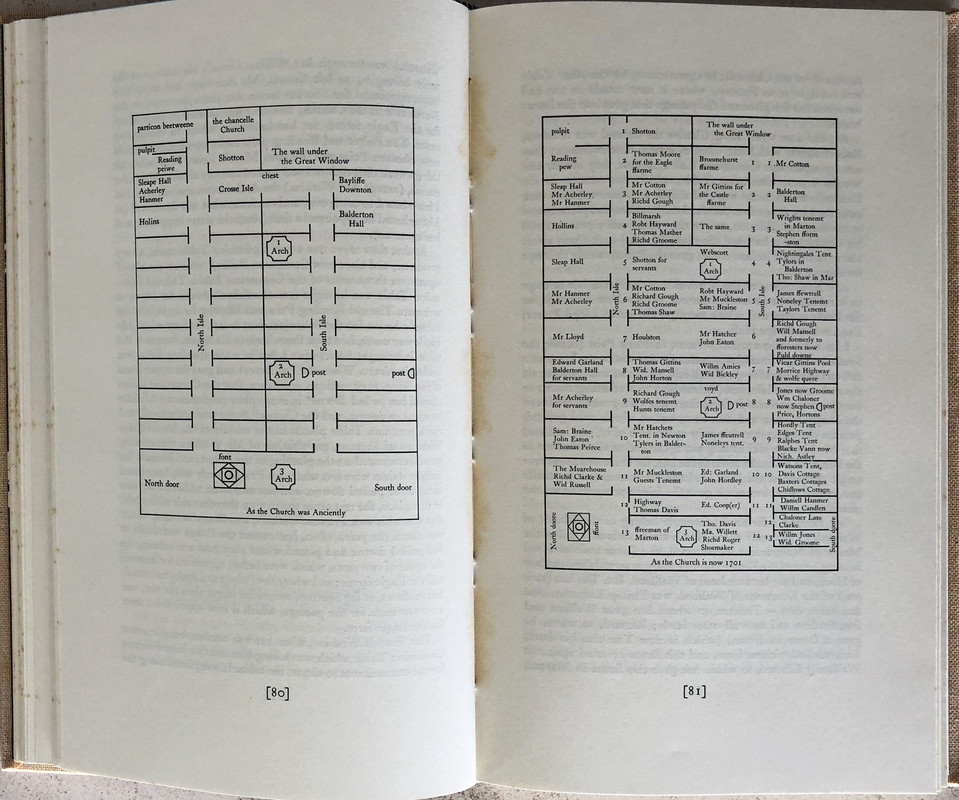
In the 18th.C and earlier, pews in churches were closed in by a surrounding low partition and entered through a small gate. Each property in the parish owned a pew, and the residents of the property used their particular pew. The ownership of a pew was part of the apurtenances of a house or farm, and when the place was sold, the pew went with the purchase. If a family sold one property in a parish and bought another, the pew they occupied in the church also changed.
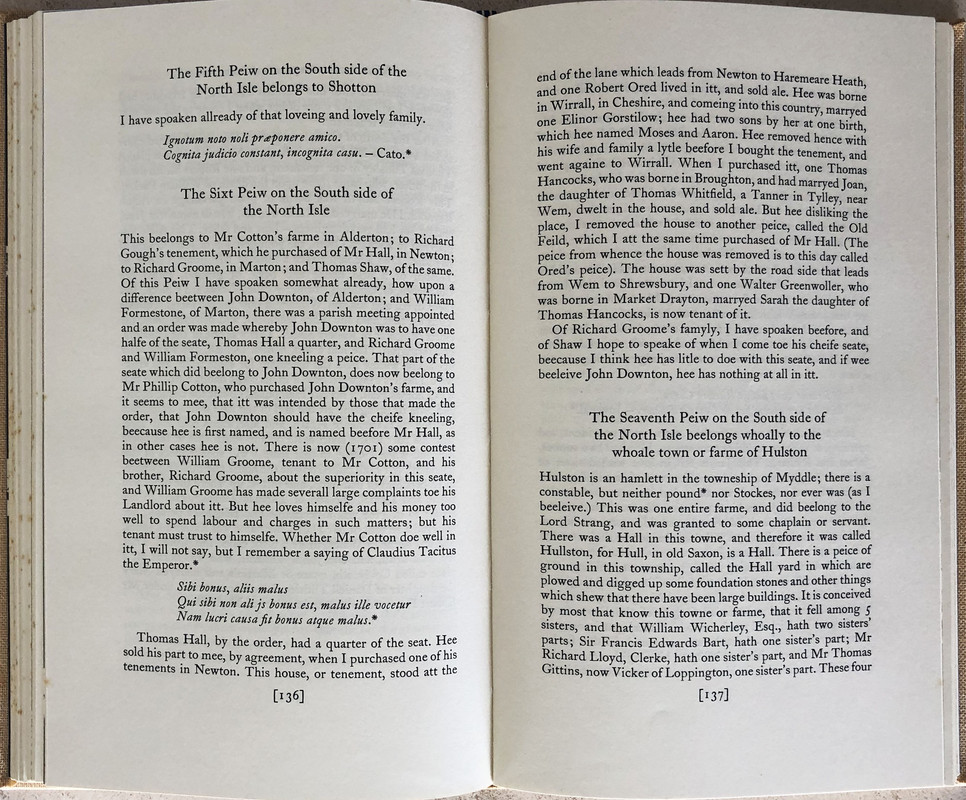
Richard Gough was a well respected gentleman in the village, and he wrote his history by going from pew to pew in a systematic manner around the church, and detailing the lives of the owners of that pew, sometimes going back as much as 300 years.
He left nothing out. Those who were industrious he praised, but the scurrilous were left no mercy. He details adultery and incest, sloth and lewdness, assault and murder, bankruptcy and theft. There was even a near miss of one resident being buried alive. Fortunately he regained consciousness before being interred, much to the fright of those watching over him. Another wretch was almost killed by outraged villagers when placed in the stocks. Everyone was included, from those who dwelt in the castle, to a family who lived in a cave.
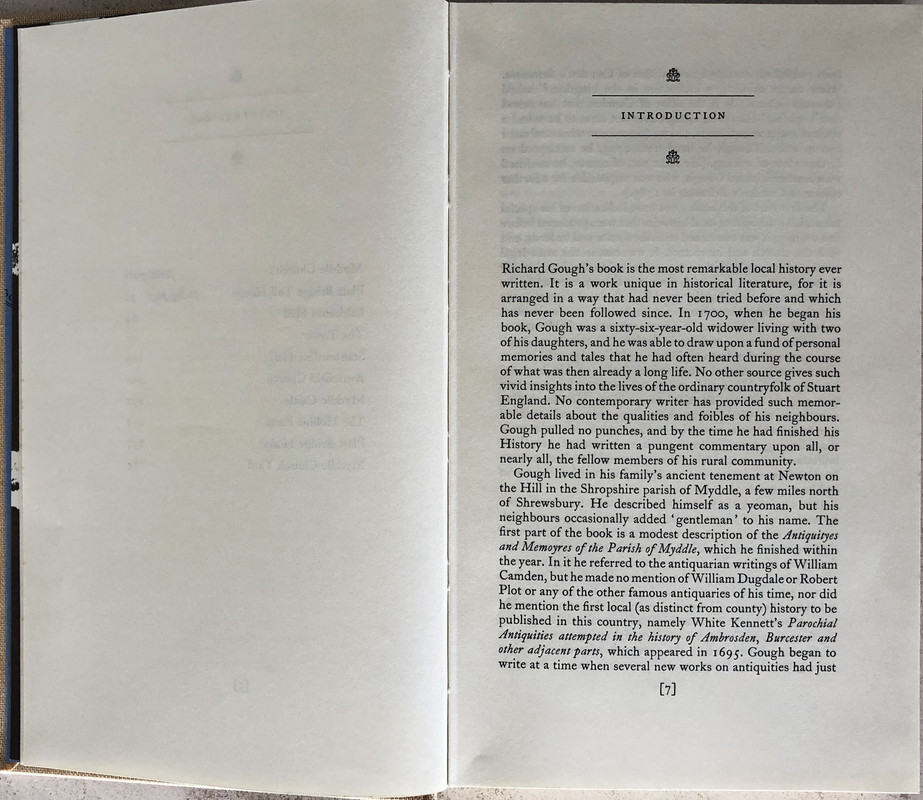
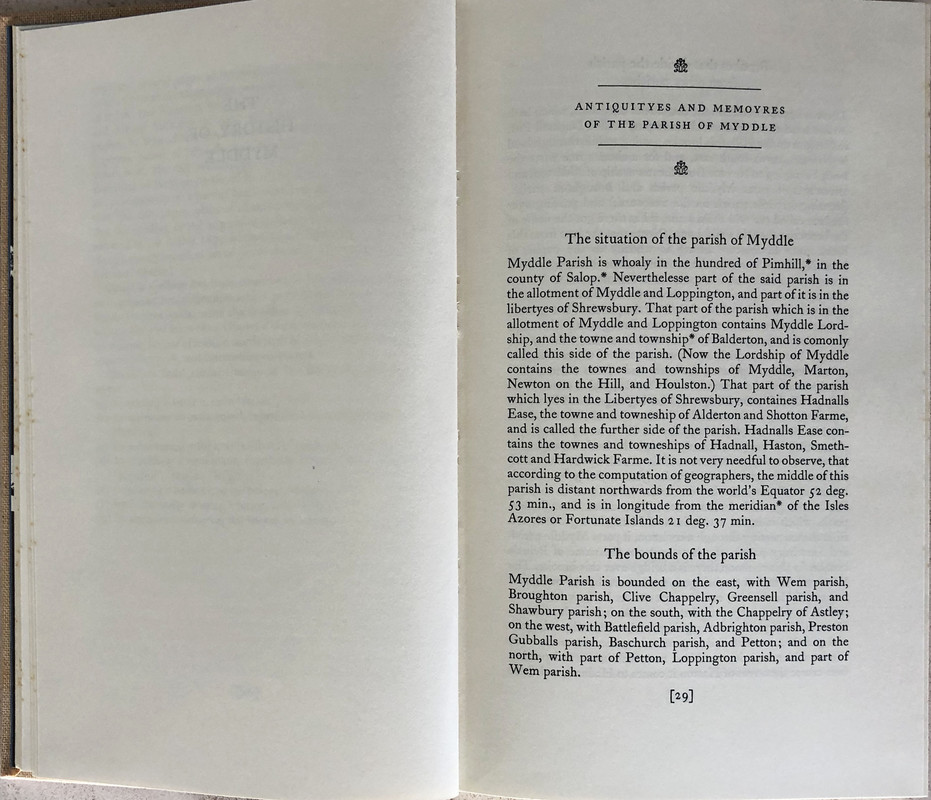
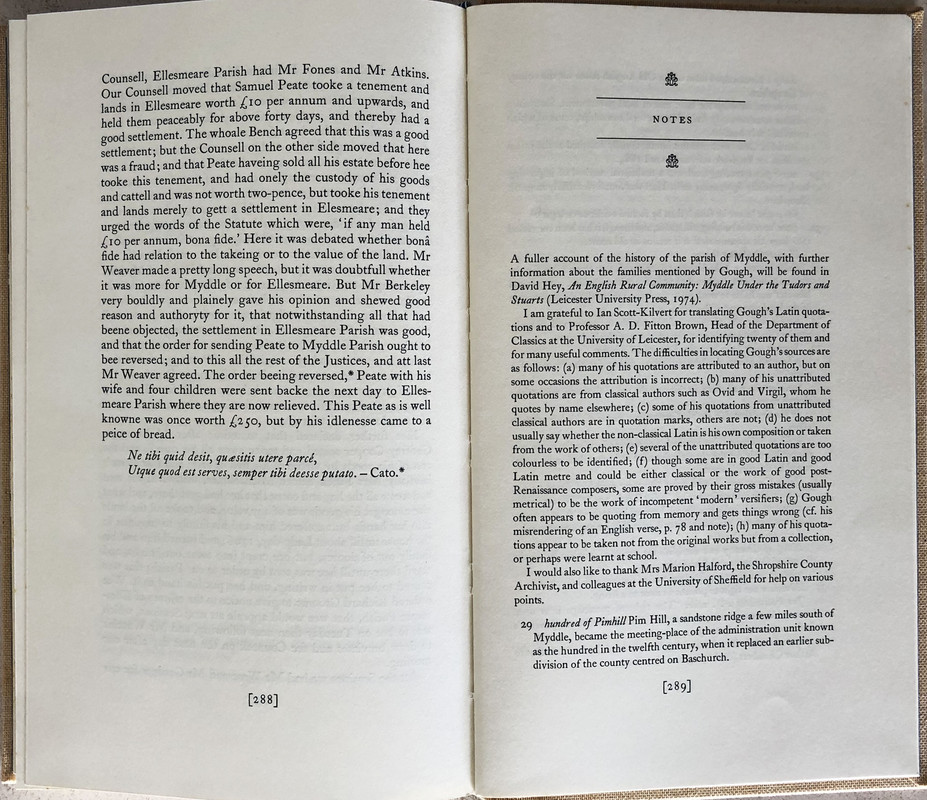
The book starts with an overall introduction to the geography and history of the village, and concludes with details of a number of court case the author was involved in as a senior member of the parish. There are extensive explanatory footnotes at the back of the book.
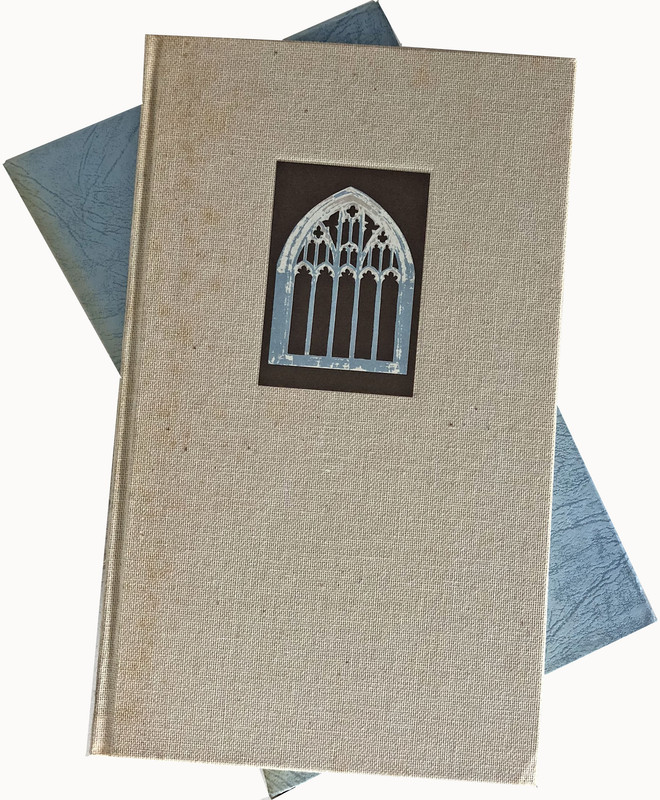
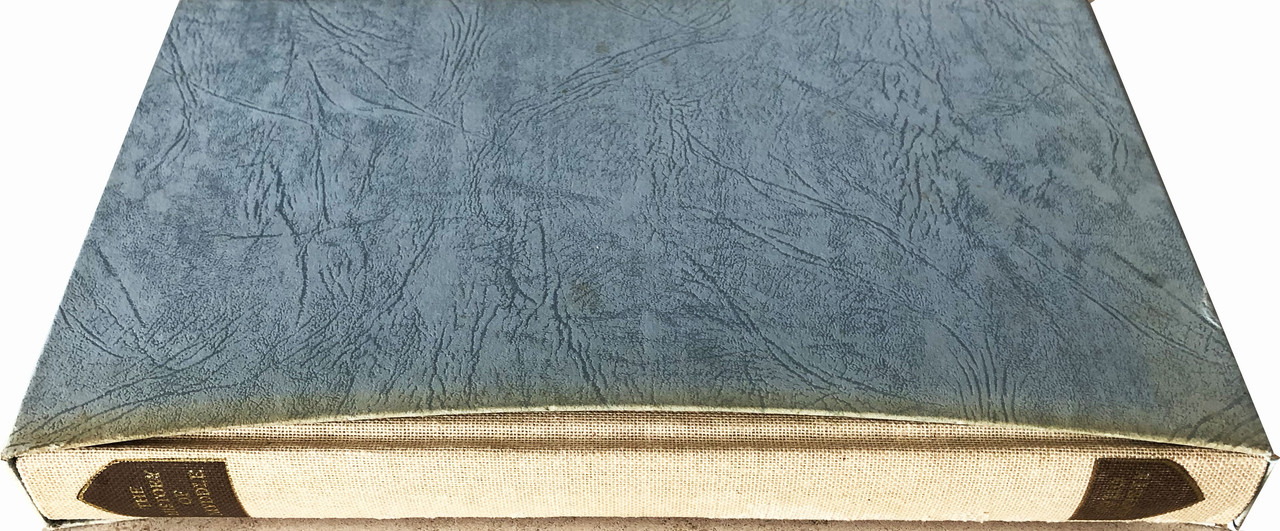
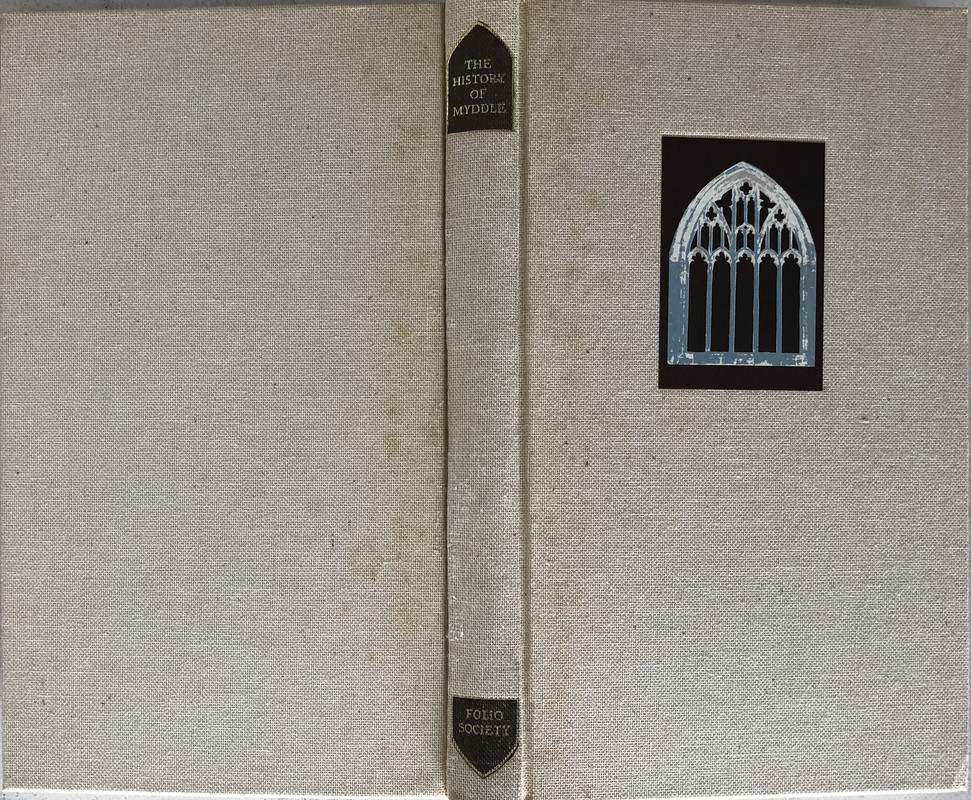
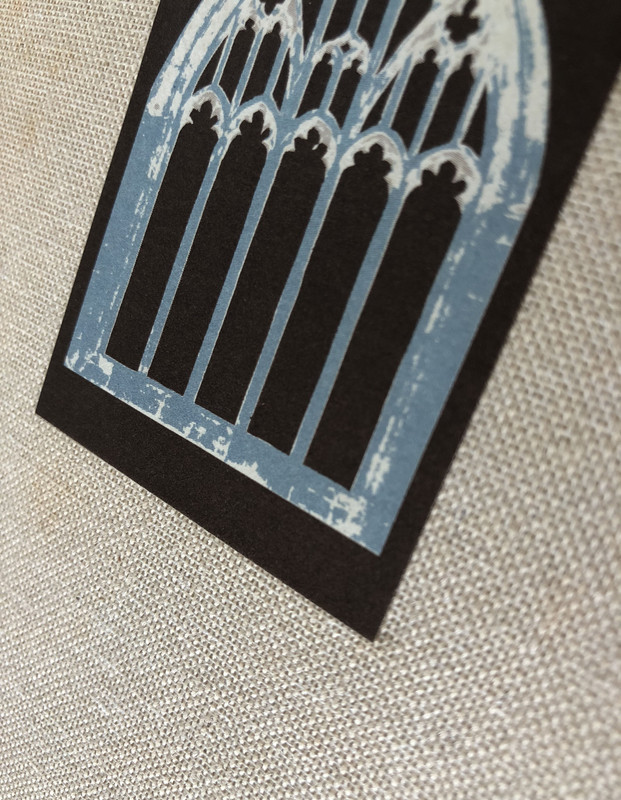
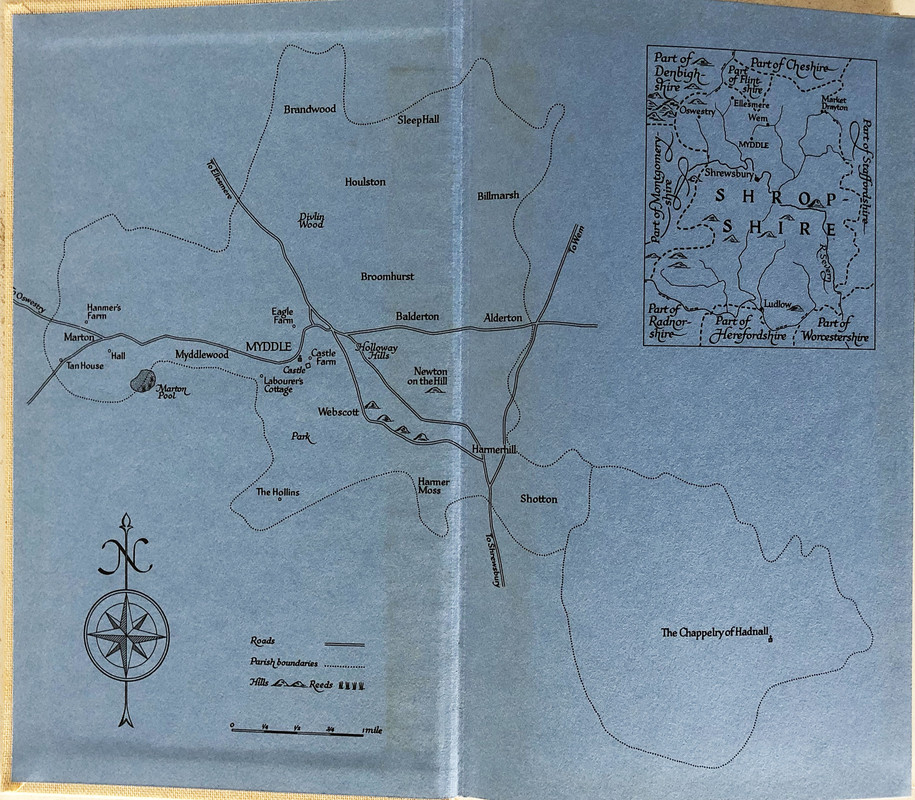
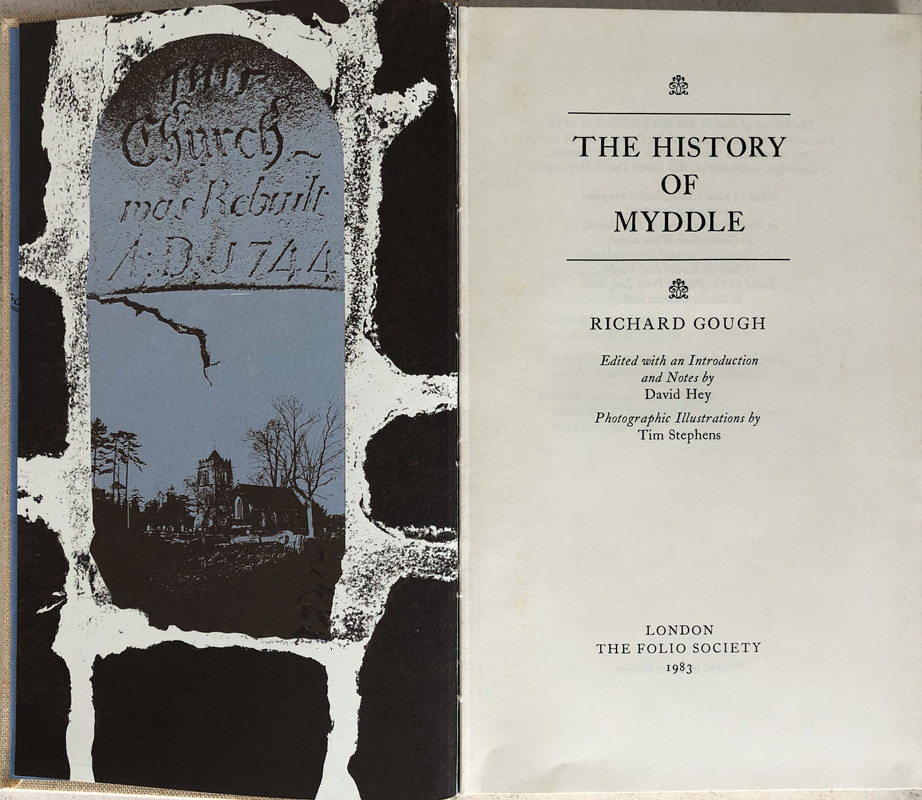
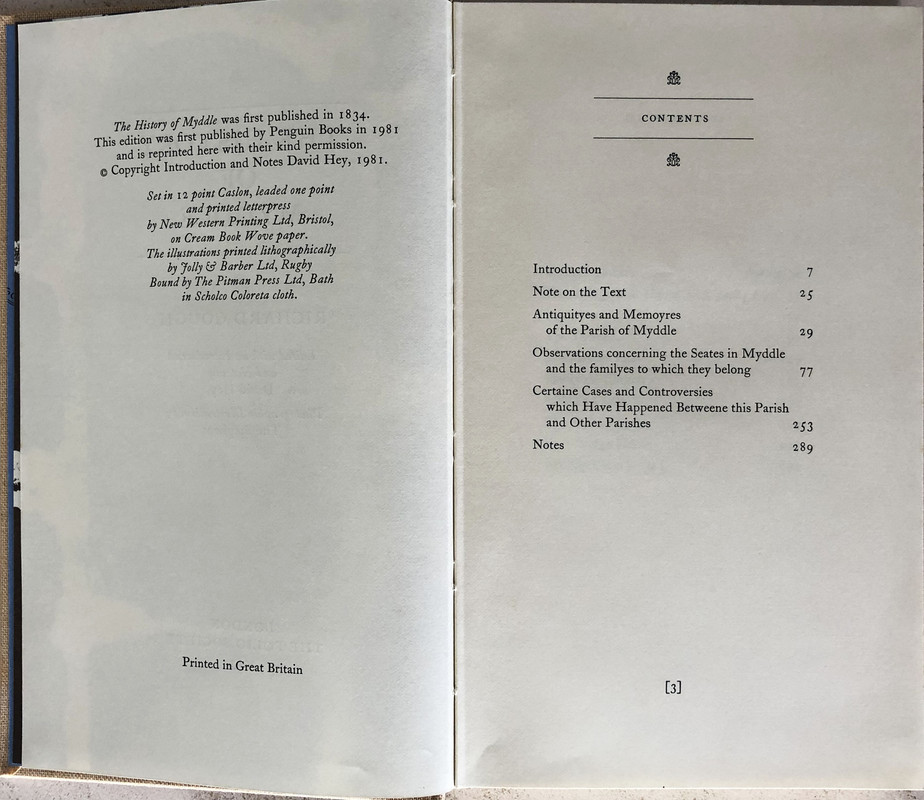
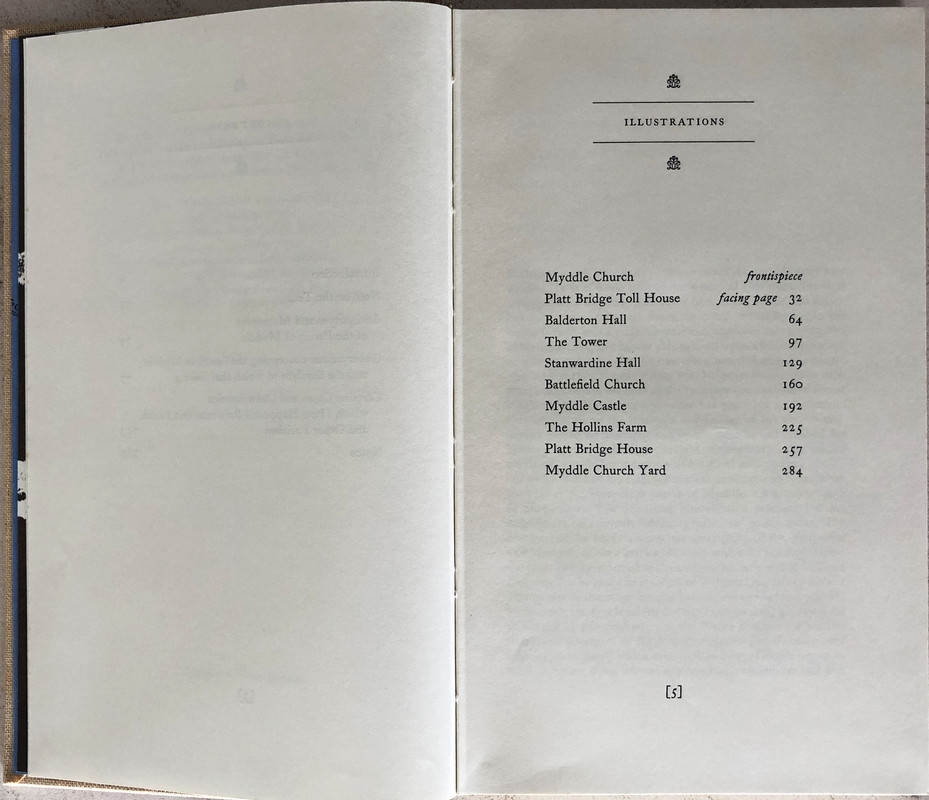
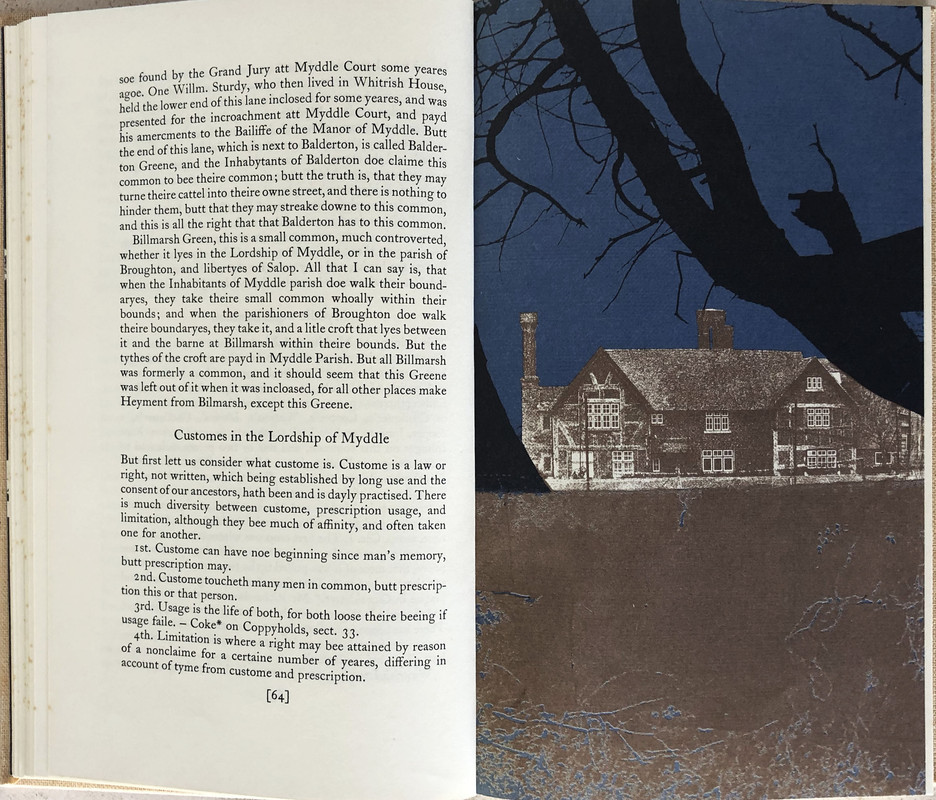
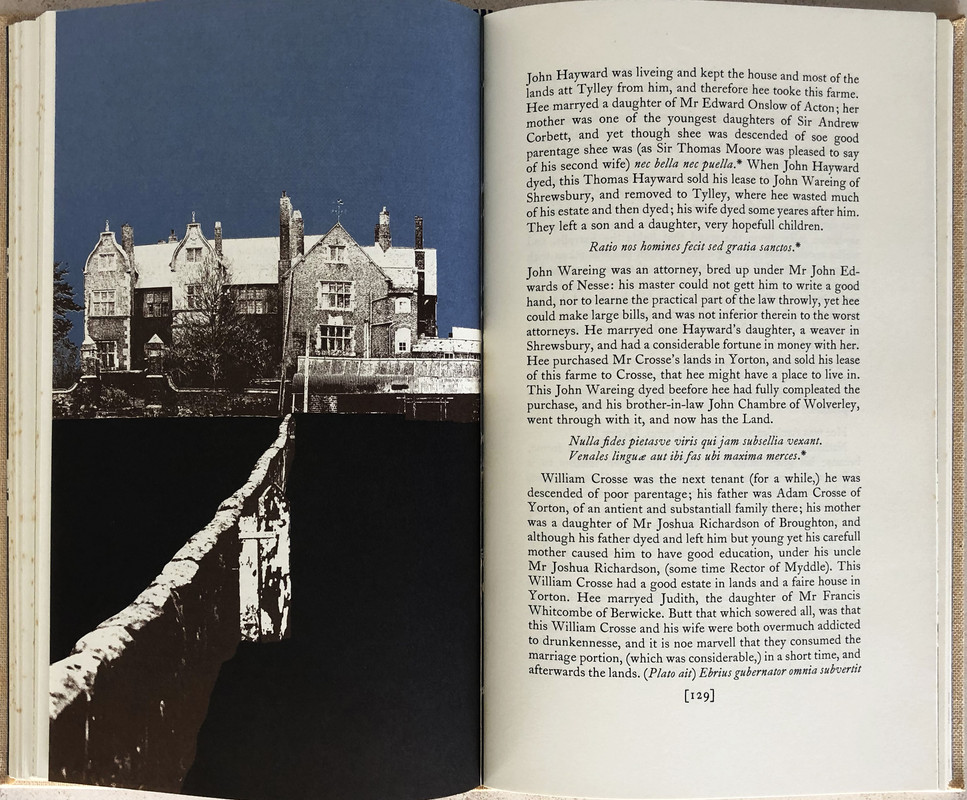
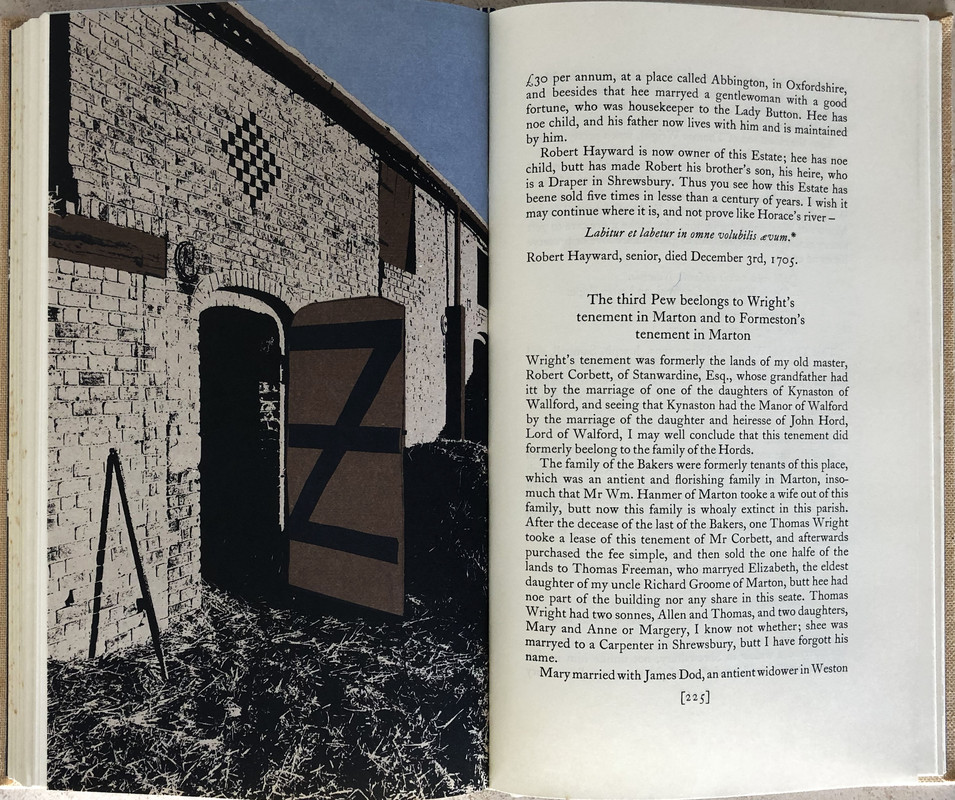
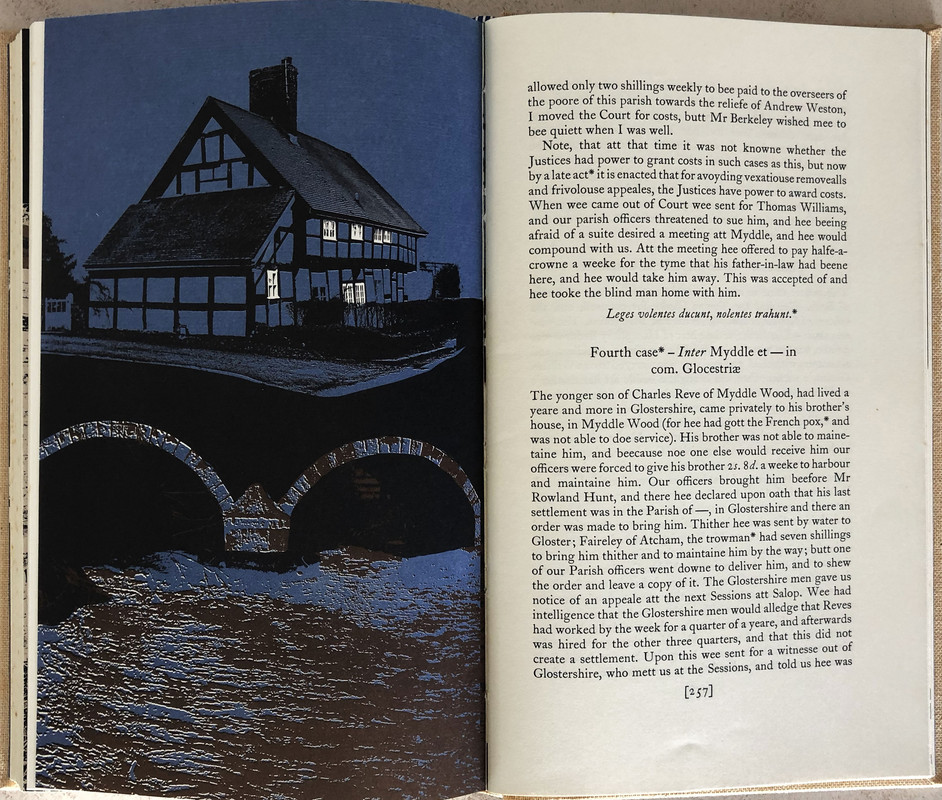
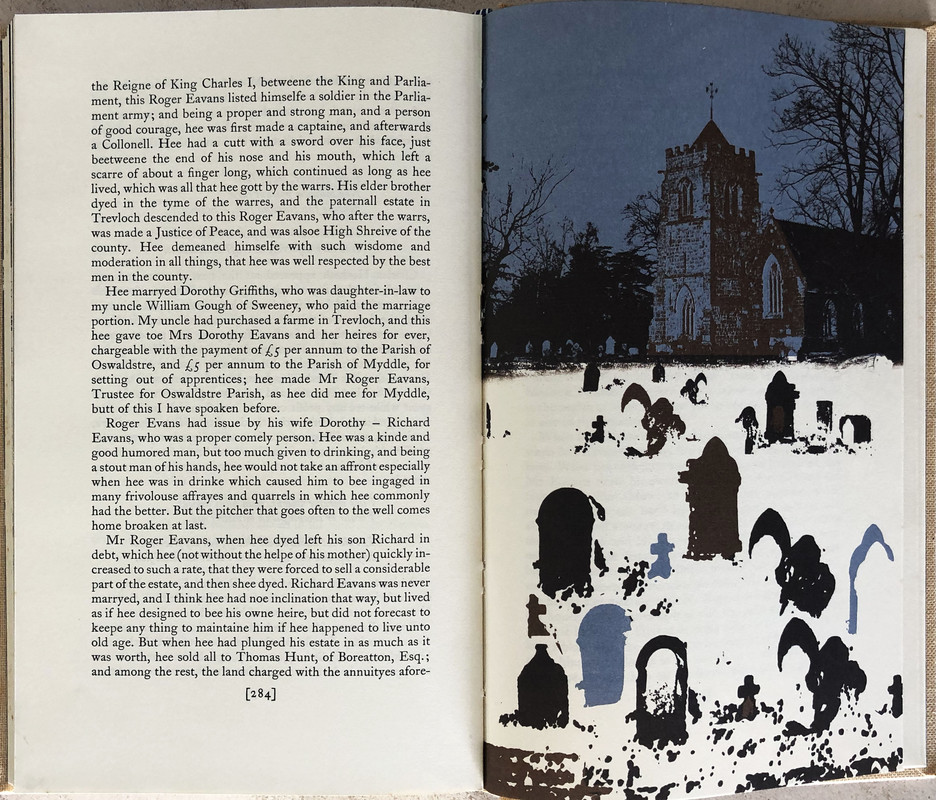
Bound in cream cloth with brown cover and spine images and titling, the 313 page book has map endpapers, and ten rather different illustrations by Tim Stephens in the form of monochrome photos of modern Myddle that have been enhanced by colour washes in subdued tones. There is a detailed 18 page introduction by David Hey, and it is housed in a pale blue textured slipcase that is 26 x 15.5cm. Laid in the book was a contemporary postcard with a perforated tear-off bookmark, which was characteristic of all Folio Society books at this time.
My copy is a little battered, but as it only cost me A$15, I am not complaining.

Endpapers
Enclosed postcard
An index of the other illustrated reviews in the "Folio Archives" series can be viewed here.
Written between 1700 and 1706, this is an extraordinarily detailed history of the small town of Myddle in northern Shropshire, just North of Shrewsbury, which has been written in a totally unique way.
In the 18th.C and earlier, pews in churches were closed in by a surrounding low partition and entered through a small gate. Each property in the parish owned a pew, and the residents of the property used their particular pew. The ownership of a pew was part of the apurtenances of a house or farm, and when the place was sold, the pew went with the purchase. If a family sold one property in a parish and bought another, the pew they occupied in the church also changed.
Richard Gough was a well respected gentleman in the village, and he wrote his history by going from pew to pew in a systematic manner around the church, and detailing the lives of the owners of that pew, sometimes going back as much as 300 years.
He left nothing out. Those who were industrious he praised, but the scurrilous were left no mercy. He details adultery and incest, sloth and lewdness, assault and murder, bankruptcy and theft. There was even a near miss of one resident being buried alive. Fortunately he regained consciousness before being interred, much to the fright of those watching over him. Another wretch was almost killed by outraged villagers when placed in the stocks. Everyone was included, from those who dwelt in the castle, to a family who lived in a cave.
The book starts with an overall introduction to the geography and history of the village, and concludes with details of a number of court case the author was involved in as a senior member of the parish. There are extensive explanatory footnotes at the back of the book.
Bound in cream cloth with brown cover and spine images and titling, the 313 page book has map endpapers, and ten rather different illustrations by Tim Stephens in the form of monochrome photos of modern Myddle that have been enhanced by colour washes in subdued tones. There is a detailed 18 page introduction by David Hey, and it is housed in a pale blue textured slipcase that is 26 x 15.5cm. Laid in the book was a contemporary postcard with a perforated tear-off bookmark, which was characteristic of all Folio Society books at this time.
My copy is a little battered, but as it only cost me A$15, I am not complaining.
Endpapers
Enclosed postcard
An index of the other illustrated reviews in the "Folio Archives" series can be viewed here.

