
Folio Archives 349: Seeds of Change by Henry Hobhouse 2007
Talk Folio Society Devotees
Join LibraryThing to post.
1wcarter
Seeds of Change: Six Plants That Transformed Mankind by Henry Hobhouse 2007
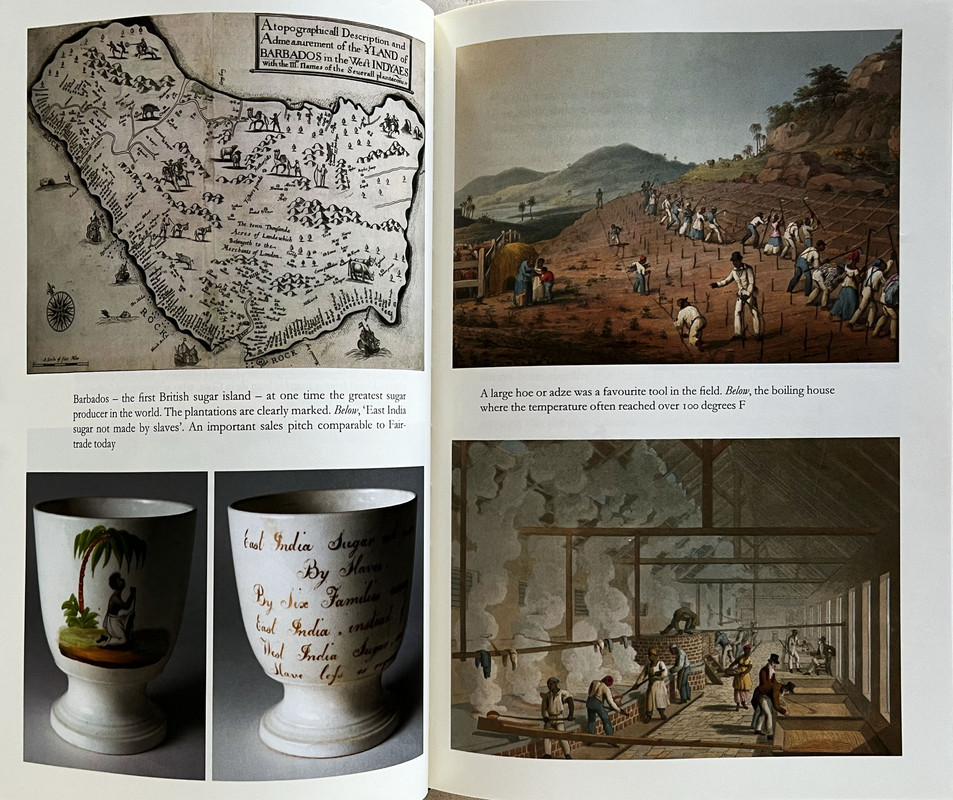
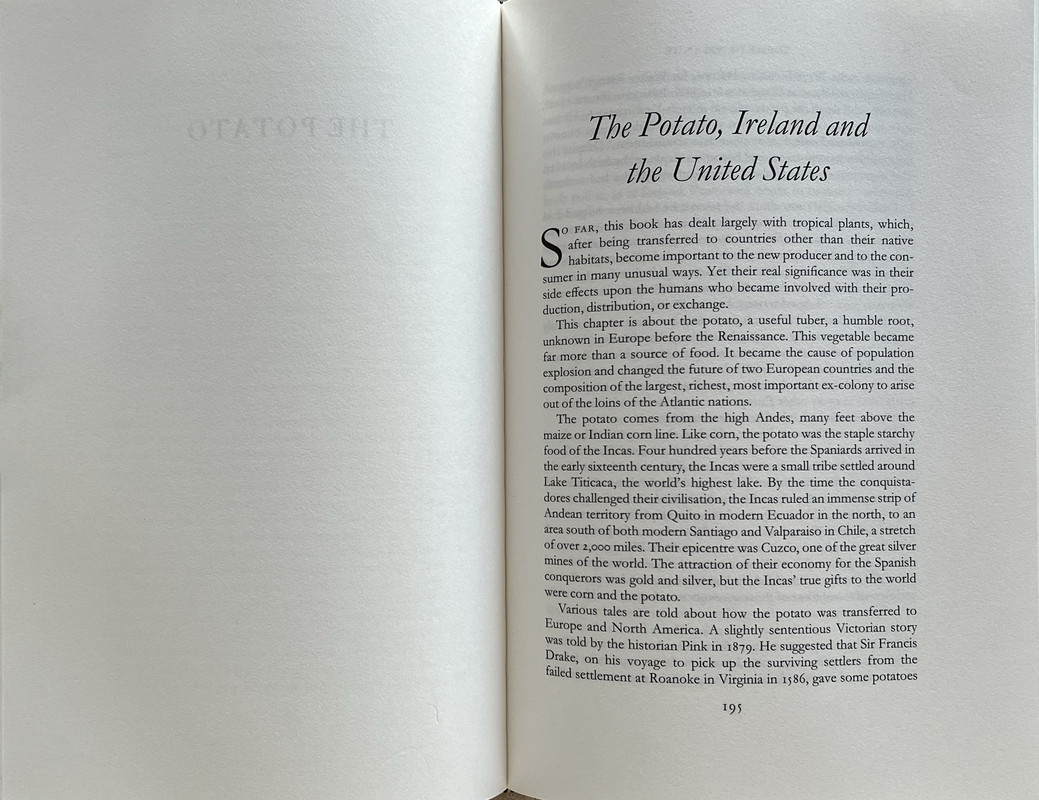
Hobhouse takes six plants - quinine, sugar, tea, cotton, coca and the potato, and details their fascinating histories and why they are so important to the human race. Although not essential foods, each in their own way has had a marked effect on the way we live.
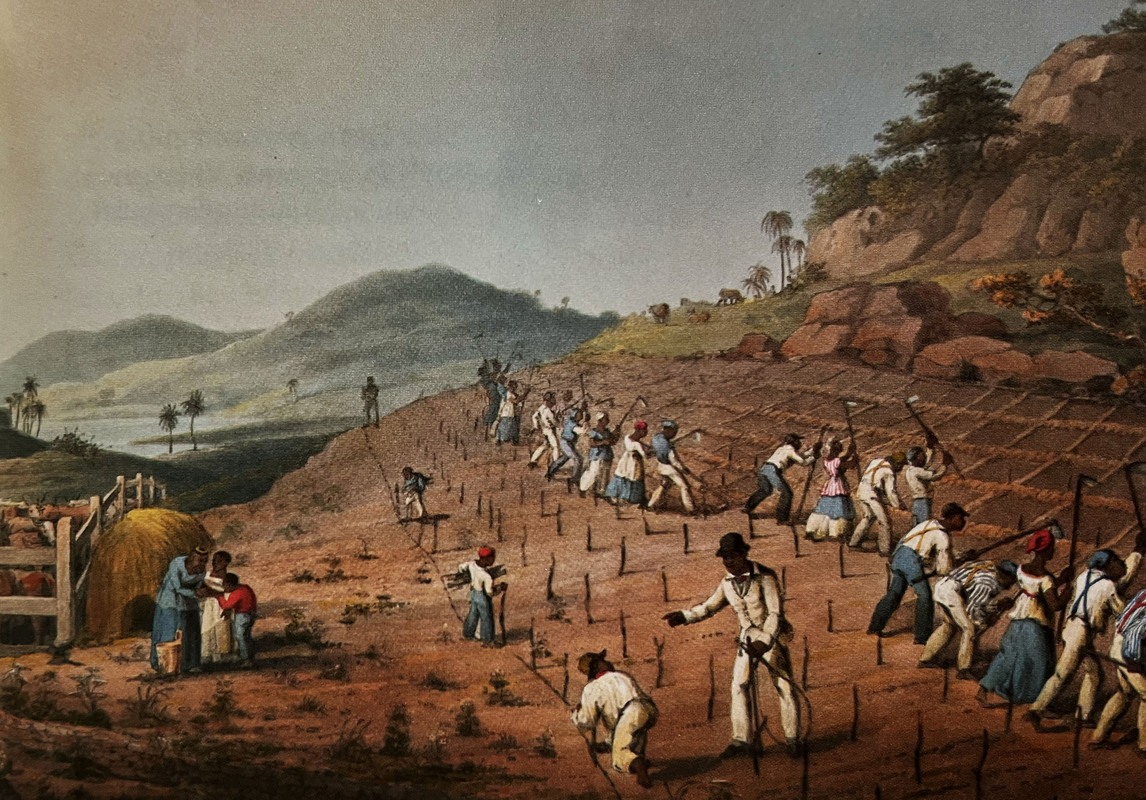
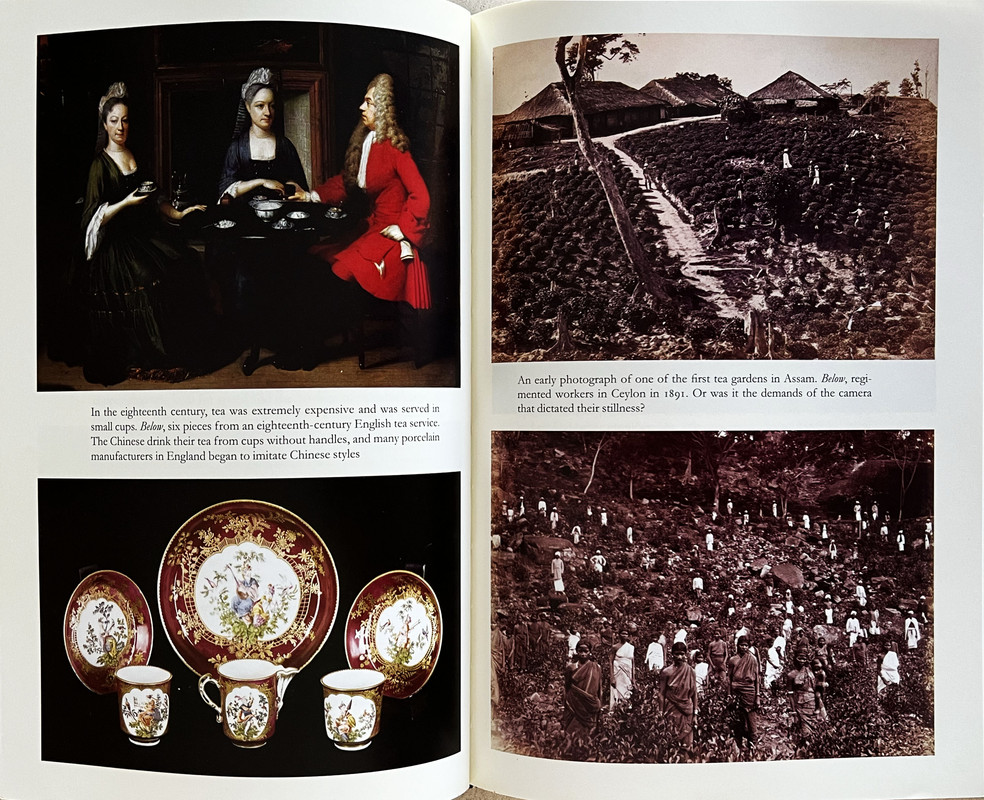
There were hundreds of varieties of potato in a relatively small area of South America in the Andean mountains of modern Ecuador and Peru in the 16th. century, but from there they have spread to become a staple of almost every diet worldwide. Sugar and cotton were built on slavery, quinine (another South American native) has saved countless lives from malaria, coca has been the base of everything from local anaesthetics to highly addictive drugs, and tea, once only grown in China, became a cult drink in 17th. century Britain before almost destroying China in the opium wars.
The importance and history of these plants is fascinating, and their stories are very well told in an entertaining style.
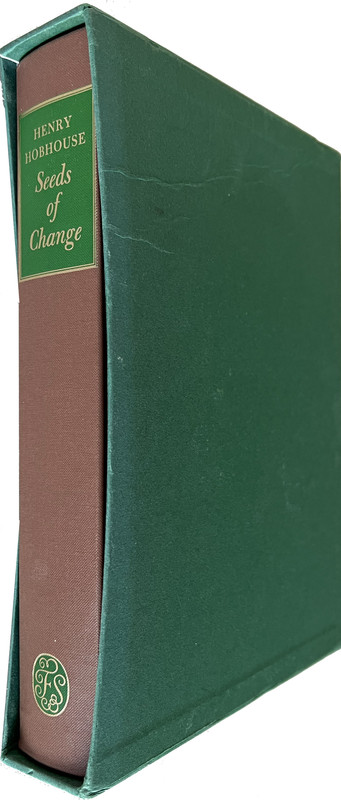
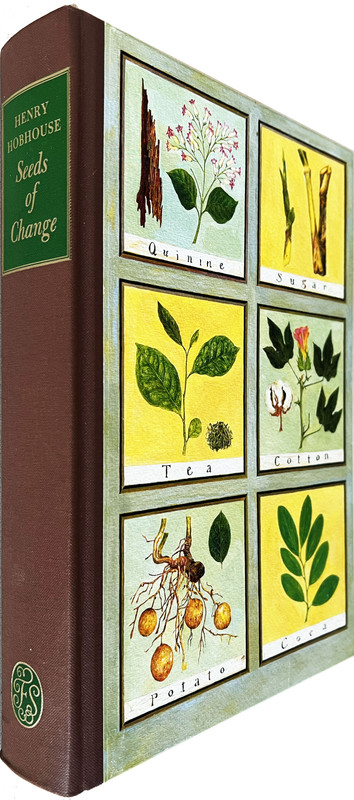
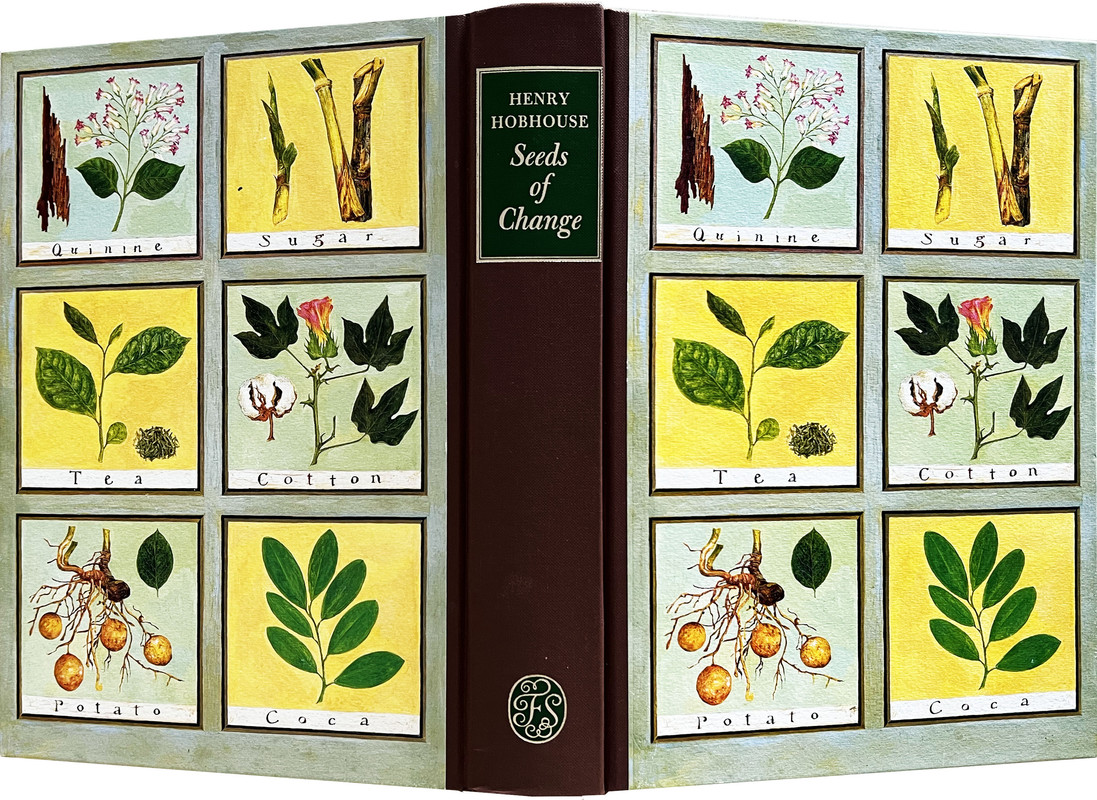
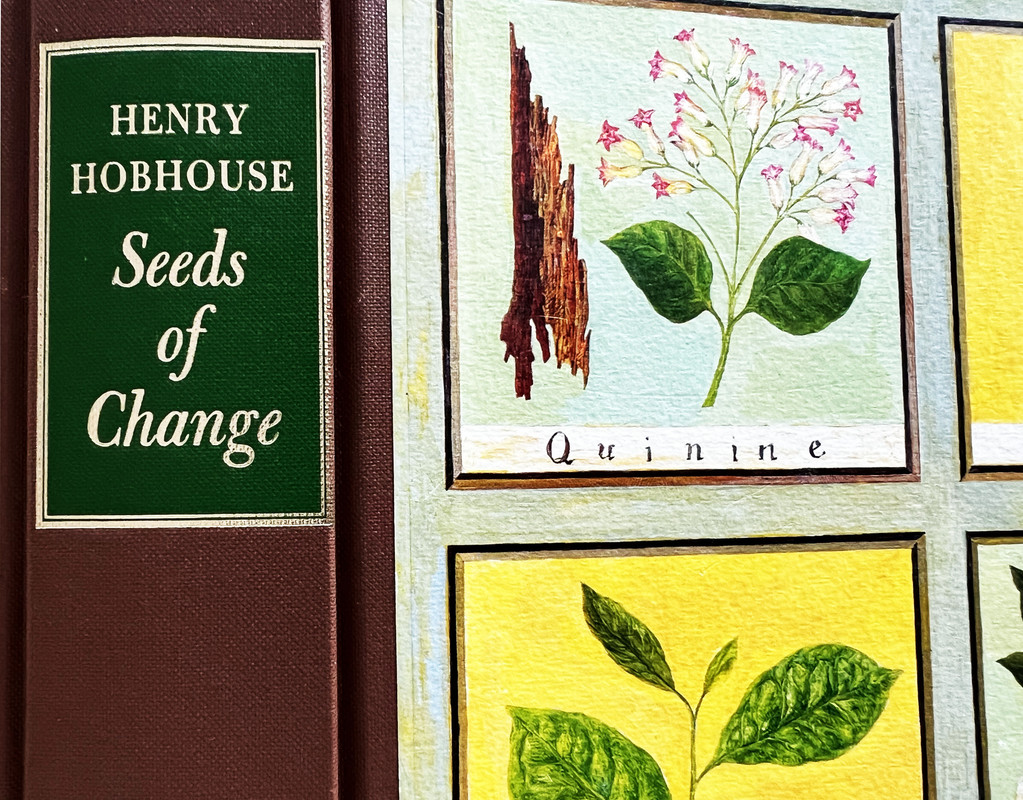
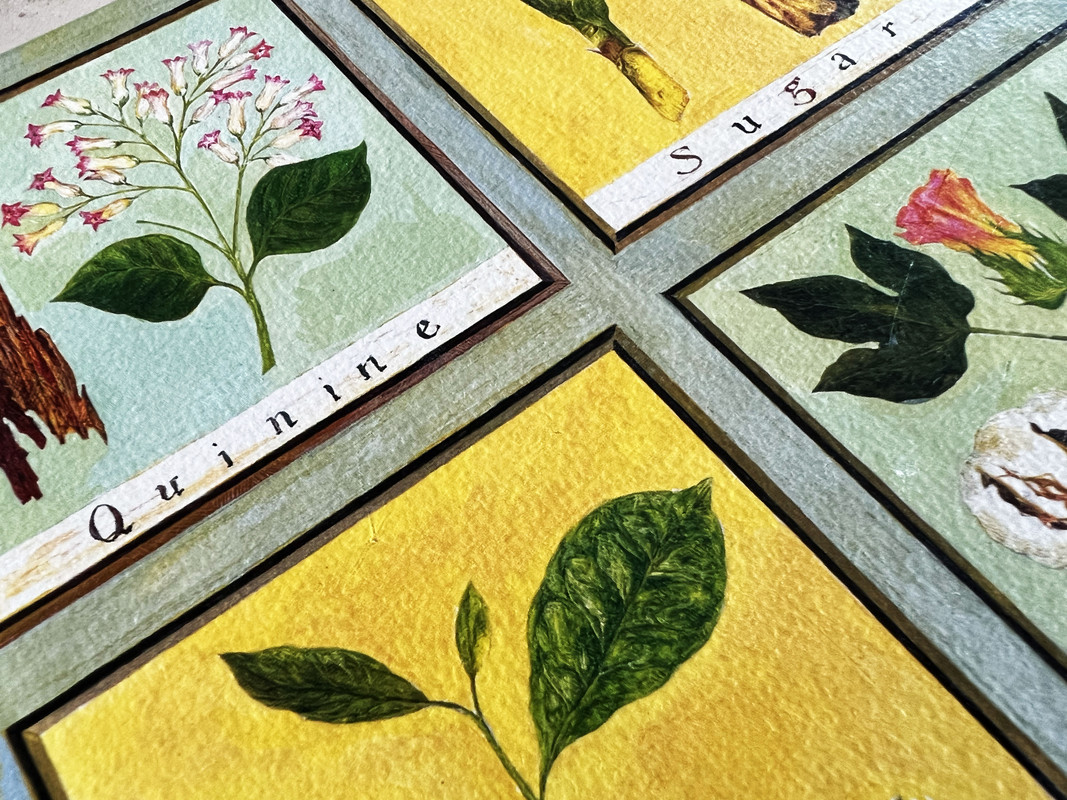
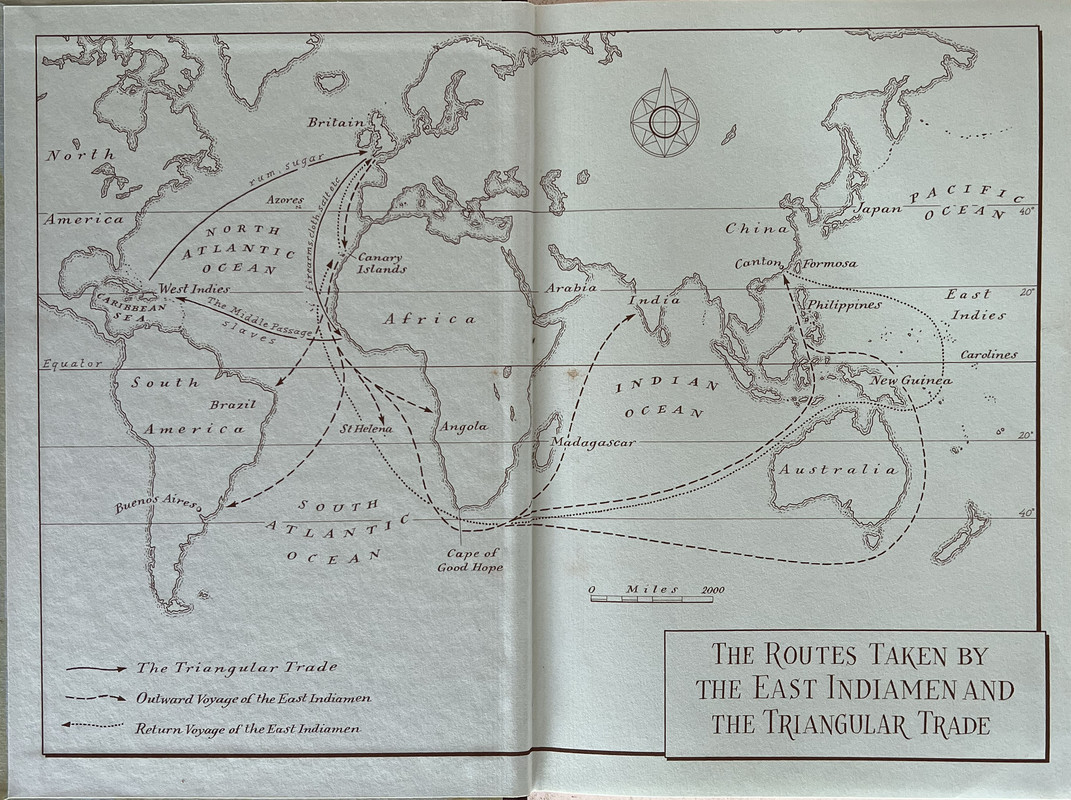
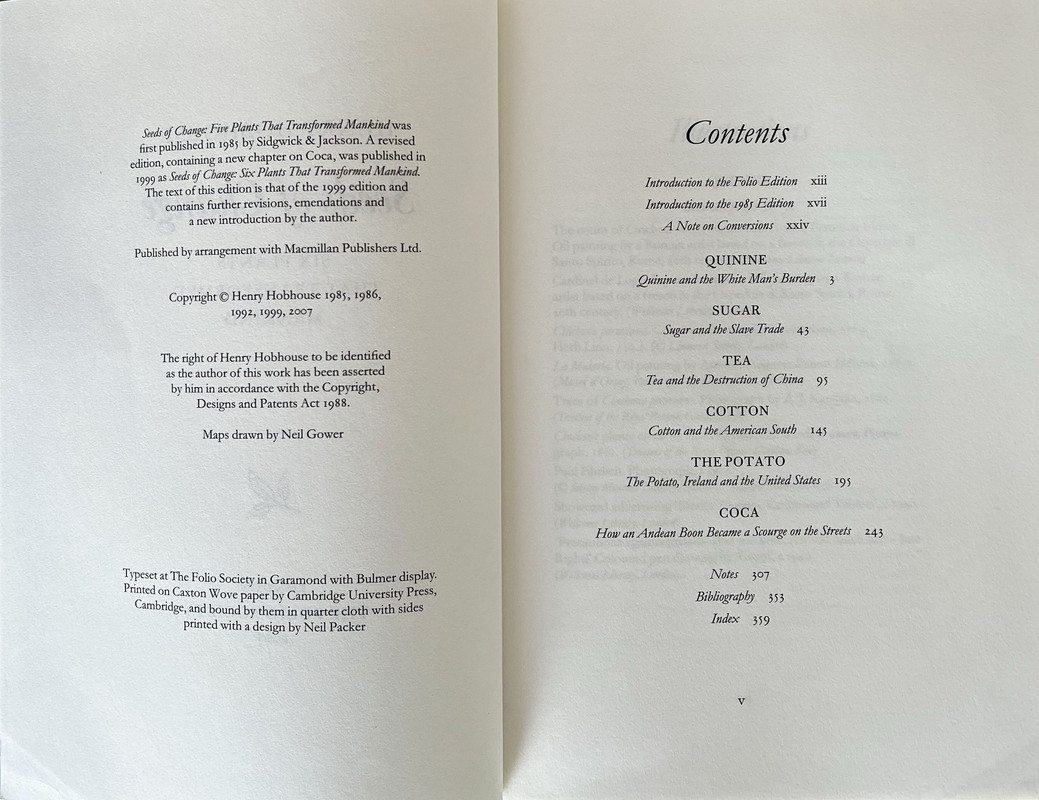
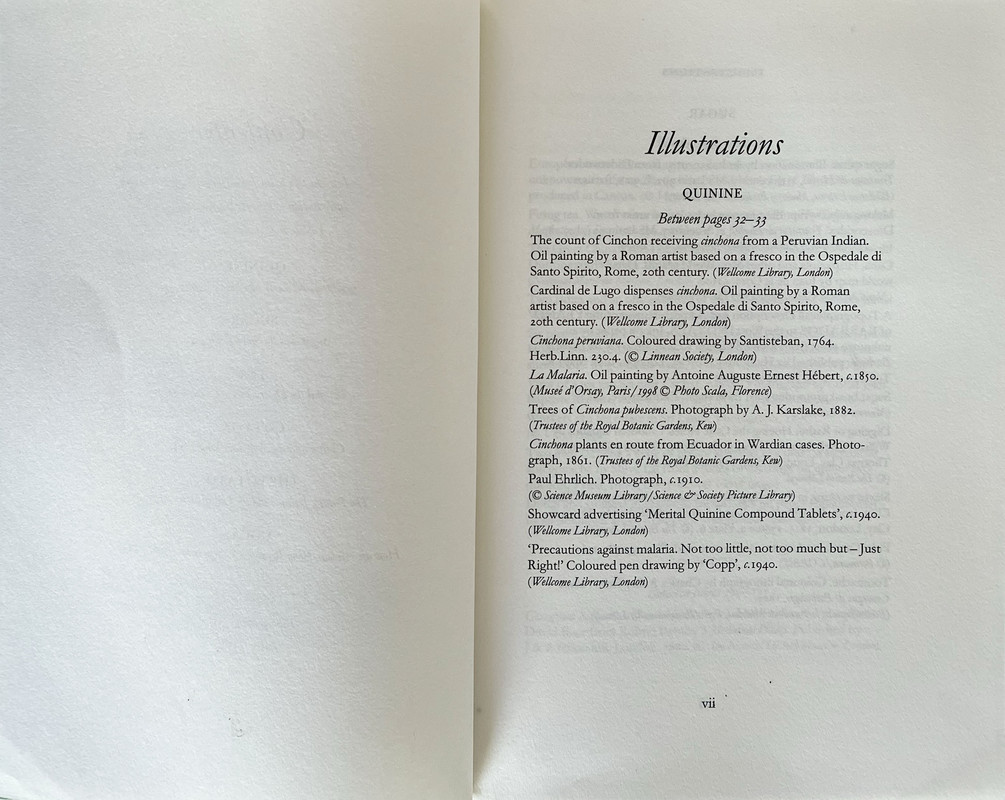
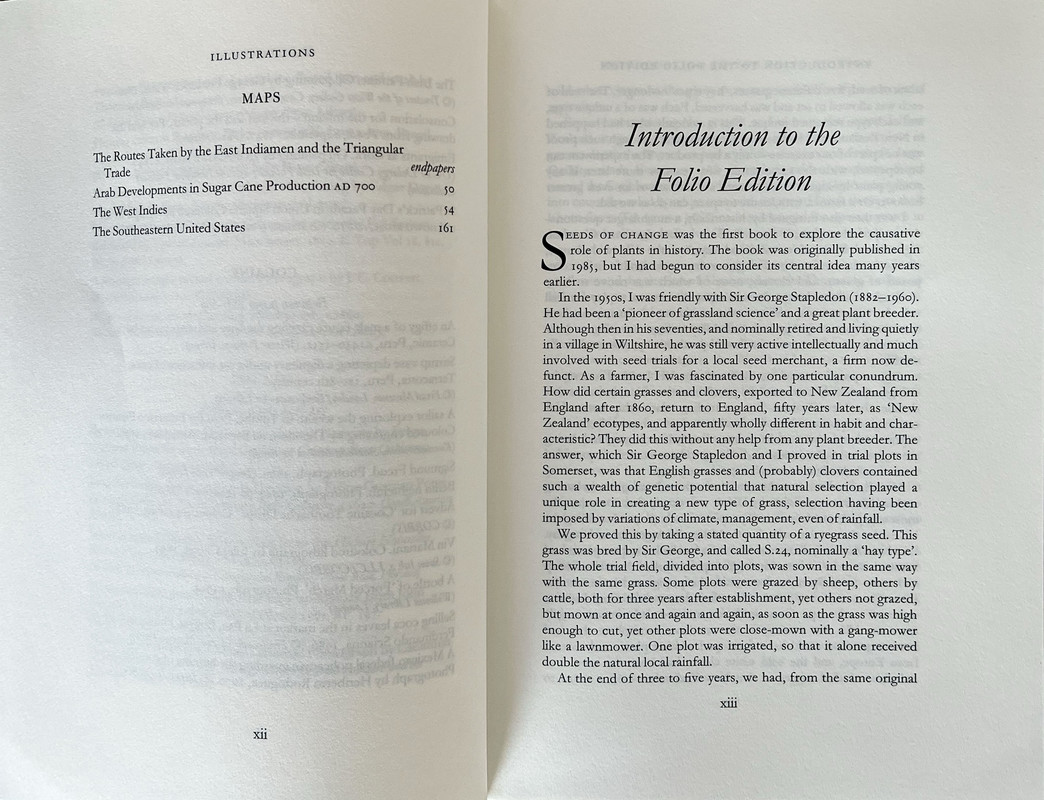
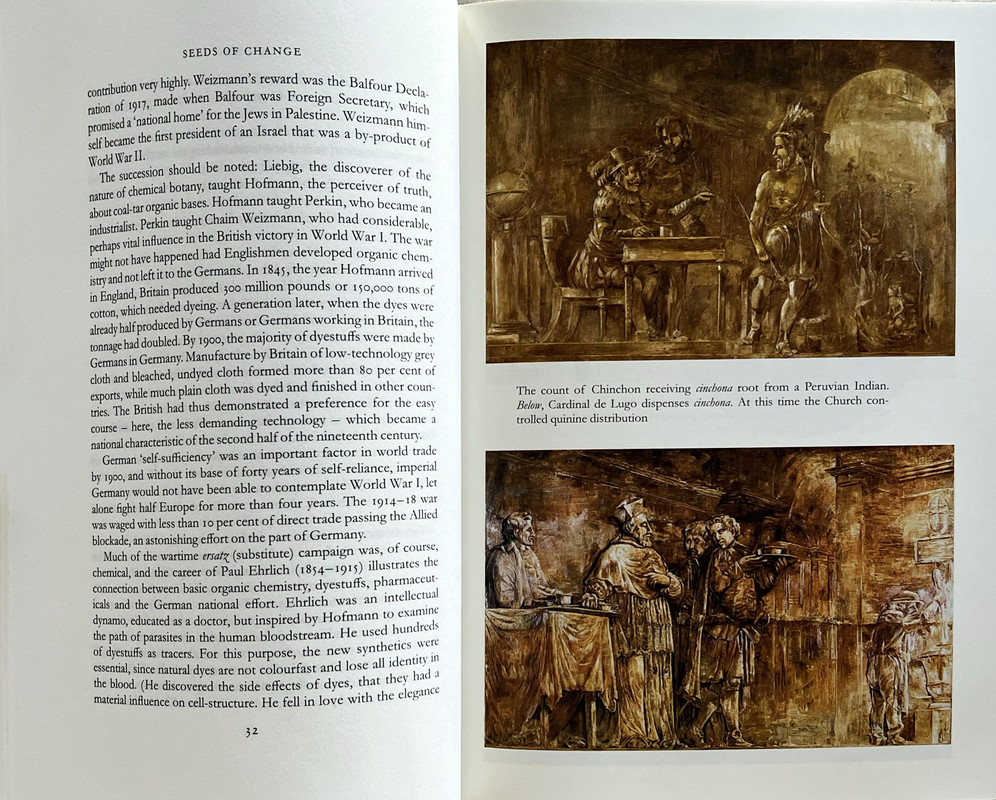
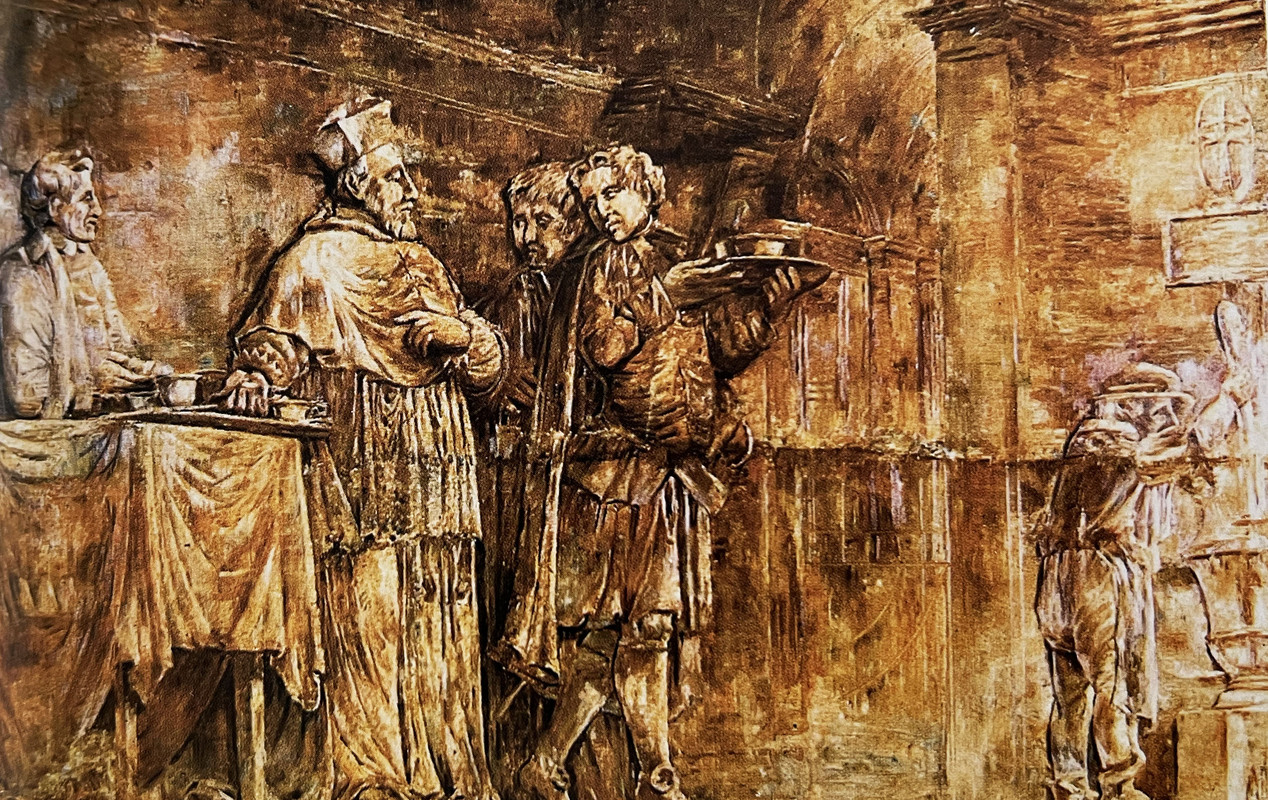
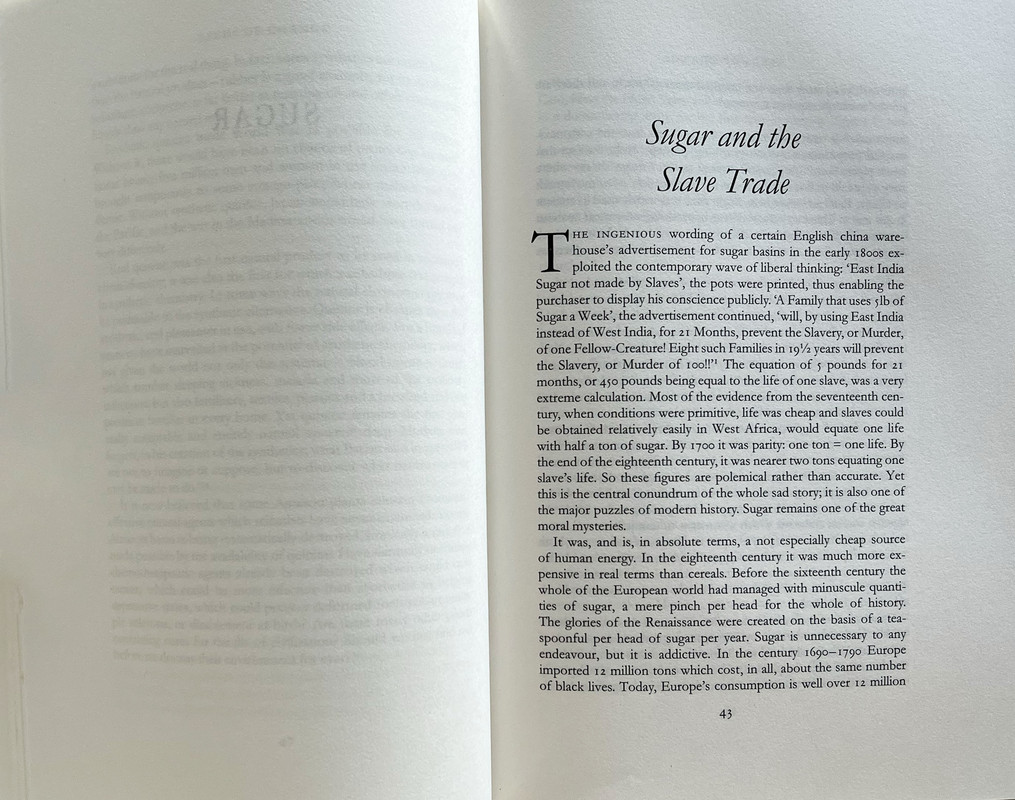
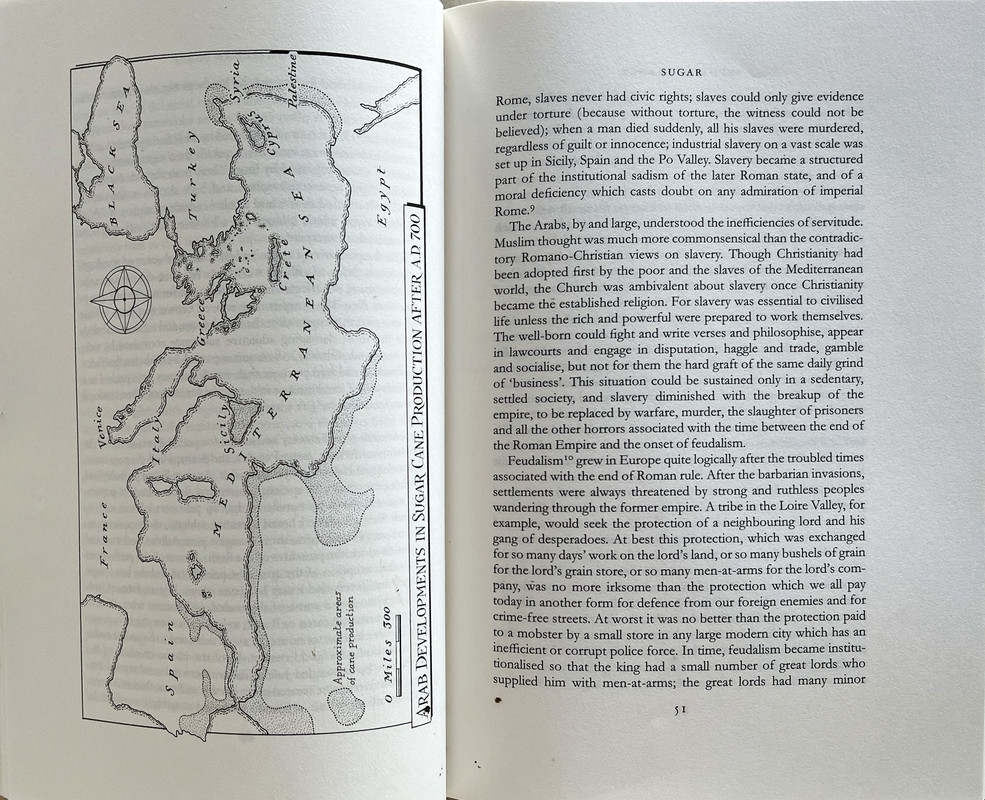
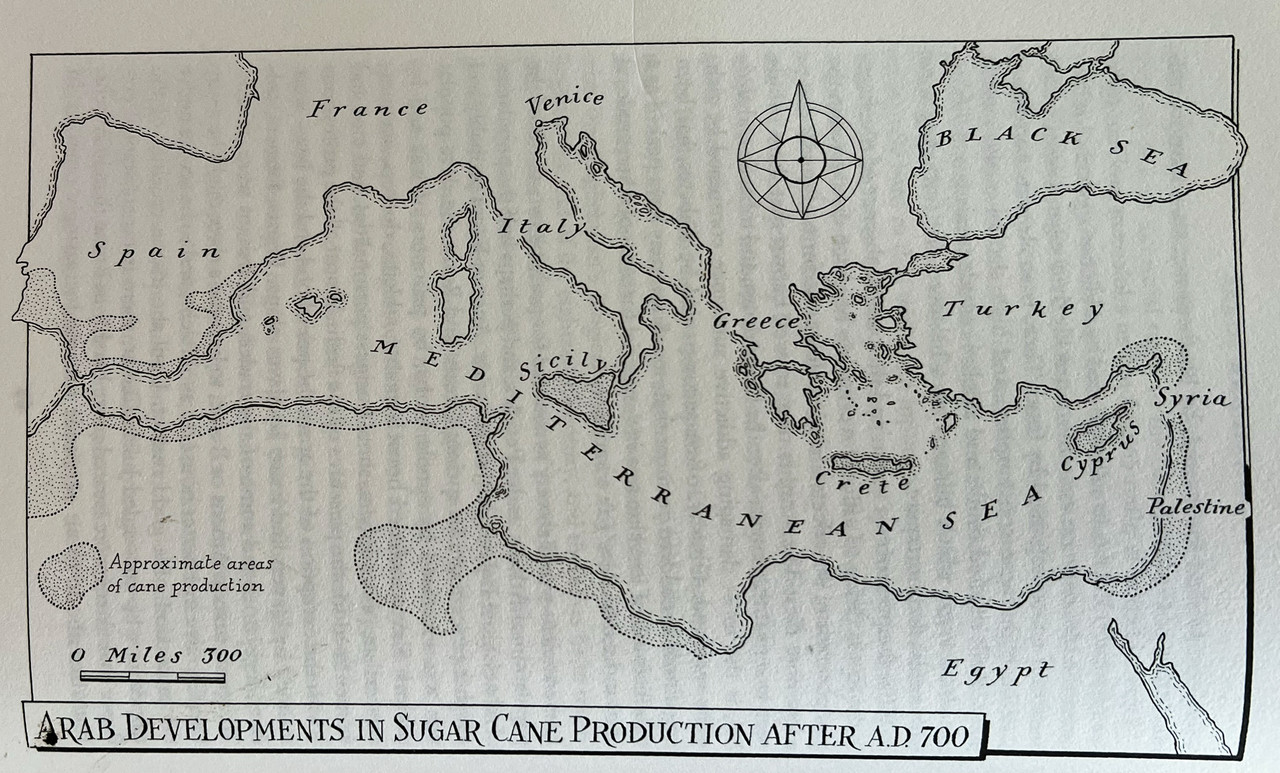
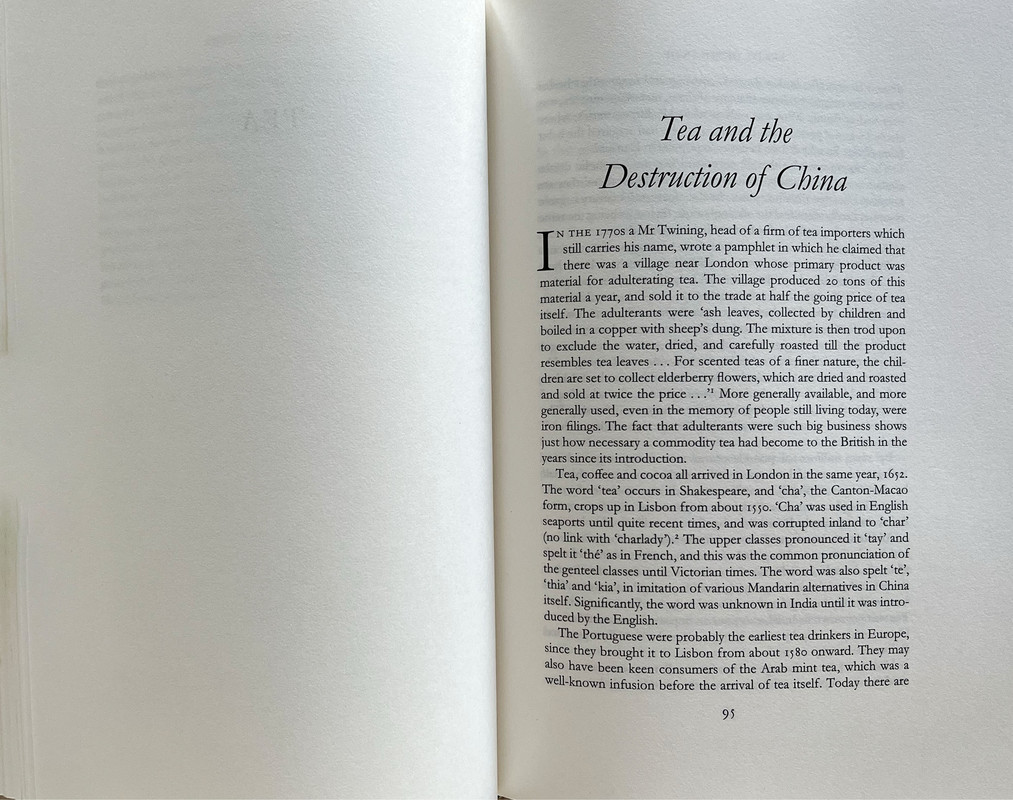
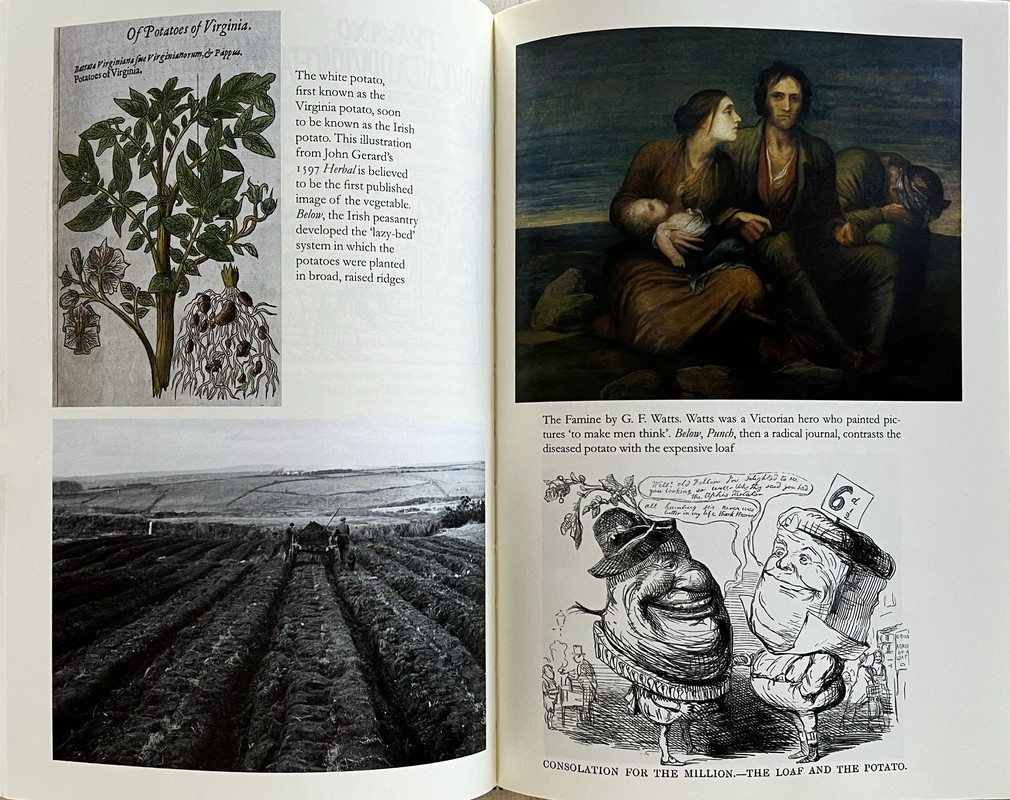
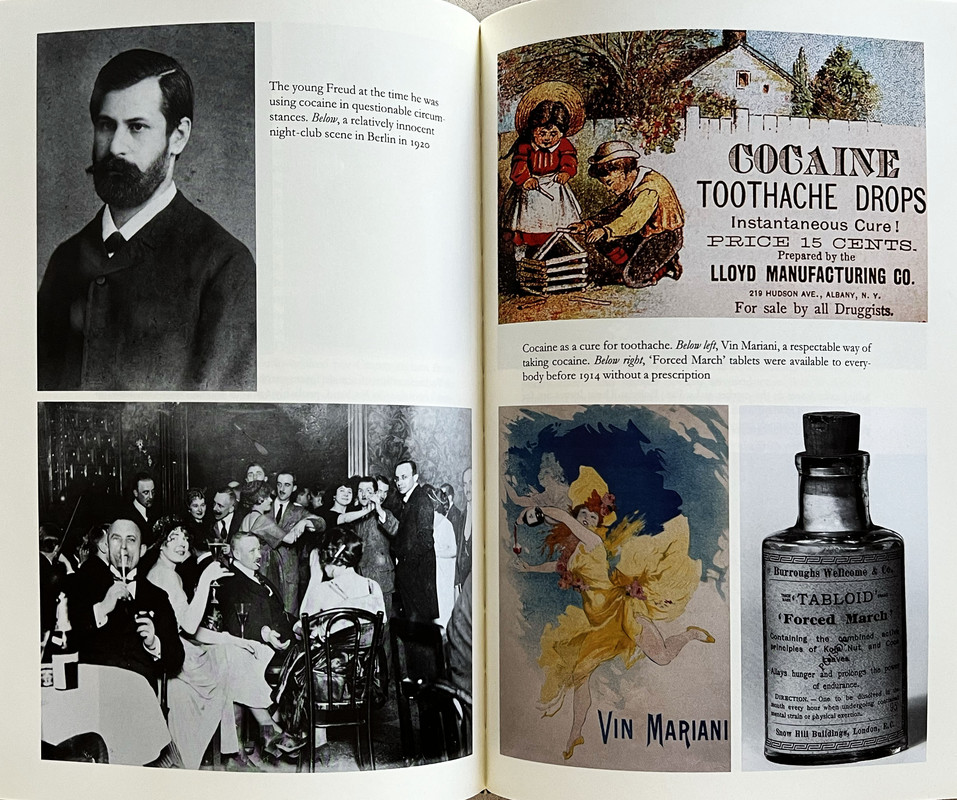
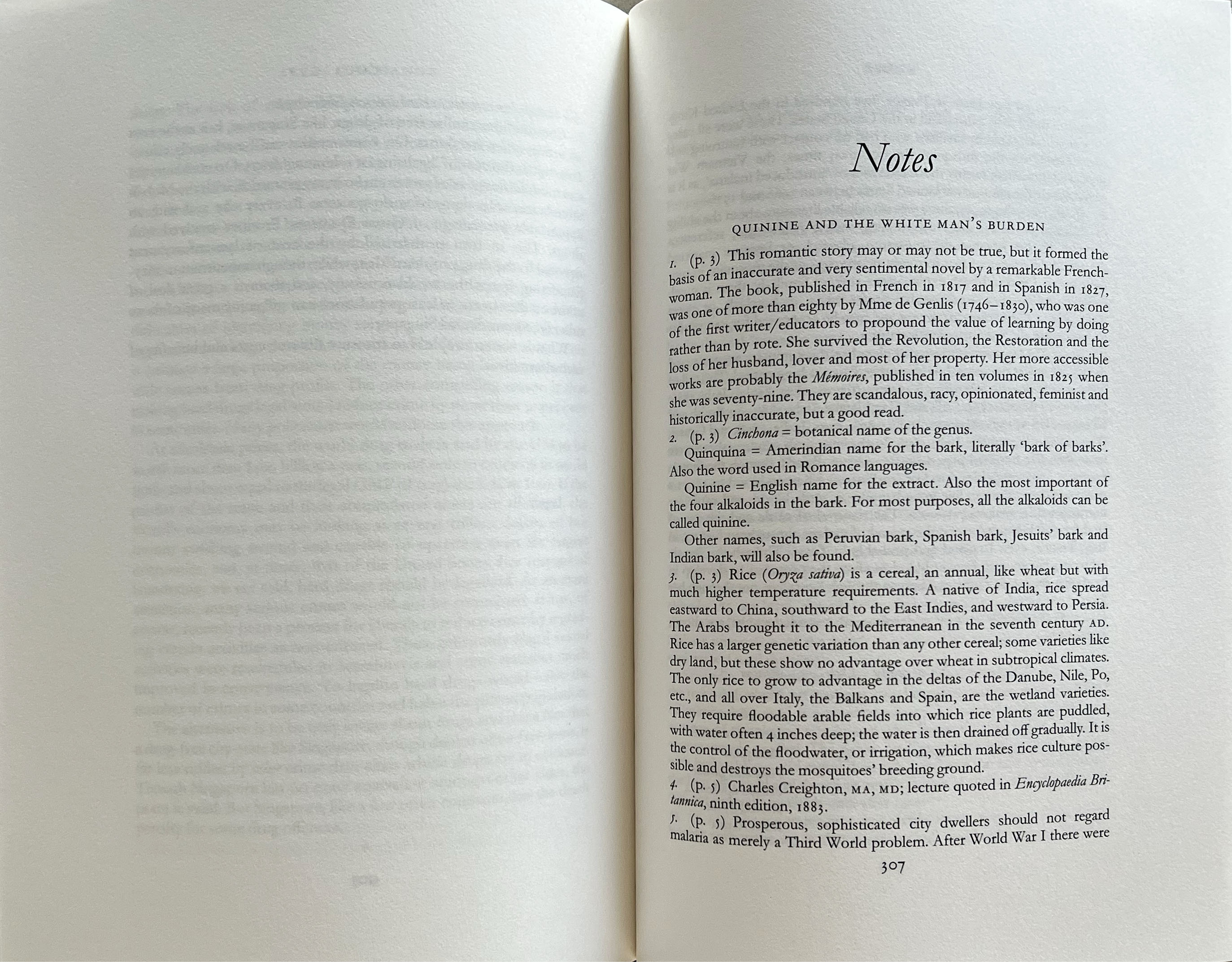
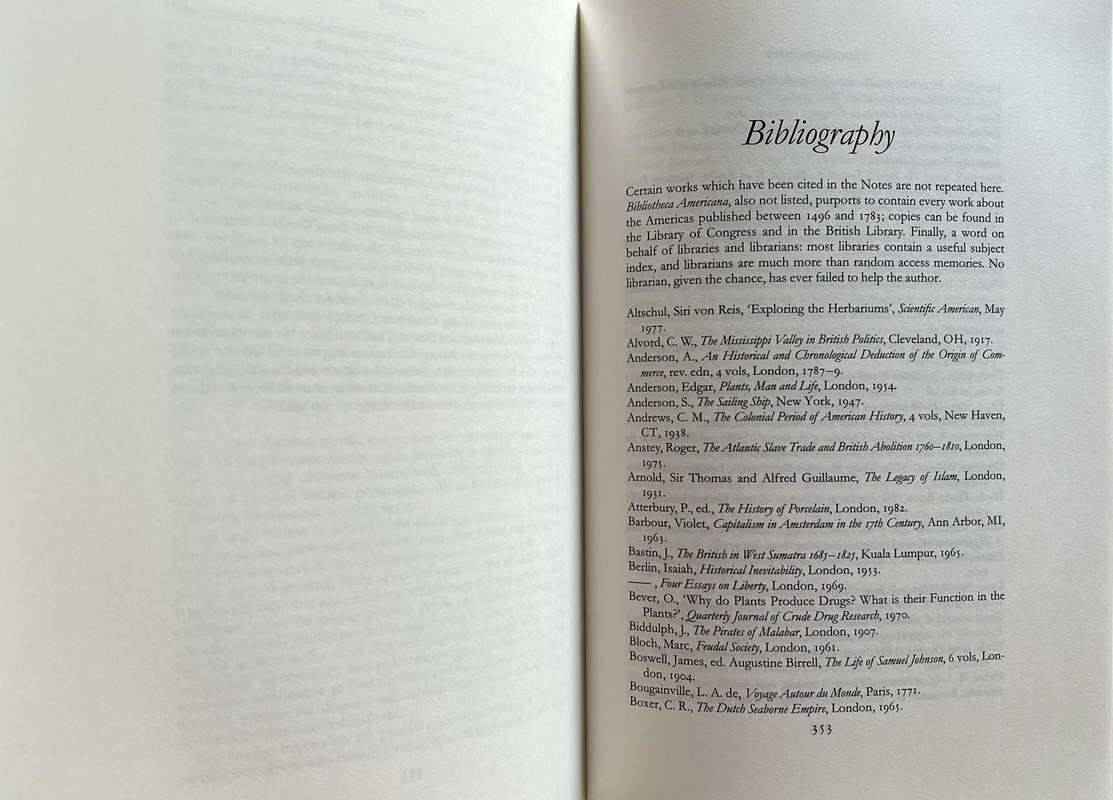
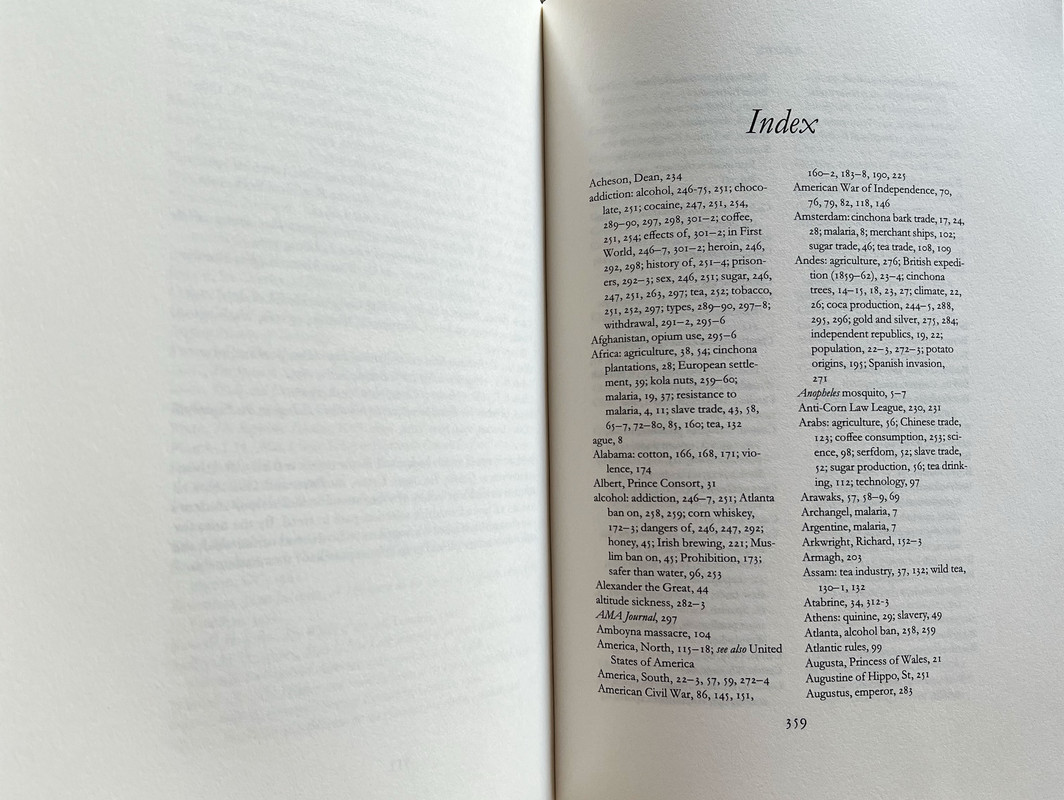
The book has xxiv + 372 pages, extensive notes, a bibliography and index. The preface is by the author, and there are four colour and black & white plates for each plant (24 in total). Line drawn maps and tables are scattered through the text. It is quarter-bound in brown cloth with Modigliani paper sides printed on both covers with a colour design of the plants by Neil Packer. The pale green endleaves are printed in brown with a map of the world showing the routes of East India ships to China from England. The plain green slipcase measures 26.2x18.3cm.

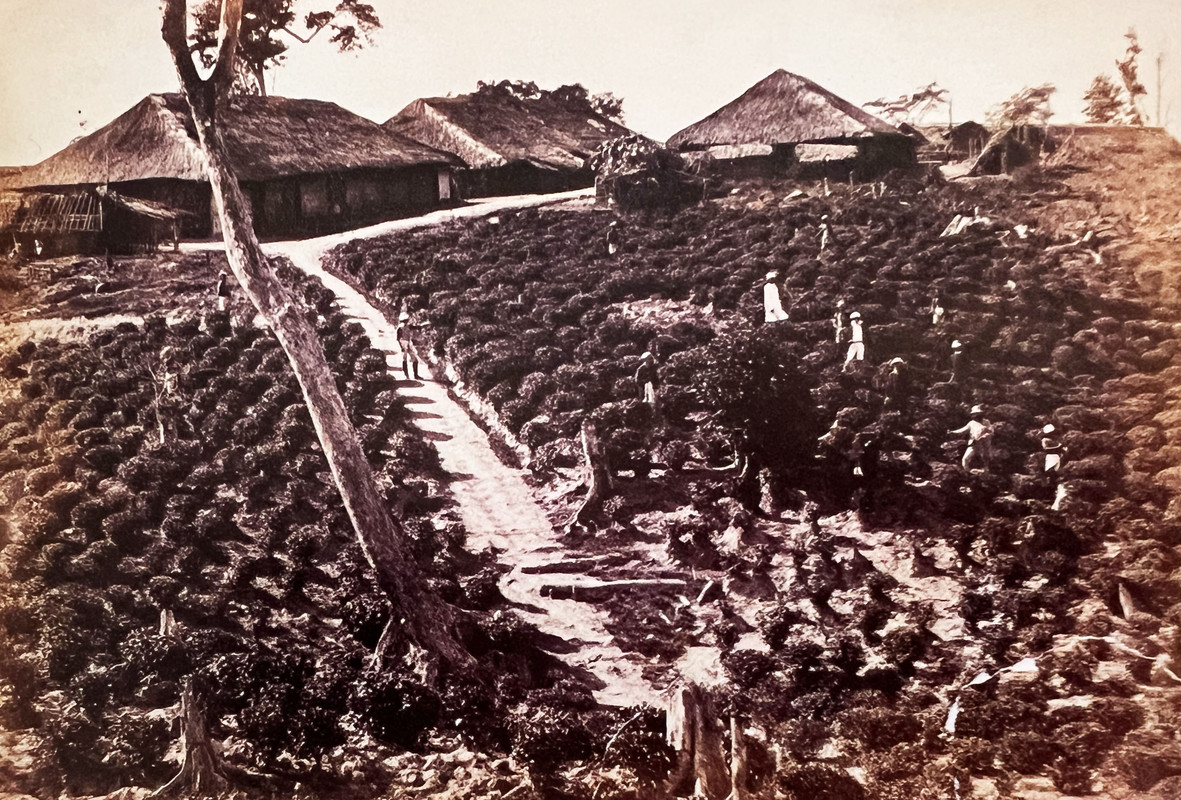
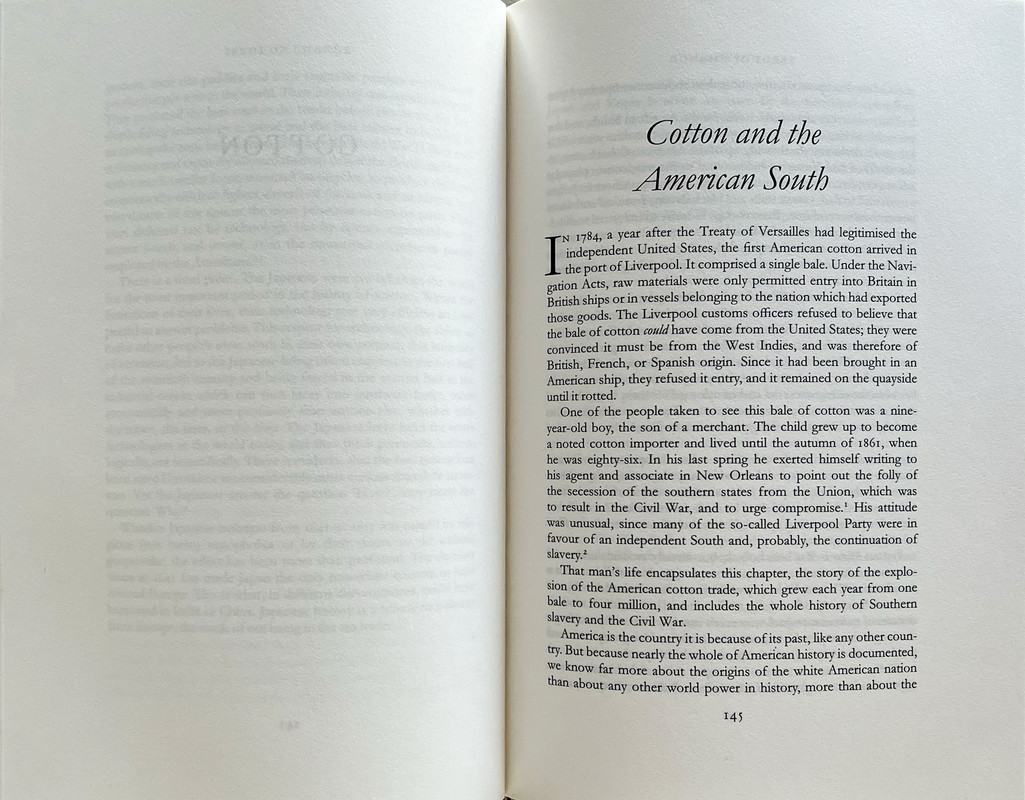
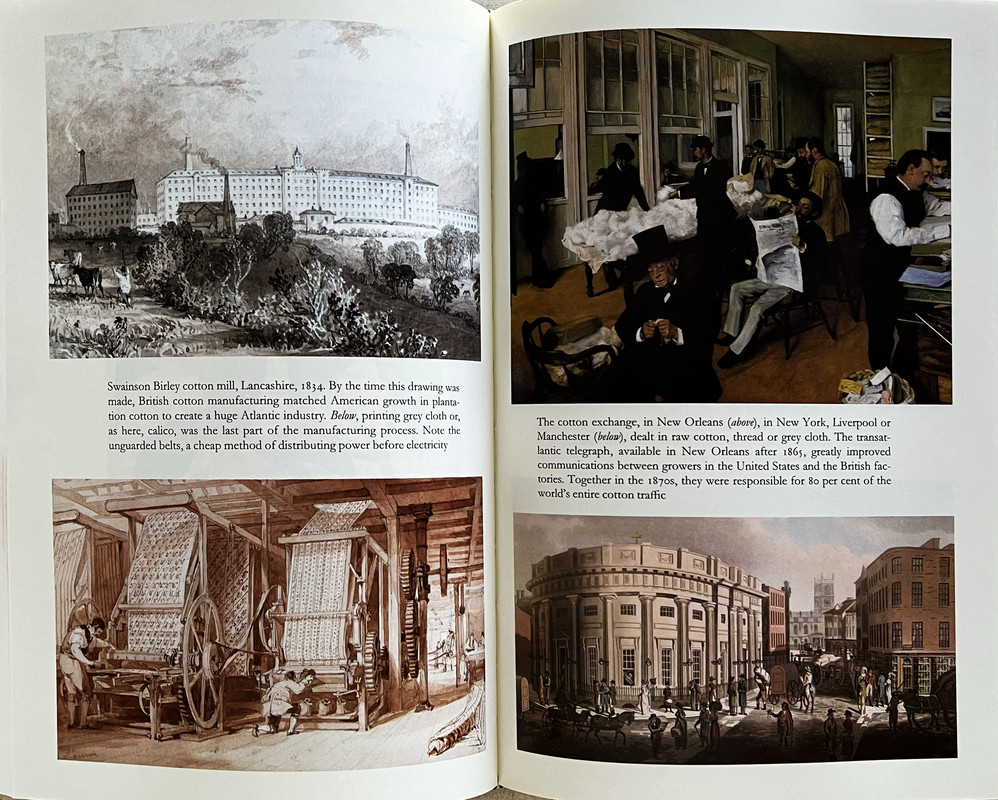
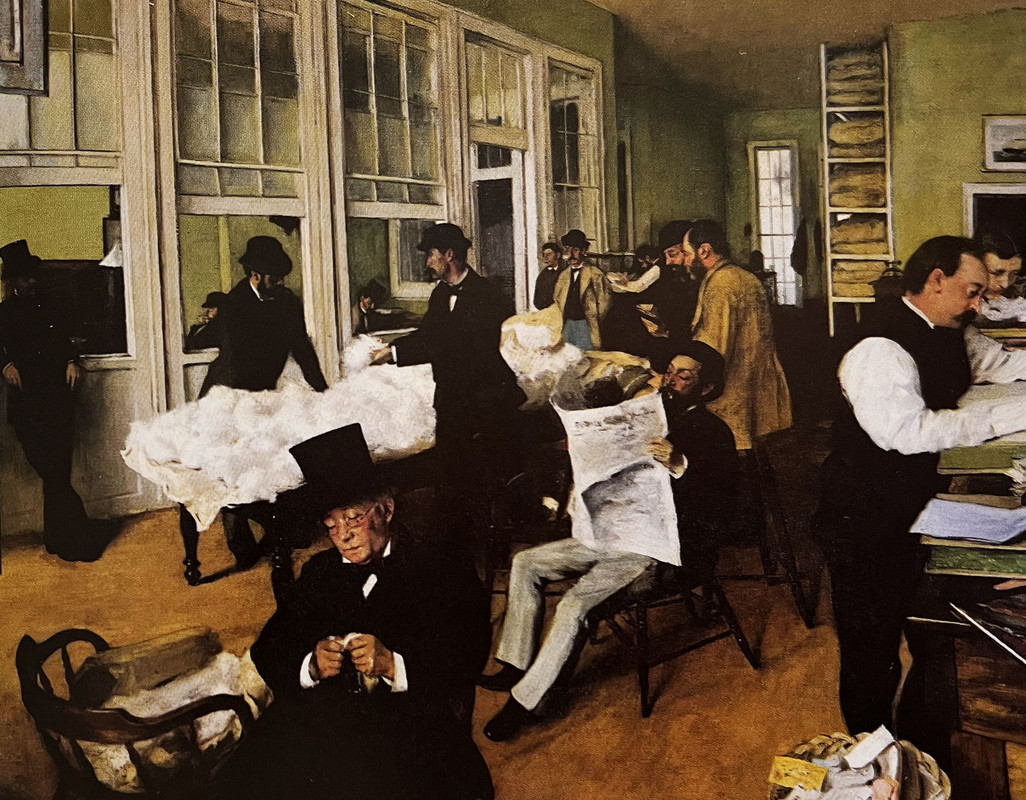




An index of the other illustrated reviews in the "Folio Archives" series can be viewed here.
Hobhouse takes six plants - quinine, sugar, tea, cotton, coca and the potato, and details their fascinating histories and why they are so important to the human race. Although not essential foods, each in their own way has had a marked effect on the way we live.
There were hundreds of varieties of potato in a relatively small area of South America in the Andean mountains of modern Ecuador and Peru in the 16th. century, but from there they have spread to become a staple of almost every diet worldwide. Sugar and cotton were built on slavery, quinine (another South American native) has saved countless lives from malaria, coca has been the base of everything from local anaesthetics to highly addictive drugs, and tea, once only grown in China, became a cult drink in 17th. century Britain before almost destroying China in the opium wars.
The importance and history of these plants is fascinating, and their stories are very well told in an entertaining style.
The book has xxiv + 372 pages, extensive notes, a bibliography and index. The preface is by the author, and there are four colour and black & white plates for each plant (24 in total). Line drawn maps and tables are scattered through the text. It is quarter-bound in brown cloth with Modigliani paper sides printed on both covers with a colour design of the plants by Neil Packer. The pale green endleaves are printed in brown with a map of the world showing the routes of East India ships to China from England. The plain green slipcase measures 26.2x18.3cm.
An index of the other illustrated reviews in the "Folio Archives" series can be viewed here.
2PartTimeBookAddict
One of my favourite FS volumes and one of the first I collected. A worthwhile read, and easily attainable at an affordable price. Highly recommended.
3coynedj
I almost bought this when it was first published - maybe I should take a look at the secondary market. It looks superb.
4BorisG
Enabled, thank you! (The price for like-new copies on the AbeBooks is less than a regular edition from Amazon…)
5antinous_in_london
>2 PartTimeBookAddict: I picked up a mint sealed copy last year for £5. 1/3rd the price of buying a new paperback copy - madness !
6PartTimeBookAddict
For anyone who enjoys this kind of history of food, I would also recommend "Salt" by Mark Kurlansky.
Not FS, but a very widely available book.
Not FS, but a very widely available book.

