A Voyage to the South Seas by Lt. William Bligh – LIMITED EDITIONS CLUB 1975
Talk George Macy devotees
Join LibraryThing to post.
1wcarter
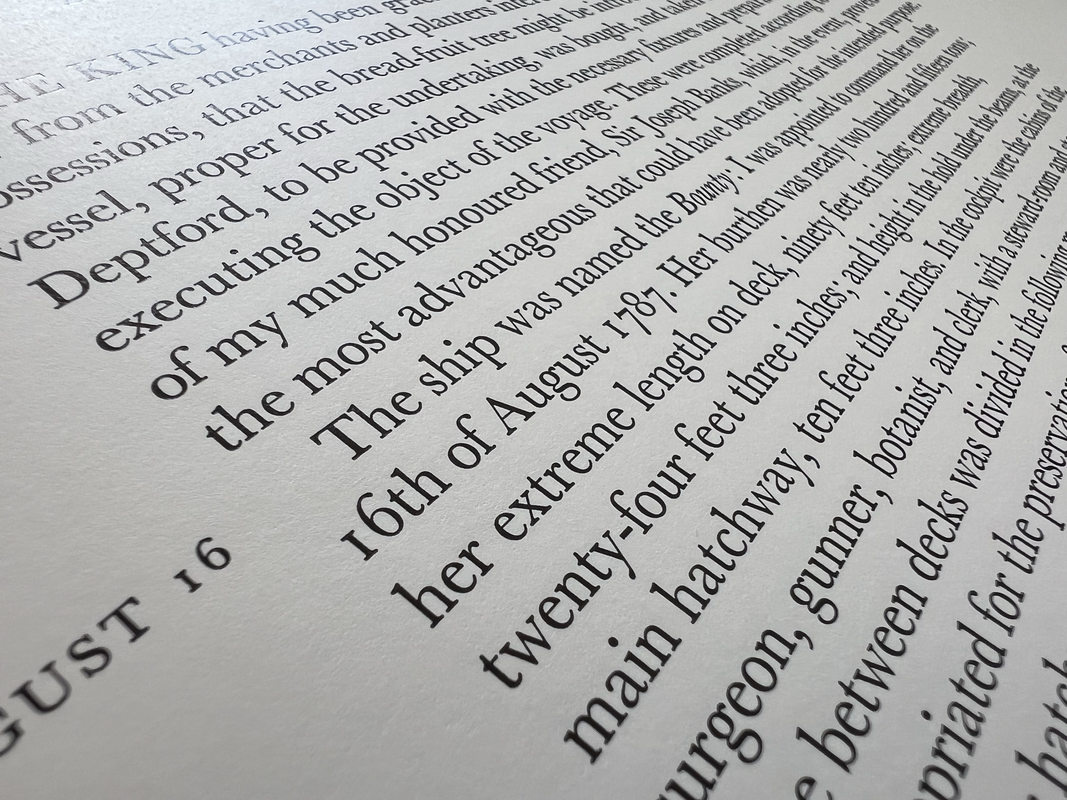
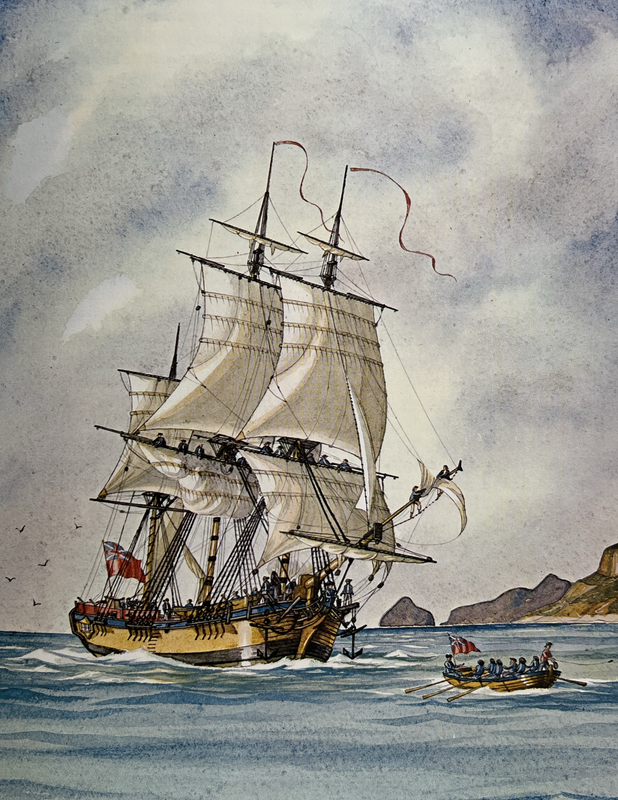
A Voyage to the South Seas Undertaken by Command of His Majesty for the Purpose of Conveying the Bread-Fruit Tree to the West Indies in His Majesty’s Ship Bounty Commanded by Lt. William Bligh Including an Account of the Mutiny on Board the said Ship and the Subsequent Voyage of Part of the Crew in the Ship’s Boat from Tofoa, One of the Friendly Islands, to Timor, a Dutch Settlement in the East Indies – LIMITED EDITIONS CLUB 1975
A PICTORIAL REVIEW
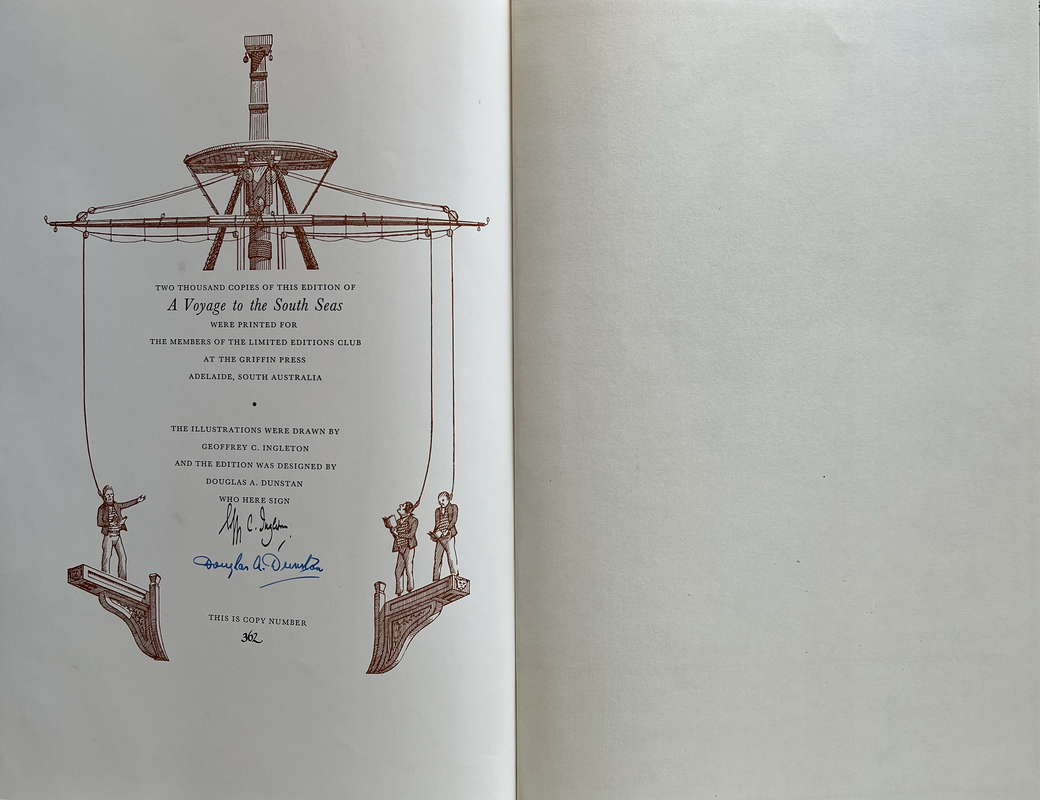
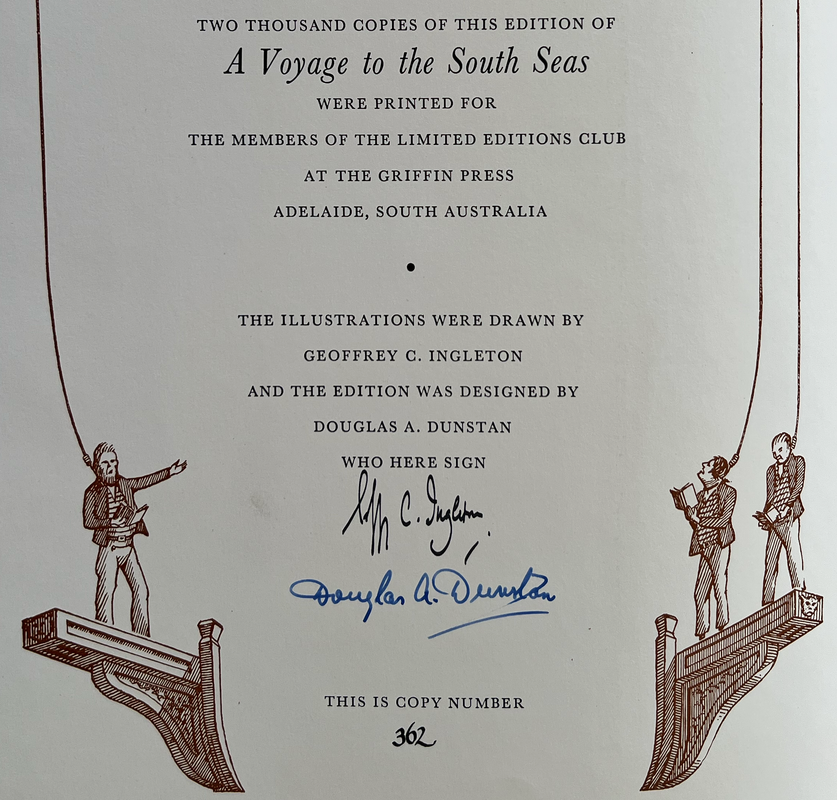
No. 362 of 2000
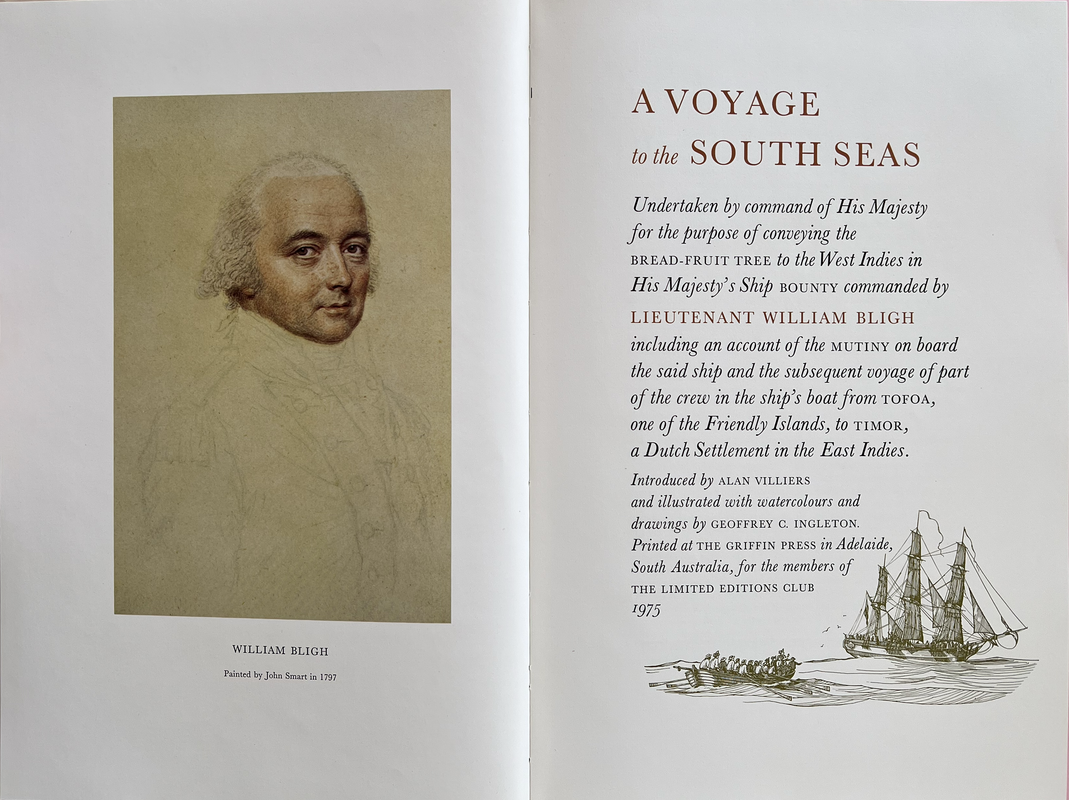
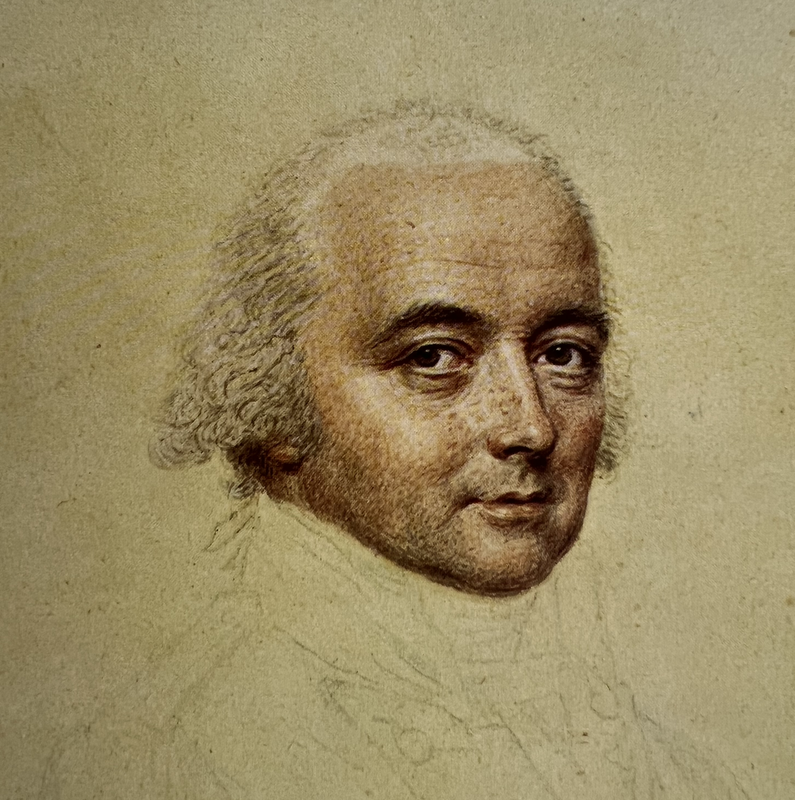
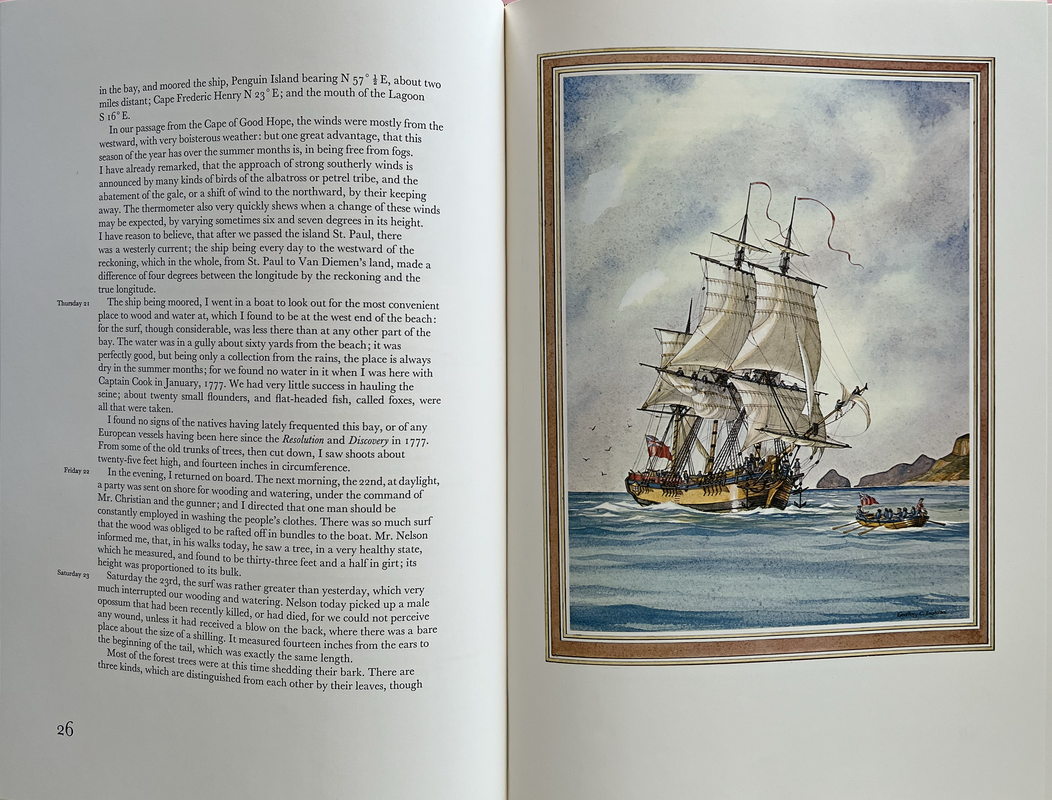
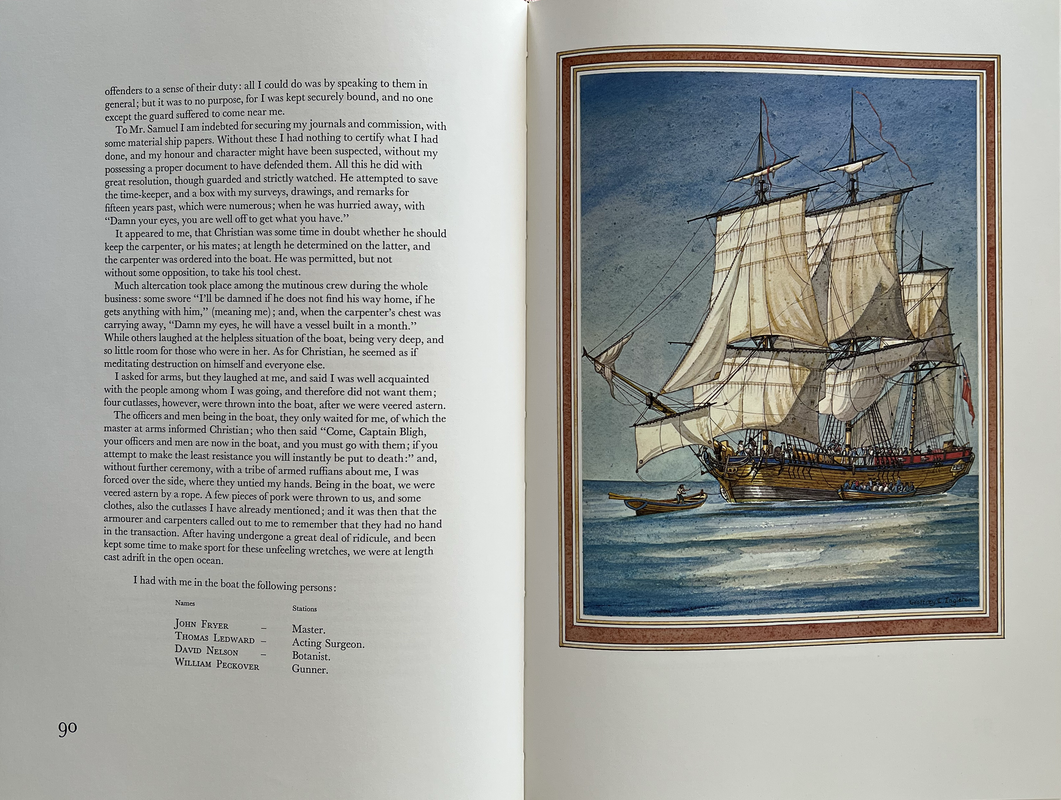
Colour frontispiece portrait of William Bligh by John Smart 1797.
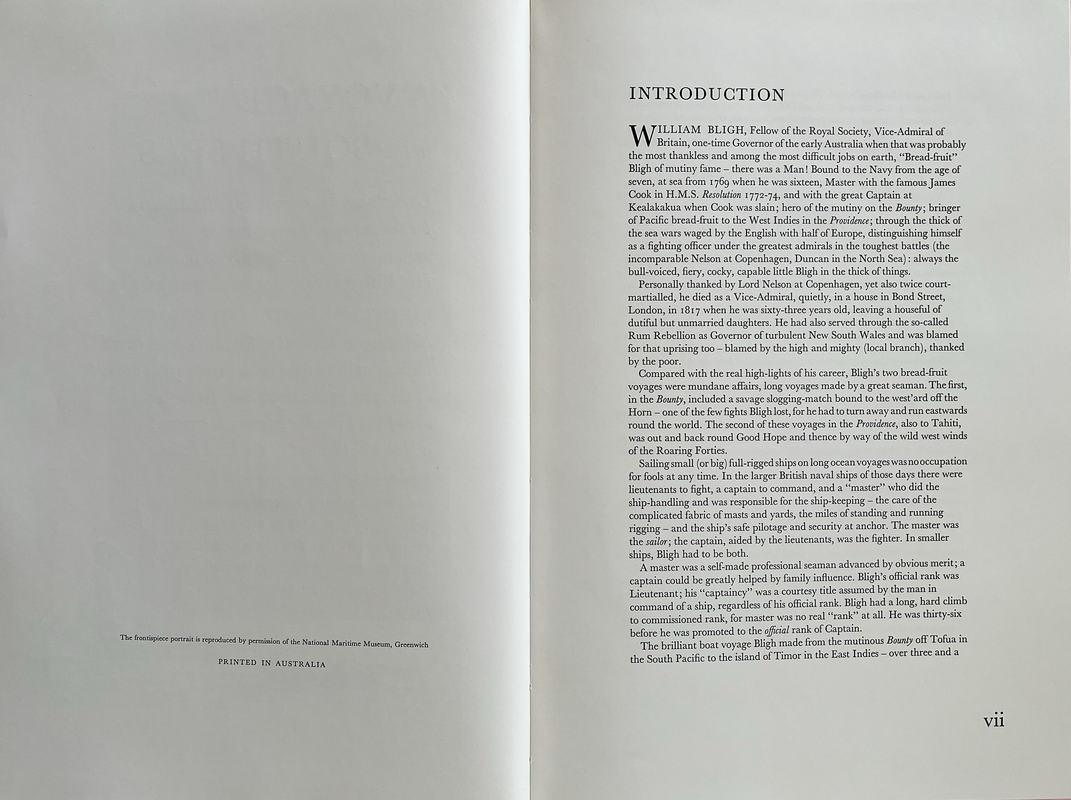
Introduced by Alan Villiers.
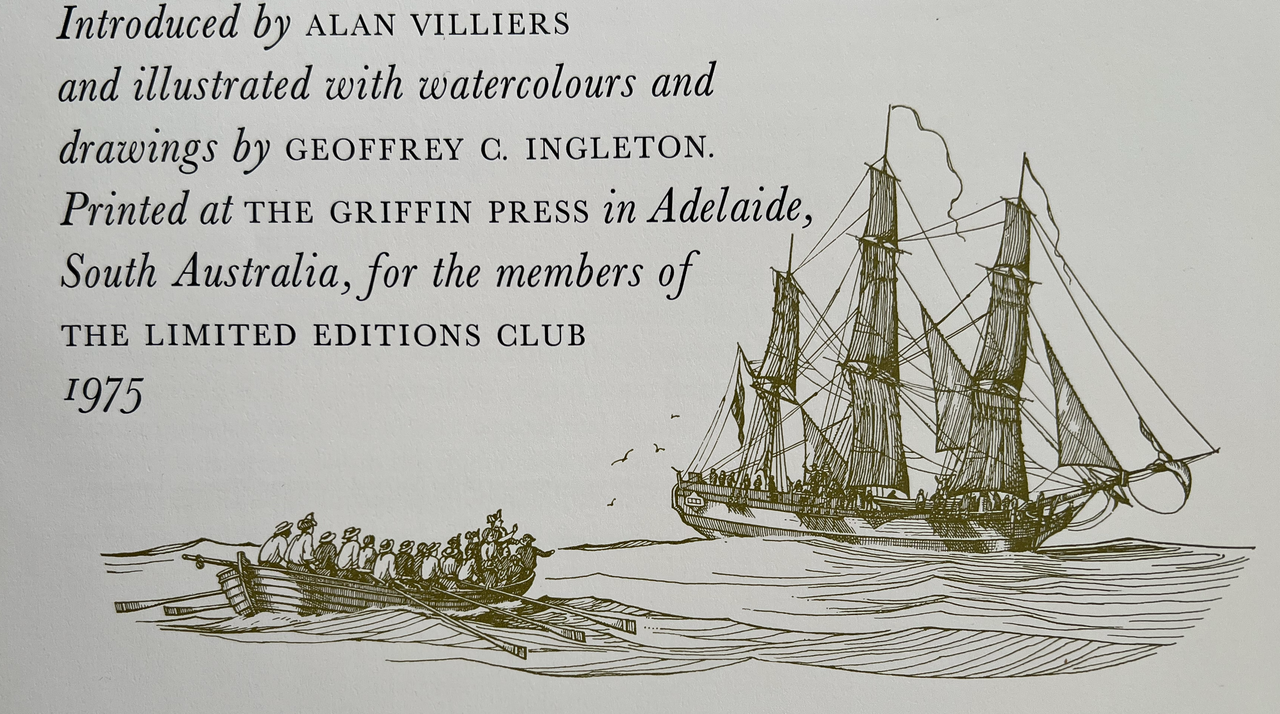
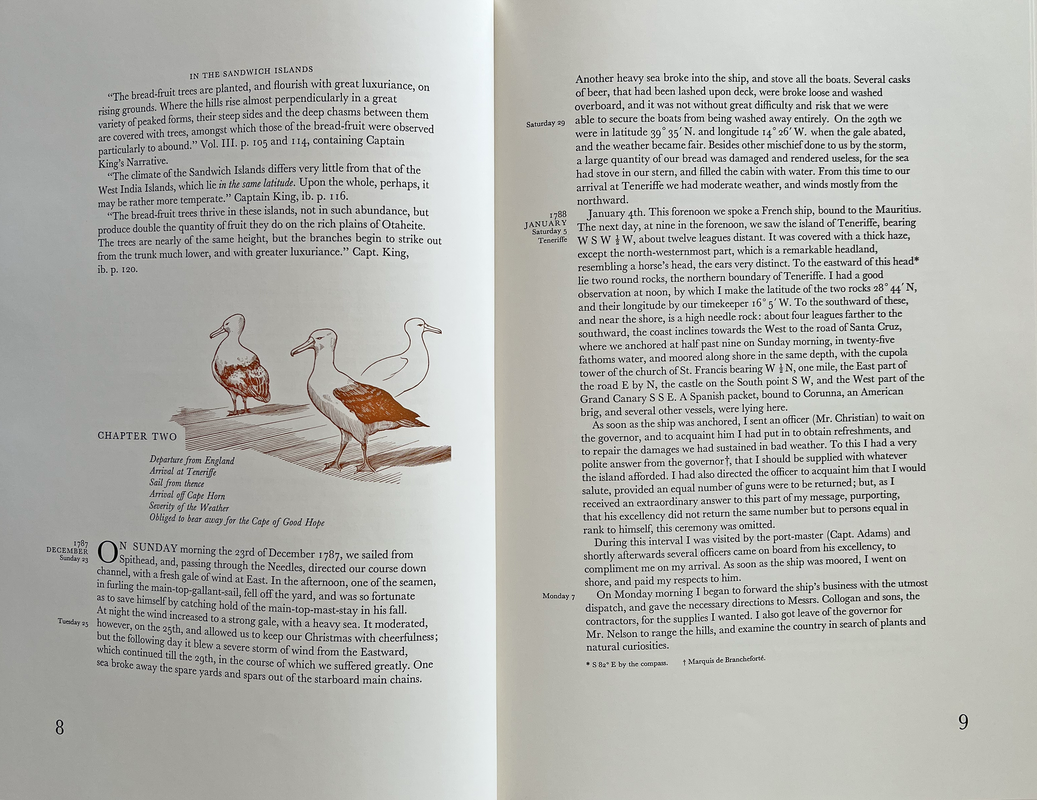
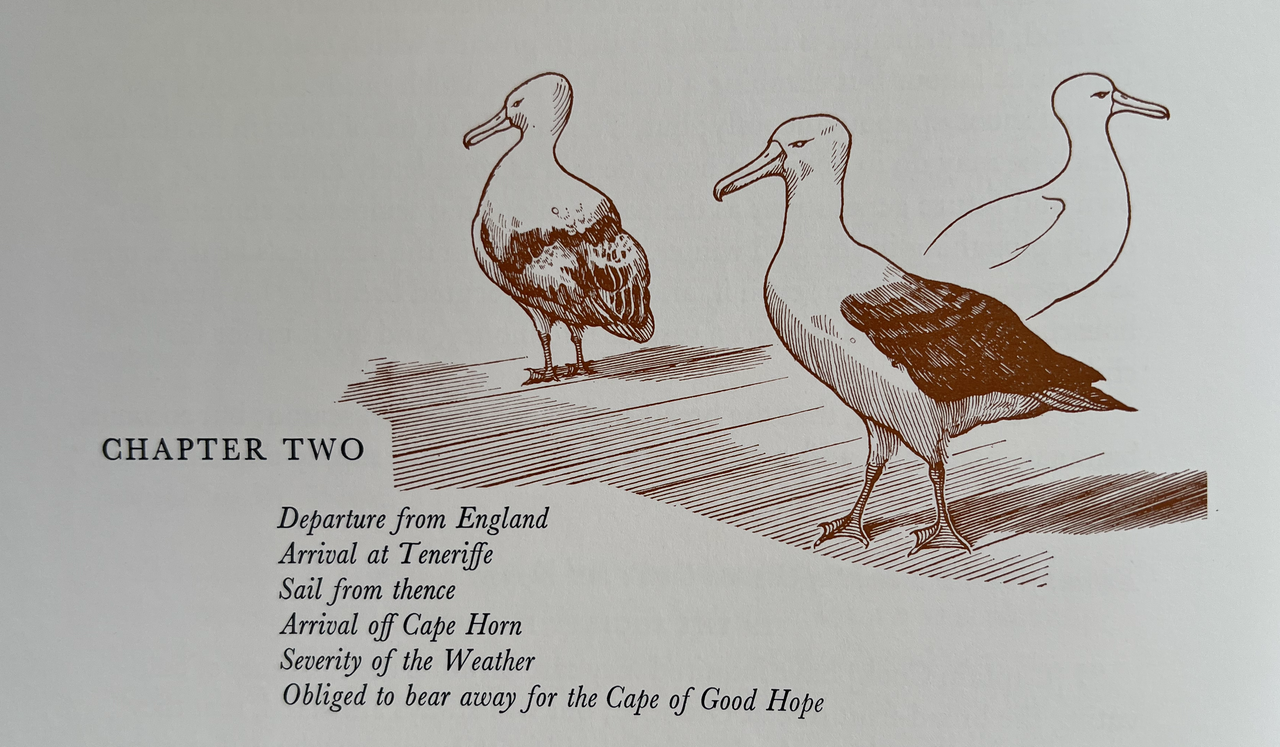
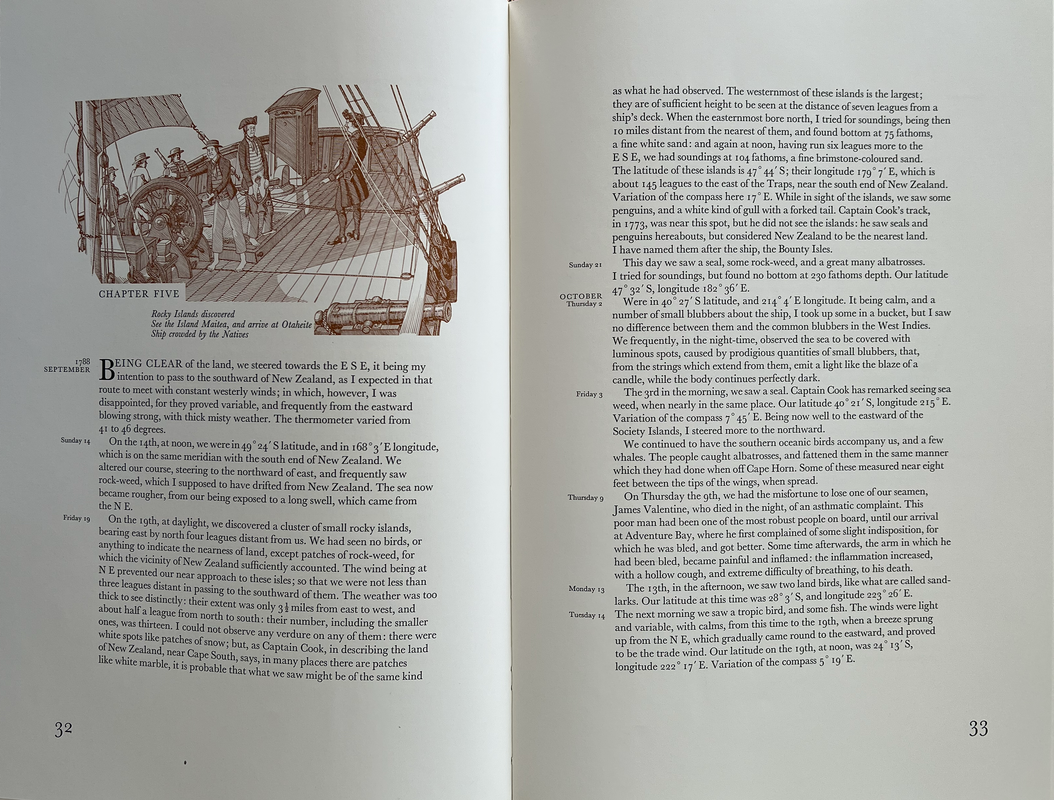
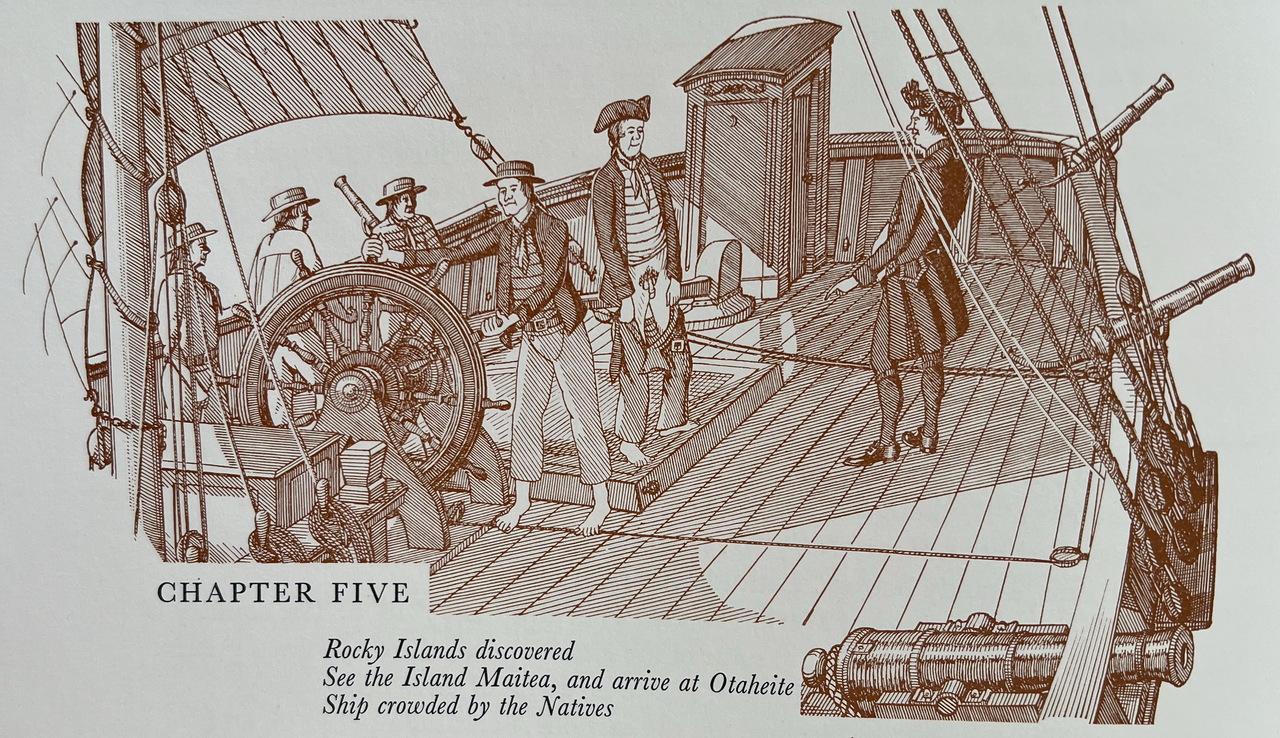
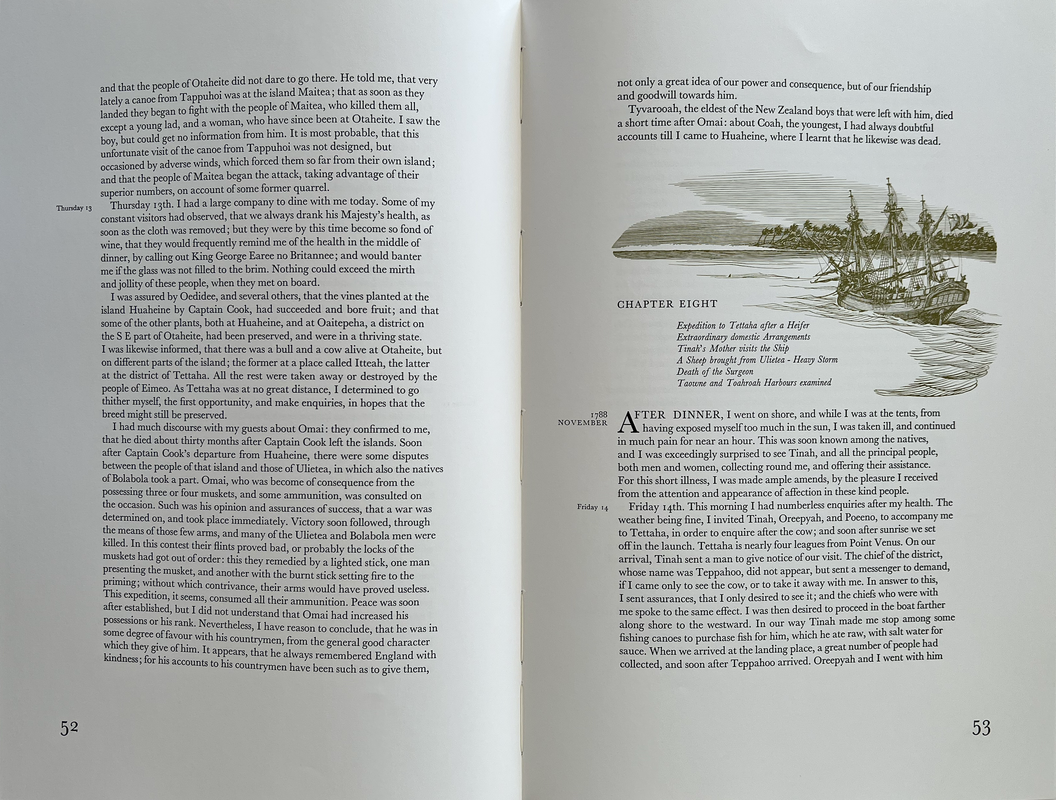
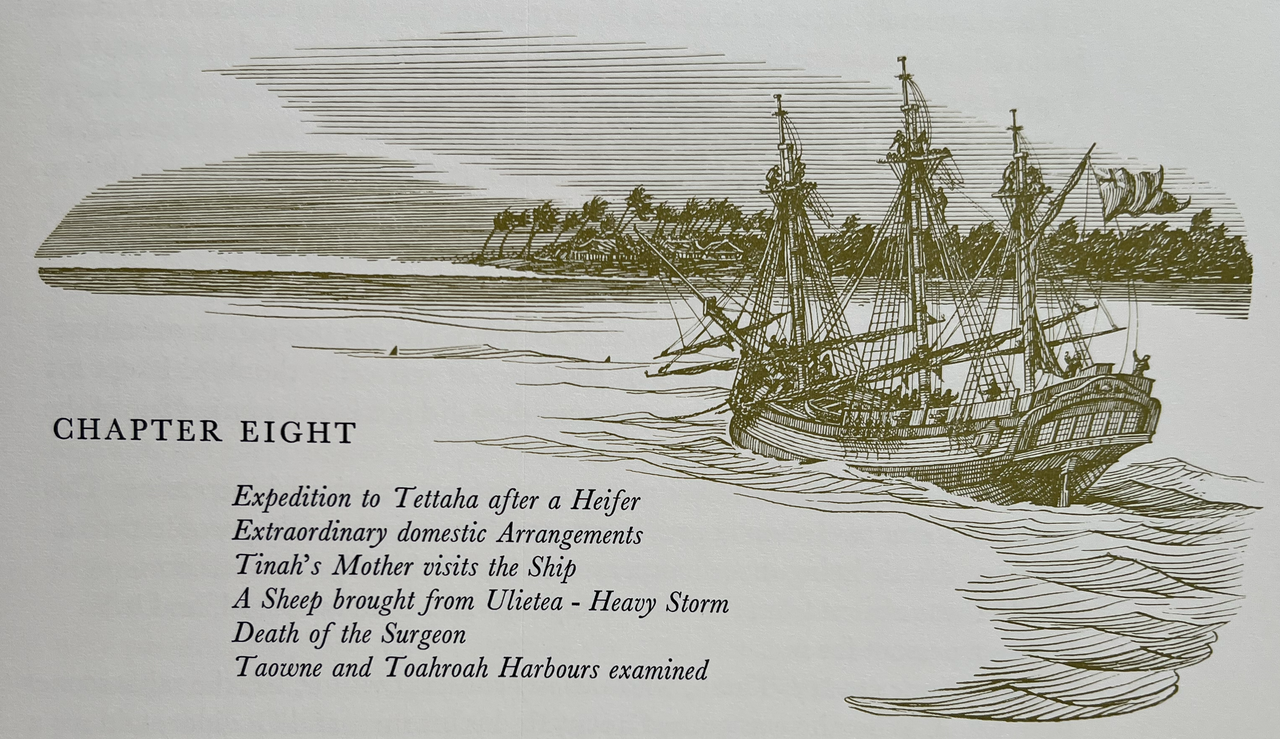
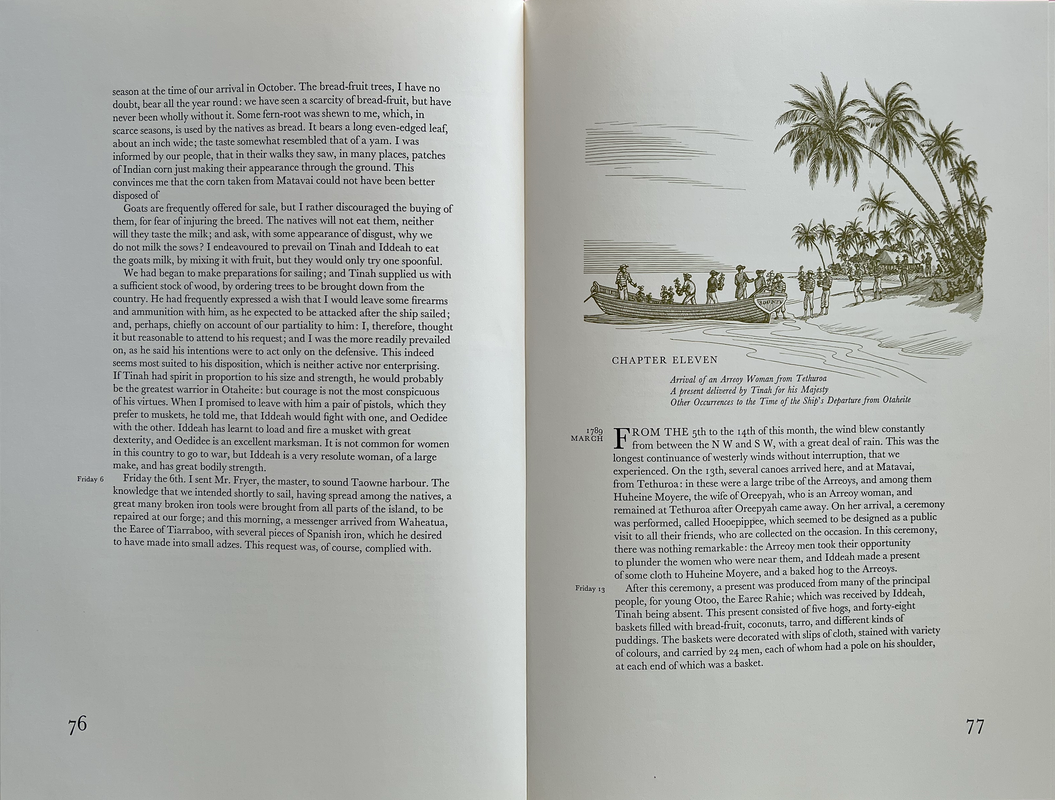
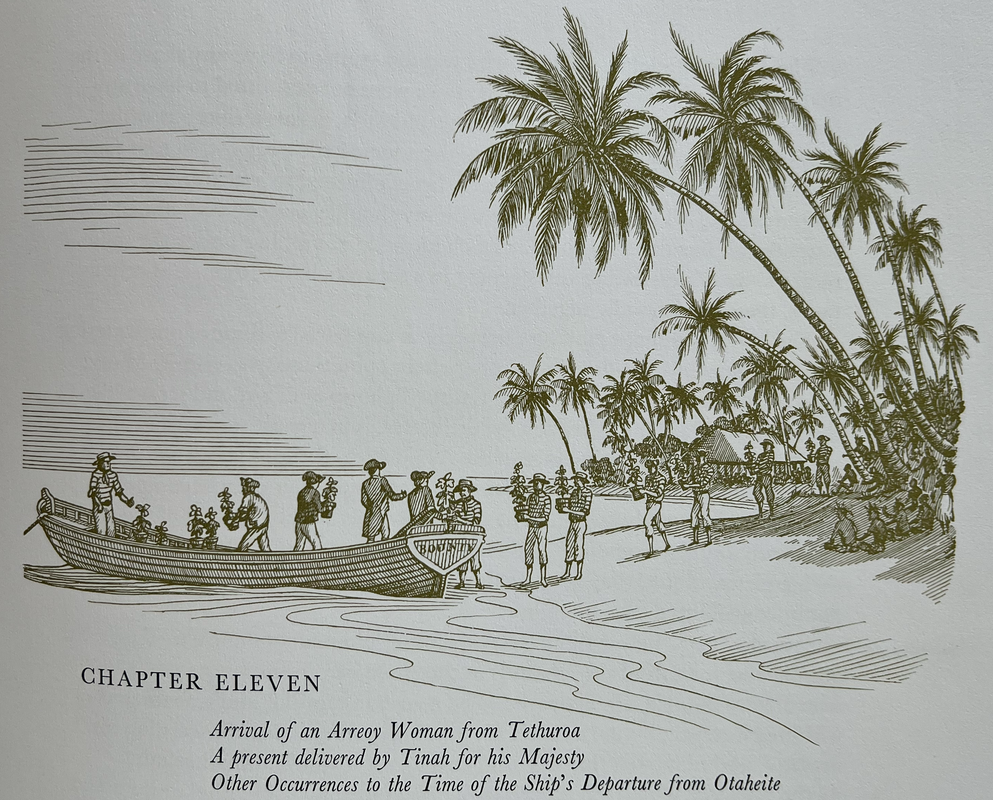
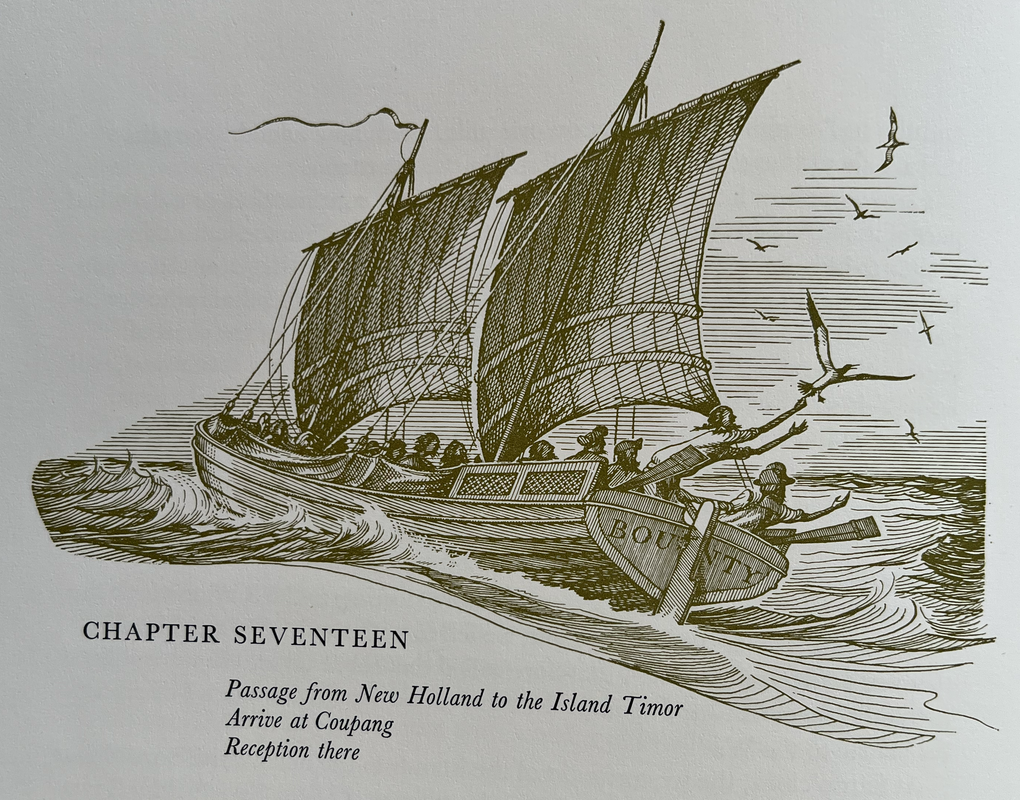
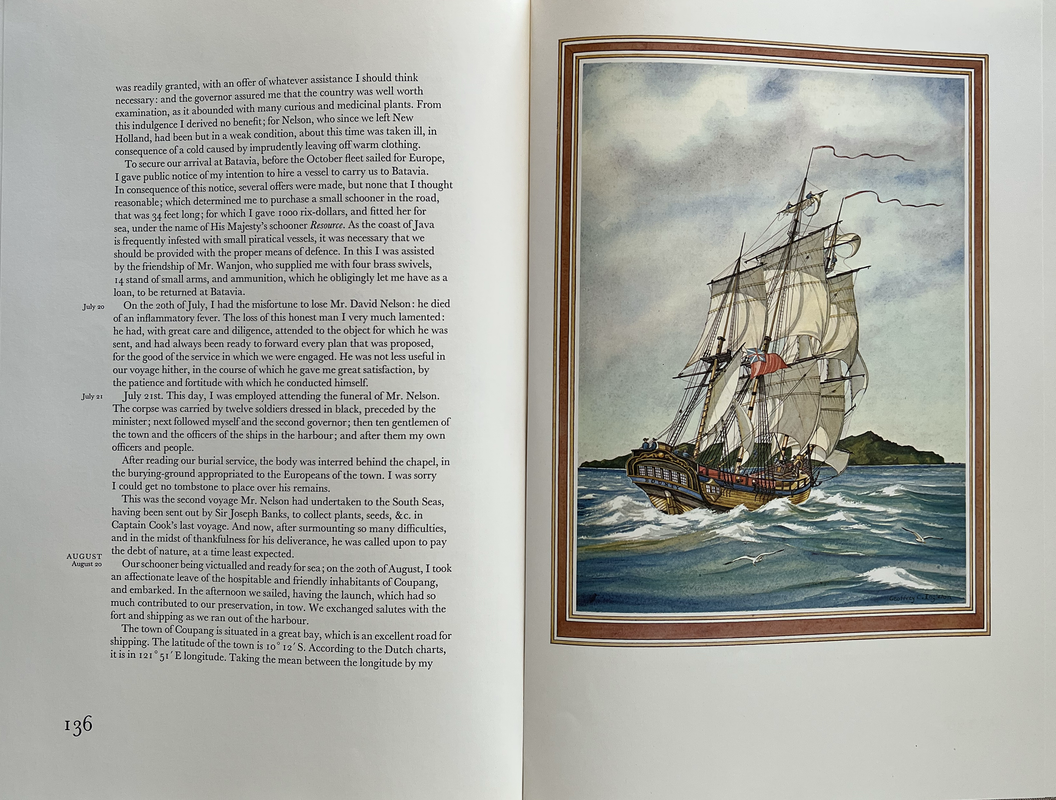
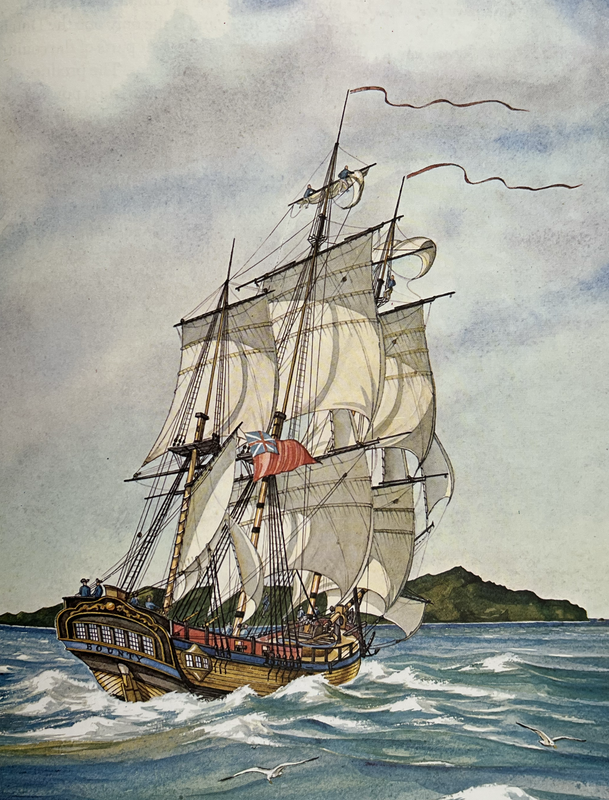
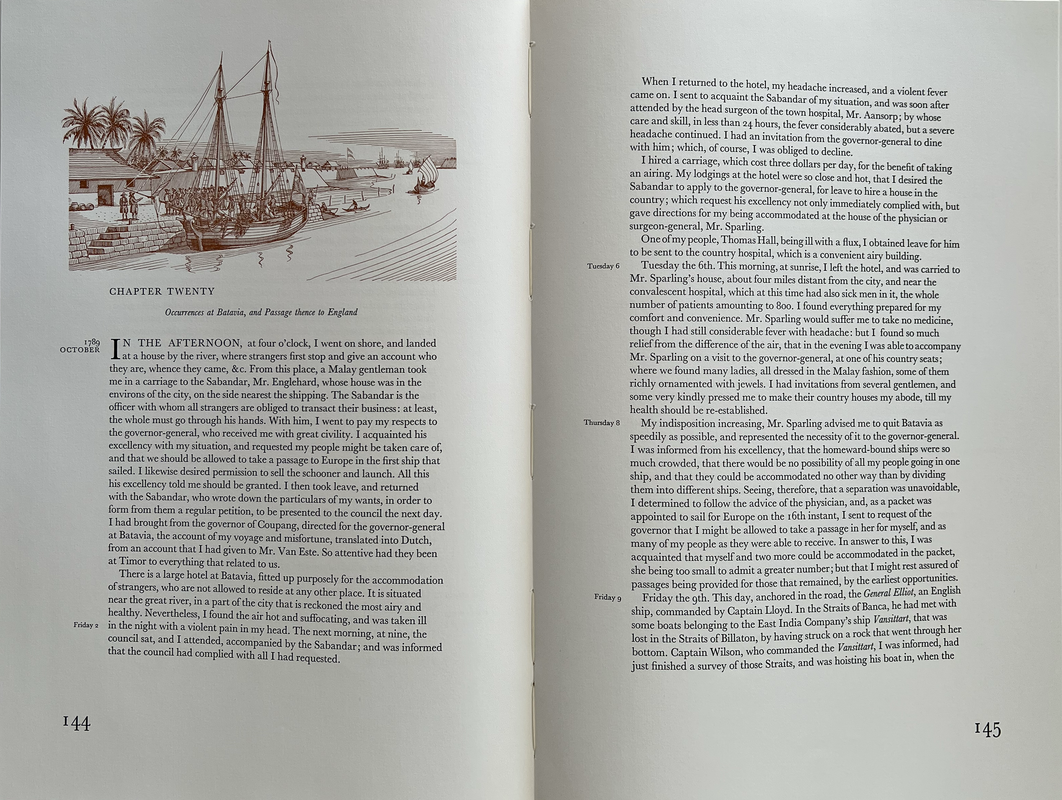
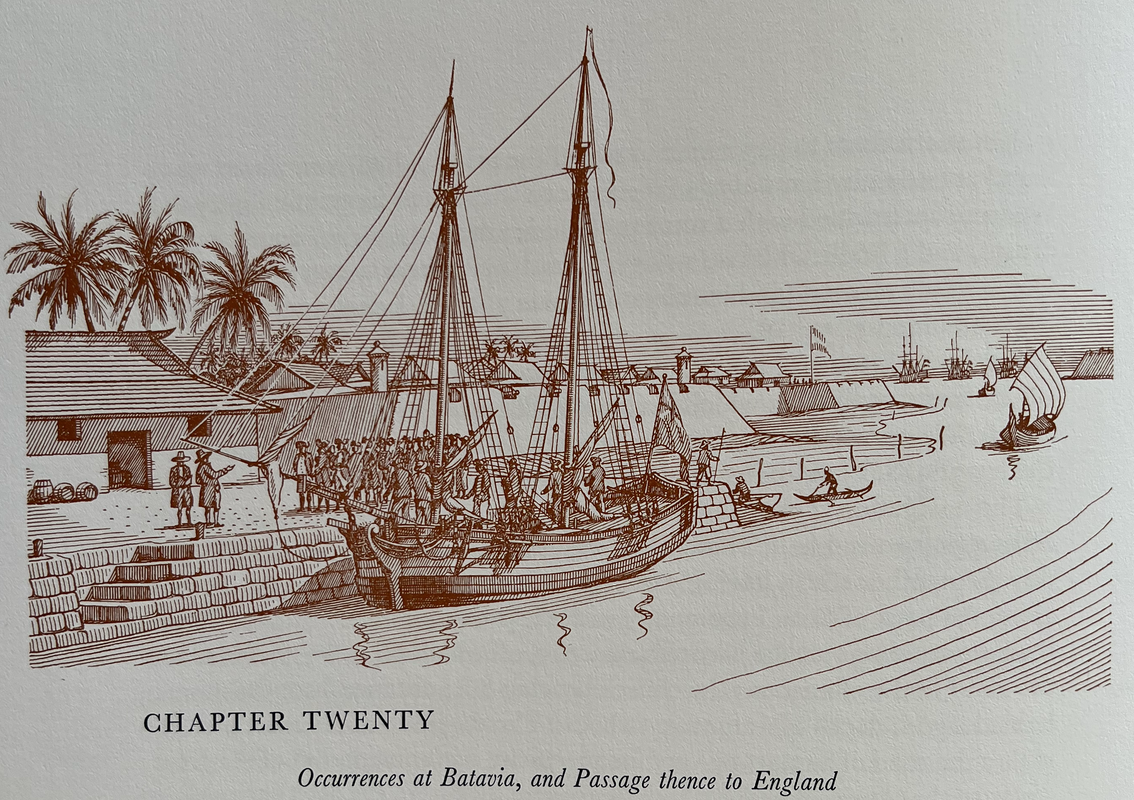
22 monochrome line drawing chapter headers and vignettes by Geoffrey C. Ingleton who signed the book.
Designed and signed by Douglas A. Dunstan
Printed at The Griffin Press in Adelaide, South Australia.
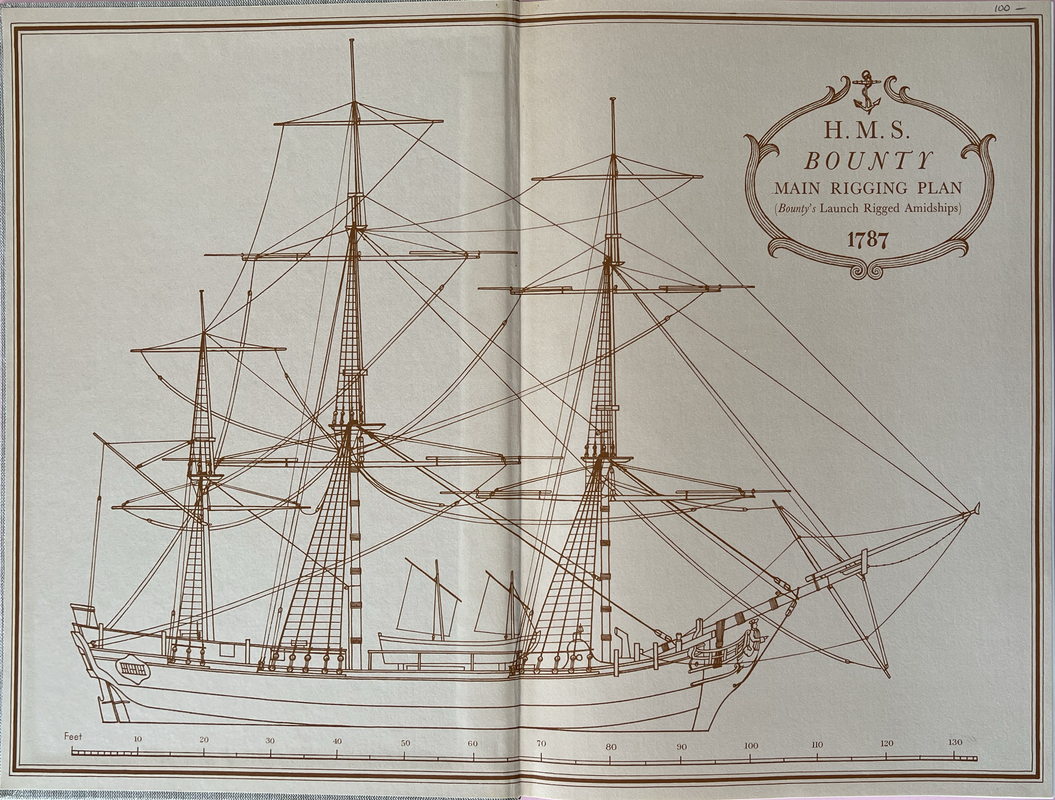
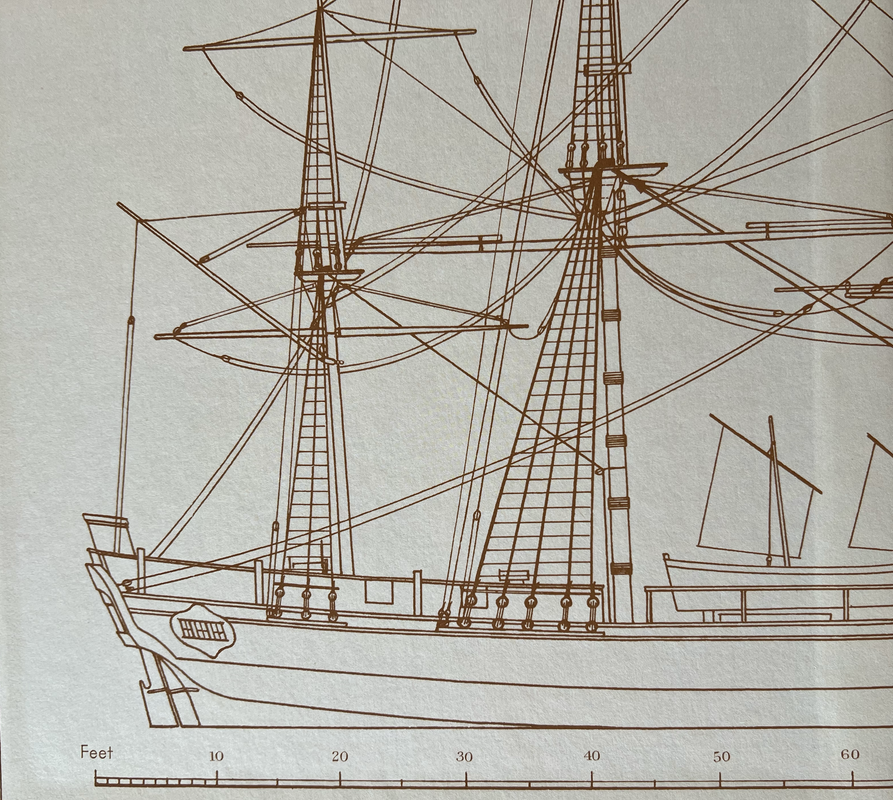
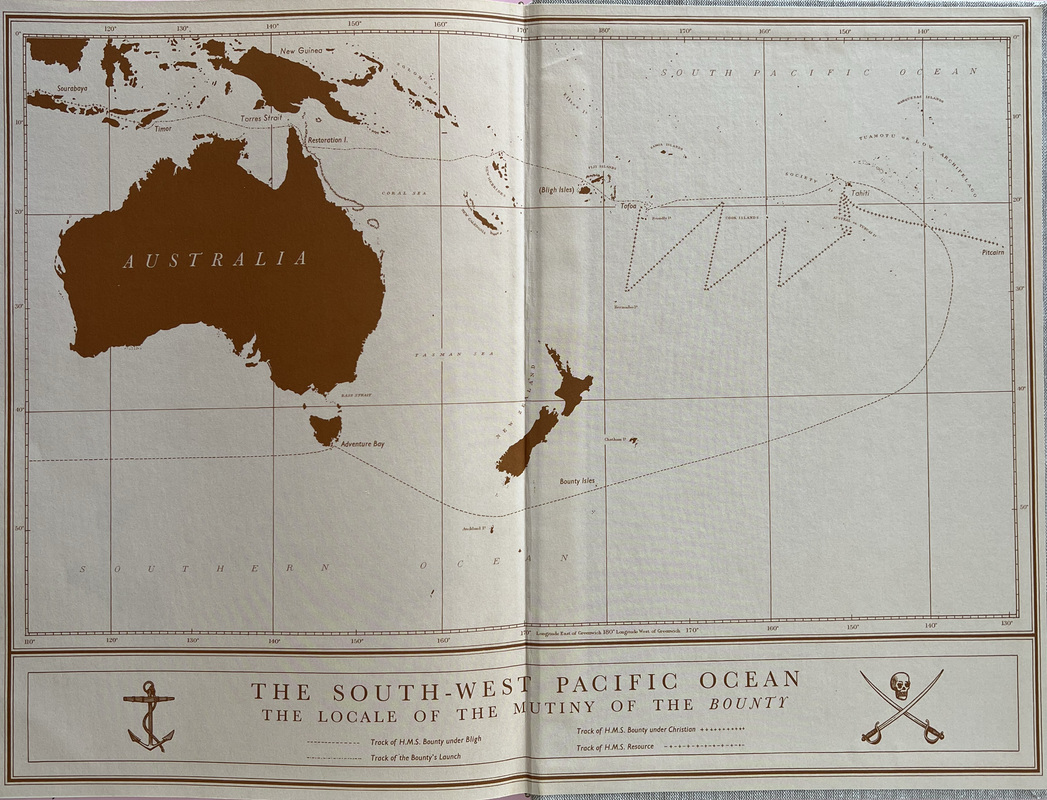
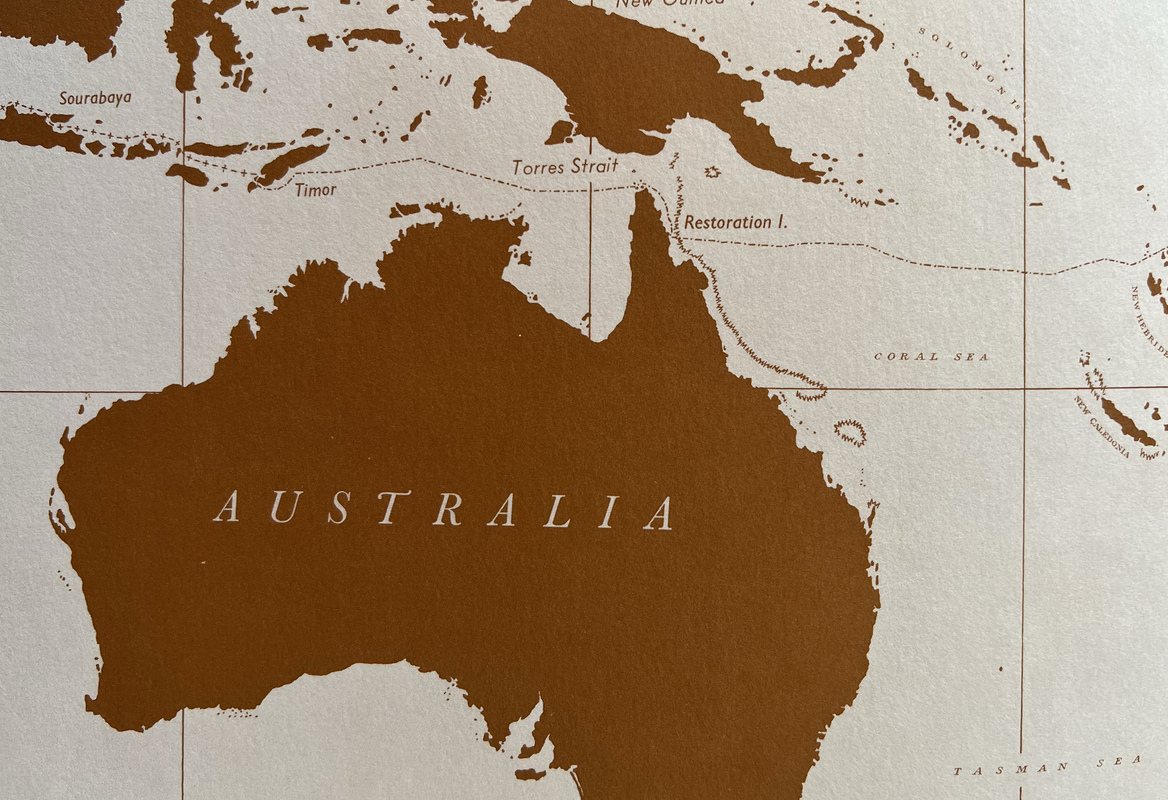
Light brown endpapers printed in brown with a ship diagram at front and a map of the voyage at back.
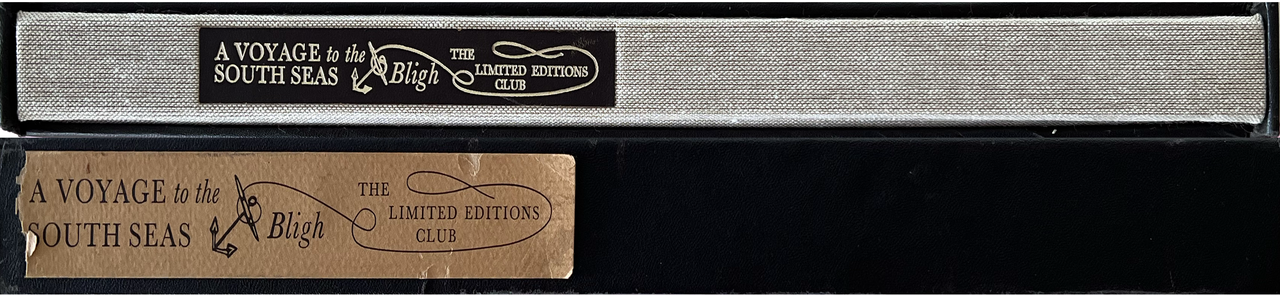
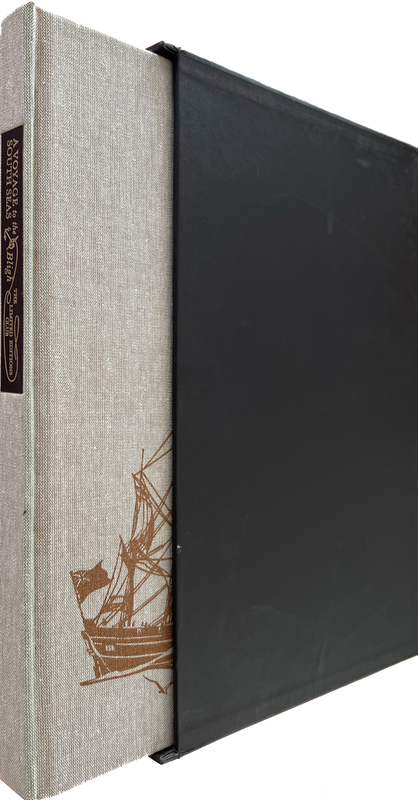
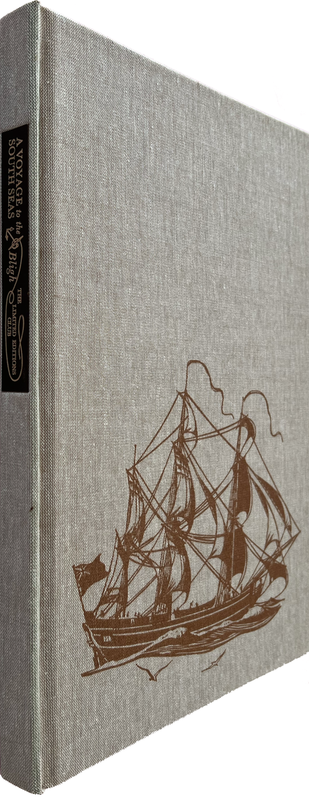
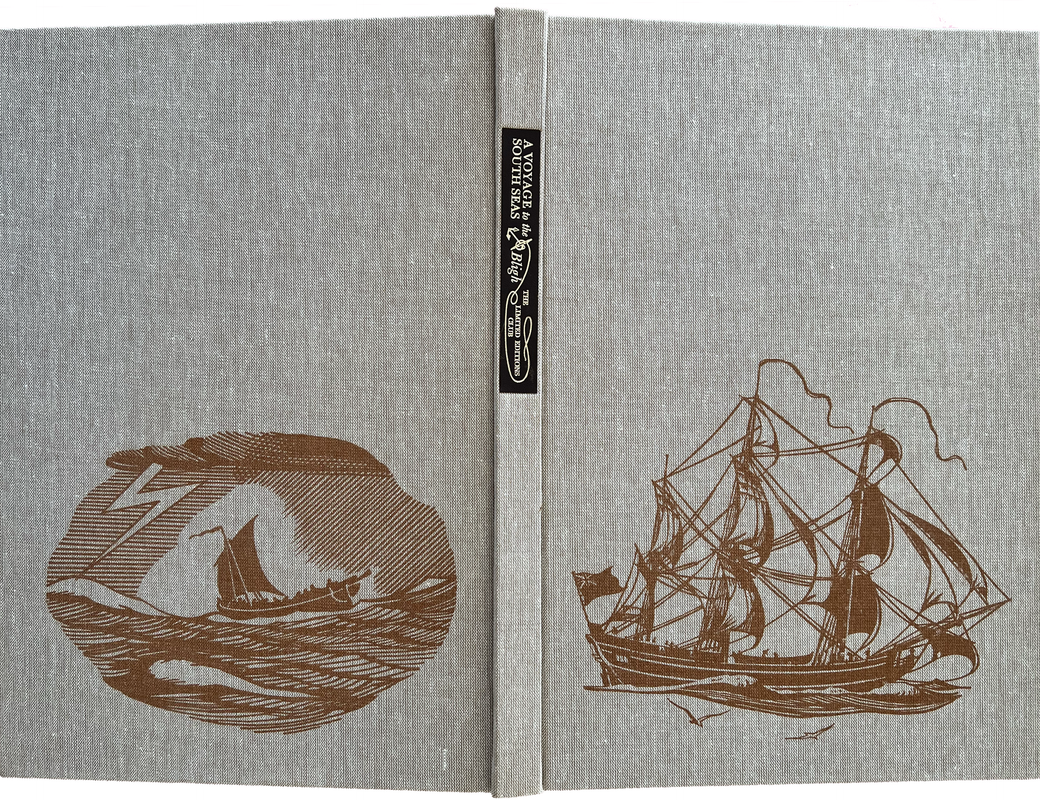
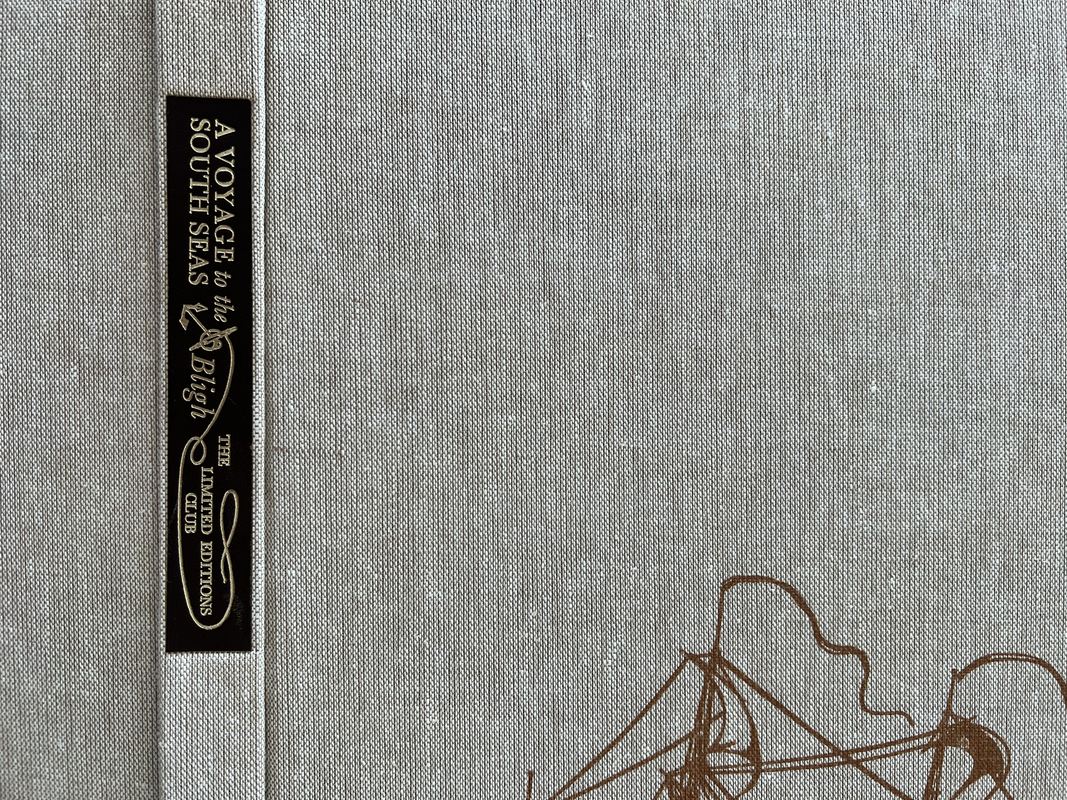
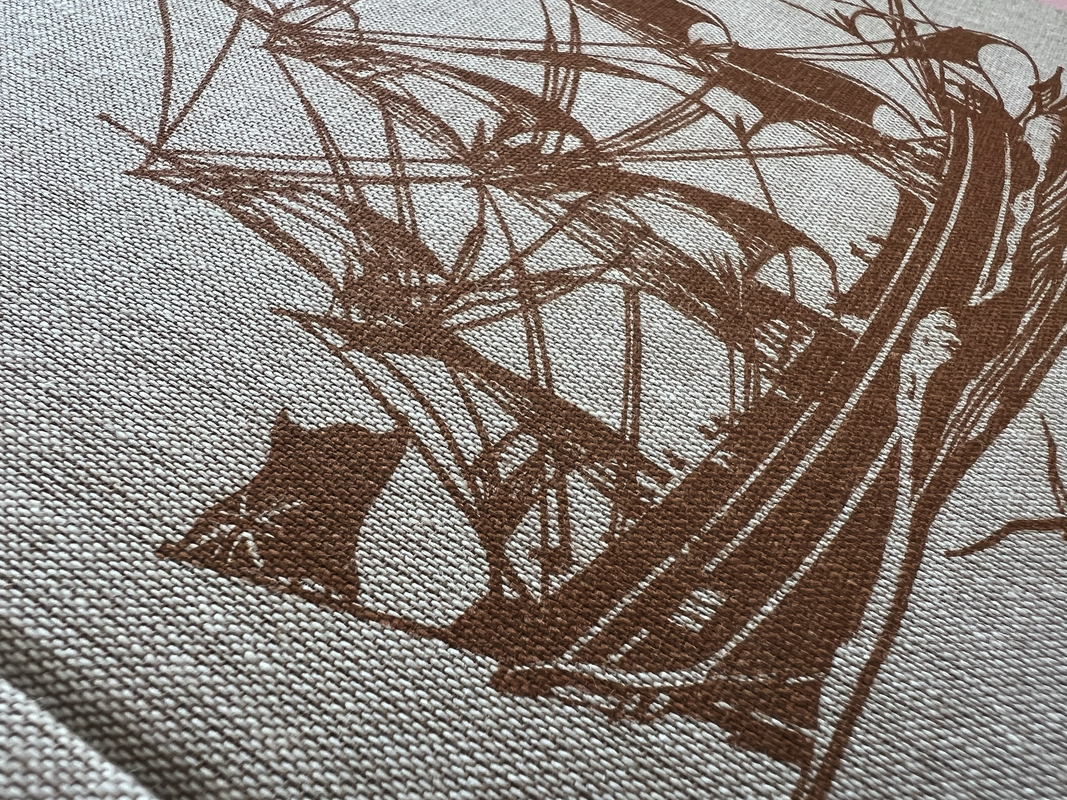
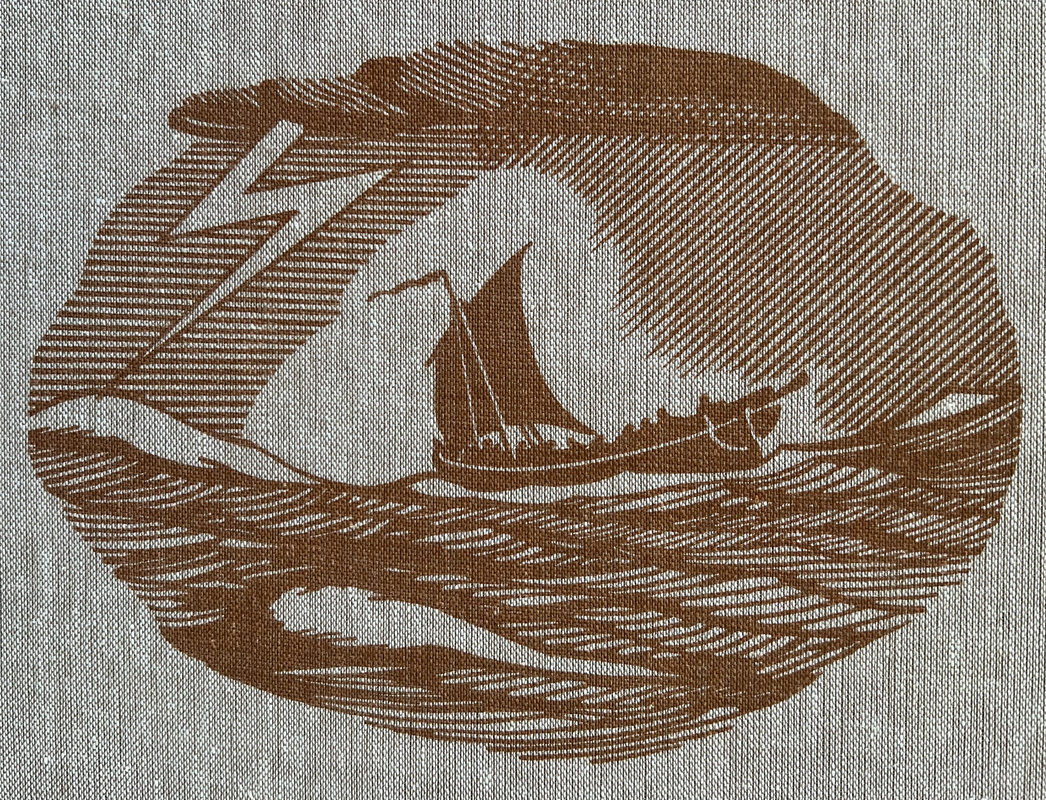
Bound in coarse light brown cloth blocked in brown on covers with a picture, dark brown title label on spine.
Black slipcase with light brown edge title label.
xix+150 pages
37.2x25.7cm.
US$100
One of only two LEC book entirely produced in Australia, the other being the Explorations of Captain James Cook.
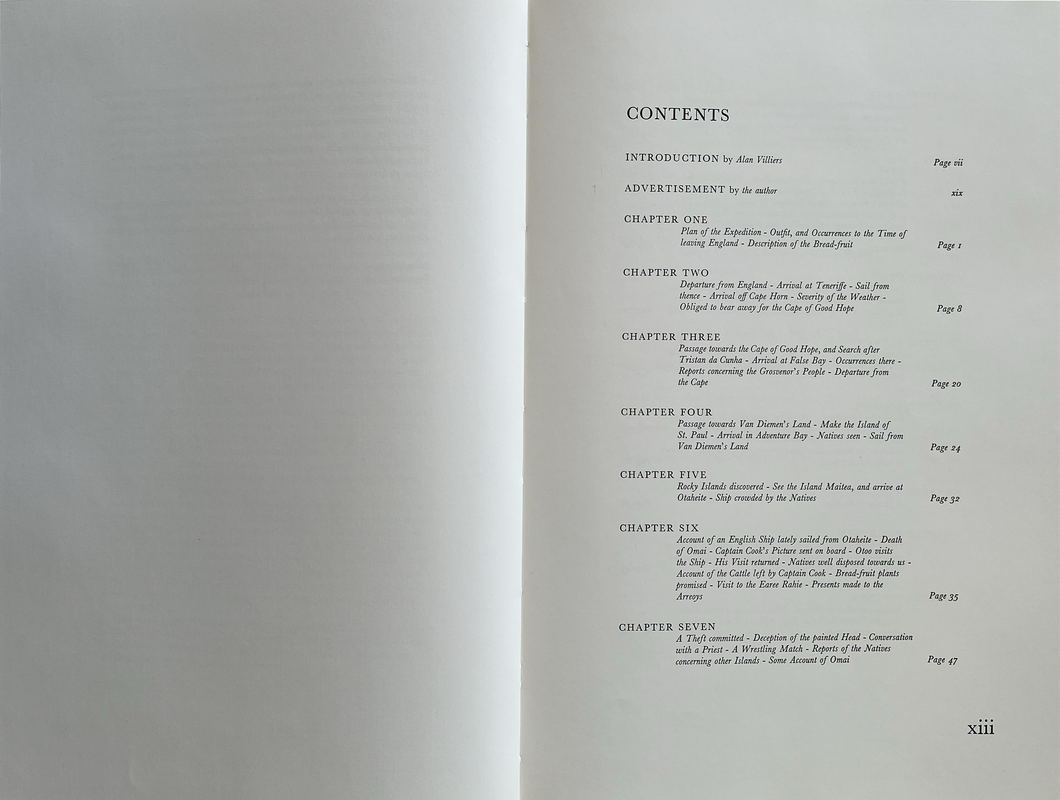
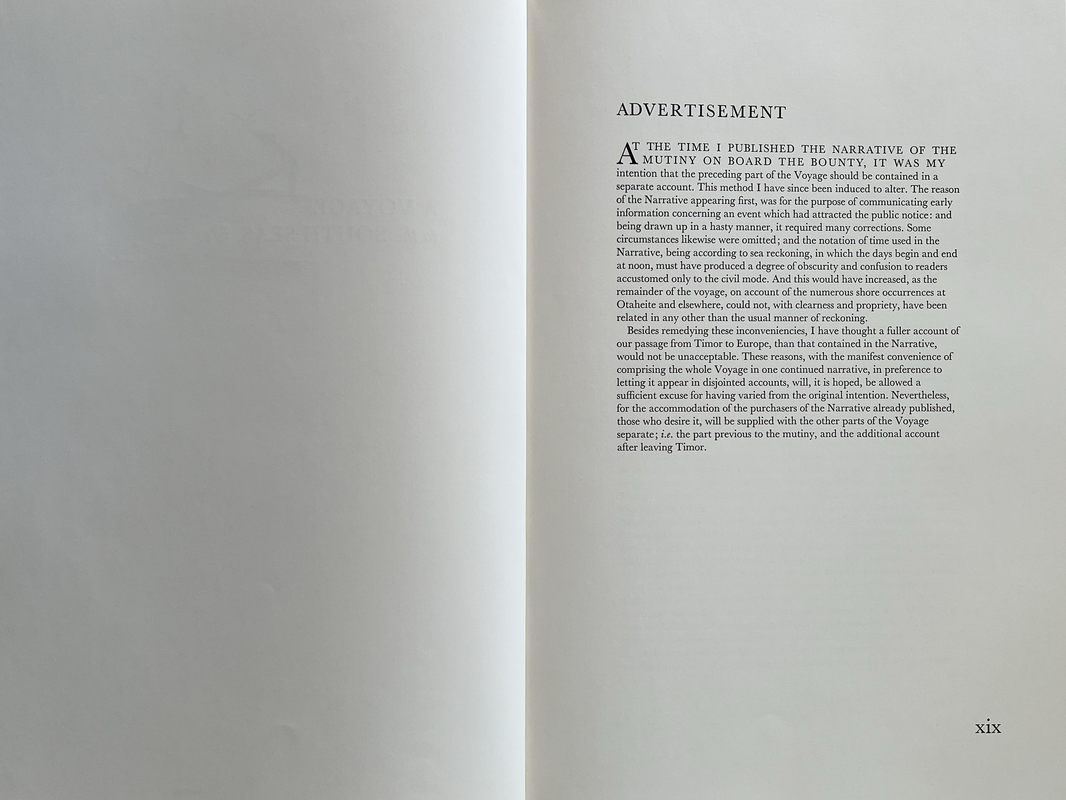
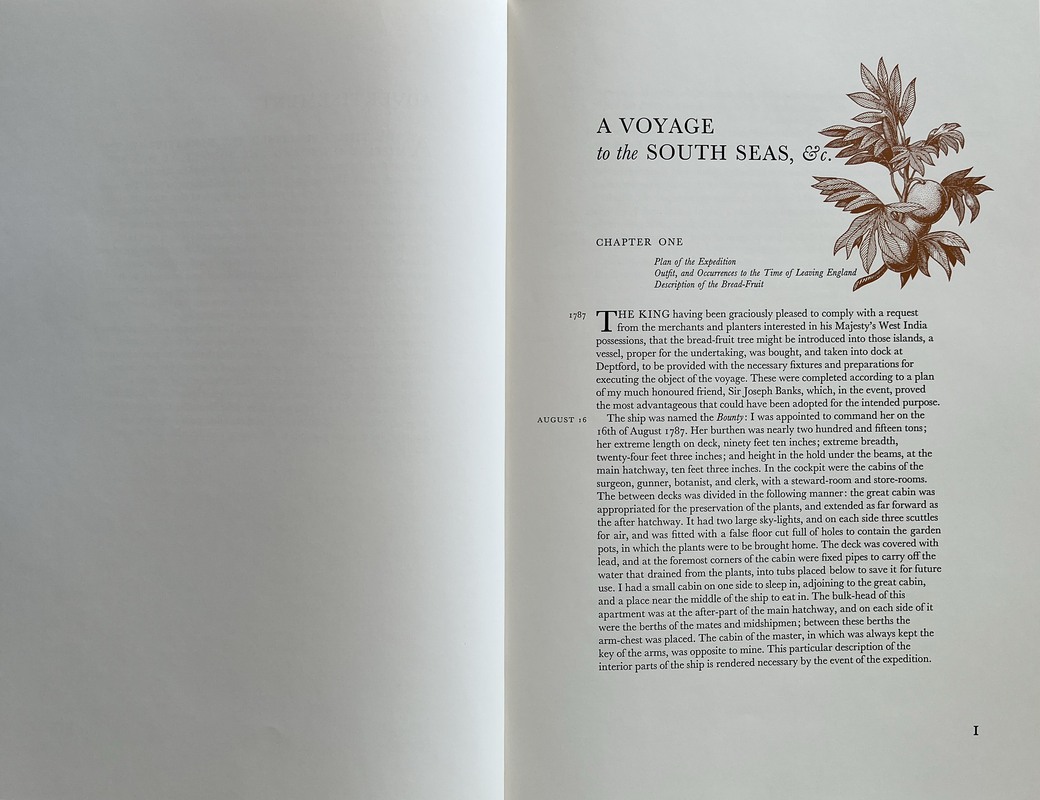
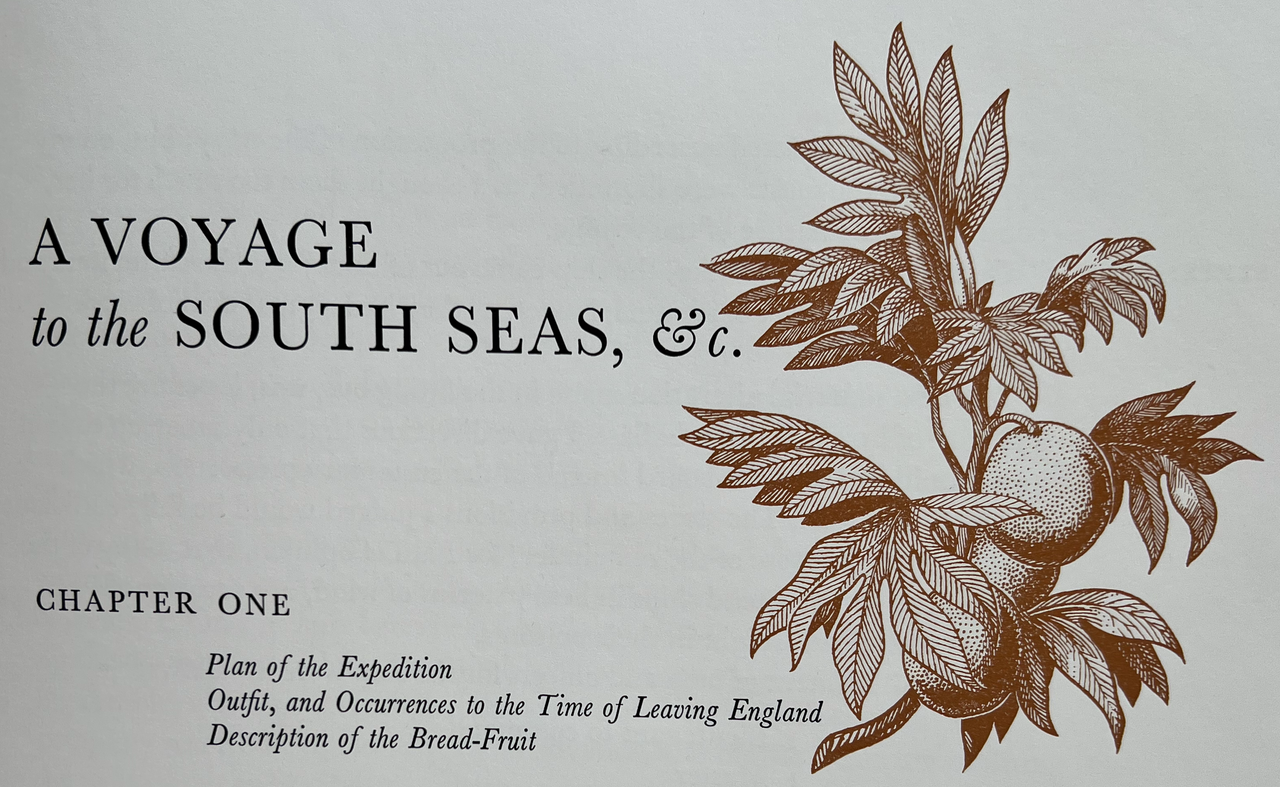
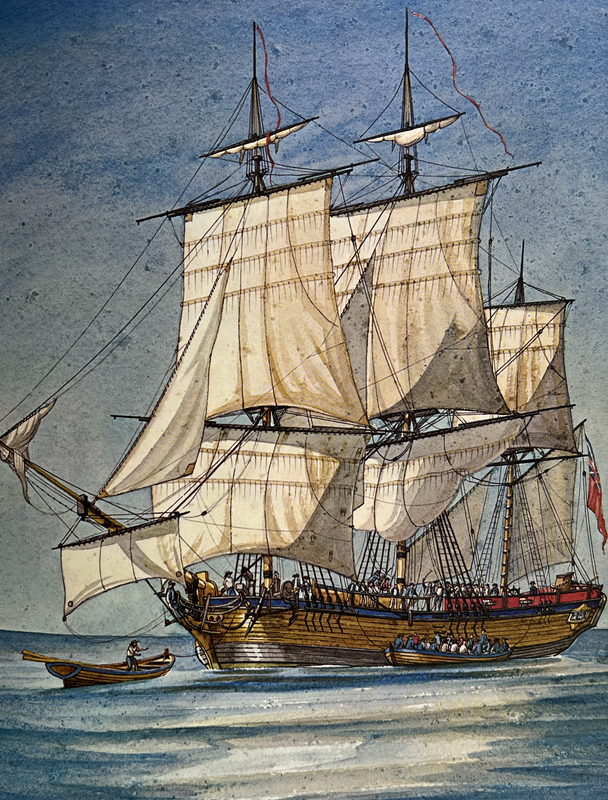
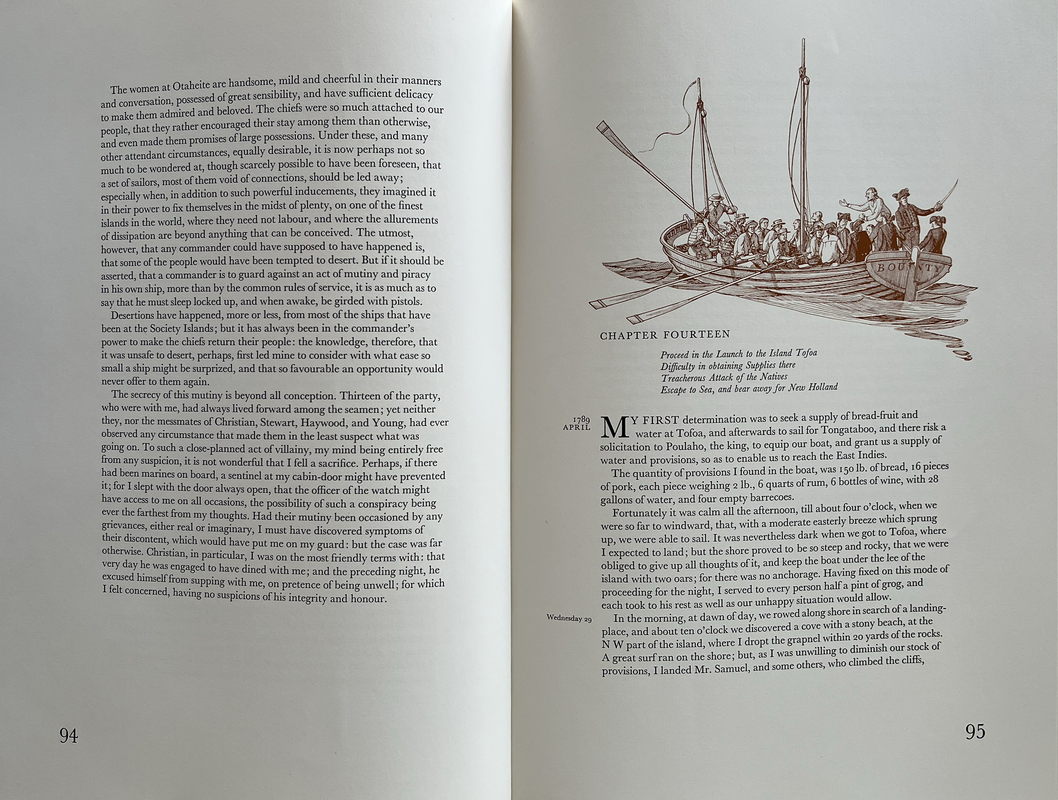
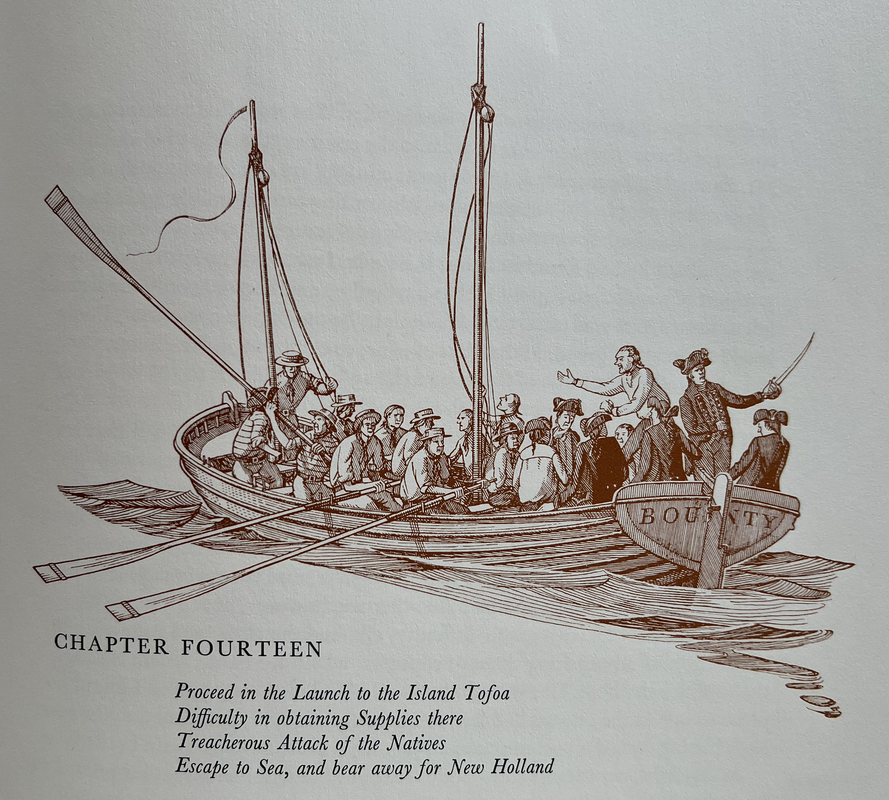
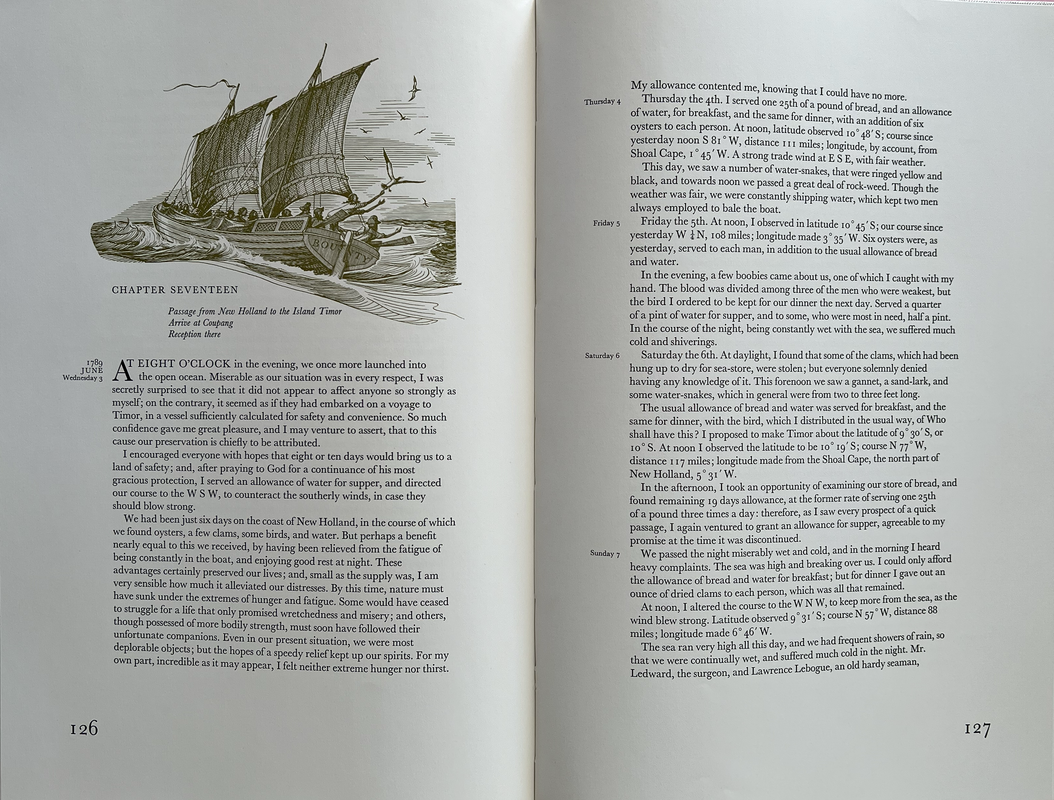
The Monthly Letter for this publication can be downloaded here.
An index of the other illustrated reviews in the this series can be viewed here.
A review of the Folio Society book "Mutiny and Piratical Seizure of the HMS Bounty" by Sir John Barrow can be seen here.
A PICTORIAL REVIEW
No. 362 of 2000
Colour frontispiece portrait of William Bligh by John Smart 1797.
Introduced by Alan Villiers.
22 monochrome line drawing chapter headers and vignettes by Geoffrey C. Ingleton who signed the book.
Designed and signed by Douglas A. Dunstan
Printed at The Griffin Press in Adelaide, South Australia.
Light brown endpapers printed in brown with a ship diagram at front and a map of the voyage at back.
Bound in coarse light brown cloth blocked in brown on covers with a picture, dark brown title label on spine.
Black slipcase with light brown edge title label.
xix+150 pages
37.2x25.7cm.
US$100
One of only two LEC book entirely produced in Australia, the other being the Explorations of Captain James Cook.
The Monthly Letter for this publication can be downloaded here.
An index of the other illustrated reviews in the this series can be viewed here.
A review of the Folio Society book "Mutiny and Piratical Seizure of the HMS Bounty" by Sir John Barrow can be seen here.
2mr.philistine
>1 wcarter: The only LEC book entirely produced in Australia.
Wonderful review as ever. Would the Explorations of Captain James Cook (1957) qualify for a tie?
Wonderful review as ever. Would the Explorations of Captain James Cook (1957) qualify for a tie?
3wcarter
>2 mr.philistine:
You are, of course, correct. I shall modify the original entry.
You are, of course, correct. I shall modify the original entry.
4Opinacus
Oooo, this is exciting. I didn't know about this book. I have been looking for The Mutiny on the Bounty and was considering the FS edition. Anyone know whether the contents are (basically) the same?
5Glacierman
>4 Opinacus: Mutiny on the Bounty is by Nordhoff & Hall. This LEC book is Bligh's version of events.
6Opinacus
I should be more careful in my wording. I meant the book The Mutiny and Piratical Seizure of HMS Bounty as published by the Folio Society. I should also do some basic research before posting - that book is a summation by Sir John Barrow, not Captain Bligh's own words. Interestingly, the thread starting from Dr Carter's review of that FS book ends with an unanswered question about how it compares to this LEC book!
7Django6924
>6 Opinacus:
I no longer have the LEC of A Voyage To The South Seas so my comparison is based on my 30-year old memories, but it is in the form of a journal kept by Bligh from the time of his commission to procure breadfruit plants to his return to England from Batavia. The first half describes the outfitting of the ship and the journey to and arrival and stay in Tahiti, and the second half a record of his open-boat voyage and the tribulations suffered by the castaways. The description of the mutiny is brief--a single chapter. There is much description of geography and native customs and weather, but very little about life on board and relationships between Bligh and the crew; indeed, Bligh describes his relationships with the Tahitians more fully. As to be expected, Bligh's account shows him to be blameless for the mutiny.
Barrow's account is much more complete, from recounting briefly the the British voyages of discovery in the South Seas through to the trials and executions of some of the captured mutineers, the reprieve and acquittal of others, and the fate of the mutineers on Pitcairn's Island, ending with the death of John Adams, the last of the mutineers.
As Second Secretary of the British Admiralty during the first half of the 19th century, Barrow had access to all the papers relating to the mutiny and his account is the most thorough of contemporary accounts, and one upon which all subsequent writers have relied. It is impartial and not complimentary of Bligh as Captain, aside from his seamanship skills. Nor does it paint the mutineers in a favorable light.
Unlike Bligh's account, it goes very much into the characters of the story--both the main and the incidental (even to a rather drawn-out portrait of Peter Heywood's "amiable" sister "Nessy", and her successful attempts to secure his reprieve). The last chapter describes the colony the mutineers founded on Pitcairn, the jealousies which resulted in the death of most of the English at the hands of the Tahitians who went with them, and the beneficial influence over their mutual progeny of John Adams, who had found religion.
It is due to this emphasis on the personages of the story, as well as its completeness, that makes the Barrow book a more absorbing read, although Bligh's account, undeniably partial to himself, is fascinating.
I no longer have the LEC of A Voyage To The South Seas so my comparison is based on my 30-year old memories, but it is in the form of a journal kept by Bligh from the time of his commission to procure breadfruit plants to his return to England from Batavia. The first half describes the outfitting of the ship and the journey to and arrival and stay in Tahiti, and the second half a record of his open-boat voyage and the tribulations suffered by the castaways. The description of the mutiny is brief--a single chapter. There is much description of geography and native customs and weather, but very little about life on board and relationships between Bligh and the crew; indeed, Bligh describes his relationships with the Tahitians more fully. As to be expected, Bligh's account shows him to be blameless for the mutiny.
Barrow's account is much more complete, from recounting briefly the the British voyages of discovery in the South Seas through to the trials and executions of some of the captured mutineers, the reprieve and acquittal of others, and the fate of the mutineers on Pitcairn's Island, ending with the death of John Adams, the last of the mutineers.
As Second Secretary of the British Admiralty during the first half of the 19th century, Barrow had access to all the papers relating to the mutiny and his account is the most thorough of contemporary accounts, and one upon which all subsequent writers have relied. It is impartial and not complimentary of Bligh as Captain, aside from his seamanship skills. Nor does it paint the mutineers in a favorable light.
Unlike Bligh's account, it goes very much into the characters of the story--both the main and the incidental (even to a rather drawn-out portrait of Peter Heywood's "amiable" sister "Nessy", and her successful attempts to secure his reprieve). The last chapter describes the colony the mutineers founded on Pitcairn, the jealousies which resulted in the death of most of the English at the hands of the Tahitians who went with them, and the beneficial influence over their mutual progeny of John Adams, who had found religion.
It is due to this emphasis on the personages of the story, as well as its completeness, that makes the Barrow book a more absorbing read, although Bligh's account, undeniably partial to himself, is fascinating.
Join to post

