Folio Archives 427: The Egyptians by Sir Alan Gardiner 1999
Talk Folio Society Devotees
Join LibraryThing to post.
1wcarter
The Egyptians, An Introduction by Sir Alan Gardiner 1999
Sir Alan H. Gardiner (1879-1963) was one of the premier Egyptologists a century ago. This is a very thorough history and analysis of Ancient Egypt from pre-dynasty to the conquest by Alexander the Great but does not continue to the Roman conquest.
It is not an easy read as it is more an academic text but contains a wealth of information. I tended to skim until I came to an interesting bit, then read a few paragraphs or pages in detail. The intricate relationships between a multitude of gods, the annual inundation by the Nile, the myths and legends, complex ceremonies and the long list of pharaohs are all covered in sometimes too much detail.
My copy of The Egyptians is part of a four volume set titled Empire of the Ancient Near East which also includes The Babylonians: A Survey of the Ancient Civilisation of the Tigris-Euphrates Valley by H. W. F. Saggs; The Hittites by O. R. Gurney and The Persians by J. M. Cook. The Egyptians was also released by the Folio Society as a single slipcased volume in 2000.
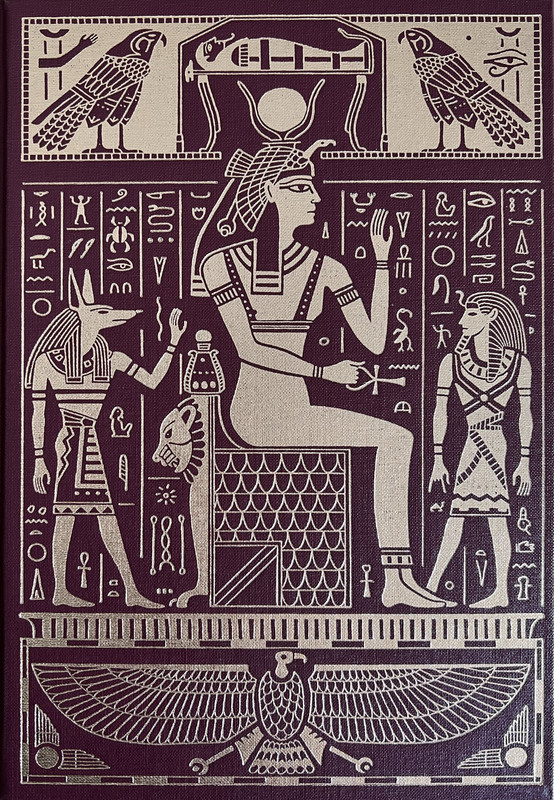
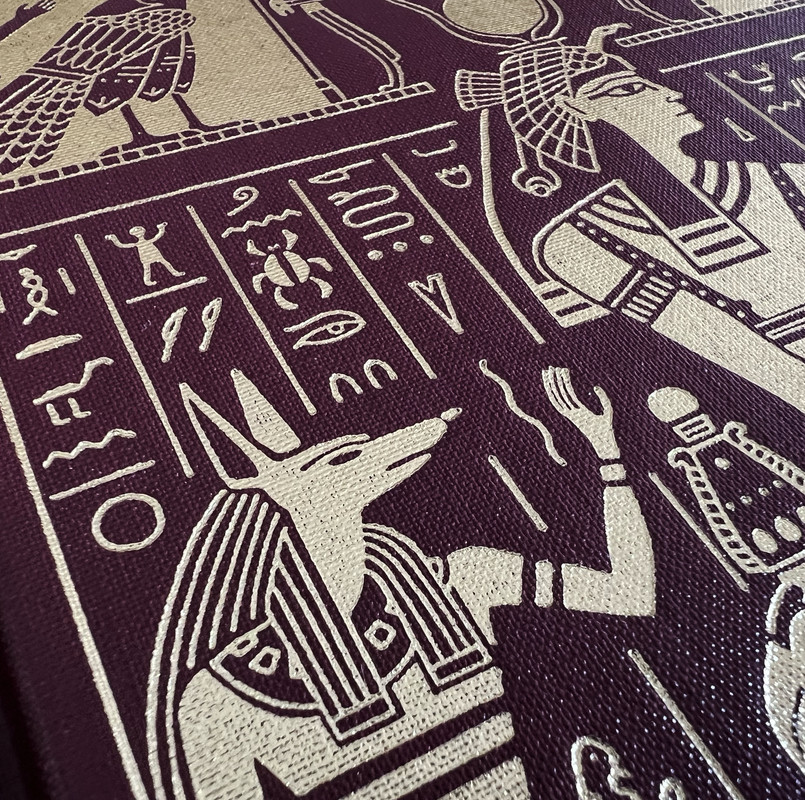
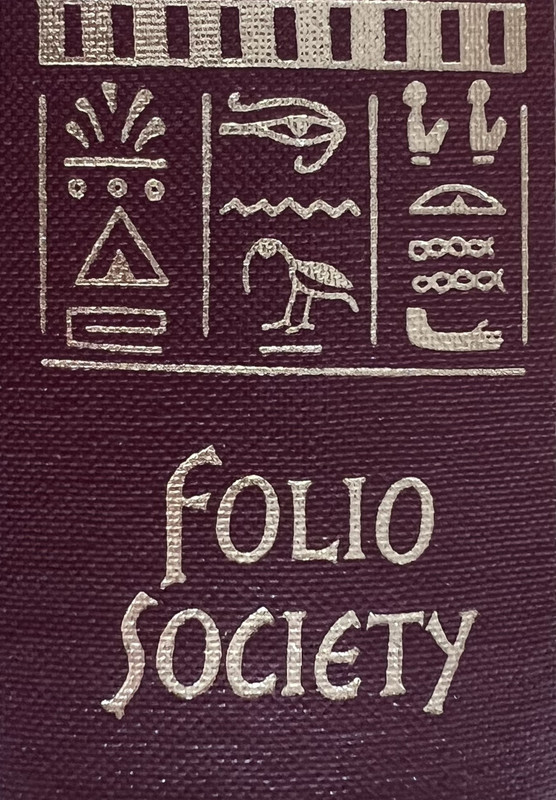
All the books in the set are bound in different coloured cloth, The Egyptians being maroon, with extensive gilt designs blocked onto the upper boards and spines. The maroon four-volume slipcase is gilt blocked with the title on the front and measures 26.4x18.7x17.3cm.
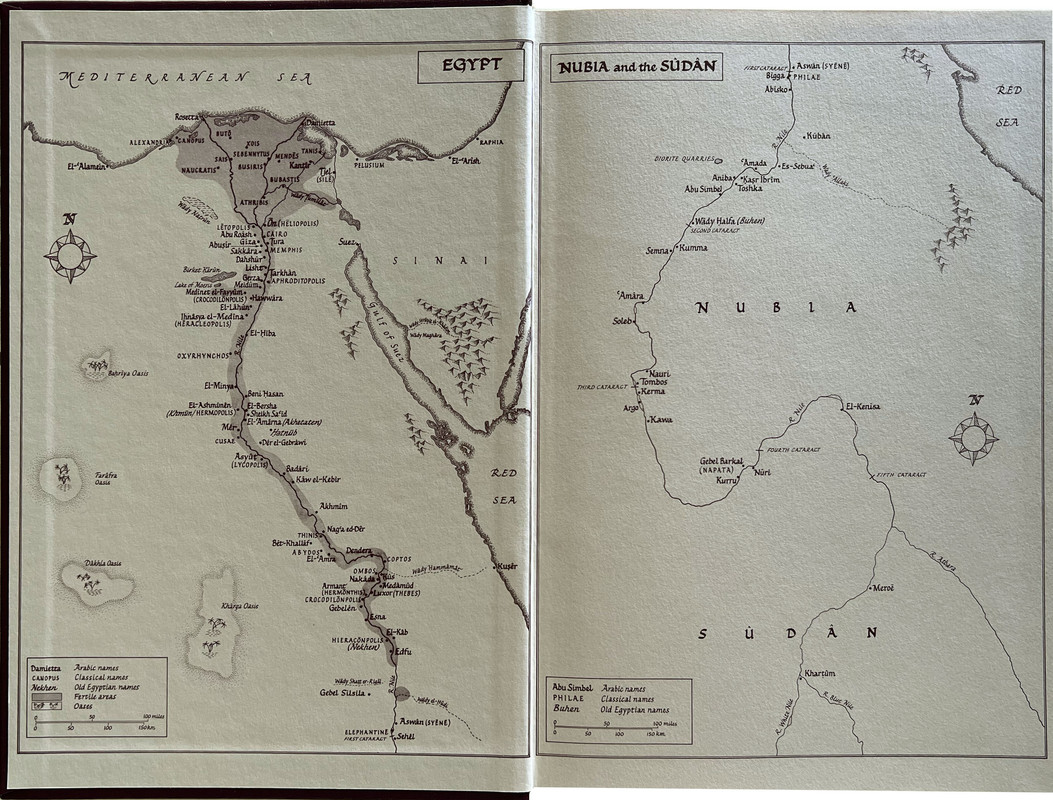
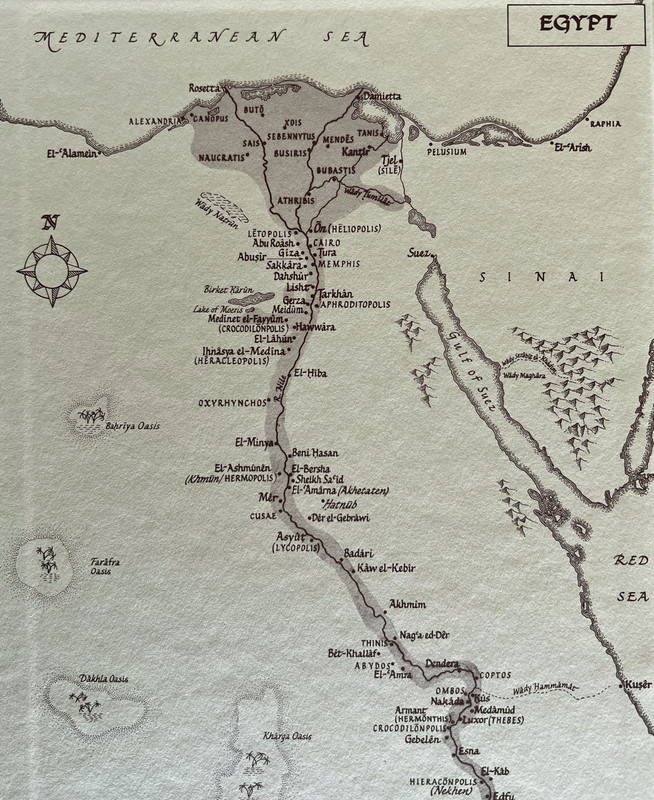
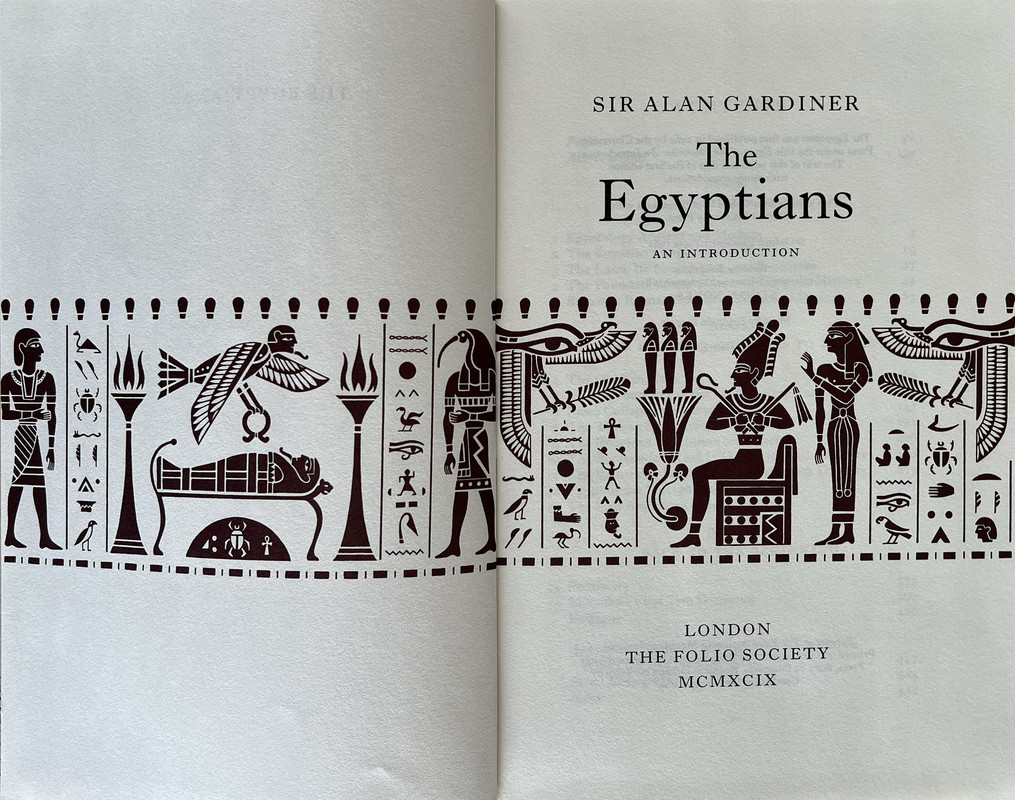
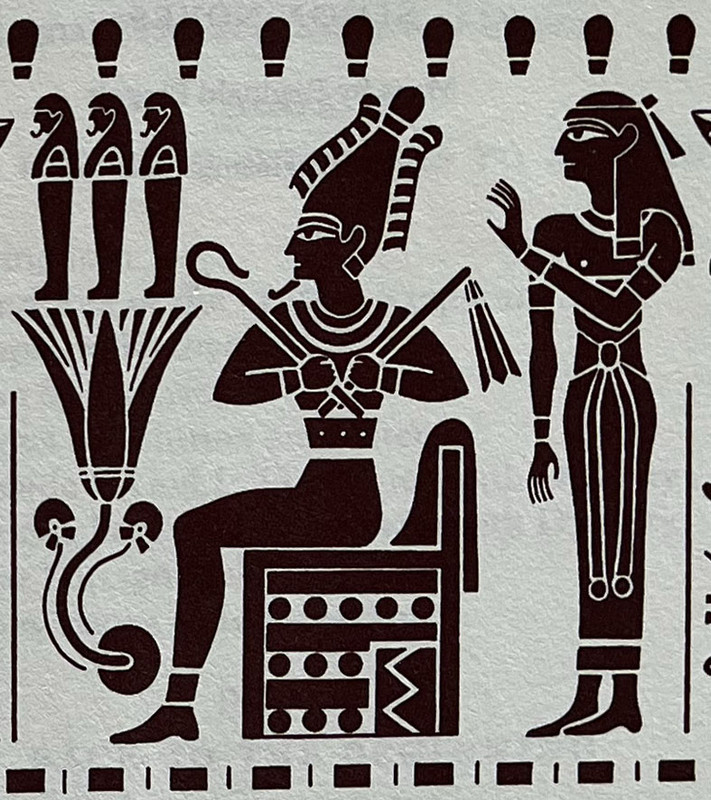
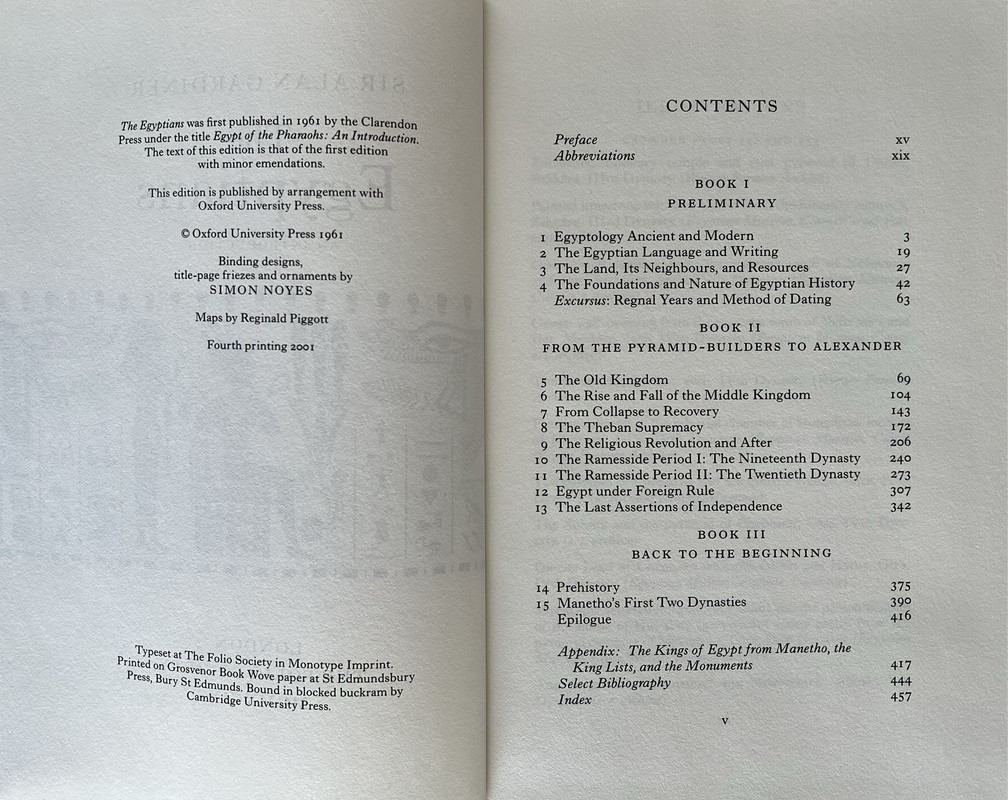
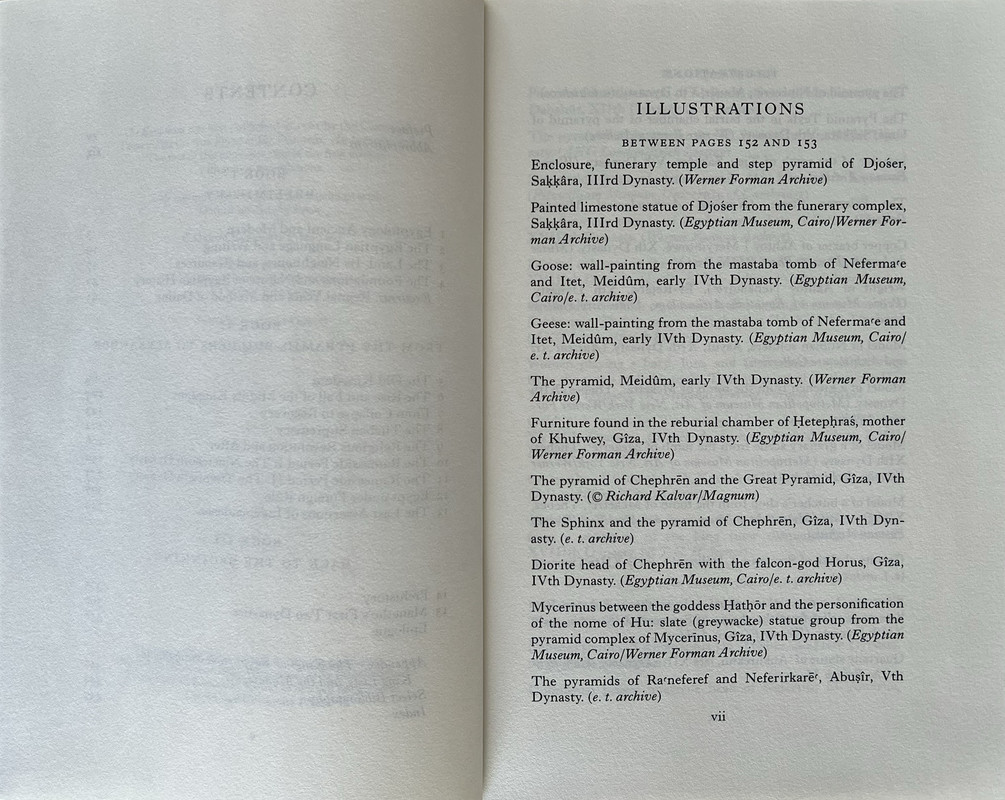
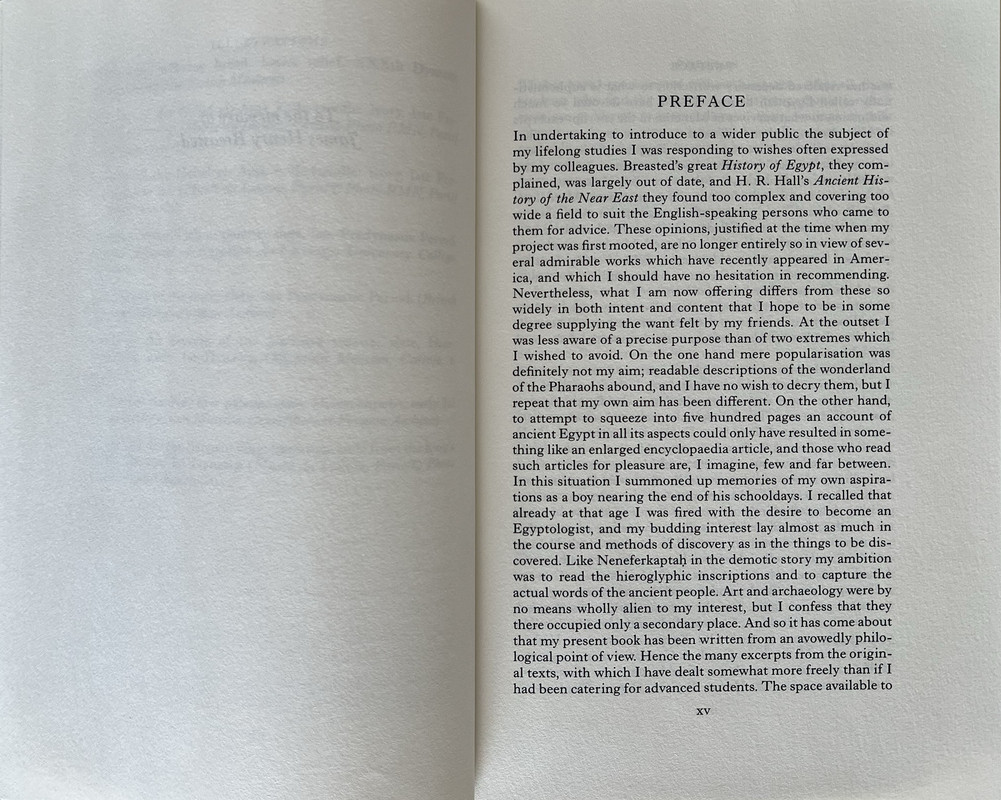
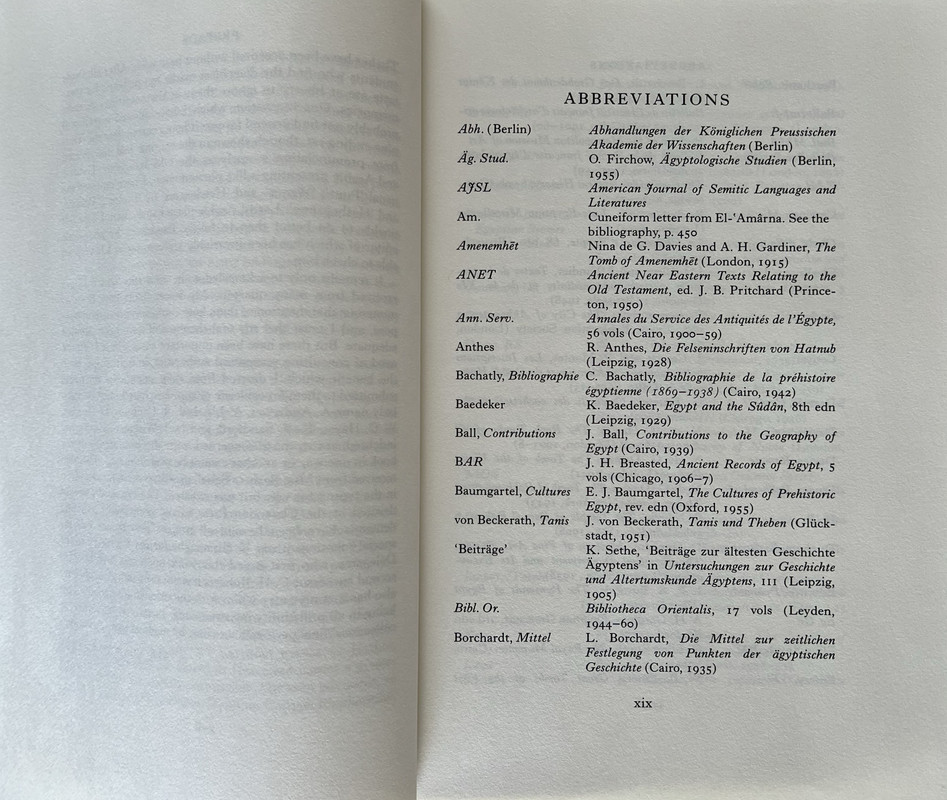
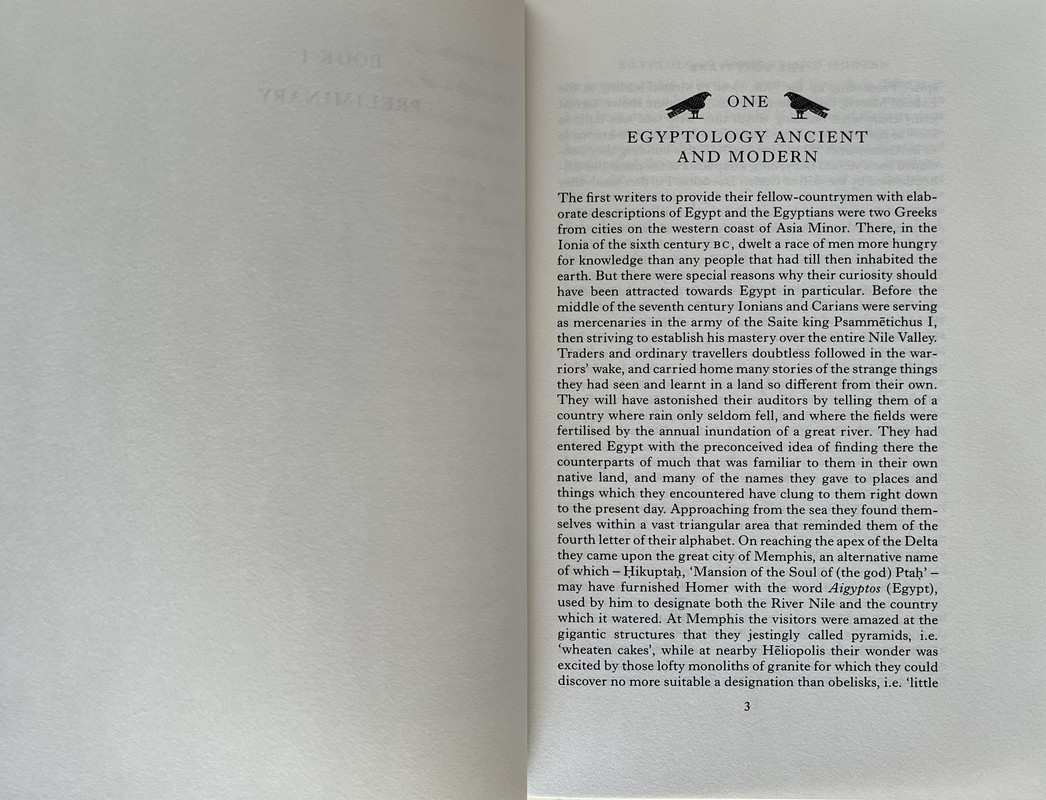
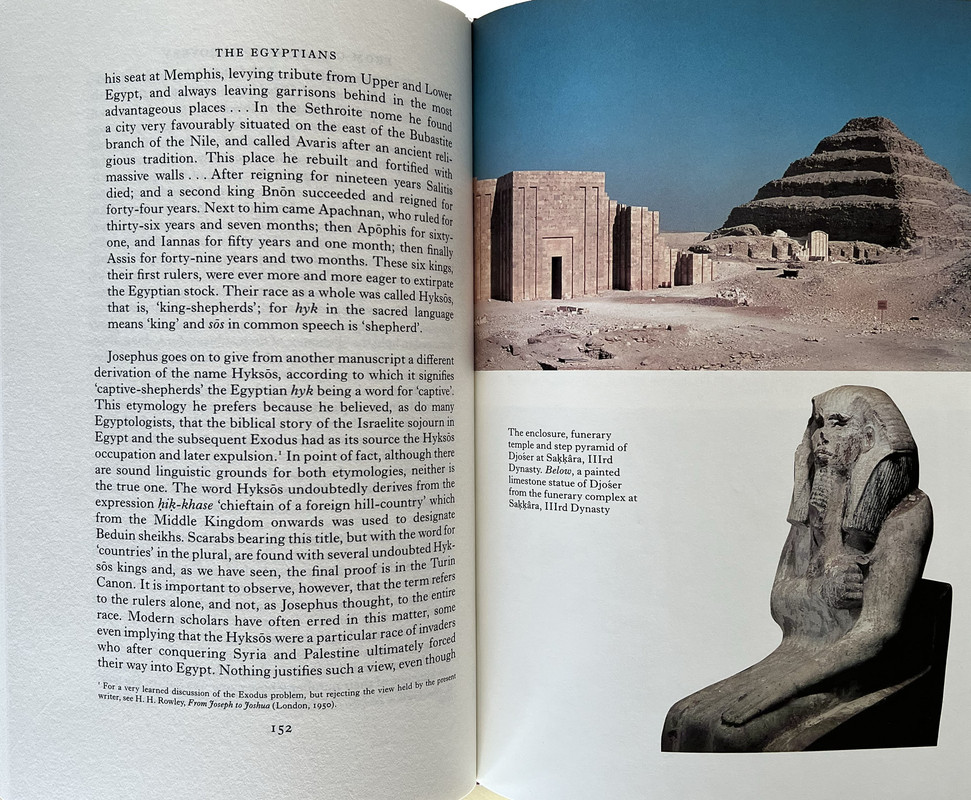
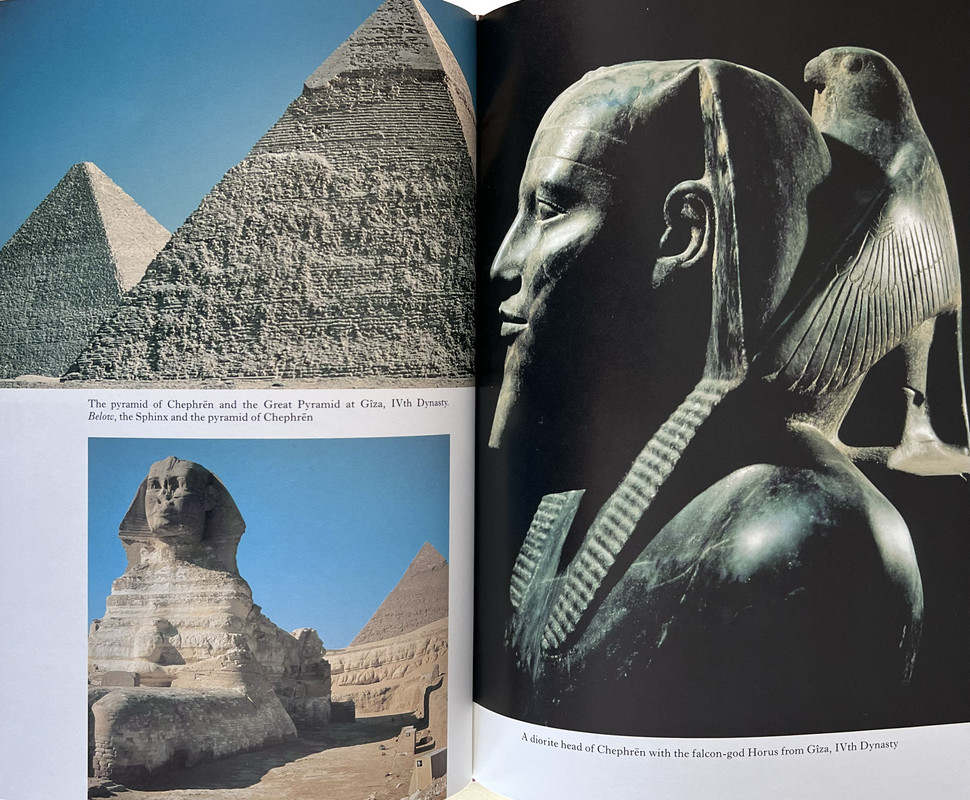
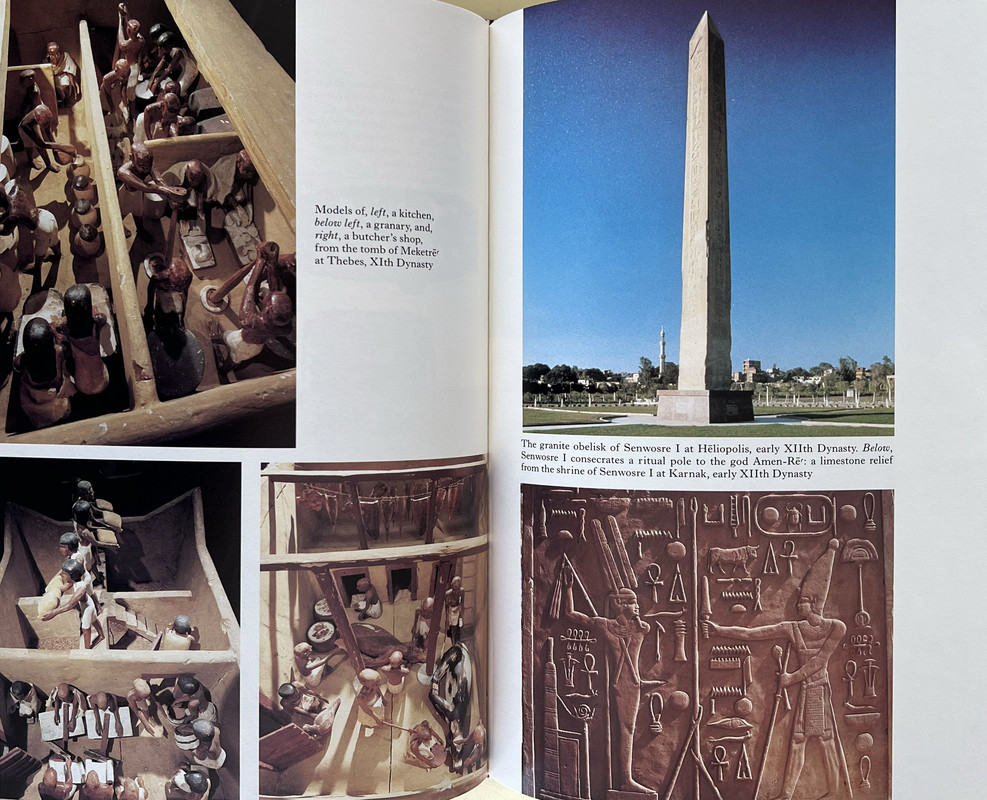
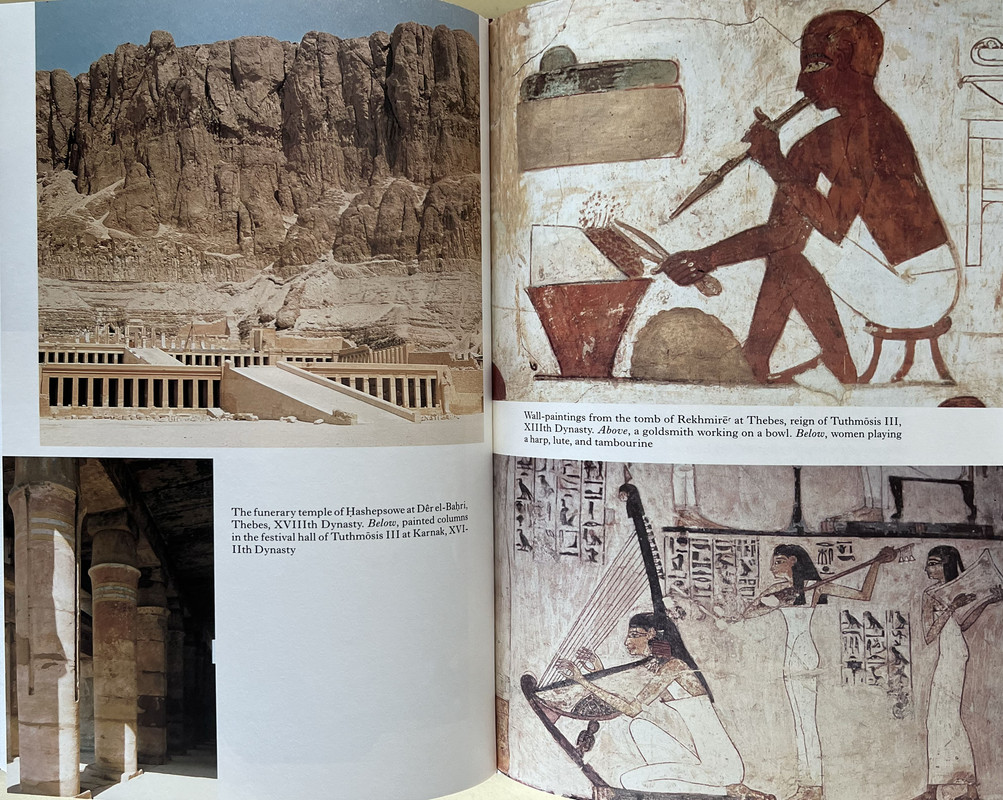
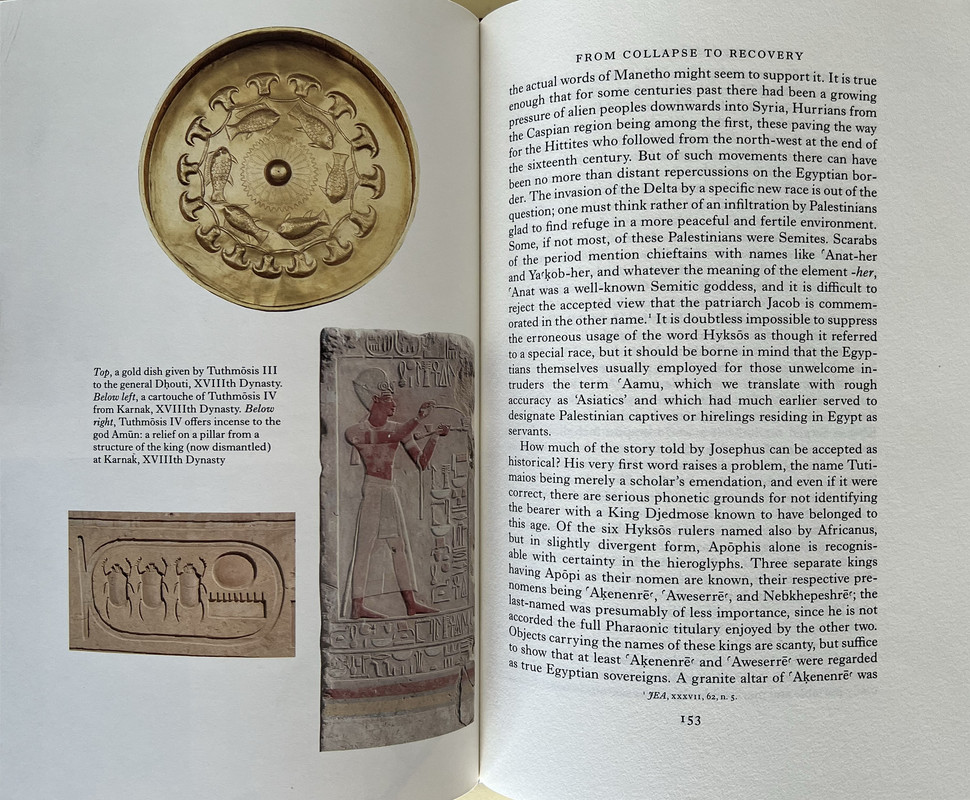
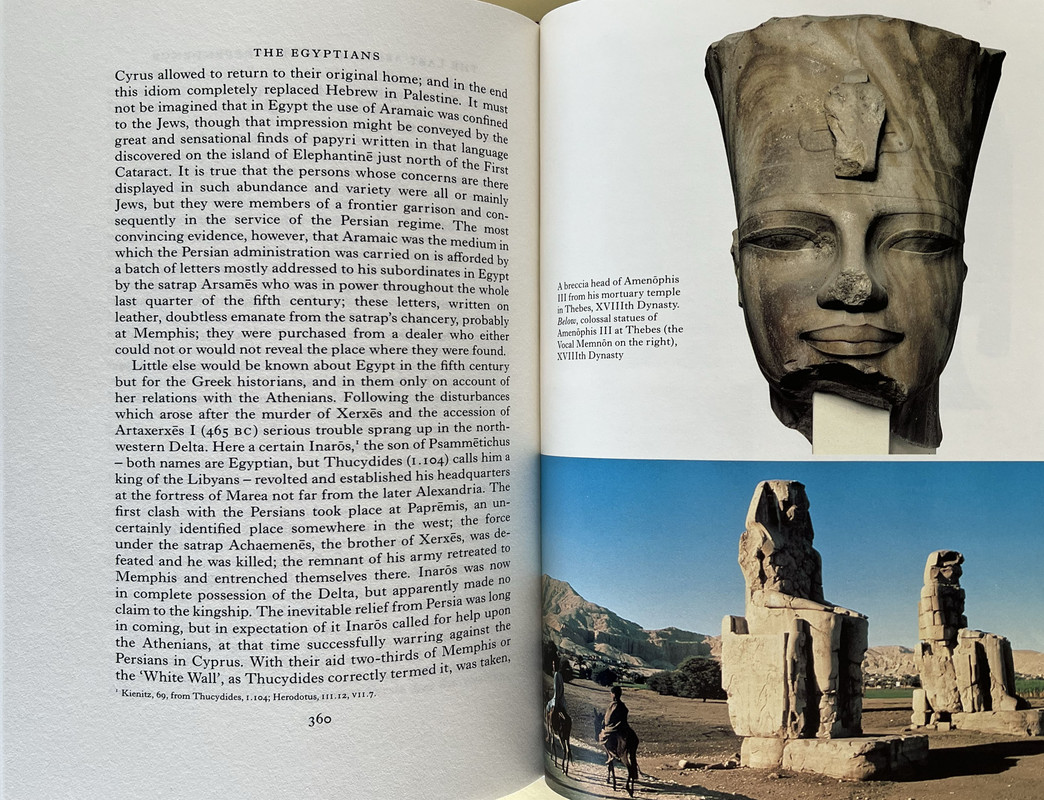
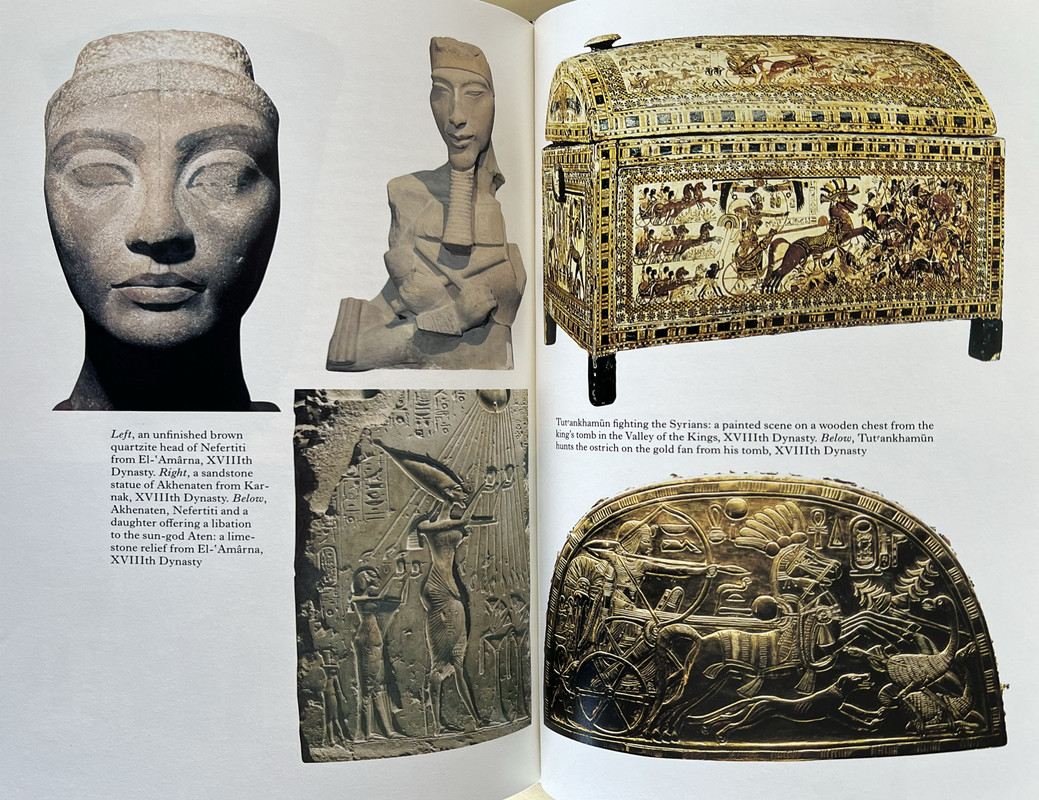
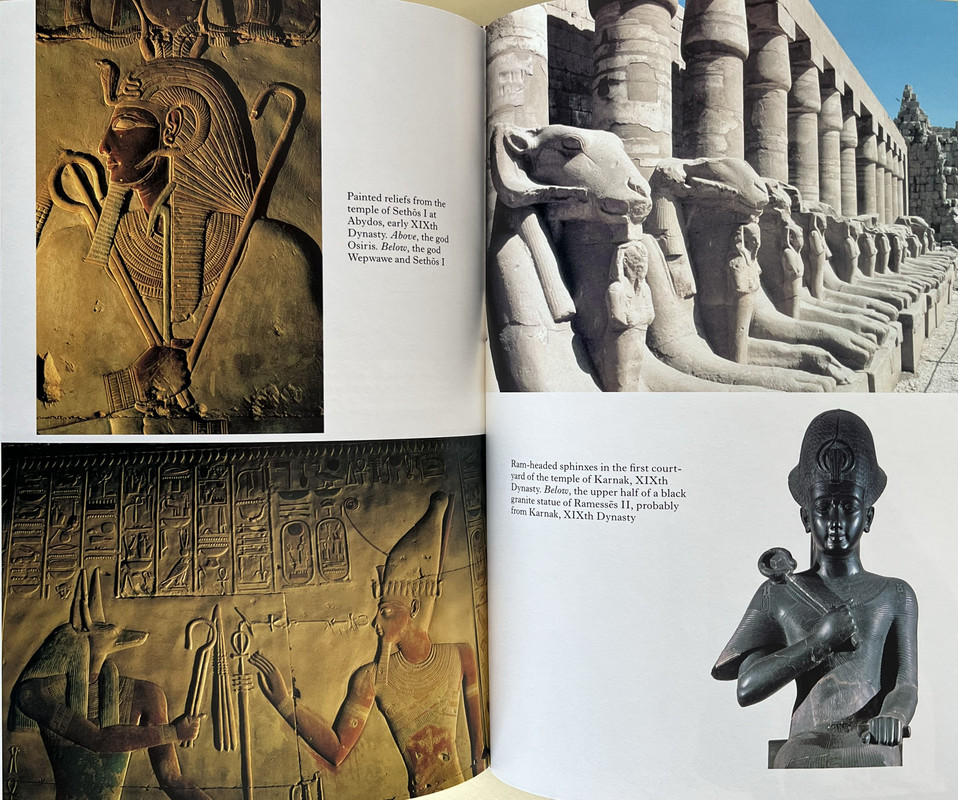
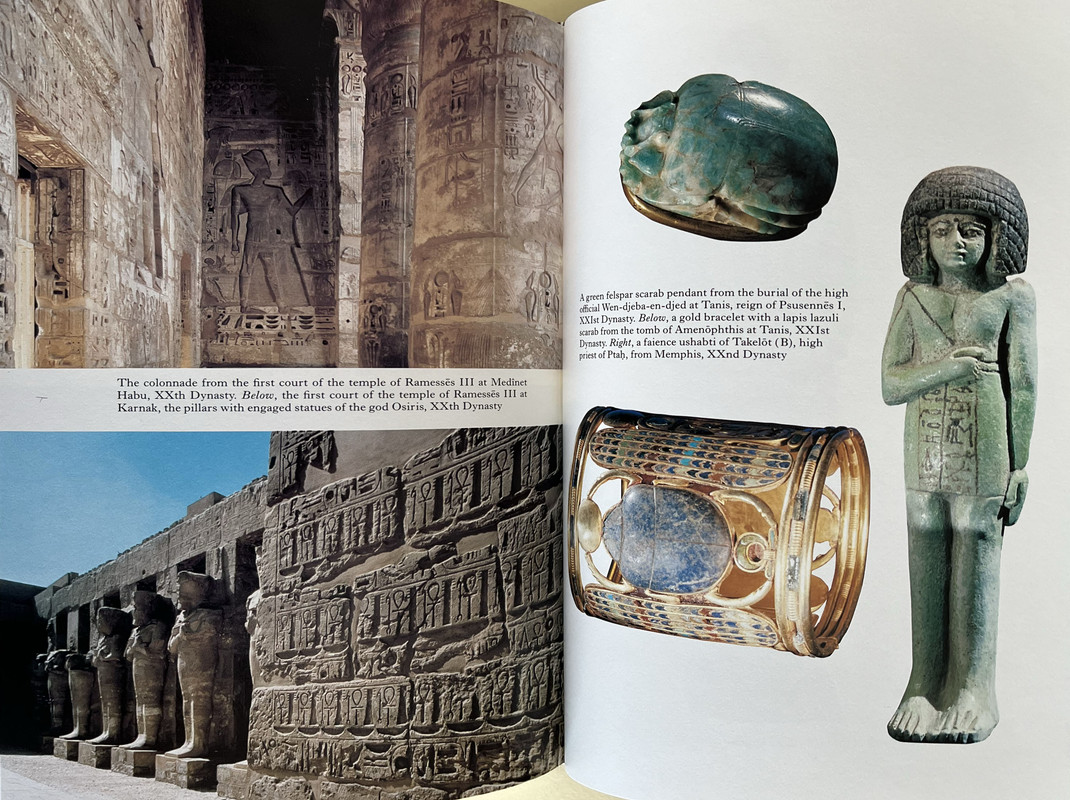
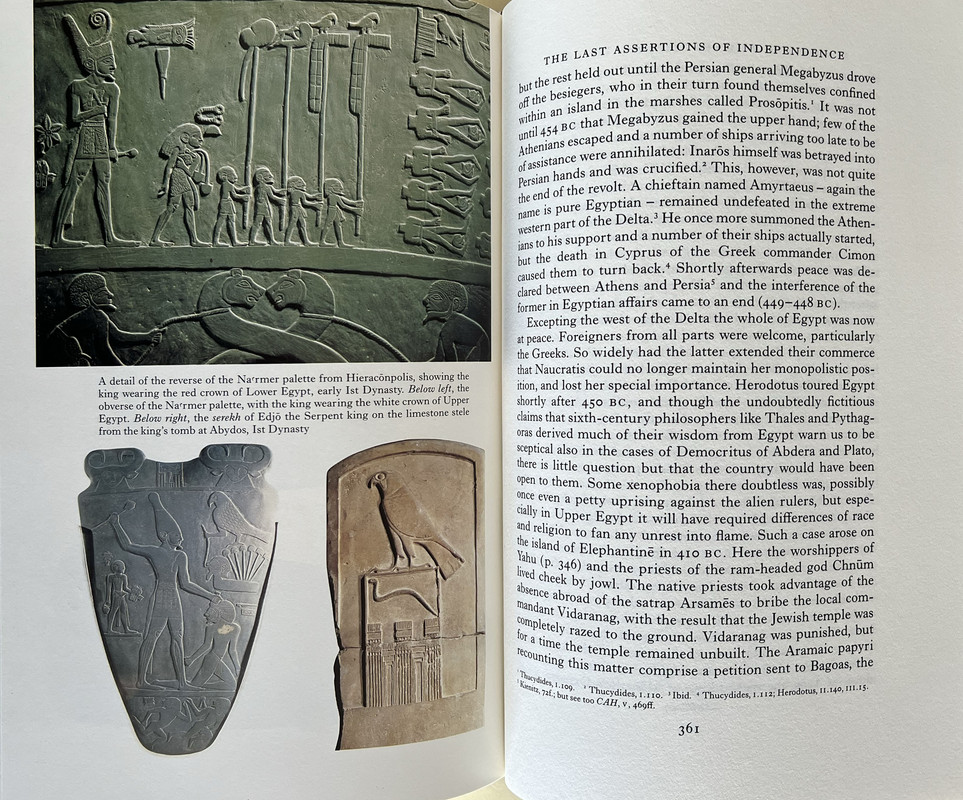
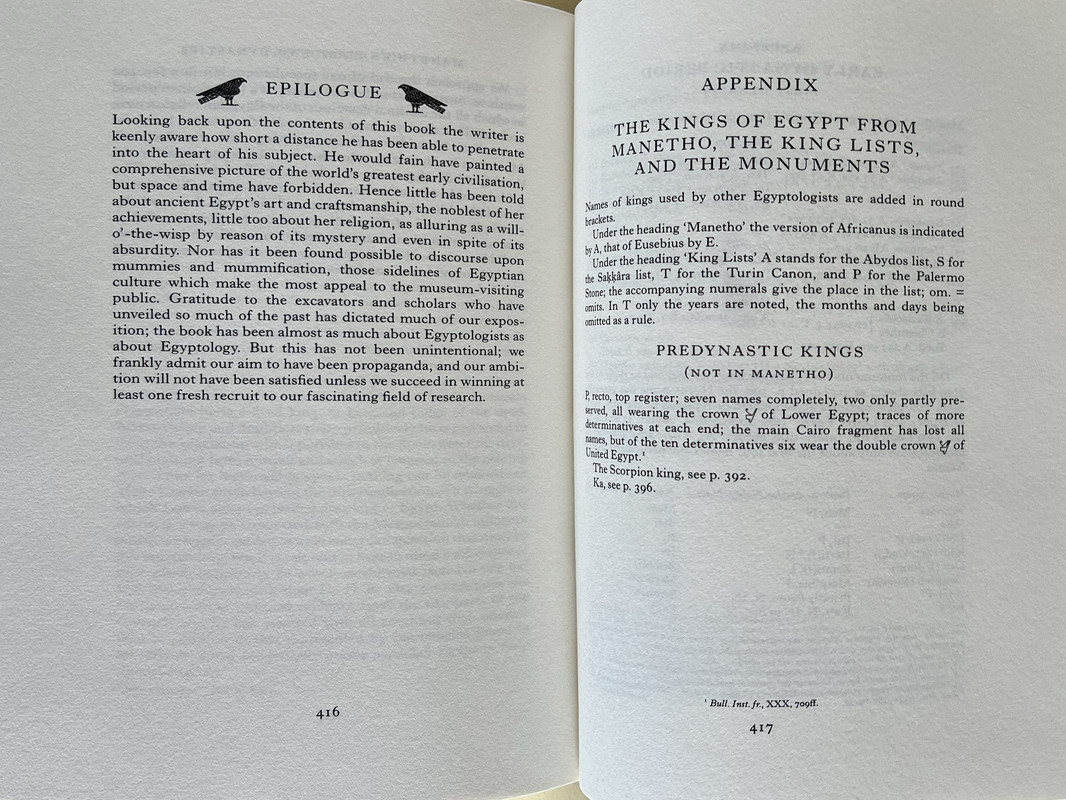
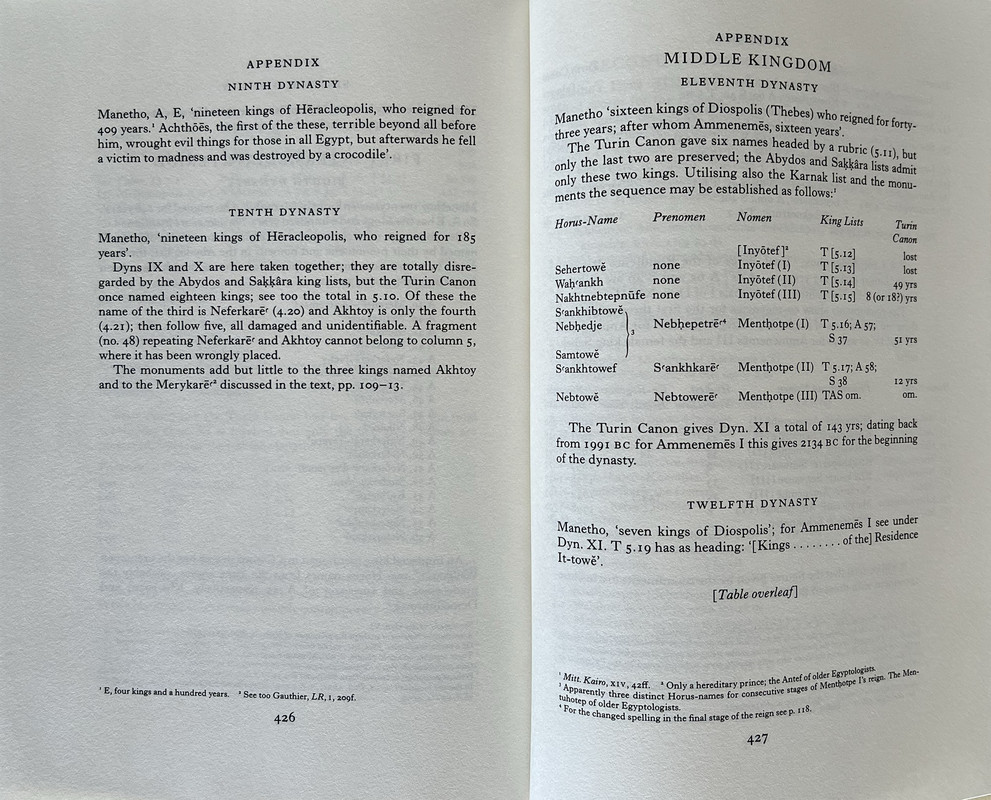
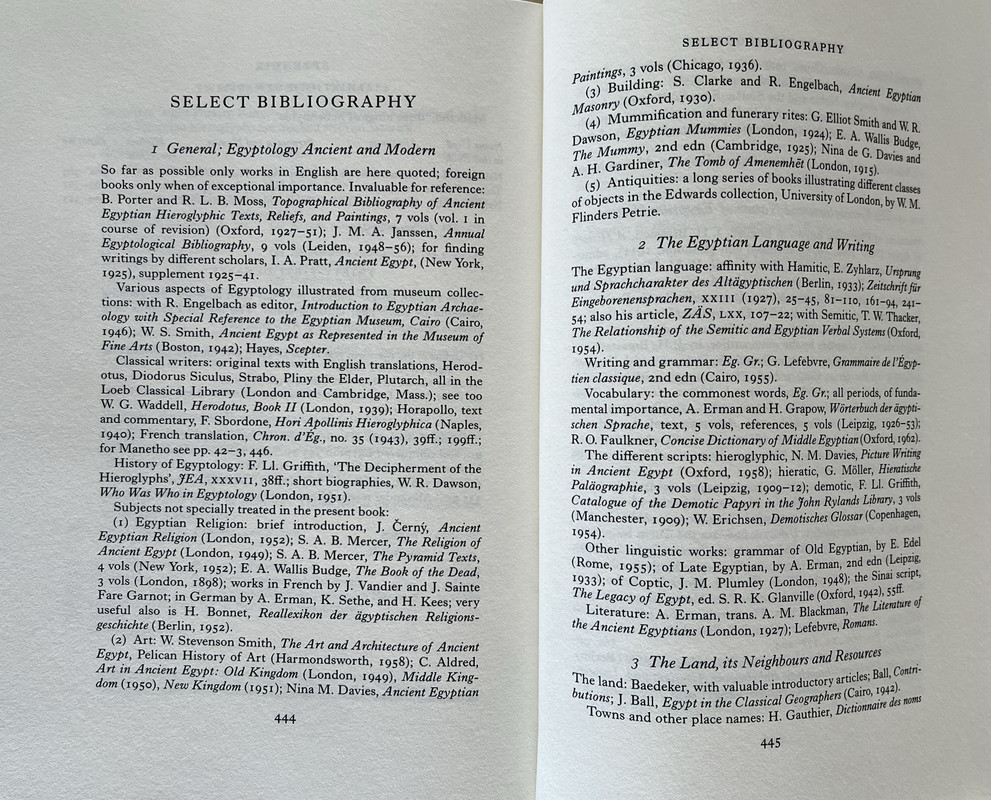
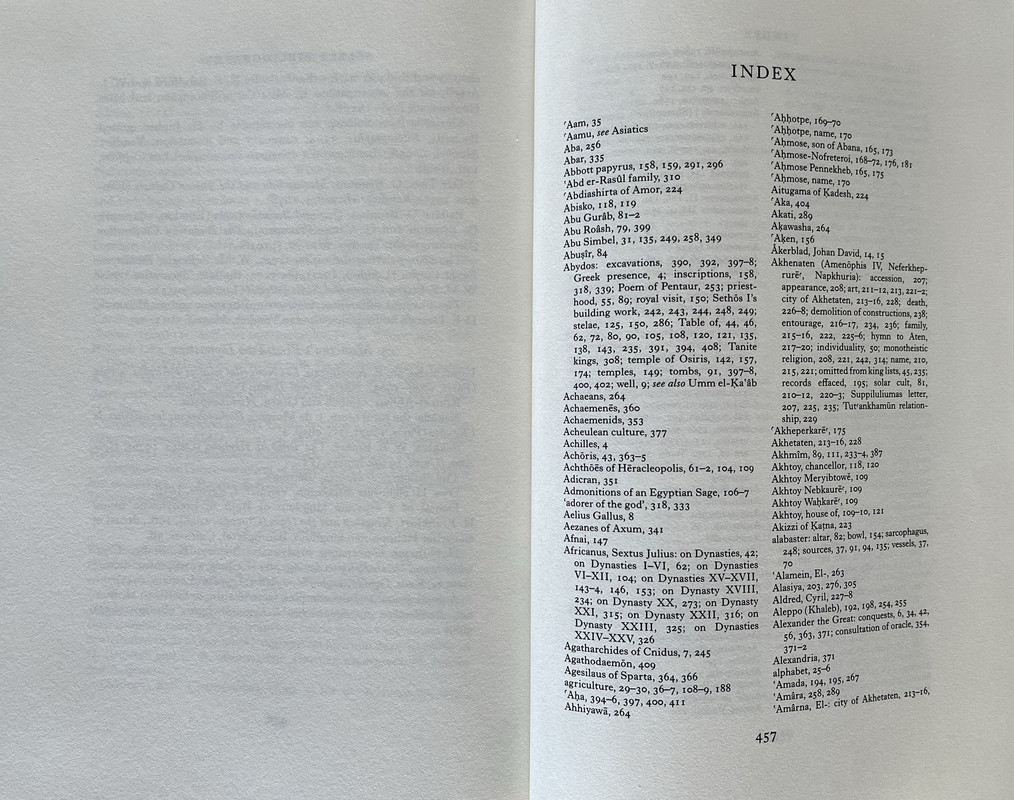
The Egyptians was first published in 1961 and has 479 pages. It is illustrated with 32 bound-in pages of colour and black & white photographs. There are integrated examples of hieroglyphics. The light brown endpapers are printed in maroon with a map of Egypt, Nubia and the Sudan. There are numerous appendices and an extensive index.
2000 Single Volume edition
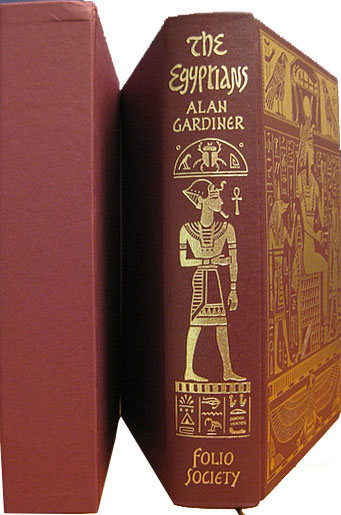
The Egyptians from the 1999 Four Volume set
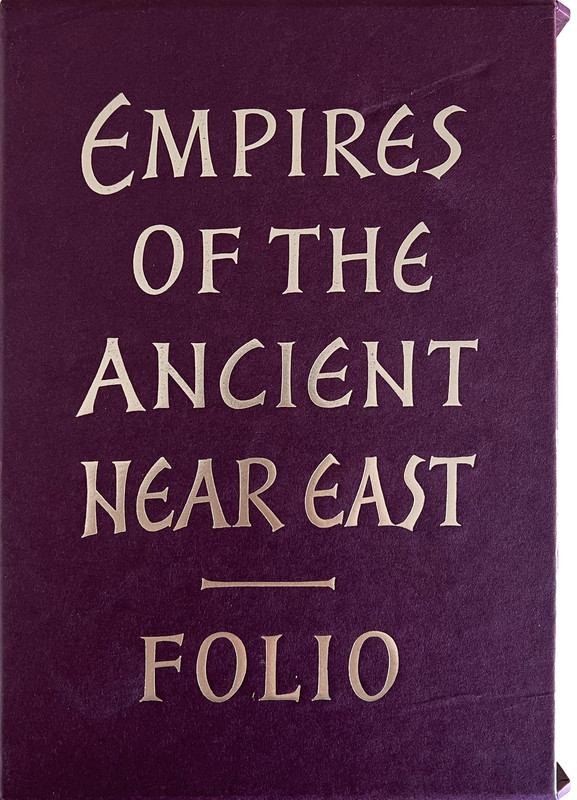
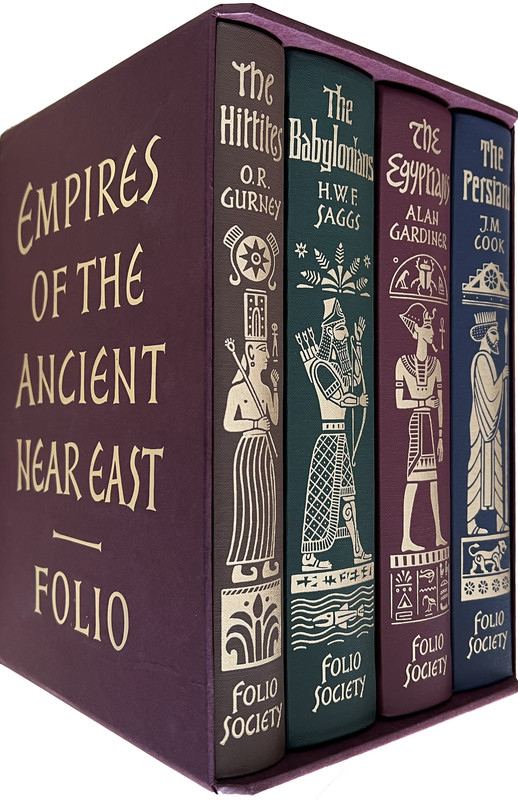
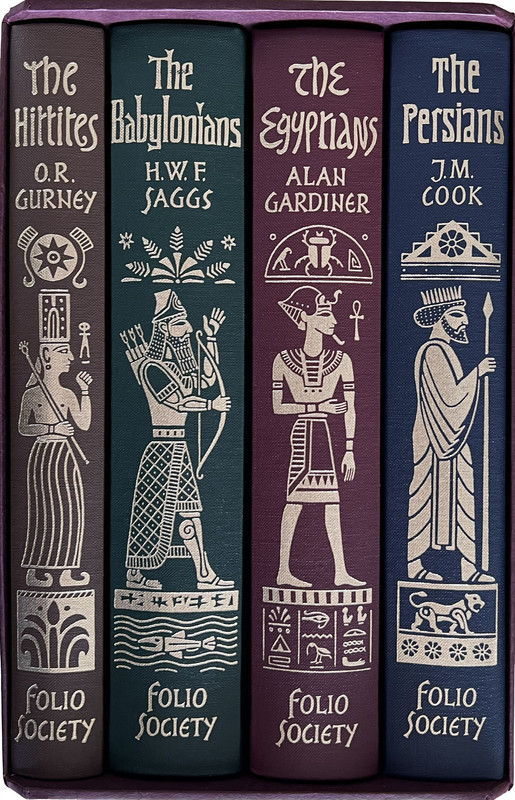
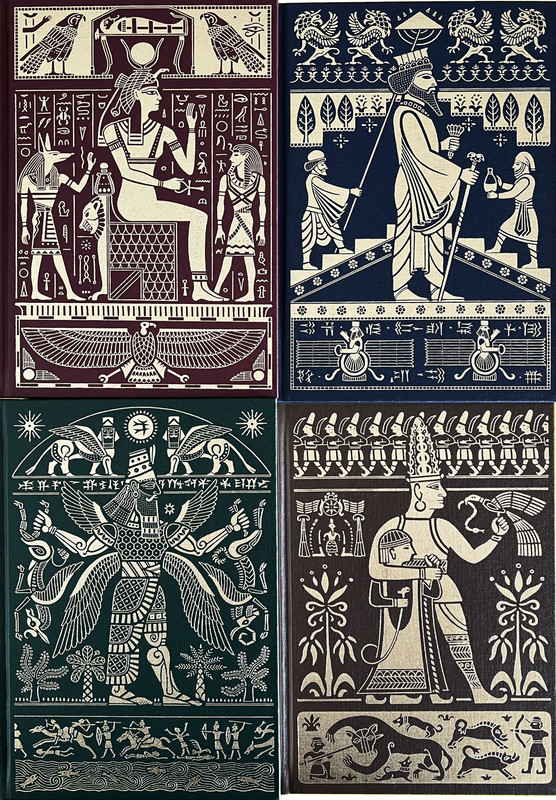
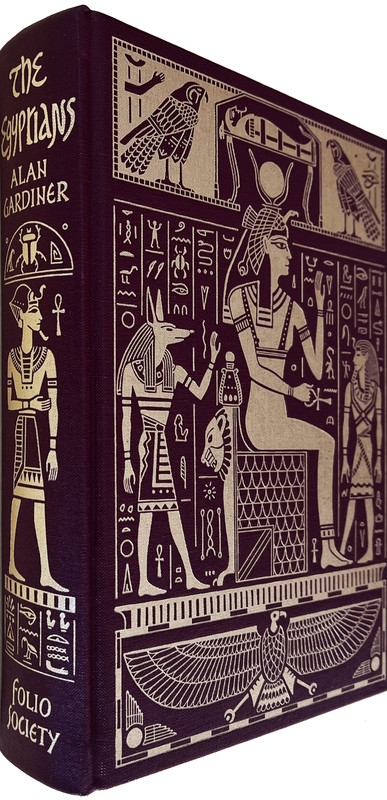
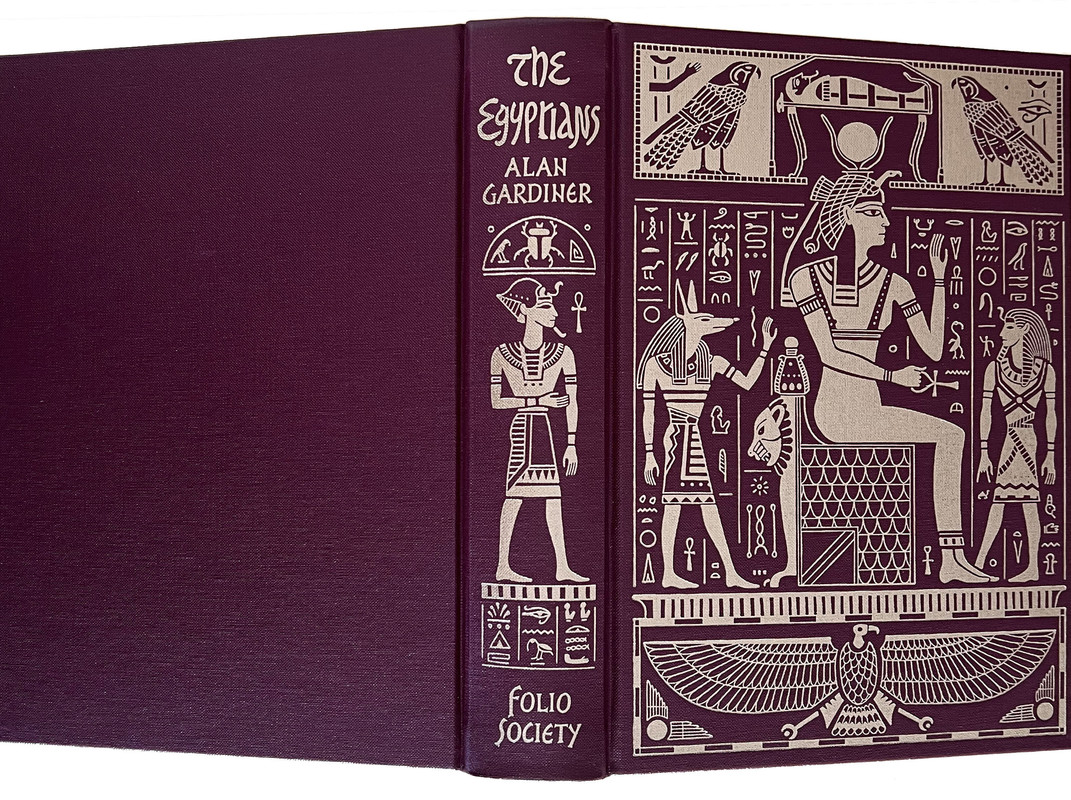
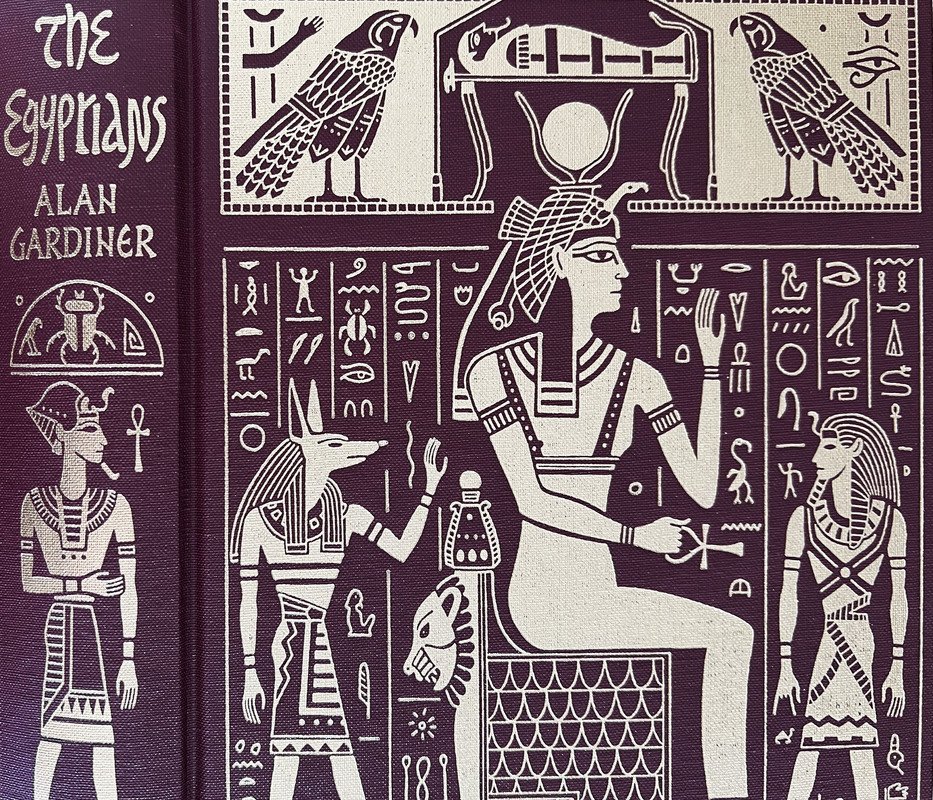
An index of the other illustrated reviews in the "Folio Archives" series can be viewed here.
Sir Alan H. Gardiner (1879-1963) was one of the premier Egyptologists a century ago. This is a very thorough history and analysis of Ancient Egypt from pre-dynasty to the conquest by Alexander the Great but does not continue to the Roman conquest.
It is not an easy read as it is more an academic text but contains a wealth of information. I tended to skim until I came to an interesting bit, then read a few paragraphs or pages in detail. The intricate relationships between a multitude of gods, the annual inundation by the Nile, the myths and legends, complex ceremonies and the long list of pharaohs are all covered in sometimes too much detail.
My copy of The Egyptians is part of a four volume set titled Empire of the Ancient Near East which also includes The Babylonians: A Survey of the Ancient Civilisation of the Tigris-Euphrates Valley by H. W. F. Saggs; The Hittites by O. R. Gurney and The Persians by J. M. Cook. The Egyptians was also released by the Folio Society as a single slipcased volume in 2000.
All the books in the set are bound in different coloured cloth, The Egyptians being maroon, with extensive gilt designs blocked onto the upper boards and spines. The maroon four-volume slipcase is gilt blocked with the title on the front and measures 26.4x18.7x17.3cm.
The Egyptians was first published in 1961 and has 479 pages. It is illustrated with 32 bound-in pages of colour and black & white photographs. There are integrated examples of hieroglyphics. The light brown endpapers are printed in maroon with a map of Egypt, Nubia and the Sudan. There are numerous appendices and an extensive index.
2000 Single Volume edition
The Egyptians from the 1999 Four Volume set
An index of the other illustrated reviews in the "Folio Archives" series can be viewed here.
2podaniel
I have this set, too, and it has been collecting dust for years. Thank you for your excellent review as it will continue to collect dust for years to come.
4Cat_of_Ulthar
>2 podaniel: Okay, if we're confessing: I've got the four-book set and, yes, it's been gathering dust for many years.
I'm sure it's worth a read, but I have all these lovely newer Folio titles which I get drawn to first.
I do hope to get around to it one day, though.
I'm sure it's worth a read, but I have all these lovely newer Folio titles which I get drawn to first.
I do hope to get around to it one day, though.
5HonorWulf
>2 podaniel: Thank gosh Warwick reads the books for us!
7kdweber
>4 Cat_of_Ulthar: I don’t know about now but back in 2010 when I picked up my set it could be found for really low prices. My set cost $50 and was well worth it though I haven’t read any of the volumes cover to cover.
8abysswalker
I quite like all the books in this series and I also like that they are some of the foundational texts of modern Ancient Near East studies, rather than being whatever is the most up to date survey.
A "most up to date" survey will be quickly superseded, but the innovators will be the innovators forever, and will always have an important place in historiography and the history of ideas.
A nice, if quirky, side effect, of using such older texts is that I find they often have more personality and distinctive voice, which makes them more engaging to me (though not necessarily easier, the authors are often better stylists of language).
Folio still occasionally goes this route with nonfiction titles (for example, Sontag's On Photography), but I find they have been more and more likely to lean toward new pop history rather than lynchpin texts.
A "most up to date" survey will be quickly superseded, but the innovators will be the innovators forever, and will always have an important place in historiography and the history of ideas.
A nice, if quirky, side effect, of using such older texts is that I find they often have more personality and distinctive voice, which makes them more engaging to me (though not necessarily easier, the authors are often better stylists of language).
Folio still occasionally goes this route with nonfiction titles (for example, Sontag's On Photography), but I find they have been more and more likely to lean toward new pop history rather than lynchpin texts.

