
Folio Archives 433: Pearl Manuscript – LIMITED EDITION 2015
Talk Folio Society Devotees
Join LibraryThing to post.
1wcarter
The Poems of the Pearl Manuscript – Pearl, Cleanness, Patience, Sir Gawain and the Green Knight (British library MS Cotton Nero A.x) - LIMITED EDITION 2015
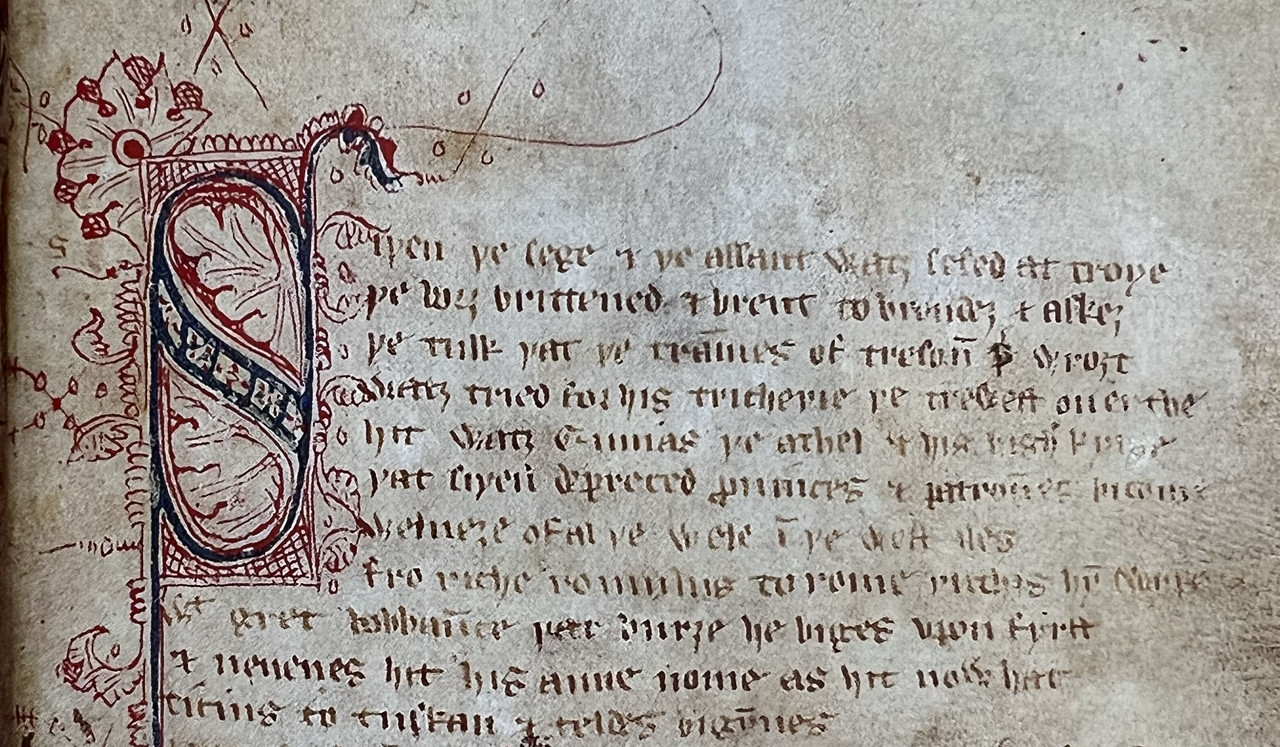
The Pearl Manuscript uniquely preserves four poems in Middle English alliterative verse composed by a single anonymous author. Created around 1400, it is one of the very few illustrated medieval manuscripts of English literature. The poems comprise a dream vision, two biblical commentaries, and an Arthurian romance. The approach to the themes is unfailingly Christian, but the allegories are complex and sometimes perplexing.
The first poem, Pearl, gives the manuscript its name. The others are Cleanness (or Purity), Patience, and Sir Gawain and the Green Knight.
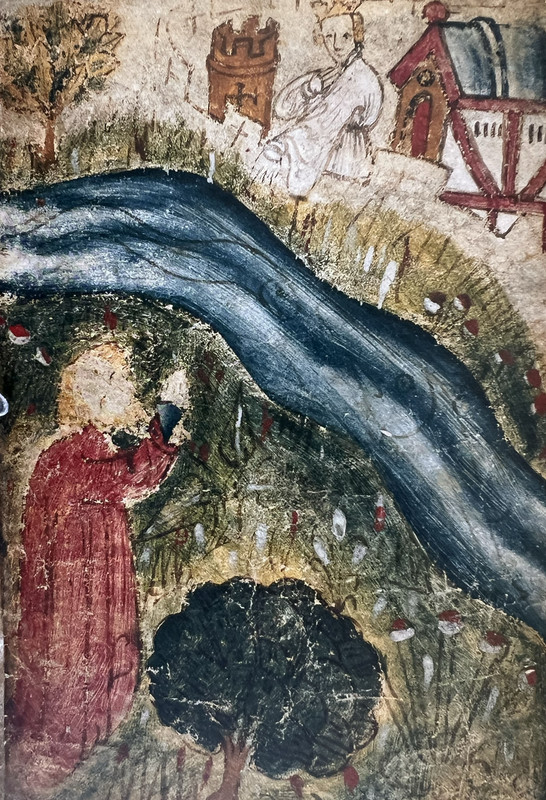
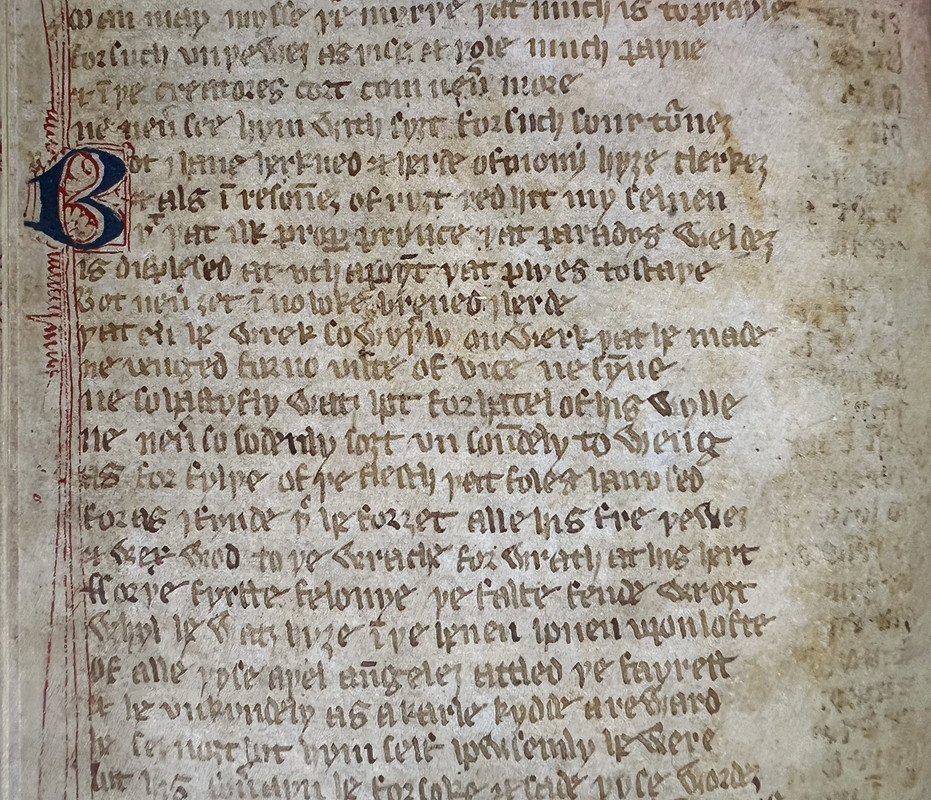
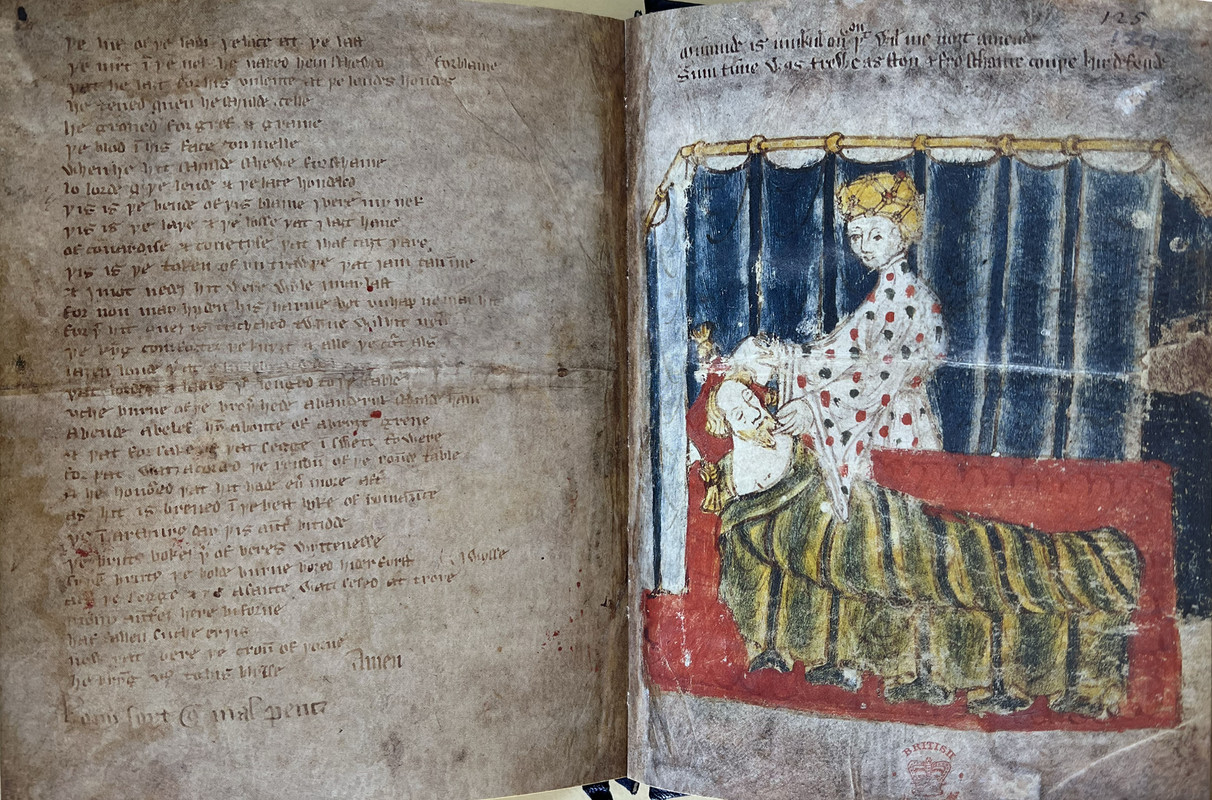
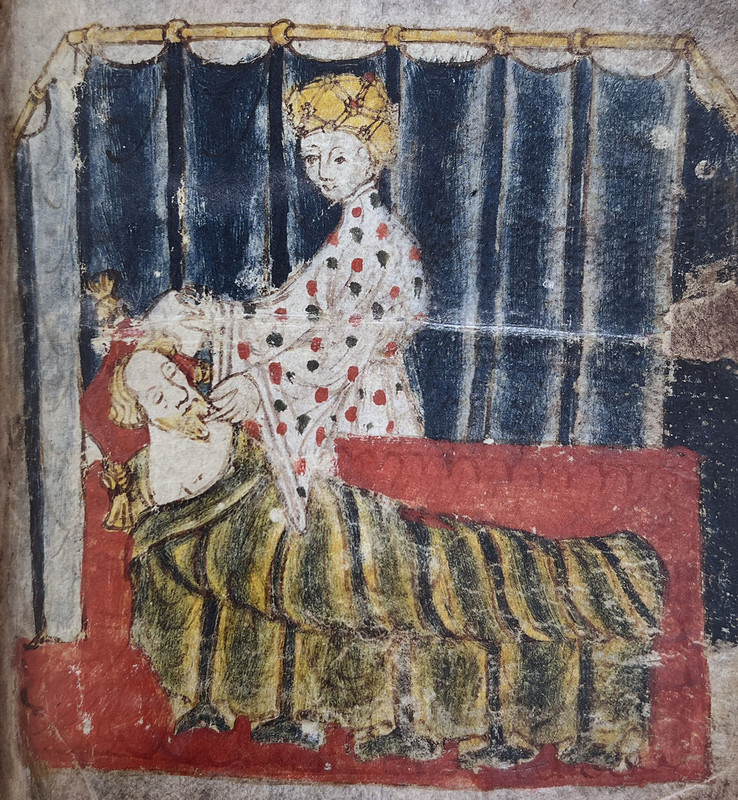
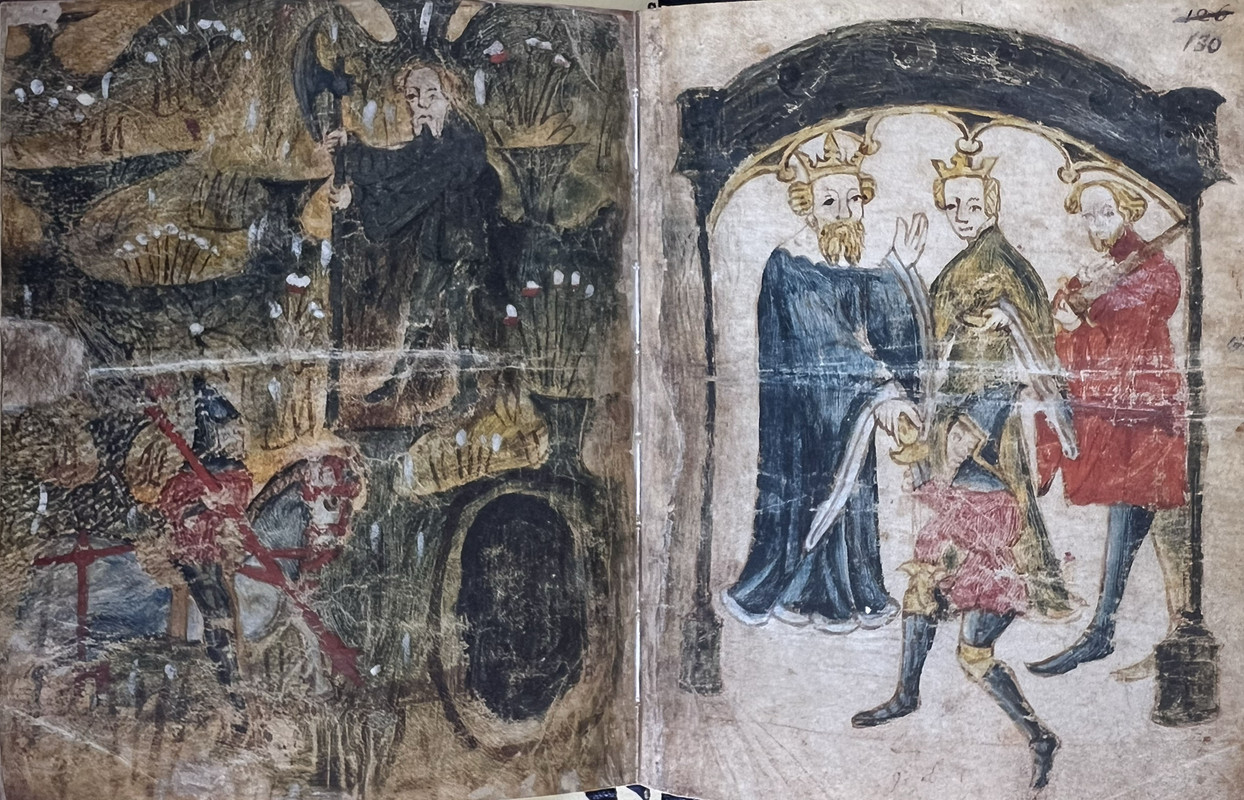
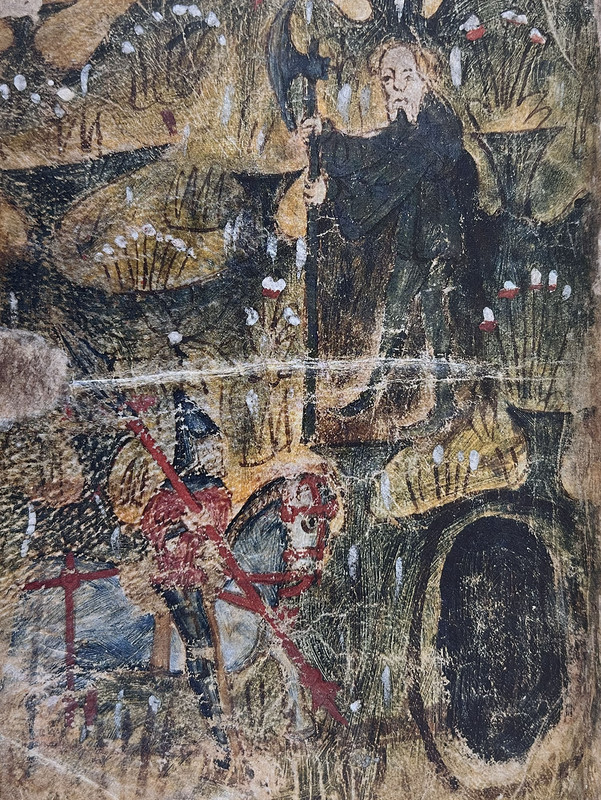
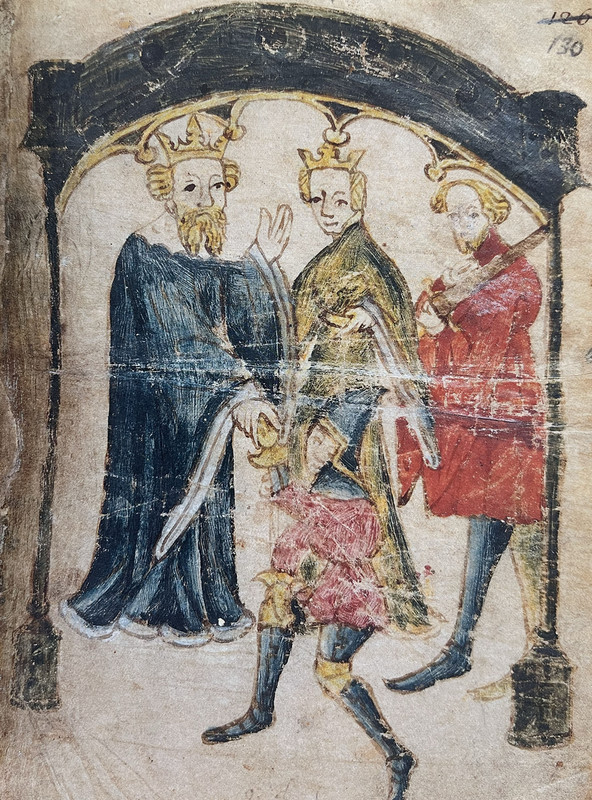
Eleven full-page and one smaller miniature illustrate the poems. The drawings for the miniatures were executed by someone other than the two people (or perhaps one person) who did the colouring. There are many instances where the colourists either disregard or misunderstand the intentions of the draftsperson. The colourists may have made their contributions years after the text was written and the drawings were made.
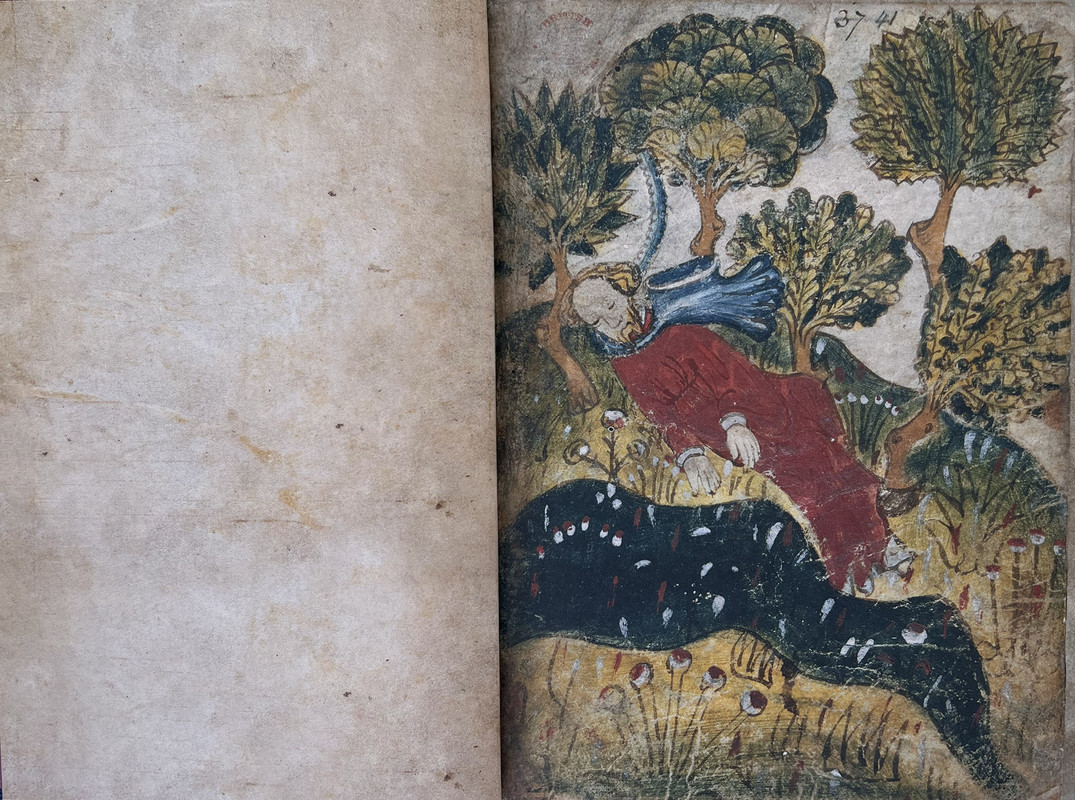
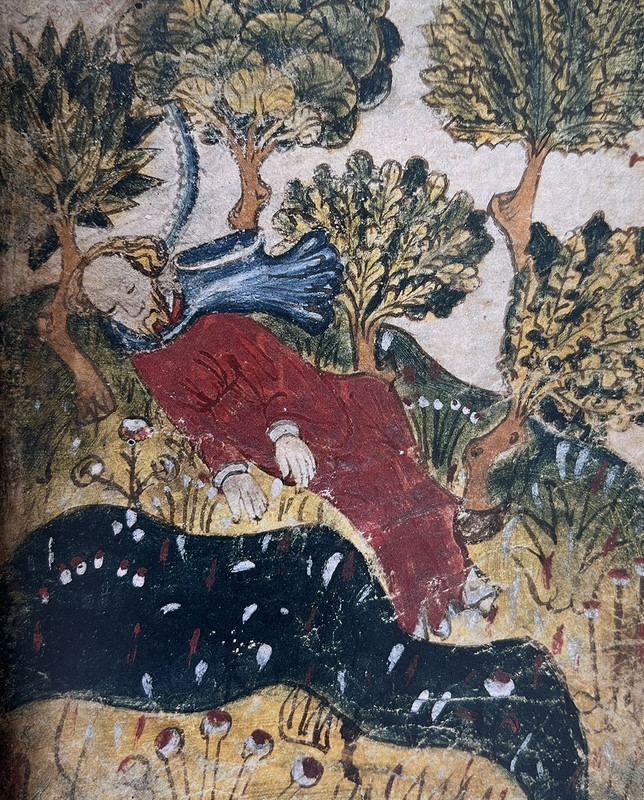
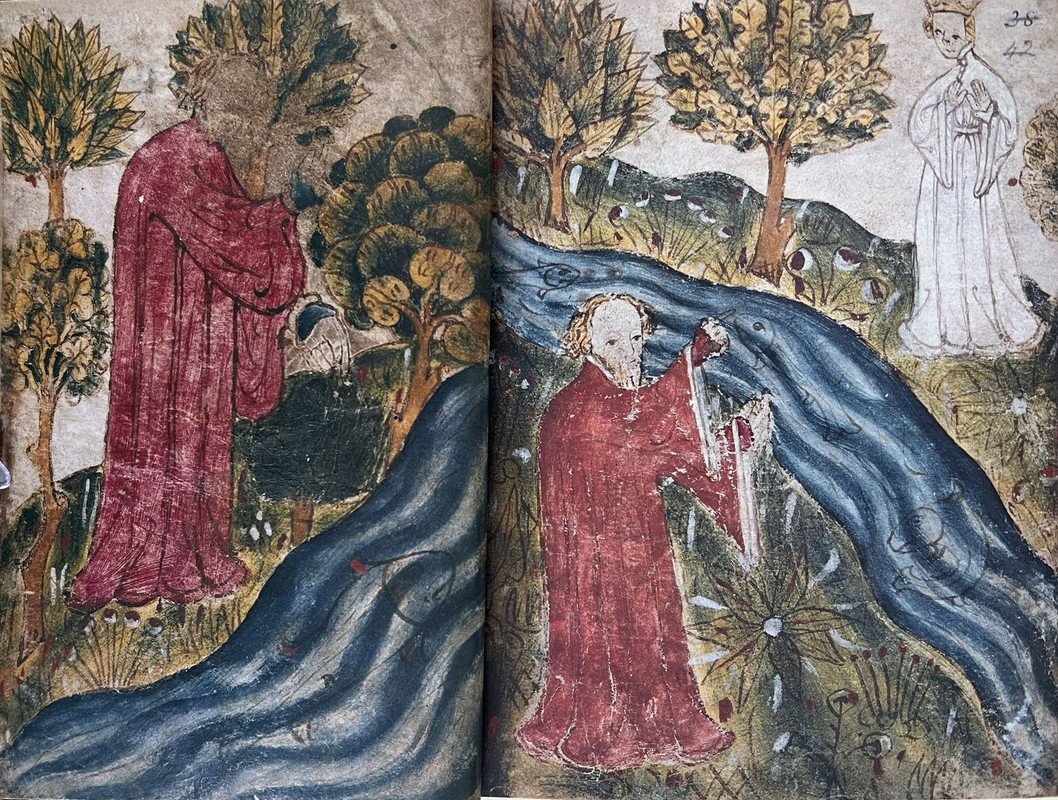
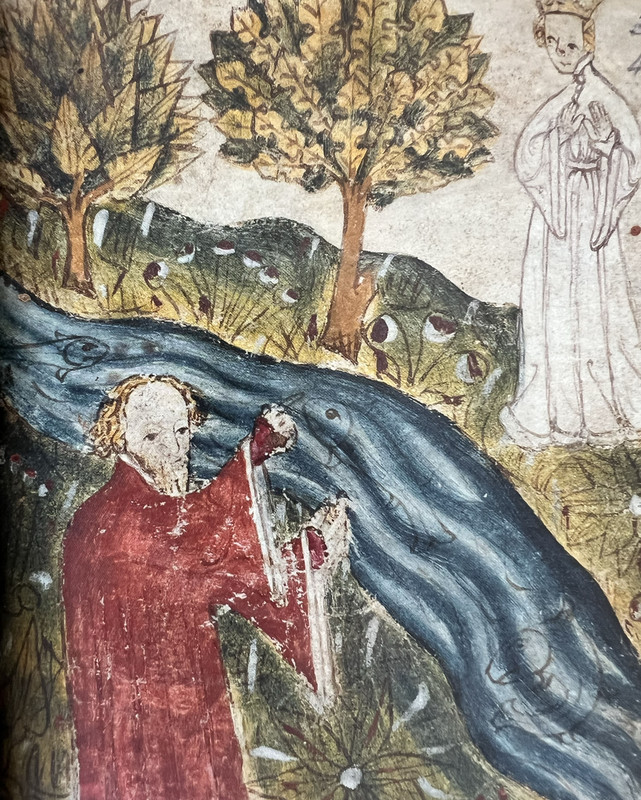
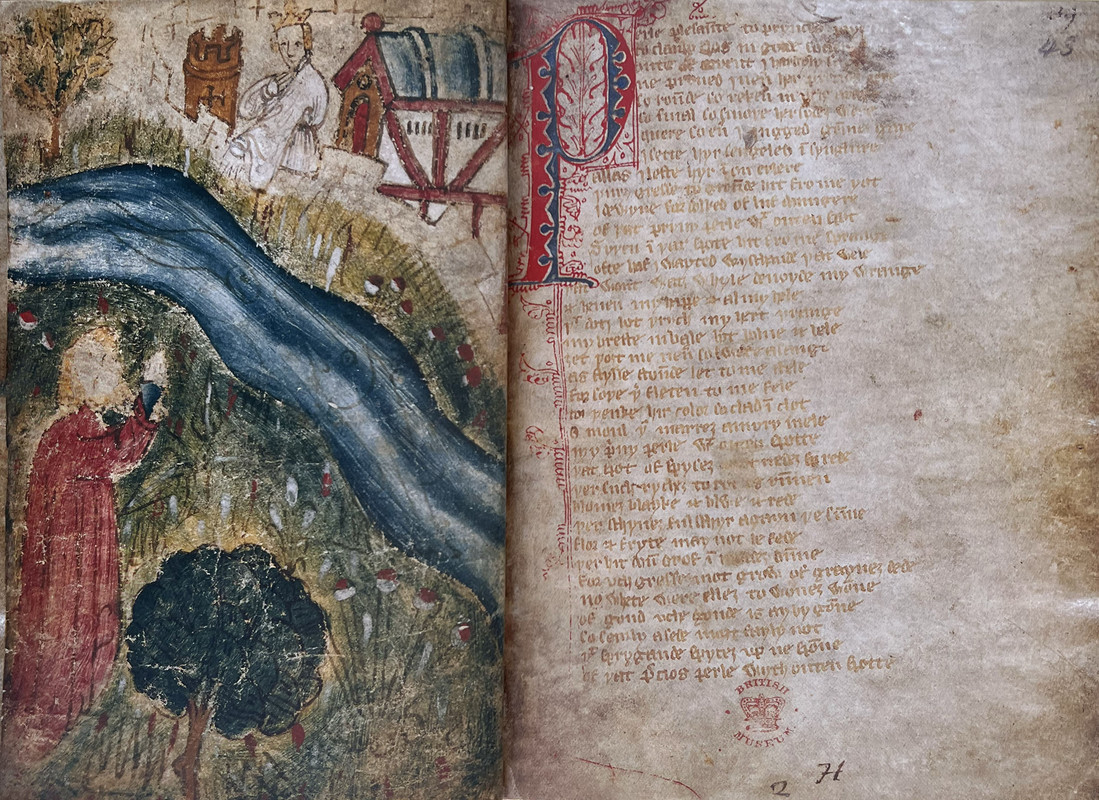
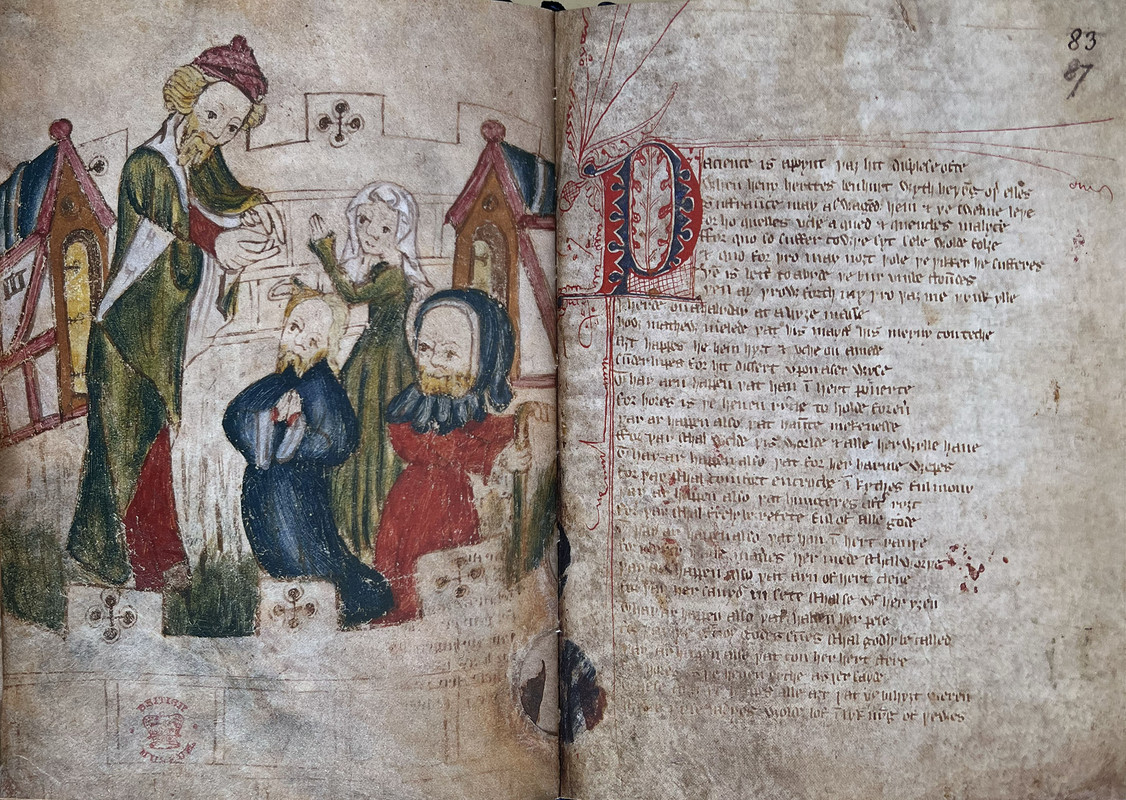
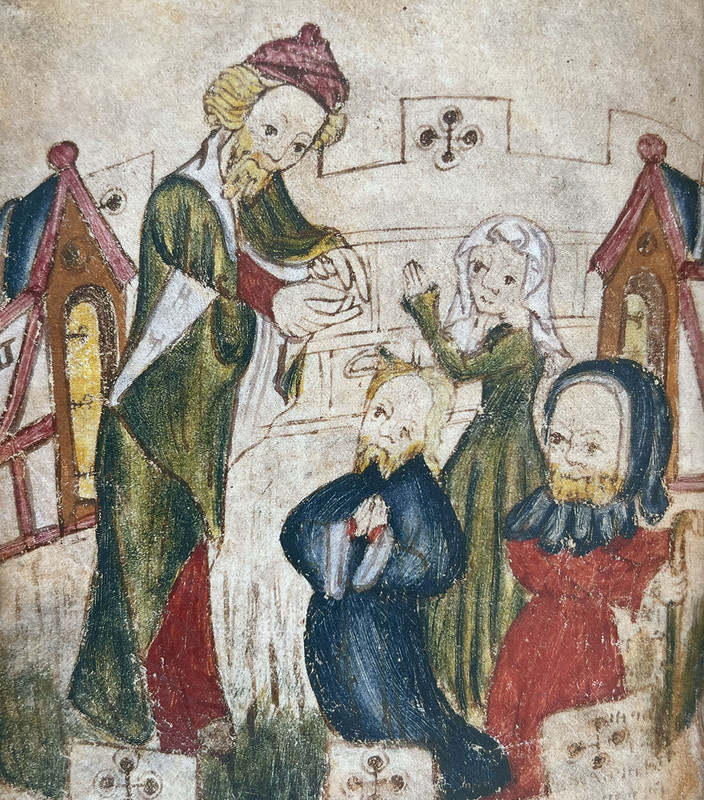
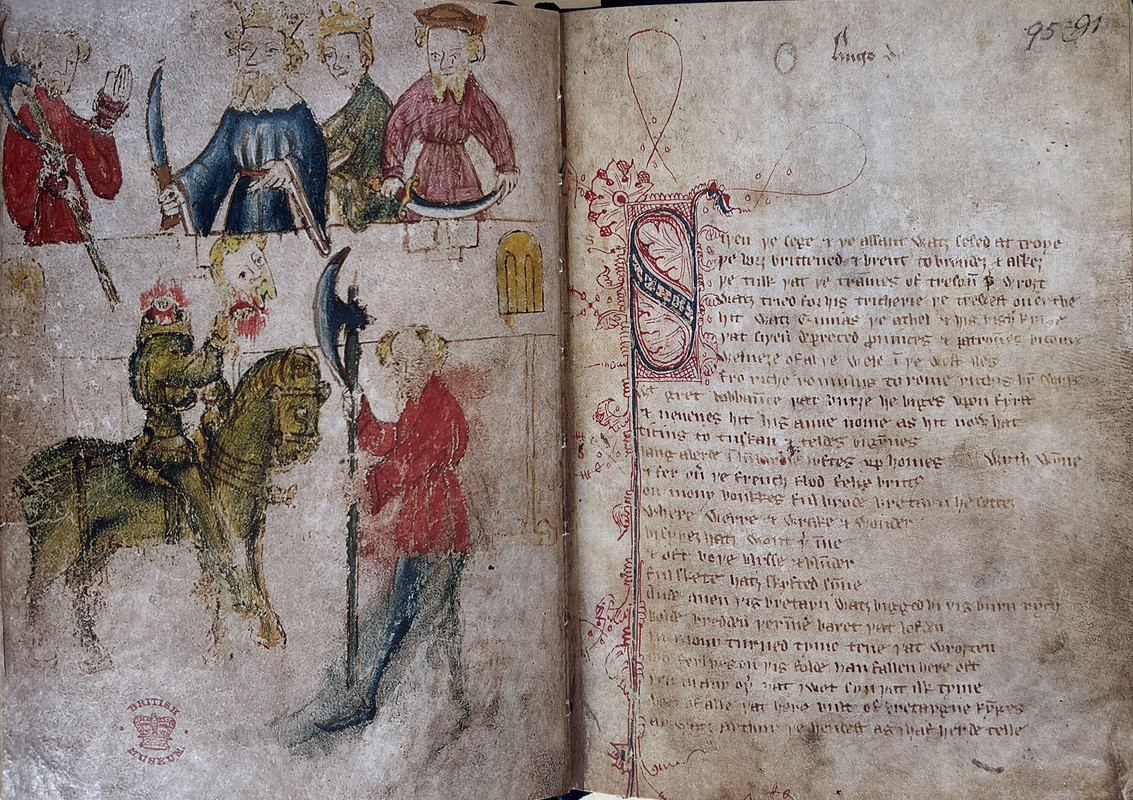
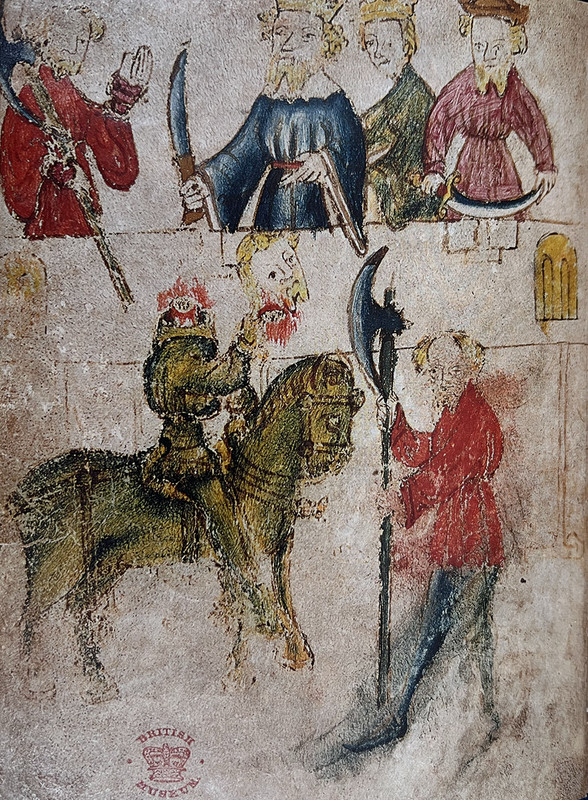
There are four miniatures each for Pearl and Sir Gawain and two each for Cleanness and Patience. The miniatures for Pearl include representations of the poem's dreamer and the maiden (or pearl) of his dream. In each, a stream is a prominent element. The fish in that stream tend to dominate the paintings. The miniatures for Sir Gawain show the Arthurian courtly context for the story as well as aspects of the knight's adventures.
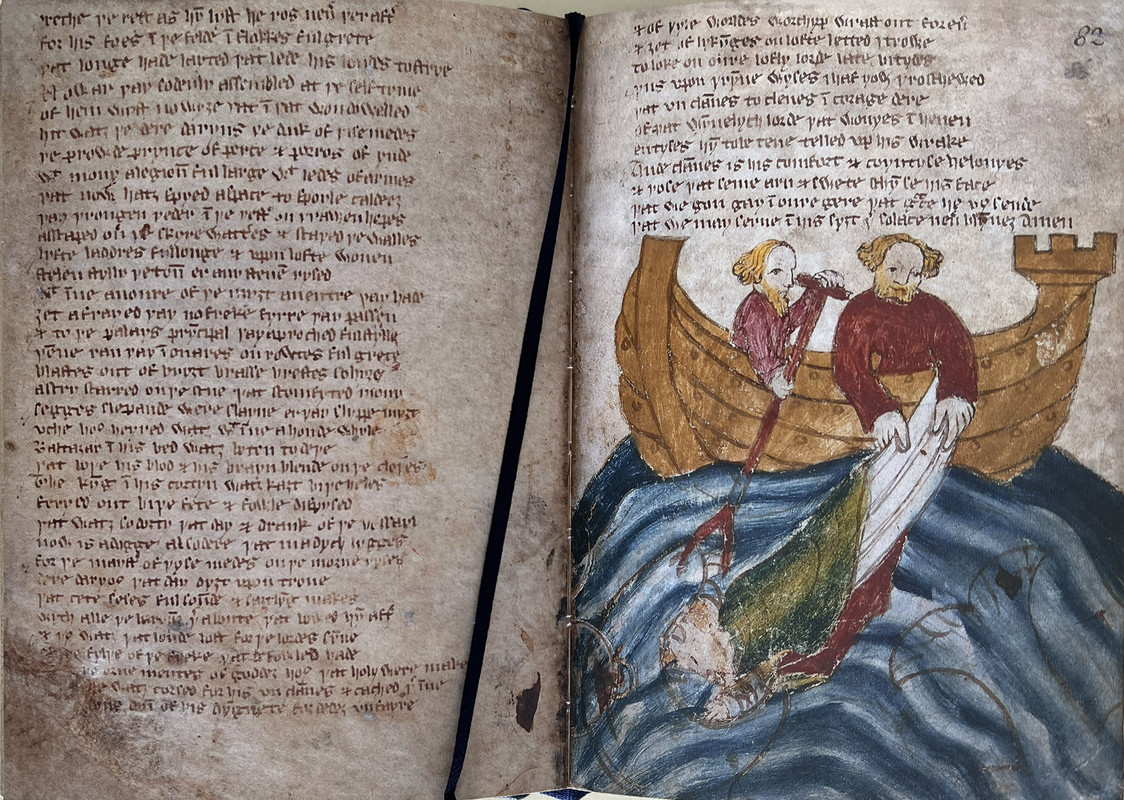
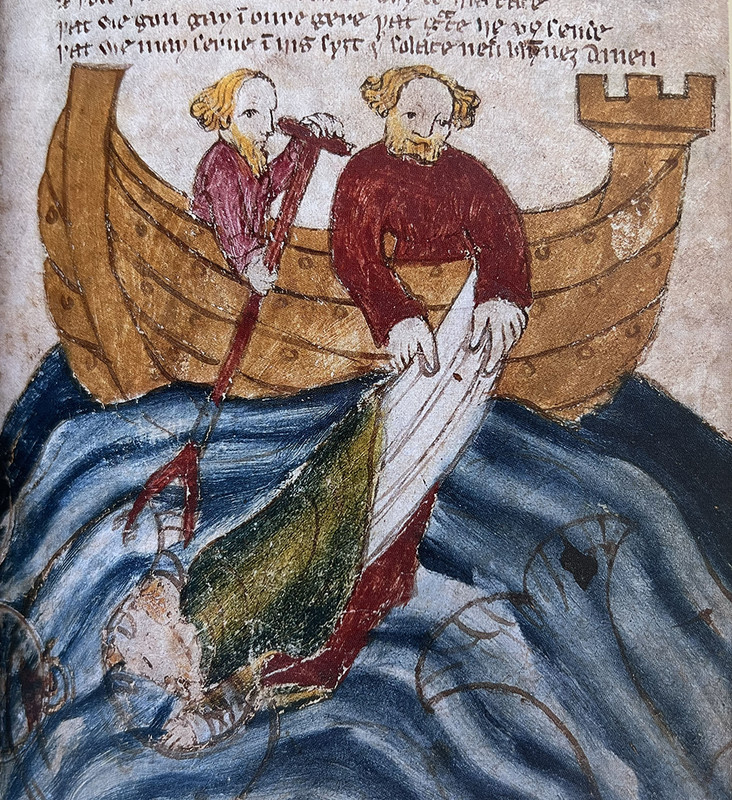
The illustrations for Cleanness and Patience focus on Old Testament stories, mostly presented as negative examples for the reader. They include a miniature of Noah's ark in the Great Flood, which is understood as a punishment for sexual uncleanness. Six men and a woman but no animals occupy the vessel. The story of the Hebrew prophet Jonah, who was unwilling to accept the Lord's call to preach in Ninevah, is illustrated in two scenes. In one, the prophet is cast into the mouth of a great fish extraordinary for its fang-like teeth.
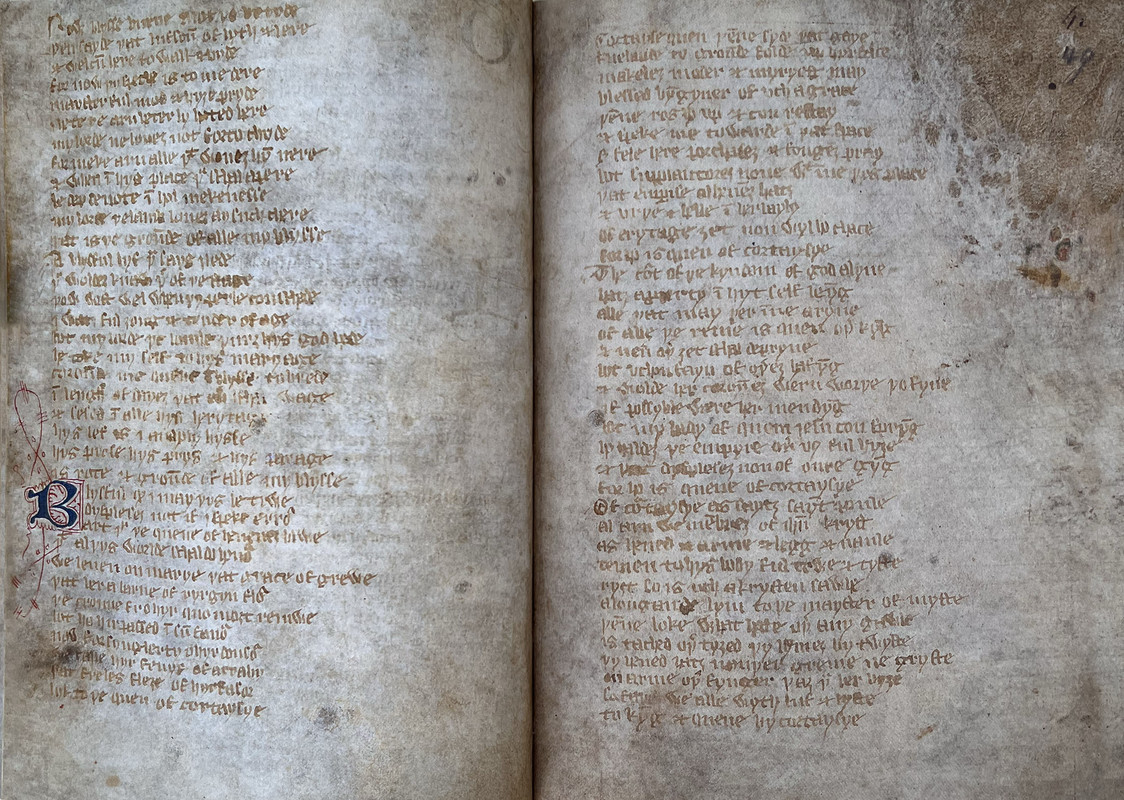
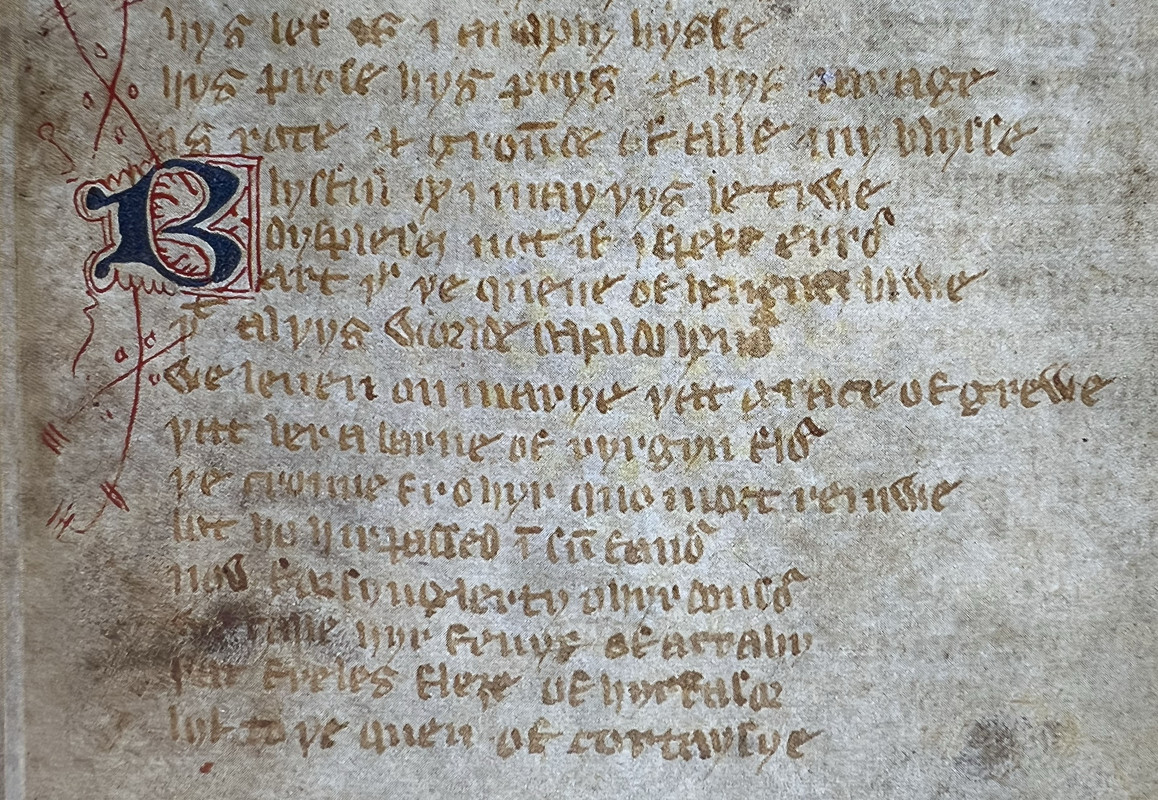
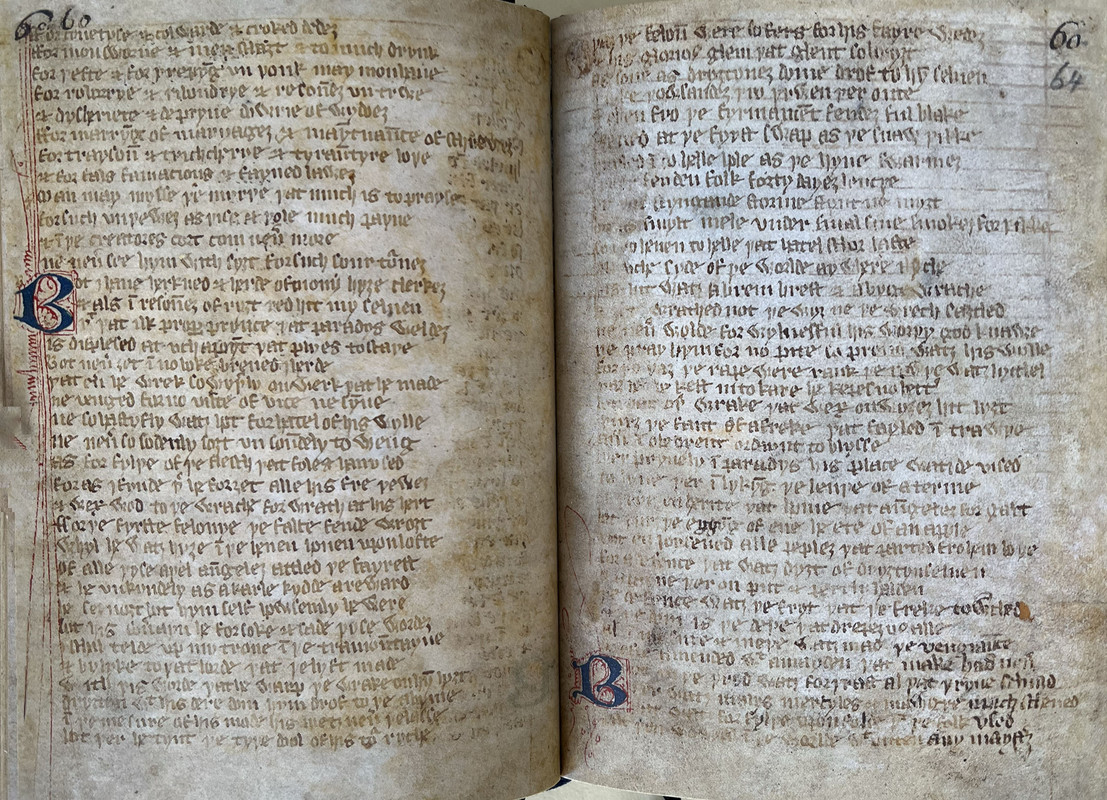
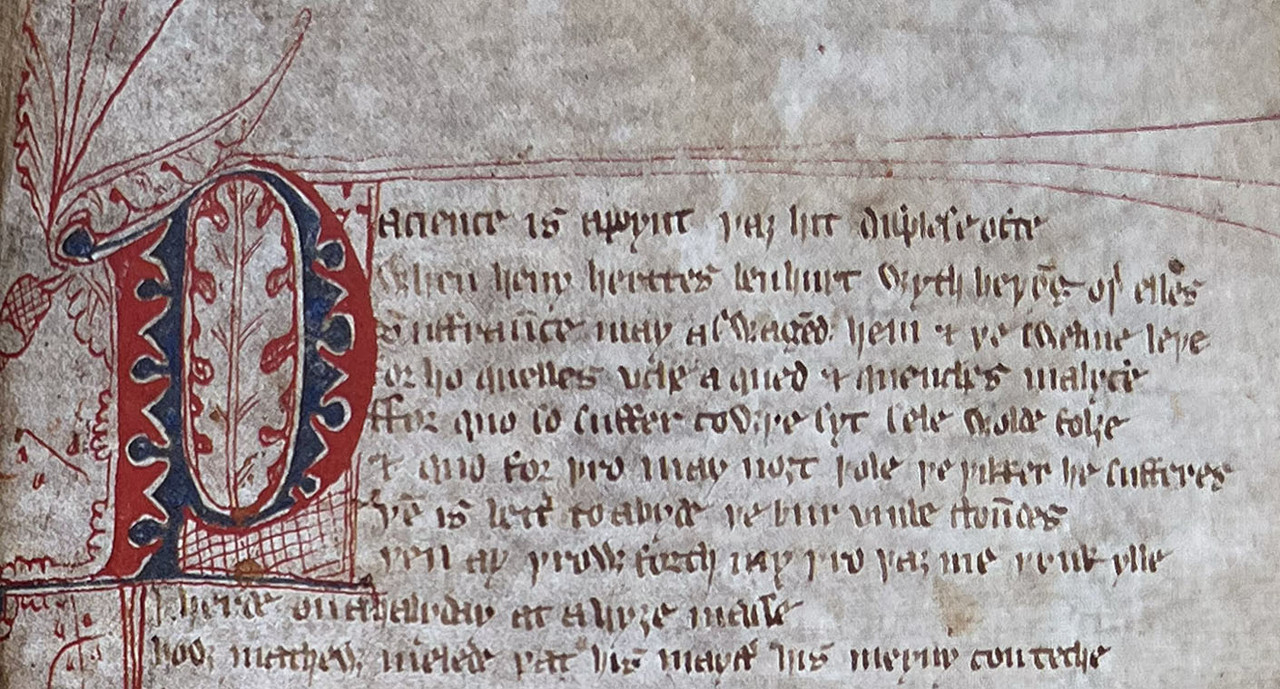
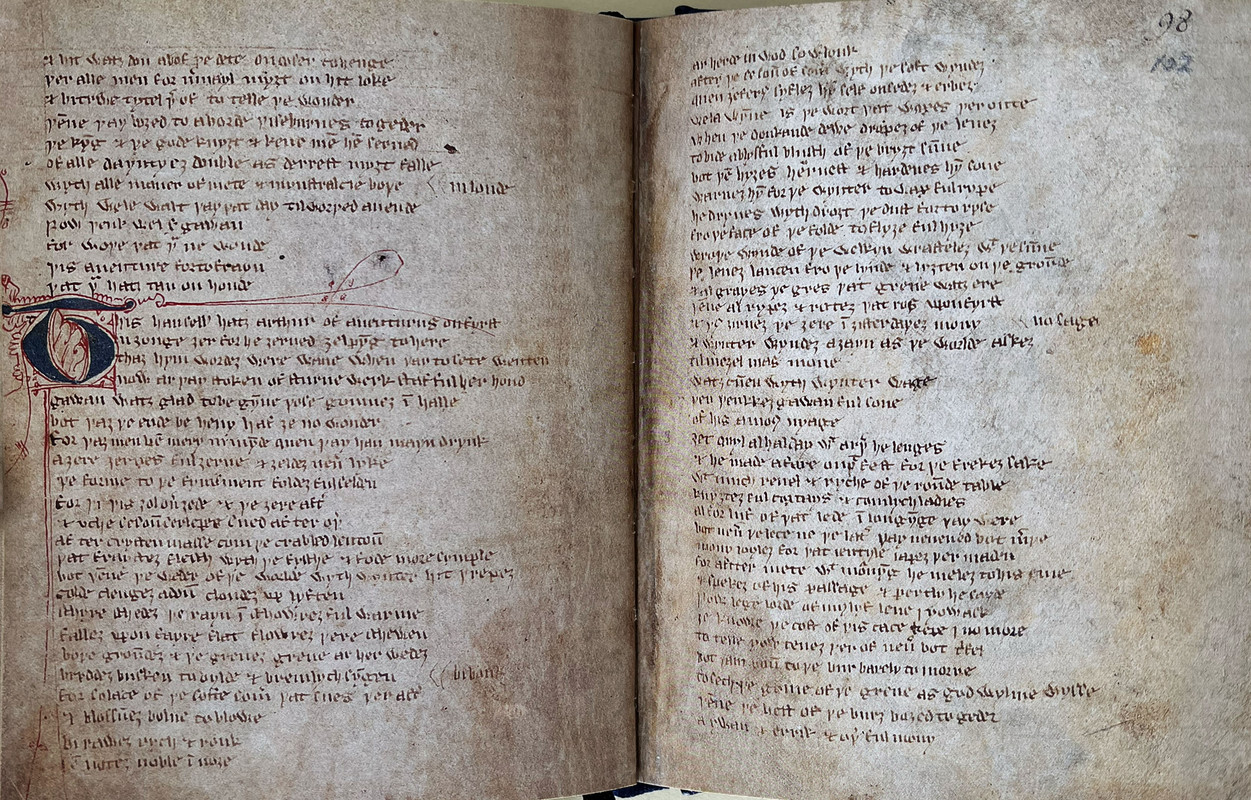
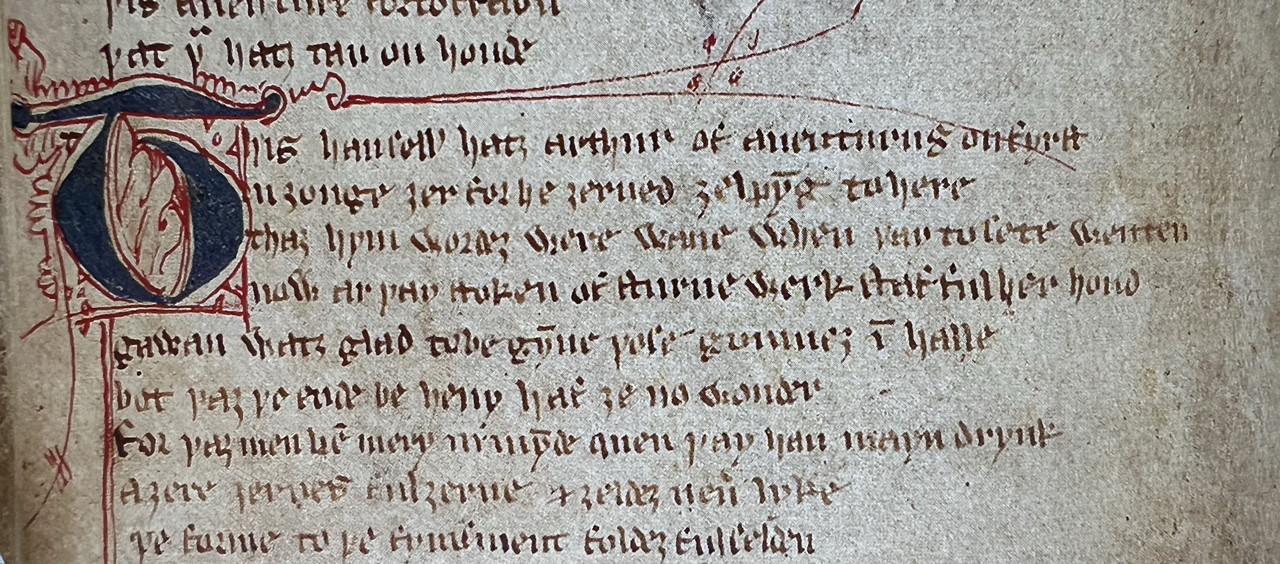
The stanzas of the poems are articulated in the manuscript by pen-flourished initials or paraphs (paragraph marks). The scribe may have made the drawings for the illustrations. Both are in iron-gall ink, generally used for writing but not underdrawing in the period.
The antiquarian Robert Cotton (1571-1631) acquired the manuscript from Henry Savile (1568-1617). Robert Cotton had the poetry collection bound with unrelated material as MS Nero A.x. Robert's grandson, John Cotton (1621-1702), bequeathed the Cotton manuscripts to Britain "for Publick Use and Advantage." The Cotton manuscripts formed one of the foundation collections of the British Museum's library. They were transferred to the British Library upon its establishment in 1973.
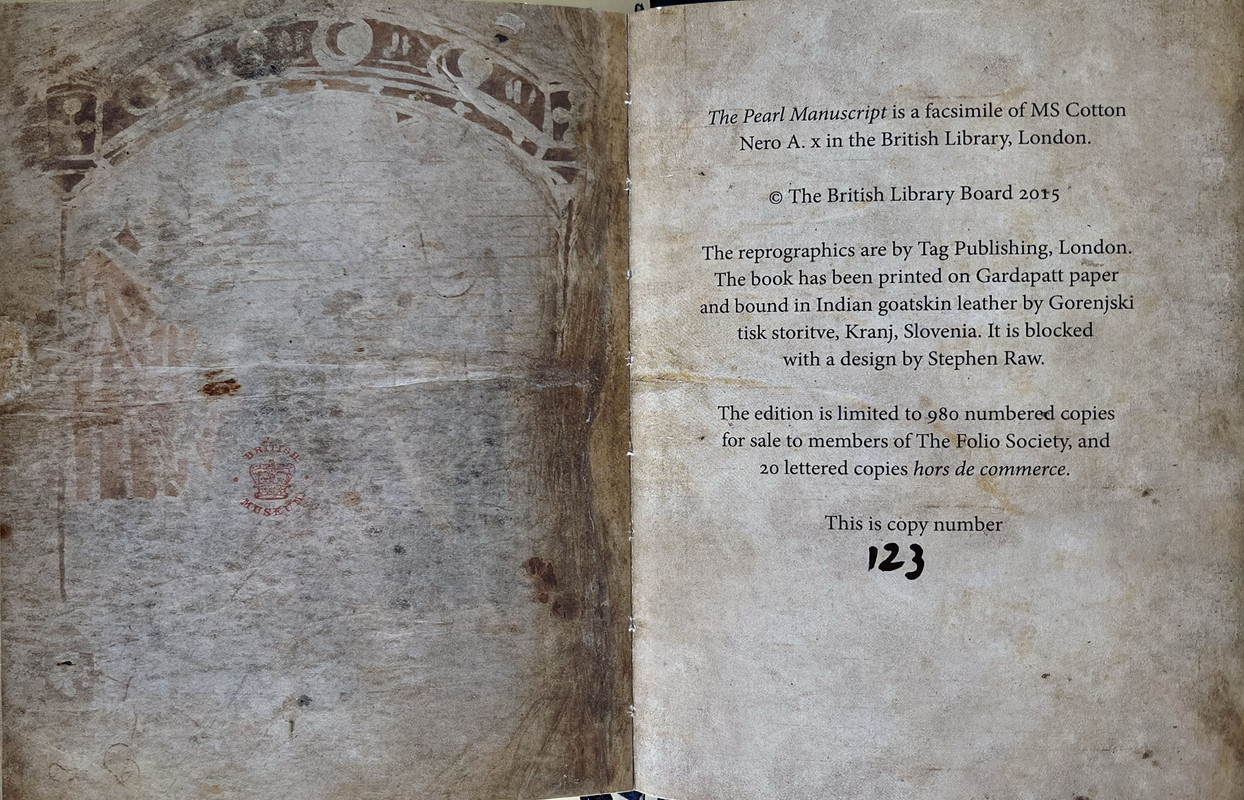
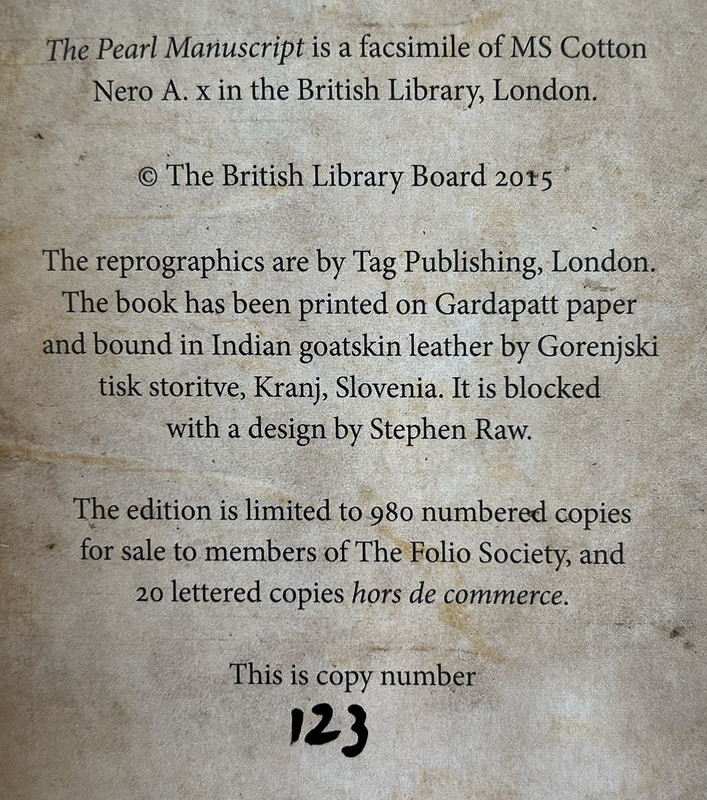
The Folio Society published this limited edition of 980 copies for an original price of £345. It consists of two volumes housed in a Solander case.
POETRY FACSIMILE
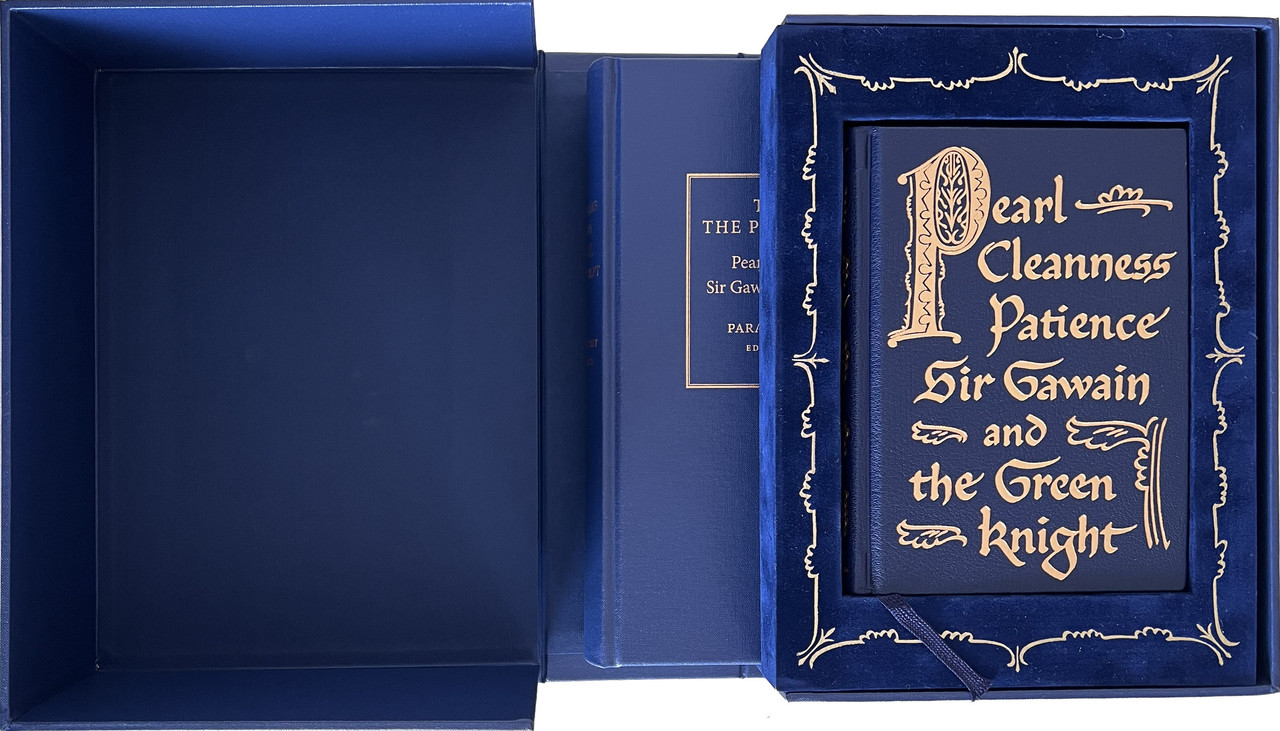
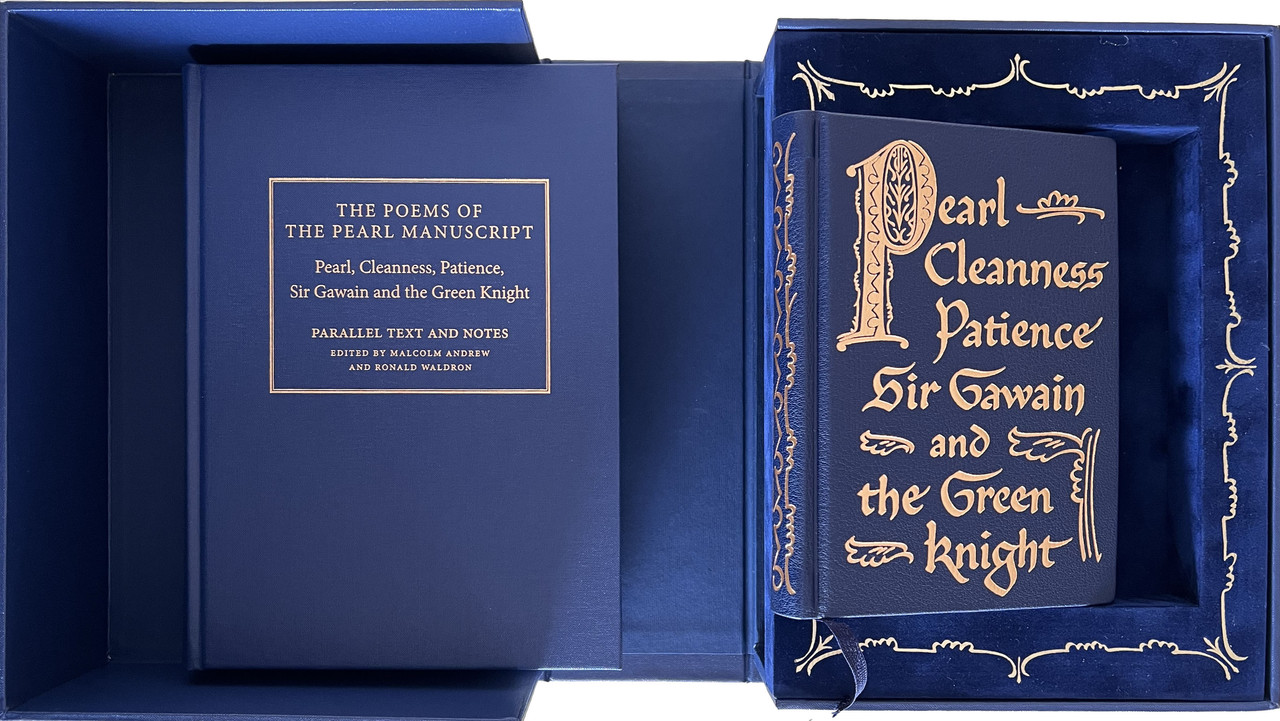
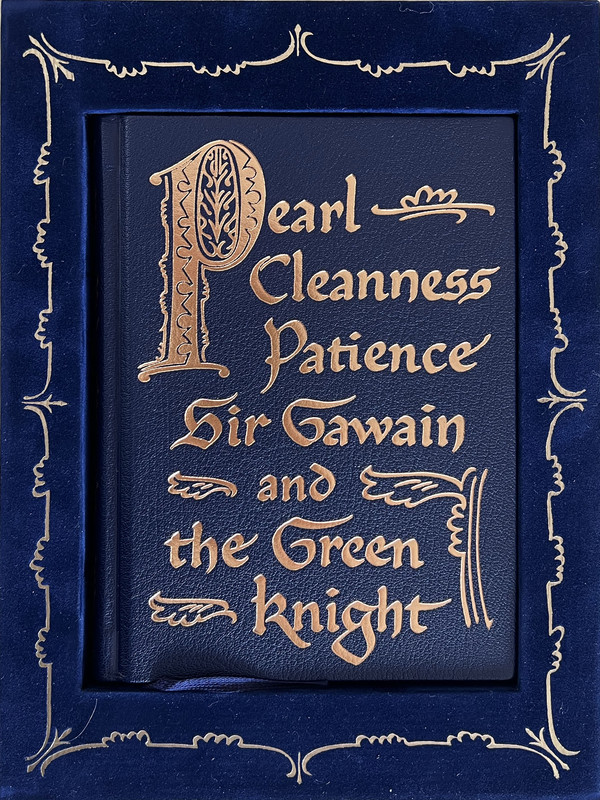
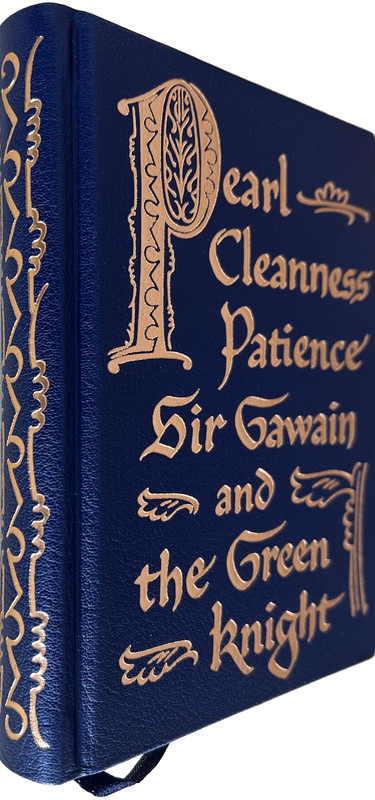
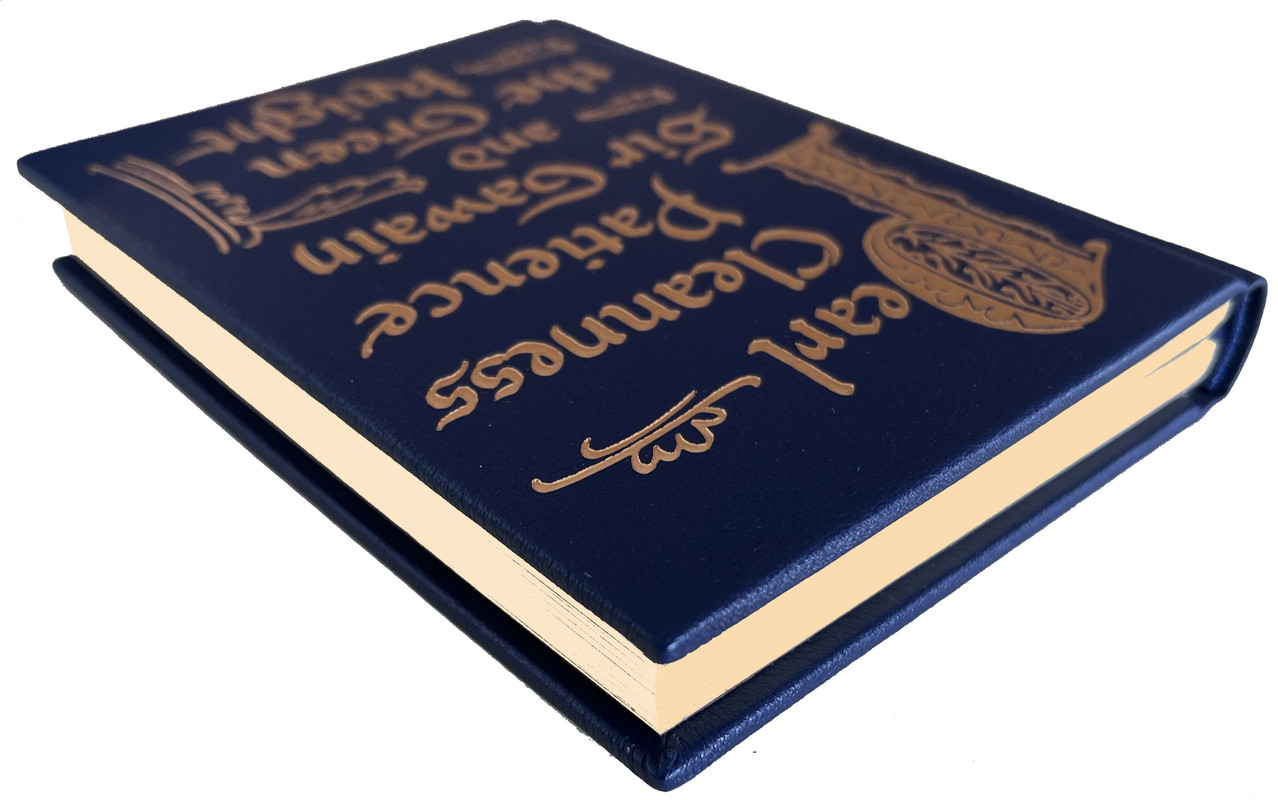
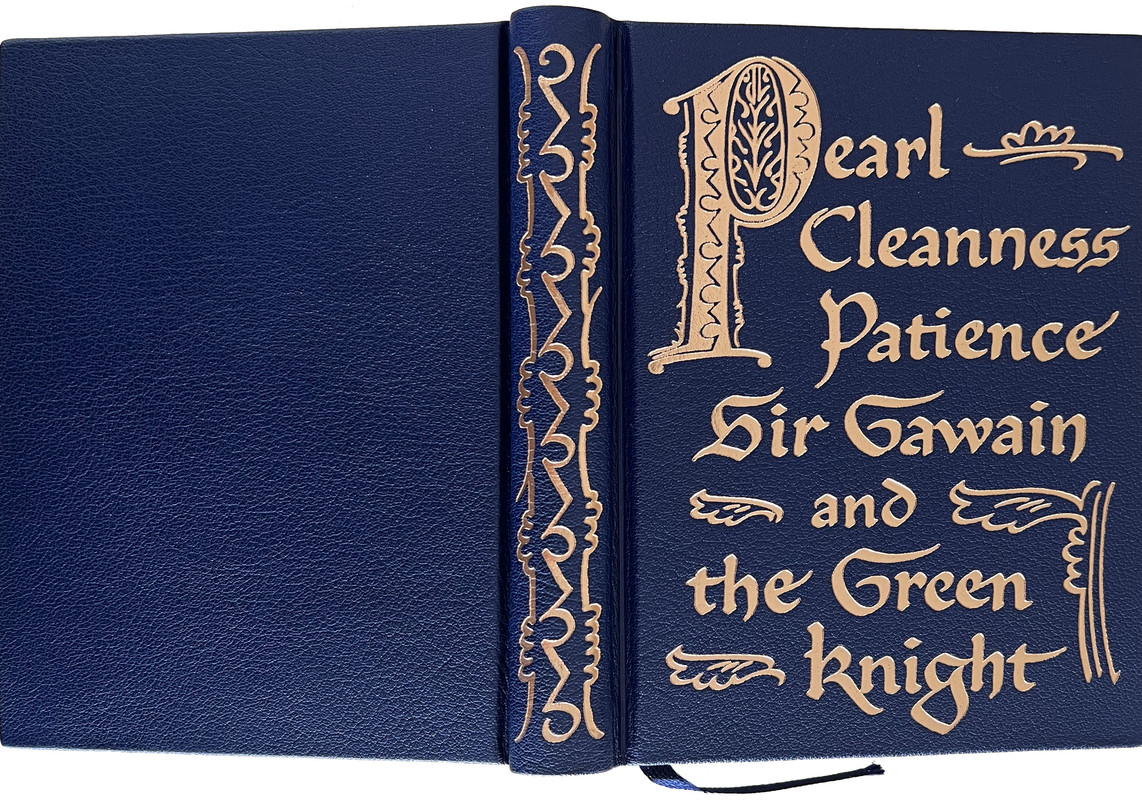
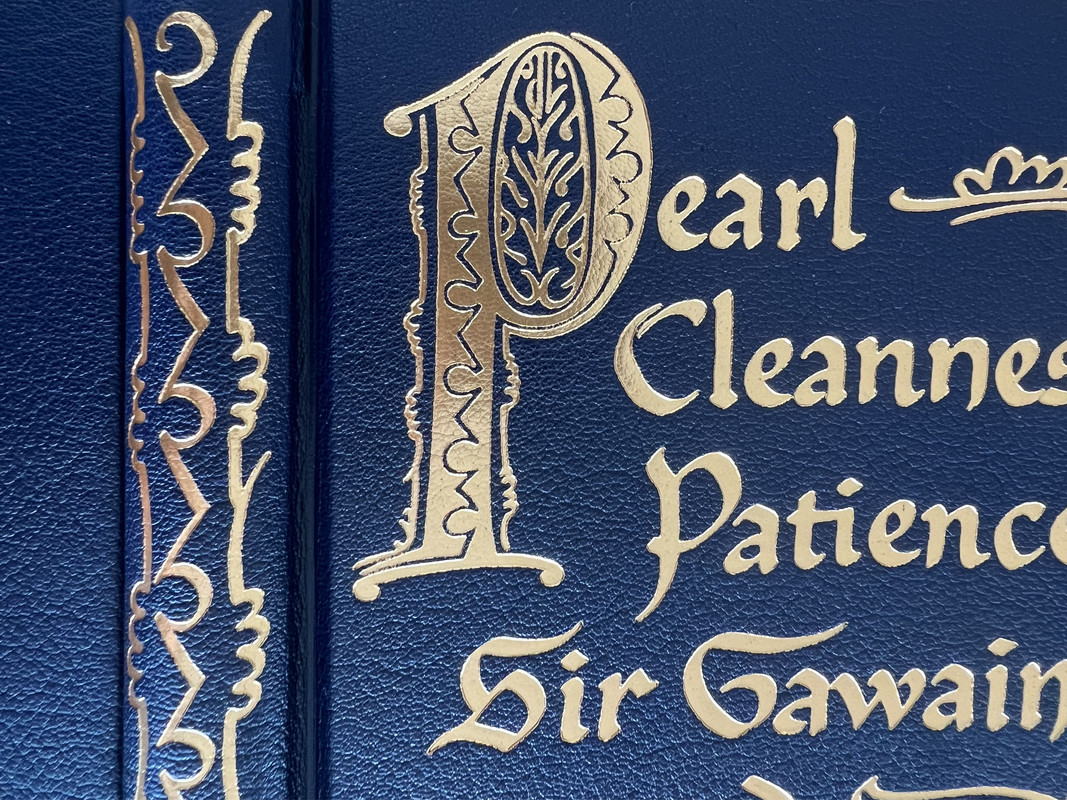
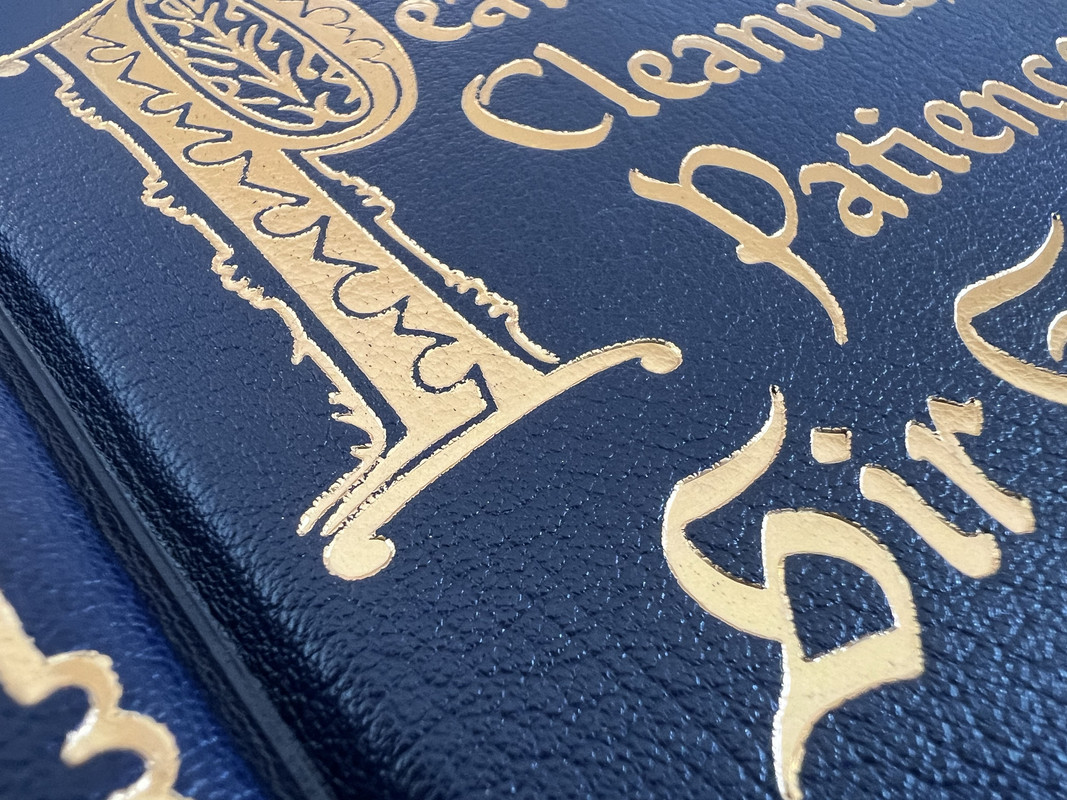
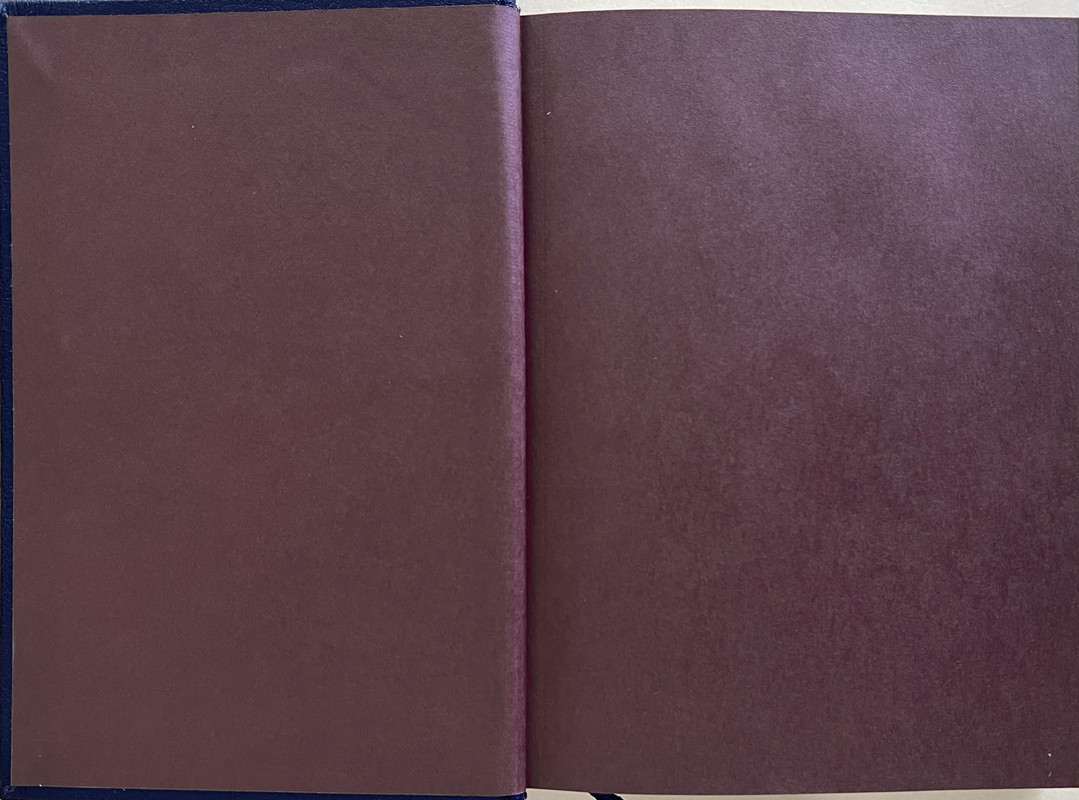
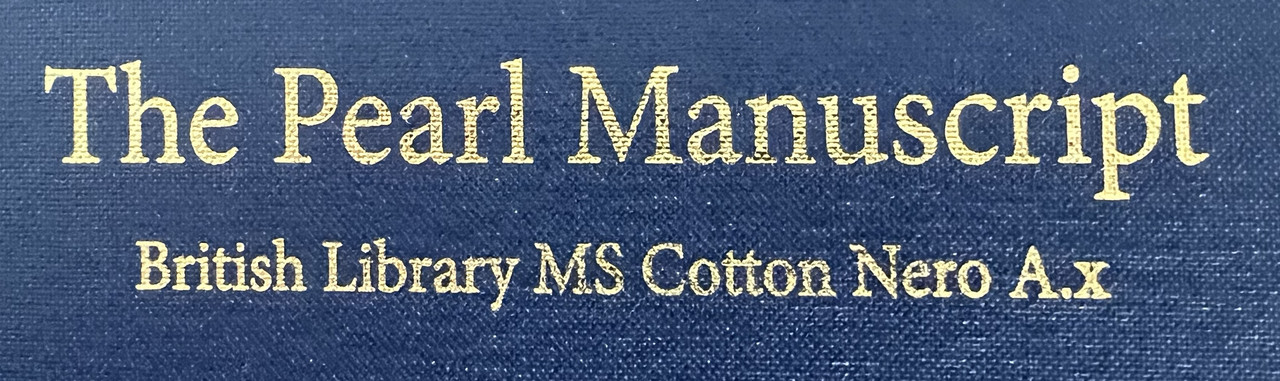
This is a superb facsimile printed on Arctic Volume Ivory and bound in dark blue Indian goatskin with gold foil blocked cover and spine. The page edges are tinted in light brown and there is a black ribbon page marker. The endpapers are dark brown. It is housed in velvet covered and gold pattern embossed tray within the Solander box. It has 184 pages and measures a petite 17.5x13.2cm. The pictures bleed to the page edge as does some of the text.
COMMENTARY VOLUME
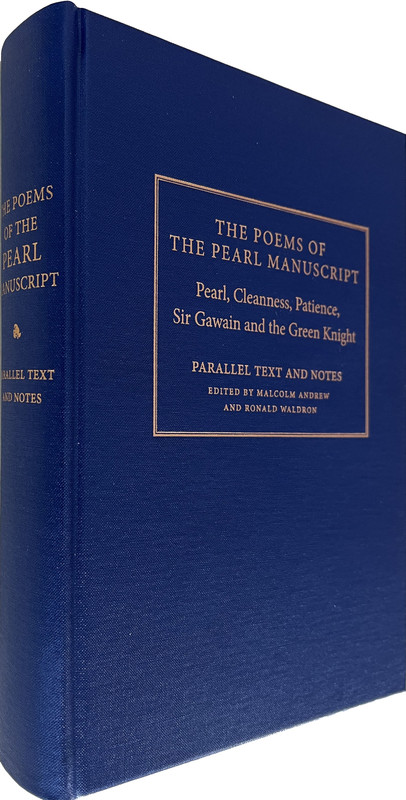
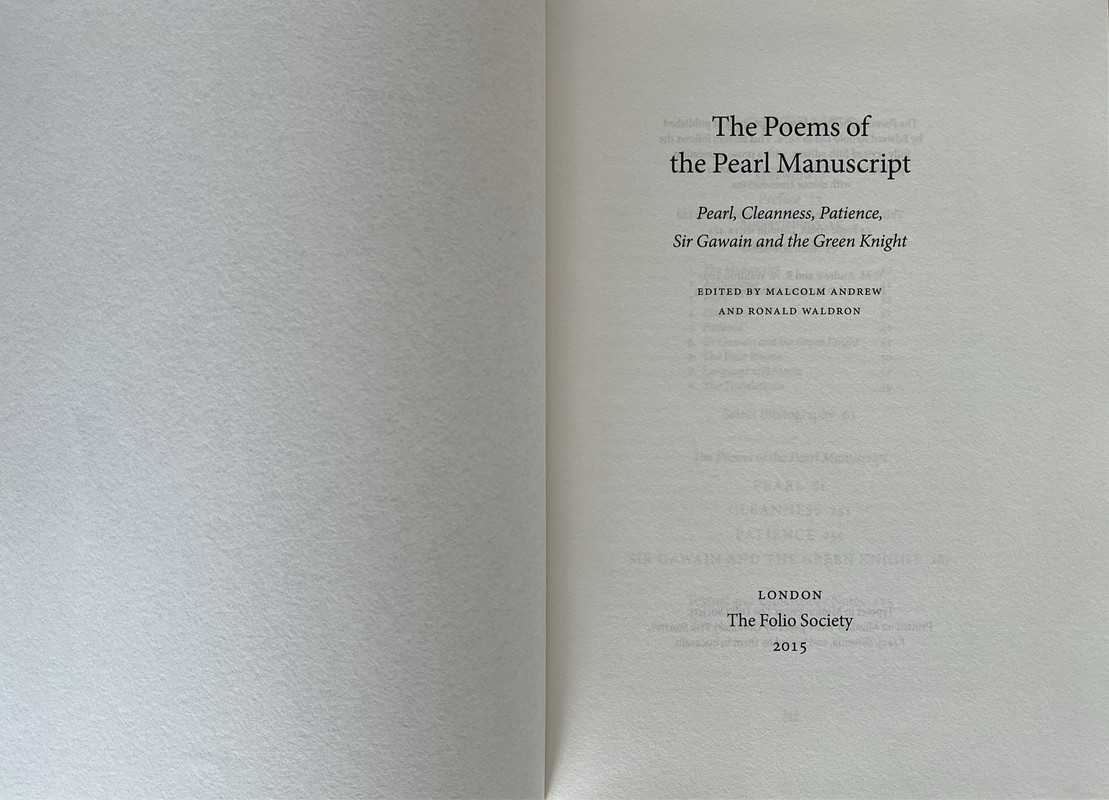
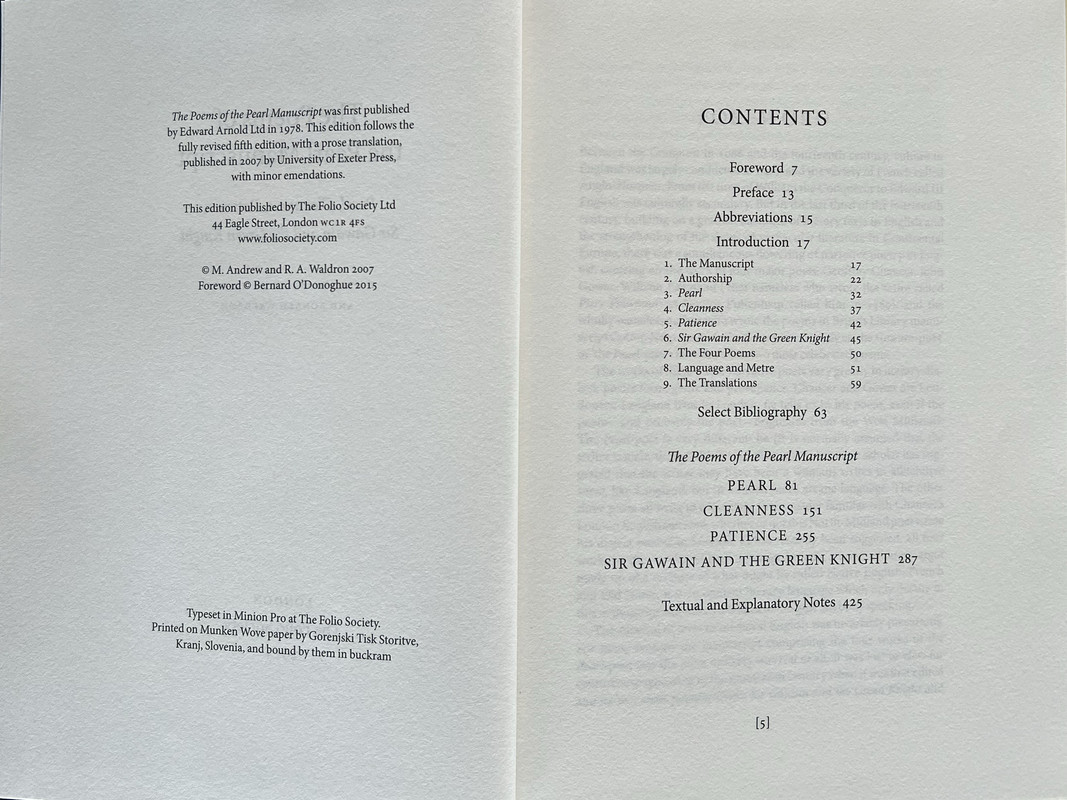
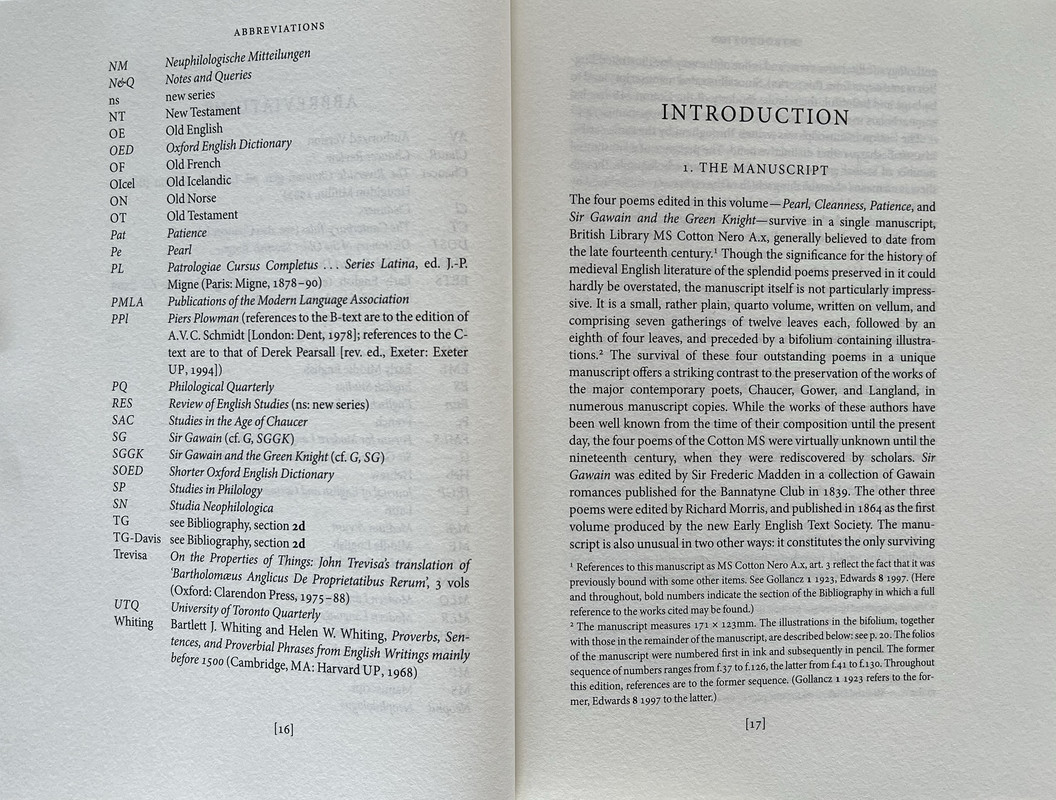
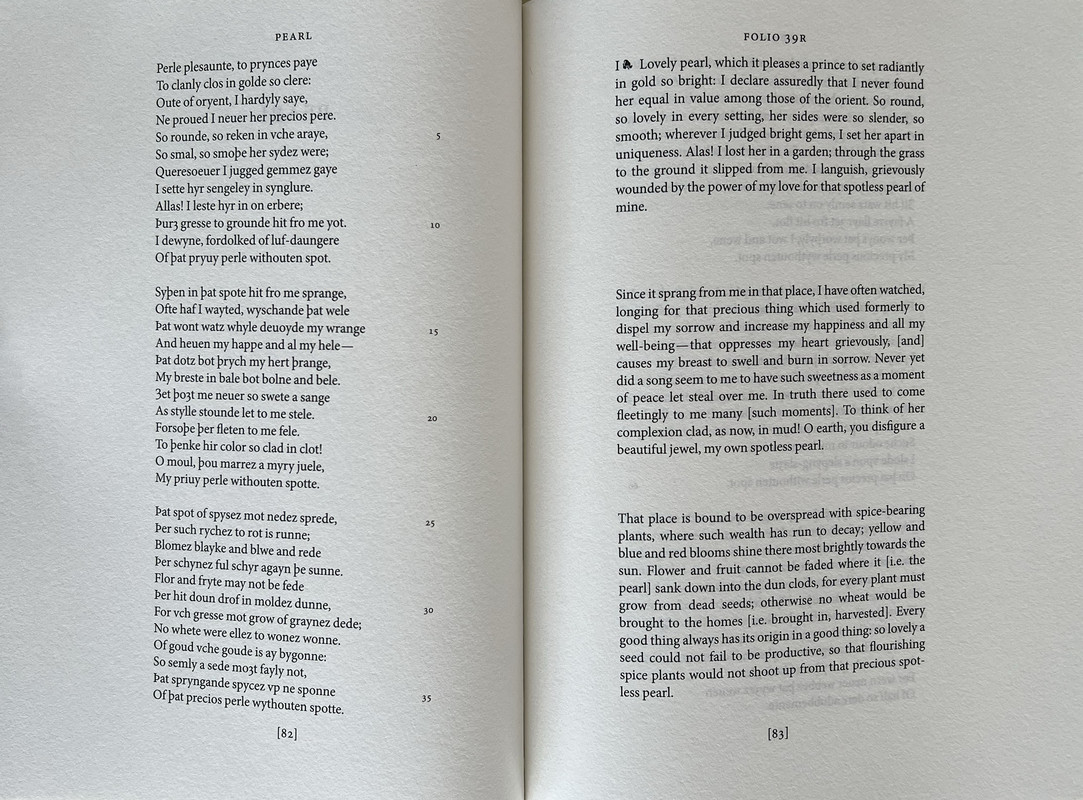
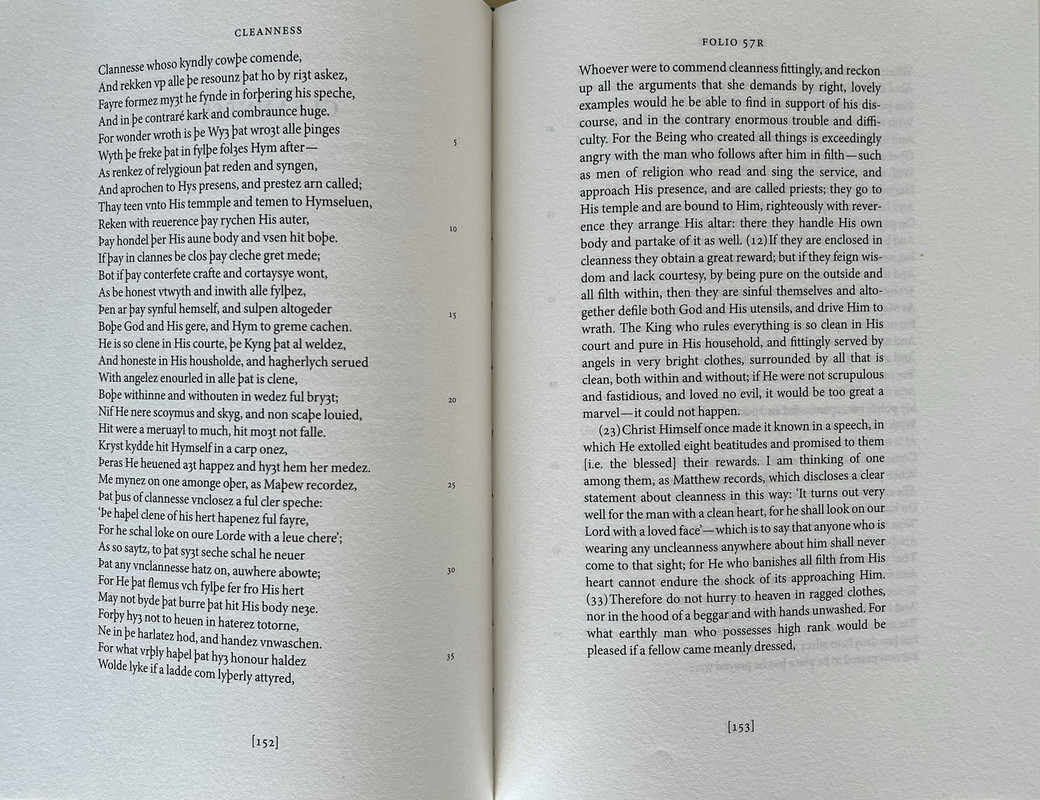
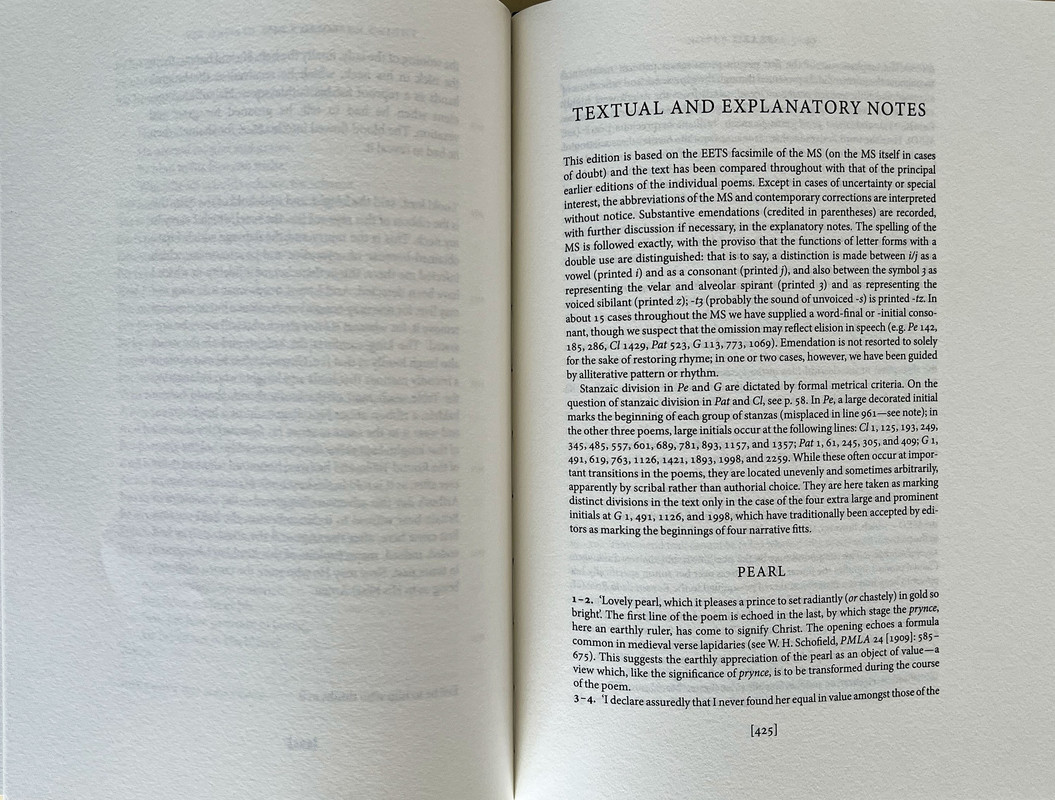
The much larger unillustrated commentary volume has a foreword by Bernard O'Donaghue, and parallel text and notes for all the poems edited by Malcolm Andrew and Ronald Waldron. The endpapers are dark blue. It is bound in dark blue gilt printed buckram, measures 24x17.8cm. and has 536 pages.
SOLANDER BOX
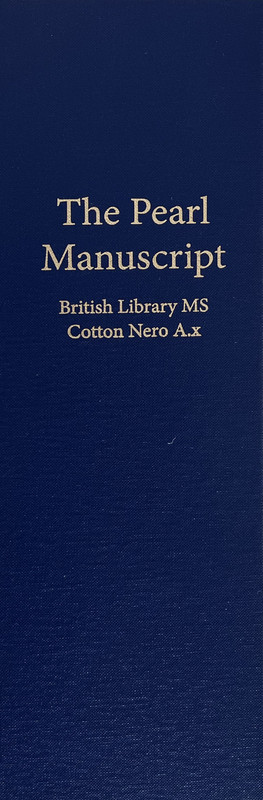
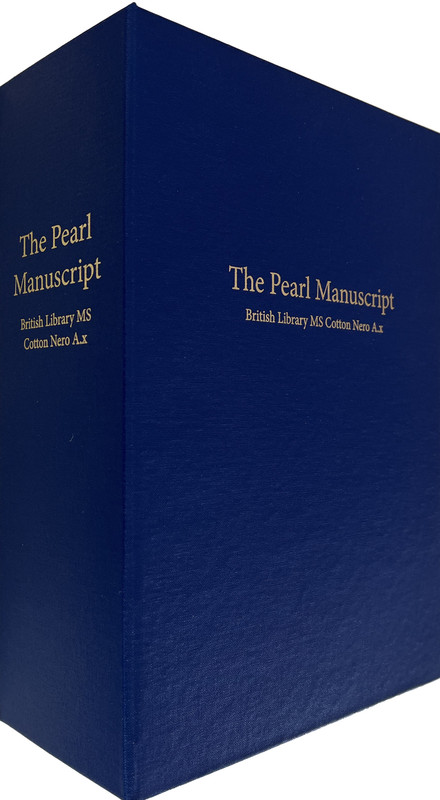
The dark blue Solander case contains a suspended tray to house the poetry facsimile with the space underneath used to house the commentary volume. It is gilt titled on front and edge and measures 27.5x20.3x9cm.

The Folio Society published Sir Gawain and the Green Knight as a stand-alone standard edition in 1983.
A pdf of The Folio Society brochure for this book can be downloaded here.
An index of the other illustrated reviews in the "Folio Archives" series can be viewed here.
The Pearl Manuscript uniquely preserves four poems in Middle English alliterative verse composed by a single anonymous author. Created around 1400, it is one of the very few illustrated medieval manuscripts of English literature. The poems comprise a dream vision, two biblical commentaries, and an Arthurian romance. The approach to the themes is unfailingly Christian, but the allegories are complex and sometimes perplexing.
The first poem, Pearl, gives the manuscript its name. The others are Cleanness (or Purity), Patience, and Sir Gawain and the Green Knight.
Eleven full-page and one smaller miniature illustrate the poems. The drawings for the miniatures were executed by someone other than the two people (or perhaps one person) who did the colouring. There are many instances where the colourists either disregard or misunderstand the intentions of the draftsperson. The colourists may have made their contributions years after the text was written and the drawings were made.
There are four miniatures each for Pearl and Sir Gawain and two each for Cleanness and Patience. The miniatures for Pearl include representations of the poem's dreamer and the maiden (or pearl) of his dream. In each, a stream is a prominent element. The fish in that stream tend to dominate the paintings. The miniatures for Sir Gawain show the Arthurian courtly context for the story as well as aspects of the knight's adventures.
The illustrations for Cleanness and Patience focus on Old Testament stories, mostly presented as negative examples for the reader. They include a miniature of Noah's ark in the Great Flood, which is understood as a punishment for sexual uncleanness. Six men and a woman but no animals occupy the vessel. The story of the Hebrew prophet Jonah, who was unwilling to accept the Lord's call to preach in Ninevah, is illustrated in two scenes. In one, the prophet is cast into the mouth of a great fish extraordinary for its fang-like teeth.
The stanzas of the poems are articulated in the manuscript by pen-flourished initials or paraphs (paragraph marks). The scribe may have made the drawings for the illustrations. Both are in iron-gall ink, generally used for writing but not underdrawing in the period.
The antiquarian Robert Cotton (1571-1631) acquired the manuscript from Henry Savile (1568-1617). Robert Cotton had the poetry collection bound with unrelated material as MS Nero A.x. Robert's grandson, John Cotton (1621-1702), bequeathed the Cotton manuscripts to Britain "for Publick Use and Advantage." The Cotton manuscripts formed one of the foundation collections of the British Museum's library. They were transferred to the British Library upon its establishment in 1973.
The Folio Society published this limited edition of 980 copies for an original price of £345. It consists of two volumes housed in a Solander case.
POETRY FACSIMILE
This is a superb facsimile printed on Arctic Volume Ivory and bound in dark blue Indian goatskin with gold foil blocked cover and spine. The page edges are tinted in light brown and there is a black ribbon page marker. The endpapers are dark brown. It is housed in velvet covered and gold pattern embossed tray within the Solander box. It has 184 pages and measures a petite 17.5x13.2cm. The pictures bleed to the page edge as does some of the text.
COMMENTARY VOLUME
The much larger unillustrated commentary volume has a foreword by Bernard O'Donaghue, and parallel text and notes for all the poems edited by Malcolm Andrew and Ronald Waldron. The endpapers are dark blue. It is bound in dark blue gilt printed buckram, measures 24x17.8cm. and has 536 pages.
SOLANDER BOX
The dark blue Solander case contains a suspended tray to house the poetry facsimile with the space underneath used to house the commentary volume. It is gilt titled on front and edge and measures 27.5x20.3x9cm.
The Folio Society published Sir Gawain and the Green Knight as a stand-alone standard edition in 1983.
A pdf of The Folio Society brochure for this book can be downloaded here.
An index of the other illustrated reviews in the "Folio Archives" series can be viewed here.
2CJDelDotto
This is such a beautiful edition of some of the most important poetic texts of the English middle ages. I'm going to need to acquire a copy at some point.
3Jayked
The traditional view that all four works are by the same author has been contested for some time. But then such controversies keep academics in chairs.
4abysswalker
Love this binding.
5stumc
I have this and it really is a beautiful edition, in my opinion much better than the LEs FS are producing nowadays, in regards to both quality and content.
I think I actually picked it up in a sale for £195!
I think I actually picked it up in a sale for £195!
6HonorWulf
>3 Jayked: There's dissent, for sure, but I believe the majority opinion is that they are still by the same author. However, it's almost universally believed that the physical scribe of the surviving manuscript was a copyist and not the original poet. But it's all good-timing as an MIT researcher recently published a multi-year study identifying how the four poems are actually connected in theme and language and not four stand-alone poems as traditionally thought. More wood for the academic fire!
7podaniel
>1 wcarter:
Once again, thank you for the informative background. And I think it was also you who alerted readers to this site that, years after the FS LE had sold out, one odd copy had popped up on the FS website and I was able to snatch it up. Thank you very much.
Once again, thank you for the informative background. And I think it was also you who alerted readers to this site that, years after the FS LE had sold out, one odd copy had popped up on the FS website and I was able to snatch it up. Thank you very much.
8kdweber
The last picture of the facsimile has an interesting bleed. On the backside the arch at the top looks to have some nice detail while on the actual page it appears to have been painted over with blue ink.
9wcarter
>8 kdweber: Very observant. An interesting detail.
10kdweber
>1 wcarter: excellent photography, the text in your photos is way more readable than in the FS facsimile which I find to be very light. I assume the text has faded in the original as well.

