Folio Archives 467: Legends of King Arthur by Richard Barber 2001
Talk Folio Society Devotees
Join LibraryThing to post.
1wcarter
Folio Archives 467: Legends of King Arthur by Richard Barber 2001
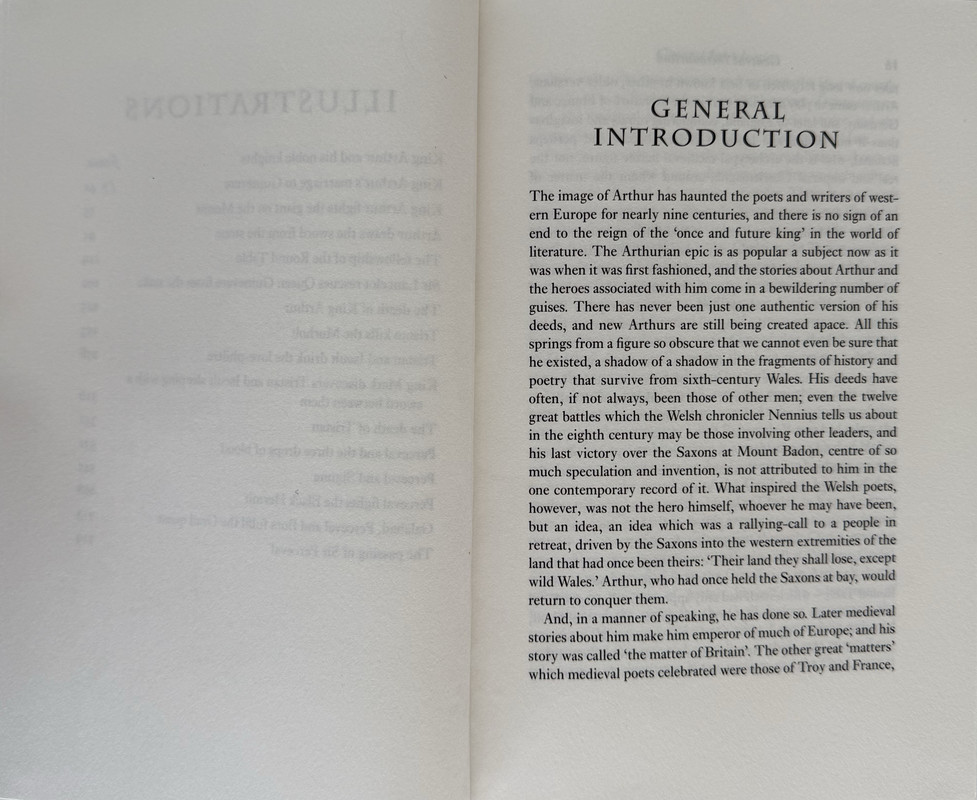
Absolutely nothing is known about King Arthur other than the fact that he actually existed and ruled some parts of southern Britain (possibly Wales and Devon) in the late 400s and early 500s AD. All the stories about him, Camelot, Merlin, Tristan, Guinevere and Sir Lancelot, are pure fiction.
Over a millennia, minstrels, chroniclers (Geoffrey of Monmouth in the 800s), poets and storytellers invented, confabulated and expanded vague myths and tales, reciting them in noble houses and marketplaces in exchange for hospitality and pennies.
In the early 1480s, Sir Thomas Malory collected and edited these Arthurian legends and they were published by William Caxton in 1485. This collection includes many of the most famous tales of Arthur's reign, such as the quest for the Holy Grail and the tragic downfall of Camelot. Malory’s work was published by The Folio Society in numerous editions starting with Lancelot and Guinevere in 1953. In 1982 they published a three volume set of the Chronicles of King Arthur (The Tale of King Arthur, Sir Tristram de Lyonesse, The Morte d'Arthur) as both a standard and limited edition (reviewed here.).
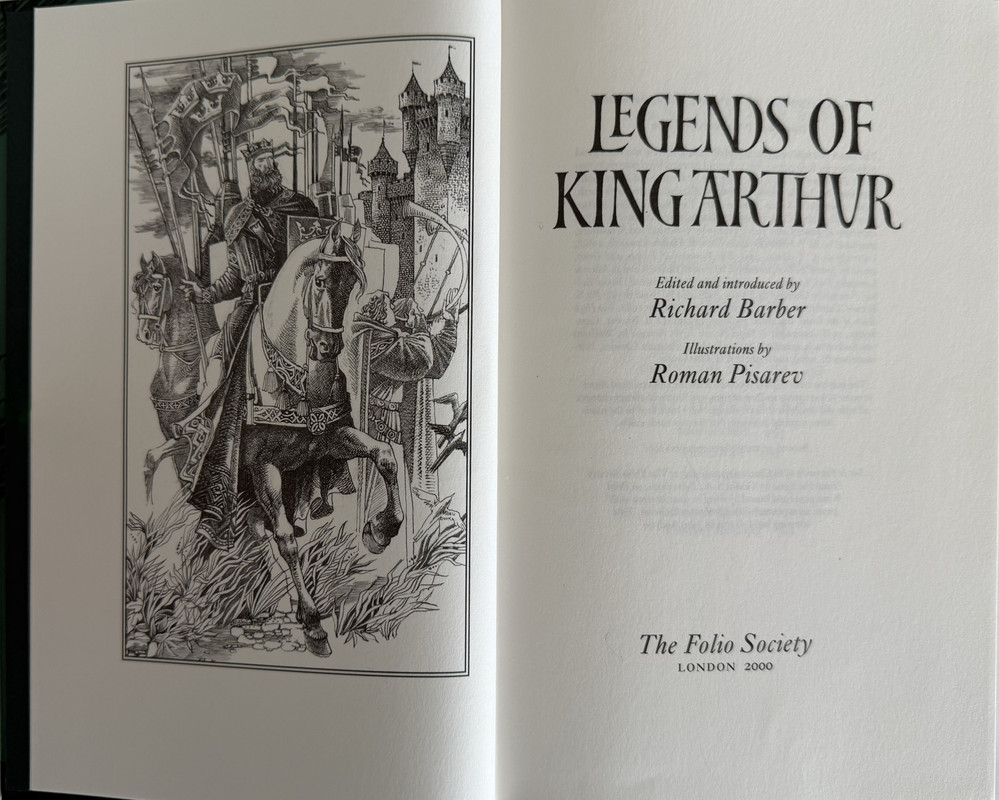
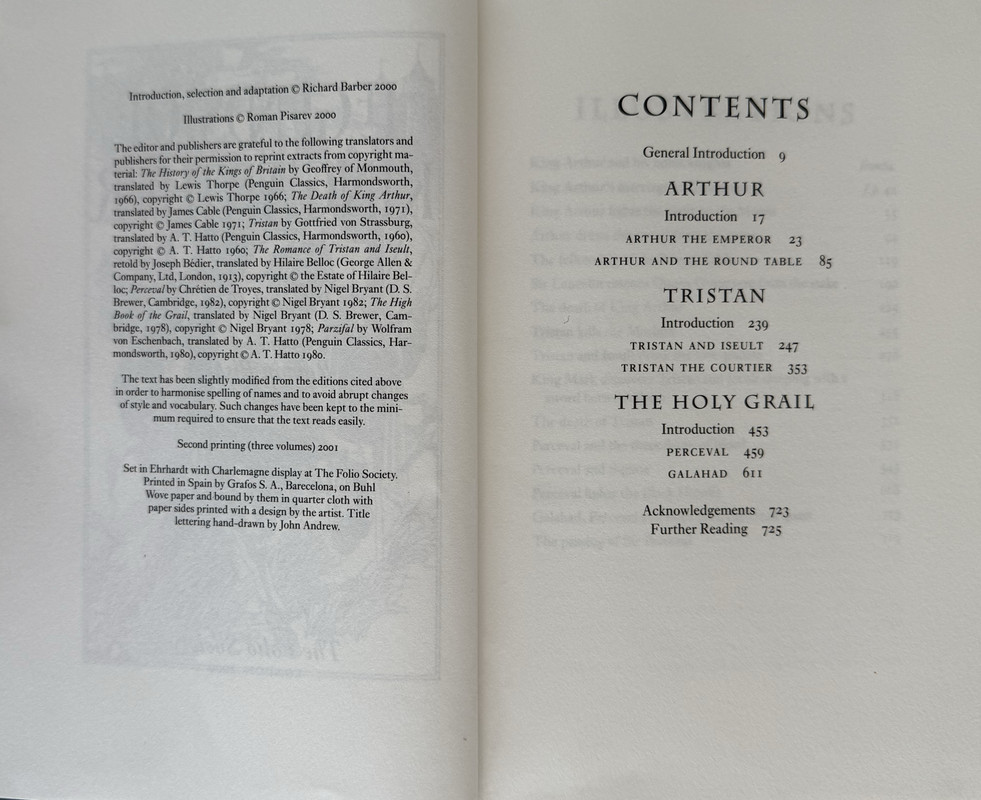
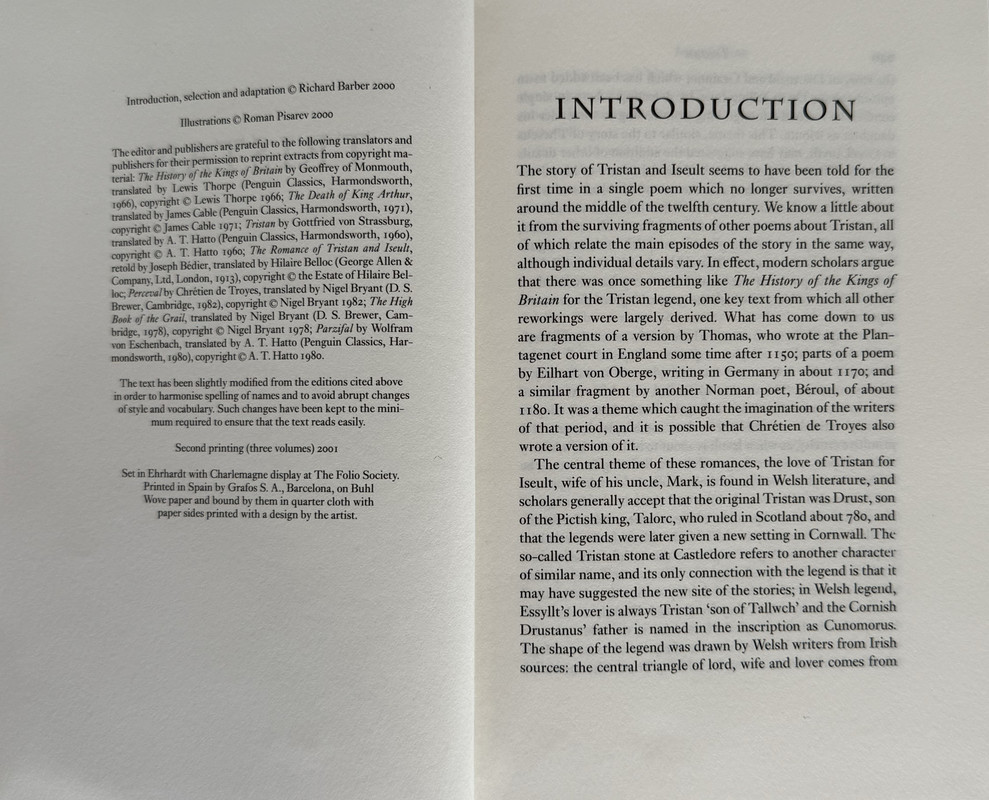
In 1979 the noted British historian Richard Barber (b. 1941) reinterpreted the Arthurian legends into modern English and published The Legends of King Arthur. This was then published by The Folio Society as a single volume in 2000 and as this three-volume set (reviewed below) in a slightly reduced size a year later.
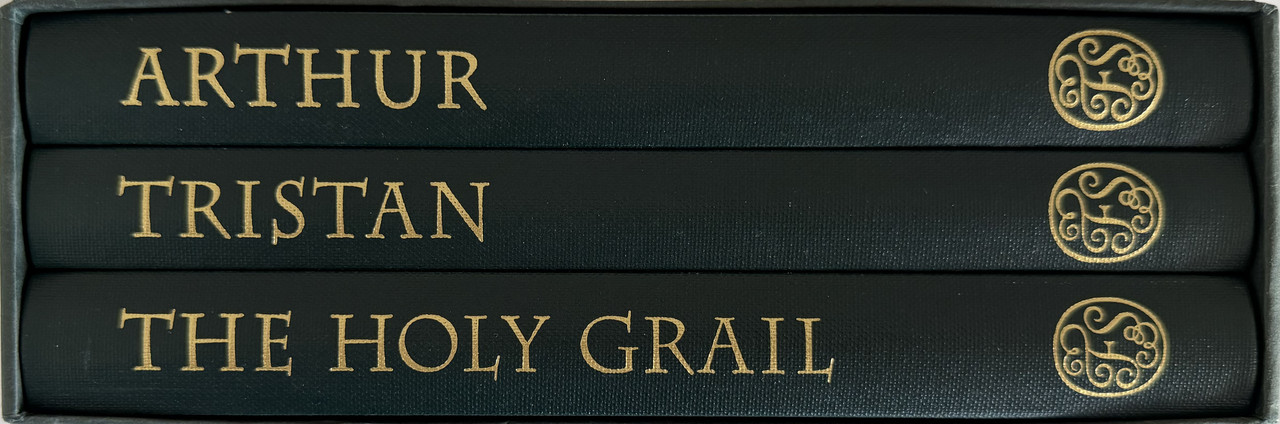
The three volumes are :-
- Arthur
- Tristan
- The Holy Grail
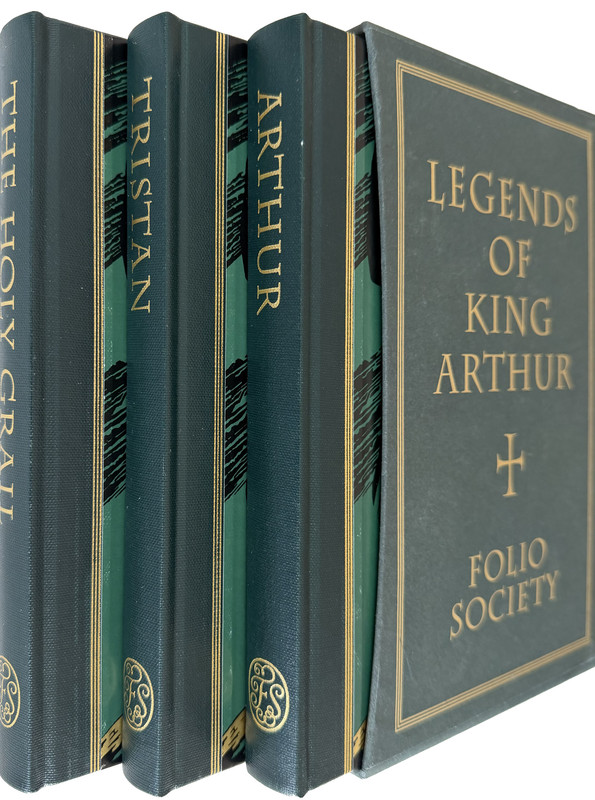
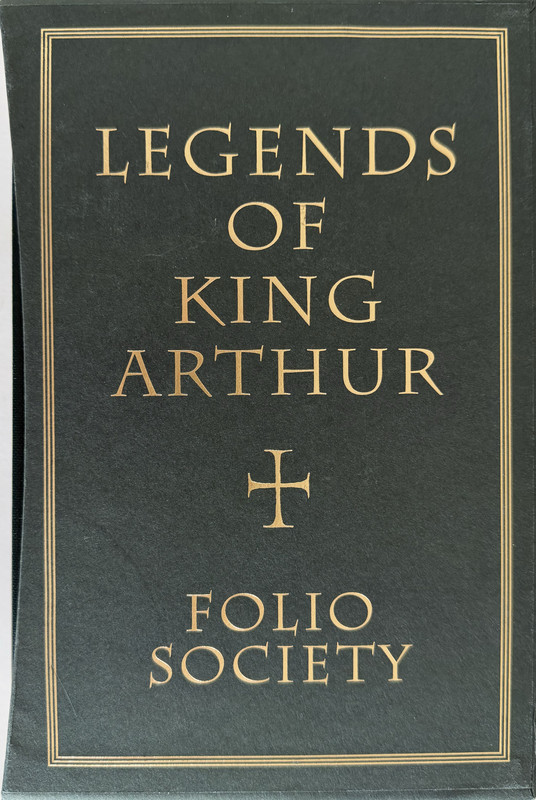
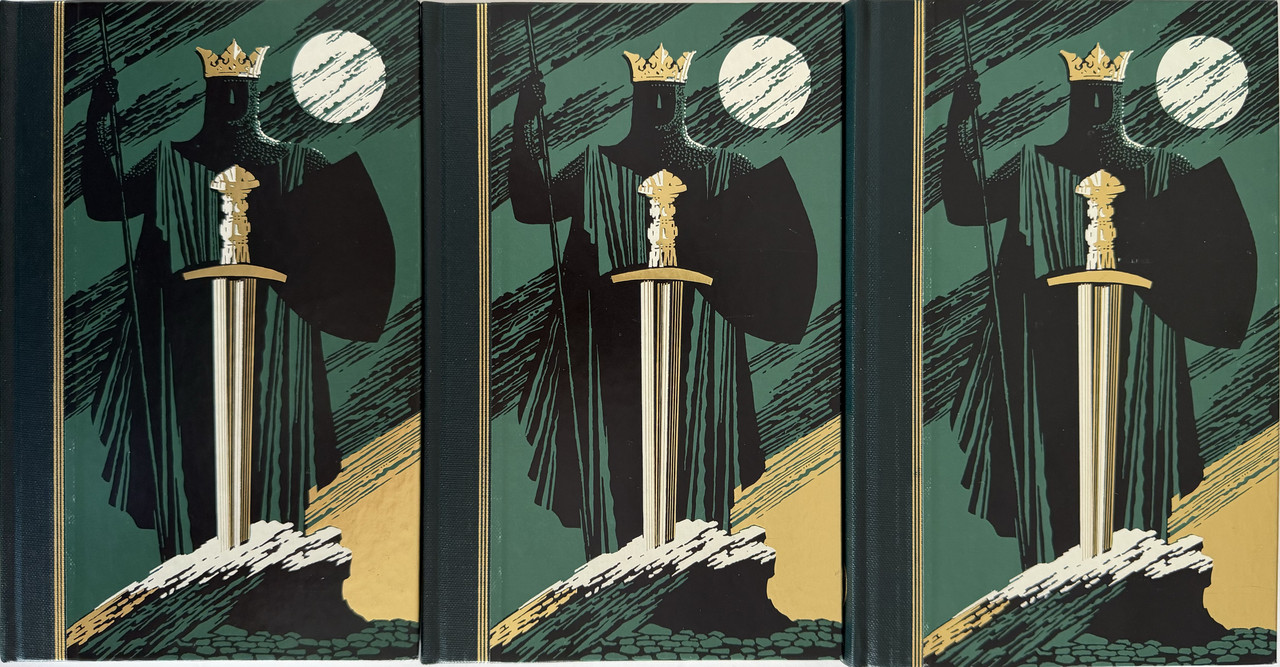
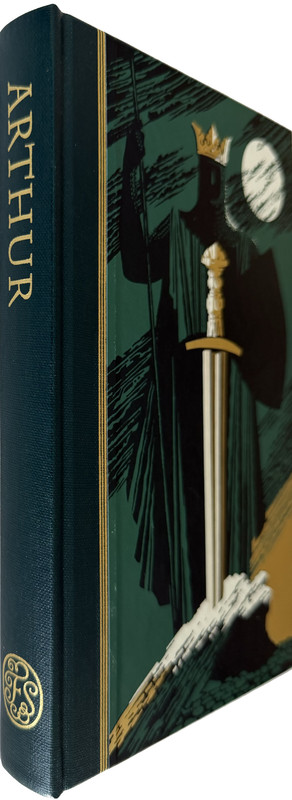
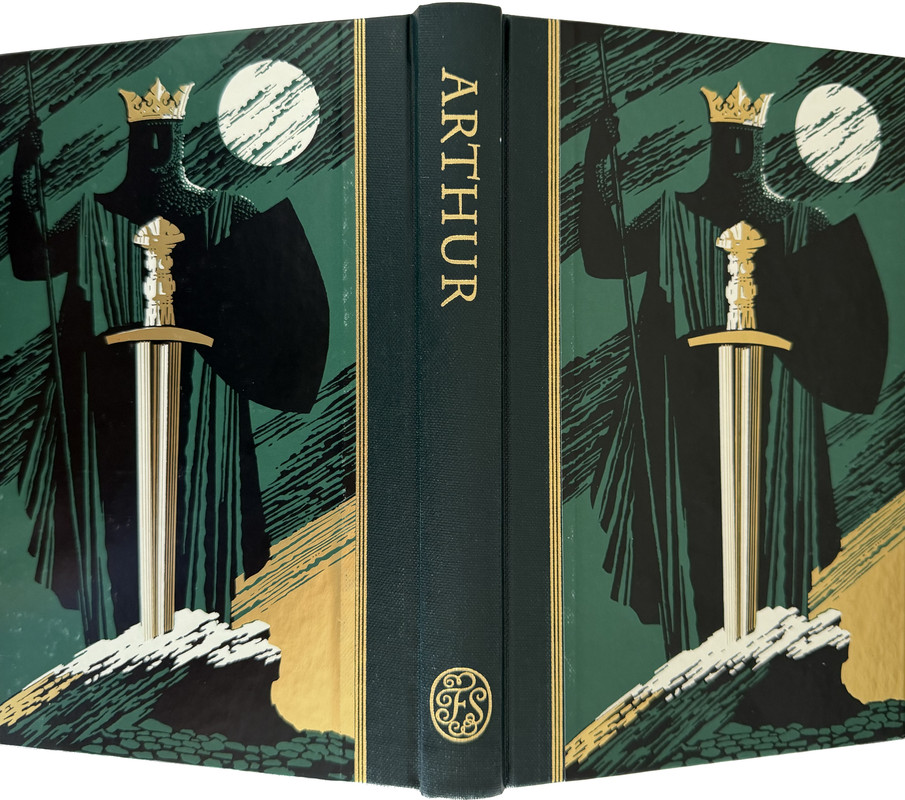
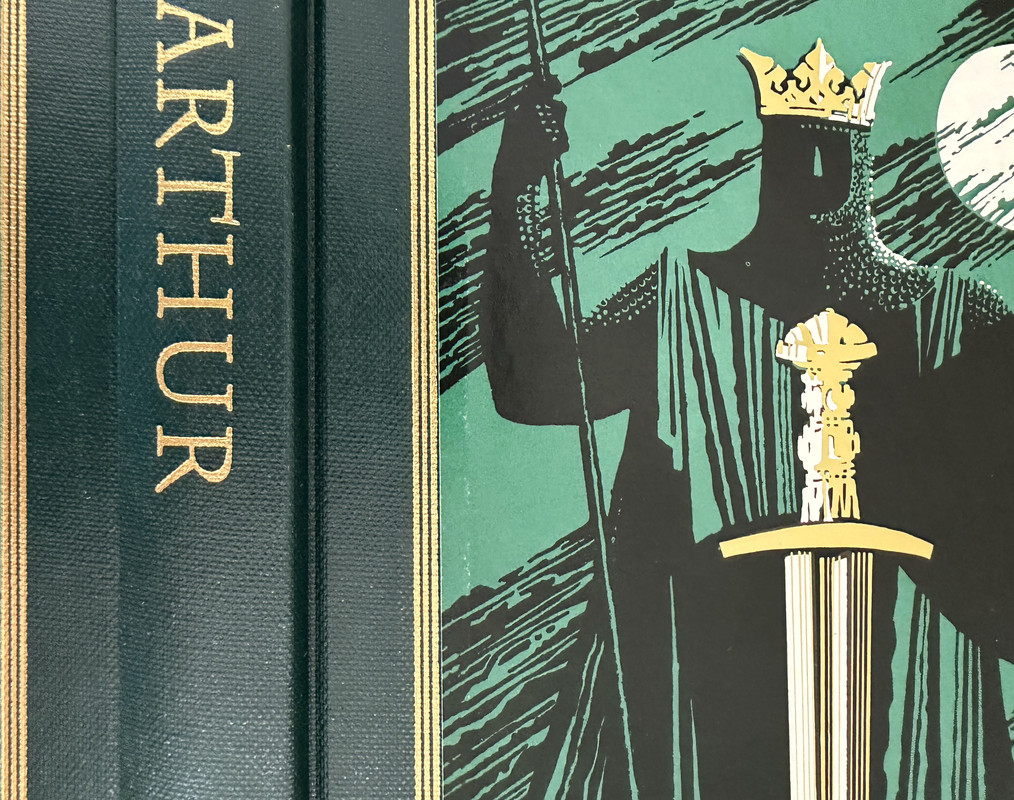
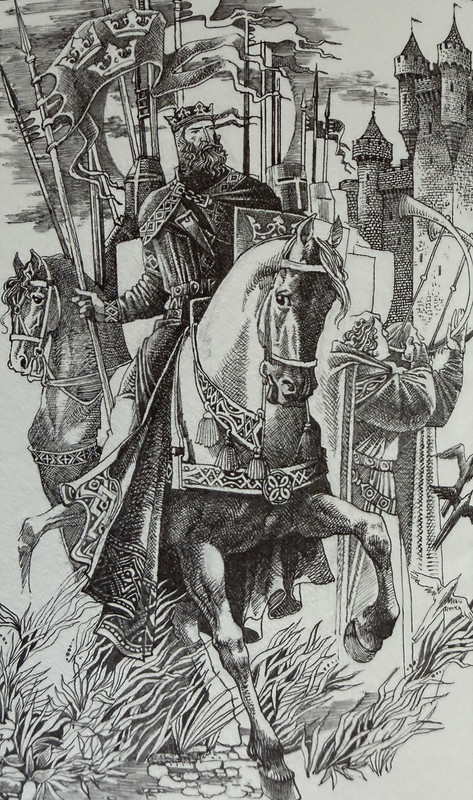
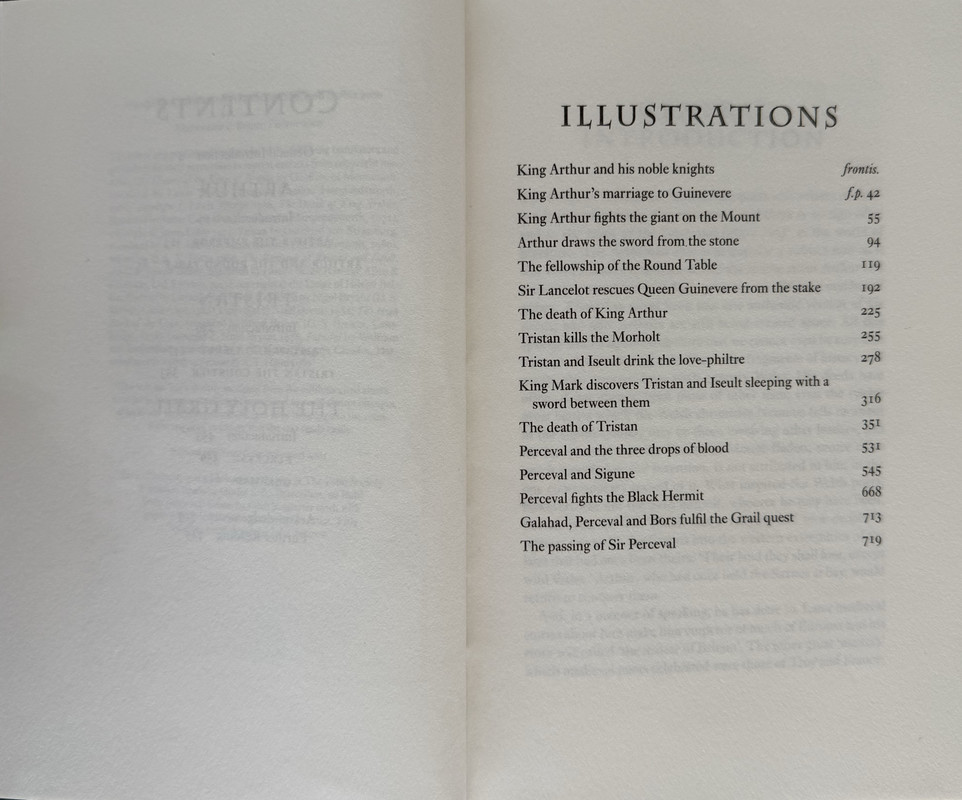
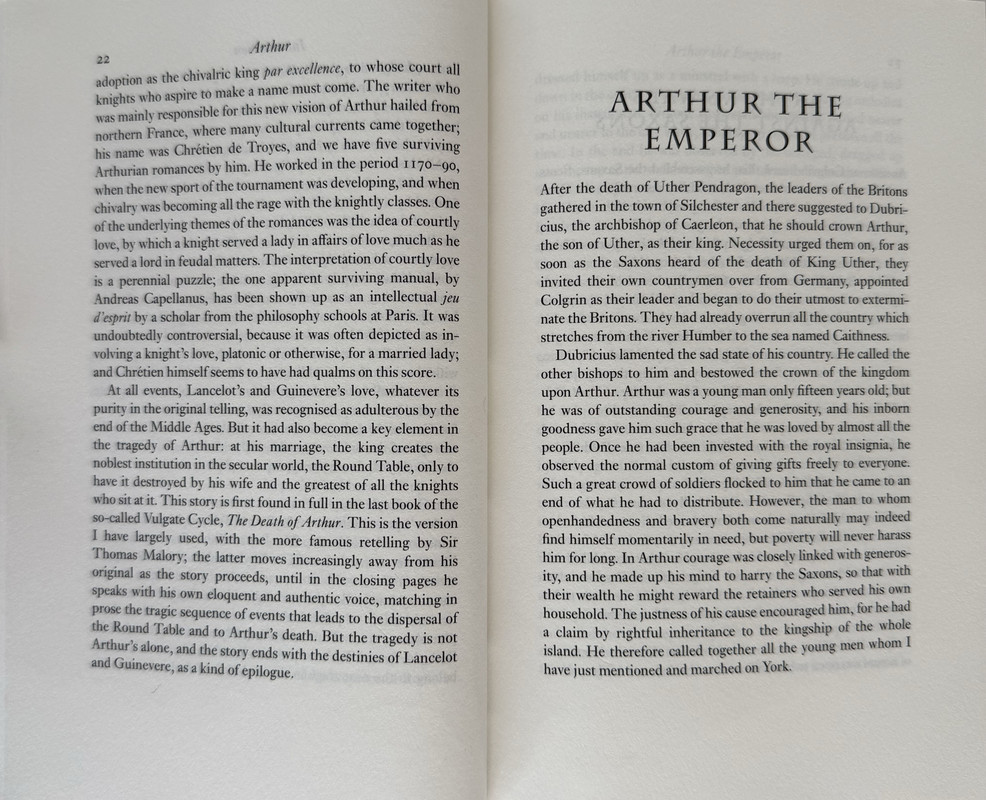
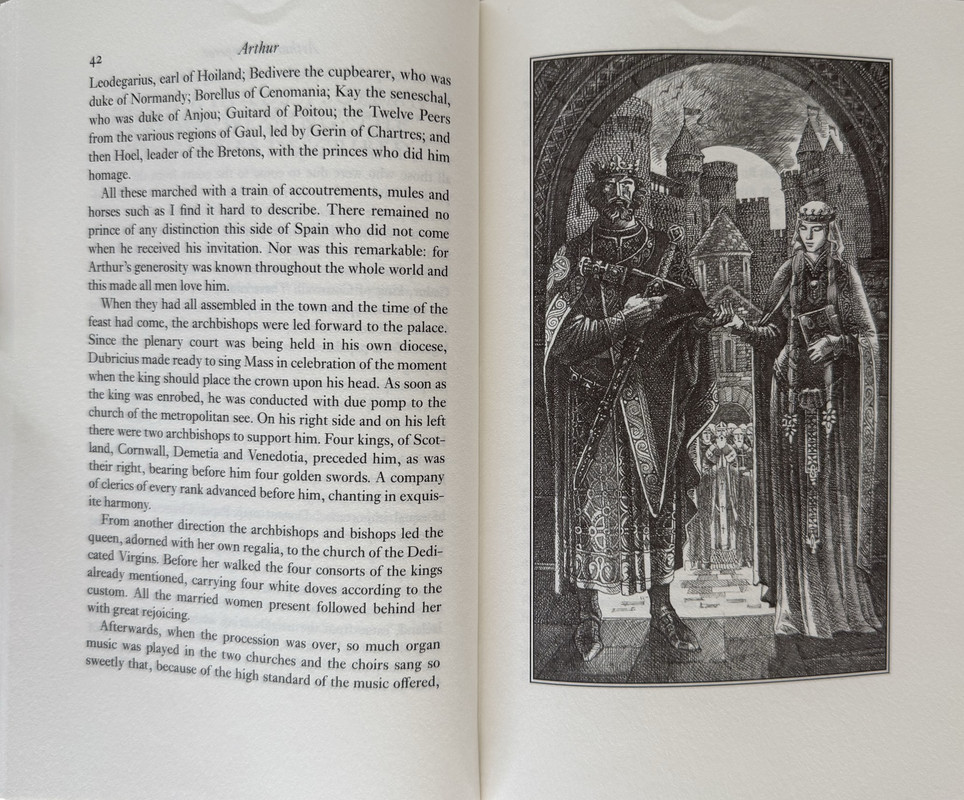
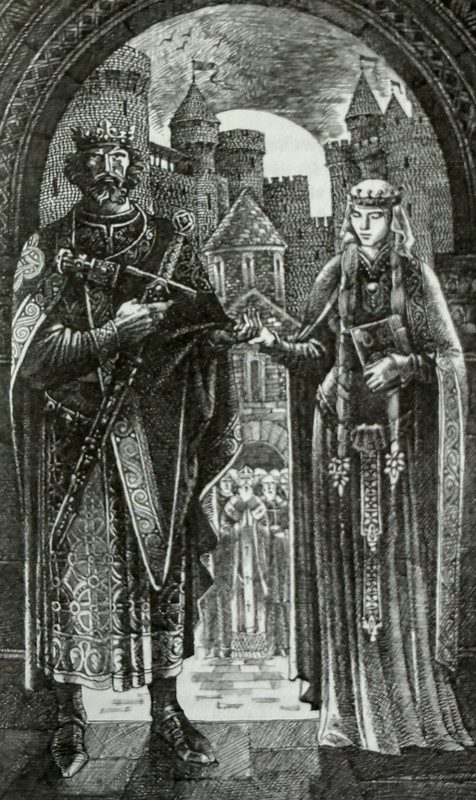
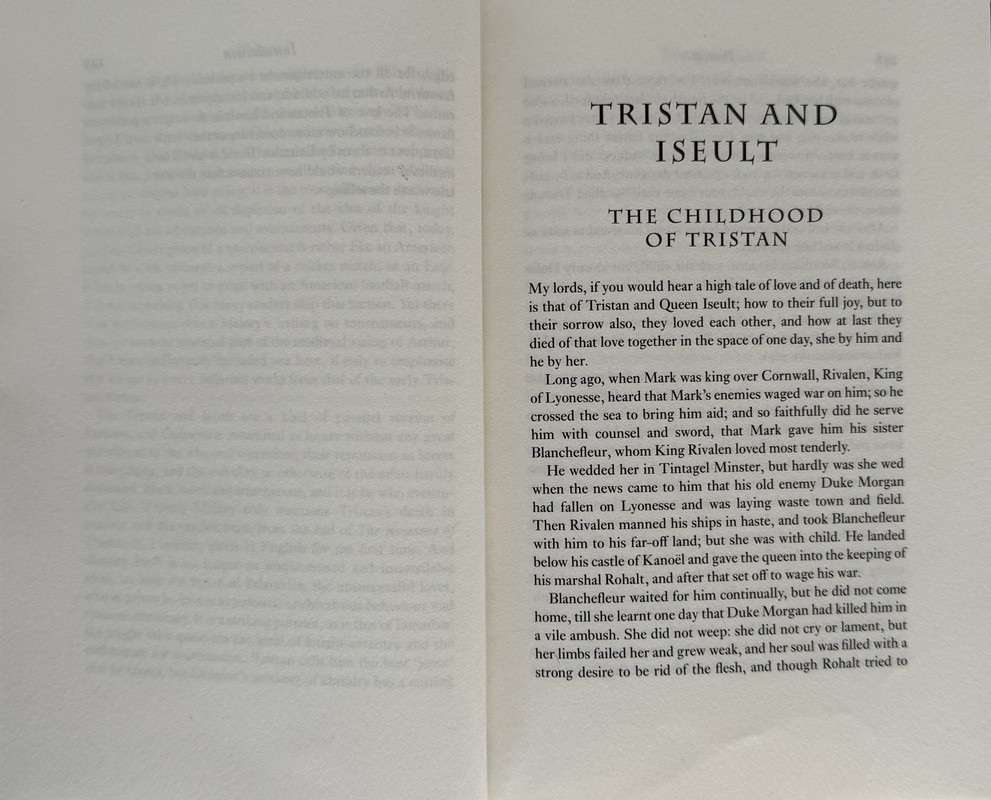
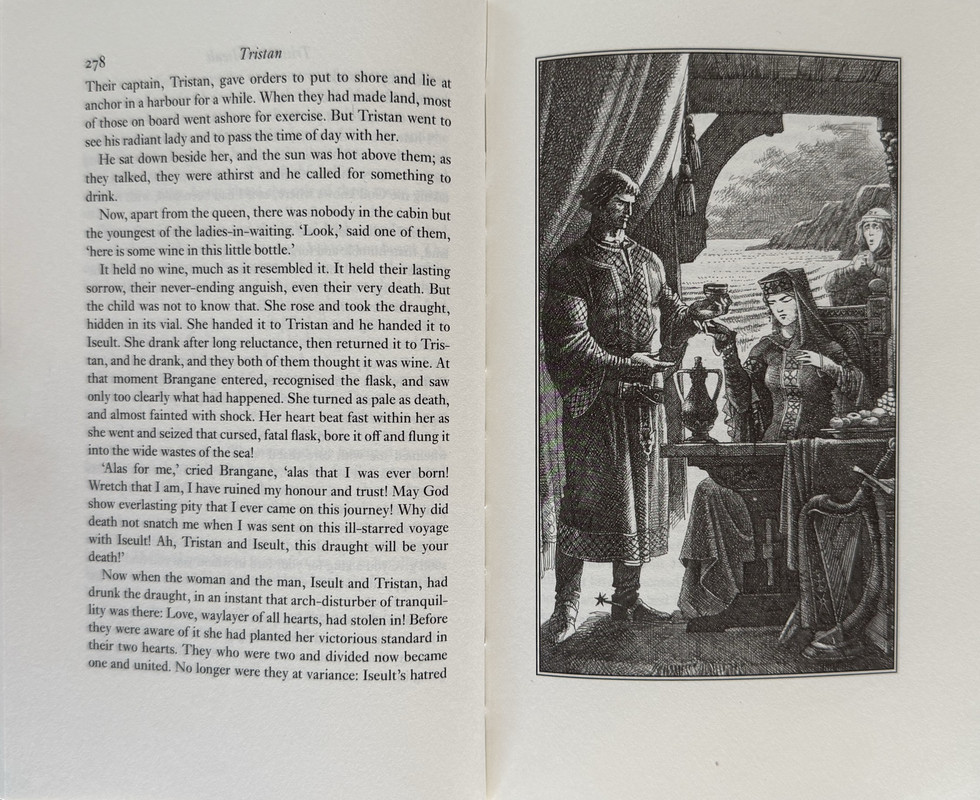
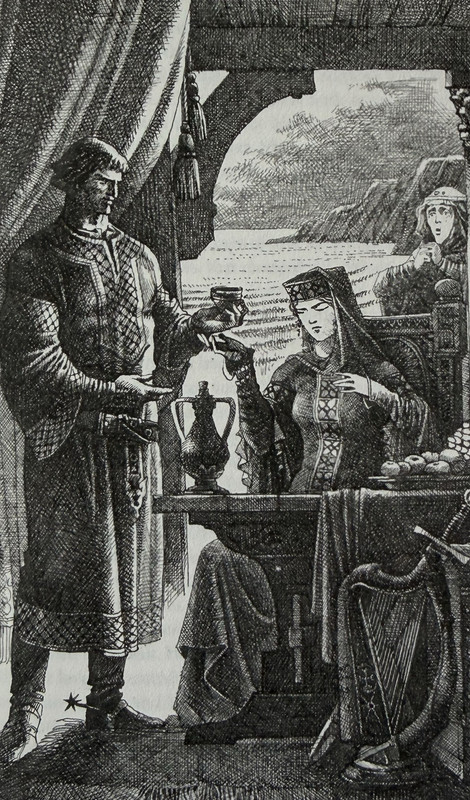
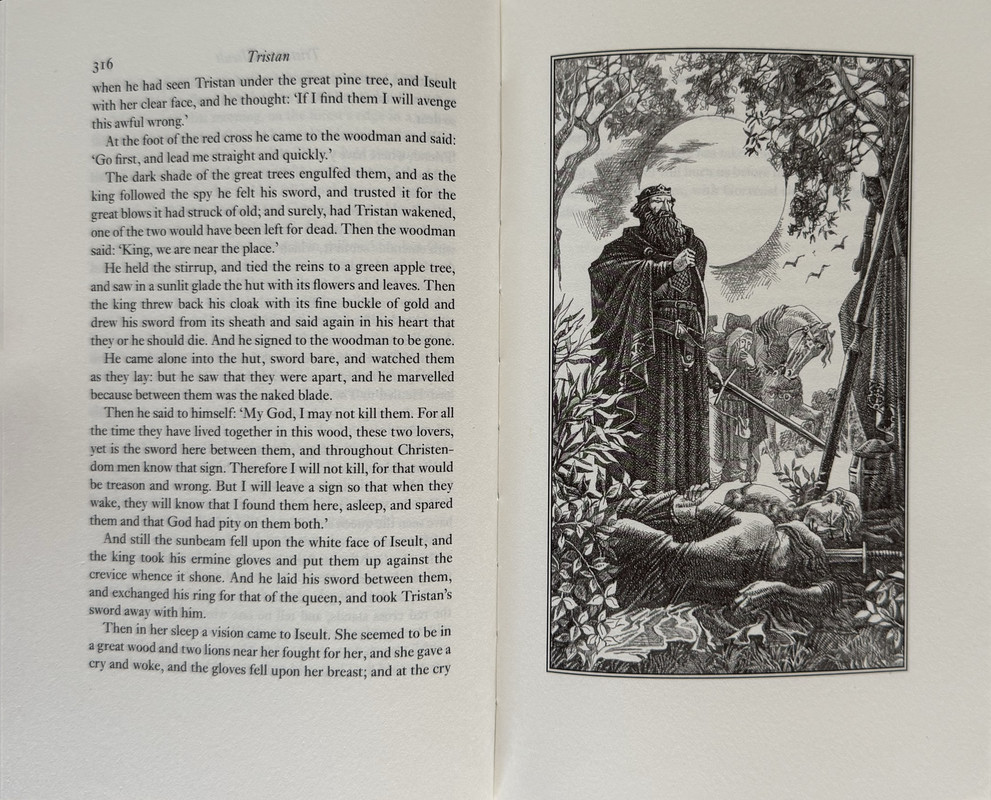
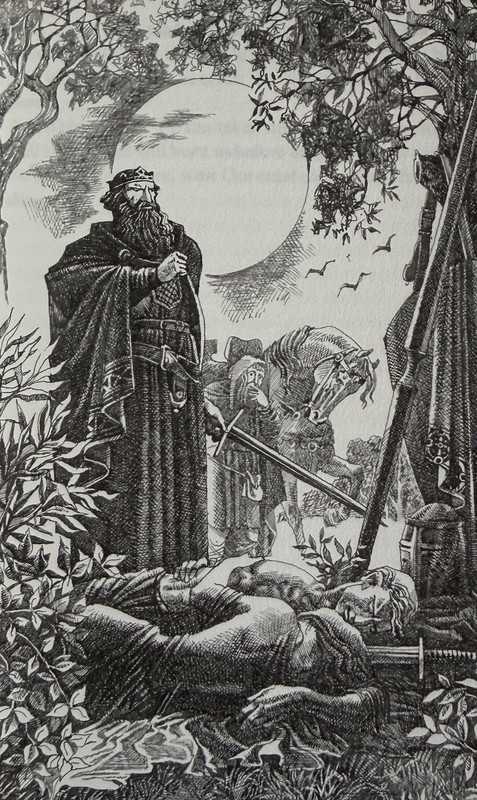
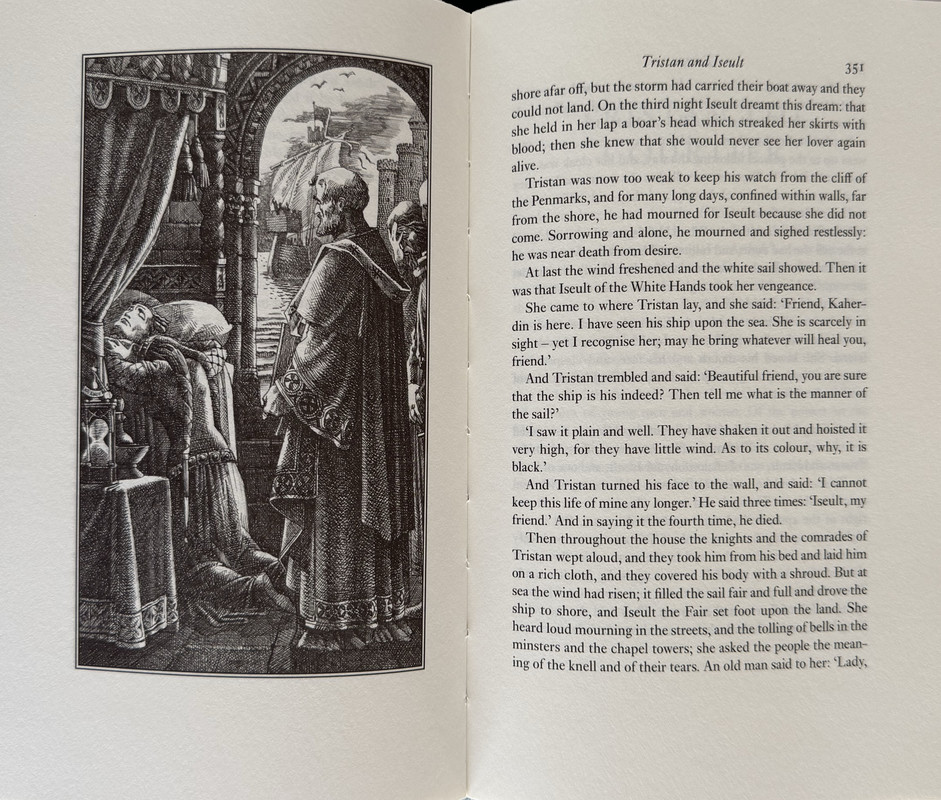
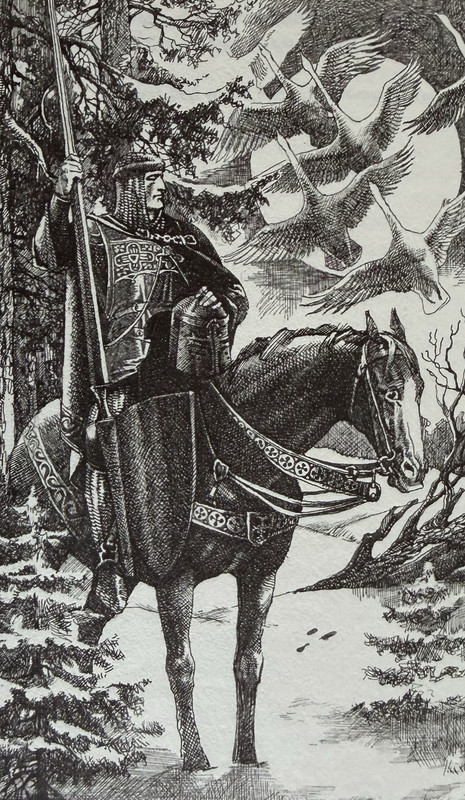
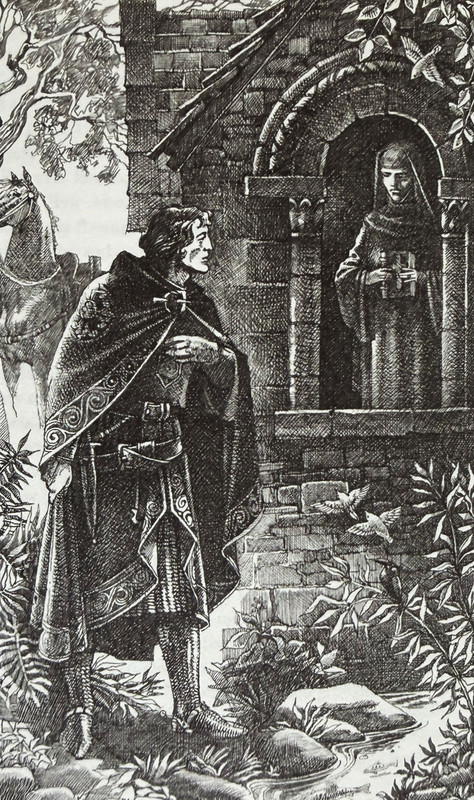
They are paginated consecutively and total 726 pages. There are 16 monochrome plates by Roman Pisarev scattered through the three volumes. There is an Introduction by the author and each volume is quarter bound in dark green cloth with paper covers blocked with a black, green, gold and white design, the same for each volume. The endpapers are dark green, and the dark green slipcase has gilt titling on front and measure 23.8x15.5x7.6cm.
In 2007, The Folio Society published Richard Barber’s expanded version of one section, Legends of the Grail, as a stand-alone 512 page book.
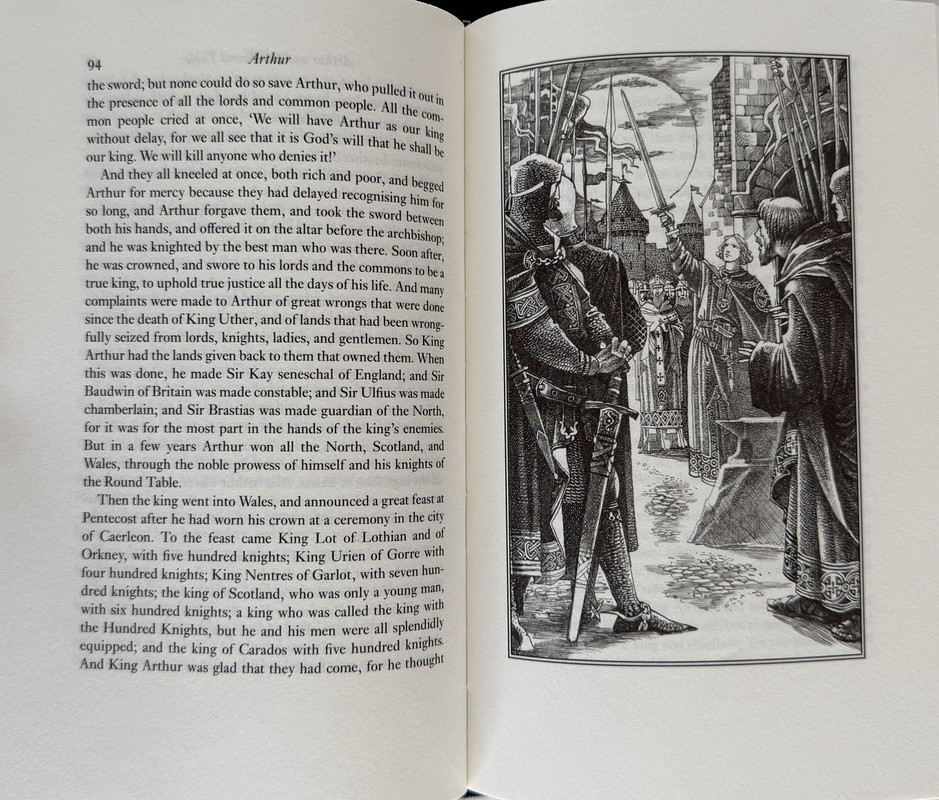
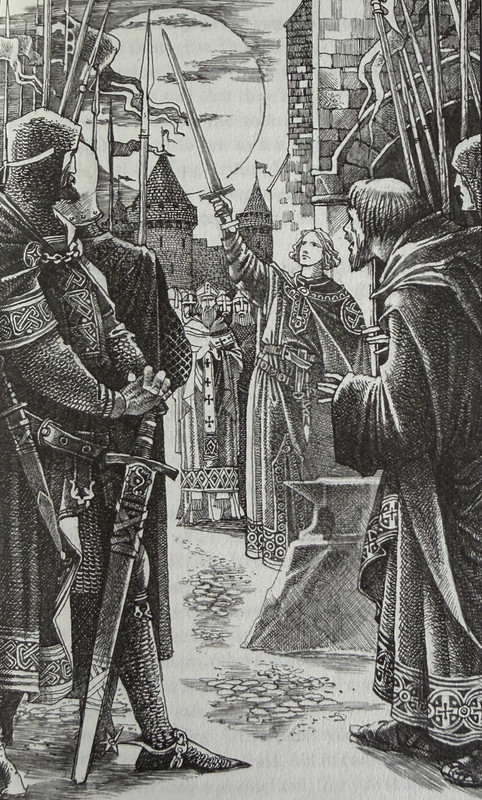
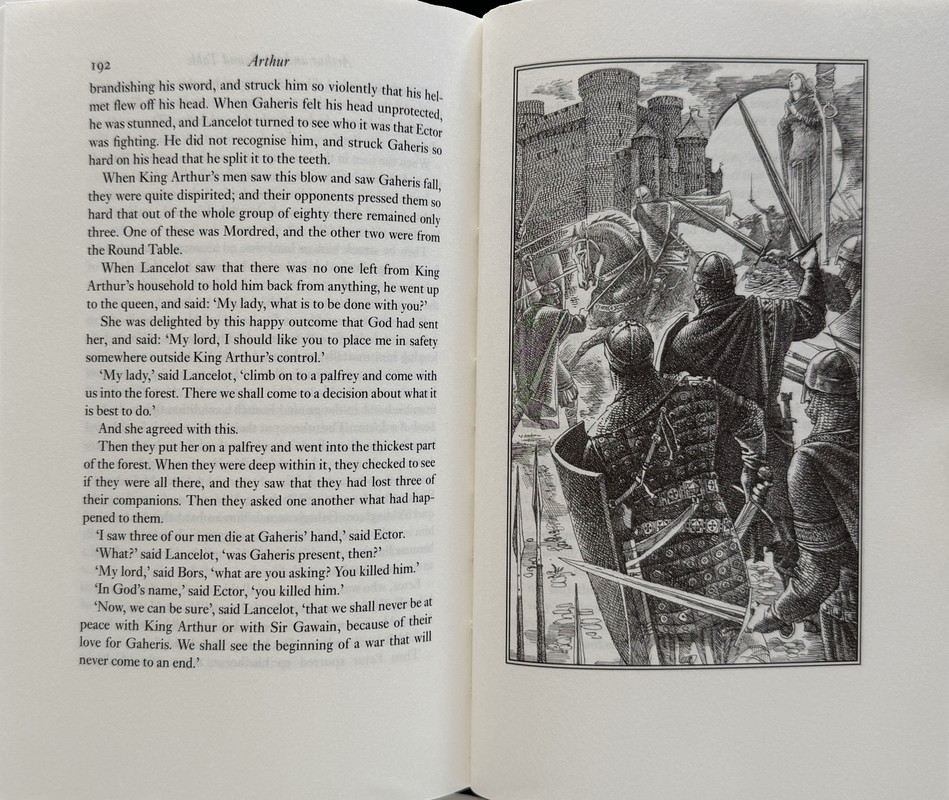
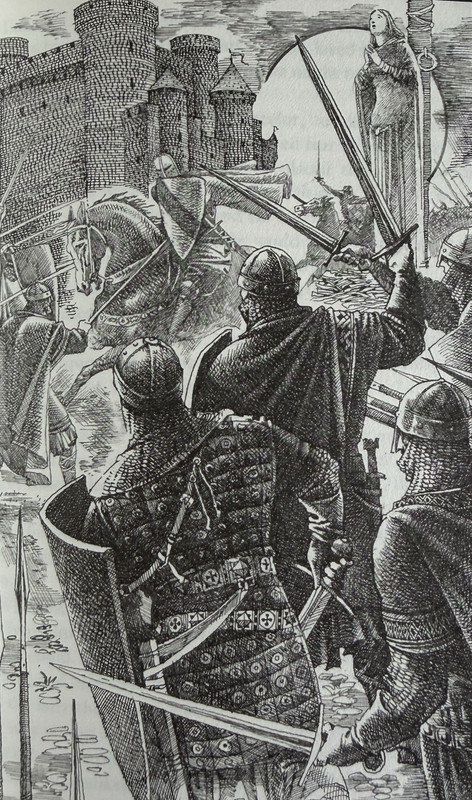
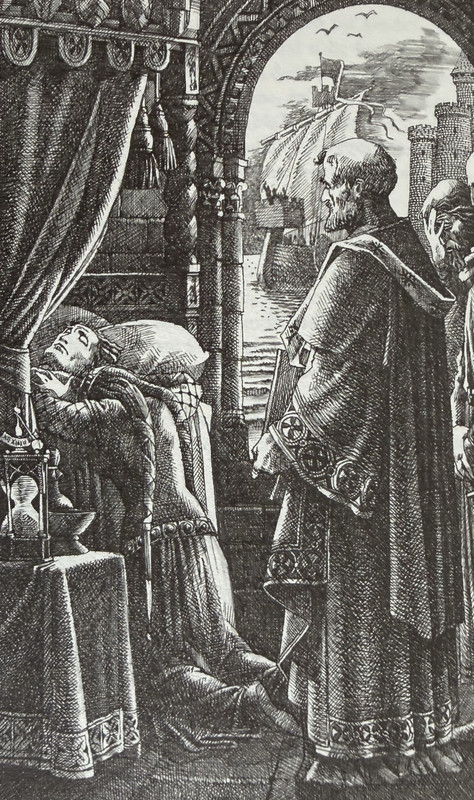
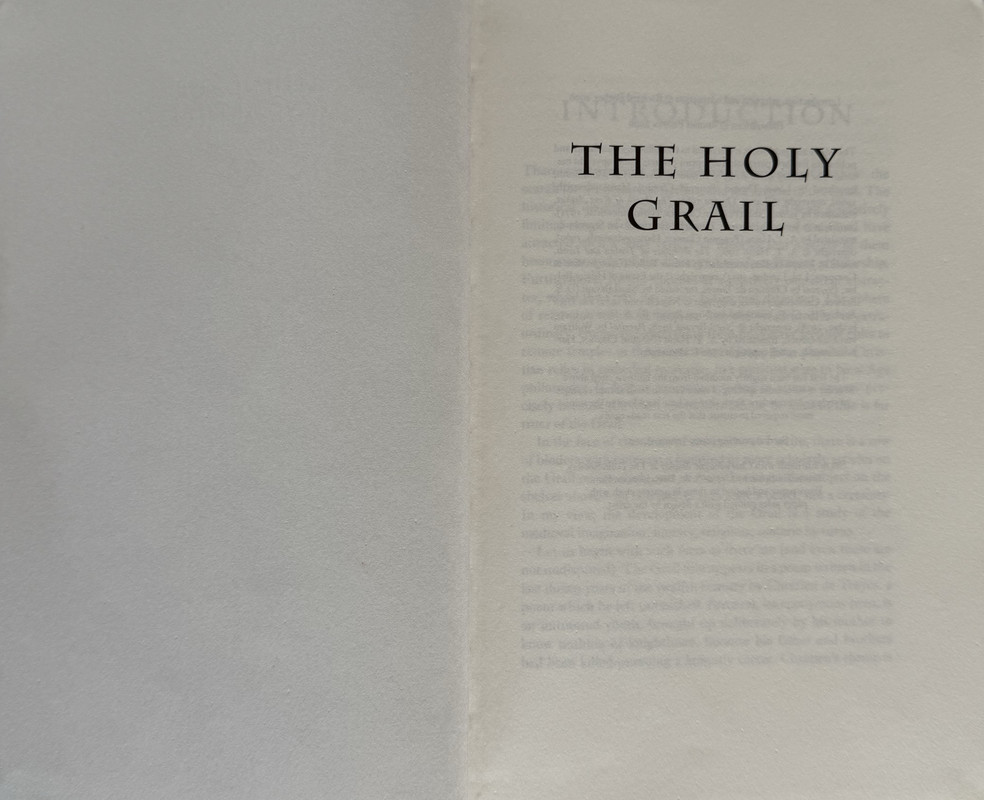
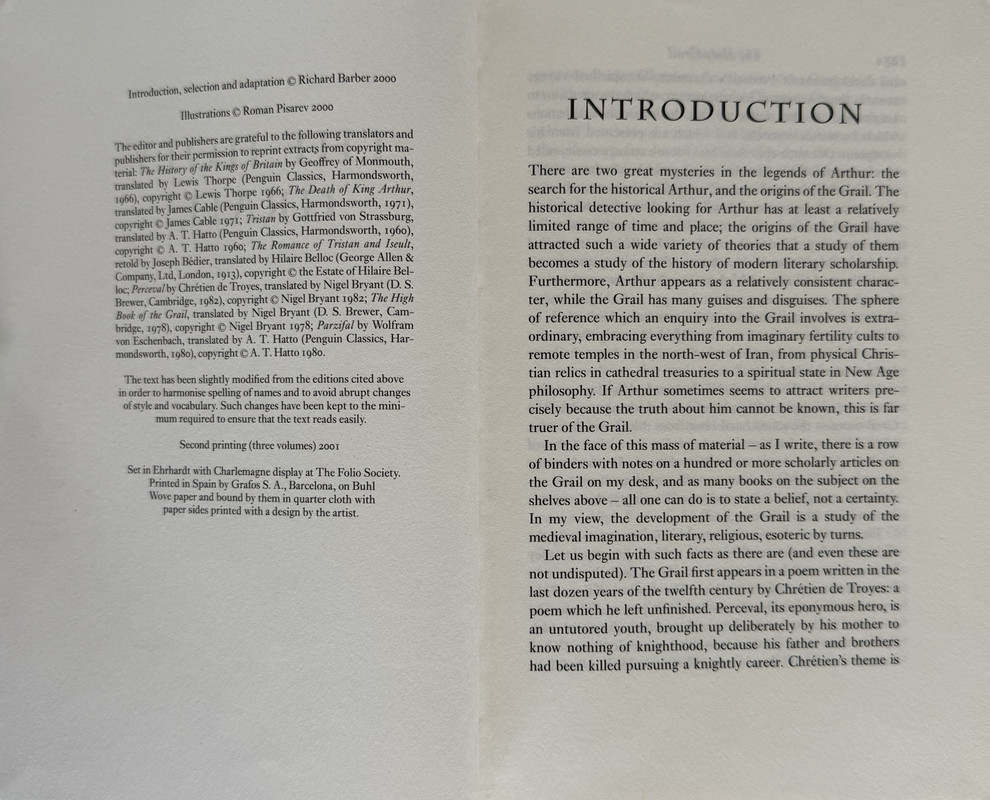
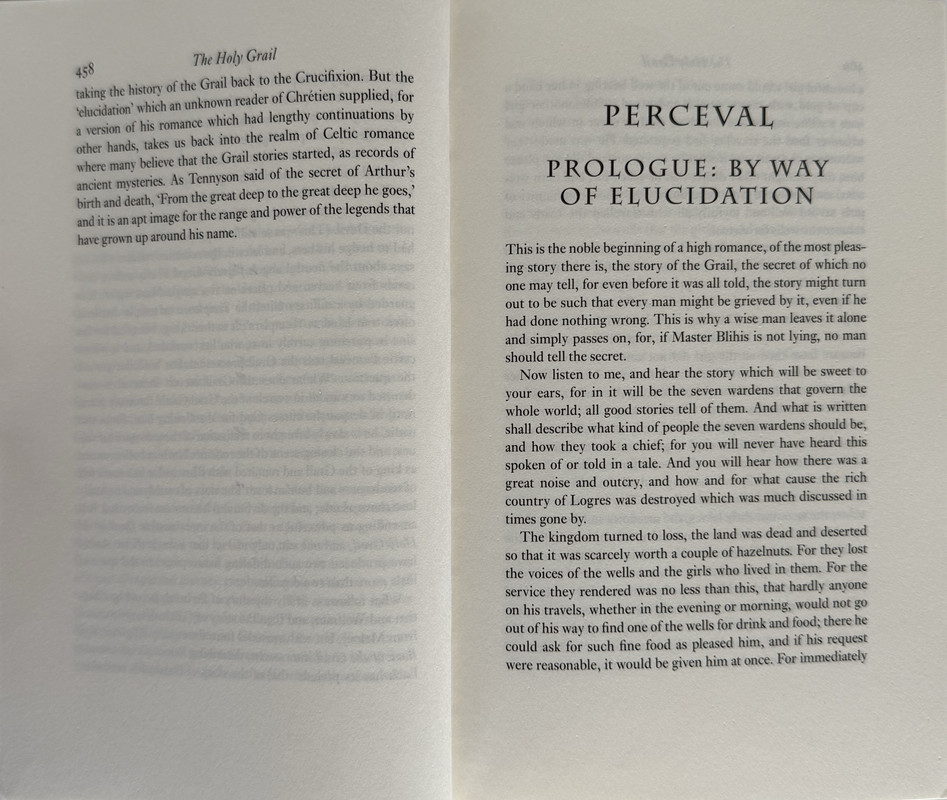
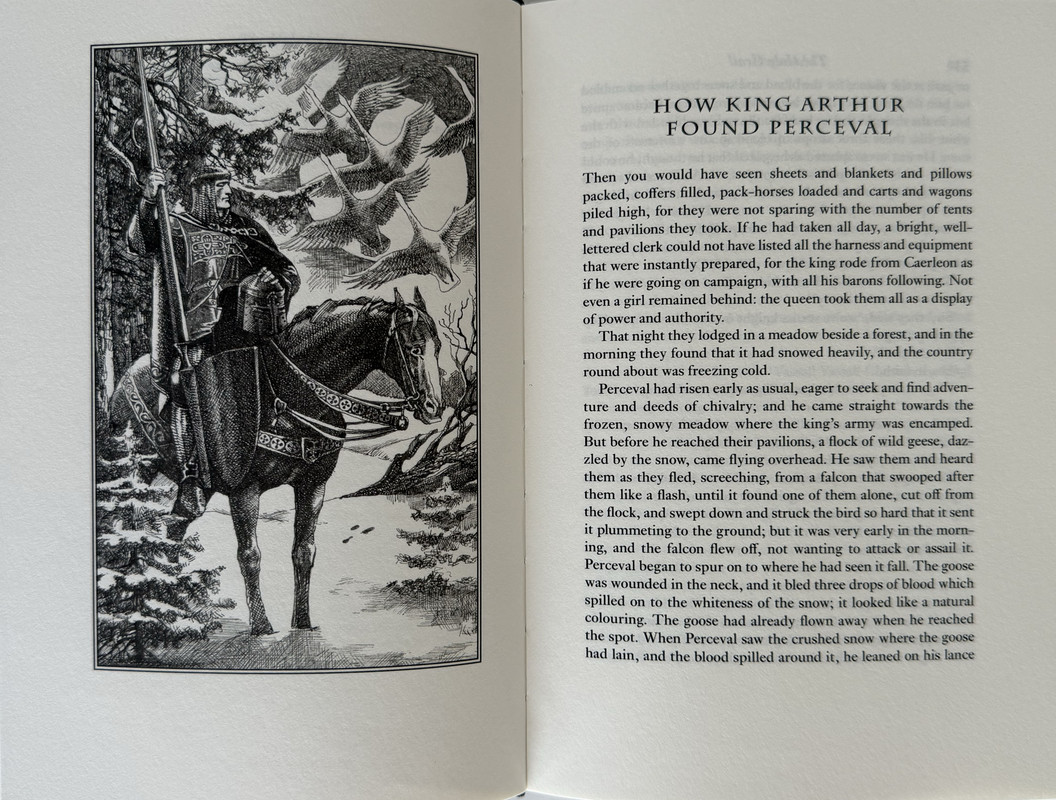
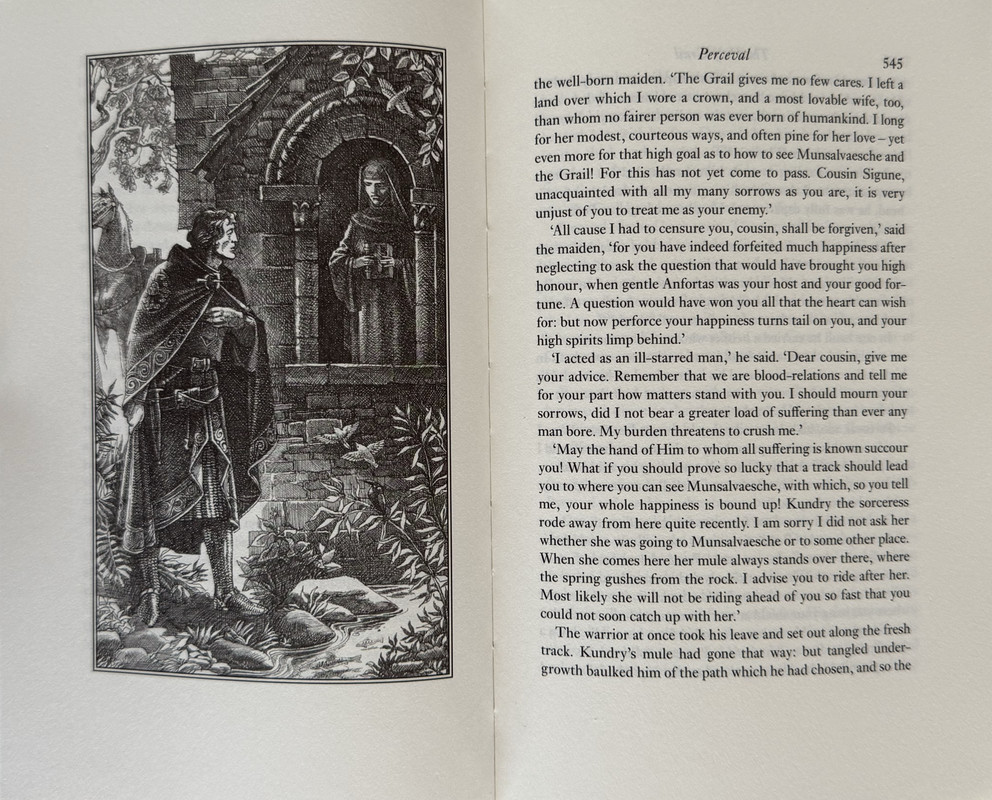
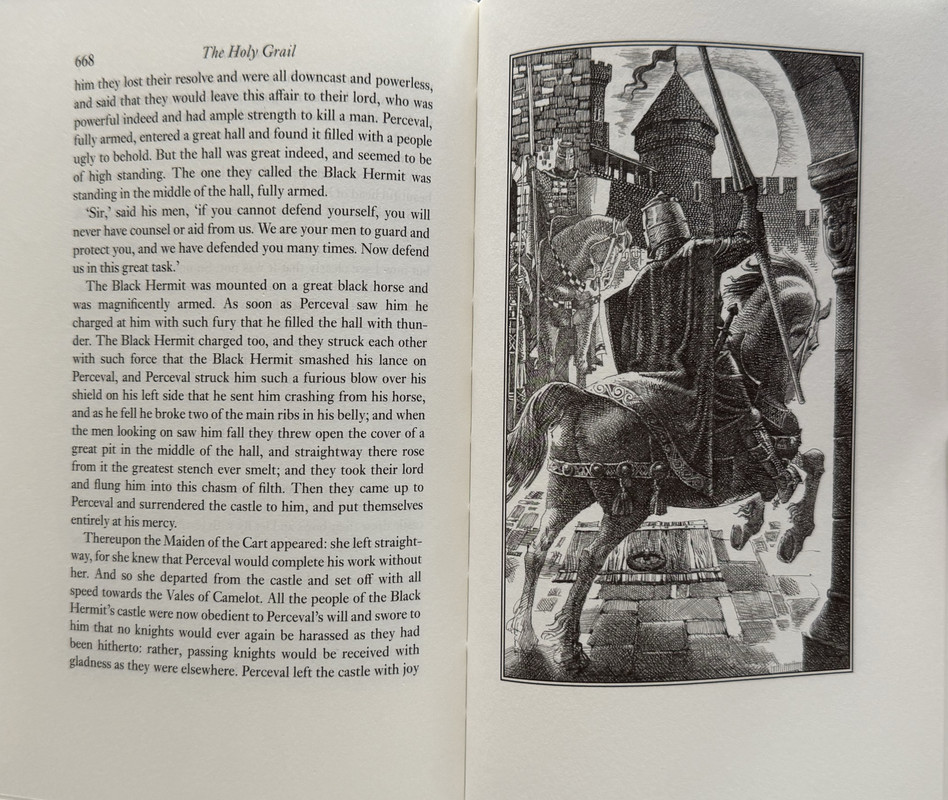
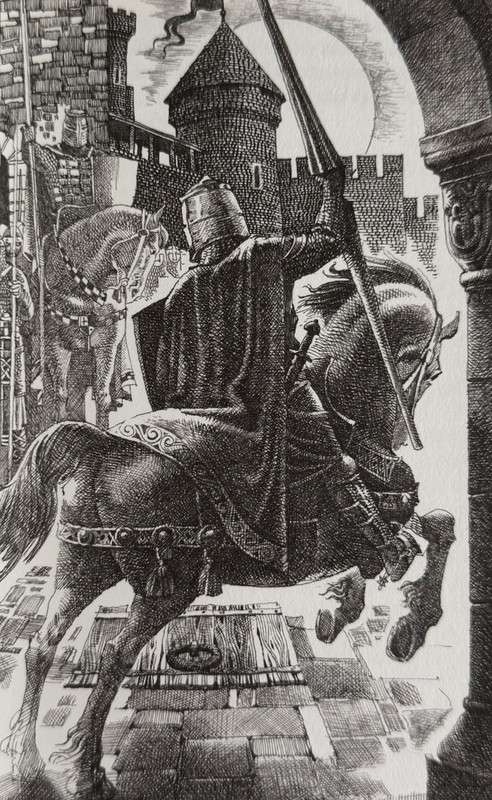
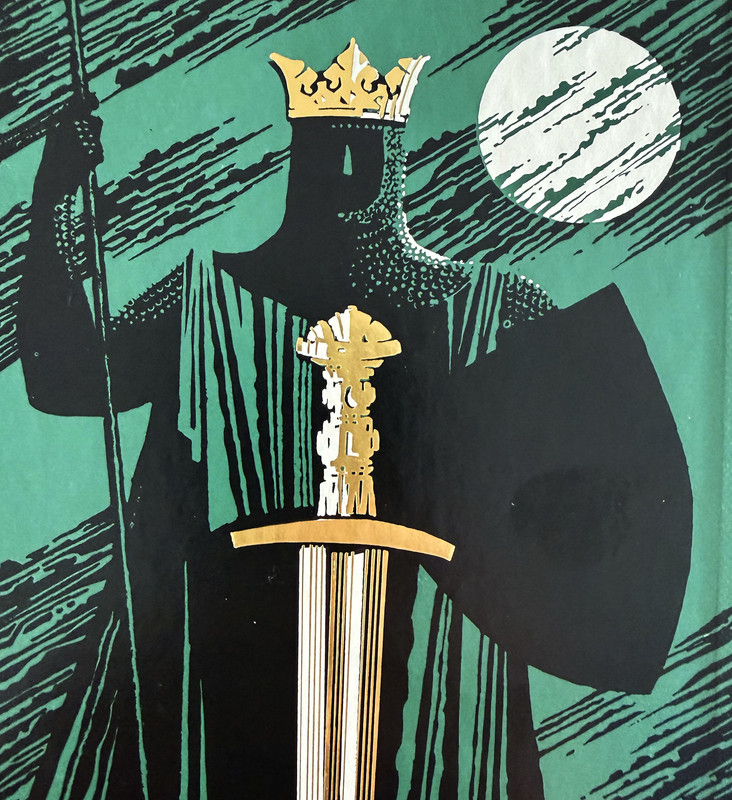
An index of the other illustrated reviews in the "Folio Archives" series can be viewed here.
Absolutely nothing is known about King Arthur other than the fact that he actually existed and ruled some parts of southern Britain (possibly Wales and Devon) in the late 400s and early 500s AD. All the stories about him, Camelot, Merlin, Tristan, Guinevere and Sir Lancelot, are pure fiction.
Over a millennia, minstrels, chroniclers (Geoffrey of Monmouth in the 800s), poets and storytellers invented, confabulated and expanded vague myths and tales, reciting them in noble houses and marketplaces in exchange for hospitality and pennies.
In the early 1480s, Sir Thomas Malory collected and edited these Arthurian legends and they were published by William Caxton in 1485. This collection includes many of the most famous tales of Arthur's reign, such as the quest for the Holy Grail and the tragic downfall of Camelot. Malory’s work was published by The Folio Society in numerous editions starting with Lancelot and Guinevere in 1953. In 1982 they published a three volume set of the Chronicles of King Arthur (The Tale of King Arthur, Sir Tristram de Lyonesse, The Morte d'Arthur) as both a standard and limited edition (reviewed here.).
In 1979 the noted British historian Richard Barber (b. 1941) reinterpreted the Arthurian legends into modern English and published The Legends of King Arthur. This was then published by The Folio Society as a single volume in 2000 and as this three-volume set (reviewed below) in a slightly reduced size a year later.
The three volumes are :-
- Arthur
- Tristan
- The Holy Grail
They are paginated consecutively and total 726 pages. There are 16 monochrome plates by Roman Pisarev scattered through the three volumes. There is an Introduction by the author and each volume is quarter bound in dark green cloth with paper covers blocked with a black, green, gold and white design, the same for each volume. The endpapers are dark green, and the dark green slipcase has gilt titling on front and measure 23.8x15.5x7.6cm.
In 2007, The Folio Society published Richard Barber’s expanded version of one section, Legends of the Grail, as a stand-alone 512 page book.
An index of the other illustrated reviews in the "Folio Archives" series can be viewed here.
2HonorWulf
Perhaps the oldest known mention of Arthur from the Historia Brittonum by Nennius circa 830:
"Then Arthur fought against them in those days with the kings of the Britons, but he himself was leader of battles ("dux bellorum"). The first battle was at the mouth of the river which is called Glein. The second and third and fourth and fifth upon another river which is called Dubglas and is in the district Linnuis. The sixth battle upon the river which is called Bassas. The seventh battle was in the Caledonian wood, that is Cat Coit Celidon. The eighth battle was in Fort Guinnion in which Arthur carried the image of St. Mary, ever virgin, on his shoulders and the pagans were turned to flight that day and a great slaughter was upon them through the virtue of Our Lord Jesus Christ and through the virtue of St. Mary the Virgin, his mother. The ninth battle was waged on the shore of the river which is called Tribruit. The eleventh battle took place on the mountain which is called Agned. The twelfth battle was on Mount Badon, in which nine hundred and sixty men fell in one day from one charge by Arthur, and no one overthrew them except himself alone. And in all the battles he stood forth as victor."
I always thought this would make for a better story than a lot of the fictions that we've gotten over the years!
"Then Arthur fought against them in those days with the kings of the Britons, but he himself was leader of battles ("dux bellorum"). The first battle was at the mouth of the river which is called Glein. The second and third and fourth and fifth upon another river which is called Dubglas and is in the district Linnuis. The sixth battle upon the river which is called Bassas. The seventh battle was in the Caledonian wood, that is Cat Coit Celidon. The eighth battle was in Fort Guinnion in which Arthur carried the image of St. Mary, ever virgin, on his shoulders and the pagans were turned to flight that day and a great slaughter was upon them through the virtue of Our Lord Jesus Christ and through the virtue of St. Mary the Virgin, his mother. The ninth battle was waged on the shore of the river which is called Tribruit. The eleventh battle took place on the mountain which is called Agned. The twelfth battle was on Mount Badon, in which nine hundred and sixty men fell in one day from one charge by Arthur, and no one overthrew them except himself alone. And in all the battles he stood forth as victor."
I always thought this would make for a better story than a lot of the fictions that we've gotten over the years!
3boldface
>1 wcarter:
In the original 1-volume edition, the illustrations are printed in two colours: black and brown-red.
In the original 1-volume edition, the illustrations are printed in two colours: black and brown-red.
4assemblyman
I have the one volume which was one of my early FS purchases. I still have not read it but your post has bumped it up to my next read. I love those Pisarev illustrations.
5mr.philistine
>3 boldface: The same is true of the single volume editions of...
Greek Myths reviewed here: https://www.librarything.com/topic/321546
British Myths & Legends reviewed here (3-vol.): http://www.librarything.com/topic/303519
Greek Myths reviewed here: https://www.librarything.com/topic/321546
British Myths & Legends reviewed here (3-vol.): http://www.librarything.com/topic/303519
6boldface
>5 mr.philistine:
Yes, indeed. Aesthetically, I would always prefer the single volume editions to the later multiple-volume versions. They are simply of a higher quality all round.
Yes, indeed. Aesthetically, I would always prefer the single volume editions to the later multiple-volume versions. They are simply of a higher quality all round.
8betaraybill
>7 InVitrio: “But in these fair laps we must leave King Arthur, who was never historical, but everything he did was true.”
9GrizzlyG
I was casually browsing a local book sale down at my local park this morning, and I happened to stumble upon a lovely set of Folio Society books, just like the ones in this post. I paid the sum total of €5 for the entire set. Happy days!
After some rummaging around on the interwebs, I found a Folio Society devotees forum, so I absolutely had to post some pics.
Pretty cool, eh. :)
After some rummaging around on the interwebs, I found a Folio Society devotees forum, so I absolutely had to post some pics.
Pretty cool, eh. :)

