Roxana by Danial Defoe – LIMITED EDITIONS CLUB - 1976
Talk George Macy devotees
Join LibraryThing to post.
1wcarter
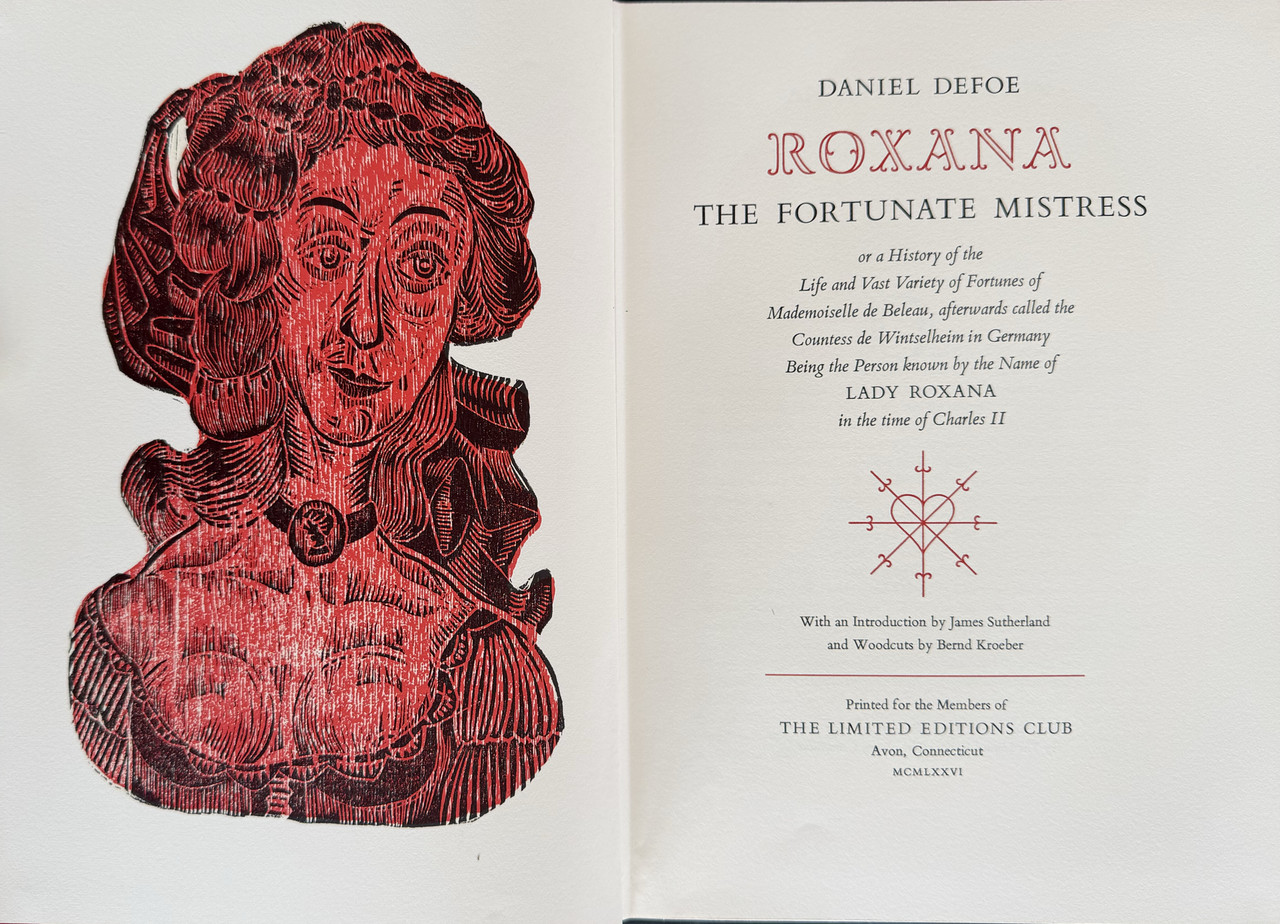
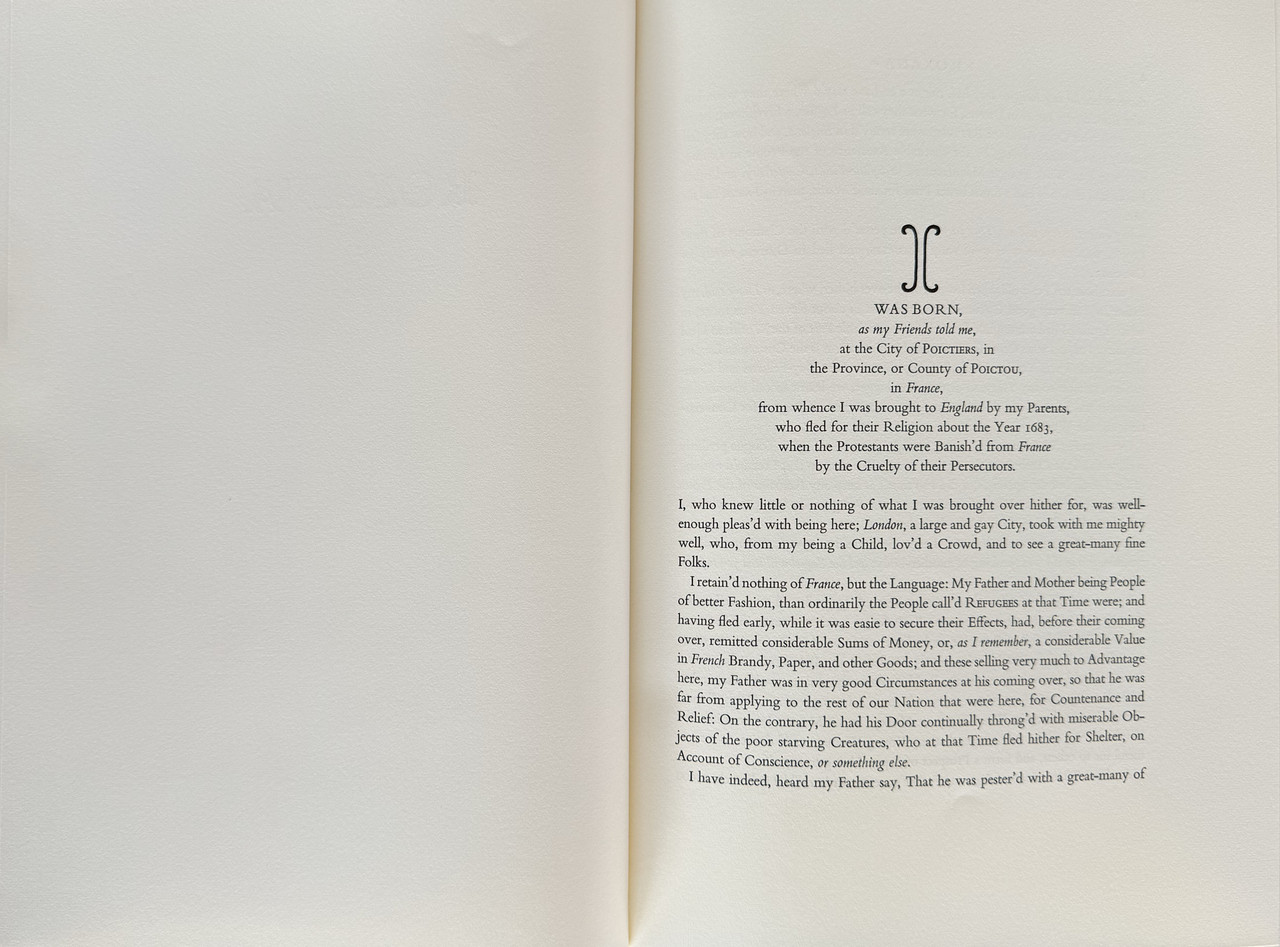
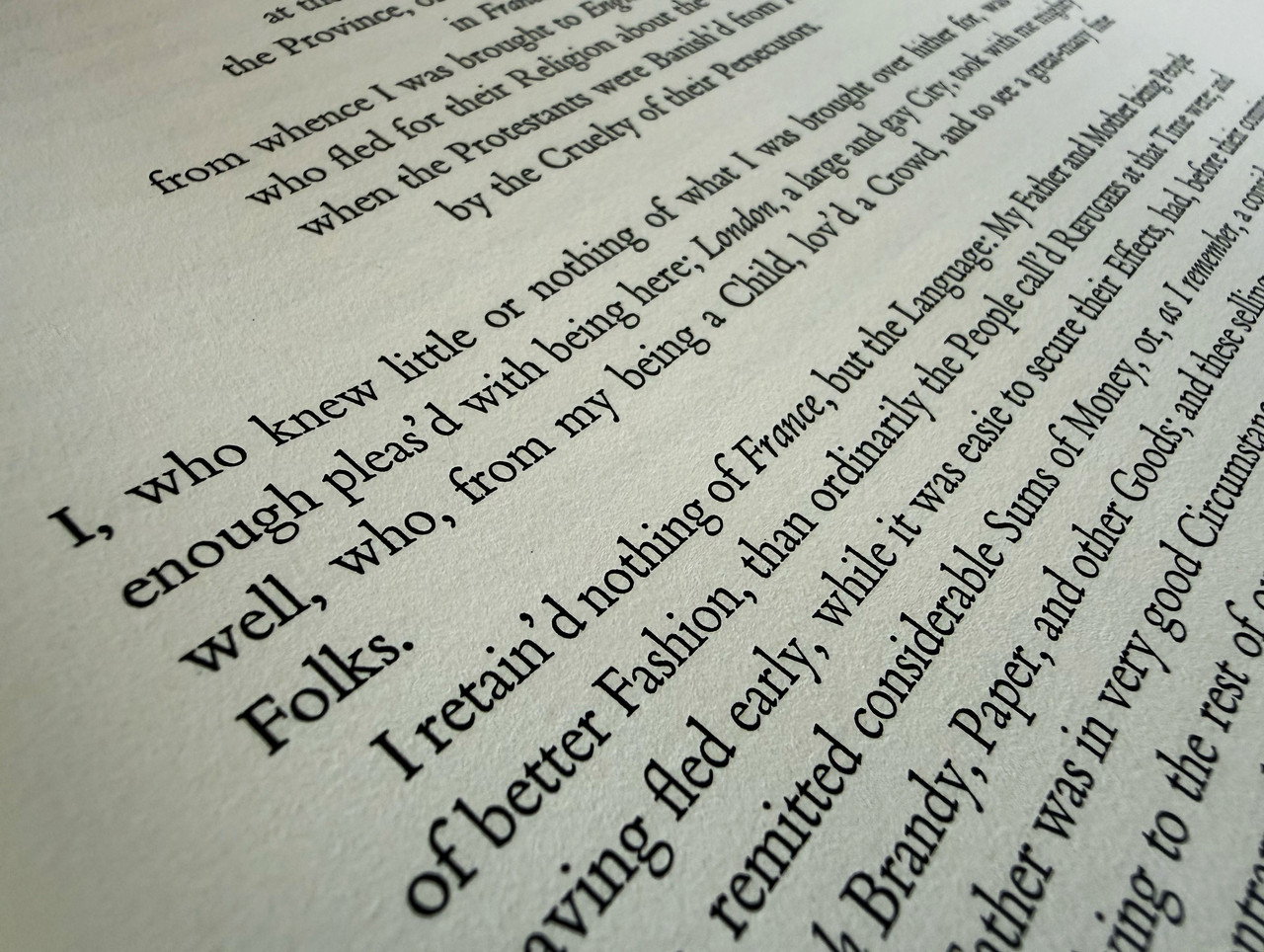
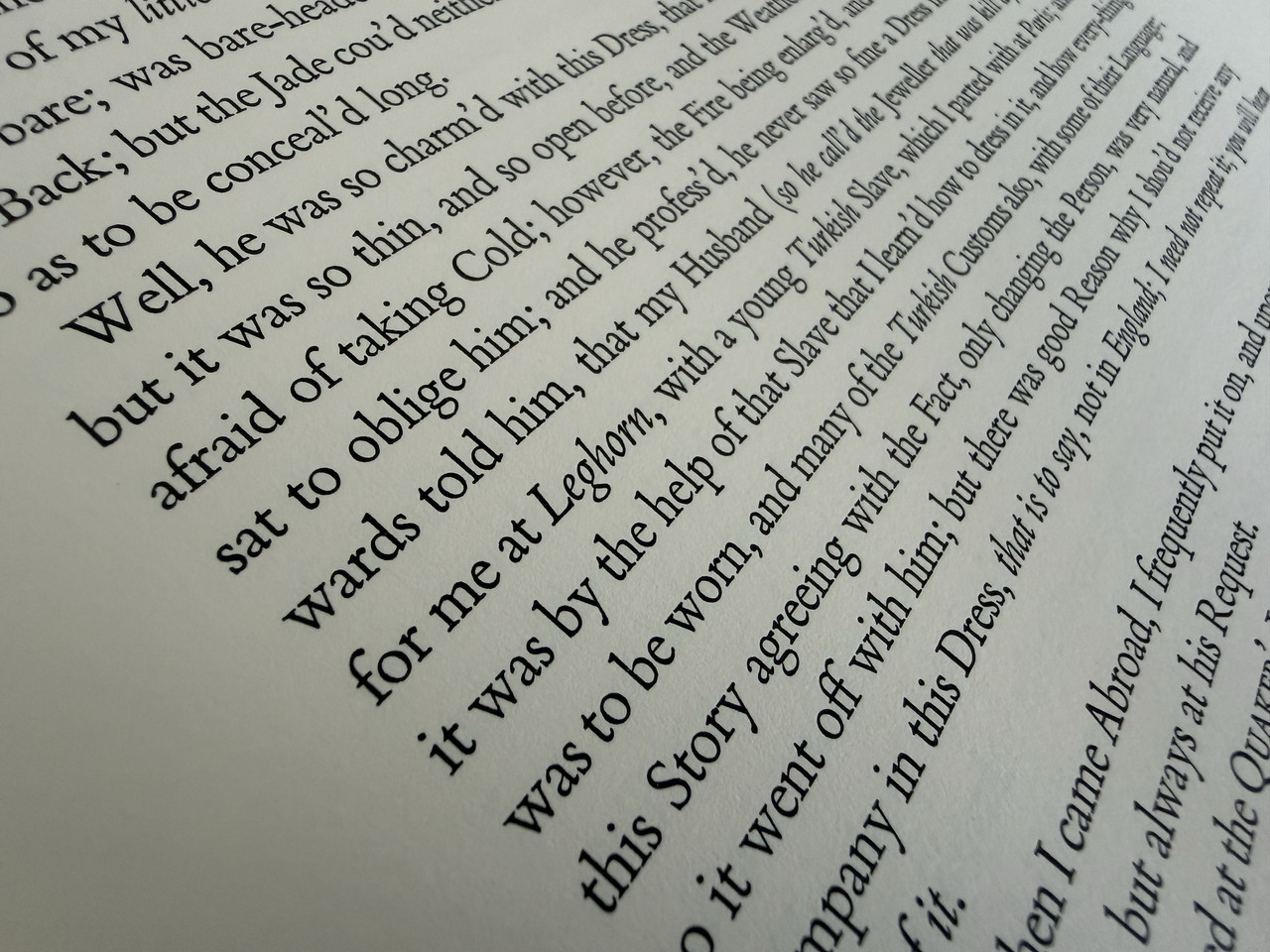
Roxana, The Fortunate Mistress or a History of the Life and Vast Variety of Fortunes of Mademoiselle de Beleau, Afterwards Called the Countess de Wintselheim in Germany, Being the Person Known by the Name of Lady Roxana in the Time of Charles II by Daniel Defoe - LIMITED EDITIONS CLUB 1976
A PICTORIAL REVIEW
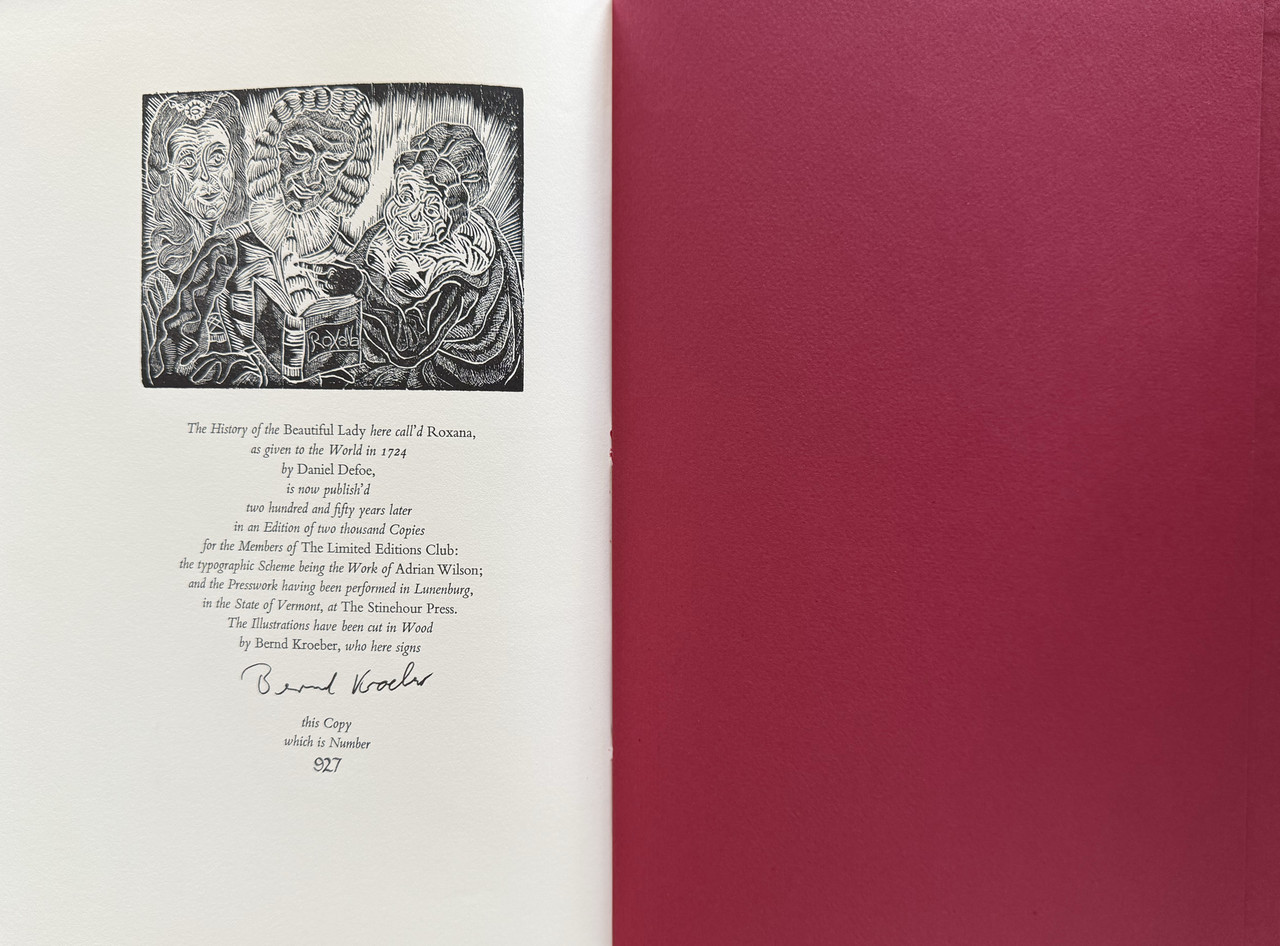
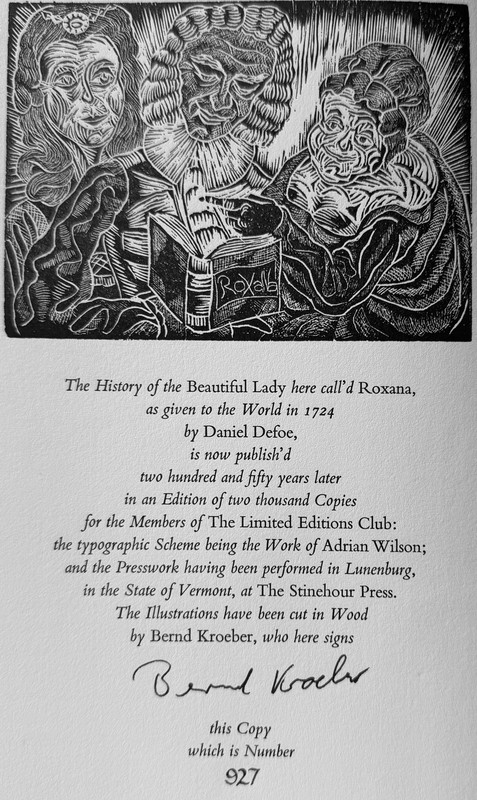
No. 927 of 2000
Signed by the illustrator
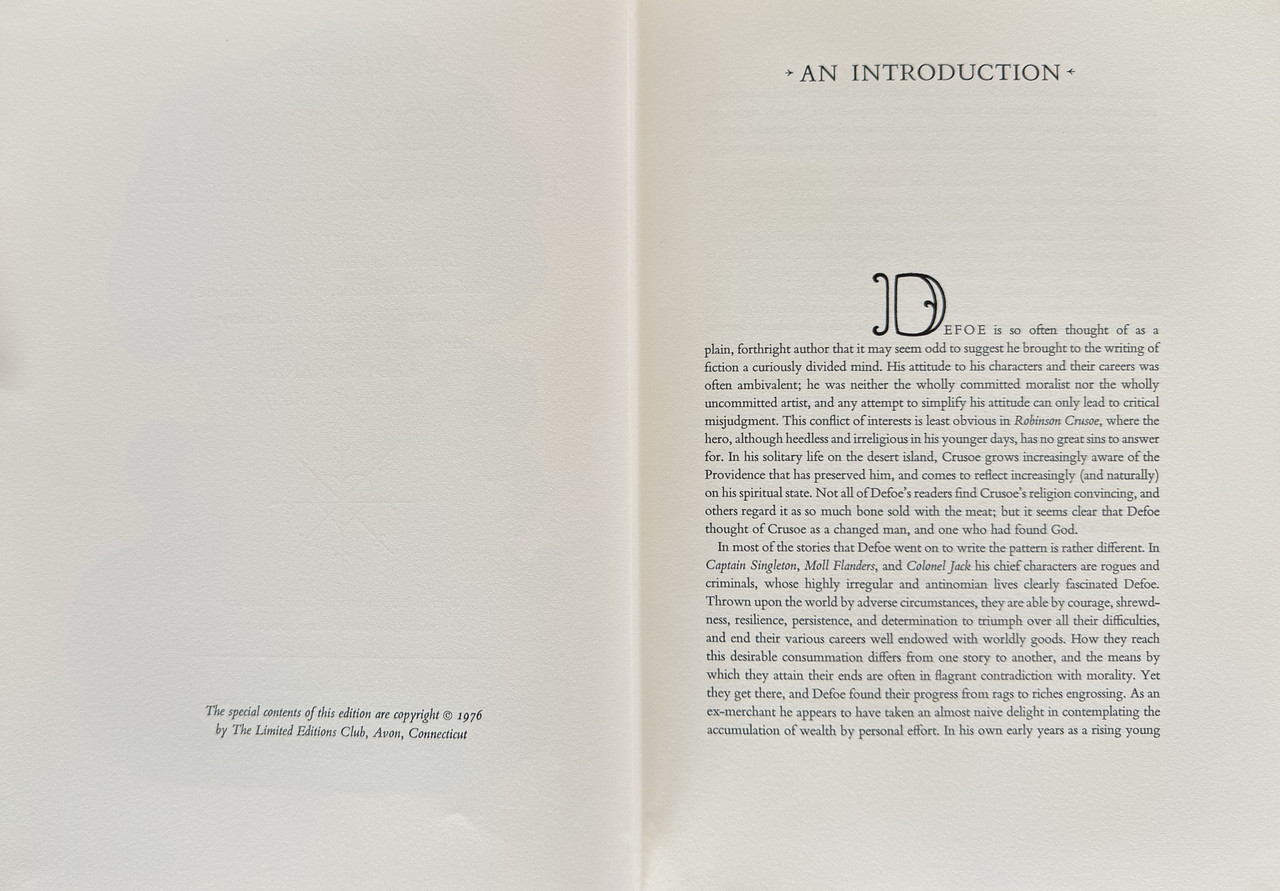
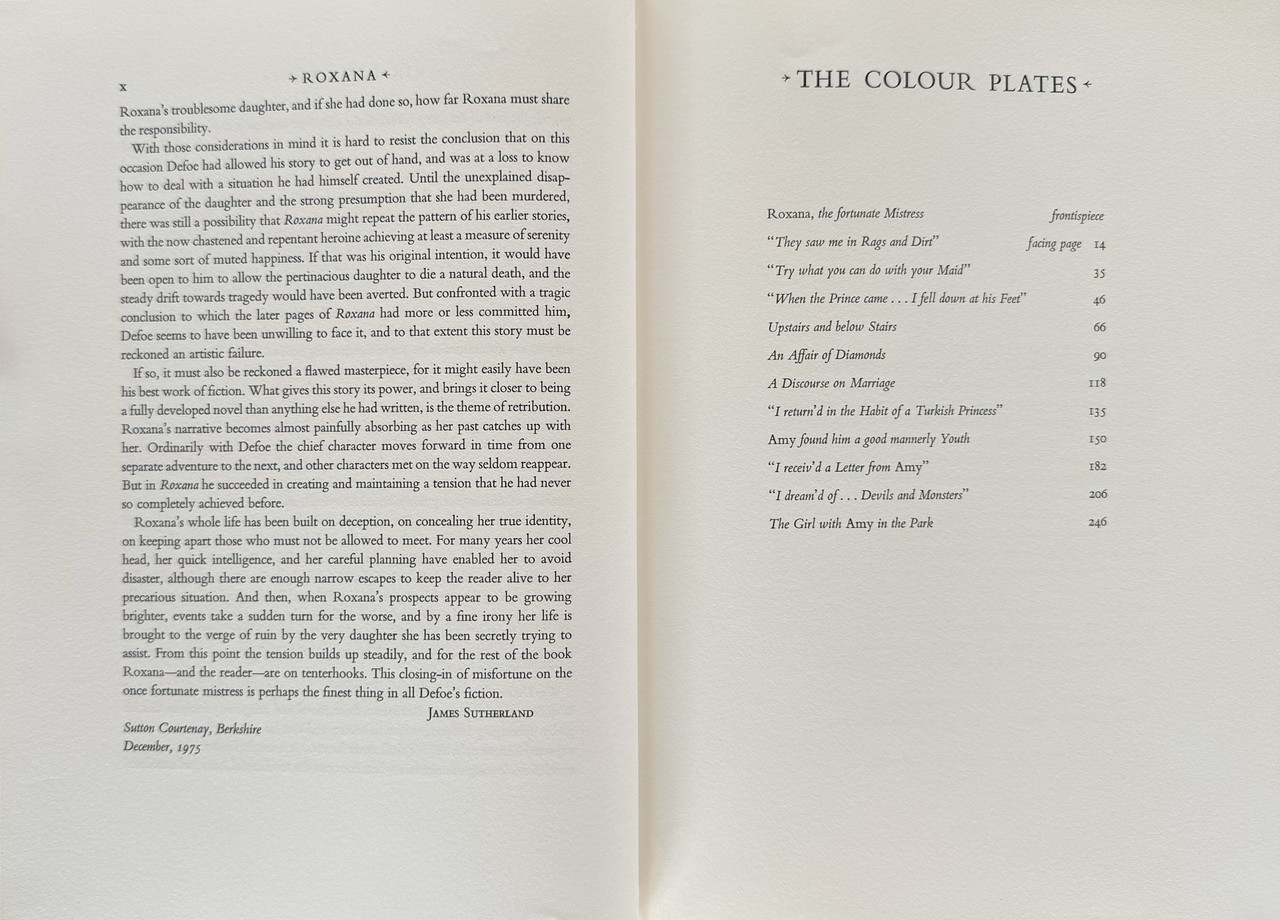
Introduction by James Sutherland
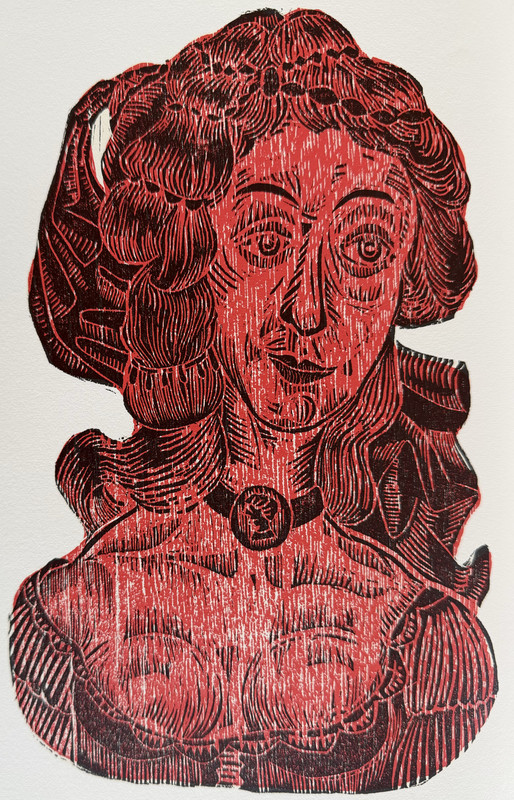
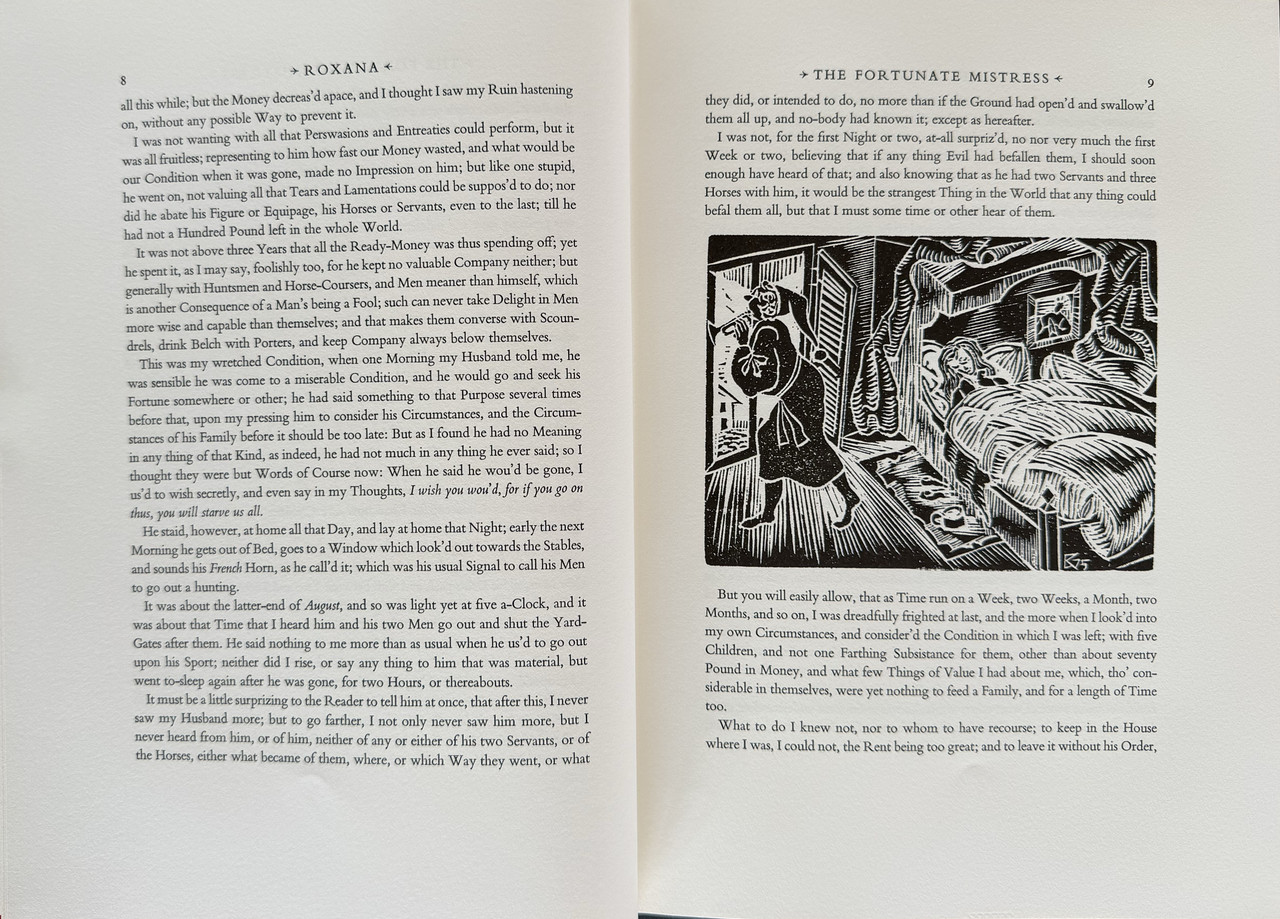
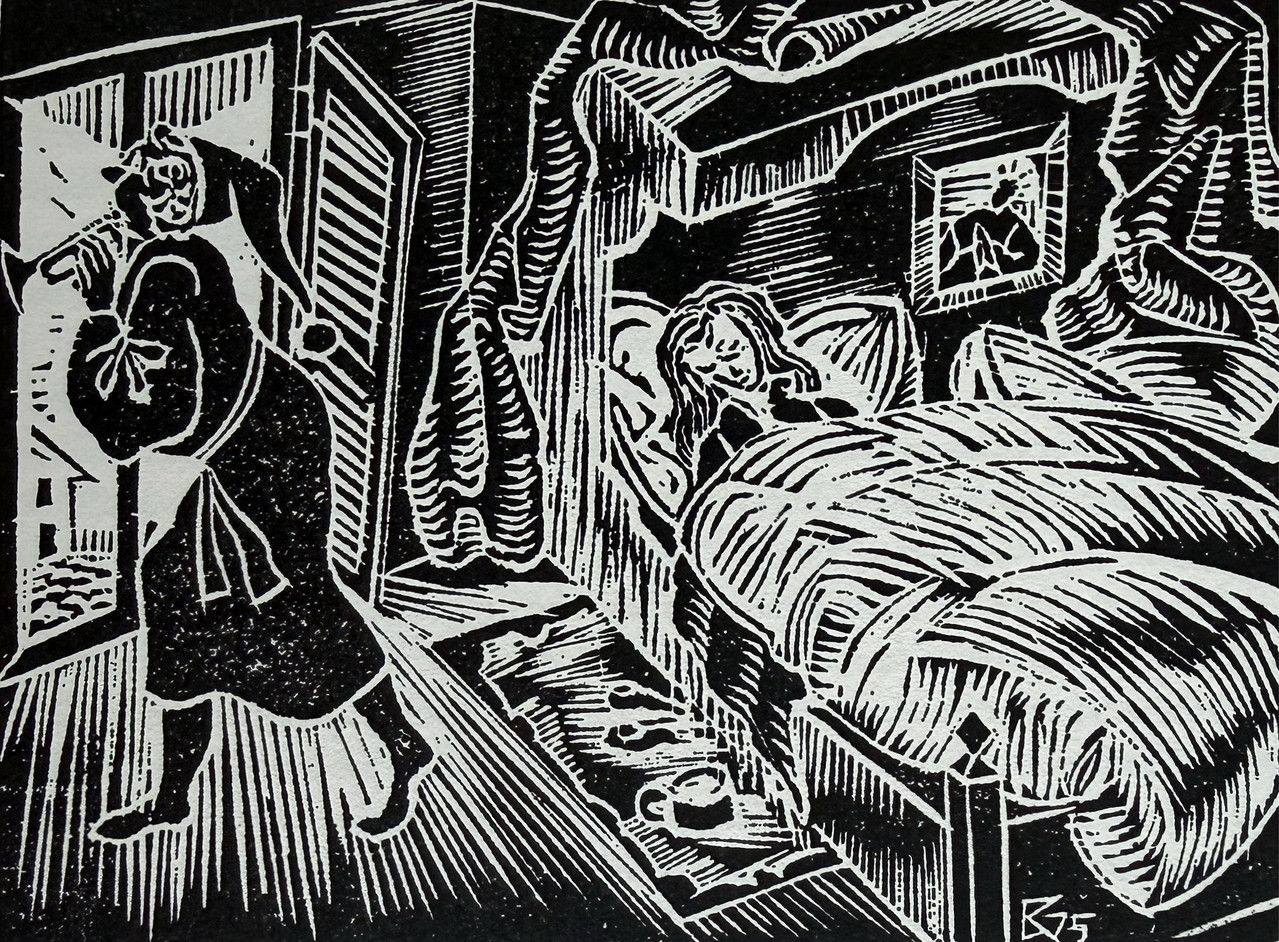
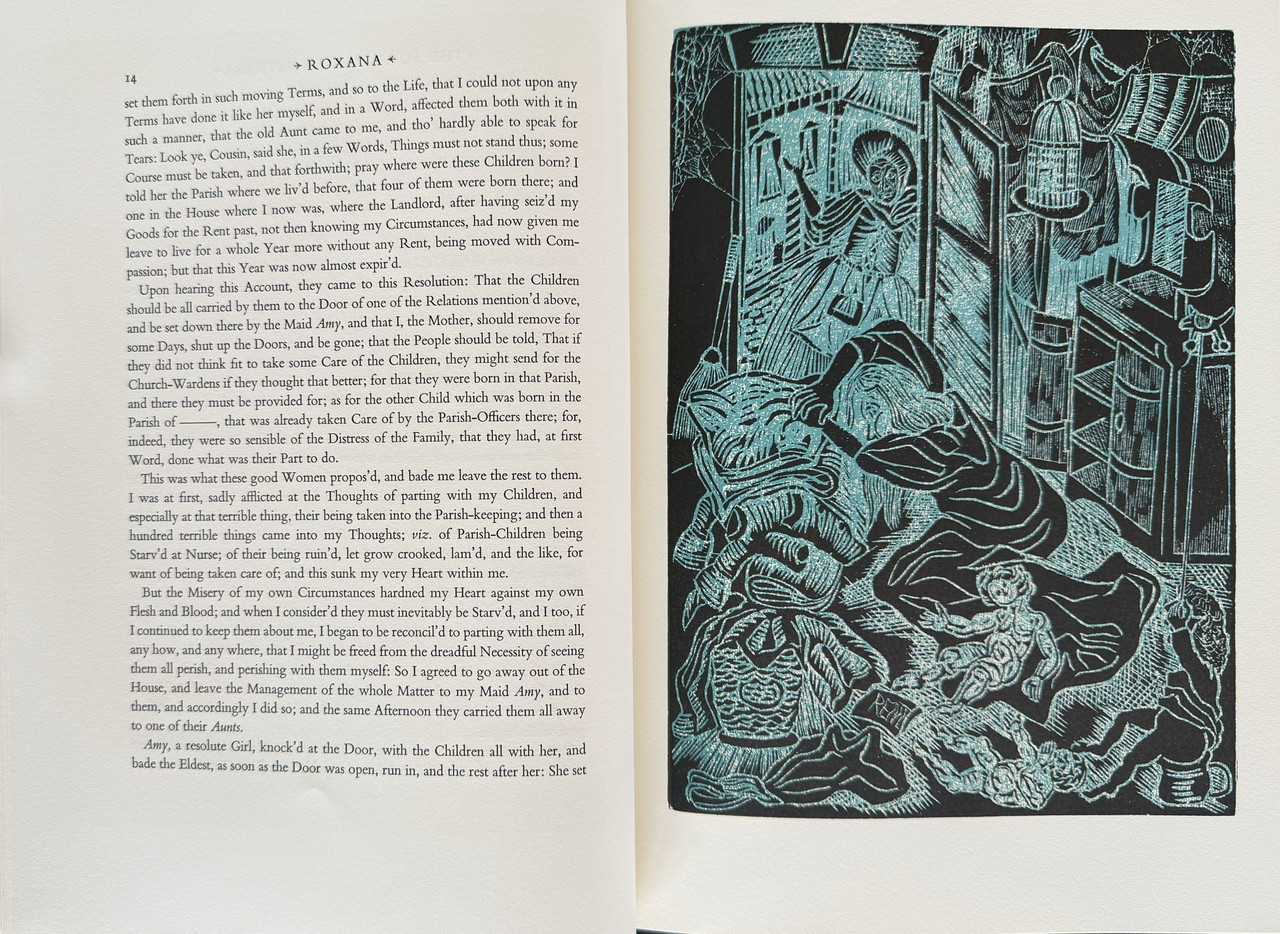
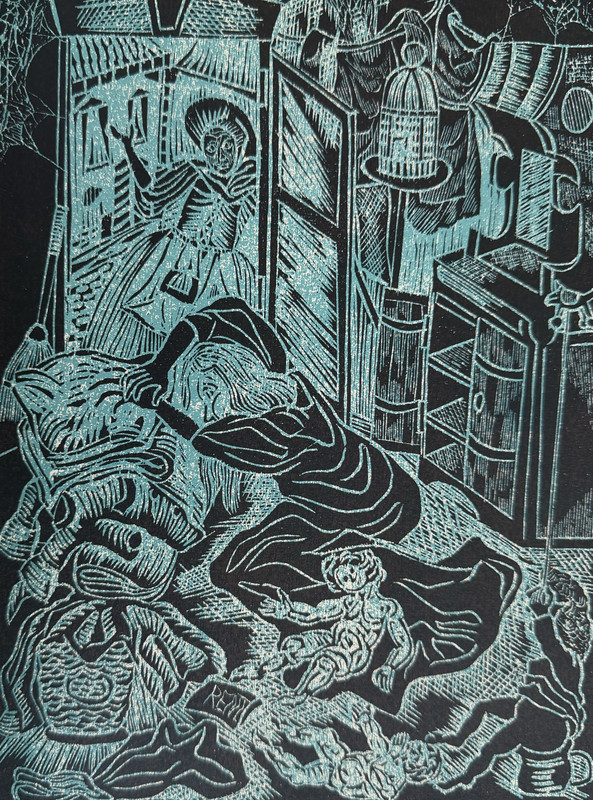
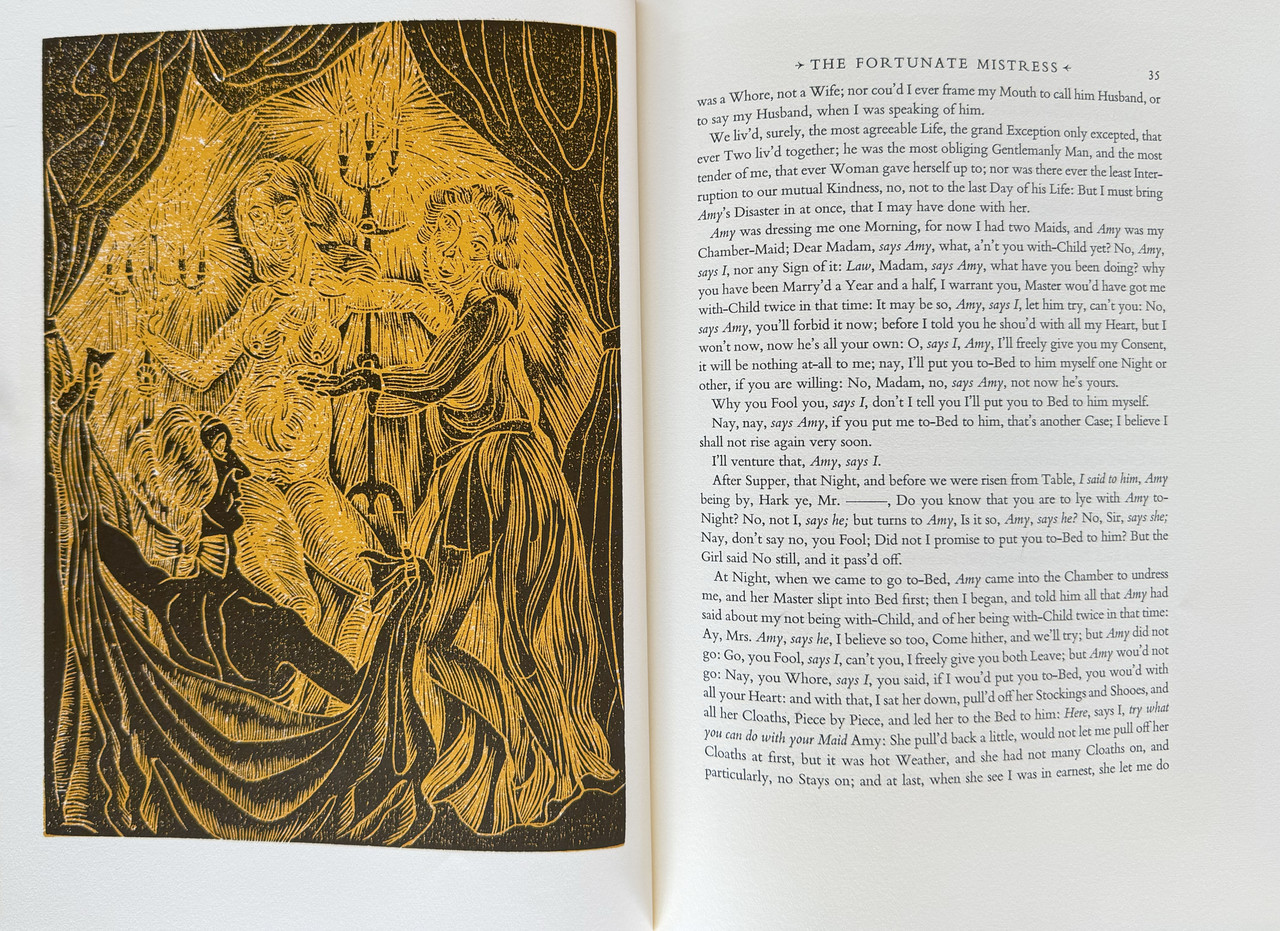
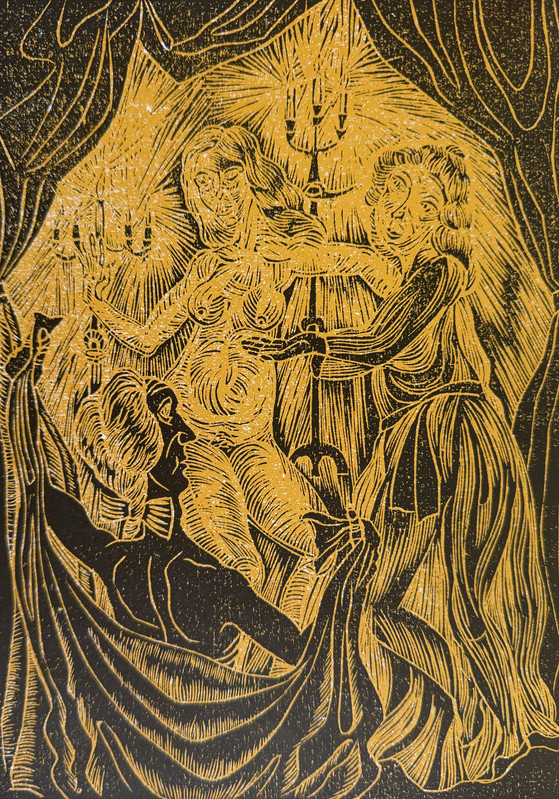
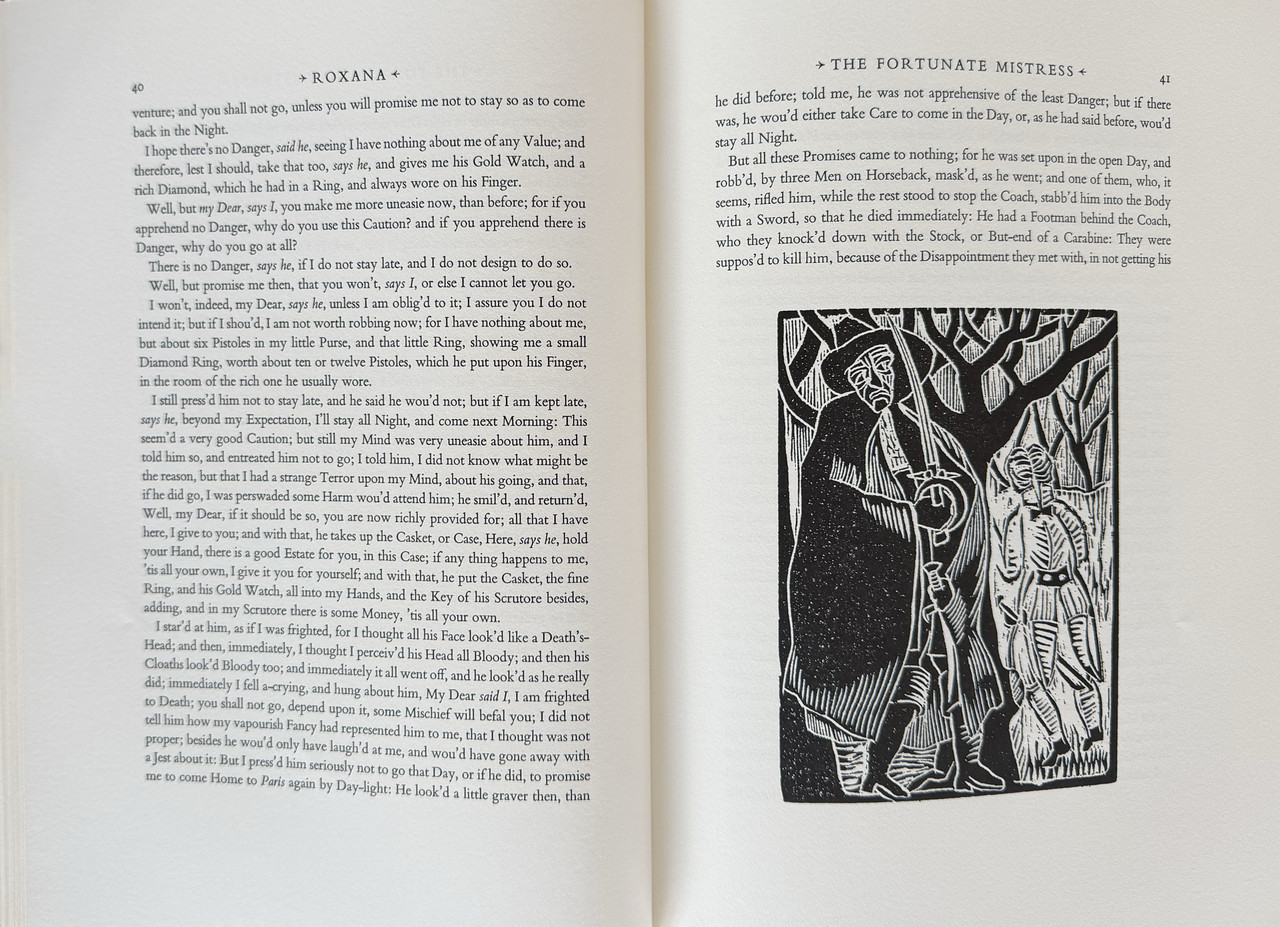
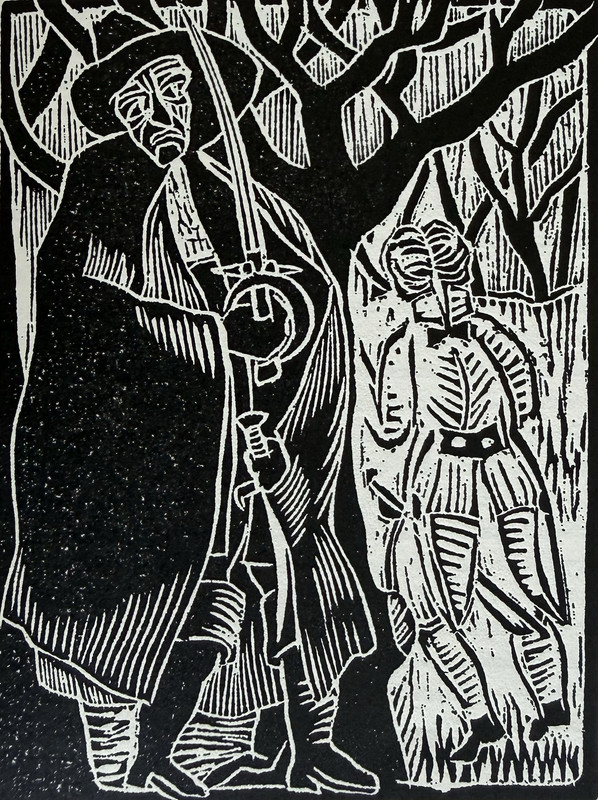
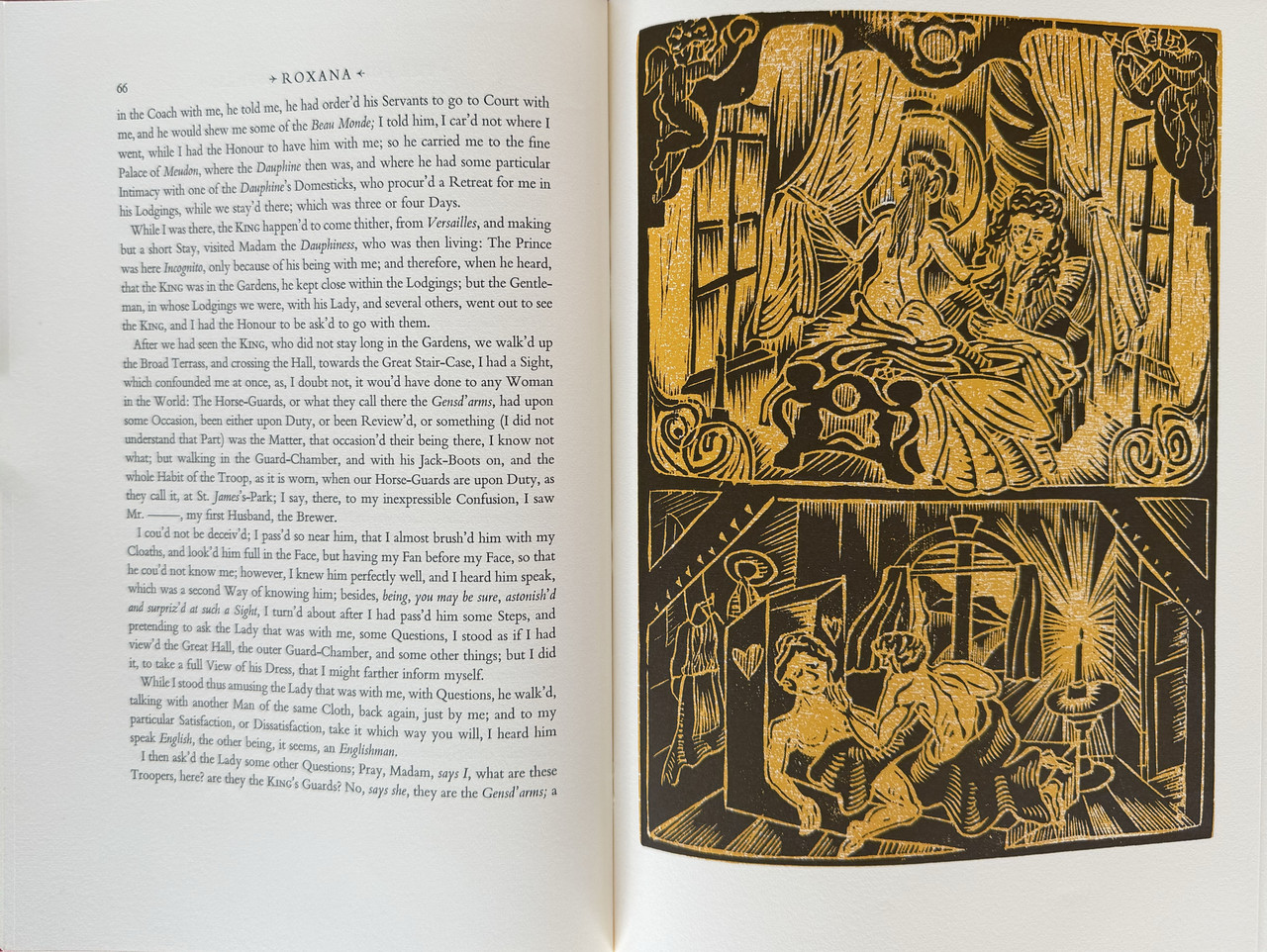
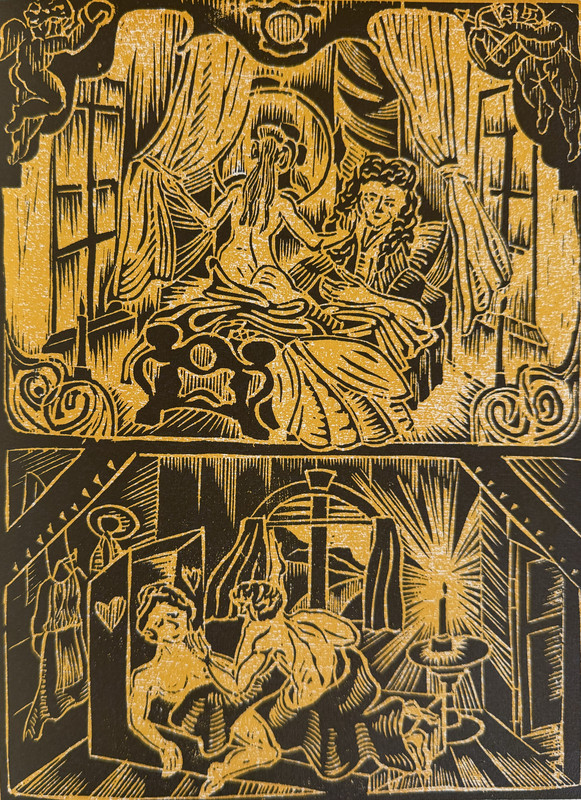
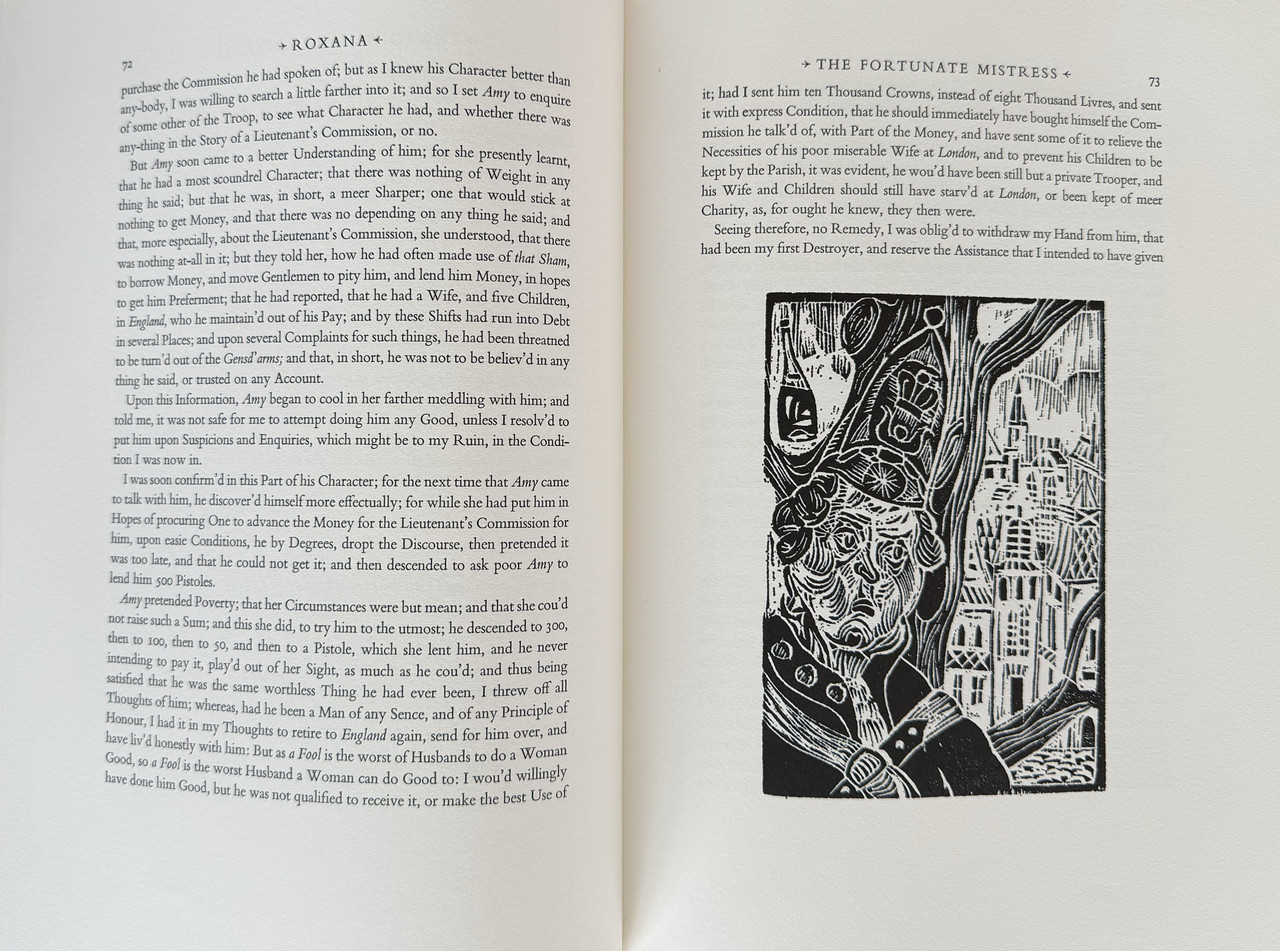
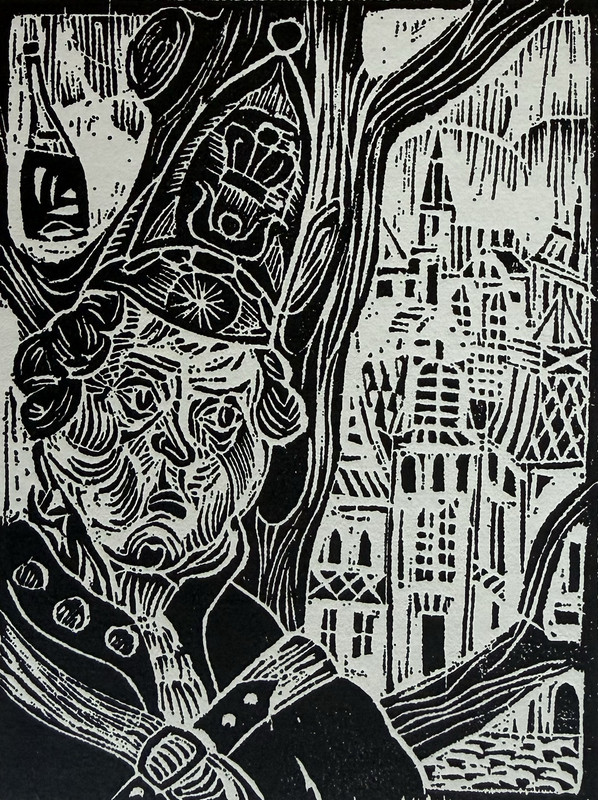
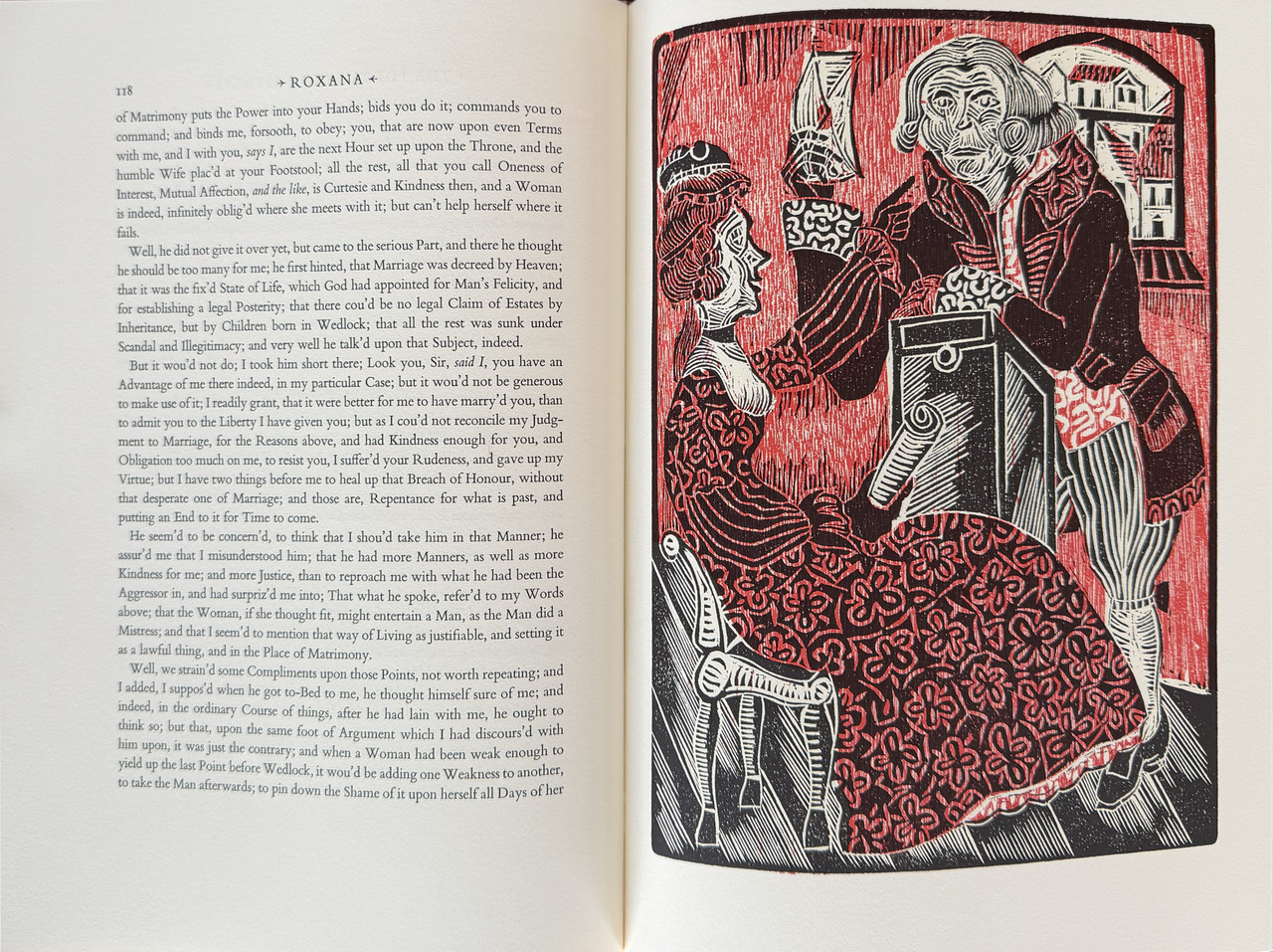
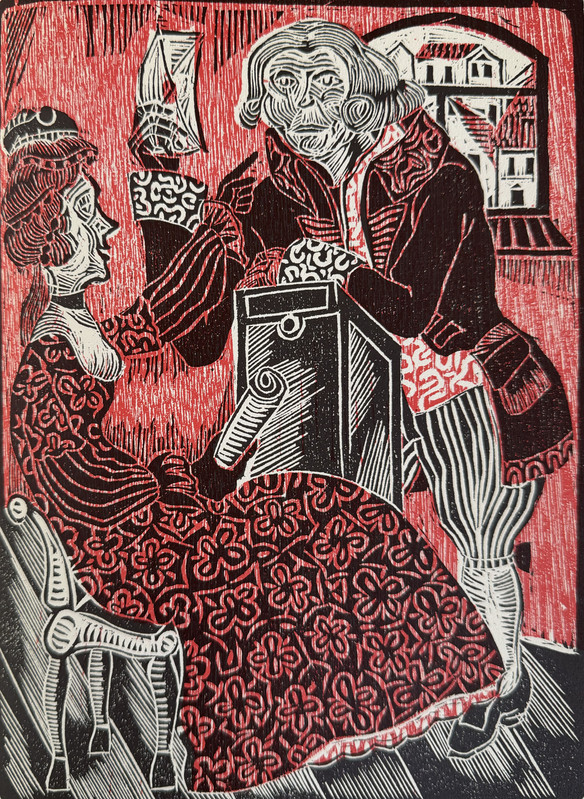
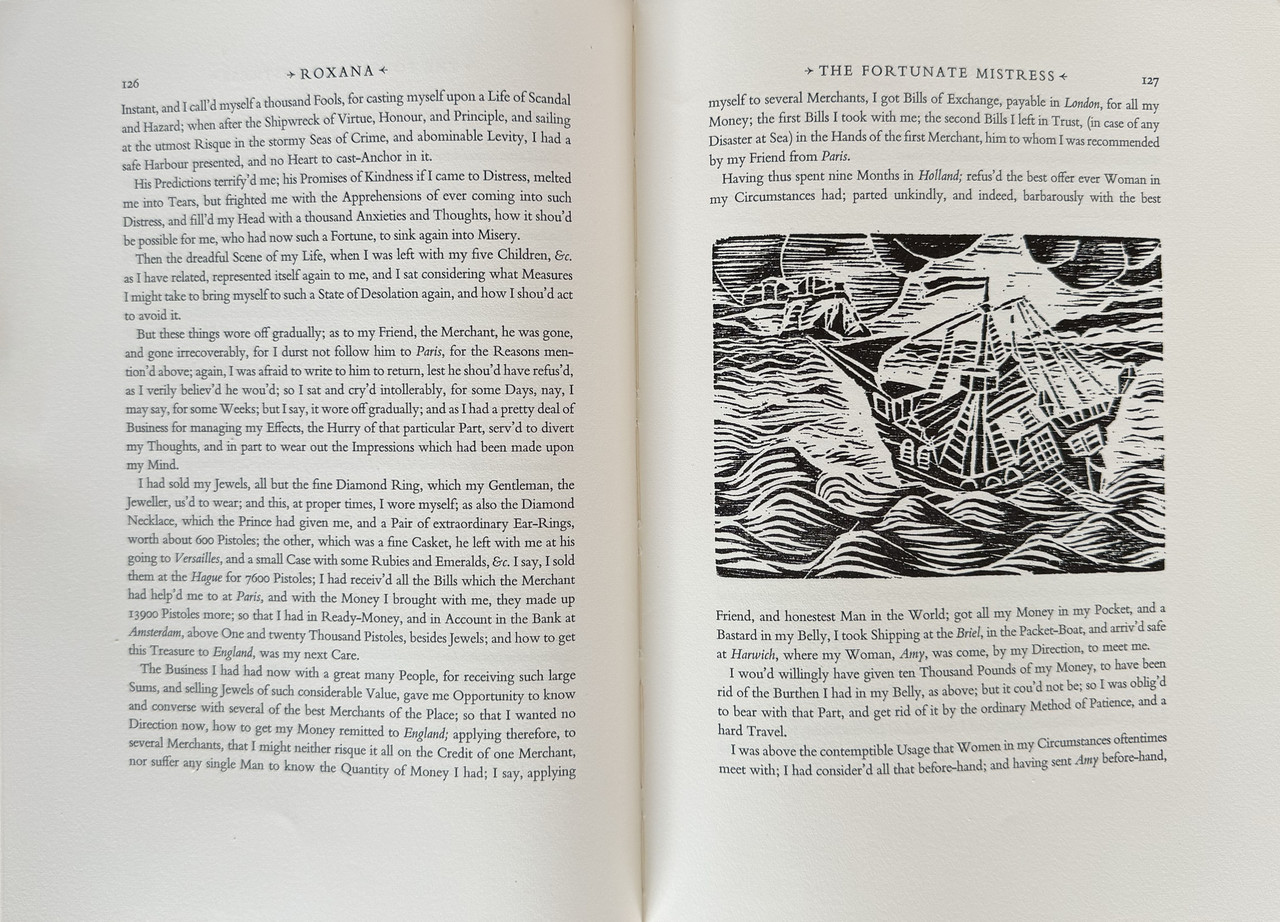
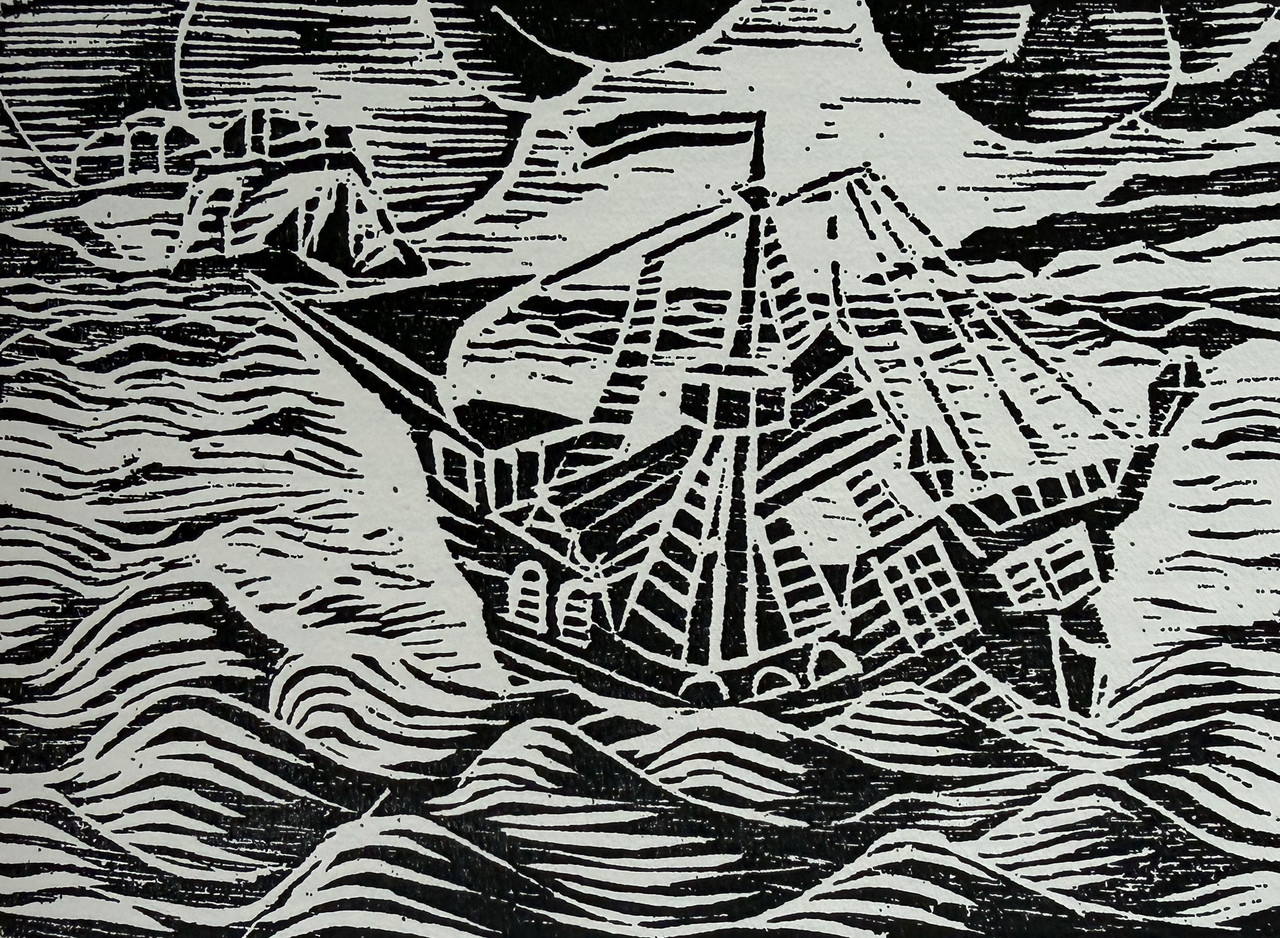
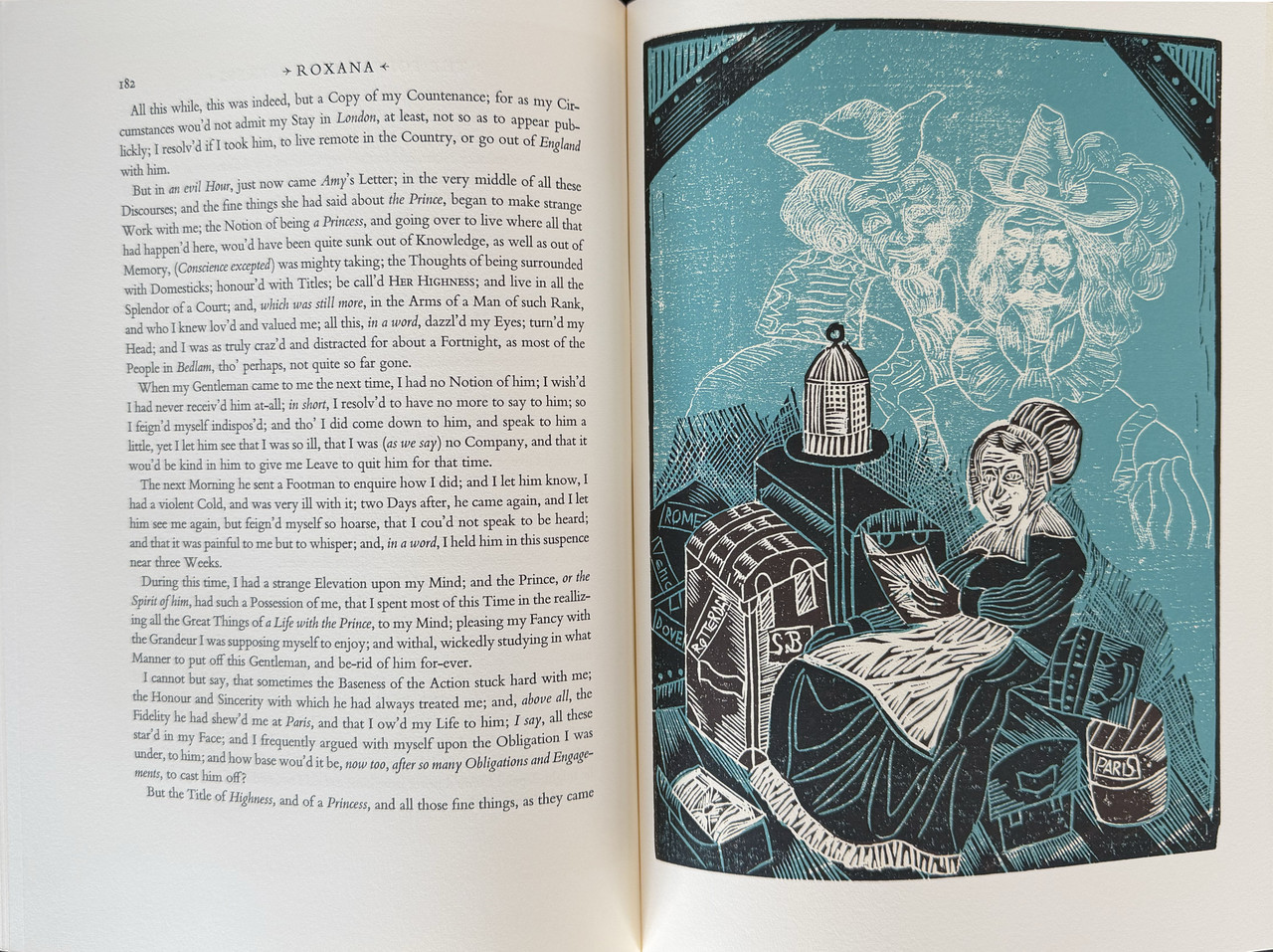
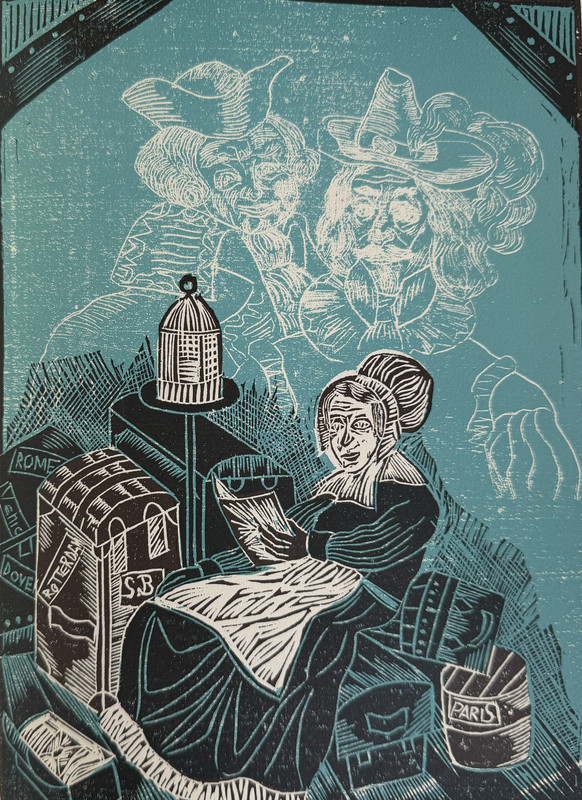
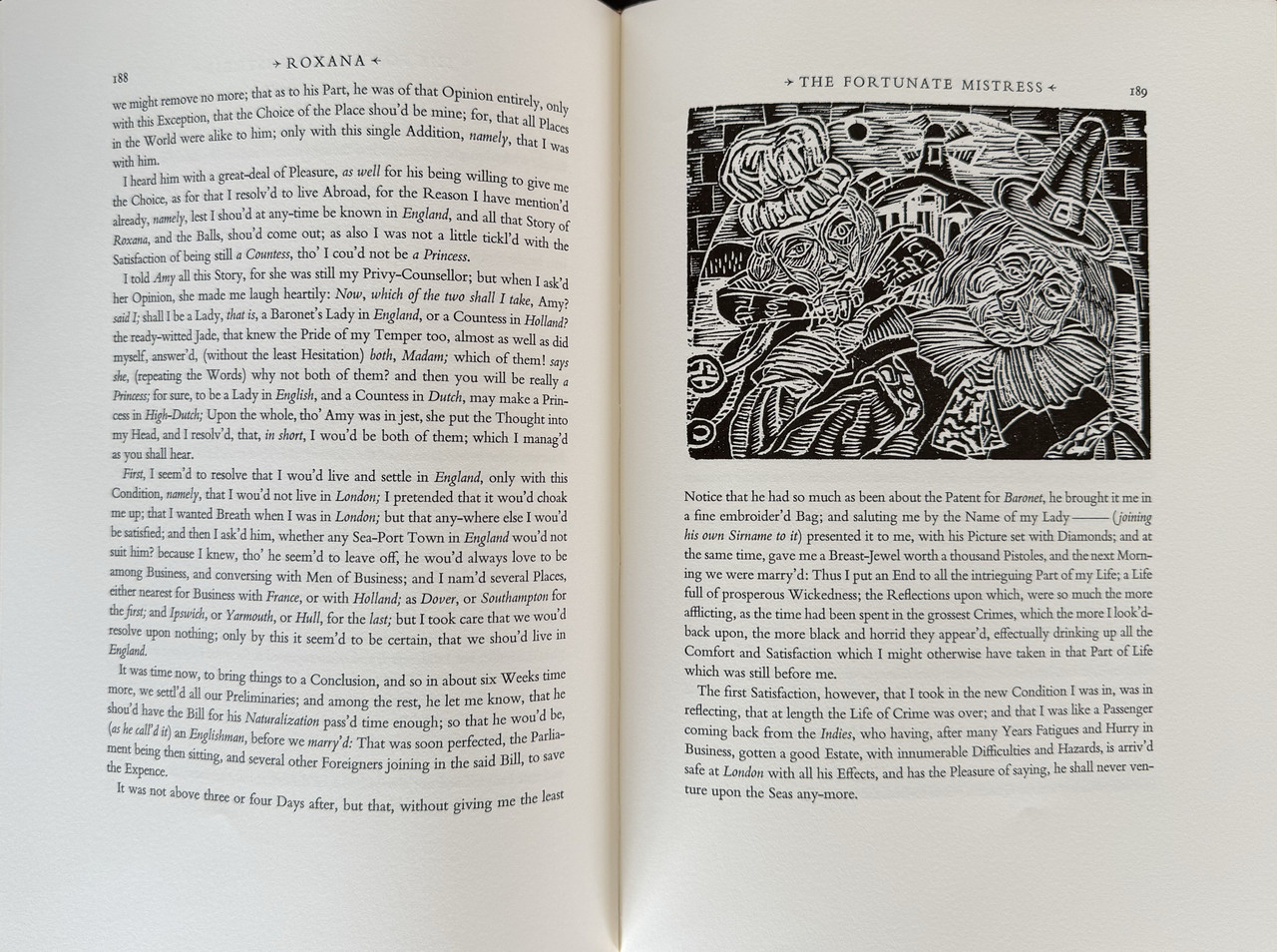
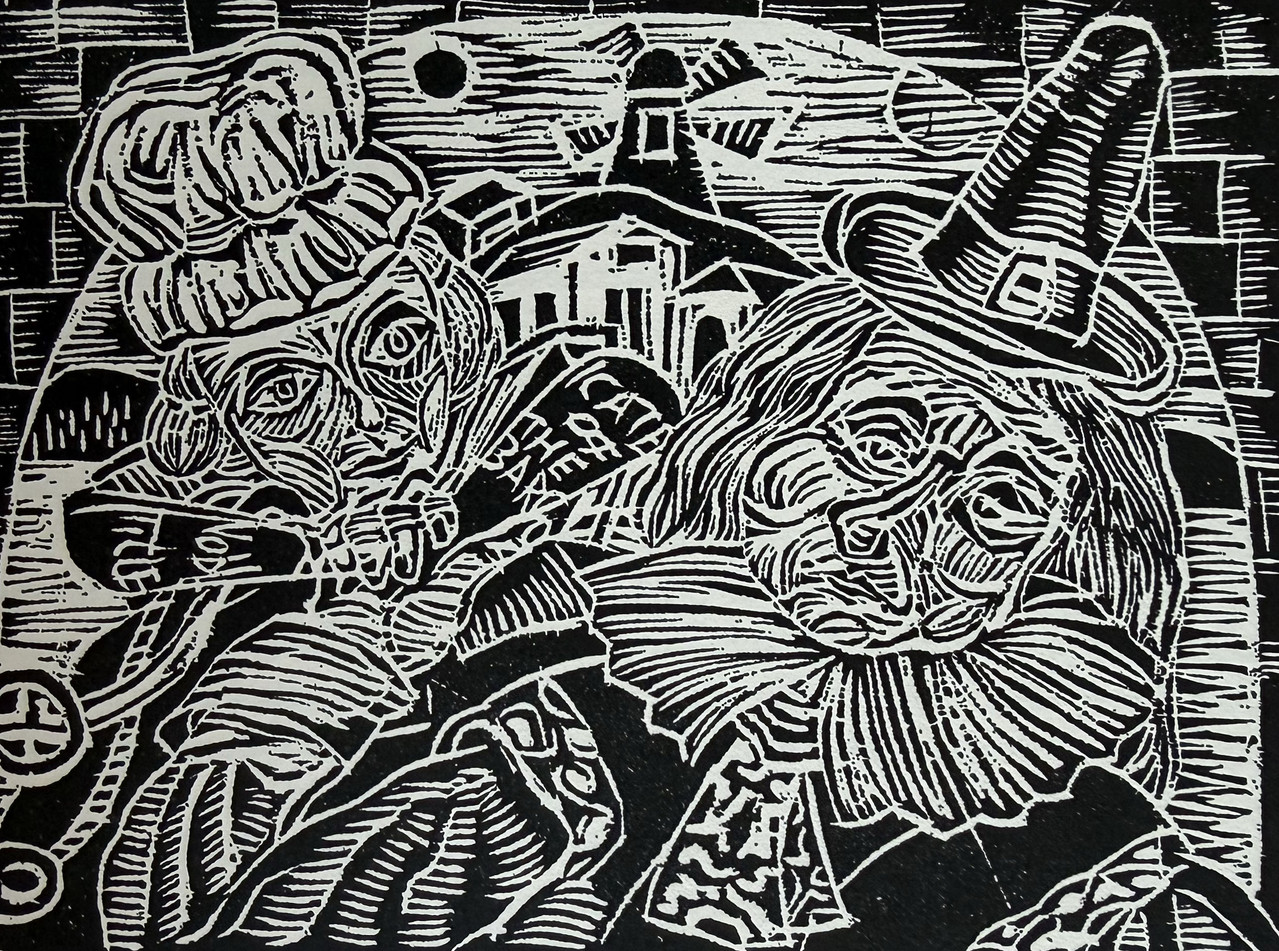
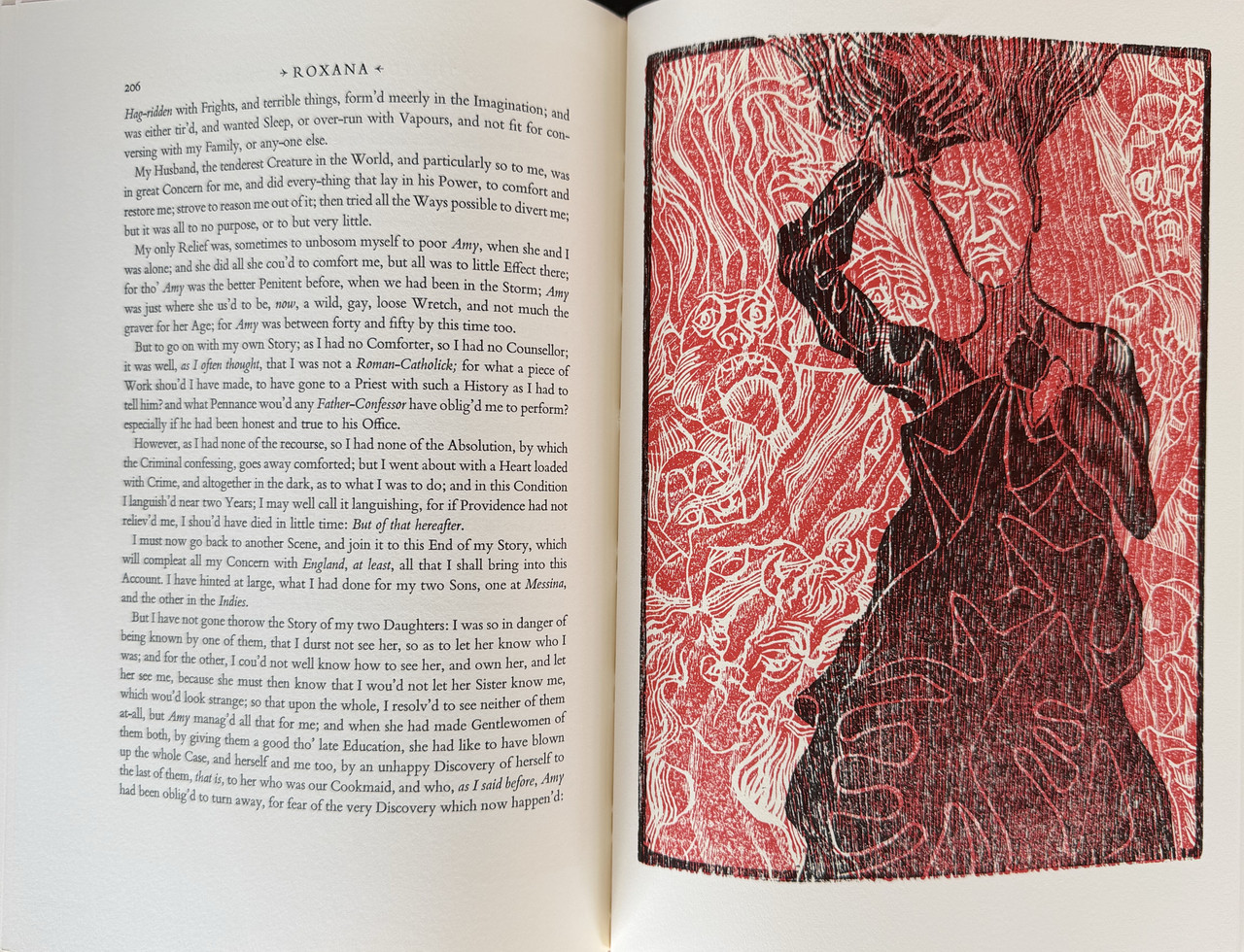
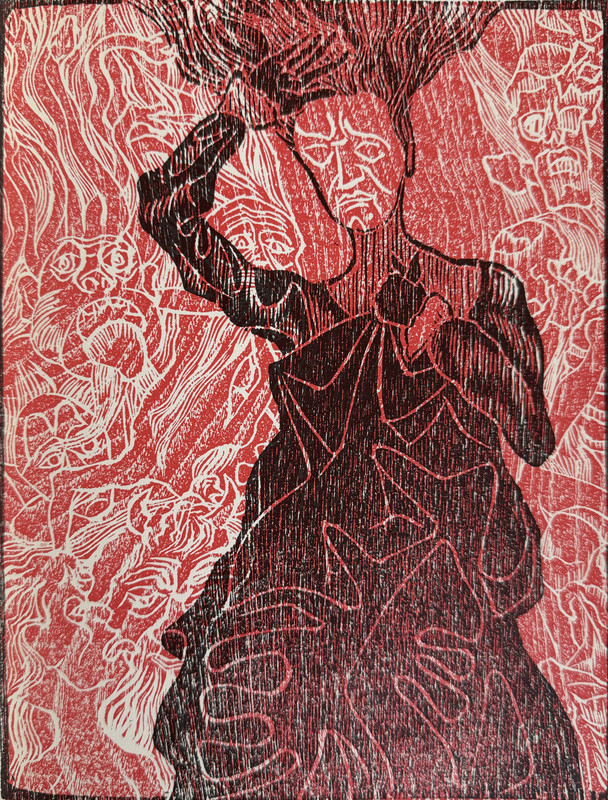
Twelve two-colour full-page woodcuts, and numerous integrated monochrome woodcuts by Bernd Kroeber.
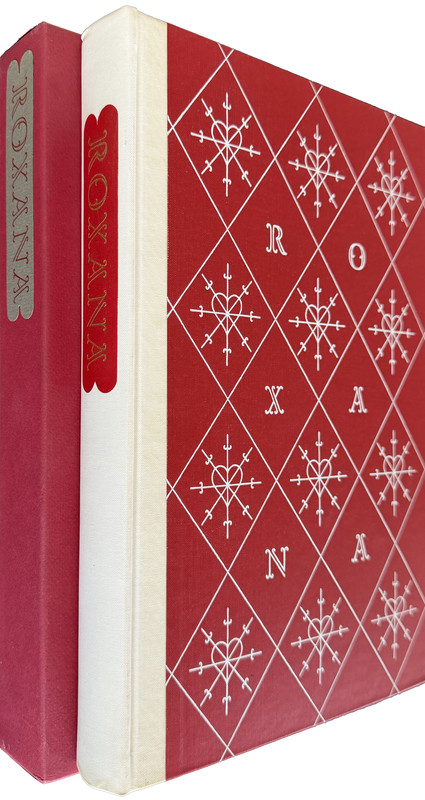
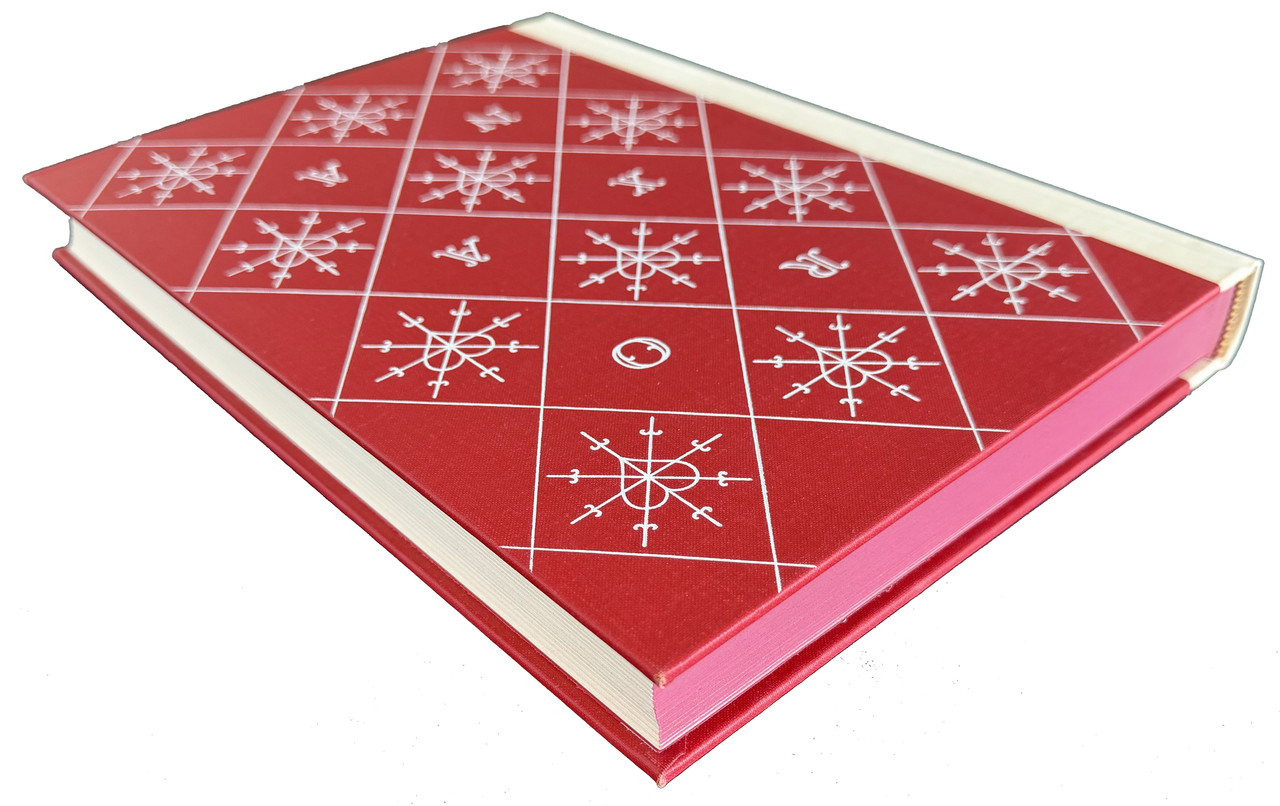
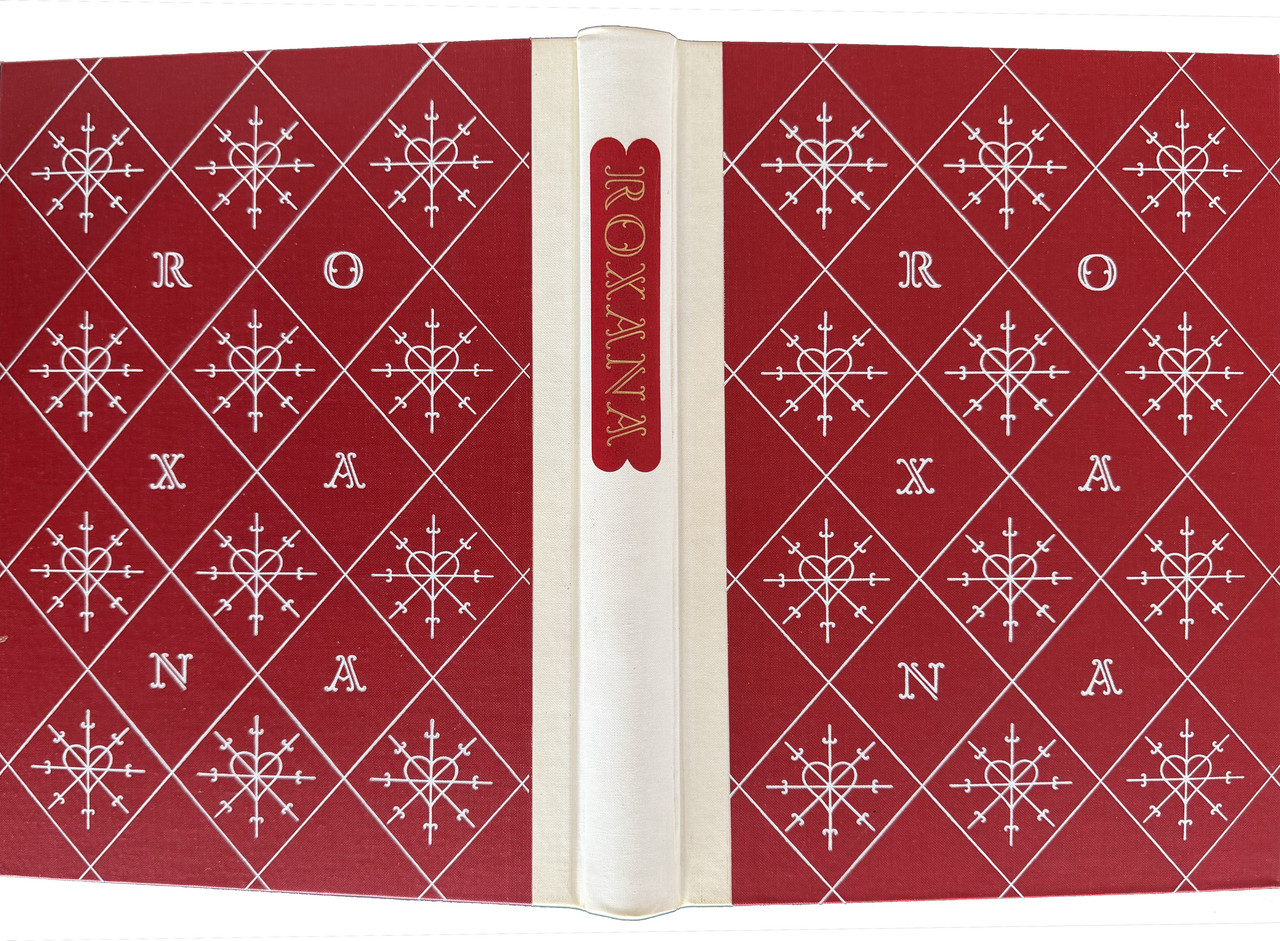
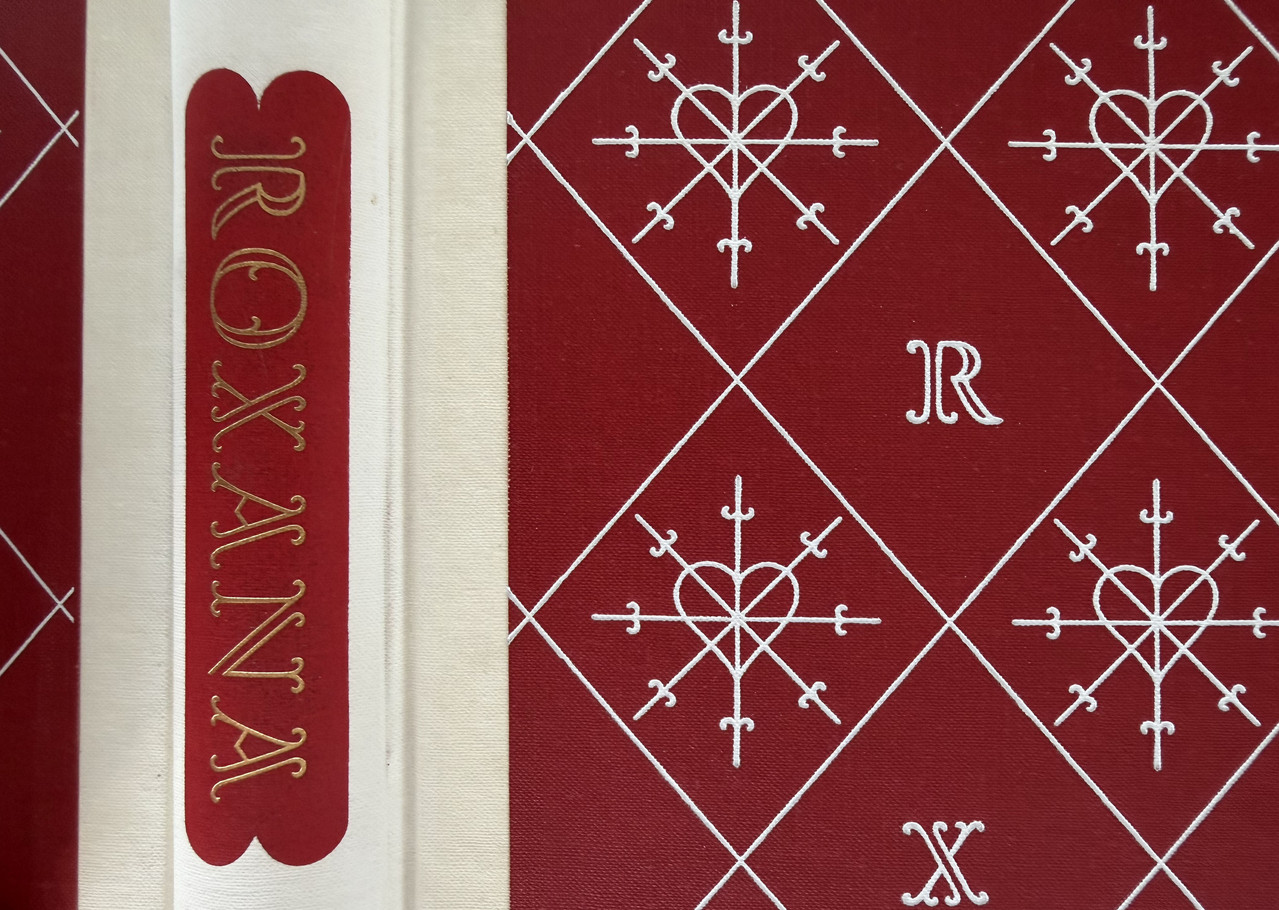
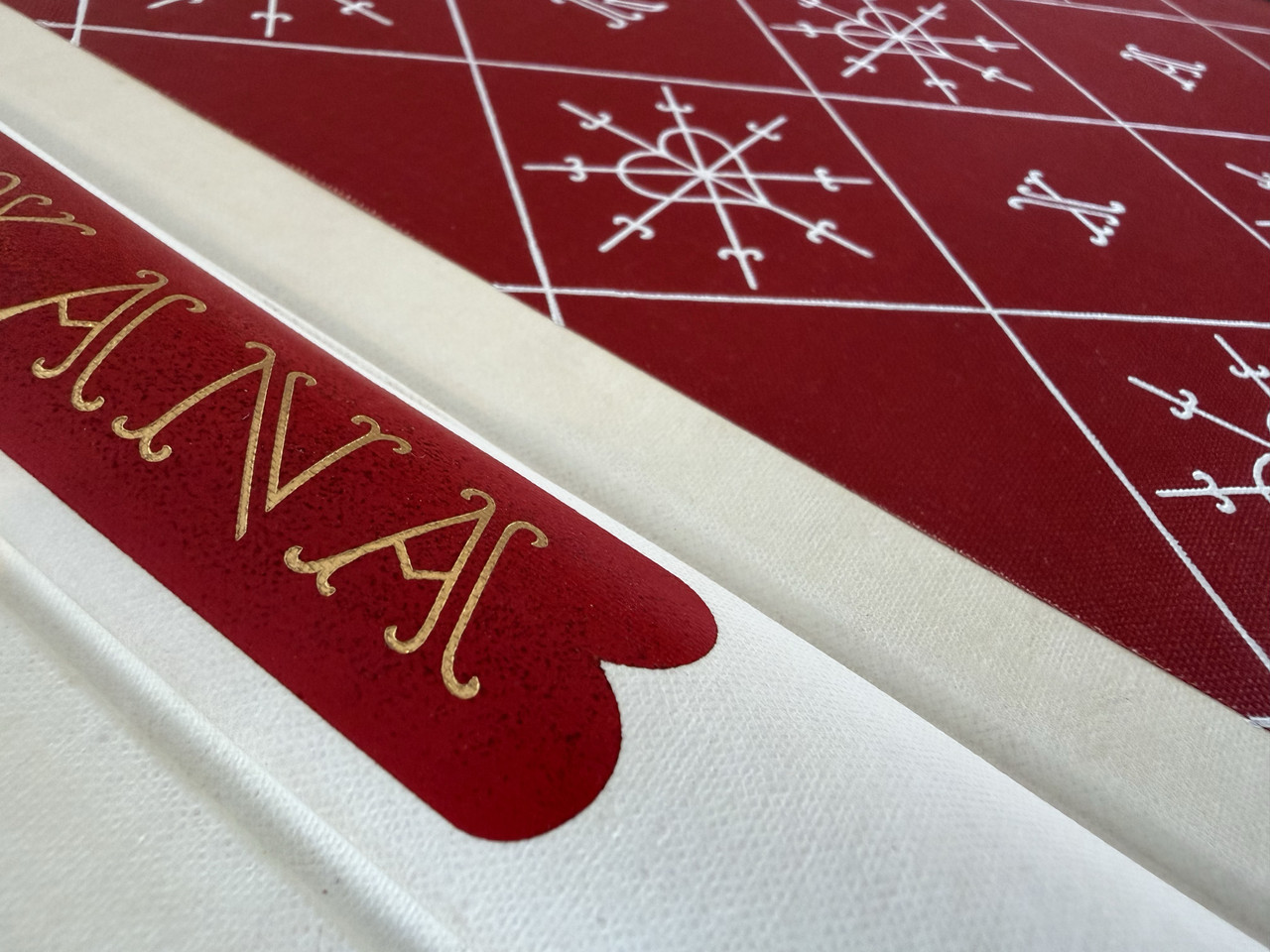
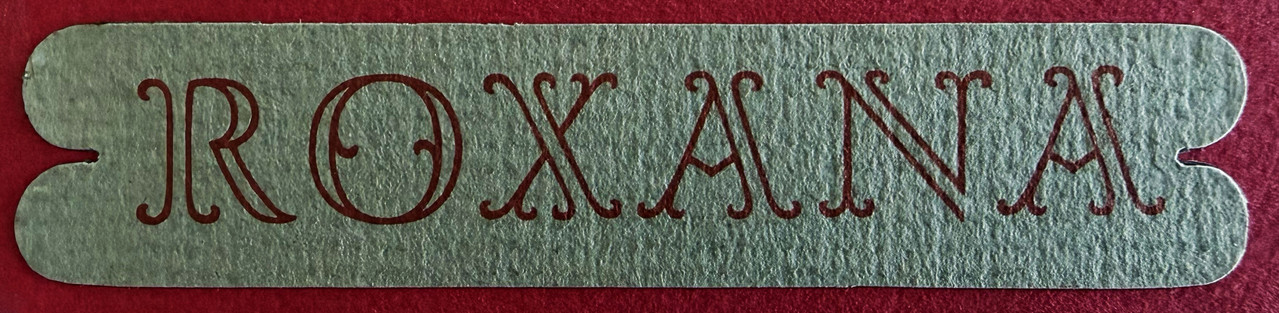
Quarter bound in white leather with red gilt printed spine title label, red cloth boards with printed design in white.
Red endpapers.
Page tops stained red.
Plain red slipcase with brown title label printed in red on edge.
30x22cm.
256 pages
US$50
Defoe's last and darkest novel, is the autobiography of a woman who has traded her virtue, at first for survival, and then for fame and fortune. Its narrator tells the story of her own "wicked" life as the mistress of rich and powerful men. Endowed with many seductive skills, she is herself seduced: by money, by dreams of rank, and by the illusion that she can escape her own past.
Almost three hundred years after its first publication, Roxana continues to challenge readers, who, though compelled by Roxana's story, are often baffled by her complex relationships.

An index of the other illustrated reviews in the this series can be viewed here.
A PICTORIAL REVIEW
No. 927 of 2000
Signed by the illustrator
Introduction by James Sutherland
Twelve two-colour full-page woodcuts, and numerous integrated monochrome woodcuts by Bernd Kroeber.
Quarter bound in white leather with red gilt printed spine title label, red cloth boards with printed design in white.
Red endpapers.
Page tops stained red.
Plain red slipcase with brown title label printed in red on edge.
30x22cm.
256 pages
US$50
Defoe's last and darkest novel, is the autobiography of a woman who has traded her virtue, at first for survival, and then for fame and fortune. Its narrator tells the story of her own "wicked" life as the mistress of rich and powerful men. Endowed with many seductive skills, she is herself seduced: by money, by dreams of rank, and by the illusion that she can escape her own past.
Almost three hundred years after its first publication, Roxana continues to challenge readers, who, though compelled by Roxana's story, are often baffled by her complex relationships.
An index of the other illustrated reviews in the this series can be viewed here.
2Django6924
A pity this seems one of the least admired, or perhaps least sought-after, of LECs. The production values are characteristic of the Stinehour Press, one of the last truly great Vermont printers, and as wcarter's review notes, it is one of Defoe's most complex, ambiguous novels, the ambiguity resulting from the dilemma of what woman's place was in Restoration society, and how her efforts to free herself, using the best means at her disposal, mark her out for condemnation.
Roxana (or really Susan, as that seems to be her given name), has no qualms about prostituting herself for social advancement. (Her attitudes are so modern I couldn't help but be reminded of the actress Wendy Hiller's comment upon hearing she'd been honored by winning an Oscar for "Separate Tables"-- "Never mind the honor, cold, hard cash is what it means to me.") And even the censor-avoidance ending where she gets her comeuppance isn't much of a comeuppance, with her still living the good life abroad.
I am not a fan of Bernd Kroeber's illustrations, and this may be one of the reasons the book is not more popular among LEC fans. It's a pity, but not enough of a shortcoming to make me regret the Club produced this, one of Defoe's best.
Roxana (or really Susan, as that seems to be her given name), has no qualms about prostituting herself for social advancement. (Her attitudes are so modern I couldn't help but be reminded of the actress Wendy Hiller's comment upon hearing she'd been honored by winning an Oscar for "Separate Tables"-- "Never mind the honor, cold, hard cash is what it means to me.") And even the censor-avoidance ending where she gets her comeuppance isn't much of a comeuppance, with her still living the good life abroad.
I am not a fan of Bernd Kroeber's illustrations, and this may be one of the reasons the book is not more popular among LEC fans. It's a pity, but not enough of a shortcoming to make me regret the Club produced this, one of Defoe's best.
Join to post

