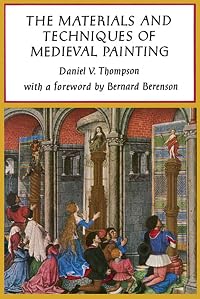
The Materials and Techniques of Medieval Painting
by Daniel V. Thompson
On This Page
Description
Sums up 20th-century knowledge: paints, binders, metals, surface preparation. Based on manuscripts and scientific investigation.Tags
Recommendations
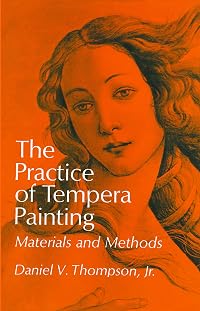


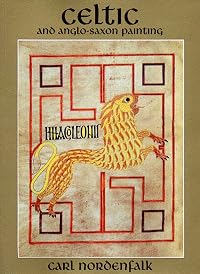
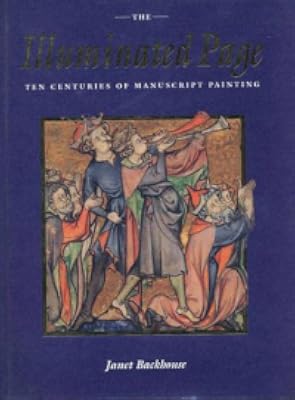
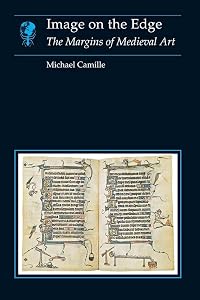




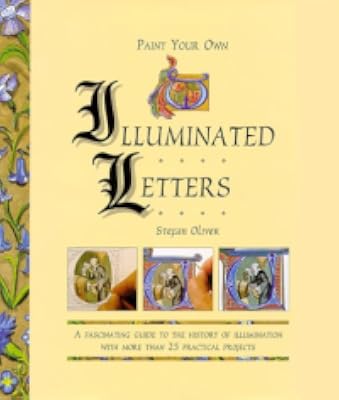
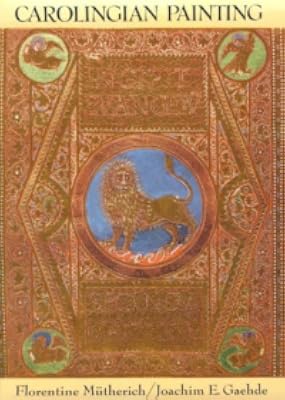


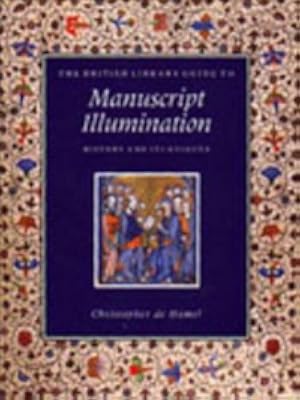
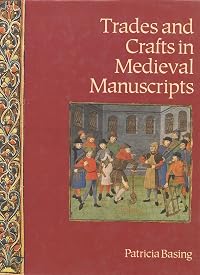


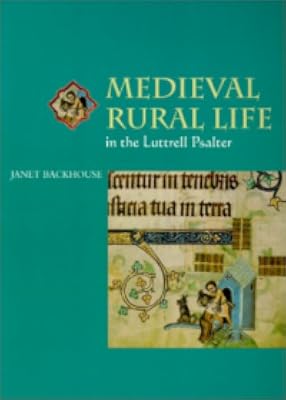
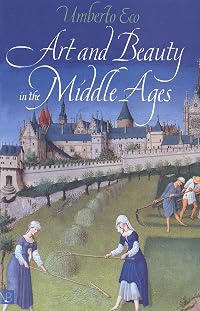
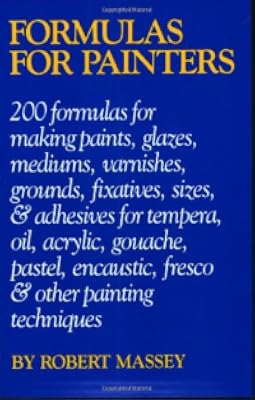
Member Recommendations
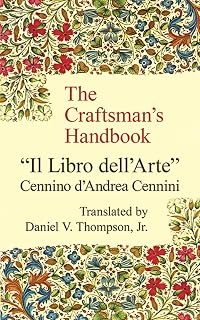
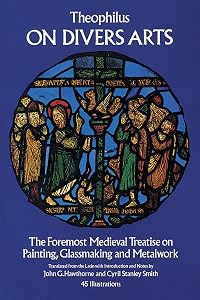
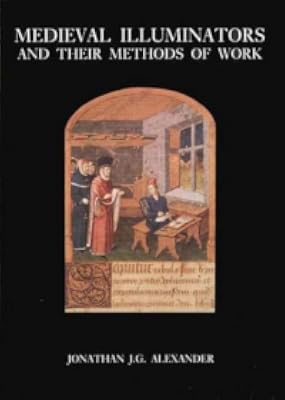
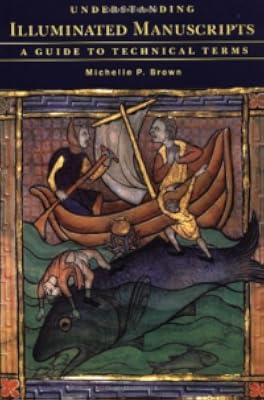
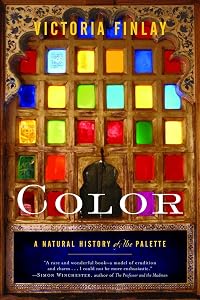
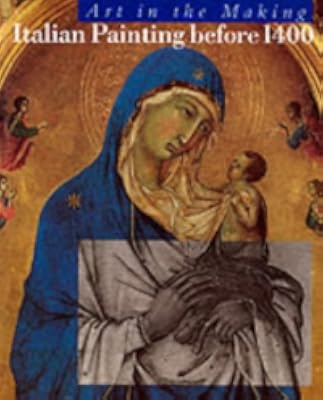
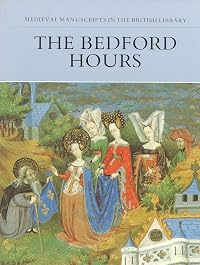
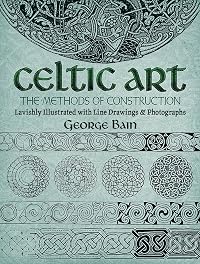
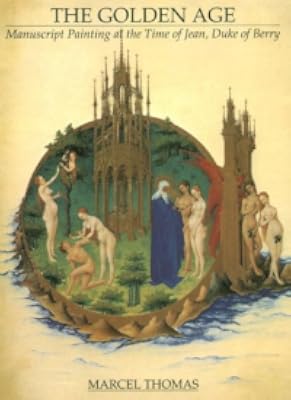
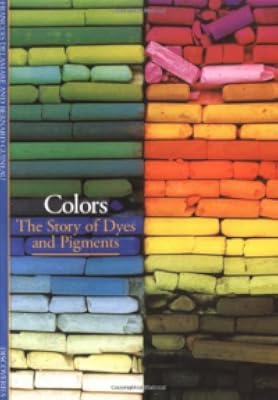
waltzmn Victoria Finlay's book on color has less information on actual paints and pigments, and more on places where they were found, but it is an interesting and enjoyable description of how certain common coloring materials came to be used.
Member Reviews
It’s unlikely to be interesting to anyone who doesn’t paint, or who doesn’t care for art history. But if you do....
I found it interesting to find out about what things were made from back in the day (and in some cases, still are). To be a painter back then meant being a part-time alchemist as well. It makes me appreciate that I live in a century where we don’t have to grind pigments and literally make our own paints from scratch. However, it makes me UN-appreciate the fact that many of our great local art supply stores have been driven out of the city by greedy landlords. But that falls a bit outside the scope of this book so I’ll stop there.
There was a bit where he was talking about woad (a plant used to make a blue show more pigment). The plant tends to exhaust the land it’s planted in, meaning that every few years farmers had to move on and find fresh soil. And then when it came time to ferment the leaves to get pigment, it stank so bad that woad-dying locales, by law, had to be located away from residential and business quarters. Let that sink in. This was the Middle Ages, when people bathed once or twice a year, bathroom plumbing consisted of a bucket and an open window, and EVERYONE had livestock. The long and the short of it is that it was an ecological disaster, but blue was a status symbol, so what’s another hundred acres of the countryside when I can make a few ducats? Like the author says, “Mankind has never been loath to mortgage the future for present prosperity,” and holy dinosaur crap on a pancake is THAT the truth.
He also said “Modern painting … suffers a little from its freedom, bears its freedom less gracefully then medieval painting bore its servitude.” It’s a bold statement that could cause a lot of arguing, but I see what he means. Just because nobody understands you doesn’t mean you’re an artist. show less
I found it interesting to find out about what things were made from back in the day (and in some cases, still are). To be a painter back then meant being a part-time alchemist as well. It makes me appreciate that I live in a century where we don’t have to grind pigments and literally make our own paints from scratch. However, it makes me UN-appreciate the fact that many of our great local art supply stores have been driven out of the city by greedy landlords. But that falls a bit outside the scope of this book so I’ll stop there.
There was a bit where he was talking about woad (a plant used to make a blue show more pigment). The plant tends to exhaust the land it’s planted in, meaning that every few years farmers had to move on and find fresh soil. And then when it came time to ferment the leaves to get pigment, it stank so bad that woad-dying locales, by law, had to be located away from residential and business quarters. Let that sink in. This was the Middle Ages, when people bathed once or twice a year, bathroom plumbing consisted of a bucket and an open window, and EVERYONE had livestock. The long and the short of it is that it was an ecological disaster, but blue was a status symbol, so what’s another hundred acres of the countryside when I can make a few ducats? Like the author says, “Mankind has never been loath to mortgage the future for present prosperity,” and holy dinosaur crap on a pancake is THAT the truth.
He also said “Modern painting … suffers a little from its freedom, bears its freedom less gracefully then medieval painting bore its servitude.” It’s a bold statement that could cause a lot of arguing, but I see what he means. Just because nobody understands you doesn’t mean you’re an artist. show less
An outstanding book which is easily readable by the lay-person. A wonderful read cover to cover, but also a valuable reference for anyone approaching the various elements that go into medieval art. Like any subject one book can not cover it all but it is a detailed jumping off point for further research.
As someone with a self taught background, I found Mr. Thompson's style learned, approachable, and understandable. He explained his points well and thouroughly and this is a reference I have reread for its wonderful information many times.
A good book laying out in easy to understand terms what each element of medieval illumination required - from surfaces, pigments, gilding, etc.
Rebound paperback
Ratings
Members
- Recently Added By
Author Information

2+ Works 439 Members
Some Editions
Series
Belongs to Publisher Series
Common Knowledge
- Alternate titles
- Materials of medieval painting
- Original publication date
- 1936
- People/Characters
- Cennino Cennini
- First words
- FOREWORD (by Bernhard Berenson)
To my ideal history of art all sorts of servants would bring tribute, all sorts of workmen would be summoned to help.
PREFACE
Possum ergo sane redargui qui ad talia vacco scilicent scribendo puerilia seu interutilia.... --Anonynus Bernensis, saec. XI
Where do you suppose he got those colours? I think he <... (show all)i>evolved them out of his Inner Consciousness. -- Dear Old Lady to a young copyist in the National Gallery, A.D. 1922
This volume is designed for those who care for what my dearest enemy calls, "the cookery of art," for those who wonder about the natures and the sources of the materials out of which painters in the Middle Ages compounded objects that we still cherish. - Last words
- (Click to show. Warning: May contain spoilers.)When we contemplate the history of medieval art, and summon up remembrance of what its work were in their day, and see the part played in them by the metal gold, we may well wonder whether we should not do wisely to call them not the Middle Ages but the Golden Age.
Classifications
Statistics
- Members
- 281
- Popularity
- 114,828
- Reviews
- 5
- Rating
- (3.86)
- Languages
- English
- Media
- Paper, Ebook
- ISBNs
- 3
- UPCs
- 1
- ASINs
- 5