On This Page
Description
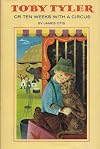
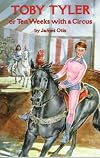
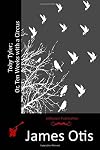
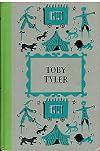
James Otis has written a delightful story of circus life for grades 4 to 7. Children will delight in this fantasy about running away with a circus. Toby Tyler runs away from home with the lemonade man to join the circus, and then works very hard to run away from the circus and go home again. In between, he makes many good friends, including the Living Skeleton and Mr. Stubbs, the monkey.Tags
Recommendations



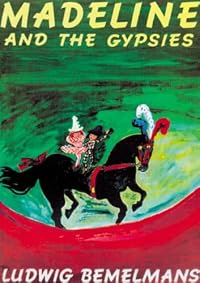


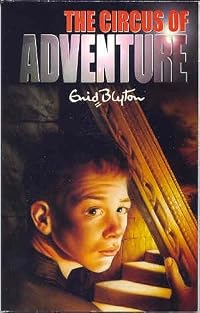

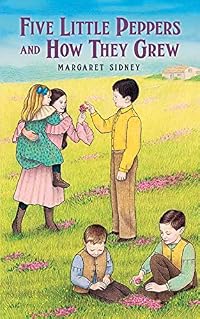


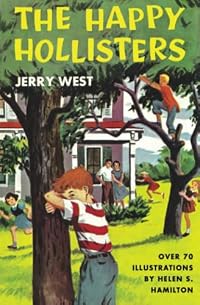

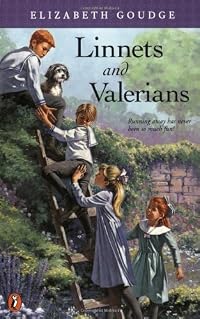

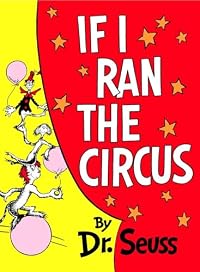

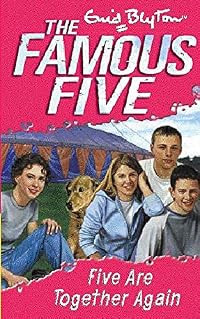


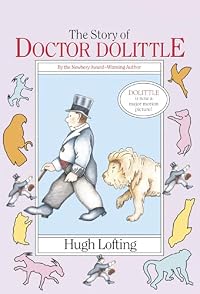








Member Recommendations

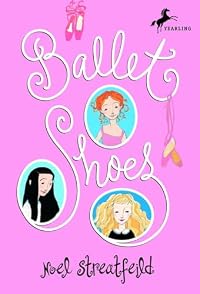
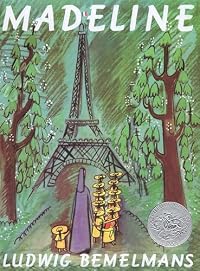
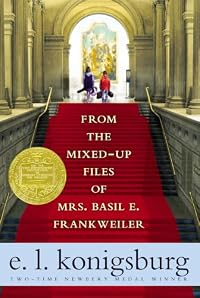
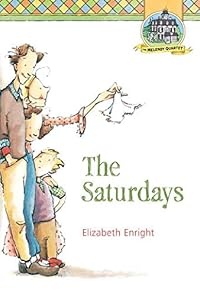
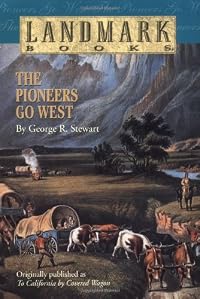
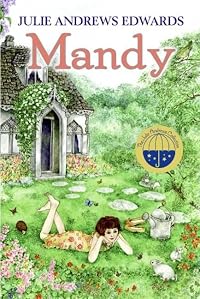
BonnieJune54 Both books involve children working in a 19th century circus.
Member Reviews
Poor Toby. Running away to the circus turned out to be the worst decision of his life.
I’m sure I would have loved this story when I was a kid. Toby is likeable and plucky and his situation evokes great sympathy.
As a child, I would not have understood the deeper layers of the story. These layers brought me a deep sense of frustration and sadness. Toby suffered much for running away and views these sufferings as a consequence of his wickedness. I would have accepted this as a child. But as an adult I can see it for what it is. Toby was lured away and kidnaped. He was abused, and yet the adults in the story simply accepted his situation. No one called in the authorities so Toby could be rescued and the perpetrators arrested. At first I show more thought, it’s the 1800’s, things were different back then. But I realised that things aren’t any different today. Not really. These sorts of things continue to happen to children and too often adults who could protect them don’t.
Toby Tyler is a great story, it’s just sad that it’s such a true reflection of society.
PS I wouldn’t give this book to my kids to read. Some reviewers have mentioned reading this to their kids. Personally I wouldn’t be able to bring myself to do so. But if you do want to share this story with children, reading aloud is probably the best way. It’s a book that requires parental guidance and discussion. show less
I’m sure I would have loved this story when I was a kid. Toby is likeable and plucky and his situation evokes great sympathy.
As a child, I would not have understood the deeper layers of the story. These layers brought me a deep sense of frustration and sadness. Toby suffered much for running away and views these sufferings as a consequence of his wickedness. I would have accepted this as a child. But as an adult I can see it for what it is. Toby was lured away and kidnaped. He was abused, and yet the adults in the story simply accepted his situation. No one called in the authorities so Toby could be rescued and the perpetrators arrested. At first I show more thought, it’s the 1800’s, things were different back then. But I realised that things aren’t any different today. Not really. These sorts of things continue to happen to children and too often adults who could protect them don’t.
Toby Tyler is a great story, it’s just sad that it’s such a true reflection of society.
PS I wouldn’t give this book to my kids to read. Some reviewers have mentioned reading this to their kids. Personally I wouldn’t be able to bring myself to do so. But if you do want to share this story with children, reading aloud is probably the best way. It’s a book that requires parental guidance and discussion. show less
Toby Tyler has entertained several generations of readers (boys mainly) since its publication in 1880. Many older readers will remember it fondly. As a young orphan, Toby runs away to join the circus and gains a job selling refreshments. The life is harder than he expected; he is treated very cruelly by his boss, and is often very sad. However, he makes friends among the performers (the thin man, the fat lady) and adopts Mr. Stubbs the monkey as his special friend. The book's saccharine message is about the values of love, friendship, and family. One aspect that will startle modern sensibilities is that Toby's master at the circus (Mr. Job Lord ) periodically beats him to keep him obedient. Interestingly, among the various Amazon show more reviewers are older readers who remember the book fondly and wonder if their grandchildren would like it, and others who think the book dated, if not preachy.
I only mildly enjoyed revisiting this work, after a hiatus of many years. I cannot imagine that 10 year old boys dream of joining the circus anymore, but I suppose that a very avid reader of that age might gain some enjoyment from reading about a 19th century boy who did. show less
I only mildly enjoyed revisiting this work, after a hiatus of many years. I cannot imagine that 10 year old boys dream of joining the circus anymore, but I suppose that a very avid reader of that age might gain some enjoyment from reading about a 19th century boy who did. show less
A decent kid's book with a TERRIBLE ending. I would not let my child read this because of the ending. Otherwise, it was fine, but what the hell was the author thinking? Terrible, terrible, terrible.
Follows the adventures of a young boy who runs away to join the circus and discovers, contrary to his expectations, that circus life is not always carefree and happy.
Toby Tyler; or, Ten Weeks in a Circus was first published in Harper's Young Peopleas a serial in 1877, and then as a book in 1881. It was an immediate classic and favorite among young boys and girls who dreamed of running off with the circus. It was very popular and sold so well that a few years later Mark Twain wrote his own story of a run-away conscious-stricken orphan who joins the circus: The Adventures of Huckleberry Finn (1884). The central theme of the novel is doing what you know is right versus doing what comes naturally and following your instincts, as shown by the character Mr. Stubbs the monkey. Although written to be a "wholesome" children's novel of what happens to bad boys, most remember it for the romantic story of show more running off with the circus. Indeed, by the end Toby has become so successful in the circus, his reason for returning home stretches credibility (probably to the secret delight of younger readers who knew what they would have done in Toby's shoes: stayed with the circus!). The novel was influential for at least 3 generations, a young Carl Sandburg thought it his favorite novel and William S. Burroughs mentions it in his memoirs. Disney paid it homage in a 1960 movie adaption. Since then it has become increasingly obscure, but it's close similarities with Huckleberry Finn should give it a wider audience as a comparison novel. The original included 30 pen and ink drawings by W. A. Rogers (1854-1931) which are essential.
Read via Internet Archive
--Review by Stephen Balbach, via CoolReading (c) 2008 cc-by-nd show less
Read via Internet Archive
--Review by Stephen Balbach, via CoolReading (c) 2008 cc-by-nd show less
I read this when I was very young - grade 5? I loved it. I recently found an old copy of it and will reread it soon or read it to my daughters. Nothing like the Walt Disney version.
Introduction and foreword are incredibly interesting, too.
Members
- Recently Added By
Lists

1001 Children's Books You Must Read Before You Grow Up
774 works; 101 members

Best Children's Books You've Read
197 works; 74 members

Works That Inspired Disney Movies
119 works; 13 members

Fiction (Mostly) in Selective Bibliography of American Literature 1775-1900
431 works; 3 members
Author Information

126+ Works 1,813 Members
Some Editions
Series

Belongs to Publisher Series
Work Relationships
Common Knowledge
- Canonical title
- Toby Tyler, or Ten Weeks with a Circus
- Original publication date
- 1880
- People/Characters
- Toby Tyler; Old Ben; Mr. Stubbs (monkey); Mr. Lord; Mr. Jacobs; Mr. Treat (show all 10); Mrs. Treat; Ella; Mr. Castle; Uncle Daniel
- Related movies
- Toby Tyler (1960 | IMDb); Circus Days (1923 | IMDb)
- First words
- "Couldn't you give more 'n six peanuts for a cent?"
- Last words
- (Click to show. Warning: May contain spoilers.)You have come home.
Classifications
- Genres
- Children's Books, Fiction and Literature, Kids
- DDC/MDS
- 813.4 — Literature & rhetoric American literature in English American fiction in English Later 19th Century 1861-1900
- LCC
- PZ7 .K124 .T — Language and Literature Fiction and juvenile belles lettres Fiction and juvenile belles lettres Juvenile belles lettres
- BISAC
Statistics
- Members
- 562
- Popularity
- 52,298
- Reviews
- 7
- Rating
- (3.60)
- Languages
- English
- Media
- Paper, Audiobook, Ebook
- ISBNs
- 48
- UPCs
- 1
- ASINs
- 60