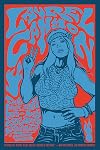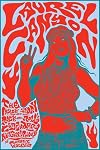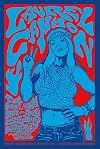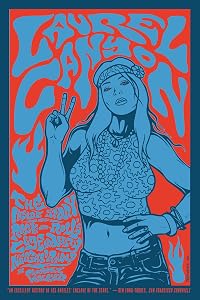
Laurel Canyon: The Inside Story of Rock-and-Roll's Legendary Neighborhood
by Michael Walker
On This Page
Description
Michael Walker's Laurel Canyon presents the inside story of the once hottest rock and roll neighborhood in LA. In the late sixties and early seventies, an impromptu collection of musicians colonized a eucalyptus-scented canyon deep in the Hollywood Hills of Los Angeles and melded folk, rock, and savvy American pop into a sound that conquered the world as thoroughly as the songs of the Beatles and the Rolling Stones had before them. Thirty years later, the music made in Laurel Canyon show more continues to pour from radios, iPods, and concert stages around the world. During the canyon's golden era, the musicians who lived and worked there scored dozens of landmark hits, from "California Dreamin'" to "Suite: Judy Blue Eyes" to "It's Too Late," selling tens of millions of records and resetting the thermostat of pop culture. In Laurel Canyon, veteran journalist Michael Walker tells the inside story of this unprecedented gathering of some of the baby boomer's leading musical lights-including Joni Mitchell; Jim Morrison; Crosby, Stills, and Nash; John Mayall; the Mamas and the Papas; Carole King; the Eagles; and Frank Zappa, to name just a few-who turned Los Angeles into the music capital of the world and forever changed the way popular music is recorded, marketed, and consumed. show lessTags
Recommendations
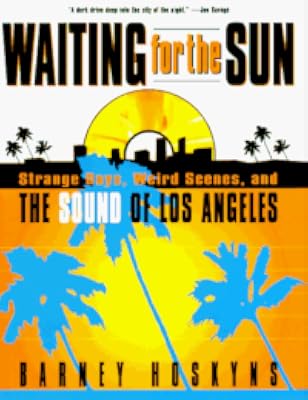

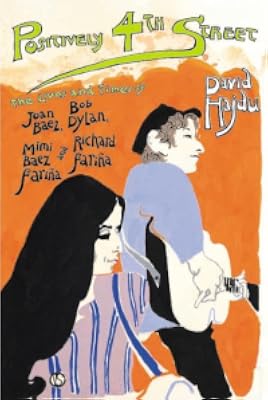
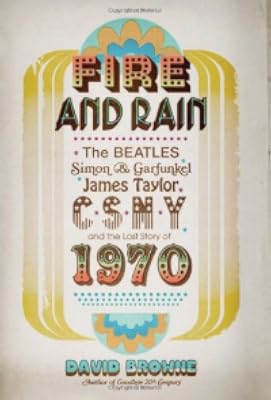

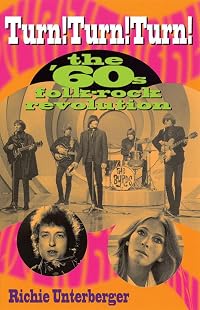









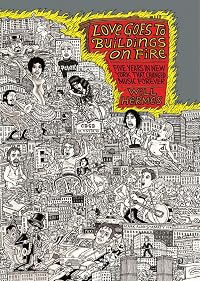
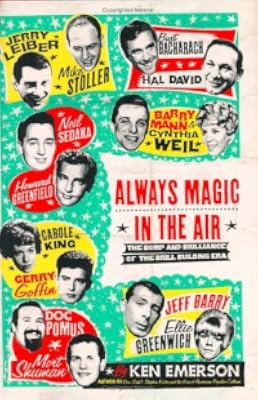
Member Recommendations
Member Reviews
An interesting and nostalgic look at the residents of Laurel Canyon in Los Angeles in the 1970’s – Joni Mitchell, Jim Morrison, Graham Nash, Cass Elliott, Carole King, Don Henley, and David Crosby - as music turned away from the Brill Building in New York City to the performer/composer in California. Full of inside tidbits and inside stories. A fun read.
Great tale of an important L.A. neighborhood both as birthplace of pop rock and as a window into the birth and death of a generation gone from idealism to decadence.
As music books go, this was all right. Not fantastic, not earth-shaking, but all right.
As many other reviewers have noted, while it purports to be the "inside story of rock and roll's legendary neighborhood" it does take far too many detours out of Laurel Canyon and into the offices of music companies, or into LA, or wherever.
It started out strong, and I will say I quite enjoyed the first half, and I think if Walker had simply focused on Laurel Canyon up to, say, the Manson murders, and gone more in depth on the musicians in the canyon, and more about their songwriting and collaborations and inspirations, this would have been a far more interesting read.
As many other reviewers have noted, while it purports to be the "inside story of rock and roll's legendary neighborhood" it does take far too many detours out of Laurel Canyon and into the offices of music companies, or into LA, or wherever.
It started out strong, and I will say I quite enjoyed the first half, and I think if Walker had simply focused on Laurel Canyon up to, say, the Manson murders, and gone more in depth on the musicians in the canyon, and more about their songwriting and collaborations and inspirations, this would have been a far more interesting read.
Much has been written on the subject of 60's/70's Rock and Roll. This book takes a fresh and interesting angle by focusing on a 'neighborhood' and it's influence/involvement in the history of the LA based music scene of this era. Well researched and fun read.
Let Your Freak Flag Fly for 248 Pages-Illuminating.
Given my interest in this subject, I could not put this down. Excellent. A meaningful historical account which puts things into perspective. The “real” 60’s of LSD, Marijuana, singer-songwriters living in a “love-in” flowery peace, paisley and tie dye existence, perhaps lasted for only a few years before things became darker. But, then again, that is part of the history of it all.
What is also interesting is how the talented musicians of Laurel Canyon in the mid to late sixties spawned a Los Angeles music culture and business which took over the world. It eclipsed New York and might have had its only peer in London with the Beatles and the Stones.
What is for sure is that show more nothing was ever the same again. I highly recommend this one for those who have an interest in the music, its historical context and the emergence of the music business as we know it today. show less
Given my interest in this subject, I could not put this down. Excellent. A meaningful historical account which puts things into perspective. The “real” 60’s of LSD, Marijuana, singer-songwriters living in a “love-in” flowery peace, paisley and tie dye existence, perhaps lasted for only a few years before things became darker. But, then again, that is part of the history of it all.
What is also interesting is how the talented musicians of Laurel Canyon in the mid to late sixties spawned a Los Angeles music culture and business which took over the world. It eclipsed New York and might have had its only peer in London with the Beatles and the Stones.
What is for sure is that show more nothing was ever the same again. I highly recommend this one for those who have an interest in the music, its historical context and the emergence of the music business as we know it today. show less
This snapshot of Laurel Canyon, by veteran journalist Michael Walker, focuses on the 60's and 70's and provides many rock and roll tidbits, in addition to an indepth exploration of this canyon neighborhood of Los Angeles, California.
Its strength is in the lively history of bands, musicians, groupies, managers, record company employees, music venues.
His extensive research upholds the view that the time frame and bohemian occupants were critical in forever changing the way
popular music was recorded and marketed.
"Laurel Canyon found itself a nexus of counterculture activity and attitudes in the 1960s" and "Walker focuses on the scene through numerous lenses."
Walker's compilation is wistful is part, but also bittersweet.
Darkness did descend show more on the canyon....first drugs (pot to cocaine), then the Manson family murder spree.
Anxiety and apprehension infiltrated the canyon.
Cocaine would weave itself into the fabric of the canyon as both a symptom and cause of an era's end.
In 1979, fire destroyed 23 canyon homes.
1981 brought the "Wonderland Massacre".
You'll find Walker's work encompasses pre and post 60's -70's.
I've simply highlighted my particular area of interest.
You'll find a well researched book that I heartily recommend.
4★ show less
Its strength is in the lively history of bands, musicians, groupies, managers, record company employees, music venues.
His extensive research upholds the view that the time frame and bohemian occupants were critical in forever changing the way
popular music was recorded and marketed.
"Laurel Canyon found itself a nexus of counterculture activity and attitudes in the 1960s" and "Walker focuses on the scene through numerous lenses."
Walker's compilation is wistful is part, but also bittersweet.
Darkness did descend show more on the canyon....first drugs (pot to cocaine), then the Manson family murder spree.
Anxiety and apprehension infiltrated the canyon.
Cocaine would weave itself into the fabric of the canyon as both a symptom and cause of an era's end.
In 1979, fire destroyed 23 canyon homes.
1981 brought the "Wonderland Massacre".
You'll find Walker's work encompasses pre and post 60's -70's.
I've simply highlighted my particular area of interest.
You'll find a well researched book that I heartily recommend.
4★ show less
Laurel Canyon: The Inside Story of Rock-and -Roll’s Legendary Neighborhood by Michael Walker is a 2007 Farrar, Straus and Giroux publication.
During the 1960s a group of people who would later become household names, made their home in Laurel Canyon. The neighborhood then became legendary- but is mostly mythologized. It had a reputation for having a commonality, a peace and love, 'my door is always open' atmosphere.
Until...
The Manson family murders, that is.
Suddenly, all those open doors were slammed shut and locked up tight. The murders, along with the disastrous Altamont concert are often blamed for killing the mood in the late sixties, but as we look back, all that ‘brotherhood’ stuff was mostly an illusion to begin with.
As show more these musicians began to reap financial rewards, cocaine became a status symbol, without the accusation of having commercially sold out. Once the drug took over it was truly the end of an era.
This scene fizzled out eventually, as these things often do, when times and taste change- as well as the darker side of the lifestyle takes over, and goes too far, causing people to wake up - or in many cases, finally grow-up.
Still, Laurel Canyon, for many, remains romanticized and nobody dares to dispute that. It has its place in pop culture history, much the same as Haight-Ashbury, during the 1960s.
As to this book, though, it starts out strong, but continues far, far too long. The author moved out of Laurel Canyon before the halfway mark, it seems, and proceeded to explain how rock became bloated, how punk popped that bubble, and how all those early sixties artists had moved out, the famous landmarks closed, and cocaine, murders, and decadence burned it out, sometimes literally, leaving only idealistic, nostalgic memories in its wake.
Towards the end of the book, I was skimming over the material, because I’d either heard it before, or found it boring, or the author quoted people I’d never even heard of, didn't care about, or had nothing to do with Laurel Canyon, really- and because it had moved past the decades I had wanted to read about in the first place.
Eventually, the author returns to the Canyon to close the book with another infamous mass murder that killed any semblance of innocence that might have remained.
Most of this stuff can be found if one is willing to do the research, read a few biographies, or comb through the interviews given during this time. But, I'm not sure I'd ever much care about long forgotten rock groupies and most of the history presented here is not news to me, so ultimately, the book became a snooze-fest.
2 stars show less
During the 1960s a group of people who would later become household names, made their home in Laurel Canyon. The neighborhood then became legendary- but is mostly mythologized. It had a reputation for having a commonality, a peace and love, 'my door is always open' atmosphere.
Until...
The Manson family murders, that is.
Suddenly, all those open doors were slammed shut and locked up tight. The murders, along with the disastrous Altamont concert are often blamed for killing the mood in the late sixties, but as we look back, all that ‘brotherhood’ stuff was mostly an illusion to begin with.
As show more these musicians began to reap financial rewards, cocaine became a status symbol, without the accusation of having commercially sold out. Once the drug took over it was truly the end of an era.
This scene fizzled out eventually, as these things often do, when times and taste change- as well as the darker side of the lifestyle takes over, and goes too far, causing people to wake up - or in many cases, finally grow-up.
Still, Laurel Canyon, for many, remains romanticized and nobody dares to dispute that. It has its place in pop culture history, much the same as Haight-Ashbury, during the 1960s.
As to this book, though, it starts out strong, but continues far, far too long. The author moved out of Laurel Canyon before the halfway mark, it seems, and proceeded to explain how rock became bloated, how punk popped that bubble, and how all those early sixties artists had moved out, the famous landmarks closed, and cocaine, murders, and decadence burned it out, sometimes literally, leaving only idealistic, nostalgic memories in its wake.
Towards the end of the book, I was skimming over the material, because I’d either heard it before, or found it boring, or the author quoted people I’d never even heard of, didn't care about, or had nothing to do with Laurel Canyon, really- and because it had moved past the decades I had wanted to read about in the first place.
Eventually, the author returns to the Canyon to close the book with another infamous mass murder that killed any semblance of innocence that might have remained.
Most of this stuff can be found if one is willing to do the research, read a few biographies, or comb through the interviews given during this time. But, I'm not sure I'd ever much care about long forgotten rock groupies and most of the history presented here is not news to me, so ultimately, the book became a snooze-fest.
2 stars show less
Members
- Recently Added By
Lists

To read: Rock 'n' Roll books
10 works; 1 member
Author Information
3 Works 415 Members
Common Knowledge
- Canonical title
- Laurel Canyon: The Inside Story of Rock-and-Roll's Legendary Neighborhood
- Original publication date
- 2006
- Important places
- Laurel Canyon, California, USA
Classifications
Statistics
- Members
- 298
- Popularity
- 107,765
- Reviews
- 11
- Rating
- (3.46)
- Languages
- English, German
- Media
- Paper, Audiobook, Ebook
- ISBNs
- 12
- ASINs
- 2