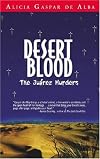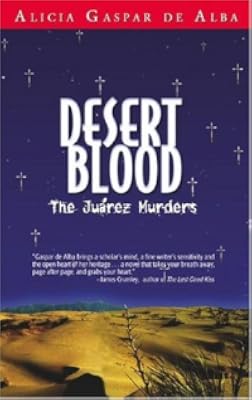
Desert Blood: The Juarez Murders
by Alicia Gaspar de Alba
On This Page
Description
It's the summer of 1998 and for five years over a hundred mangled and desecrated bodies have been found dumped on the Chihuahua desert outside of Ju#65533;rez, M#65533;xico, just across the river from El Paso, Texas. The perpetrators of the ever-rising number of violent deaths target poor young women, terrifying inhabitants of both sides of the border.El Paso native Ivon Villa has returned to her hometown to adopt the baby of Cecilia, a pregnant maquiladora worker in Ju#65533;rez. When show more Cecilia turns up strangled and disemboweled in the desert, Ivon is thrown into the churning chaos of abuse and murder. Even as the rapes and killings of "girls from the south" continue--their tragic stories written in desert blood--a conspiracy covers up the crimes that implicate everyone from the Maquiladora Association to the Border Patrol.When Ivon's younger sister gets kidnapped in Ju#65533;rez, Ivon knows that it's up to her to find her sister, whatever it takes. Despite the sharp warnings she gets from family, friends, and nervous officials, Ivon's investigation moves her deeper and deeper into the labyrinth of silence.From acclaimed poet and prose-writer Alicia Gaspar de Alba, Desert Blood: The Ju#65533;rez Murders is a gripping thriller that ponders the effects of patriarchy, gender identity, border culture, transnationalism, and globalization on an international crisis show lessTags
Recommendations

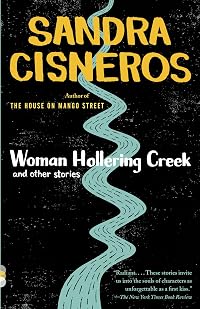
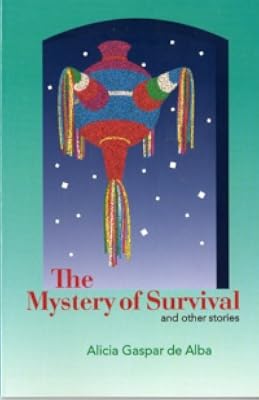
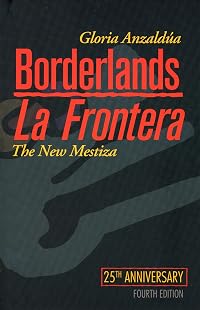
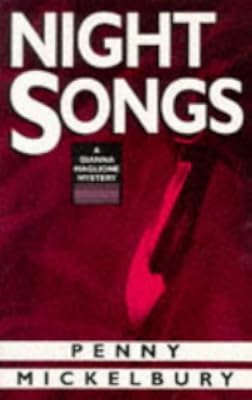
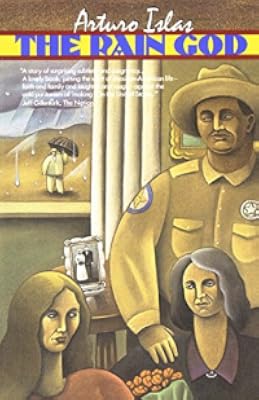

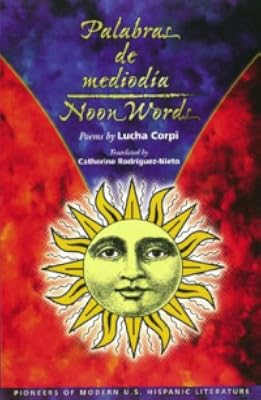
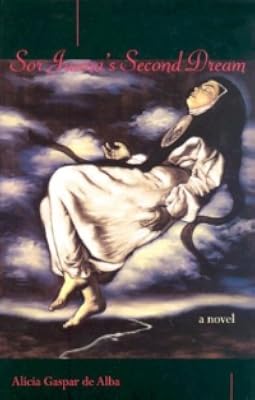
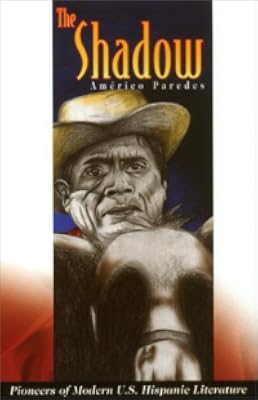
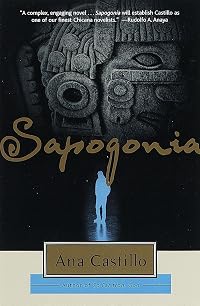
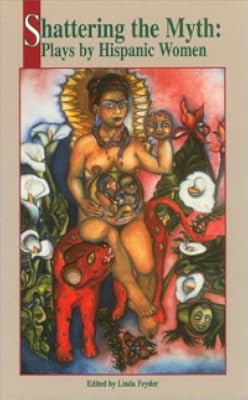
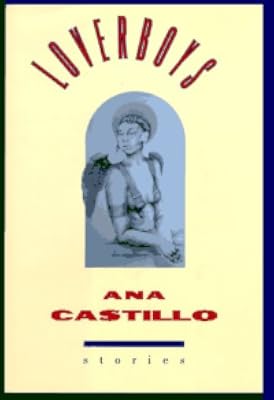
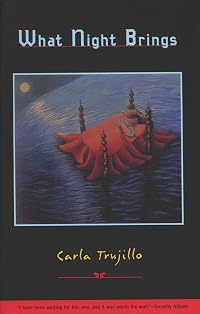

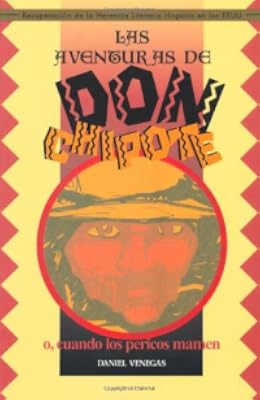
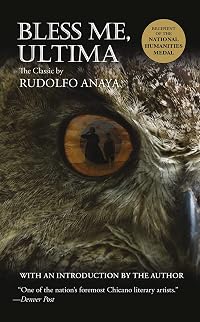

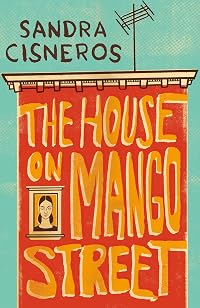
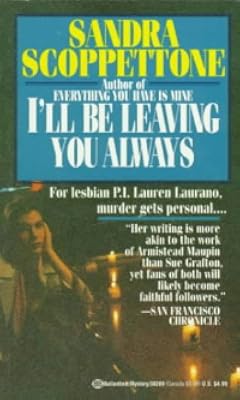


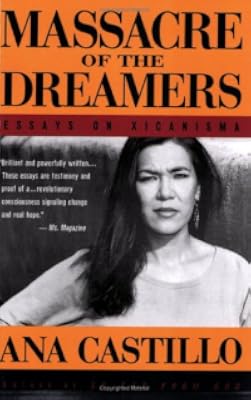

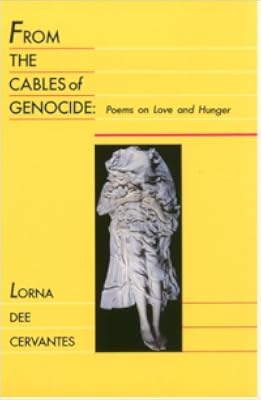
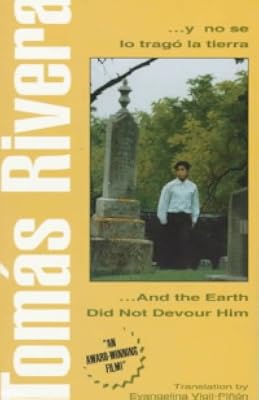


Member Recommendations
Member Reviews
I've read and watched lots of crime dramas this year, and they can present some really creepy, disturbing scenarios. This novel is definitely one of the more creepy, disturbing crime dramas I've come across lately, not just because of the idea of a whole network of well-placed men preying upon women long enough to rack up a death toll of over 140 women, but because this book is based on real events. There really are thousands of missing and dead Hispanic women in the border towns and cities, whose lives are valued so little by the local criminal and judicial systems that the crimes against them will never be investigated. While they may not all be victims of snuff rings, I've no doubt that for some of those missing women in real life show more that is exactly what happened to them.
Reading a novelization of this nightmarish mess is not entertaining, and my knowing about this stuff may not change anything for the better, but I do like reading about real problems like this occasionally just so that they do not remain quite as completely under the radar and invisible. If you find rape and assault narratives particularly disturbing, this book may be too rough a read for you, but it is a well written novel and the issues it addresses are important. show less
Reading a novelization of this nightmarish mess is not entertaining, and my knowing about this stuff may not change anything for the better, but I do like reading about real problems like this occasionally just so that they do not remain quite as completely under the radar and invisible. If you find rape and assault narratives particularly disturbing, this book may be too rough a read for you, but it is a well written novel and the issues it addresses are important. show less
Desert Blood: The Juarez Murders is a chilling novel that uncovers the horrible truth of what happens at the El Paso, Texas and Juarez, Mexico border. Hundreds of women, from teens to middle-age wives, are kidnapped, raped, tortured, used for experiments, and killed in the desert. While this may seem like an awful book that has too much controversial material, it is all relevant to what is currently happening not only in Texas/Mexico, but all throughout the world with severe mistreatment of women, exploitation, and murder. The investigation that takes place during the novel also uncovers complex characters and relationships that illustrate both conventional and modern gender roles. Perhaps not necessarily a central part of the show more curriculum, excerpts can be used appropriately to promote awareness of the injustice and tragedies that are constantly being covered up by the media and those in social, economic, and political power. In addition, it ties in greatly with the exponentially growing Hispanic population in the U.S. and how Mexican-Americans view themselves and how society views them in turn. Students can relate to this through a variety of means—based on gender (several main characters are gay), race/ethnicity (struggling with identifying yourself as an American, a Mexican, and/or a Mexican-American), current social and political ideals regarding American and Chicano relations (immigration stereotypes), etc. I believe that students can relate to this book in the sheer fact that so many of these sorts of things go unnoticed and undiscovered in classrooms throughout the nation. If they can shed light on huge issues and become passionate about one, their horizons will be expanded as they read other sources to learn more. show less
Es el verano de 1998 y durante cinco años más de un centenar de cuerpos mutilados y profanados han sido encontrados tirados en el desierto de Chihuahua fuera de Juárez, México, justo al otro lado del río de El Paso, Texas. Los autores del siempre creciente número de muertes violentas se dirigen a las mujeres jóvenes pobres, aterradores habitantes en ambos lados de la frontera. El Paso nativa Ivón Villa ha vuelto a su ciudad natal para adoptar al bebé de Cecilia, una trabajadora embarazada maquiladora en Juárez. Cuando Cecilia aparece estrangulada y destripada en el desierto, Ivón se ve inmersa en el caos del abuso y asesinato. A pesar de que las violaciones y asesinatos de chicas "del sur" continúan, una conspiración show more encubre los crímenes que implican a todos, desde la Asociación de Maquiladoras hasta la patrulla fronteriza. Cuando la hermana menor de Ivón es secuestrada en Juárez, Ivón sabe que le toca a ella para encontrar a su hermana, lo que sea necesario. A pesar de las severas advertencias que recibe de familiares, amigos y funcionarios nerviosos, la investigación de su Ivón se mueve más y más en el laberinto de silencio. De aclamado poeta y prosista Alicia Gaspar de Alba, Desierto de sangre es un apasionante thriller que reflexiona sobre los efectos del patriarcado, la identidad de género, la cultura fronteriza, transnacionalismo y la globalización en una crisis internacional. show less
Jul 13, 2016Spanish
Ratings
Members
- Recently Added By
Author Information

15+ Works 428 Members
Alicia Gaspar De Alba is Professor of Chicana and Chicano Studies, English, and Women's Studies at UCLA. Her nine previous books encompass historical novels, poetry, short stories, and a cultural study of Chicano art. Alma Lpez is an artist, activist, and visual storyteller originally from Los Mochis, Sinaloa, Mexico. They live in Los Angeles.
Awards and Honors
Awards
Common Knowledge
- Original publication date
- 2008
- Disambiguation notice*
- Alicia Gaspar de Alba è nata a El Paso. Associate Professor presso il dipartimento di Studi Chicani e quello di Inglese dell'University of California - Los Angeles, è autrice di diverse opere di poesia e prosa, tra cui racc... (show all)olte di versi e saggi, La Llorona on the Longfellow Bridge: Poetry y Otras Movidas (Arte Público Press, 2003), e un romanzo storico, Sor Juana's Second Dream (University of New Mexico Press, 1999). Ha curato inoltre il volume Velvet Barrios: Popular Culture and Chicana/o Sexualities (Palgrave/Macmillian, 2003).
*Some information comes from Common Knowledge in other languages. Click "Edit" for more information.
Classifications
Statistics
- Members
- 114
- Popularity
- 285,632
- Reviews
- 3
- Rating
- (3.75)
- Languages
- English, Italian, Spanish
- Media
- Paper, Ebook
- ISBNs
- 9
- ASINs
- 1