On This Page
Description
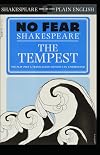
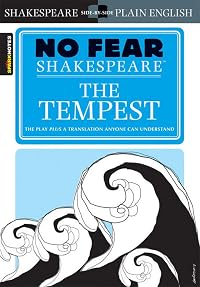
Presents the original text of Shakespeare's play side by side with a modern version, with marginal notes and explanations and full descriptions of each character.Tags
Recommendations






















Member Reviews
I read The Tempest in preparation for reading Brave New World. It was a quick read, a bit like a feverish sea-dream. I much prefer to see Shakespeare performed vs. reading his works. I'm not as enamored with this work as many probably are &, for some reason, I kept getting stuck on trying to understand how Miranda would have had proper clothing per her century if stranded on an island since childhood. (Not that Shakespeare stated whether or not she was properly clothed, but they did seem to have regular clothing & such.) I guess Prospero conjured what was needed? Lol. I know, a stupid musing on my part, but things like that just kind of pulled me out of fully enjoying it. By the end, I'm not sure those that were supposed to be contrite show more & repentant actually were. It just ended too quickly to feel that those strands were fully wrapped up, in my opinion. show less
I have at least six copies of The Tempest from different publishers. It is my favorite play; I've designed it in grad school; and I have read much about it by many scholars. That being said, this is my least favorite edition. I was going to use the Barnes and Noble edition for my Introduction to Drama class and the bookstore (which is connected to B&N!!!) ordered this one instead. What the heck, I thought, at least the students will appreciate having a modern translation. The problem though is that they read the translation and ignore the magnificent language of Shakespeare. *sigh*
I haven’t read a play by William Shakespeare since high school, and I didn’t appreciate his work back then. So, when I saw “The Tempest” in a box from my grandmother’s book collection, I decided to read it with a fresh perspective.
When a duke named Prospero is betrayed by his own brother, he takes his step daughter on a ship to a deserted island. On the island, the Duke collects spell books and becomes a powerful sorcerer. He raises his step-daughter as his own daughter and refuses to tell her the truth about himself and herself until the right moment.
One day, Prospero’s brother, who now has taken the title of Duke for himself, is out at sea with his son, coming back home after attending the marriage of his granddaughter. show more Prospero uses his power to summon spirits to wash the ships and their crews on the island he fled to many years ago.
I found this story very enjoyable. It displayed all of the basic human emotions in the characters: greed, desire, lust, love, revenge, and compassion. After reading this play, I’m going to be sure to check out more of Shakespeare’s work in the future. show less
When a duke named Prospero is betrayed by his own brother, he takes his step daughter on a ship to a deserted island. On the island, the Duke collects spell books and becomes a powerful sorcerer. He raises his step-daughter as his own daughter and refuses to tell her the truth about himself and herself until the right moment.
One day, Prospero’s brother, who now has taken the title of Duke for himself, is out at sea with his son, coming back home after attending the marriage of his granddaughter. show more Prospero uses his power to summon spirits to wash the ships and their crews on the island he fled to many years ago.
I found this story very enjoyable. It displayed all of the basic human emotions in the characters: greed, desire, lust, love, revenge, and compassion. After reading this play, I’m going to be sure to check out more of Shakespeare’s work in the future. show less
Loved having the translation into modern English, if nothing else then for the part where someone's daughter gets "pimped out" to an Egyptian king.
A book for Shakespeare fans who have difficulty understanding his works.
Een comedy die eindigt met gelukkig weerzien en gelukkig getrouwd en met berouw en vergiffenis. Enkele donkere tonen worden aangeslagen, niet alleen omdat Alonso, de koning van Napels, het grootste deel van het stuk rouwt om zijn supposedly verdronken zoon:
“… I will put off my hope and keep it
No longer for my flatterer. He is drowned
Whom thus we stray to find, and the sea mocks
Our frustrate search on land. Well let him go”,
maar ook omdat Prospero, de geditchte hertog van Milaan die zich succesvol revancheert, opeens, terwijl al zijn machinaties fantastisch uitpakken, toch een depressieve tekst produceert. Immers, bedenkt hij, de hele aarde zal uiteindelijk vergaan, en wij ook:
“... We are such stuff
As dreams are made on, and show more our little life
Is rounded with a sleep. Sir, I am vexed.
Bear with my weakness. My old brain is troubled.
Be not disturbed with my infirmity.
… A turn or two I´ll walk
To still my beating mind.”
Ok, deze dip komt niet helemaal uit de lucht vallen: Prospero maakt zich zorgen over de geplande moordaanslag door Caliban, zijn gluiperige knechtje. Het plan wordt glorieus verijdeld en van Caliban, die ook al ooit probeerde om Prospero´s dochter te verkrachten, vernemen we weinig meer. Een beetje een teleurstellende rol eigenlijk, omdat ik eerder een tragische gedoemde held verwachtte, op basis van Calibans beroemde zin: “You taught me language, and my profit on ´t / Is I know how to curse.”
Nog meer onbetrouwbare sujetten lopen er rond, bijvoorbeeld Antonio en Sebastian, die tussen de bedrijven door ook Gonzalo belachelijk maken, een goedzak (wel ook heel edel volgens de logica van het stuk) die anno 1611 ideeën verkondigt die ik met Rousseau associeer: hij wil handel en bestuur afschaffen, evenals onderwijs, literatuur, het rechtssysteem, de metaalbewerking etc. etc., zo´n beetje de hele beschaving dus, waarna niemand meer iets te doen heeft, maar iedereen wel heel “innocent and pure” is. Ik lees op wikipedia dat Gonzalo's woorden teruggaan op een essay van Montaigne, Des Cannibales.
Ik las het stuk met plezier, je voelt vanaf de eerste pagina dat je in handen bent van een kundige, zorgvuldige en welbespraakte auteur, maar The tempest komt niet binnen in de top 5 van mijn favoriete Shakespeare-stukken. Misschien houd ik gewoon meer van tragedies. De opzet van "No Fear" is overigens fantastisch: links de oorspronkelijke tekst, rechts een moderne hertaling. Zodat ik het ook kan begrijpen. show less
“… I will put off my hope and keep it
No longer for my flatterer. He is drowned
Whom thus we stray to find, and the sea mocks
Our frustrate search on land. Well let him go”,
maar ook omdat Prospero, de geditchte hertog van Milaan die zich succesvol revancheert, opeens, terwijl al zijn machinaties fantastisch uitpakken, toch een depressieve tekst produceert. Immers, bedenkt hij, de hele aarde zal uiteindelijk vergaan, en wij ook:
“... We are such stuff
As dreams are made on, and show more our little life
Is rounded with a sleep. Sir, I am vexed.
Bear with my weakness. My old brain is troubled.
Be not disturbed with my infirmity.
… A turn or two I´ll walk
To still my beating mind.”
Ok, deze dip komt niet helemaal uit de lucht vallen: Prospero maakt zich zorgen over de geplande moordaanslag door Caliban, zijn gluiperige knechtje. Het plan wordt glorieus verijdeld en van Caliban, die ook al ooit probeerde om Prospero´s dochter te verkrachten, vernemen we weinig meer. Een beetje een teleurstellende rol eigenlijk, omdat ik eerder een tragische gedoemde held verwachtte, op basis van Calibans beroemde zin: “You taught me language, and my profit on ´t / Is I know how to curse.”
Nog meer onbetrouwbare sujetten lopen er rond, bijvoorbeeld Antonio en Sebastian, die tussen de bedrijven door ook Gonzalo belachelijk maken, een goedzak (wel ook heel edel volgens de logica van het stuk) die anno 1611 ideeën verkondigt die ik met Rousseau associeer: hij wil handel en bestuur afschaffen, evenals onderwijs, literatuur, het rechtssysteem, de metaalbewerking etc. etc., zo´n beetje de hele beschaving dus, waarna niemand meer iets te doen heeft, maar iedereen wel heel “innocent and pure” is. Ik lees op wikipedia dat Gonzalo's woorden teruggaan op een essay van Montaigne, Des Cannibales.
Ik las het stuk met plezier, je voelt vanaf de eerste pagina dat je in handen bent van een kundige, zorgvuldige en welbespraakte auteur, maar The tempest komt niet binnen in de top 5 van mijn favoriete Shakespeare-stukken. Misschien houd ik gewoon meer van tragedies. De opzet van "No Fear" is overigens fantastisch: links de oorspronkelijke tekst, rechts een moderne hertaling. Zodat ik het ook kan begrijpen. show less
Ratings
Members
- Recently Added By
Author Information

526+ Works 18,907 Members
All Editions
Series

Work Relationships
Contains
Common Knowledge
- Canonical title
- The Tempest (No Fear Shakespeare) (No Fear Shakespeare)
- Original publication date
- 1623
- Disambiguation notice
- Please do not combine The Tempest (No Fear Shakespeare) with The Tempest.
Classifications
Statistics
- Members
- 732
- Popularity
- 38,554
- Reviews
- 6
- Rating
- (3.72)
- Languages
- English
- Media
- Paper, Ebook
- ISBNs
- 6
- ASINs
- 4