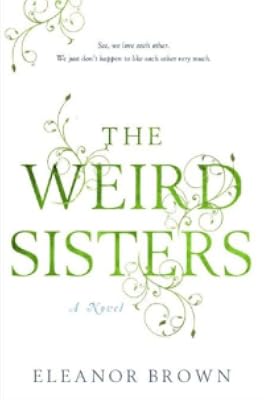
The Weird Sisters
by Eleanor Brown 
On This Page
Description
Unwillingly brought together to care for their ailing mother, three sisters who were named after famous Shakespearean characters discover that everything they have been avoiding may prove more worthwhile than expected.Tags
Recommendations

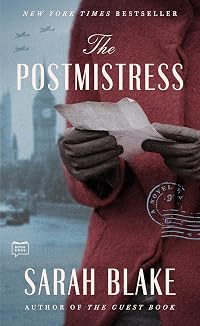
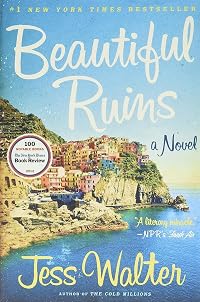
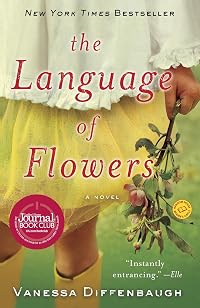
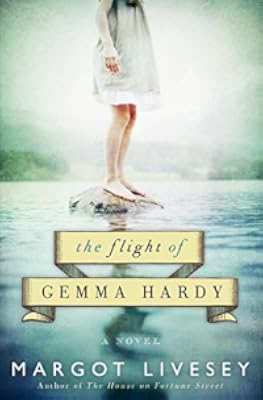

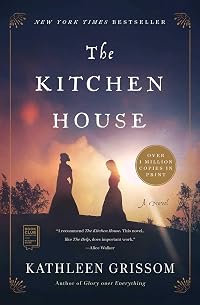
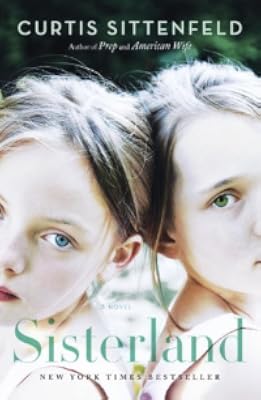
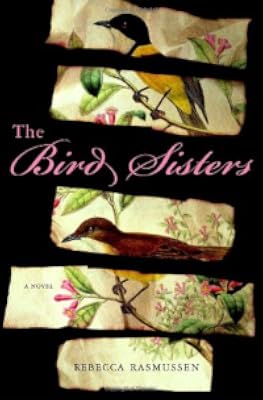
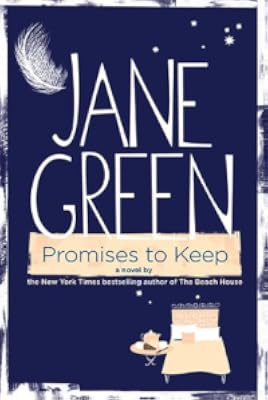
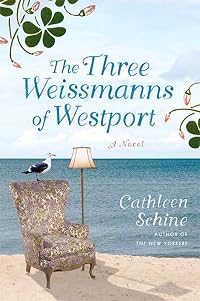

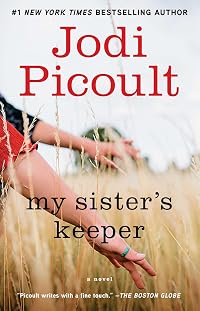

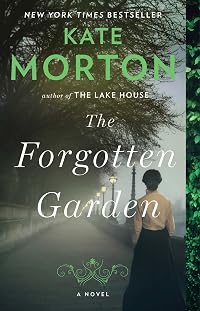

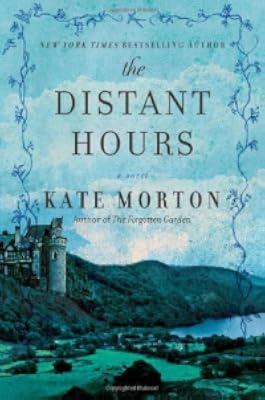
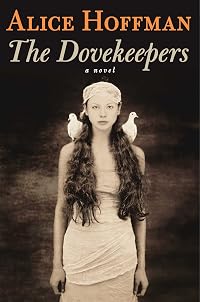
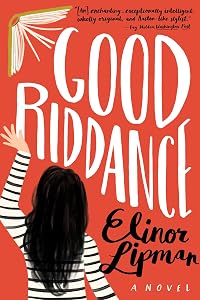
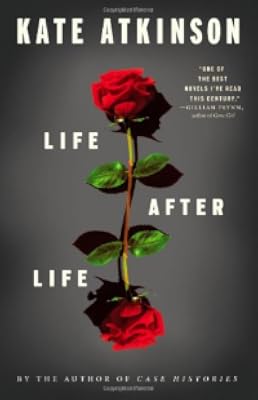
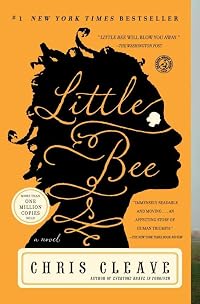
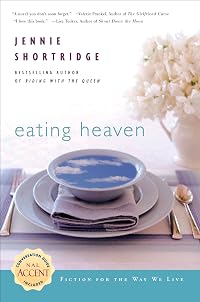

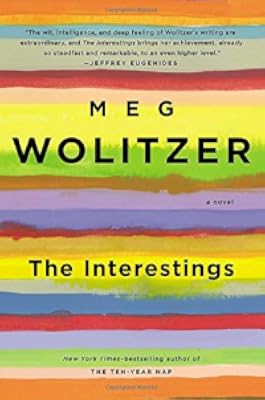
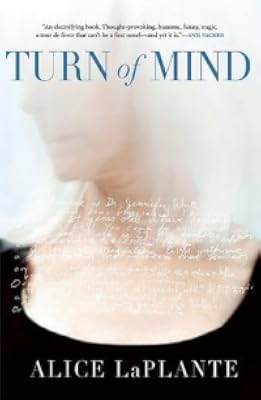
Member Recommendations
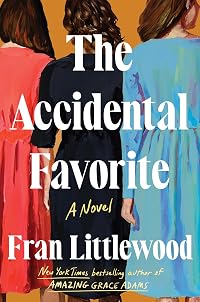
anonymous user Similar story line - 3 sisters who come home to deal with a family crisis and end up facing their own demons.
11
elbakerone Both books center on heroines named after Shakespearean characters and deal with the theme of a destiny or personality based on their literary counterparts.
11

by anonymous user
Member Reviews
Eleanor Brown's debut novel The Weird Sisters is an absolute gem. I was hooked from the first few pages.
"We think, in some ways, we have all done this our whole lives, searching for the book that will give us the keys to ourselves, let us into a wholly formed personality as though it were a furnished room to let. As though we could walk in and look around and say to the gray-haired landlady behind us, "We'll take it." ~pg. 271
And what bibliophile hasn't done this, while young? Or even somewhat older....?
This book is absolutely pitch perfect. Finding a book where an entire family, the Andreas family of Barnwell, Ohio feels that "there is no problem a library card can't solve" and where each family member is literally never more than an show more arm's length away from a book was like uncovering a treasure. And, since the father is a well-known Shakespeare scholar and the family communicates with each other through quotes from the Bard, I cheerfully settled down for an evening of reading. It's no surprise that I LOVE books, of all kinds. I read everywhere. I never go without a book. I HATE not having a book to read, and it makes me quite distressed.. I have also spent most my childhood with my "nose buried in a book", which annoyed my mother to no end.
This is the first book I have read that uses a first-person-plural narrative style, and it was so completely appropriate; you get the sense that this book came together with these three sisters sitting around a Pensieve after the events of this book have transpired, looking at them playing out again, and dictating the story to the author, who has set up shop with a typewriter in the adjacent corner of the room. I was constantly struck by the realization that you can love your sisters (or siblings) and really not like them very much. And the experiences of growing up with brothers and sisters (or in this case, just sisters) becomes such a part of our personalities that in our adult lives, we can often feel as if we are 9, 12, or 15 years old when we interact with each other. And I still do!
All three of the sisters are self-involved and conflicted and their personalities definitely reflect their birth order. I really came to like all three of the sisters as the book progressed. Especially when the narration took the reader back into their childhood years and we learn about their relationships as they matured--and how they understood and misunderstood each other. An excellent reflection on the meaning of family and ties that bind us close together and push us far apart.
And the author? What a way with words! It is not hyperbole to say that there is a jewel of prose on nearly every single page of this book. One of the reviews on the back cover talks about it in terms of alchemy-- the magic and science of wordplay, combining everyday and ordinary words into phrases and lines of pure gold. (And the way the author managed to weave in so much of Shakespeare's original words so naturally and seamlessly is certainly another credit to her mastery and skill.)
As for the story itself? If this novel were a dissertation, its thesis statement would be found in the first paragraph of page 211. Ultimately, it is a story about identity. Who we are, whether we can change, and how the road of life will always lead us back to the truth of those issues, but so many times, we're too afraid of what we might encounter, and so we take multiple (and completely unnecessary) detours along the way. Whether you have only brothers or are a single child, this novel will resonate with you. It did with me, and not because I am the middle child of three sisters. (I was raised mostly by my mom, and on my own.) show less
"We think, in some ways, we have all done this our whole lives, searching for the book that will give us the keys to ourselves, let us into a wholly formed personality as though it were a furnished room to let. As though we could walk in and look around and say to the gray-haired landlady behind us, "We'll take it." ~pg. 271
And what bibliophile hasn't done this, while young? Or even somewhat older....?
This book is absolutely pitch perfect. Finding a book where an entire family, the Andreas family of Barnwell, Ohio feels that "there is no problem a library card can't solve" and where each family member is literally never more than an show more arm's length away from a book was like uncovering a treasure. And, since the father is a well-known Shakespeare scholar and the family communicates with each other through quotes from the Bard, I cheerfully settled down for an evening of reading. It's no surprise that I LOVE books, of all kinds. I read everywhere. I never go without a book. I HATE not having a book to read, and it makes me quite distressed.. I have also spent most my childhood with my "nose buried in a book", which annoyed my mother to no end.
This is the first book I have read that uses a first-person-plural narrative style, and it was so completely appropriate; you get the sense that this book came together with these three sisters sitting around a Pensieve after the events of this book have transpired, looking at them playing out again, and dictating the story to the author, who has set up shop with a typewriter in the adjacent corner of the room. I was constantly struck by the realization that you can love your sisters (or siblings) and really not like them very much. And the experiences of growing up with brothers and sisters (or in this case, just sisters) becomes such a part of our personalities that in our adult lives, we can often feel as if we are 9, 12, or 15 years old when we interact with each other. And I still do!
All three of the sisters are self-involved and conflicted and their personalities definitely reflect their birth order. I really came to like all three of the sisters as the book progressed. Especially when the narration took the reader back into their childhood years and we learn about their relationships as they matured--and how they understood and misunderstood each other. An excellent reflection on the meaning of family and ties that bind us close together and push us far apart.
And the author? What a way with words! It is not hyperbole to say that there is a jewel of prose on nearly every single page of this book. One of the reviews on the back cover talks about it in terms of alchemy-- the magic and science of wordplay, combining everyday and ordinary words into phrases and lines of pure gold. (And the way the author managed to weave in so much of Shakespeare's original words so naturally and seamlessly is certainly another credit to her mastery and skill.)
As for the story itself? If this novel were a dissertation, its thesis statement would be found in the first paragraph of page 211. Ultimately, it is a story about identity. Who we are, whether we can change, and how the road of life will always lead us back to the truth of those issues, but so many times, we're too afraid of what we might encounter, and so we take multiple (and completely unnecessary) detours along the way. Whether you have only brothers or are a single child, this novel will resonate with you. It did with me, and not because I am the middle child of three sisters. (I was raised mostly by my mom, and on my own.) show less
"There is no problem a library card can't solve"
I was lucky enough to win this direct from the author herself, who was kind enough to compliment my blog name. *fetches more tea before writing rest of review* The giveaway was in honour of the UK publication, so if you are in these fair isles, do keep your eyes peeled for this one - it's a gem.
The Andreas Sisters (I keep wanting to write The Andrews Sisters) have reconvened at the family home to keep vigil by their cancer-stricken mother. Each sister is facing her own demons: Rose is consumed by the need for order and constancy and cannot face moving to England to be with her fiancé; Bianca has abandoned her big city dream, running from financial dishonesty; Cordelia, the free spirit, show more the drifter, has come home and is tight-lipped about her sudden nurturing habits.
As for Jennifer Egan's A Visit From the Goon Squad, an extraordinary amount of hype came out of the USA for this. Unlike Goon Squad, I loved this. LOVED it. When I read "dead-tree" books and want to note down quotations, I tend to just take a photograph of the relevant page with my phone. For this one, I had 17 photos by the time I got to page 46 (I've shared some quotes below).
Admittedly, I have a thing for books about siblings, particularly sisters. Brown (perhaps unsurprisingly, as she is the youngest of three sisters) has captured the tugs of loyalty and love between three sisters perfectly:
"See, we love each other. We just don't happen to like each other very much."
"The history of this trinity is fractious - a constantly shifting dividing line, never equal, never equitable. Two against one, or three opposed, but never all together."
The novel is written mostly in the first person plural, i.e. from the perspective of the common consciousness of the sisters, which also enables plenty of third-person omniscient. I've never run across this before; I found it a bit startling at first but got used to it, and actually it's perfectly suited as a vehicle for this story. It's only fair that sometimes they agree, sometimes it's two telling tales on a third, and sometimes one takes the focus.
Of the three, I had most sympathy for Rose; as a control-freak older sister myself with a need to be needed, we had a lot in common. I found her a bit bossy and insensitive (no need to comment on whether that's a similarity I might see in myself).
"It was a good thing, Rose invariably told herself... Who knows what kind of disarray they'd fall into without her?"
"She could have asked follow-up questions about our mother's health, but she was more interested in the way Rose made it sound as if she were a vital part of the whole enterprise, when our parents had survived so long as a nation of two."
Bianca and Cordelia (Bean and Cordy) are by no means bit parts - Bean is a brilliant, spirited, wicked woman with a sharp tongue and a wandering eye; Cordy is so dopey and ethereal and yet so loyal and beautifully happy. Other readers will love one of them more, depending on personalities. The parents don't seem to be major characters, but we understand them well by the end, and how they shaped their daughters.
Brown is playful with the Shakespeare references (anyone with more than a passing knowledge of The Bard will enjoy spotting the provenance of each quote), and in fact with the literary environment in which the girls have been raised, recognising that life is not always as convenient as literature:
"Enthusiast, expert, obsessed - these words all thud hollow when faced with the sandstorm of Shakespeare in which we were raised. Sonnets were our nursery rhymes. The three of us were given advice and instructions in couplets."
"Maybe she'd have a miscarriage. Heroines in novels were always having serendipitously timed miscarriages that saved them from having to make sticky decisions. And Cordy had always been awfully lucky."
"Alone again. It seemed it was Just Her Luck to have finally found her Orlando, her perfect love, only to have him leave her. Shakespeare's Rosalind had never had this kind of problem; she was too busy cross-dressing and frolicking around in forests with her servant. Rough life."
I found Rose's fiancé a bit drippy - I didn't really understand what she saw in him (although there is one touching passage in which she pays tribute to needing someone to lean on herself), but kudos to him for one of the most romantic lines I've ever read:
"I wish you could see yourself through my eyes," he said softly. "My vision is better."
I could go on quoting - these quotes are all from the first 50 pages of the book. But save me the trouble and just go out and buy the book already. show less
I was lucky enough to win this direct from the author herself, who was kind enough to compliment my blog name. *fetches more tea before writing rest of review* The giveaway was in honour of the UK publication, so if you are in these fair isles, do keep your eyes peeled for this one - it's a gem.
The Andreas Sisters (I keep wanting to write The Andrews Sisters) have reconvened at the family home to keep vigil by their cancer-stricken mother. Each sister is facing her own demons: Rose is consumed by the need for order and constancy and cannot face moving to England to be with her fiancé; Bianca has abandoned her big city dream, running from financial dishonesty; Cordelia, the free spirit, show more the drifter, has come home and is tight-lipped about her sudden nurturing habits.
As for Jennifer Egan's A Visit From the Goon Squad, an extraordinary amount of hype came out of the USA for this. Unlike Goon Squad, I loved this. LOVED it. When I read "dead-tree" books and want to note down quotations, I tend to just take a photograph of the relevant page with my phone. For this one, I had 17 photos by the time I got to page 46 (I've shared some quotes below).
Admittedly, I have a thing for books about siblings, particularly sisters. Brown (perhaps unsurprisingly, as she is the youngest of three sisters) has captured the tugs of loyalty and love between three sisters perfectly:
"See, we love each other. We just don't happen to like each other very much."
"The history of this trinity is fractious - a constantly shifting dividing line, never equal, never equitable. Two against one, or three opposed, but never all together."
The novel is written mostly in the first person plural, i.e. from the perspective of the common consciousness of the sisters, which also enables plenty of third-person omniscient. I've never run across this before; I found it a bit startling at first but got used to it, and actually it's perfectly suited as a vehicle for this story. It's only fair that sometimes they agree, sometimes it's two telling tales on a third, and sometimes one takes the focus.
Of the three, I had most sympathy for Rose; as a control-freak older sister myself with a need to be needed, we had a lot in common. I found her a bit bossy and insensitive (no need to comment on whether that's a similarity I might see in myself).
"It was a good thing, Rose invariably told herself... Who knows what kind of disarray they'd fall into without her?"
"She could have asked follow-up questions about our mother's health, but she was more interested in the way Rose made it sound as if she were a vital part of the whole enterprise, when our parents had survived so long as a nation of two."
Bianca and Cordelia (Bean and Cordy) are by no means bit parts - Bean is a brilliant, spirited, wicked woman with a sharp tongue and a wandering eye; Cordy is so dopey and ethereal and yet so loyal and beautifully happy. Other readers will love one of them more, depending on personalities. The parents don't seem to be major characters, but we understand them well by the end, and how they shaped their daughters.
Brown is playful with the Shakespeare references (anyone with more than a passing knowledge of The Bard will enjoy spotting the provenance of each quote), and in fact with the literary environment in which the girls have been raised, recognising that life is not always as convenient as literature:
"Enthusiast, expert, obsessed - these words all thud hollow when faced with the sandstorm of Shakespeare in which we were raised. Sonnets were our nursery rhymes. The three of us were given advice and instructions in couplets."
"Maybe she'd have a miscarriage. Heroines in novels were always having serendipitously timed miscarriages that saved them from having to make sticky decisions. And Cordy had always been awfully lucky."
"Alone again. It seemed it was Just Her Luck to have finally found her Orlando, her perfect love, only to have him leave her. Shakespeare's Rosalind had never had this kind of problem; she was too busy cross-dressing and frolicking around in forests with her servant. Rough life."
I found Rose's fiancé a bit drippy - I didn't really understand what she saw in him (although there is one touching passage in which she pays tribute to needing someone to lean on herself), but kudos to him for one of the most romantic lines I've ever read:
"I wish you could see yourself through my eyes," he said softly. "My vision is better."
I could go on quoting - these quotes are all from the first 50 pages of the book. But save me the trouble and just go out and buy the book already. show less
The Weird Sisters is an absolute pleasure to read. It’s rich with literary references, girls curled up in nooks and reading for comfort and relief, and college/small-town charm. The voice of the story is unique, but rather than become a hindrance, the plural collective of the sisters (which is how the story is told), becomes like a less judgmental and infinitely more reasonable fourth sister. She lovingly relays the story of the Andreas sisters’ trials and tribulations with gentle compassion, and puts their historical and present actions into perspective. Brown perfectly expresses the subtle and competing dynamics within a family, and among siblings in particular, as they juggle to find their places within the family, and then the show more world. My heart was with each of the sisters as they cope with not only their own failings and setbacks, but their mother’s illness and the looming specter of death.
The language in this novel is a reader’s delight. It is richly woven with savory passages and lovingly balanced portraits of the sisters. The history of the town is crystal clear and finely detailed. Barnwell sounds like a place you’d love to grow up in. This is a lovely novel. It will have you laughing and crying over the uneven relationships within this tight-knit family, and among sisters who don’t always like each other (really!), but who certainly do love each other. Highly recommended. show less
The language in this novel is a reader’s delight. It is richly woven with savory passages and lovingly balanced portraits of the sisters. The history of the town is crystal clear and finely detailed. Barnwell sounds like a place you’d love to grow up in. This is a lovely novel. It will have you laughing and crying over the uneven relationships within this tight-knit family, and among sisters who don’t always like each other (really!), but who certainly do love each other. Highly recommended. show less
Brown’s debut novel is the story of the Andreas sisters, Rose, Bean and Cordy—named for the Shakespearean characters Rosalind, Bianca and Cordelia–who have returned home to small town Barnwell, Ohio, ostensibly to help care for their mother who is undergoing treatment for breast cancer. Each of the three, however, have come to lick wounds from injuries that, although we the reader know immediately, each is unwillingly to divulge to her family. They take on their old roles within the family, while trying to reconcile these with the women they have become.
Brown writes convincingly about the complexities of sibling relationships. She captures the dichotomy between old lives and new. She successfully traces the growth of each sister. show more
And she does it all in the third person plural voice that seems to call for constant attention on the part of the reader. It’s as if all three sisters are speaking in unison and yet, when the actions of one are described, she is portrayed in the third person also. The effect is that the speakers are ever moving—one minute it’s all three telling the story, the next it appears to be Rose and Cordy or Bean and Cordy. This seemed to keep the story’s voice lively. For example:
"So this was it, then. She’d been replaced. Bean and Cordy were going to the ones to put everything right…Apparently we could have done it without her all along.
So she was useless, then. We only wanted her if we were feeling too lazy to do what we were apparently perfectly capable of.
If only we’d been there to talk to her, soothe those fears, to tell her that no, we could not have done it without her all those years, it was only now, only after all we had been through, only because we had seen her managing things that we could step in and take up the reins, do our part."
I also enjoyed Bean’s struggle to return to small town living after being in NYC for several years.
"The whole drive home she had pictured her stay in Barnwell, imagining an ascetic, nun-like existence that would serve as spiritual penance for what she had done. She would wear drab colors and eat dry bread and her skin would take on the cinematic pallor of a glamorous invalid as she modestly turned down creature comforts. But the reality of that hair shirt was beginning to chafe already. It was Saturday night, for crying out loud. At this hour in the city, she would only just be getting ready to go out, and here she was seriously considering going to bed."
Although all of the sisters have life-changing circumstances to deal with, the tone of the book is upbeat, perhaps a bit too much so to be taken as serious literature. Nonetheless, I really enjoyed The Weird Sisters and was sorry to see the book end.
Four stars out of five. show less
Brown writes convincingly about the complexities of sibling relationships. She captures the dichotomy between old lives and new. She successfully traces the growth of each sister. show more
And she does it all in the third person plural voice that seems to call for constant attention on the part of the reader. It’s as if all three sisters are speaking in unison and yet, when the actions of one are described, she is portrayed in the third person also. The effect is that the speakers are ever moving—one minute it’s all three telling the story, the next it appears to be Rose and Cordy or Bean and Cordy. This seemed to keep the story’s voice lively. For example:
"So this was it, then. She’d been replaced. Bean and Cordy were going to the ones to put everything right…Apparently we could have done it without her all along.
So she was useless, then. We only wanted her if we were feeling too lazy to do what we were apparently perfectly capable of.
If only we’d been there to talk to her, soothe those fears, to tell her that no, we could not have done it without her all those years, it was only now, only after all we had been through, only because we had seen her managing things that we could step in and take up the reins, do our part."
I also enjoyed Bean’s struggle to return to small town living after being in NYC for several years.
"The whole drive home she had pictured her stay in Barnwell, imagining an ascetic, nun-like existence that would serve as spiritual penance for what she had done. She would wear drab colors and eat dry bread and her skin would take on the cinematic pallor of a glamorous invalid as she modestly turned down creature comforts. But the reality of that hair shirt was beginning to chafe already. It was Saturday night, for crying out loud. At this hour in the city, she would only just be getting ready to go out, and here she was seriously considering going to bed."
Although all of the sisters have life-changing circumstances to deal with, the tone of the book is upbeat, perhaps a bit too much so to be taken as serious literature. Nonetheless, I really enjoyed The Weird Sisters and was sorry to see the book end.
Four stars out of five. show less
Three daughters of a Shakespeare professor come back home as adults when their mother is diagnosed with breast cancer. Living in the small Ohio college town and under the same roof again after so many years isn't not difficult, and all of their secrets start leaking out.
From the start I suspected that the imaginary small Ohio town was based on Gambier (home of Kenyon College), and lo, I was (half) right! The author has been quoted as saying that she based the town and the college within it on a mix of Kenyon and Oberlin! That made the book extra-fun for me, but it's also just a great read. The relationships between the sisters ring true, as do each of their own struggles and triumphs. The myriad nods to Shakespeare's plays throughout show more are a fantastic touch, too. Definitely recommended. show less
From the start I suspected that the imaginary small Ohio town was based on Gambier (home of Kenyon College), and lo, I was (half) right! The author has been quoted as saying that she based the town and the college within it on a mix of Kenyon and Oberlin! That made the book extra-fun for me, but it's also just a great read. The relationships between the sisters ring true, as do each of their own struggles and triumphs. The myriad nods to Shakespeare's plays throughout show more are a fantastic touch, too. Definitely recommended. show less
The Andreas family certainly has more quirks than most, but in many ways they are a normal family - three sisters with individual problems and insecurities, a scholarly father who can't separate his work from his life, and a loving but absentminded mother who has her own issues to handle. Rose is the eldest, with all the fears that come from losing the attention and honor of being the only child. Bean is the quintessential middle child, desperate for attention and seeking it in all the wrong places - with disastrous results. And Cordy, the baby of the group, has always been indulged and is finding out now, more than a little too late, that she needs to stand on her own two feet.
Brown's writing style is funny and lyrical; her show more understanding of Shakespeare and her clever insertions of his lines throughout the characters' dialogue turned this family story into a literate delight. The omniscient narrator (apparently the three sisters speaking as one voice) took a little getting used to, but Brown's skillful combination of flashbacks and the present day wove a complete and entertaining tale of family life in the face of widely varied obstacles. I definitely recommend this novel with 3.5 stars - I mean really, who can resist a little iambic pentameter? show less
Brown's writing style is funny and lyrical; her show more understanding of Shakespeare and her clever insertions of his lines throughout the characters' dialogue turned this family story into a literate delight. The omniscient narrator (apparently the three sisters speaking as one voice) took a little getting used to, but Brown's skillful combination of flashbacks and the present day wove a complete and entertaining tale of family life in the face of widely varied obstacles. I definitely recommend this novel with 3.5 stars - I mean really, who can resist a little iambic pentameter? show less
The best thing I can say about The Weird Sisters is that I managed to finish it, which I would not have done if it hadn't been an Early Reader commitment. The narrator of the book, who is annoyingly the "spirit" of the three sisters, says early on that this is not a book about magic but rather a book about fate. Not so. This book is full of magic, the magic women have long been encouraged to embrace. There's the magic of unplanned pregnancy: if the irresponsible, rootless woman only embraces her unexpected fecundity all will work out in the end with job, man, and family acceptance. There's the magic of dreams cast aside: if a woman will only give up her life long dream and an unexpected (and these days, golden) tenure track position in show more the university she has always loved in order to follow the dreams of her chosen man, she will be eternally happy. There's more magic of dreams cast aside: if the attention seeking bombshell will only give up dreams of staring in a younger version of Sex in the City she can find joy as a small town librarian. There's also, of course, the overwhelming magic that women are vain, competitive creatures whom wonderful, steady, wise men can still find attractive. Before finishing the last few pages I would have said that there's not a single surprise in the book, but I would have been wrong. The romantic embrace (complete with twisted ankle and streetlights on the evening sidewalk) does not lead to romance, but there's not quite enough magic in the book for that sort of nonsense. Amoral narcissists frequently become pastors, but a pastor's wife needs much less devotion to self.
I highly recommend this book to the god never gives us more than we can bear, all things happen for a reason, it's a blessed life crowd. Anyone seeking realistic fiction should look elsewhere. show less
I highly recommend this book to the god never gives us more than we can bear, all things happen for a reason, it's a blessed life crowd. Anyone seeking realistic fiction should look elsewhere. show less
 This review was written for LibraryThing Early Reviewers.
Members
- Recently Added By
Published Reviews
ThingScore 75
"Indeed, The Weird Sisters is a book worth celebrating. Because their father is a renowned Shakespearean scholar, the Andreas family communicates largely through the words of the Bard. It is not unusual for them to drop Shakespearean quotes into a conversation about, say, wedding rings or what to eat for breakfast."
added by clamairy
There are times when the sisters are exasperated by the burden imposed on them. “Sometimes we had the overwhelming urge to grab our father by the shoulders and shake him until the meaning of his obtuse quotations fell from his mouth like loosened teeth,” they say. Readers may sometimes feel similarly about Ms. Brown but more often appreciate the good sense and good humor that keep her show more story buoyant. She does have storytelling talent. Or, to quote one of the Weird Sisters quoting you-know-who: “This is a gift that I have; simple, simple.” show less
added by CSMcMahon
Eleanor Brown's likable debut novel is the story of three grown sisters who return home when their mother falls ill.....The first third of the book moves slowly, with too much explanation of who the sisters are, and too much insistence on how different each is from the other, and a sort of bulky setting-up of their rather implausible situations, and -- enough, already! Get the story moving! show more And when it does start moving, it is a delight. show less
added by vancouverdeb
Lists

Best Books With Sisters
130 works; 30 members

Great Audiobooks
96 works; 10 members

Books To Get From The Library
115 works; 5 members

Books Set in Small Towns and Villages
278 works; 16 members

Retellings of Shakespeare Plays
42 works; 12 members

Books Read in 2013
1,630 works; 51 members

ALA The Reading List
490 works; 28 members

Penguin Random House
458 works; 4 members

To Read
617 works; 7 members

AlphaKIT: Brown
21 works; 4 members

Books Read in 2012
59 works; 1 member
Author Information

4+ Works 3,636 Members
Eleanor Brown was born and raised in the Washington, D.C. area. She has lived in St. Paul, San Francisco, Philadelphia, South Florida, and Oxford, London, and Brighton, England. Eleanor's writing has appeared in anthologies, journals, magazines, and newspapers. The Weird Sisters, her first novel, hit the New York Times, Publishers Weekly, and show more national Indie best seller lists, and is available now from Amy Einhorn Books. Eleanor lives in Colorado with her partner writer J.C. Hutchins. (Bowker Author Biography) show less
Eleanor Brown is a LibraryThing Author, an author who lists their personal library on LibraryThing.
Awards and Honors
Awards
Distinctions
Series
Belongs to Publisher Series
Common Knowledge
- Canonical title
- The Weird Sisters
- Original title
- The Weird Sisters
- Original publication date
- 2011-05
- People/Characters
- Rosalind "Rose" Andreas; Bianca "Bean" Andreas; Cordelia "Cordy" Beatrice Andreas; Jonathan Campbell; Dan Miller; Edward Manning (show all 14); James Andreas; Mrs. Andreas; Father Aidan Moore; Lila Manning; Ian; Max; Mrs. Landrige; Ariel Andreas
- Important places
- Barnwell, Ohio, USA; Columbus, Ohio, USA; New York, New York, USA; University of Oxford, Oxford, Oxfordshire, England, UK
- Epigraph
- But we only called the fire brigade, and soon the fire engine came and three tall men in helmets brought a hose into the house and Mr. Prothero got out just in time before they turned it on. Nobody could have had a noisier Ch... (show all)ristmas Eve. And when the firemen turned off the hose and were standing in the wet, smoky room, Jim's Aunt, Miss Prothero, came downstairs and peered in at them. Jim and I waited, very quietly, to hear what she would say to them. She said the right thing, always. She looked at the three tall firemen in their shining helmets, standing among the smoke and cinders and dissolving snowballs, and she said, "Would you like anything to read?" —DYLAN THOMAS, A Child's Christmas In Wales
I dreamt last night of the three weird sisters. —WILLIAM SHAKESPEARE, Macbeth - Dedication
- TO CHRIS, For springtime, for a rock-and-roll show, forever
- First words
- We came home because we were failures.
- Quotations
- She never managed to find herself in these books no matter how she tried, exhuming traits from between the pages and donning them for an hour, a day, a week. We think, in some ways, we have all done this our whole lives, sear... (show all)ching for the book that will give us the keys to ourselves, let us into a wholly formed personality as though it were a furnished room to let. As though we could walk in and look around and say to the gray-haired landlady behind us, "We'll take it."
We were fairly certain that if anyone made public the various and variegated ways in which being an adult sucked eggs, more people might opt out entirely.
She narrowed her eyes and considered the array of potential answers in front of her. Because I don't spend hours flippping through cable complaining there's nothing on? Because my entire Sunday is not eaten up with pre-game, ... (show all)in-game, and post-game talking heads? Because I do not spend every night drinking overpriced beer and engaging dick-swinging contests with the other financirati? Because when I am waiting in line, at the gym, on the train, eating lunch, I am not complaining about the wait/staring into space/admiring myself in available reflective surfaces? I am reading!
What if the name you were given had already been lived in?
He was not a reader. And that was the sort of nonsense up with which we will not put.
There are times in our lives when we have to realize our past is precisely what it is, and we cannot change it. But we can change the story we tell ourselves about it, and by doing that, we can change the future. - Last words
- (Click to show. Warning: May contain spoilers.)Inside, the tree, surrounded with presents, the people we love. Inside, our beds, our memories, our history, our fates, our destinies. Inside, we three. The Weird sisters. Hand in hand. EXEUNT.
- Blurbers
- Sullivan, J. Courtney; Simonson, Helen; Blake, Sarah; Pearl, Nancy; Leavitt, Caroline
Classifications
Statistics
- Members
- 2,969
- Popularity
- 6,016
- Reviews
- 243
- Rating
- (3.48)
- Languages
- 9 — Chinese, Czech, Dutch, English, French, German, Hungarian, Italian, Spanish
- Media
- Paper, Audiobook, Ebook
- ISBNs
- 31
- ASINs
- 16
