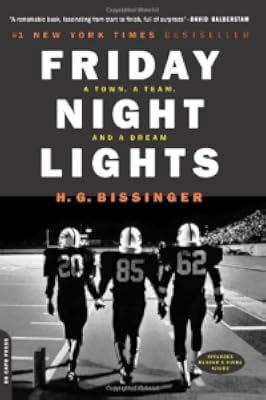
Friday Night Lights
by H. G. Bissinger
On This Page
Description
Sports & Recreations. Nonfiction. Return once again to the timeless account of the Permian Panthers of Odessa--the winningest high-school football team in Texas history. Odessa is not known to be a town big on dreams, but the Panthers help keep the hopes and dreams of this small, dusty town going. Socially and racially divided, its fragile economy follows the treacherous boom-bust path of the oil business. In bad times, the unemployment rate barrels out of control; in good times, its murder show more rate skyrockets. But every Friday night from September to December, when the Permian High School Panthers play football, this West Texas town becomes a place where dreams can come true. With frankness and compassion, H. G. Bissinger chronicles a season in the life of Odessa and shows how single-minded devotion to the team shapes the community and inspires--and sometimes shatters--the teenagers who wear the Panthers' uniforms. show lessTags
Recommendations



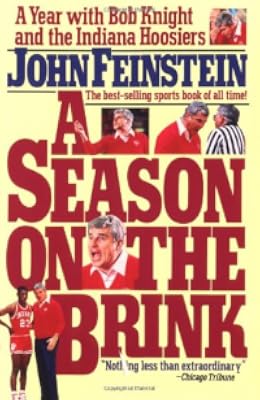
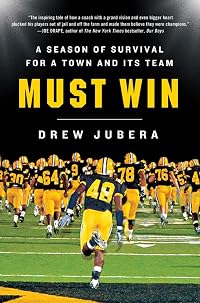
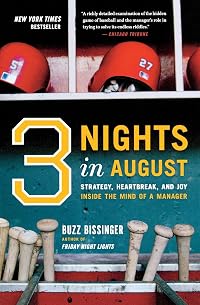
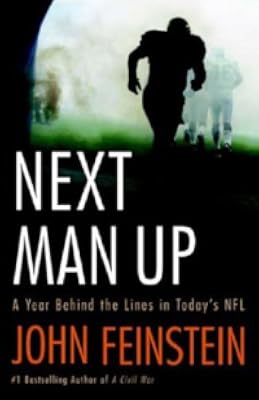





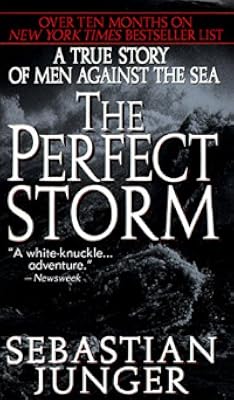
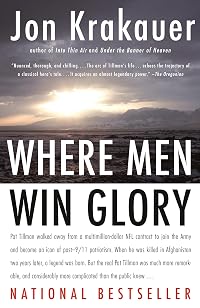
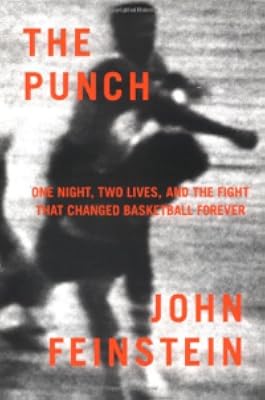
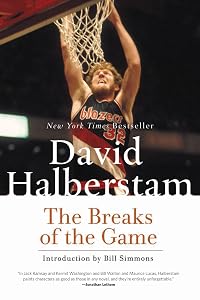


Member Recommendations
Member Reviews
I came to this book in the wrong direction. I first saw the television show, before seeing the movie upon which it was based. Only now do I get around to reading the book that set the whole thing in motion.
To make a long story short, it's great. Having seen its descendants, there weren't a lot of surprises, but it was nice to see that (at least before the final section of the book about the postseason) it cares more about the town than the team, carefully documenting the rise and fall of Permian, while only using the Panthers sparingly.
It's pretty relentless; constantly hammering home the idea that these young men, and through them, the town, are reaching the peak of their lives while still in high school. It's a bleak vision, but one show more that rings painfully true. I was never an athlete, and the closest I've ever come to the feelings these boys (and men) go through was in my high school's theater program. It's not the same thing, but I think I can recognize echoes of the football experience, from the exhilarating highs to the empty feelings of loss. It's scary to think that I've already done everything good that I'm ever capable of achieving.
Strangely, the book's biggest gut punch comes from the story of the players from Carter, the team that defeats Permian. The fact that those kids, just about to reach the golden ring of college (and potentially professional) football, could ruin everything by turning to a life of armed robbery is so strange, that I'd accuse Bissinger of fiction, if I didn't know it was true. It's a tiny moment near the end of a large and magnificent work, but it's a terrifying summation of the whole. show less
To make a long story short, it's great. Having seen its descendants, there weren't a lot of surprises, but it was nice to see that (at least before the final section of the book about the postseason) it cares more about the town than the team, carefully documenting the rise and fall of Permian, while only using the Panthers sparingly.
It's pretty relentless; constantly hammering home the idea that these young men, and through them, the town, are reaching the peak of their lives while still in high school. It's a bleak vision, but one show more that rings painfully true. I was never an athlete, and the closest I've ever come to the feelings these boys (and men) go through was in my high school's theater program. It's not the same thing, but I think I can recognize echoes of the football experience, from the exhilarating highs to the empty feelings of loss. It's scary to think that I've already done everything good that I'm ever capable of achieving.
Strangely, the book's biggest gut punch comes from the story of the players from Carter, the team that defeats Permian. The fact that those kids, just about to reach the golden ring of college (and potentially professional) football, could ruin everything by turning to a life of armed robbery is so strange, that I'd accuse Bissinger of fiction, if I didn't know it was true. It's a tiny moment near the end of a large and magnificent work, but it's a terrifying summation of the whole. show less
Buzz Bissinger probably wasn't the first Ivy League-educated newspaperman to leave a job in a big eastern city in search of something real in the American heartland: putting it that way makes his decision to follow the Permian High School football team Odessa, Texas for the entirety of the 1988 season sound like a bad movie. What's really shocking is that he actually did find a story worth telling in West Texas, and one that avoids a lot of sports-movie clichés and gets at something much deeper. He found, or rather, just observed the sort of blatant racism that had become a thing of the past in most Eastern cities by the late eighties, a public school system that offered its students, at its best, a mediocre education, a show more well-intentioned desegregation process that satisfied absolutely no one, and an athletic system that elevated seventeen year-old kids to near-godhood but discarded them as soon as they got hurt or graduated. He also found a town that worked hard, drank hard, and identified to a fanatical degree with the fortunes of its high school football team. It's pretty clear that Bissinger's politics lean to the left and that he's not an unalloyed fan of everything that he witnessed during his stay in Texas. When you read about several people planting "For Sale" signs outside the houses of both coaches and players after a regular-season loss, it's hard not to at least consider the possibility that Odessa, Texas is a town full of rural Americans -- I think that's the preferred nomenclature -- that are a bit short on kindness and who desperately need something to do with their time on Fridays after work. A purely political reading of "Friday Night Lights" would have readers conclude that most aspects of life in Odessa, Texas and almost everything about its outsize relationship to its football team constitute absolutely unforgivable outrages. After all, even Larry McMurtry -- no Yankee he -- called the place "the worst town on Earth."
It's a credit to Bissinger, who's an exquisitely observant journalist with a beautifully natural, readable prose style, that "Friday Night Lights" isn't merely a political book. The author realizes that there's something quintessentially American about Odessa in the independence and unpretentiousness of the people he finds there and their sheer devotion to their team. Basing a significant chunk of your identity on a high school football team remains, I think, a dubious proposition, but Bissinger does show that the Permian Panthers do give the town something that they can take real pride in. The helps forge real connections between people in Odessa, particularly at a time when the strains brought on by globalization -- the loss of manufacturing jobs, the influence of OPEC, the country's changing demographics -- were just beginning to show. It sometimes seems inexcusable for Permian's fans to place so much physical and social pressure on what are really just a bunch of kids, and the descriptions of the injuries they sustain and the emotional strain that they're subjected to can be pretty gruesome, but their willing participation in it is what makes this book, which is about an exclusively American sport played in a nowhere American town, appeal to larger, grander universal themes. The epilogue included in the 25th edition of the book makes it clear: big-time high school football is a painful, back-breaking, ultimately unproductive endeavor, but there is a sort of glory in it too. It is, in other words, not an outrage as much as it is a tragedy. This is perhaps truest for Boobie Miles, a black teenager abandoned by his parents whose dreams of NFL stardom end abruptly with a knee injury when he's in his senior year. Bissinger makes it clear that Boobie's sudden transformation from savior to pariah is inexcusable: an example of the system at its worst. Things end up a little brighter for the other five players that form the core of the team that Bissinger portrays here, though, and it's lovely to see how much they're able to change over the course of twenty-five years. They seem reasonably content with their lives, proving that who you were in high school doesn't always dictate who you'll be for the rest of your life. But some former Panthers admit to the author that nothing can quite match the emotional highs of the experiences they had playing Texas high school football. Their glory was sweet, but fleeting. It's wonderful that Bissinger was able to document it so well before the next crop of high school seniors came along to take their places. show less
It's a credit to Bissinger, who's an exquisitely observant journalist with a beautifully natural, readable prose style, that "Friday Night Lights" isn't merely a political book. The author realizes that there's something quintessentially American about Odessa in the independence and unpretentiousness of the people he finds there and their sheer devotion to their team. Basing a significant chunk of your identity on a high school football team remains, I think, a dubious proposition, but Bissinger does show that the Permian Panthers do give the town something that they can take real pride in. The helps forge real connections between people in Odessa, particularly at a time when the strains brought on by globalization -- the loss of manufacturing jobs, the influence of OPEC, the country's changing demographics -- were just beginning to show. It sometimes seems inexcusable for Permian's fans to place so much physical and social pressure on what are really just a bunch of kids, and the descriptions of the injuries they sustain and the emotional strain that they're subjected to can be pretty gruesome, but their willing participation in it is what makes this book, which is about an exclusively American sport played in a nowhere American town, appeal to larger, grander universal themes. The epilogue included in the 25th edition of the book makes it clear: big-time high school football is a painful, back-breaking, ultimately unproductive endeavor, but there is a sort of glory in it too. It is, in other words, not an outrage as much as it is a tragedy. This is perhaps truest for Boobie Miles, a black teenager abandoned by his parents whose dreams of NFL stardom end abruptly with a knee injury when he's in his senior year. Bissinger makes it clear that Boobie's sudden transformation from savior to pariah is inexcusable: an example of the system at its worst. Things end up a little brighter for the other five players that form the core of the team that Bissinger portrays here, though, and it's lovely to see how much they're able to change over the course of twenty-five years. They seem reasonably content with their lives, proving that who you were in high school doesn't always dictate who you'll be for the rest of your life. But some former Panthers admit to the author that nothing can quite match the emotional highs of the experiences they had playing Texas high school football. Their glory was sweet, but fleeting. It's wonderful that Bissinger was able to document it so well before the next crop of high school seniors came along to take their places. show less
Hmmm. Friday night lights is nonfiction written by a reporter, but so much of his subjective (and negative) opinion of the South and southern people spills out that it was a difficult read. As a black honor student who went to high school in the rural south during the late 80’s/early 90’s and whose black Fullback was the big man on campus and later played in the NFL, my recollection of race relations is a lot different from Bissinger’s judgment. I remember going to bonfires and pool parties at my white classmates homes. There was even some open interracial dating. I never heard the “N” word unless someone black was saying it. Frankly, I didn’t really learn a lot about racism until I moved north to Philadelphia and people show more there told these apocryphal tales of black life in the south and made distinctions in degrees of blackness - light skinned versus dark skinned. (I’m dark skinned but did not know it until the northerners told me so.) Sure, the white people back in my small town had (and have) simple values. They didn’t dream of seeing the world or being on lifestyles of the rich and famous, but they were fundamentally decent folks who were basically happy with their lot in life. They wanted the best for their families and wished the rest of us well too. So maybe this Odessa was just a particularly shitty place to grow up or maybe the Philadelphian Bissinger just saw what he expected to see. Either way, Friday Night Lights is an interesting read because it forces us to see student athletes as the kids they truly are with adults who, because of self-interest or lack of interest, don’t provide proper education or guidance leaving kids to make grown-up decisions they’re ill-equipped to make. show less
I will admit that I picked this up largely because I had just finished the first season of the TV show, and my parents really wanted me to get a book at the bookstore, and this is what I chose. However, I don't regret that choice as all; this is one of the best books on sports and society that I've ever read.
The book looks at a year of football for the Permian Panthers, a perennial high school football power from Odessa, Texas. There is some football stuff, in terms of games and such, yes, but it looks more at the lives of the players and the role that football plays in the society there. These people are peaking in their lives at 18, giving everything they have to the sport and then generally losing it; the educational system around it show more is often a joke; the game itself is held truly as a religious rite, it seems. There's also talk of racism in the area, and the feelings of supremacy that the kids get from being football players.
None of this may be exactly new, but it's taken to great depths, and the style of the writing and the layout makes the book a very compelling story. The focus may be on a few of the players, but it really looks out at the society around it, and it's not all that pretty, even if it's remarkable how much people can pull together in pride over their town and their team. The TV show definitely got the spirit right.
Anyway, if you're interested in books on the role of sports in society, the line forms here. Really. Start with this one. It's very, very good. show less
The book looks at a year of football for the Permian Panthers, a perennial high school football power from Odessa, Texas. There is some football stuff, in terms of games and such, yes, but it looks more at the lives of the players and the role that football plays in the society there. These people are peaking in their lives at 18, giving everything they have to the sport and then generally losing it; the educational system around it show more is often a joke; the game itself is held truly as a religious rite, it seems. There's also talk of racism in the area, and the feelings of supremacy that the kids get from being football players.
None of this may be exactly new, but it's taken to great depths, and the style of the writing and the layout makes the book a very compelling story. The focus may be on a few of the players, but it really looks out at the society around it, and it's not all that pretty, even if it's remarkable how much people can pull together in pride over their town and their team. The TV show definitely got the spirit right.
Anyway, if you're interested in books on the role of sports in society, the line forms here. Really. Start with this one. It's very, very good. show less
Vaya, la verdad no pensé que me fuera a gustar un libro cuya trama gira en torno al fútbol. O sea si en mi vida he visto un partido completo es mucho decir, pero bueno.
Friday Night Lights es mucho mas que futbol, es la historia de un pueblo en el Texas de los 80's donde aun se sienten problemas como la segregación racial y el auge y caída del petroleo.
Me encantó la forma en que el autor maneja las relaciones entre el couch y los jugadores, como plasmo esos momentos que pueden llegar a definir un partido, la correlación entre ganar y tener un futuro que muchas veces es producto de la presión de un pueblo que espera demasiado de un equipo colegial.
El final, no era tan inesperado pero creo que fue bueno. En general un libro de show more fútbol que no es completamente acerca del fútbol. show less
Friday Night Lights es mucho mas que futbol, es la historia de un pueblo en el Texas de los 80's donde aun se sienten problemas como la segregación racial y el auge y caída del petroleo.
Me encantó la forma en que el autor maneja las relaciones entre el couch y los jugadores, como plasmo esos momentos que pueden llegar a definir un partido, la correlación entre ganar y tener un futuro que muchas veces es producto de la presión de un pueblo que espera demasiado de un equipo colegial.
El final, no era tan inesperado pero creo que fue bueno. En general un libro de show more fútbol que no es completamente acerca del fútbol. show less
You will come away knowing at least two very important things about Texas: when an oil boom is on, people go a little mad. When the boom is off, they get a little sad. But through it all, the one thing they can count on is high school football. Players are fed into the Permain football system not unlike soldiers sent off to war. So long as they perform and are on track to win state, nothing more is expected of them, especially not keeping up their test scores. But as soon as that knee gives out and your dream of playing in the pros is lost forever, don't look for any favors. The percentage of players who actually make the pros is staggeringly low, but so long as the dream exists, the boys will come, and on Friday nights, the entire town show more will come to see them under the lights. show less
Although football is certainly at the center of it, this book is more about the economics and politics of a small town in Texas than I expected. It also reads more like non-fiction than I expected--maybe my expectations were skewed because of my experience with the movie and the tv show (and this is why I always try to read the book first). Some of the stories are absolutely shocking, and this book/town is one beautiful example of how, as a society, we value physical ability above all else. It makes you think about how twisted our priorities are.
Members
- Recently Added By
Lists

Sports Illustrated's The Top 100 Sports Books of All Time
51 works; 7 members

100 New Classics
101 works; 13 members

Books about sports
65 works; 3 members

Read These Too
458 works; 9 members
Banned Books Week 2014
268 works; 63 members

Sports
37 works; 1 member

Mustich's 1000 Books to Read Before You Die: A Life Changing List
1,001 works; 20 members

Florida
366 works; 3 members

B-B to Get
131 works; 1 member

Sports Journalism and Biography
40 works; 1 member
Author Information

12+ Works 4,725 Members
H. G. "Buzz" Bissinger graduated from the University of Pennsylvania in 1976. He has worked for many newspapers, including The Philadelphia Inquirer, and he shared a Pulitzer Prize for reporting in 1987 for a series on the Philadelphia Court System. He has written for magazines including Sports Illustrated, The New York Times Magazine, and Vanity show more Fair, for which he has been a contributing editor since 1996. Bissinger also co-produced and wrote for the ABC television drama NYPD Blue and published the nonfiction books Friday Night Lights, A Prayer for the City and Three Nights in August. (Bowker Author Biography) show less
Awards and Honors
Distinctions
Work Relationships
Common Knowledge
- Canonical title
- Friday Night Lights
- Original publication date
- 1990
- People/Characters
- Gary Gaines
- Important places
- Permian High School, Odessa, Texas, USA; Midland, Texas, USA
- Related movies
- Friday Night Lights (2006 | IMDb); Friday Night Lights (2004 | IMDb)
- Epigraph
- In the Shreve High football stadium, I think of Polacks nursing long beers in Tiltonsville, And gray faces of Negroes in the blast furnace at Benwood, And the ruptured night watchman of Wheeling Steel, Dreaming of heroes.
... (show all)
-From "Autumn Begins in Martins Ferry, Ohio", by James Wright - Dedication
- To Howard, whom I miss. To Sarah, Gerry and Zachary, whom I love.
- First words
- Maybe it was a suddenly acute awareness of being "thirtysomething."
- Blurbers
- Halberstam, David
- Disambiguation notice
- This is the book version, not the film or TV series.
Classifications
- Genres
- Sports and Leisure, Nonfiction, General Nonfiction
- DDC/MDS
- 796.332 — Arts & recreation Recreation, sports, and performing arts Athletic and outdoor sports and games Ball sports Inflated ball driven by the foot Football
- LCC
- GV958 .P47 .B57 — Geography, Anthropology and Recreation Recreation. Leisure Recreation. Leisure Sports Ball games: Baseball, football, golf, etc.
- BISAC
Statistics
- Members
- 3,237
- Popularity
- 5,344
- Reviews
- 76
- Rating
- (4.03)
- Languages
- English, Italian, Swedish
- Media
- Paper, Audiobook, Ebook
- ISBNs
- 37
- UPCs
- 1
- ASINs
- 31