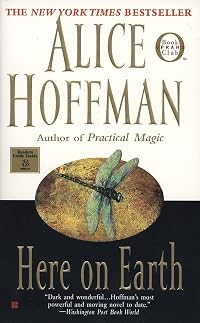
Here on Earth
by Alice Hoffman
On This Page
Description
A seductive and mesmerizing story of obsessive love from the New York Times bestselling author of The Rules of Magic.After nineteen years in California, March Murray returns to the small Massachusetts town where she grew up. For all this time, March has been avoiding her own troubled history, but when she encounters Hollis—the boy she loved so desperately, the man who has never forgotten her—the past collides with the present as their reckless love is reignited. This dark romantic tale show more asks whether it is possible to survive a love that consumes you completely. The answers March Murray discovers are both heartbreaking and wise, as complex as they are devastating—for in heaven and in our dreams, love is simple and glorious. But it is something altogether different here on earth... show less
Tags
Recommendations
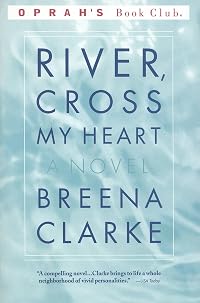
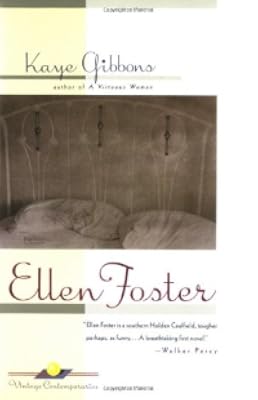
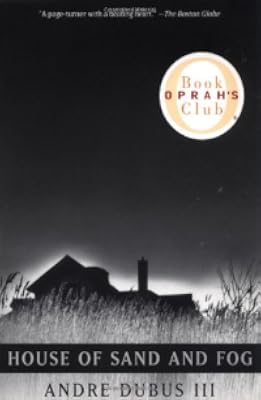
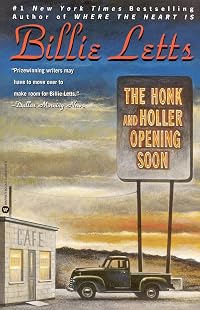
Member Reviews
Beautifully written, this novel is about a collision of past and present, with the one woman in the center of the novel having been stuck between them for some twenty years, not moving in either direction...until now. Her drama encompasses that of the lives of her daughter and others, and Hoffman paints full portraits of the unique individuals at the center of the novel, bringing a unique flavor to what might otherwise be a more straightforwrad drama. Her incorporations of animals and of landscape are also flawless, making a small town come to more realistic breath than in many other works that specialize more in the small town's charicature.
Simply, the work is one which makes you forget you're reading a novel--at times, the heartbreak show more and humor here are far too real, and the characters far too sympathetic. Highly recommended for any readers of drama. While this book doesn't veer into the moments of magical realism that bring together my favorite Hoffman works, this will remain one of my favorites of her work, and is the first 300 page book in agest that I've read in a single day. show less
Simply, the work is one which makes you forget you're reading a novel--at times, the heartbreak show more and humor here are far too real, and the characters far too sympathetic. Highly recommended for any readers of drama. While this book doesn't veer into the moments of magical realism that bring together my favorite Hoffman works, this will remain one of my favorites of her work, and is the first 300 page book in agest that I've read in a single day. show less
This is a hard book. Not just to read, but to accept. This book talks about obsession in love, to the point of destruction. It address the taboo subject of domestic violence in the world of “mind your own business.” It addresses seeing and doing nothing. Of pretending what we do not wish to see really isn’t there; for victim, abuser, and bystander. Especially when it comes to the ones we love. I hated Hollis. I hated March for not being able to wake up to what is happening to her, her daughter, her life. But, that is the reality for so many people who suffer from domestic abuse. Alice Hoffman does a heartbreaking, raw, and horribly accurate job of portraying what domestic violence is capable of inflicting in both it’s physical show more and mental capacities. It isn’t pretty and I put this book down many times because it was too hard, too ugly, too aggravating, and I too unwilling to see what was playing out. March got away, but not without suffering and not without cost. Not everyone has the chance to get away. Not everyone can. We as people see what we want to see and believe what we want to believe. Whether or not those things are true is another story. Books like this one demonstrate that reality in a brutal way. show less
March Murray has returned to her small New England town with her teen-aged daughter Gwen to attend the funeral of the family housekeeper who helped raise March after March's mother died. March was 11 years old, her brother Alan was 21, when March's father inexplicably brings home a homeless 13 year old boy named Hollis. Alan immediately dislikes the boy and is cruelly jealous; March, however, is infatuated and as they grow older she and Hollis become inseparable and finally lovers. When March and Alan's father dies Alan finally has the upper hand and lets Hollis know that he is no longer wanted. A brokenhearted March watches Hollis leave town vowing to wait for his return. After several years with no word from Hollis March marries and show more moves to California. During the next 15 years Hollis returns a wealthy man and buys up most of the small New England town. When March returns for the funeral she is destined to face Hollis and the past she left behind. But Hollis has changed and March is about to enter a dangerous relationship.
I hated Hollis, I hated March and I hated this book. March easily wins the prize for the stupidest woman in fiction. Seriously, she is so blinded by lust that she forgets she has a daughter, forgets how to dress and bathe, and debases herself for a man? Hollis is a cartoon - every woman wants him and every man hates him. It's a good thing part of my job is to do book repairs at the library because I so want to tear this book from its binding. Did I say I hated it? show less
I hated Hollis, I hated March and I hated this book. March easily wins the prize for the stupidest woman in fiction. Seriously, she is so blinded by lust that she forgets she has a daughter, forgets how to dress and bathe, and debases herself for a man? Hollis is a cartoon - every woman wants him and every man hates him. It's a good thing part of my job is to do book repairs at the library because I so want to tear this book from its binding. Did I say I hated it? show less
Cumbres Borrascosas en el presente y con el punto de vista exacto .
Vayamos al grano ...
A la novela de Alice Hoffman , que es una visión moderna sobre el clásico de Emily Bronte .
Y acá está March Murray (Cathy Earnshaw) , y su hija Gwen (Cathy Linton-Heathcliff) volviendo a Fox Hill (Cumbres Borrascosas) sólo por un funeral , pero también por el motivo oculto de la madre de volver a ver a quien ha herido en el pasado . Y quién más puede ser que Hollis (Heathcliff) , que la ha esperado toda su vida , demasiado orgulloso para buscar pero sí demasiado malvado como para sentarse a esperar .
Ahí comienza HERE ON EARTH .
Alice Hoffman es una de las pocas autoras que ha entendido realmente la naturaleza de Heathcliff , la única show more quizá (de las que leí , obvio ) que ha comprendido porqué el personaje actúa como lo hace y cómo se portaría realmente en el día de hoy . Y Más bien , como lo veríamos hoy las mujeres . Porque Hollis no es más que un abusador , un hombre que escapa a la cordura y no ve más allá de tener y tener sin prestar . Ve las cosas como posesiones a conseguir y a la mujer que ama como una cosa , siendo el resultado de esa manera de verla , lo que los llevará a los dos a un futuro deprimente y solitario para ambos .
Hollis es el psicópata en el que pensamos cuando se habla de violencia de género y sus hechos son imperdonables .
Cuando Emily Bronte escribió Cumbres Borrascosas , nunca fue su idea que Heathcliff fuera tratado como lo fue (ese ídolo Byrónico que enternece a las mujeres ) . Lo demuestra en su novela , pero la mayoría parece haberse olvidado que era él quien cagaba a palos a Isabella , a su hijo , a Hareton y a Cathy Linton . Todos se olvidan de la segunda parte de Cumbres . Parecen querer quedarse con la muerte de Catherine Earnshaw y dejar de lado el acabóse que viene después . Y siendo así , todas las lectoras son como la soñadora Isabella Linton , o como las amantes de Hollis y , más que nada , como la lectora de trece años que pensaba que el amor estaba en la violencia .
EN Here on Earth no hay grises . Las cosas son como son . La violencia no es pasión y Hollis no es un héroe romántico , y esta es una de las pocas autoras que supo retratarlo con realidad , con una prosa que es un deleite para los ojos y la mente ; con profundidad y sin el romance idiota que todas le adjudican a el pasaje oscuro de Cumbres Borrascosas pero que nunca existió .
Recomendado para mujeres realistas ... y para las románticas incurables también ... show less
Vayamos al grano ...
A la novela de Alice Hoffman , que es una visión moderna sobre el clásico de Emily Bronte .
Y acá está March Murray (Cathy Earnshaw) , y su hija Gwen (Cathy Linton-Heathcliff) volviendo a Fox Hill (Cumbres Borrascosas) sólo por un funeral , pero también por el motivo oculto de la madre de volver a ver a quien ha herido en el pasado . Y quién más puede ser que Hollis (Heathcliff) , que la ha esperado toda su vida , demasiado orgulloso para buscar pero sí demasiado malvado como para sentarse a esperar .
Ahí comienza HERE ON EARTH .
Alice Hoffman es una de las pocas autoras que ha entendido realmente la naturaleza de Heathcliff , la única show more quizá (de las que leí , obvio ) que ha comprendido porqué el personaje actúa como lo hace y cómo se portaría realmente en el día de hoy . Y Más bien , como lo veríamos hoy las mujeres . Porque Hollis no es más que un abusador , un hombre que escapa a la cordura y no ve más allá de tener y tener sin prestar . Ve las cosas como posesiones a conseguir y a la mujer que ama como una cosa , siendo el resultado de esa manera de verla , lo que los llevará a los dos a un futuro deprimente y solitario para ambos .
Hollis es el psicópata en el que pensamos cuando se habla de violencia de género y sus hechos son imperdonables .
Cuando Emily Bronte escribió Cumbres Borrascosas , nunca fue su idea que Heathcliff fuera tratado como lo fue (ese ídolo Byrónico que enternece a las mujeres ) . Lo demuestra en su novela , pero la mayoría parece haberse olvidado que era él quien cagaba a palos a Isabella , a su hijo , a Hareton y a Cathy Linton . Todos se olvidan de la segunda parte de Cumbres . Parecen querer quedarse con la muerte de Catherine Earnshaw y dejar de lado el acabóse que viene después . Y siendo así , todas las lectoras son como la soñadora Isabella Linton , o como las amantes de Hollis y , más que nada , como la lectora de trece años que pensaba que el amor estaba en la violencia .
EN Here on Earth no hay grises . Las cosas son como son . La violencia no es pasión y Hollis no es un héroe romántico , y esta es una de las pocas autoras que supo retratarlo con realidad , con una prosa que es un deleite para los ojos y la mente ; con profundidad y sin el romance idiota que todas le adjudican a el pasaje oscuro de Cumbres Borrascosas pero que nunca existió .
Recomendado para mujeres realistas ... y para las románticas incurables también ... show less
Unfortunately, this is the first Alice Hoffman novel I read...I only forged ahead to a couple of her other works through encouragement from my aunt.
At first the book seemed slightly promising; a woman and her daughter returning to a childhood home that holds a lot of memories. But very quickly, I realized I really didn't like March. She seemed whiny, indecisive, and just very lost in general. And then, as soon as we started getting the picture on Hollis, the bad taste in my mouth got worse. An dark, suave, but highly abusive, insecure, and often downright nasty man? And March is still passionately in love with this guy?
Their relationship grew more and more painful to read, culminating in it being downright revolting. I was horrified at show more the terrible damage that March's stupidity had inflicted on her daughter and others in the town by the end, and her revelation at the end had no meaning because of how sudden and utterly obvious it was.
As is usual with these books, there are one or two redeeming characters that keep the book from becoming truly awful. March's savvy teenage daughter Gwen, who sees everything her mother blindly ignores, is one of them. The bond she forms with the horse and her relationship with the gentle Hank, another redeeming character, are sweet. Otherwise, this book felt like one skewed moral after another. show less
At first the book seemed slightly promising; a woman and her daughter returning to a childhood home that holds a lot of memories. But very quickly, I realized I really didn't like March. She seemed whiny, indecisive, and just very lost in general. And then, as soon as we started getting the picture on Hollis, the bad taste in my mouth got worse. An dark, suave, but highly abusive, insecure, and often downright nasty man? And March is still passionately in love with this guy?
Their relationship grew more and more painful to read, culminating in it being downright revolting. I was horrified at show more the terrible damage that March's stupidity had inflicted on her daughter and others in the town by the end, and her revelation at the end had no meaning because of how sudden and utterly obvious it was.
As is usual with these books, there are one or two redeeming characters that keep the book from becoming truly awful. March's savvy teenage daughter Gwen, who sees everything her mother blindly ignores, is one of them. The bond she forms with the horse and her relationship with the gentle Hank, another redeeming character, are sweet. Otherwise, this book felt like one skewed moral after another. show less
This story mirrors that of Wuthering Heights but is set in the near past in a small town in the US. There are marshes rather than wild moors and a horse. It is the relationships that mirror those in Emily Bronte's masterpiece and these are just as disturbing and unfathomable. Essentially this is a novel about abuse and it is never going to be a pleasant read. March becomes such a ghost of herself, she is hardly present as she falls back into a relationship with Hollis, leaving her teenage daughter to navigate her own relationship. Cruel and strangely compelling.
How do I describe a book with which I have a dysfunctional relationship? It had so much potential and then it never delivered. The main characters are in need of a good ass-kicking for being stupid, selfish, and spineless people. And the ending? don't even get me started on that!
My biggest pet peeve with a book and its plot, is when an author throws in tiny side stories or mentions things that never get resolved or finished.
To put it simply, it's like watching a train-wreck and not being able to look away because it's THAT bad and you want to watch until they clear the scene.
In all honesty, the book had it's tiny moments of glory, but overall it was too cliché, and I felt like the narrator should be someone from Savannah, Georgia; show more what with all of the "Why, this blah blah" & "why, that blah blah"
I dont know...if you're desperate for something to read and aren't picky about it, then this is for you. show less
My biggest pet peeve with a book and its plot, is when an author throws in tiny side stories or mentions things that never get resolved or finished.
To put it simply, it's like watching a train-wreck and not being able to look away because it's THAT bad and you want to watch until they clear the scene.
In all honesty, the book had it's tiny moments of glory, but overall it was too cliché, and I felt like the narrator should be someone from Savannah, Georgia; show more what with all of the "Why, this blah blah" & "why, that blah blah"
I dont know...if you're desperate for something to read and aren't picky about it, then this is for you. show less
Members
- Recently Added By
Lists

Oprah's Book Club (original and 2.0)
91 works; 21 members

Magic Realism
371 works; 52 members

Stories Inspired by Other Fiction
127 works; 24 members

BingoDOG - Animals in Adult Fiction
78 works; 20 members
Author Information

74+ Works 61,401 Members
Alice Hoffman, an American novelist and screenwriter, was born in New York City on March 16, 1952. She earned a B.A. from Adelphi University in 1973 and an M.A. in creative writing from Stanford University in 1975 before publishing her first novel, Property Of, in 1977. Known for blending realism and fantasy in her fiction, she often creates show more richly detailed characters who live on society's margins and places them in extraordinary situations as she did with At Risk, her 1988 novel about the AIDS crisis. Her other works include The Drowning Season, Seventh Heaven, The River King, Blue Diary, The Probable Future, The Ice Queen, and The Dovekeepers. Her book, The Third Angel, won the 2008 New England Booksellers' Award for fiction. Two of her novels, Practical Magic and Aquamarine, were made into films. She has also written numerous screenplays, including adaptations of her own novels and the original screenplay, Independence Day. Her title's The Museum of Exteaordinary Things, The Marriage of Opposites, Seventh Heaven, and The Rules of Magic made The New York Times Best Seller List. (Bowker Author Biography) show less
Awards and Honors
Awards
Distinctions
Work Relationships
Was inspired by
Common Knowledge
- Canonical title
- Here on Earth
- Original title
- Here on Earth
- Original publication date
- 1997-10-02
- People/Characters
- March Murray; Hollis; Gwen Cooper; Judith Dale
- Important places
- Fox Hill, Jenkintown, Massachusetts, USA
- Epigraph
- For countless kindnesses and twenty years of generosity and support the author wishes to thank Elaine Markson.
- Dedication
- To E.B.
- First words
- Tonight, the hay in the fields is already brittle with frost, especially to the west of Fox Hill, where the pastures shone like stars.
- Last words
- (Click to show. Warning: May contain spoilers.)But Hank knows better, and on the first day of every year, he will always make certain to say a prayer for those to whom he wishes peace, both the living and the dead.
Classifications
Statistics
- Members
- 3,381
- Popularity
- 4,995
- Reviews
- 58
- Rating
- (3.48)
- Languages
- 10 — Dutch, English, Finnish, French, German, Hungarian, Norwegian (Bokmål), Norwegian, Russian, Swedish
- Media
- Paper, Audiobook, Ebook
- ISBNs
- 44
- ASINs
- 9