58 Members (3.38)
On This Page
Description
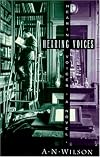
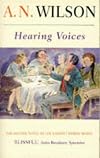
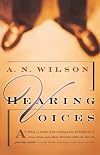
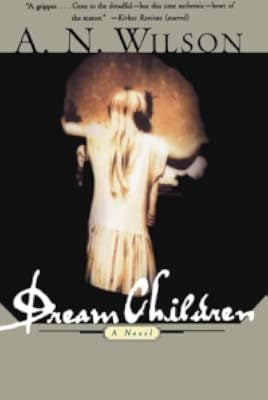
The fourth novel in the Lampitt series sees the mysterious death of a wealthy businessman, owner of the Lampitt papers. Thirty years later, his biographer Julian Ramsay may be able to reveal the true contents of the Lampitt papers.Tags
Recommendations







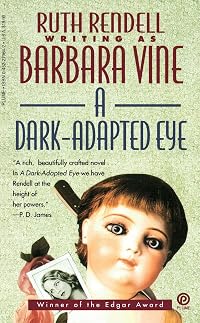

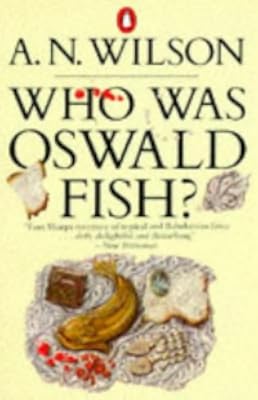
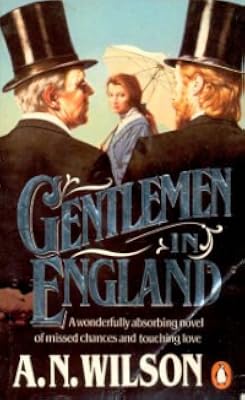





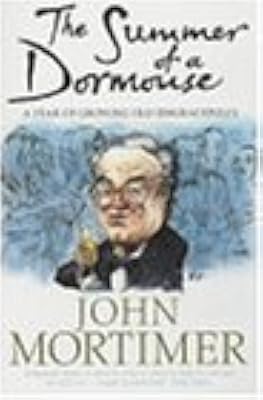












Member Recommendations



Member Reviews
Members
- Recently Added By
Published Reviews
Wilson's always trenchant comments on the art of writing, the social comedy of the British class system, the effects of memory and the workings of the Church are stimulating in themselves, even when the plot slows to accommodate flashbacks to the earlier stories.
added by KayCliff
Author Information

80+ Works 10,123 Members
A. N. Wilson grew up in Staffordshire, England, and was educated at the Rugby School and New College, Oxford. A fellow of the Royal Society of Literature, he holds a prominent position in the world of literature and journalism. He is a prolific and award-winning biographer and celebrated novelist. He lives in North London.
Series

Common Knowledge
- People/Characters
- Julian Ramsay; Virgil D. Everett; Raphael Hunter
- Important places
- New York, New York, USA; Birmingham, England, UK
- First words
- "You!" The old man was about to die, and he knew it.
- Quotations
- The dying have more cause to pity us than we to pity them. They have no grief ahead of them.
`Shall we have desserts?'
Father Linus peered very hard at his napkin while this request was made, as if torn between an unwillingess to sit at a table where such an expression was used, and a simple hunger for pudding. ..... (show all). no Mount-Smith would have naturally used the word *dessert*, unless of course referring to port and Sauternes and nuts at Peterhouse or All Souls.
The publisher's eccentric decision to publish the book in the quiet week just after Xmas had paid dividends, in terms of lavish reviewing space being devoted to the volume. I suspect that the size of the book deterred most of... (show all) the reviewers; it being an almost sure way of avoiding censure, to write books which can not conveniently be read in the week or so which reviewers would normally allow themselves for their task. Few writers dare to condemn what they have not read.
Classifications
Statistics
- Members
- 58
- Popularity
- 529,902
- Rating
- (3.38)
- Languages
- English
- Media
- Paper
- ISBNs
- 5