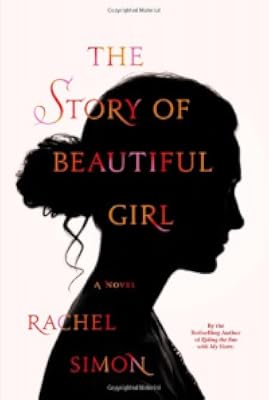
The Story of Beautiful Girl
by Rachel Simon
On This Page
Description
"A novel about a woman who can't speak, a man who is deaf, and a widow who finds herself suddenly caring for a newborn baby"--Provided by publisher.Tags
Recommendations


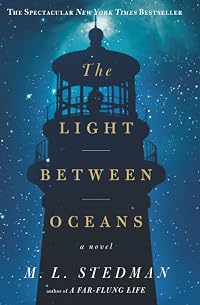
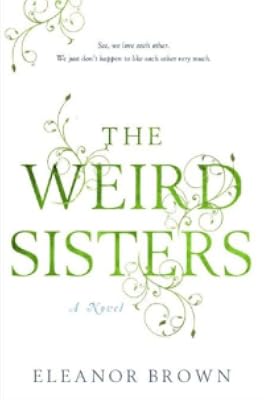
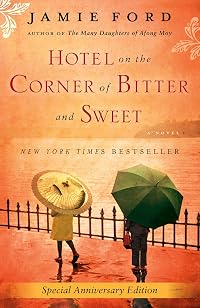

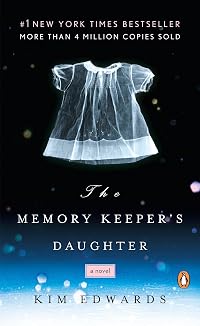






















Member Recommendations
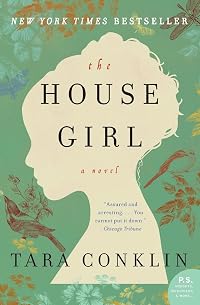
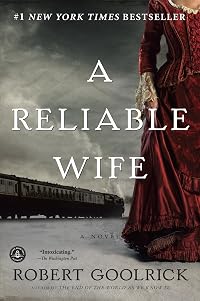
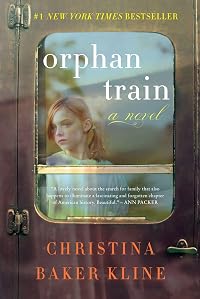
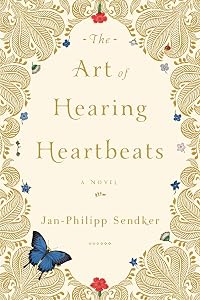
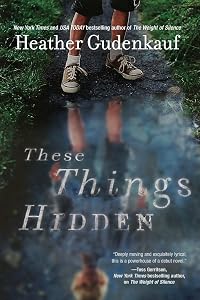
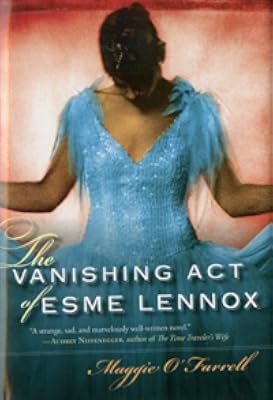
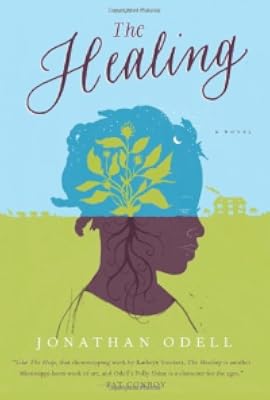
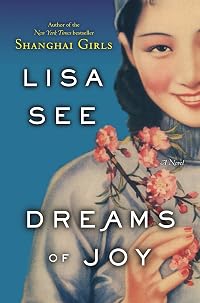
Richardson76 So far this year these 2 books have been my favorite. Both are written well with wonderful and unusual story lines. I think both would make great book club books. Highly recommend both and solidify why I read in the first place.
40
Member Reviews
In the late 1960’s, before much was understood about emotional and physical handicaps and the difference they have to developmental handicaps our main character Lynnie was committed to a School for the Incurable and Feebleminded. It was not much of a school! Horrible things happened there but some good things too. Lynnie met Homan, an African-American deaf man. One stormy night Lynnie and Homan know they must try to escape, for the sake of Lynnie’s unborn child. The child no one at the “school” knows she is carrying. As they are on the run Lynnie has a baby girl. Just before the authorities close in they find refuge in the home of a retired school teacher. Although Lynnie is taken back, Homan escapes capture and the baby is left show more behind with the whispered words “hide her”.
The book takes us through 40 years of change in society, in care for the developmentally disabled and the closure of institutions like the “School”. Yet for all this time four people never stop believing in each other and searching for each other. This is a sometimes heartbreaking, sometimes hard to read and often, heartwarming story that is an absolute pleasure to read. It is a story that you won’t soon forget.
The Story of Beautiful Girl is a beautiful book. show less
The book takes us through 40 years of change in society, in care for the developmentally disabled and the closure of institutions like the “School”. Yet for all this time four people never stop believing in each other and searching for each other. This is a sometimes heartbreaking, sometimes hard to read and often, heartwarming story that is an absolute pleasure to read. It is a story that you won’t soon forget.
The Story of Beautiful Girl is a beautiful book. show less
Lynnie had lived in an institution since she was a young girl when she ran away with her deaf boyfriend, Homan. Lynnie had been raped by one of the guards and was pregnant. She was petrified of having her child grow up in a place like “the school.” When Lynnie, Homan, and the baby appeared on the doorstep of an older woman named Martha, they were scared and running for their lives.
Just as fast as these characters’ stories merged, they were separated again. The rest of the novel concerns them trying to get back together again. Lynnie was captured and taken back to the school, Homan ran off into the woods and was presumed dead, Martha and the baby were left unexpectedly together.
Lynnie grew older in the institution which was show more eventually shut down. She was reunited with her sister and fought for self-determination. Homan travelled all over the country, living in various places with various people, trying to get back to Lynnie but not really sure how. Martha also travelled from place to place to hide the baby from authorities.
Most of the novel is quite sad and filled with tragedy, especially for Lynnie. She does find a sort of peace and happiness, but longed for Homan and her baby. In the end, the story wraps up sweetly with just a hint of ambiguity to keep it interesting. show less
Just as fast as these characters’ stories merged, they were separated again. The rest of the novel concerns them trying to get back together again. Lynnie was captured and taken back to the school, Homan ran off into the woods and was presumed dead, Martha and the baby were left unexpectedly together.
Lynnie grew older in the institution which was show more eventually shut down. She was reunited with her sister and fought for self-determination. Homan travelled all over the country, living in various places with various people, trying to get back to Lynnie but not really sure how. Martha also travelled from place to place to hide the baby from authorities.
Most of the novel is quite sad and filled with tragedy, especially for Lynnie. She does find a sort of peace and happiness, but longed for Homan and her baby. In the end, the story wraps up sweetly with just a hint of ambiguity to keep it interesting. show less
This book has been likened to The Memory Keeper's Daughter and The Help, both of which I really enjoyed. It is quite similar to the first title, but for some reason it didn't really grab me half as much.
It's the story of Lynnie, a woman with learning or mental health problems, and Homan, a deaf man. Both have been incarcerated in 'The School', an institution for those marginalised from society. It's a horrendous place where people are routinely mistreated. One night, Lynnie and Homan escape together and find refuge in the home of retired schoolteacher, Martha. Lynnie has just given birth to a baby girl and, just as she is carted off back to the school she hands over her baby to Martha and asks her to hide her.
This is a sad story, and show more does highlight the plight of people who simply cannot communicate very well. They were often placed in institutions because nobody could be bothered to spend time trying to understand them. However, I'm afraid I just found this book to be very sugary and by the half way point I was just wanting to get to the end. I liked Lynnie and Martha's stories more than Homan's, but none of it really grabbed me and pulled me into the story as much as I would have liked. The ending confused me too as I didn't understand why what happened did happen. It was as if the author had used up her quota of words and just had to put something in to finish it off.
All in all, a bit of a disappointment I'm afraid. show less
It's the story of Lynnie, a woman with learning or mental health problems, and Homan, a deaf man. Both have been incarcerated in 'The School', an institution for those marginalised from society. It's a horrendous place where people are routinely mistreated. One night, Lynnie and Homan escape together and find refuge in the home of retired schoolteacher, Martha. Lynnie has just given birth to a baby girl and, just as she is carted off back to the school she hands over her baby to Martha and asks her to hide her.
This is a sad story, and show more does highlight the plight of people who simply cannot communicate very well. They were often placed in institutions because nobody could be bothered to spend time trying to understand them. However, I'm afraid I just found this book to be very sugary and by the half way point I was just wanting to get to the end. I liked Lynnie and Martha's stories more than Homan's, but none of it really grabbed me and pulled me into the story as much as I would have liked. The ending confused me too as I didn't understand why what happened did happen. It was as if the author had used up her quota of words and just had to put something in to finish it off.
All in all, a bit of a disappointment I'm afraid. show less
The Story of Beautiful Girl is a stunning story on the power of love and courage. Told through multiple viewpoints, each character showcases the horror of humanity right alongside its beautiful and splendor. Lynnie and Homan, Kate and Martha each find a way to creep into a reader's soul, creating lasting impressions while highlighting the positive far-reaching impact one simple act of love and faith can have.
Ms. Simon's study of the developmentally challenged or handi-capable is as beautiful as it is stunning. She does not shy away from the truth behind the old-fashioned methodologies of institutions. In fact, the name "School for the Incurable and Feebleminded" epitomizes the historical approach to anyone who did not fit into a show more psychiatric definition of "normal". Given the holistic approach that currently exists today, such mindsets are as barbaric as they are antiquated. Yet, rather than sweep such stories under the rug, Ms. Simon uses Lynnie's and Homan's experiences to inform the public of what occurred, why it was wrong, and how to prevent such attitudes today. The Story of Beautiful Girl Is not preachy or bombastic. Rather, it is a subtle, delicately woven story of the different types of courage and intelligence that exist, no matter how one appears on the outside.
The Story of Beautiful Girl is not without its flaws. As Lynnie and Homan age and progress through their lives' paths, the shifts in time become more abrupt and greater in detail. Entire decades are over within a matter of a few pages, which means that some of the story lines remain undeveloped. Julia's story is the biggest example of a character who plays a large role in the overall storyline but on whom very few words are actually devoted to her point of view. Her untold story would have been the tie that binds the rest of the stories together. While it is not a drastic loss, there are enough unanswered questions about Julia's story that prove bothersome to the reader.
Kate Reading, as the narrator, excels at distinguishing between the multiple viewpoints. More importantly, she handles the developmental differences between the characters with a delicacy that belies the words being said. While not the easiest novel to listen to, as the multiple characters and shifts in time and location tend to be rather abrupt and therefore confusing to a listener not paying attention, Ms. Reading distinguishes between the characters and shifts in time through the most understated tonality and inflections. Hers is a subtle performance, but her nuances make a greater impact on the reader.
The Story of Beautiful Girl is emotional and gorgeous in its simplicity. Ms. Simon's words require the time and energy necessary to savor them, which does become problematic when listening to an audio production. After limiting the listening possibilities to those occasions that force the reader to pay close attention, the reader is rewarded with a story that leaves its mark on all those exposed to it. The Story of Beautiful Girl brings hope back to a society that has lost much of it due to an overriding cynicism about its fate. It is well worth the time and energy it takes to discover this gem of a novel. show less
Ms. Simon's study of the developmentally challenged or handi-capable is as beautiful as it is stunning. She does not shy away from the truth behind the old-fashioned methodologies of institutions. In fact, the name "School for the Incurable and Feebleminded" epitomizes the historical approach to anyone who did not fit into a show more psychiatric definition of "normal". Given the holistic approach that currently exists today, such mindsets are as barbaric as they are antiquated. Yet, rather than sweep such stories under the rug, Ms. Simon uses Lynnie's and Homan's experiences to inform the public of what occurred, why it was wrong, and how to prevent such attitudes today. The Story of Beautiful Girl Is not preachy or bombastic. Rather, it is a subtle, delicately woven story of the different types of courage and intelligence that exist, no matter how one appears on the outside.
The Story of Beautiful Girl is not without its flaws. As Lynnie and Homan age and progress through their lives' paths, the shifts in time become more abrupt and greater in detail. Entire decades are over within a matter of a few pages, which means that some of the story lines remain undeveloped. Julia's story is the biggest example of a character who plays a large role in the overall storyline but on whom very few words are actually devoted to her point of view. Her untold story would have been the tie that binds the rest of the stories together. While it is not a drastic loss, there are enough unanswered questions about Julia's story that prove bothersome to the reader.
Kate Reading, as the narrator, excels at distinguishing between the multiple viewpoints. More importantly, she handles the developmental differences between the characters with a delicacy that belies the words being said. While not the easiest novel to listen to, as the multiple characters and shifts in time and location tend to be rather abrupt and therefore confusing to a listener not paying attention, Ms. Reading distinguishes between the characters and shifts in time through the most understated tonality and inflections. Hers is a subtle performance, but her nuances make a greater impact on the reader.
The Story of Beautiful Girl is emotional and gorgeous in its simplicity. Ms. Simon's words require the time and energy necessary to savor them, which does become problematic when listening to an audio production. After limiting the listening possibilities to those occasions that force the reader to pay close attention, the reader is rewarded with a story that leaves its mark on all those exposed to it. The Story of Beautiful Girl brings hope back to a society that has lost much of it due to an overriding cynicism about its fate. It is well worth the time and energy it takes to discover this gem of a novel. show less
This was another read for an online book group to which I belong through Goodreads. I will unfortunately say I would have never picked the book up otherwise...and I would have been worse for it.
It took me a bit of time to realize that Rachel Simon is the author of "Riding the Bus With My Sister;" a book over which I cried buckets. In that book, Rachel brings us through her personal difficulty in learning to be a friend and sister to her intellectually disabled sibling. She had a rough time seeing her sister as an individual in contradiction to, or perhaps in spite of, a person who needed oversight. Her sister had created for herself a whole world to which Rachel was oblivious. Seeing her sister operating in her own world opened the show more relationship to deeper dimensions of loving, understanding, and caring. Her sister could give as much to Rachel as Rachel could give to her sister.
In this book, Rachel takes on the daunting task of writing a fictional story of developmentally challenged individuals. Simon admits that it was difficult to write from the perspective of a challenged person. She has no concept of their thought processes or how they understand the world within their limitations. She needed to find a way to make the characters relatable to functional readers, a skill that requires the reader and author to jump a wide canyon. For example, [SPOIL ALERT] Lynnie was very aware of the changes occurring in her body and that she would eventually give birth to her child; yet, the social workers did not feel she was capable of living on her own. As such, it is difficult to decipher the extent of Lynnie's disability. Her thoughts seem far advanced of her depicted capabilities. This question of Lynnie's disability put a barrier to fully relating to the character.
This does not mean the book is not well written and the characters are lacking that connecting force with the reader. On the contrary, I found myself very much engaged in the characters and cheering them on! It only means that there is a leap that the reader is expected to make in order to fully immerse in the story.
The book relates an embarrassing history of our country's treatment of people with disabilities. Doctors, friends, and clergy who insisted that those who are not "normal" should be placed away and forgotten. The institutions of the book did exist, along with orphanages and "schools" for Native Americans. Jesus warned us to be careful how we treated those in our midst who are not like us. Our "Christian" nation (an ill-used and over-cited motto I greatly challenge) fell drastically short of its responsibility to those developmentally and physically challenged. Even today, as I work retail, I can see how uncomfortable "normal" people become when faced with a person who is mentally or physically disabled. Their first instinct is to turn away...divert their route so they do not have to encounter these individuals. I refuse to say I am completely different in this regard; but I do challenge myself and my discrimination by walking toward these individuals remembering simply to treat them as I wish to be treated. Some of the least among us have the ability to teach us the most. Perhaps we owe them a minute or two of our time to discover the possibilities. I can honestly say that when I have given friendship and love, I have never regretted the outcome. show less
It took me a bit of time to realize that Rachel Simon is the author of "Riding the Bus With My Sister;" a book over which I cried buckets. In that book, Rachel brings us through her personal difficulty in learning to be a friend and sister to her intellectually disabled sibling. She had a rough time seeing her sister as an individual in contradiction to, or perhaps in spite of, a person who needed oversight. Her sister had created for herself a whole world to which Rachel was oblivious. Seeing her sister operating in her own world opened the show more relationship to deeper dimensions of loving, understanding, and caring. Her sister could give as much to Rachel as Rachel could give to her sister.
In this book, Rachel takes on the daunting task of writing a fictional story of developmentally challenged individuals. Simon admits that it was difficult to write from the perspective of a challenged person. She has no concept of their thought processes or how they understand the world within their limitations. She needed to find a way to make the characters relatable to functional readers, a skill that requires the reader and author to jump a wide canyon. For example, [SPOIL ALERT] Lynnie was very aware of the changes occurring in her body and that she would eventually give birth to her child; yet, the social workers did not feel she was capable of living on her own. As such, it is difficult to decipher the extent of Lynnie's disability. Her thoughts seem far advanced of her depicted capabilities. This question of Lynnie's disability put a barrier to fully relating to the character.
This does not mean the book is not well written and the characters are lacking that connecting force with the reader. On the contrary, I found myself very much engaged in the characters and cheering them on! It only means that there is a leap that the reader is expected to make in order to fully immerse in the story.
The book relates an embarrassing history of our country's treatment of people with disabilities. Doctors, friends, and clergy who insisted that those who are not "normal" should be placed away and forgotten. The institutions of the book did exist, along with orphanages and "schools" for Native Americans. Jesus warned us to be careful how we treated those in our midst who are not like us. Our "Christian" nation (an ill-used and over-cited motto I greatly challenge) fell drastically short of its responsibility to those developmentally and physically challenged. Even today, as I work retail, I can see how uncomfortable "normal" people become when faced with a person who is mentally or physically disabled. Their first instinct is to turn away...divert their route so they do not have to encounter these individuals. I refuse to say I am completely different in this regard; but I do challenge myself and my discrimination by walking toward these individuals remembering simply to treat them as I wish to be treated. Some of the least among us have the ability to teach us the most. Perhaps we owe them a minute or two of our time to discover the possibilities. I can honestly say that when I have given friendship and love, I have never regretted the outcome. show less
How does society respond to those of us who cope with disabilities? How would you want to be treated if you had a disability? The Story of Beautiful Girl forces us to address these questions. More importantly, it gives us a glimpse into the innermost thoughts of those treated as “feeble-minded” in what was at the time an uncaring, ignorant society. Both captivating and heartbreaking, the book is meant to be savored, not merely read. Adeptly nuanced and originally wrought, the book explores our compassion and intolerance toward people different than ourselves.
In 1968, Martha, an elderly widow, answers a knock on her farmhouse door. On her doorstep are two escapees from the School for the Incurable and Feebleminded. Lynnie, a white show more woman with a developmental disability has just given birth to a baby girl. Protecting them is Homan, a deaf African American man. Lynnie is recaptured by the authorities, and Homan escapes. Lynnie whispers to Martha, “Hide her.” Those two words launch us into the forty-year story of characters whose love surpasses the insurmountable obstacles they face. Although Beautiful Girl and Homan live apart for decades, the author masterfully intertwines their life stories, inner thoughts and the hope that sustains them.
Life returns to normal for no one in this thought-provoking book. Martha, whose telephone rings only on December 24, when her former students call to arrange a visit on Christmas day, finds her life changed as she cares for baby Julia. The child draws people into Martha’s life and gives her newfound purpose.
Rachel Simon, a nationally known public speaker, is the author of the critically acclaimed bestseller, Riding the Bus with My Sister. The memoir chronicles the year Ms. Simon spent accompanying her sister Beth, who is afflicted with an intellectual disability, on joyful bus rides through a city in Pennsylvania. Though this experience, the author gleaned an understanding of the inner life of the developmentally disabled. Haunted for years by the story of an unidentified, deaf African American man found wandering the streets in Chicago, Ms. Simons captures the essence of both in the novel she says, “Burst out of me like nothing before.”
This reader (who has a physical disability) believes the feelings of those with disabilities remain a mystery to those outside of our sphere. Ms. Rosen convinces otherwise. The author’s sensitivity to the world of the disabled comes from the personal experience of her sibling as well as interviews with people who had been wrongfully institutionalized and professionals who staff group homes. The book’s dedication reads, “For those who were put away.” Although Ms. Simon’s awareness of the institutional life forms a backbone for the book, it is her insight into the indomitable spirit of the human soul that infuses The Story of Beautiful Girl with brilliance and honesty.
The book jacket brilliantly captures the bond between the characters. We see a silhouette of “Beautiful Girl, Lynnie” on the book cover. Feathers are imprinted on the inside cover. At the lovers’ coming together in the cornfield a flying bird dropped a red feather, which they pressed together between their chests. “Red feathers are rare,” says Lynnie’s sister with whom she is ultimately reunited. “If you find one, you should keep it forever.” On the back cover, a child’s hand reaches for a feather, perhaps symbolic of a long-awaited reunion.
Reading this book will change your perception of those whose challenges differ from your own and move you to a better place. Highly recommended.
Reviewed by Holly Weiss, author of Crestmont show less
In 1968, Martha, an elderly widow, answers a knock on her farmhouse door. On her doorstep are two escapees from the School for the Incurable and Feebleminded. Lynnie, a white show more woman with a developmental disability has just given birth to a baby girl. Protecting them is Homan, a deaf African American man. Lynnie is recaptured by the authorities, and Homan escapes. Lynnie whispers to Martha, “Hide her.” Those two words launch us into the forty-year story of characters whose love surpasses the insurmountable obstacles they face. Although Beautiful Girl and Homan live apart for decades, the author masterfully intertwines their life stories, inner thoughts and the hope that sustains them.
Life returns to normal for no one in this thought-provoking book. Martha, whose telephone rings only on December 24, when her former students call to arrange a visit on Christmas day, finds her life changed as she cares for baby Julia. The child draws people into Martha’s life and gives her newfound purpose.
Rachel Simon, a nationally known public speaker, is the author of the critically acclaimed bestseller, Riding the Bus with My Sister. The memoir chronicles the year Ms. Simon spent accompanying her sister Beth, who is afflicted with an intellectual disability, on joyful bus rides through a city in Pennsylvania. Though this experience, the author gleaned an understanding of the inner life of the developmentally disabled. Haunted for years by the story of an unidentified, deaf African American man found wandering the streets in Chicago, Ms. Simons captures the essence of both in the novel she says, “Burst out of me like nothing before.”
This reader (who has a physical disability) believes the feelings of those with disabilities remain a mystery to those outside of our sphere. Ms. Rosen convinces otherwise. The author’s sensitivity to the world of the disabled comes from the personal experience of her sibling as well as interviews with people who had been wrongfully institutionalized and professionals who staff group homes. The book’s dedication reads, “For those who were put away.” Although Ms. Simon’s awareness of the institutional life forms a backbone for the book, it is her insight into the indomitable spirit of the human soul that infuses The Story of Beautiful Girl with brilliance and honesty.
The book jacket brilliantly captures the bond between the characters. We see a silhouette of “Beautiful Girl, Lynnie” on the book cover. Feathers are imprinted on the inside cover. At the lovers’ coming together in the cornfield a flying bird dropped a red feather, which they pressed together between their chests. “Red feathers are rare,” says Lynnie’s sister with whom she is ultimately reunited. “If you find one, you should keep it forever.” On the back cover, a child’s hand reaches for a feather, perhaps symbolic of a long-awaited reunion.
Reading this book will change your perception of those whose challenges differ from your own and move you to a better place. Highly recommended.
Reviewed by Holly Weiss, author of Crestmont show less
I enjoyed this story of three people on a journey to reunite after being separated in 1968. The story centers on a deaf, black man, a mentally disabled woman, and the woman's baby. The most remarkable character in the story, for me, is the old woman, Martha. I raced through the sections dealing with the other characters to learn more of Martha, the woman who ventures everything she holds dear. Martha, a retired and widowed schoolteacher with an extensive network of willing students, who jump to her assistance. Simon also brings into the story, the terrible conditions of institutions for those abnormal individuals of society. A compelling look at human nature.
Members
- Recently Added By
Published Reviews
ThingScore 75
Simon, who wrote so sensitively about disability in her memoir Riding the Bus With My Sister, often skirts schmaltz in The Story of Beautiful Girl, but she manages to steer her reader toward the truly stirring.
added by Shortride
Lists

Indie Next Picks
196 works; 4 members
Author Information

7+ Works 2,116 Members
Common Knowledge
- Canonical title
- The Story of Beautiful Girl
- Original publication date
- 2011
- People/Characters
- Martha; Beautiful Girl / Lynnie (Evelyn Goldberg); Homan (Buddy, 42); Hannah; Kate; Julia (show all 11); Eva Hansberry; Henry; Graciela; Landon; Sam (Terrance)
- Important places
- Well's Bottom, Pennsylvania, USA; Cape Cod, Massachusetts, USA; Maplewood, New Jersey, USA
- Epigraph
- Telling our stories is holy work. --The Reverend Nancy Lane, Ph.D.
- Dedication
- For those who were put away.
- First words
- At the end of the night that would change everything, the widow stood on her porch and watched as the young woman was marched down her front drive and shoved into the sedan.
- Last words
- (Click to show. Warning: May contain spoilers.)And then he added, as he always did, Can you imagine a better day than this?
Classifications
Statistics
- Members
- 1,158
- Popularity
- 21,670
- Reviews
- 81
- Rating
- (3.92)
- Languages
- 7 — Chinese, Danish, Dutch, English, German, Italian, Norwegian (Bokmål)
- Media
- Paper, Audiobook, Ebook
- ISBNs
- 32
- ASINs
- 8