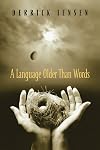
A language older than words
by Derrick Jensen
On This Page
Description
"At once a beautifully poetic memoir and an exploration of the various ways we live in the world, A Language Older Than Words explains violence as a pathology that touches every aspect of our lives and indeed affects all aspects of life on Earth. This chronicle of a young man's drive to transcend domestic abuse offers a challenging look at our worldwide sense of community and how we can make things better." http://www.loc.gov/catdir/enhancements/fy0729/2003027776-d.html.Tags
Recommendations
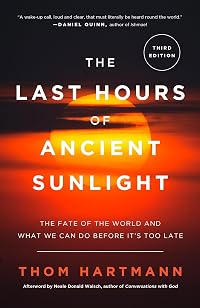

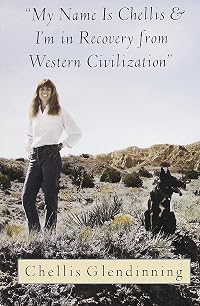
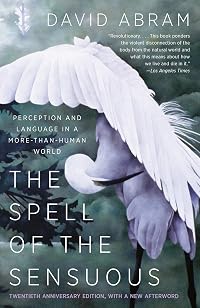
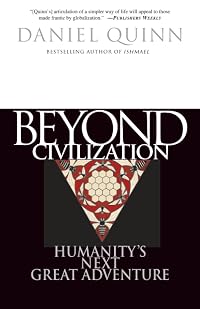
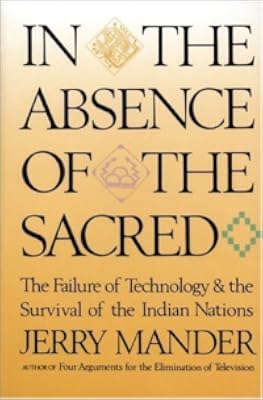
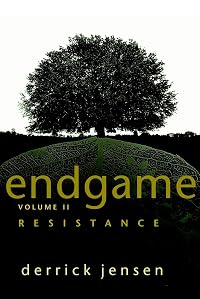
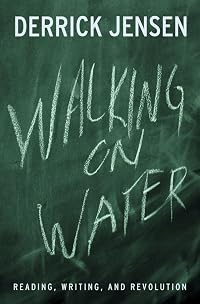
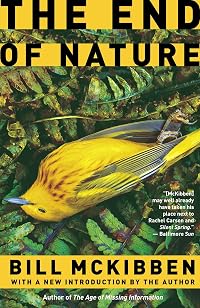

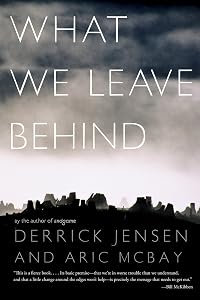
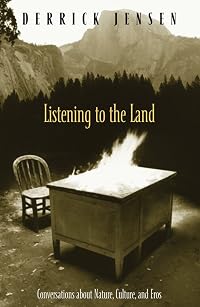
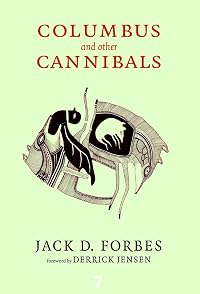
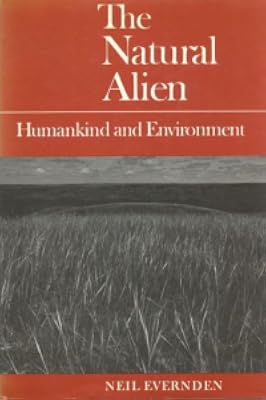







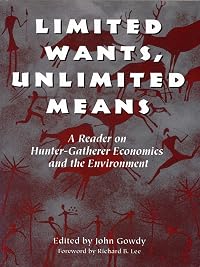
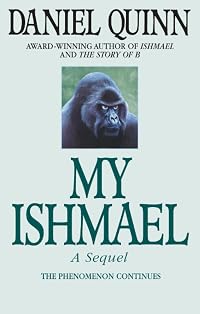
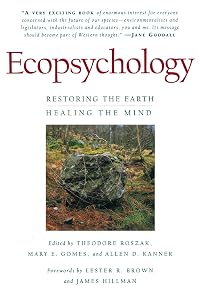
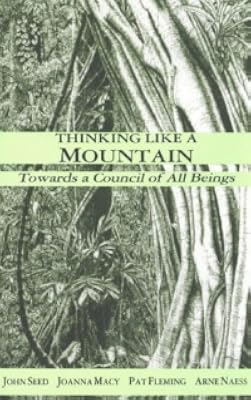

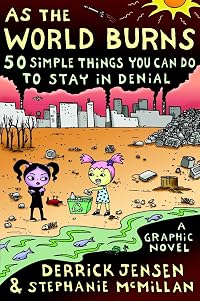
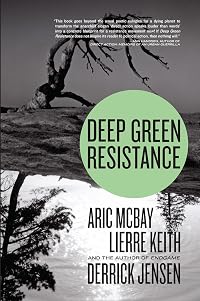
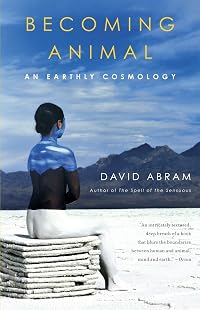
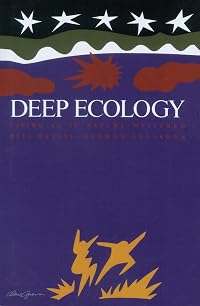



Member Recommendations
by owen1218
Member Reviews
Scathing commentary about western civilization mixed with scathing memoir about his father's abuse. Details the violence at the heart of our society and so many of our interpersonal relationships. Very sad or outraging to read at times, but ultimately the insights and renewed perspective are worth it.
What I learned from this book:
I learned more than I'd like to about Jensen's abuse as a child and how he dealt with a terrifying inescapable situation, building psychological barriers in the interest of immediate survival. I learned of his personal transformation from voting for Reagan and a future of gainful employment to a rejection of wage slavery and dedication to environmental activism. Most importantly, I learned that ubiquitous atrocity and destruction on all levels will only stop when we begin to truly listen--that is, to become present to the pain of personal and collective trauma and to hear the desires of those others and parts of ourselves who were silenced long ago. This would be an almost hopeless message given how show more thoroughly we have destroyed our formerly intact and livable world, if not for the author's own personal story of childhood trauma and recovery, which provided “an avenue of understanding into many of the culture's otherwise incomprehensible actions.” (p.183) Only those of us who also come to understand the macrocosm of trauma which leads to atrocity and begin listening to the voices of other cultures and species silenced by the incessant lies of destroyers stand a chance of acting on behalf of life and stopping the suicidal course of this culture.
8/1/2009 show less
I learned more than I'd like to about Jensen's abuse as a child and how he dealt with a terrifying inescapable situation, building psychological barriers in the interest of immediate survival. I learned of his personal transformation from voting for Reagan and a future of gainful employment to a rejection of wage slavery and dedication to environmental activism. Most importantly, I learned that ubiquitous atrocity and destruction on all levels will only stop when we begin to truly listen--that is, to become present to the pain of personal and collective trauma and to hear the desires of those others and parts of ourselves who were silenced long ago. This would be an almost hopeless message given how show more thoroughly we have destroyed our formerly intact and livable world, if not for the author's own personal story of childhood trauma and recovery, which provided “an avenue of understanding into many of the culture's otherwise incomprehensible actions.” (p.183) Only those of us who also come to understand the macrocosm of trauma which leads to atrocity and begin listening to the voices of other cultures and species silenced by the incessant lies of destroyers stand a chance of acting on behalf of life and stopping the suicidal course of this culture.
8/1/2009 show less
I’ve been hearing of the work of Derrick Jensen for the past decade. He’s hard to avoid if you run in nature connection circles. In 2012 I read “Deep Green Resistance,” edited by Jensen. In 2014, at the Prairie Festival at the Land Institute in Kansas, this book was recommended to me. I’m now in a course with David Abram focused on the animate earth and human communication with the more-than-human-world. The title of this book might lead to believe that it is topical to such explorations, so I decided to finally give it a try.
Unlike the material of his contemporaries (David Abram, Charles Eisenstein, Martín Prechtel), this book is not the least bit eloquent; it is sickeningly blunt and raw. That said, it was written more than show more twenty years ago, and Jensen was a forerunner in many ways, so other authors have Jensen to thank for breaking the ice and giving them the space to iterate and polish some of his ideas.
Jensen retells the story of his abusive father, including graphic retellings of his own and his siblings molestation and rape. This material sets the tone for the entirety of the book. Jensen moves on to explore behaviorism and the experiments humans have perpetrated on plants and animals, ranging from the ignorant to the deranged and psychotic. I don’t think I’ve ever said this before, but, coming to the end of my third decade in this life, I can say that I’m just barely old enough to be able to read a book like this. I would not recommend it for adolescence, as Jensen fails to ground any sense of positive potential in regard to the role that humans might have on this earth.
Jensen only gives a cursory overview of what “A Language Older Than Words” might look like. To him, this often means asking (in English), for his dogs to stop eating chickens—not the height of interspecies communication. One exception to this is his exploration of a field of science called “primary perception” referring to the ability of other lifeforms to be aware and responsive to the wellbeing of other life around them. show less
Unlike the material of his contemporaries (David Abram, Charles Eisenstein, Martín Prechtel), this book is not the least bit eloquent; it is sickeningly blunt and raw. That said, it was written more than show more twenty years ago, and Jensen was a forerunner in many ways, so other authors have Jensen to thank for breaking the ice and giving them the space to iterate and polish some of his ideas.
Jensen retells the story of his abusive father, including graphic retellings of his own and his siblings molestation and rape. This material sets the tone for the entirety of the book. Jensen moves on to explore behaviorism and the experiments humans have perpetrated on plants and animals, ranging from the ignorant to the deranged and psychotic. I don’t think I’ve ever said this before, but, coming to the end of my third decade in this life, I can say that I’m just barely old enough to be able to read a book like this. I would not recommend it for adolescence, as Jensen fails to ground any sense of positive potential in regard to the role that humans might have on this earth.
Jensen only gives a cursory overview of what “A Language Older Than Words” might look like. To him, this often means asking (in English), for his dogs to stop eating chickens—not the height of interspecies communication. One exception to this is his exploration of a field of science called “primary perception” referring to the ability of other lifeforms to be aware and responsive to the wellbeing of other life around them. show less
I loved this! Particularly the second half. The chapter "The Plants Respond" was amazing, and I loved the description of how he taught his first writing class.
Absolutely profound review of our ways of being in and with the natural world.
Sisällysluettelosta:
Silencing; Coyotes, Kittens, and Conversations; Taking a Life; Cultural Eyeglasses; Cranes; The Safety of Metaphor; Claims to Virtue; Seeking a Third Way; Breaking Out; Economies; The Goal Is the Process; Heroes; Metamorphosis; Insatiability; Violence; The Parable of the Box; ; Violence Revisited; Coercion; Honeybees; A Turning Over; A Life of My Own; Interconnection; The Plants Respond; Death and Awakening; A Time of Sleeping; Out of Mourning, Play; Trauma and Recovery; Connection and Cooperation
Silencing; Coyotes, Kittens, and Conversations; Taking a Life; Cultural Eyeglasses; Cranes; The Safety of Metaphor; Claims to Virtue; Seeking a Third Way; Breaking Out; Economies; The Goal Is the Process; Heroes; Metamorphosis; Insatiability; Violence; The Parable of the Box; ; Violence Revisited; Coercion; Honeybees; A Turning Over; A Life of My Own; Interconnection; The Plants Respond; Death and Awakening; A Time of Sleeping; Out of Mourning, Play; Trauma and Recovery; Connection and Cooperation
have not read yet
Members
- Recently Added By
Lists

Books That Changed Me
158 works; 47 members

Best Environmental Books
32 works; 2 members
Author Information

Derrick Jensen is the best-known voice, of the growing deep ecology movement. Winner of numerous awards and honors including the Eric Hoffer Book Award, USA Today's Critic's Choice, and Press Action s Person of the Year, Jensen is the author of over fifteen books, including Endgame, A Language Older Than Words, What We Leave Behind (with Aric show more McBay) and Deep Green Resistance (with McBay and Lierre Keith). Philosopher, teacher, and radical activist, he regularly stirs packed auditoriums across the country with revolutionary spirit. Jensen holds degrees in creative writing and mineral engineering physics. He lives in Crescent City, California. show less
All Editions
Some Editions
Common Knowledge
- Canonical title
- A language older than words
- Original publication date
- 2004
Classifications
- Genres
- Science & Nature, Nonfiction, General Nonfiction, Biography & Memoir, Philosophy
- DDC/MDS
- 304.2 — Society, government, & culture Social sciences, sociology & anthropology Factors affecting social behavior Human ecology
- LCC
- GF41 .J44 — Geography, Anthropology and Recreation Human ecology. Anthropogeography Human ecology. Anthropogeography
- BISAC
Statistics
- Members
- 699
- Popularity
- 40,830
- Reviews
- 7
- Rating
- (4.24)
- Languages
- English
- Media
- Paper, Ebook
- ISBNs
- 5
- ASINs
- 2