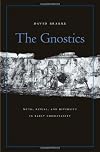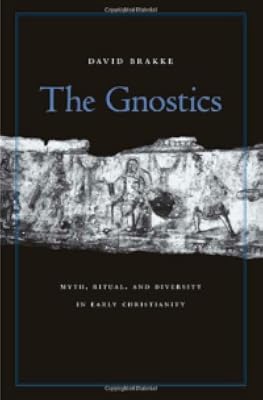
The Gnostics: Myth, Ritual, and Diversity in Early Christianity
by David Brakke
On This Page
Description
Brakke writes a pioneering study of the way the demon role relates to religious thinking and to cultural anxieties. The author ́s sources include biographies of exceptional monks, collections of monastic sayings and stories, letters from ascetic teachers to their disciples, sermons, community rules, and biblical commentaries. When monks imagined the resistance that they had to overcome in cultivating their selves or the temptation that offered an easier path, they saw supernatural beings show more that could take the shapes of animals, women, boys, and false angels in their attempts to seduce monks away from their devotion to God. And when they considered the inclinations in their own selves that opposed their best intentions, they concluded that demons introduced such problematic ́thoughts ́ to their minds. Although the last twenty years has seen an explosion of scholarship on early Christian asceticism, producing brilliant explorations of the body, sexual renunciation, fasting, and gender, combat with demons has been left relatively unexplored. show lessTags
Recommendations








Member Reviews
Proposes the term "Gnostic" be limited to connote a tradition other scholars label "Sethian".
THE GNOSTICS :MYTH, RITUAL, AND DIVERSITY IN EARLY CHRISTANITY
Who were the Gnostics? And how did the Gnostic movement influence the development of Christianity in antiquity? Is it true that the Church rejected Gnosticism? This book offers an illuminating discussion of recent scholarly debates over the concept of “Gnosticism” and the nature of early Christian diversity. Acknowledging that the category “Gnosticism” is flawed and must be reformed, David Brakke argues for a more careful approach to gathering evidence for the ancient Christian movement known as the Gnostic school of thought. He shows how Gnostic myth and ritual addressed basic human concerns about alienation and meaning, offered a message of salvation in Jesus, and show more provided a way for people to regain knowledge of God, the ultimate source of their being.
Rather than depicting the Gnostics as heretics or as the losers in the fight to define Christianity, Brakke argues that the Gnostics participated in an ongoing reinvention of Christianity, in which other Christians not only rejected their ideas but also adapted and transformed them. This book will challenge scholars to think in news ways, but it also provides an accessible introduction to the Gnostics and their fellow early Christians.
Marcar FundacionRosacruz | Feb 21, 2018 | edit | show less
Who were the Gnostics? And how did the Gnostic movement influence the development of Christianity in antiquity? Is it true that the Church rejected Gnosticism? This book offers an illuminating discussion of recent scholarly debates over the concept of “Gnosticism” and the nature of early Christian diversity. Acknowledging that the category “Gnosticism” is flawed and must be reformed, David Brakke argues for a more careful approach to gathering evidence for the ancient Christian movement known as the Gnostic school of thought. He shows how Gnostic myth and ritual addressed basic human concerns about alienation and meaning, offered a message of salvation in Jesus, and show more provided a way for people to regain knowledge of God, the ultimate source of their being.
Rather than depicting the Gnostics as heretics or as the losers in the fight to define Christianity, Brakke argues that the Gnostics participated in an ongoing reinvention of Christianity, in which other Christians not only rejected their ideas but also adapted and transformed them. This book will challenge scholars to think in news ways, but it also provides an accessible introduction to the Gnostics and their fellow early Christians.
Marcar FundacionRosacruz | Feb 21, 2018 | edit | show less
Apr 30, 2018Spanish
Ratings
Members
- Recently Added By
Lists

In Our Time books
4,934 works; 2 members
Author Information

28+ Works 435 Members
David Brakke is Joe R. Engle Chair in the History of Christianity and Professor of History, Ohio State University.
Awards and Honors
Awards
Classifications
- Genres
- Religion & Spirituality, Nonfiction, History
- DDC/MDS
- 273.1 — Religion History of Christianity Doctrinal controversies and heresies in general church history Gnostic (First 3 centuries)
- LCC
- BT1390 .B69 — Philosophy, Psychology and Religion Doctrinal Theology Doctrinal Theology History of specific doctrines and movements.
- BISAC
Statistics
- Members
- 130
- Popularity
- 251,218
- Reviews
- 2
- Rating
- (4.14)
- Languages
- English, French, Spanish
- Media
- Paper, Ebook
- ISBNs
- 6
- ASINs
- 2