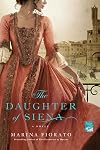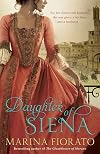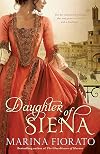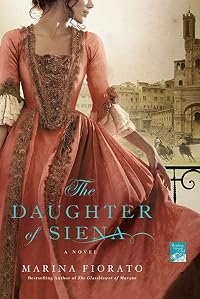
Daughter of Siena
by Marina Fiorato
On This Page
Description
Amid the intrigue and danger of 18th-century Italy, a young woman becomes embroiled in romance and treachery with a rider in the Palio, the breathtaking horse race set in Siena.Tags
Recommendations

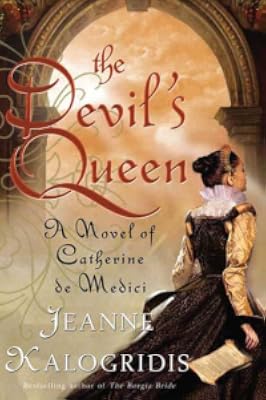
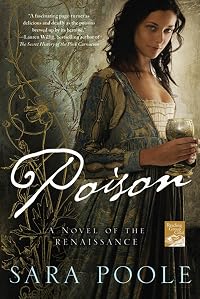
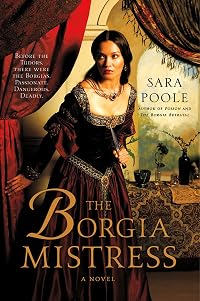
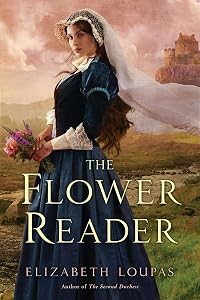
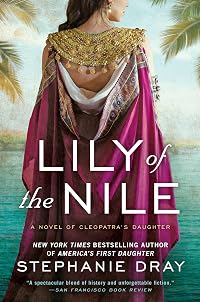
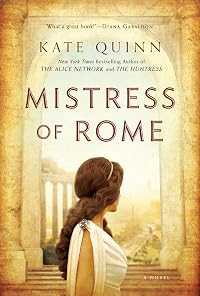
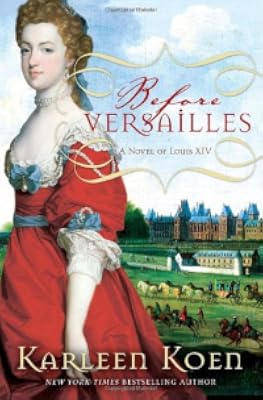
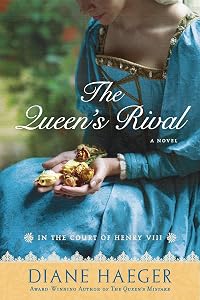


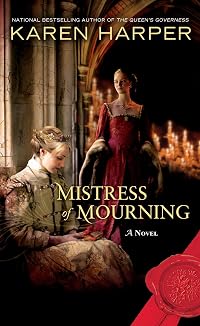
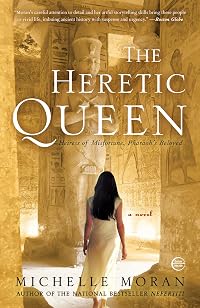

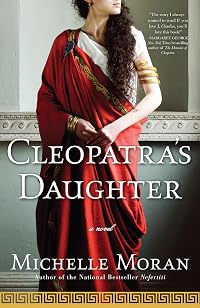
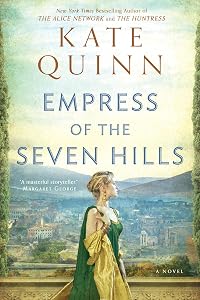

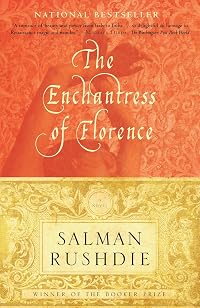
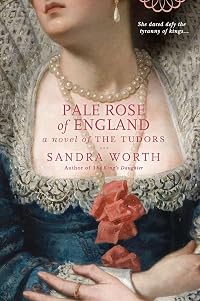
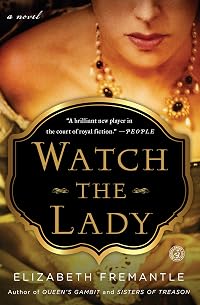
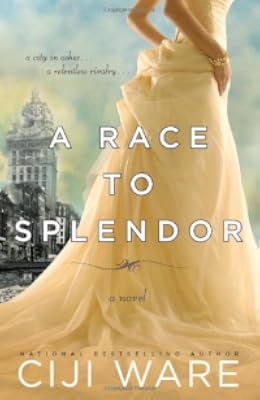


Member Recommendations
lollypop917 Although this book is set during the Norman conquest of England, it has strong female characters and also an equine theme.
Member Reviews
What a disappointing, terribly written book. Earlier in the year, I read Fiorato's "The Glassblower of Murano," which, though weakly written, was enjoyable due to its lovely setting of Venice. I was hoping that her second book would do the same for Siena, a city that I don't know nearly so much about.
Unfortunately, all that this book did was make me wish fervently that I had requested another Early Reviewer's book for that month.
The story starts off by describing the heroine, Pia, as "the most beautiful girl in Siena," a statement that always annoys me. And not only that - she is descended from Cleopatra, too.
Pia, a member of the nobility, is betrothed to a distasteful boy whom she hates, but falls in love with a lower-class horseman show more named Riccardo.
It was all just ever so predictable and cliche. Not a single event in this book transpired that even mildly surprised me.
Pia was a cardboard character that I never got the slightest picture of in my head, and every other supporting character was either exaggeratedly good or exaggeratedly bad. The two main characters of Pia and Riccardo are so perfect, they should have halos. The villains or distasteful persons of the story are overdone. For example, Pia's first fiancee tries to rape her within seconds of meeting her, and the author then informs us that he is famous for getting girls pregnant and then abandoning them, forcing them to commit suicide. Just as bad, Pia's second fiancee practically tortures her and seems to enjoy ridiculing her both in public and in private. He didn't seem to have any objective or point to doing this - he was just that evil!
Nearly every character has an animal nickname. Owlet, Eagle, Panther, Zebra... People were frequently referred to by their animal names. It annoyed me because I saw no purpose behind it, and also I found it a bit hard to believe that members of the Siena nobility would go around calling each other "Fox" or "Rabbit."
There was also something about a secret society, which was even more ridiculous. I couldn't resist skimming over these parts because they were so dull and unbelievable.
All in all, I am sorry that I gave Fiorato a second chance. Her first book was average, but this one was awful. Not recommended. show less
Unfortunately, all that this book did was make me wish fervently that I had requested another Early Reviewer's book for that month.
The story starts off by describing the heroine, Pia, as "the most beautiful girl in Siena," a statement that always annoys me. And not only that - she is descended from Cleopatra, too.
Pia, a member of the nobility, is betrothed to a distasteful boy whom she hates, but falls in love with a lower-class horseman show more named Riccardo.
It was all just ever so predictable and cliche. Not a single event in this book transpired that even mildly surprised me.
Pia was a cardboard character that I never got the slightest picture of in my head, and every other supporting character was either exaggeratedly good or exaggeratedly bad. The two main characters of Pia and Riccardo are so perfect, they should have halos. The villains or distasteful persons of the story are overdone. For example, Pia's first fiancee tries to rape her within seconds of meeting her, and the author then informs us that he is famous for getting girls pregnant and then abandoning them, forcing them to commit suicide. Just as bad, Pia's second fiancee practically tortures her and seems to enjoy ridiculing her both in public and in private. He didn't seem to have any objective or point to doing this - he was just that evil!
Nearly every character has an animal nickname. Owlet, Eagle, Panther, Zebra... People were frequently referred to by their animal names. It annoyed me because I saw no purpose behind it, and also I found it a bit hard to believe that members of the Siena nobility would go around calling each other "Fox" or "Rabbit."
There was also something about a secret society, which was even more ridiculous. I couldn't resist skimming over these parts because they were so dull and unbelievable.
All in all, I am sorry that I gave Fiorato a second chance. Her first book was average, but this one was awful. Not recommended. show less
 This review was written for LibraryThing Early Reviewers.
This novel, set in 1723 Siena, centers around that city’s most important event, a dramatic horse race called the Palio. Rival horsemen from every sector of the city compete for the honor of winning the race. This year, beautiful Pia of the Tolomei desperately hopes that her new fiancé, a harsh and brutal man, will meet with a fatal accident during the Palio. She is also dazzled by a handsome rider from another sector of the city, whose strength and honor are apparent even from the stands. Entangled with Pia’s romance is a larger plot: some of the most influential men in the city – including Pia’s own father-in-law – are involved in a conspiracy to overthrow the government of Siena and install themselves in power. Pia, her show more handsome horseman, and the current duchess of Siena must band together to save their city before it’s too late.
I was intrigued by this book’s setting, especially because Siena is high on my list of places to visit someday. The novel does capture something of the excitement of the Palio race – not to mention the complicated political machinations of early modern Italy – but ultimately it’s just okay. The writing style has a tendency to get too flowery and melodramatic, and the characterization is two-dimensional. Pia and her suitor Riccardo are both amazingly good-looking, intelligent, and noble, while their enemies are all mustache-twirling villains without one redeeming quality. Because of this lack of depth, I never felt truly invested in Pia and Riccardo’s story. The duchess’s parallel story is a bit more complex, but still falls into melodrama and cliché. There’s also one event near the end of the novel that made me lose all sympathy for Pia; I couldn’t believe the author expected me to condone her action! Overall, this book is amusing enough for light fare with a period flavor, but don’t expect anything memorable or profound. show less
I was intrigued by this book’s setting, especially because Siena is high on my list of places to visit someday. The novel does capture something of the excitement of the Palio race – not to mention the complicated political machinations of early modern Italy – but ultimately it’s just okay. The writing style has a tendency to get too flowery and melodramatic, and the characterization is two-dimensional. Pia and her suitor Riccardo are both amazingly good-looking, intelligent, and noble, while their enemies are all mustache-twirling villains without one redeeming quality. Because of this lack of depth, I never felt truly invested in Pia and Riccardo’s story. The duchess’s parallel story is a bit more complex, but still falls into melodrama and cliché. There’s also one event near the end of the novel that made me lose all sympathy for Pia; I couldn’t believe the author expected me to condone her action! Overall, this book is amusing enough for light fare with a period flavor, but don’t expect anything memorable or profound. show less
This review was written for LibraryThing Early Reviewers.In 1723, Pia of the Tolomei was to be given a husband on the night before the Palio, a famous horse race that is of great import to the city of Siena. Her betrothed, an evil man, loses his life in the race. An unknown horseman, Riccardo Bruni, tries to save him but fails. Pia is ridden with guilt because she had prayed for her betrothed’s death, and also relief, until she discovers she is still a pawn in the game of matrimony- she is to wed her dead husband’s brother, Nello, who is equally evil.
There are two levels to this plot; the conflict between Nello’s family, of the Eagle Contrada, and the behind the scenes plotting against the Governess of Siena, Violante de’ Medici, who is considered an outsider and is unwelcome by the show more city folk who have governed themselves for centuries. There are warring factions within the city that create chaos and even murder, which was quite disturbing. One finds oneself hoping that Violante can remain and change the laws to dampen the conflicts between the contradas.
This book drew me in and held my focus. The characters are well crafted and endear the reader to their plight. The plot is knit together very well. I found myself on the edge of my seat, rooting for Pia and Riccardo, and hoping she would rescued from her fate and be able to find happiness with him.
The author, Marina Fiorato, did a wonderful job of pulling this complicated plot together. It is rich in detail. I enjoyed learning about the Palio and the different contradas, and I appreciated the knowledge of horsemanship that I did not know. The author was able to explain these details without bogging down the plot. I really enjoyed this book. show less
There are two levels to this plot; the conflict between Nello’s family, of the Eagle Contrada, and the behind the scenes plotting against the Governess of Siena, Violante de’ Medici, who is considered an outsider and is unwelcome by the show more city folk who have governed themselves for centuries. There are warring factions within the city that create chaos and even murder, which was quite disturbing. One finds oneself hoping that Violante can remain and change the laws to dampen the conflicts between the contradas.
This book drew me in and held my focus. The characters are well crafted and endear the reader to their plight. The plot is knit together very well. I found myself on the edge of my seat, rooting for Pia and Riccardo, and hoping she would rescued from her fate and be able to find happiness with him.
The author, Marina Fiorato, did a wonderful job of pulling this complicated plot together. It is rich in detail. I enjoyed learning about the Palio and the different contradas, and I appreciated the knowledge of horsemanship that I did not know. The author was able to explain these details without bogging down the plot. I really enjoyed this book. show less
This review was written for LibraryThing Early Reviewers.Following on the heels of the popular (though somewhat waning) Tudor novels of intrigue and romance comes Daughter of Siena by Marina Fiorato, an enchanting new novel of romance and intrigue in 18th century Italy. In the midst of this year's trend toward everything Borgia, it's interesting to see a release that appears to be feeding off the trend while working hard to be something completely new and different on its own. Even with all of my previous notions about this novel and its likely contents, I found that Daughter of Siena was able to stand on its own as something unique and original in a sea of repetition.
The plot of Daughter of Siena is closely tied to the Palio, a famous horse race, and tradition, in the Tuscan city of Siena. show more During the 18th century, however, the city was separated into different wards, each with its own racer, its own agenda and its own loyalties. Young and beautiful Pia knows that she's destined to be married off to an eligible and, most importantly wealthy, bachelor of her parents' choosing. However, admit the intrigue of the Medici family of Tuscany and the wards of Siena, Pia falls in love with an outsider.
I suppose I had too many preconceived notions before I began Daughter of Siena. I thought I would get something more along the lines of The Borgias/intrigue and so forth, but even though there are Italian intrigues in this novel, it's more about a forbidden romance than anything else. Told in an enchanting and beautiful voice, Fiorato paints a realistic romance between a headstrong, lively young woman and a fascinating rogue that readers just want to cheer for.
Pia, however, is only one part of the novel, as the point of view occasionally shifts to that of Violante Medici, the current Duchess of Tuscany and a member of the notorious Medici family. Giving Violante a voice injected the novel an interesting and unexpected edge that upped the stakes.
Told in a well-researched voice that wove great historical detail, Daughter of Siena is a lovely historical romance made for history buffs and romance lovers alike. show less
The plot of Daughter of Siena is closely tied to the Palio, a famous horse race, and tradition, in the Tuscan city of Siena. show more During the 18th century, however, the city was separated into different wards, each with its own racer, its own agenda and its own loyalties. Young and beautiful Pia knows that she's destined to be married off to an eligible and, most importantly wealthy, bachelor of her parents' choosing. However, admit the intrigue of the Medici family of Tuscany and the wards of Siena, Pia falls in love with an outsider.
I suppose I had too many preconceived notions before I began Daughter of Siena. I thought I would get something more along the lines of The Borgias/intrigue and so forth, but even though there are Italian intrigues in this novel, it's more about a forbidden romance than anything else. Told in an enchanting and beautiful voice, Fiorato paints a realistic romance between a headstrong, lively young woman and a fascinating rogue that readers just want to cheer for.
Pia, however, is only one part of the novel, as the point of view occasionally shifts to that of Violante Medici, the current Duchess of Tuscany and a member of the notorious Medici family. Giving Violante a voice injected the novel an interesting and unexpected edge that upped the stakes.
Told in a well-researched voice that wove great historical detail, Daughter of Siena is a lovely historical romance made for history buffs and romance lovers alike. show less
This author does some things extremely well, such as describing the drama of the Palio horse race, explaining the familial divisions of Siena in 1723, and creating a fast-paced, action-filled read that is hard to put down. The author matches the sumptuous scenery with equally floral phrasing, giving the reader a narrative that is enjoyable to read and appreciate. At times, it does seem overdone, but the writing sort of fits in with the very dramatic events.
I did enjoy this book, even though the characters were one-sided and did not show much depth. Pia was not well-developed; the story could have been even better with more of Pia’s thoughts and feelings revealed. Pia’s shocking act at the very end was so surprising, it seemed show more contrived. Her complete lack of remorse seemed out of character. The deus ex machina ending resolved all of the problems too easily; I did not buy it and would have liked another 100 pages of after-story. But this was still a well-researched and enjoyable read, great for rich descriptions and pretty turns of phrase. show less
I did enjoy this book, even though the characters were one-sided and did not show much depth. Pia was not well-developed; the story could have been even better with more of Pia’s thoughts and feelings revealed. Pia’s shocking act at the very end was so surprising, it seemed show more contrived. Her complete lack of remorse seemed out of character. The deus ex machina ending resolved all of the problems too easily; I did not buy it and would have liked another 100 pages of after-story. But this was still a well-researched and enjoyable read, great for rich descriptions and pretty turns of phrase. show less
This review was written for LibraryThing Early Reviewers.I wanted to like this book and I really thought I would. It has a strong plot, but it just never came together. It was a little too predictable and formulaic.
There were also a few things that struck me that I had a problem with.
The heroine is described as the most beautiful woman in the city (like she is actually known as such and is subsequently, basically locked away until she marries so no one can touch her), the hero is the most beautiful man ever and all the villains looks like fairytale villains. It was so extreme and fairytale-like that it lost some realism.
The other big thing that bothered me was the fact that the heroine apparently had reconciled herself and become immune to being abused after only a day. Not only did it show more seem unrealistic, but I found that a little disturbing.
I ended up skimming parts just so I could get to the end and be done with it.
I did like the setting though and learned a lot about Siena that I didn't know before. show less
There were also a few things that struck me that I had a problem with.
The heroine is described as the most beautiful woman in the city (like she is actually known as such and is subsequently, basically locked away until she marries so no one can touch her), the hero is the most beautiful man ever and all the villains looks like fairytale villains. It was so extreme and fairytale-like that it lost some realism.
The other big thing that bothered me was the fact that the heroine apparently had reconciled herself and become immune to being abused after only a day. Not only did it show more seem unrealistic, but I found that a little disturbing.
I ended up skimming parts just so I could get to the end and be done with it.
I did like the setting though and learned a lot about Siena that I didn't know before. show less
This was such a lovely novel, it pulled me in right away and I really had a hard time putting it down. Somehow I missed the fact that it featured the de’ Medici family, so that was a very pleasant surprise for me as well!
The author does such a fabulous job of making you genuinely feel the terror Pia is in, going from a relatively calm existence in her fathers home to a terrifying new life as the wife of the heir to the Eagle contrada. I honestly felt anxious as I was reading any interaction that had to do with that family – such treacherous people, only concerned with their own upward mobility.
We soon meet Pia’s unknown horseman, Riccardo Bruni, who is an amazing character that absolutely captivated me. It doesn’t hurt that he show more makes for a fabulous contrast to the evil of the Eagle men, but we get to see how good he is separate from that comparison, making for an all around wonderful leading man that I could fall in love with very easily.
In the meantime, we watch events unfold as Violante learns more about a plot to not only end her reign as Governess of Siena, but possibly her life as well. Thus a band of misfit counter-conspirators forms, trying to stay one step ahead of the game and foil the plot before it becomes too late. With danger and secrets looming around each corner, I found myself turning the pages with much anticipation, yearning to see how the story would end and what would become of all these characters.
This is definitely one I stayed up past my bedtime to read, both wanting to prolong the story and find out what was going to happen all at the same time. I loved all the main characters, felt like I was living their lives with them, and wishing I really could be there to see it all happen.
There were a couple of plot points that I felt I could see coming, but it didn’t bother me enough to ruin the book for me. I’m not sure how closely it follows the last members of the de’ Medici family, so that would be the only part I could see Medici fans potentially disliking. Overall, so much fun and really a great read. show less
The author does such a fabulous job of making you genuinely feel the terror Pia is in, going from a relatively calm existence in her fathers home to a terrifying new life as the wife of the heir to the Eagle contrada. I honestly felt anxious as I was reading any interaction that had to do with that family – such treacherous people, only concerned with their own upward mobility.
We soon meet Pia’s unknown horseman, Riccardo Bruni, who is an amazing character that absolutely captivated me. It doesn’t hurt that he show more makes for a fabulous contrast to the evil of the Eagle men, but we get to see how good he is separate from that comparison, making for an all around wonderful leading man that I could fall in love with very easily.
In the meantime, we watch events unfold as Violante learns more about a plot to not only end her reign as Governess of Siena, but possibly her life as well. Thus a band of misfit counter-conspirators forms, trying to stay one step ahead of the game and foil the plot before it becomes too late. With danger and secrets looming around each corner, I found myself turning the pages with much anticipation, yearning to see how the story would end and what would become of all these characters.
This is definitely one I stayed up past my bedtime to read, both wanting to prolong the story and find out what was going to happen all at the same time. I loved all the main characters, felt like I was living their lives with them, and wishing I really could be there to see it all happen.
There were a couple of plot points that I felt I could see coming, but it didn’t bother me enough to ruin the book for me. I’m not sure how closely it follows the last members of the de’ Medici family, so that would be the only part I could see Medici fans potentially disliking. Overall, so much fun and really a great read. show less
This review was written for LibraryThing Early Reviewers.Members
- Recently Added By
Lists

Authors from England
147 works; 4 members
Author Information

27+ Works 2,550 Members
Common Knowledge
- Canonical title
- Daughter of Siena
- Original title
- The Daughter of Siena
- Original publication date
- 2011
- People/Characters
- Pia Tolomei; Julio Palio
- Important places
- Siena, Tuscany, Italy; Italy
- Important events
- Palio di Siena
Classifications
Statistics
- Members
- 250
- Popularity
- 130,327
- Reviews
- 24
- Rating
- (3.50)
- Languages
- 5 — English, German, Italian, Norwegian (Bokmål), Norwegian
- Media
- Paper, Ebook
- ISBNs
- 14
- ASINs
- 6