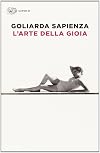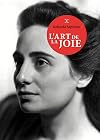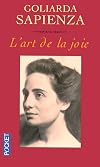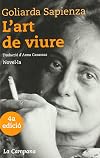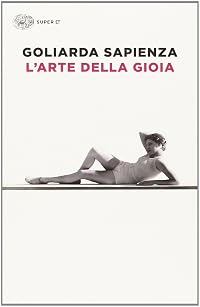
The Art of Joy
by Goliarda Sapienza
On This Page
Description
The tumultuous twentieth century, told through the life of a single extraordinary woman Rejected by a series of publishers, abandoned in a chest for twenty years, Goliarda Sapienza's masterpiece, The Art of Joy, survived a turbulent path to publication. It wasn't until 2005, when it was released in France, that this novel received the recognition it deserves. At last, Sapienza's remarkable book is available in English, in a brilliant translation by Anne Milano Appel and with an illuminating show more introduction by Angelo Pellegrino. The Art of Joy centers on Modesta, a Sicilian woman born on January 1, 1900, whose strength and character are an affront to conventional morality. Impoverished as a child, Modesta believes she is destined for a better life. She is able, through grace and intelligence, to secure marriage to an aristocrat-without compromising her own deeply felt values. Friend, mother, lover-Modesta revels in upsetting the rules of her fascist, patriarchal society. This is the history of the twentieth century, transfigured by the perspective of one extraordinary woman. Sapienza, an intriguing figure in her own right-her father homeschooled her so she wouldn't be exposed to fascist influences-was a respected actress and writer who drew on her own struggles to craft this powerful epic. A fictionalized memoir, a book of romance and adventure, a feminist text, a bildungsroman-this novel is ultimately undefinable but deeply necessary; its genius will leave readers breathless. show lessTags
Recommendations











Member Recommendations
Member Reviews
Il gattopardo e Marianna Ucria si mescolano in questo lungo romanzo che, attraverso uno spaccato della storia contemporanea d'Italia, racconta l'evoluzione di una grande donna e l'involuzione del femminismo di stampo socialista, male di cui soffriamo ancora oggi, perché non abbiamo appreso la lezione di Modesta, vale a dire che parità e uguaglianza non sono la stessa cosa, e il valore dell'innovativa "diversità" femminile.
Il romanzo, anche se ben scritto, in alcuni momenti cede sotto la sua stessa mole, eppure si legge volentieri, soprattutto l'ultima parte, in cui mi riconosco per età e similitudine di scelte con la protagonista.
Il romanzo, anche se ben scritto, in alcuni momenti cede sotto la sua stessa mole, eppure si legge volentieri, soprattutto l'ultima parte, in cui mi riconosco per età e similitudine di scelte con la protagonista.
The Art of Joy is remarkable for its protagonist, Modesta, who is that rare figure in literature: an anti-tragic hero. By that I mean she becomes "eminently good" as an adult and her success in life is largely the result of her own actions and hedonistic philosophy. Heavily plotted in the first 200 pages, the rest of the book settles into a character study, with vivid dialogue framed in intense but disconnected scenes. The landscape of Sicily is a constant, sketchy presence, but description is kept to a minimum and the narrative "glue" of most novels is missing. A strange book that reads more like a final draft than a finished work but is all the more lively because of it.
Received in ebook form from www.netgalley.com
The Art of Joy was written over a nine year span, from 1967 to 1976. This epic Sicilian novel, which begins in the year 1900 and follows its main character, Modesta, through nearly the entire span of the 20th century, is at once a coming-of-age novel, a tale of sexual adventure and discovery, a fictional autobiography, and a sketch of Italy's moral, political and social past. Born in a small Sicilian village and orphaned at age nine, Modesta spends her childhood in a convent raised by nuns.Through sheer cunning, she manages to escape, and eventually becomes a princess
The Art of Joy was written over a nine year span, from 1967 to 1976. This epic Sicilian novel, which begins in the year 1900 and follows its main character, Modesta, through nearly the entire span of the 20th century, is at once a coming-of-age novel, a tale of sexual adventure and discovery, a fictional autobiography, and a sketch of Italy's moral, political and social past. Born in a small Sicilian village and orphaned at age nine, Modesta spends her childhood in a convent raised by nuns.Through sheer cunning, she manages to escape, and eventually becomes a princess
Massive story about Modesta. An orphan. Becomes a princess and lead the family through the century. Interesting. Sometimes loose a bit of focus.
Capolavoro
L’arte della gioia è un romanzo sul quale è difficile scrivere una recensione perché il suo più grande pregio è, a parer mio, anche il suo peggior difetto (anche se, devo ammettere, ce ne fossero di difetti così!).
Goliarda Sapienza, infatti, ha scritto un romanzo popolare incentrato su tematiche femministe che, perlomeno in Italia e per quel che ho potuto constatare negli ultimi anni, di popolare non hanno niente, visto che sembrano sorprendentemente lontane dalla cultura di massa (penso a fiction italiane, programmi televisivi, letteratura d’evasione, e via dicendo).
Sono rimasta molto colpita da questo aspetto: pensavo che avrei letto un romanzo mainstream e invece mi sono ritrovata tra le mani un libro che grondava show more melodramma e ha messo a dura prova la mia sospensione dell’incredulità in più punti. Tuttavia, per quanto questo possa essere stato fastidioso, non ho potuto fare a meno di apprezzare il lavoro di Sapienza, il suo essere riuscita a portare il femminismo in una storia popolare, accessibile e godibile per chiunque.
È assai probabile che, se “trafficate” abitualmente con il femminismo, L’arte della gioia non vi riservi rivelazioni o vi scateni chissà quale riflessioni inedita: anzi, la filosofia della differenza che vi aleggia oggi ci sembra superata. Però non si può fare a meno di tifare per Modesta, anticonvenzionale fin dal nome con un deciso adieu al nomen omen.
Sarebbe bello, per la popolarità e la diffusione che hanno ultimamente, se qualcuno facesse de L’arte della gioia una serie televisiva: è un testo che si presterebbe molto bene a questo tipo di trasposizione e così si riuscirebbe a farlo uscire dalla cerchia molto intellettuale alla quale mi sembra sia stato “condannato”. Spero solo che un’eventuale trasposizione non venga affidata a emittenti dagli eccessi di pudore facili (*cough* Rai *cough*): Modesta oggi sarebbe più scandalosa che mai e di certo non se ne starebbe tremebonda ad aspettare il discorso redentore di Don Matteo... show less
Goliarda Sapienza, infatti, ha scritto un romanzo popolare incentrato su tematiche femministe che, perlomeno in Italia e per quel che ho potuto constatare negli ultimi anni, di popolare non hanno niente, visto che sembrano sorprendentemente lontane dalla cultura di massa (penso a fiction italiane, programmi televisivi, letteratura d’evasione, e via dicendo).
Sono rimasta molto colpita da questo aspetto: pensavo che avrei letto un romanzo mainstream e invece mi sono ritrovata tra le mani un libro che grondava show more melodramma e ha messo a dura prova la mia sospensione dell’incredulità in più punti. Tuttavia, per quanto questo possa essere stato fastidioso, non ho potuto fare a meno di apprezzare il lavoro di Sapienza, il suo essere riuscita a portare il femminismo in una storia popolare, accessibile e godibile per chiunque.
È assai probabile che, se “trafficate” abitualmente con il femminismo, L’arte della gioia non vi riservi rivelazioni o vi scateni chissà quale riflessioni inedita: anzi, la filosofia della differenza che vi aleggia oggi ci sembra superata. Però non si può fare a meno di tifare per Modesta, anticonvenzionale fin dal nome con un deciso adieu al nomen omen.
Sarebbe bello, per la popolarità e la diffusione che hanno ultimamente, se qualcuno facesse de L’arte della gioia una serie televisiva: è un testo che si presterebbe molto bene a questo tipo di trasposizione e così si riuscirebbe a farlo uscire dalla cerchia molto intellettuale alla quale mi sembra sia stato “condannato”. Spero solo che un’eventuale trasposizione non venga affidata a emittenti dagli eccessi di pudore facili (*cough* Rai *cough*): Modesta oggi sarebbe più scandalosa che mai e di certo non se ne starebbe tremebonda ad aspettare il discorso redentore di Don Matteo... show less
Sep 21, 2023Italian
Esta es la historia de una mujer vital e incómoda que desafió la cultura patriarcal, fascista y opresiva de su época. Nació el 1 de enero de 1900 en una casa pobre y en una tierra aún más pobre. Se llamaba Modesta y era siciliana, pero desde el principio su cuerpo y su mente reclamaron para ella una vida más allá de los confines de su aldea y de su condición de mujer ignorante. Cuando aún era una chiquilla, Modesta fue enviada a un convento y de allí al palacio de unos nobles, donde su enorme talento y su inteligencia maquiavélica le permitieron controlar la economía de la casa y convertirse en aristócrata gracias a un matrimonio de conveniencia, y eso sin dejar de seducir a hombres y a mujeres de toda ralea, que serían show more compañeros fieles hasta los últimos días de su vida.
Amiga generosa, madre entregada, amante sensual... En fin, mujer capaz de saltarse con ingenio las reglas del juego de su tiempo para gozar del verdadero placer, Modesta habita las intensas páginas de esta novela y recorre la historia europea del siglo XX con la fuerza que distingue a los grandes personajes de la literatura universal. show less
Amiga generosa, madre entregada, amante sensual... En fin, mujer capaz de saltarse con ingenio las reglas del juego de su tiempo para gozar del verdadero placer, Modesta habita las intensas páginas de esta novela y recorre la historia europea del siglo XX con la fuerza que distingue a los grandes personajes de la literatura universal. show less
Aug 12, 2022Spanish
Members
- Recently Added By
Lists

le donne raccontano
116 works; 1 member

Books Read in 2019
4,052 works; 110 members

Llibres que he llegit el 2023
38 works; 1 member

Lista dei 100 migliori libri italiani degli ultimi 200 anni
100 works; 1 member
Author Information

Some Editions
Awards and Honors
Distinctions
Series
Belongs to Publisher Series
Common Knowledge
- Canonical title
- The Art of Joy
- Original title
- L'arte della gioia
- Original publication date
- 1998
- People/Characters*
- Modesta; Madre Leonora; Gaia Brandiforti; Beatrice Brandiforti (Cavallina); Carmine Tudia; Mattia Tudia (show all 20); Carlo Civardi; Eriprando Brandiforti (Prando); Jacopo Brandiforti; 'Ntoni; Ida Civardi (Bambolina); Carlo Brandiforti (Carluzzu); Stella; Nina; Inès; Ippolito Brandiforti; Pietro; Argentovivo; Joyce; Mimmo
- Important places*
- Catania, Sicilia, Italia; Sicilia, Italia; Italia
- First words*
- Ed eccovi me a quattro, cinque anni in uno spazio fangoso che trascino un pezzo di legno immenso.
- Last words*
- (Click to show. Warning: May contain spoilers.)– Racconta, Modesta, racconta.
- Original language*
- Italiano
*Some information comes from Common Knowledge in other languages. Click "Edit" for more information.
Classifications
- Genres
- General Fiction, Fiction and Literature
- DDC/MDS
- 853.914 — Literature & rhetoric Italian, Romanian & related literatures Italian fiction 1900- 20th Century 1945-1999
- LCC
- PQ4879 .A65 — Language and Literature French, Italian, Spanish and Portuguese literatures Italian literature Individual authors, 1961-2000
- BISAC
Statistics
- Members
- 532
- Popularity
- 56,067
- Reviews
- 15
- Rating
- (3.77)
- Languages
- 9 — Catalan, Dutch, English, Finnish, French, German, Italian, Polish, Spanish
- Media
- Paper, Audiobook, Ebook
- ISBNs
- 30
- ASINs
- 11