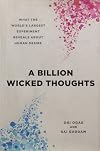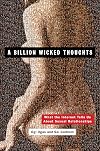
A Billion Wicked Thoughts: What the Internet Tells Us About Sexual Relationships
by Ogi Ogas, Sai Gaddam
On This Page
Description
Two maverick neuroscientists use the world's largest psychology experiment--the Internet--to study the private activities of millions of men and women around the world, unveiling a revolutionary and shocking new vision of human desire that overturns conventional thinking. For his groundbreaking sexual research, Alfred Kinsey and his team interviewed 18,000 people, relying on them to honestly report their most intimate experiences. Using the Internet, the neuroscientists Ogas and Gaddam show more quietly observed the raw sexual behaviors of half a billion people. By combining their observations with neuroscience and animal research, these two young neuroscientists finally answer the long-disputed question: what do people really like? Ogas and Gaddam's findings are transforming the way scientists and therapists think about sexual desire. Their fascinating and occasionally disturbing findings will rock our modern understanding of sexuality, just as Kinsey's reports did sixty years ago.--From publisher description. show lessTags
Recommendations









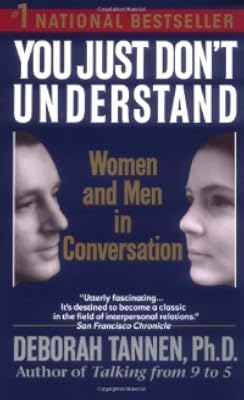


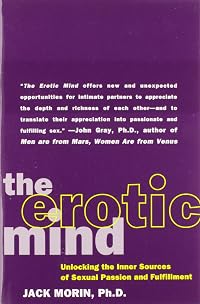
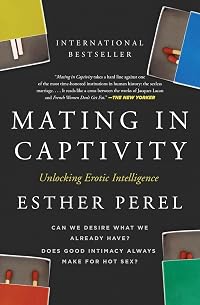
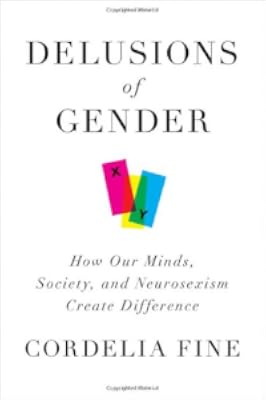


















Member Reviews
Една от най-важните книги на десетилетието. Според мен.
За човешката сексуалност е писано много и ще се пише още повече. Еволюционно програмирани сме да я смятаме за най-важното нещо на света, все пак. Всякакви научни дисциплини се опитват да я описват и обясняват, с по-голяма или по-малък успех. Това, което им липсва (освен факта, че психологията, социологията и антропологията не са науки, а дисциплини) е show more кредабилност на данните.
Сериозно, това е най-големият проблем в изследването на човешката сексуалност - просто няма достатъчно достоверни данни за нея. Поради спецификата на темата, повечето данни са от т.н. self-reporting тип - т.е. питаш хората по въпроса за тяхното сексуално поведение и те ти отговарят, а не ги наблюдаваш пряко. Което, очевидно, води до огромна пропаст между това, което хората правят наистина и това което казват, ако някой ги попита. Този проблем е значителен за всички видове self-reporting данни, но специално за сексуалното поведение, където влиянието на срама, обществените норми, догми и т.н. е много, много голяма, той прави данните много трудно използваеми. Основната борба на изследователите на сексуалността е да се преборят с този проблем - да видят какво правят НАИСТИНА хората, а не какво казват, че правят.
И ето, че екип от трима учени е намерил начин да се сдобие с огромен масив от сурова информация относно сексуалните предпочитания на изключително широк спектър от хора от всякаква нация, пол, сексуалност, етнос, култура и т.н. - нещо почти митично, мечтан и невъзможен идеал във всяка научна дисциплина.
Те просто събират и обработват анонимните трафични данни на голям набор порнографски и еротични сайтове, насочени към мъже и жени, да ни представят темите на повече от 1 млрд потребителски търсения търсения в тях (от там и заглавието) и да направят анализ на търсенията сравнени с типовете потребители. Защото каквото и да се самозалъгваме, каквото и да залъгваме някой анкетьор който ни пита за секса ни, гледаме това порно, което ни харесва, а не това, което ни се иска другите да си мислят, че ни харесва.
Изводите от гигантското изследване са невероятно интересни и заслужават прочитане - дават реален поглед върху сексуалните предпочитания на мъже и жени и ги анализират от еволюционна и културна гледна точка. Освен това някои факти са изключително любопитни и забавни (като например че в Япония на фестивалите на ЛГБТ киното ходят не гей-активисти, а 99% тийнейджърки, за да гледат мъжки гей-романси, което там е много популярно - любителите на аниме знаят че основните потребители на яои и шоунен-аи са момичета дори у нас). Намерете и четете. show less
За човешката сексуалност е писано много и ще се пише още повече. Еволюционно програмирани сме да я смятаме за най-важното нещо на света, все пак. Всякакви научни дисциплини се опитват да я описват и обясняват, с по-голяма или по-малък успех. Това, което им липсва (освен факта, че психологията, социологията и антропологията не са науки, а дисциплини) е show more кредабилност на данните.
Сериозно, това е най-големият проблем в изследването на човешката сексуалност - просто няма достатъчно достоверни данни за нея. Поради спецификата на темата, повечето данни са от т.н. self-reporting тип - т.е. питаш хората по въпроса за тяхното сексуално поведение и те ти отговарят, а не ги наблюдаваш пряко. Което, очевидно, води до огромна пропаст между това, което хората правят наистина и това което казват, ако някой ги попита. Този проблем е значителен за всички видове self-reporting данни, но специално за сексуалното поведение, където влиянието на срама, обществените норми, догми и т.н. е много, много голяма, той прави данните много трудно използваеми. Основната борба на изследователите на сексуалността е да се преборят с този проблем - да видят какво правят НАИСТИНА хората, а не какво казват, че правят.
И ето, че екип от трима учени е намерил начин да се сдобие с огромен масив от сурова информация относно сексуалните предпочитания на изключително широк спектър от хора от всякаква нация, пол, сексуалност, етнос, култура и т.н. - нещо почти митично, мечтан и невъзможен идеал във всяка научна дисциплина.
Те просто събират и обработват анонимните трафични данни на голям набор порнографски и еротични сайтове, насочени към мъже и жени, да ни представят темите на повече от 1 млрд потребителски търсения търсения в тях (от там и заглавието) и да направят анализ на търсенията сравнени с типовете потребители. Защото каквото и да се самозалъгваме, каквото и да залъгваме някой анкетьор който ни пита за секса ни, гледаме това порно, което ни харесва, а не това, което ни се иска другите да си мислят, че ни харесва.
Изводите от гигантското изследване са невероятно интересни и заслужават прочитане - дават реален поглед върху сексуалните предпочитания на мъже и жени и ги анализират от еволюционна и културна гледна точка. Освен това някои факти са изключително любопитни и забавни (като например че в Япония на фестивалите на ЛГБТ киното ходят не гей-активисти, а 99% тийнейджърки, за да гледат мъжки гей-романси, което там е много популярно - любителите на аниме знаят че основните потребители на яои и шоунен-аи са момичета дори у нас). Намерете и четете. show less
I found this book entertaining but limited. The authors failed to make clear that they were drawing sweeping conclusions from data that originates from anywhere from 28% to 35% of the world population (2 billion to 2.5 billion out of 7 billiion, very roughly), not to mention the bias of assuming a technology that's barely twenty years old will reveal the inner workings of the human psyche.
The use of the internet to gather stats and to give an idea of trends is a brilliant idea - and one that should be considered more by sociologists and psychologists alike - but with the rigor those disciplines demand, something quite missing from this book. The authors engage in observation only and then draw conclusions: a very dangerous thing to do show more as patterns will emerge in any large sample - without a solid framework from the get-go, the data that results is nothin gbut a dangerous inference based on the very biased views of the authors. The hint of evolutionary psychology that permeated the text is also rather irritating given the inability for the authors to back this unspoken claim up in any way (probably because it simply doesn't stand up to any reasonable scientific scrutiny, as others have found).
An interesting but dangerous read: for someone versed in sexuality and, to some degree, psychology and sociology, it's an entertaining and interesting look at what could be achieved using the vast data of the internet. For anyone unread in the above, though, I think it portrays a dangerously simple view of human sexuality and the myth of 'biology', a myth that is destructive as much as it is ludicrous. show less
The use of the internet to gather stats and to give an idea of trends is a brilliant idea - and one that should be considered more by sociologists and psychologists alike - but with the rigor those disciplines demand, something quite missing from this book. The authors engage in observation only and then draw conclusions: a very dangerous thing to do show more as patterns will emerge in any large sample - without a solid framework from the get-go, the data that results is nothin gbut a dangerous inference based on the very biased views of the authors. The hint of evolutionary psychology that permeated the text is also rather irritating given the inability for the authors to back this unspoken claim up in any way (probably because it simply doesn't stand up to any reasonable scientific scrutiny, as others have found).
An interesting but dangerous read: for someone versed in sexuality and, to some degree, psychology and sociology, it's an entertaining and interesting look at what could be achieved using the vast data of the internet. For anyone unread in the above, though, I think it portrays a dangerously simple view of human sexuality and the myth of 'biology', a myth that is destructive as much as it is ludicrous. show less
Review haiku:
Men like naked girls
Women like sexy stories
And I liked this book
This book was, apparently, pretty polarizing. I was reading it as a cultural artifact, not a sweeping treatise on the Truth of Human Sexuality (read "Sex at Dawn" for that), so I just found it light and entertaining. It really only looks at heterosexuality, and really only that in the US, and really only that of computer owners, and really only that of people who use search engines to find their porn. But that's no more limiting than any other "scientific" study, so I don't really fault if for that. I DO wish the authors had been more at ease with admitting those limitations, however.
Men like naked girls
Women like sexy stories
And I liked this book
This book was, apparently, pretty polarizing. I was reading it as a cultural artifact, not a sweeping treatise on the Truth of Human Sexuality (read "Sex at Dawn" for that), so I just found it light and entertaining. It really only looks at heterosexuality, and really only that in the US, and really only that of computer owners, and really only that of people who use search engines to find their porn. But that's no more limiting than any other "scientific" study, so I don't really fault if for that. I DO wish the authors had been more at ease with admitting those limitations, however.
An interesting look at how the internet has opened up a window into the truth about what humans actually desire sexually. Strong differences between men and women indicate what you've always expected - men seek visual stimulation, woman mental. But also something else you might not have - there is no difference at all between straight and gay men in what "turns them on," except in that the subject of the desire is male rather than female. Lots of graphic descriptions, might want to keep this away from the kiddies or the in-laws.
I found this book surprisingly interesting and informative despite being somewhat skeptical about what it could reveal. I don't recall exactly what their sourcing was for the information but the analysis was thorough and extensive.
They look at all aspects of what and why people are looking at and into concerning Internet porn. It is heavily weighed between male and female as well as gay and straight. And of course those in between. There are some surprising conclusions and some not so surprising. I learned a lot and discovered aspects I was totally unaware of. A good read that lets us look through the keyhole of what others are doing, certainly not us, of course.
They look at all aspects of what and why people are looking at and into concerning Internet porn. It is heavily weighed between male and female as well as gay and straight. And of course those in between. There are some surprising conclusions and some not so surprising. I learned a lot and discovered aspects I was totally unaware of. A good read that lets us look through the keyhole of what others are doing, certainly not us, of course.
They overstate their case, but this fascinating sociological, deep data study sheds a salient light on a dynamic we know all too well. Somewhat flawed, but nevertheless recommended.
I picked this book up from the library out of idle curiosity, and found it much more interesting and informative than I thought. Of course, I didn't realize realize how much this book had to do with pornography, so at first I was a bit put off. However, the author very succinctly details how pornography on the internet exemplifies the differences between what men and women want, and breaks it down into "cues"--that is, very specific things, or combinations of things, that turn people on. There are a lot more parallels between the images men look at online, and romance novels than you might ever have guessed.
I came away from this book with a much better understanding of my own sexuality and cues, and a good insight into what's probably show more going on in my fiancees. show less
I came away from this book with a much better understanding of my own sexuality and cues, and a good insight into what's probably show more going on in my fiancees. show less
Members
- Recently Added By
Lists

The Joe Rogan Experience Library
254 works; 3 members
Author Information

6+ Works 804 Members
2+ Works 350 Members
All Editions
Some Editions
Work Relationships
Has as a reference guide/companion
Common Knowledge
- Canonical title*
- Klick! Mich! An!: Der große Online-Sex-Report
- Original title
- A Billion Wicked Thoughts: What the World's Largest Experiment Reveals about Human Desire
- Original publication date
- 2011
- Blurbers
- Henig, Robin Marantz; Bailey, J. Michael; Pinker, Steven; Levitin, Daniel J.; Symons, Donald; Buss, David M. (show all 9); Baumeister, Roy; LeVay, Simon; Vasey, Paul
*Some information comes from Common Knowledge in other languages. Click "Edit" for more information.
Classifications
- Genres
- Nonfiction, General Nonfiction, Science & Nature, Technology, Sexuality and Gender Studies
- DDC/MDS
- 306.701 — Society, government, & culture Social sciences, sociology & anthropology Social Behavior - Dating, Marriage, Divorce Sexual relations Philosophy And Psychology
- LCC
- HQ21 .O33 — Social sciences The family. Marriage, Women and Sexuality The Family. Marriage. Women Sexual life Sexual behavior and attitudes. Sexuality
- BISAC
Statistics
- Members
- 349
- Popularity
- 90,241
- Reviews
- 11
- Rating
- (3.48)
- Languages
- English, German
- Media
- Paper, Audiobook, Ebook
- ISBNs
- 8
- ASINs
- 3