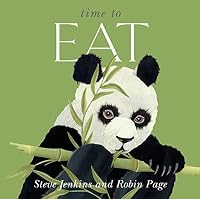
Time to Eat
by Steve Jenkins, Robin Page
On This Page
Description
Provides an introduction to what animals eat and how they collect, store, and digest their food.Tags
Recommendations



Member Reviews
Time to eat by Steve Jenkins and Robin Page
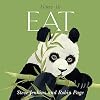
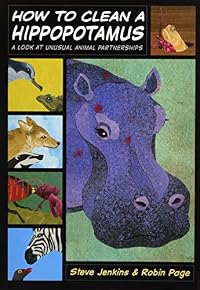
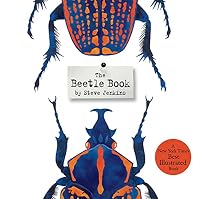
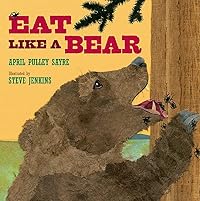
Steve Jenkins and Robin Page have produced another excellent nonfiction book with their trademark paper collage illustrations. This small book, 8x8, is one of a set of three, Time to Eat, Time to Sleep, and Time for a Bath. Time to Eat has three threads of text; short, bold exclamatory sentences “Not shoots and leaves again!” and a simple sentence or brief paragraph about the animal, “The giant panda chews on bamboo shoots for twelve hours a day.” The book has a simple introduction about the variety in animal diets and despite its small size features a surprising number of animals, including a chipmunk, toad, anaconda, pelican, blue whale, dung beetle, ostrich, and more. The book ends show more with a pictorial list of all the animals and further information on each one.
Verdict: Like most of Jenkins and Page’s work, this is a great nonfiction read-aloud for young children and an informative book for older readers. I would especially recommend buying and reading all three books together in this trilogy.
ISBN: 978-0547250328; Published March 2011 by Houghton Mifflin; Borrowed from the library; Purchased for the library show less
Steve Jenkins and Robin Page have produced another excellent nonfiction book with their trademark paper collage illustrations. This small book, 8x8, is one of a set of three, Time to Eat, Time to Sleep, and Time for a Bath. Time to Eat has three threads of text; short, bold exclamatory sentences “Not shoots and leaves again!” and a simple sentence or brief paragraph about the animal, “The giant panda chews on bamboo shoots for twelve hours a day.” The book has a simple introduction about the variety in animal diets and despite its small size features a surprising number of animals, including a chipmunk, toad, anaconda, pelican, blue whale, dung beetle, ostrich, and more. The book ends show more with a pictorial list of all the animals and further information on each one.
Verdict: Like most of Jenkins and Page’s work, this is a great nonfiction read-aloud for young children and an informative book for older readers. I would especially recommend buying and reading all three books together in this trilogy.
ISBN: 978-0547250328; Published March 2011 by Houghton Mifflin; Borrowed from the library; Purchased for the library show less
What is so nice about this book is, its vast white space on each page. It allows for each animal to be spotted in action easily. It's the perfect blend of fact and pictures. It's simple enough for it to appeal to the younger audience but has enough information for older children to want to do a mini research paper on.
Workmanlike and insufficient. Even the youngest children deserve more than this simple list... no patterns of animal families or geographical regions, no bibliography, nothing to help a learner master the material or be inspired to find something more.
I especially don't like the ostrich page that implies that "This bird" and only this bird has no teeth and eats rocks to store in a "chamber." Why not use the word gizzard right there? It's an awesome word and very much worth learning.
I especially don't like the ostrich page that implies that "This bird" and only this bird has no teeth and eats rocks to store in a "chamber." Why not use the word gizzard right there? It's an awesome word and very much worth learning.
OH my this is gross but perfect for the students that like the yucky descriptions of what these types of animals and insects eat. I got grossed out but it would be a fun read and very informational. My least favorite was the Crucific Toad--eew and the further explaination in the back of the book is great for learning more.
The pages use a lot of white space, and some illustrations draw the eye from one page to the next. The text is nicely integrated sometimes in a contrasting sidebar, sometimes following the contours of the figure in an illustration, sometimes in a well-shaped short paragraph. On many pages, the amount of text is similar to the size of the main part of the illustration. The illustrations really show just what the text emphasizes. Not much is told about each animal, but it stays on the theme of food, and in many cases relates it to human sizes or food. At the end of the book are several pages with a small picture of each animal, and some more information about them, beyond their eating habits. This is a nice tool for exercising the memory show more of the reader.
The illustrations are very recognizable, but do not make any attempt to be photorealistic. The colors are reduced to fewer than in the natural world, and sometimes elements of collage add interest. In fact, the text is just a collage of a few facts about each animal as well. I think the simple text and simple illustrations suit each other well for a quick and interesting read.
This book could be used to discuss the reader's favorite animals, whether in this book or not. Do they know what those animals eat? How does what animals eat relate to what people eat? Do individual animals like some foods and not others? If the readers have pets, they can talk about the eating habits of their pets. Why do animals eat different things than people? show less
The illustrations are very recognizable, but do not make any attempt to be photorealistic. The colors are reduced to fewer than in the natural world, and sometimes elements of collage add interest. In fact, the text is just a collage of a few facts about each animal as well. I think the simple text and simple illustrations suit each other well for a quick and interesting read.
This book could be used to discuss the reader's favorite animals, whether in this book or not. Do they know what those animals eat? How does what animals eat relate to what people eat? Do individual animals like some foods and not others? If the readers have pets, they can talk about the eating habits of their pets. Why do animals eat different things than people? show less
I loved this picture book and the simple message. My daughter begs me to read it over and over (she is only 2).
This is a great little book for kids to learn some interesting facts about how some animals eat. The illustrations are visually appealing and unique looking with designs of torn and cut paper collage which makes them interesting for kids to look at rather than just a photograph. There is also a nice little index in the back that expands on some information about each animal which is a great way to give kids a little more information that might spark their curiosity about a specific animal enough to do some more research.
Members
- Recently Added By
Author Information

75+ Works 21,314 Members

26+ Works 7,012 Members
Awards and Honors
Awards
Classifications
Statistics
- Members
- 164
- Popularity
- 199,033
- Reviews
- 32
- Rating
- (4.25)
- Languages
- English, French
- Media
- Paper, Ebook
- ISBNs
- 6
- ASINs
- 1