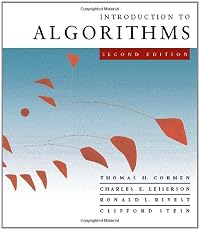
Introduction to Algorithms
by Thomas H. Cormen, Charles E. Leiserson (Author), Ronald L. Rivest (Author), Clifford Stein
On This Page
Description
This edition has been revised and updated throughout. It includes some new chapters. It features improved treatment of dynamic programming and greedy algorithms as well as a new notion of edge-based flow in the material on flow networks.--[book cover].Tags
Recommendations


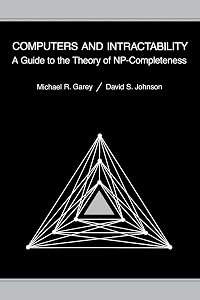
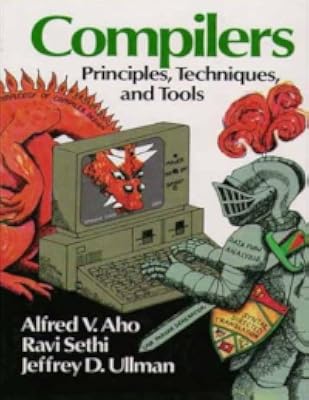
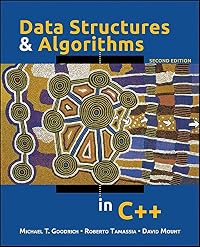
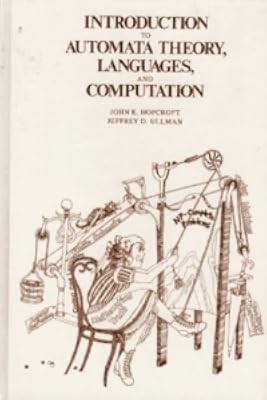


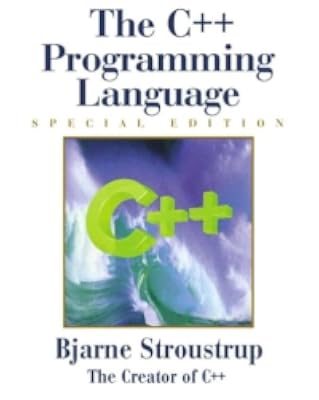
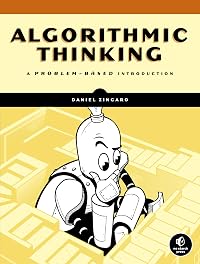
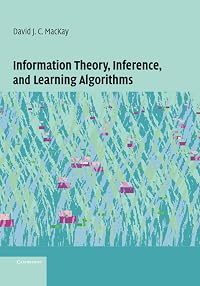
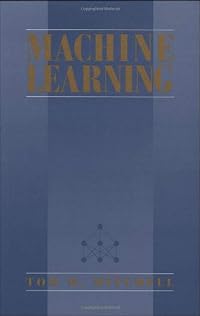
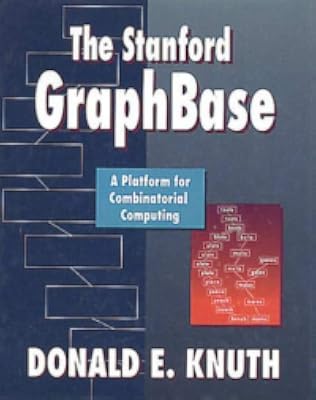
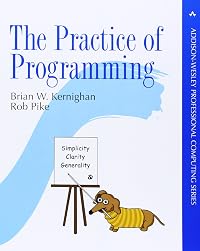
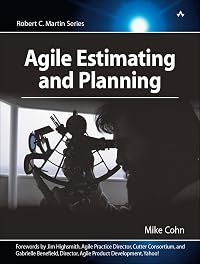
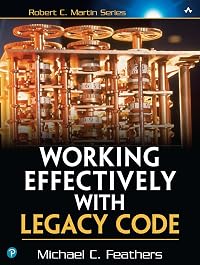
Member Recommendations
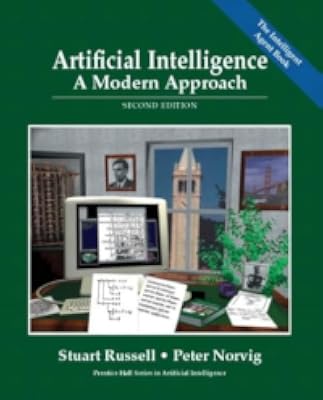
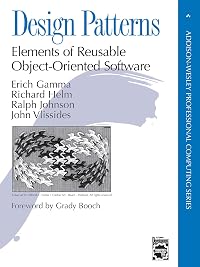
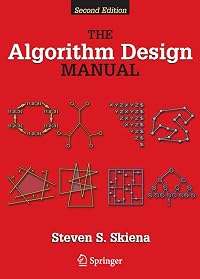
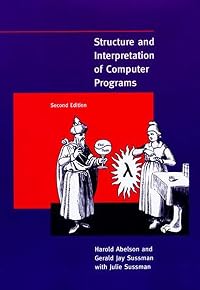
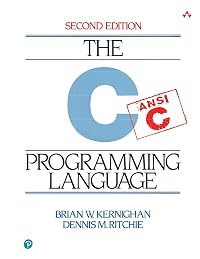
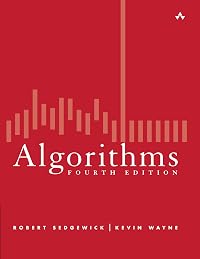
billmcn The other definitive algorithms textbook, though I like Cormen better because it's shorter and more accessible.
Member Reviews
Normally I wouldn't review a textbook, but reading this one is enjoyable.
It's one of the very best textbooks I've ever used. Unbelievably well written. Well organized. Great examples and pictures. Clearly explained proofs. It is easy to read and learn from. I'm surprised I was able to get an already-used copy of this book; I'll be keeping mine for a very long time.
It's one of the very best textbooks I've ever used. Unbelievably well written. Well organized. Great examples and pictures. Clearly explained proofs. It is easy to read and learn from. I'm surprised I was able to get an already-used copy of this book; I'll be keeping mine for a very long time.
This is a sizeable book that provides an in-depth view of many algorithms. I liked how the authors approached the concept of Big-O and other notations. It helped me understand that better. The math used throughout the book is quite detailed and rigorous.
The size of the book becomes its drawback as well. I felt some parts of the book could have been cut short to get to the point quickly, but that doesn't alter my high-opinion about it.
The size of the book becomes its drawback as well. I felt some parts of the book could have been cut short to get to the point quickly, but that doesn't alter my high-opinion about it.
apparently the second most cited computer science book, and for good reason. (no, i don't know the top most cited, and no, its not knuth). but, what a vast and exciting array of pseudocode, algorithms, and their data structures! good largley for being rich and dense, but readable. doesn't waste space over explaining, but should be sufficient for most anyone with a active interest.
an interesting feature, with respect to the exercises and especially problems for each chapter, is that i think cormen subscribes to a methodology where the solution to a problem should often require information or intuition not found in the chapter, nor even necessarily in the preceding chapters. you find yourself driving towards solutions that are used in show more later sections, or revisiting old problems once you find a better solution later on.
and, of course, cormen is here at dartmouth. one should probably always have a copy handy when writing code. show less
an interesting feature, with respect to the exercises and especially problems for each chapter, is that i think cormen subscribes to a methodology where the solution to a problem should often require information or intuition not found in the chapter, nor even necessarily in the preceding chapters. you find yourself driving towards solutions that are used in show more later sections, or revisiting old problems once you find a better solution later on.
and, of course, cormen is here at dartmouth. one should probably always have a copy handy when writing code. show less
This is the canonical source for many algorithm developers and learners. The existing algorithms are presented in a unique manner, in simple style and to the point and history behind the discovery of those are explained. This is text book which need rigorous study (a couple of times).
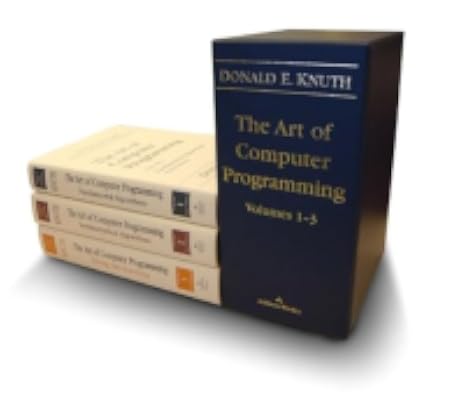
The definitive graduate or upper-level undergraduate computer science textbook. This is the place to go to learn basic algorithms, data structures, proofs of correctness, and big-O notation. I prefer it to Knuth's three-volume opus, because it's shorter and doesn't get bogged down in the details of an artificial assembly language.
Cormen et al. also makes for a fine self-study guide. If you're reading it on your own, check out the MIT Open Course Introduction to Algorithms class, which has a full set of online lectures and problem sets based on this book.
Cormen et al. also makes for a fine self-study guide. If you're reading it on your own, check out the MIT Open Course Introduction to Algorithms class, which has a full set of online lectures and problem sets based on this book.
This book is like an encyclopedia of algorithms. The algorithms are presented with pseudo code so it doesn’t matter what your favorite programming language is. A very rigorous mathematical approach is used for the analysis of for instance performance.
Members
- Recently Added By
Lists

Dan Luu's Programming book list
46 works; 1 member

The r/AskScience Reading List
159 works; 3 members
Author Information

7 Works 3,226 Members
Thomas H. Cormen received a Ph. D. from MIT in 1992. He is an associate professor at Dartmouth College. Cormen is one of the authors of Introduction to Algorithms. (Bowker Author Biography)


2 Works 3,006 Members
Series
Belongs to Publisher Series
Common Knowledge
- Canonical title
- Introduction to Algorithms
- Alternate titles
- CLRS; CLR
- Original publication date
- 1990-06
- First words
- What are algorithms?
- Canonical DDC/MDS
- 005.1
Classifications
- Genres
- Technology, Nonfiction, General Nonfiction
- DDC/MDS
- 005.1 — Computer science, information & general works Computer science, knowledge & systems Artificial Intelligence/Virtual Reality Software development
- LCC
- QA76.6 .C662 — Science Mathematics Mathematics Instruments and machines Calculating machines Electronic computers. Computer science
- BISAC
Statistics
- Members
- 3,000
- Popularity
- 5,984
- Reviews
- 8
- Rating
- (4.30)
- Languages
- 11 — English, French, German, Greek, Hungarian, Italian, Korean, Polish, Portuguese, Romanian, Russian
- Media
- Paper, Ebook
- ISBNs
- 51
- ASINs
- 9