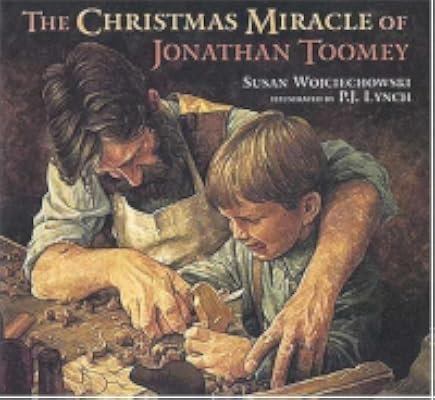
The Christmas Miracle of Jonathan Toomey
by Susan Wojciechowski
On This Page
Description
The widow McDowell and her seven-year-old son Thomas ask the gruff Jonathan Toomey, the best wood-carver in the valley, to carve the figures for a Christmas creche.Tags
Recommendations





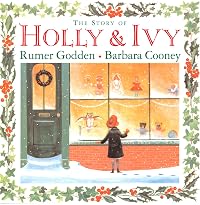
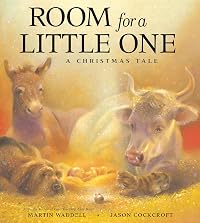
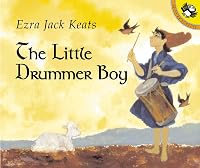
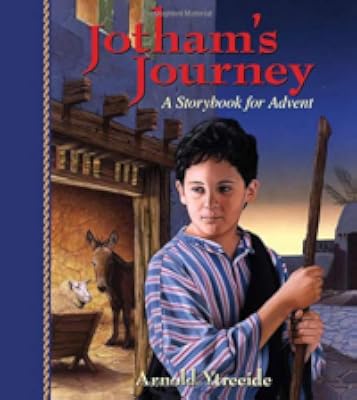



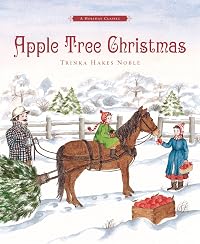
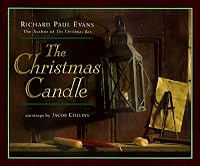

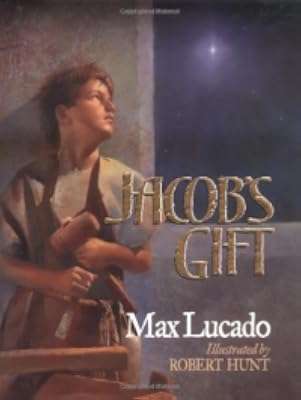







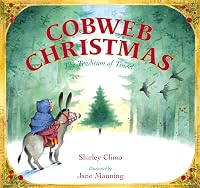



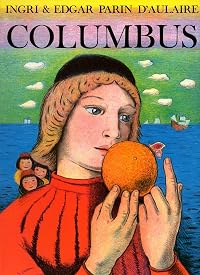
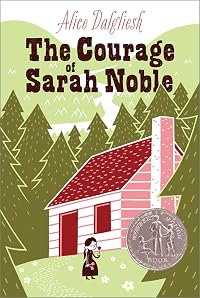

Member Recommendations

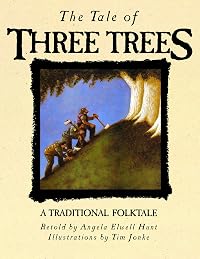
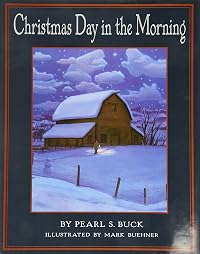
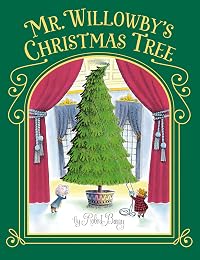
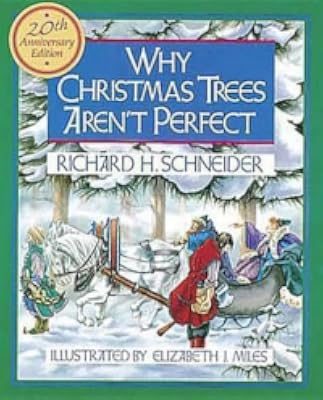
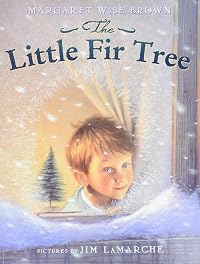
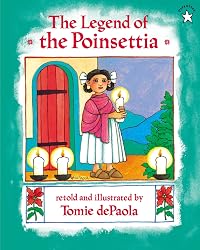
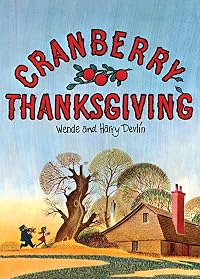
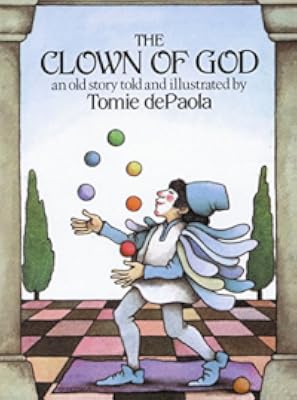
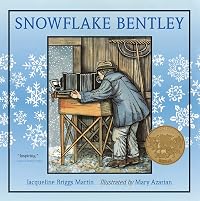
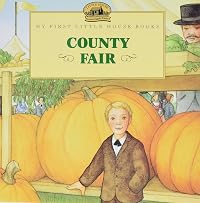
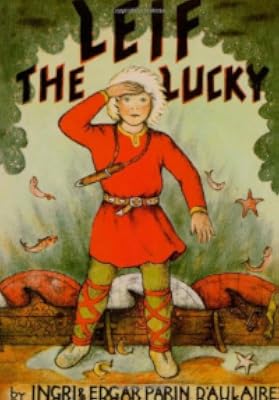
Yervant Being illustrated in similar styles, both books have storylines that seek to create an awareness of the deeper meanings of Christmas.
Member Reviews
Known as "Mr. Gloomy" in his small New England village, woodcarver Jonathan Toomey was a man who had no time for conversation, and no tolerance for the games of children. Enveloped in sorrow, at the death of his wife and son some years before, he had withdrawn from the world, devoting himself to work, and avoiding all human contact. And then one wintry day, the Widow McDowell and her young son, Thomas, knocked at his door, and commissioned a wooden crèche for Christmas. Slowly working their way into his life - Thomas asks to watch him work, having an ambition to become a woodcarver himself, one day - mother and son create a miracle. Just as another mother and son did, so many years before...
The Christmas Miracle of Jonathan Toomey is show more one of those books that's been "on my radar" since it was first published, back in 1995, when I was working in the children's section of a large bookstore. But somehow, despite finding the cover immensely attractive, and being curious about the story, I never happened to pick it up. How glad I am that, prompted by the recommendation of a goodreads friend (thanks, Kathryn!), I finally did! A heartwarming story, satisfyingly emotional, without veering too far into the saccharine or sentimental, is joined to gorgeous watercolor artwork that perfectly captures the world being depicted. The reader feels as if she were right there, in that New England workshop with Jonathan - a note about location: although it is never specified in the text, the dust-jacket blurb about the artist mentions that he traveled to Vermont's Shelburne Museum, to study the early American artifacts to be found therein - and feels as one with the characters, both in loneliness and joy. The parallel between the miracle that reawakens the heart of Jonathan Toomey, and the larger miracle of the Christmas season, just adds depth to this wonderful book, which I highly recommend to anyone in the market for Christmas tales! show less
The Christmas Miracle of Jonathan Toomey is show more one of those books that's been "on my radar" since it was first published, back in 1995, when I was working in the children's section of a large bookstore. But somehow, despite finding the cover immensely attractive, and being curious about the story, I never happened to pick it up. How glad I am that, prompted by the recommendation of a goodreads friend (thanks, Kathryn!), I finally did! A heartwarming story, satisfyingly emotional, without veering too far into the saccharine or sentimental, is joined to gorgeous watercolor artwork that perfectly captures the world being depicted. The reader feels as if she were right there, in that New England workshop with Jonathan - a note about location: although it is never specified in the text, the dust-jacket blurb about the artist mentions that he traveled to Vermont's Shelburne Museum, to study the early American artifacts to be found therein - and feels as one with the characters, both in loneliness and joy. The parallel between the miracle that reawakens the heart of Jonathan Toomey, and the larger miracle of the Christmas season, just adds depth to this wonderful book, which I highly recommend to anyone in the market for Christmas tales! show less
This is beautifully illustrated book accompanied by a heart-felt story of a man who is a master carver. Jonathan lost his wife and child and is a sad, and angry man. When the widow McDowell and her son, Thomas, knock on his door on his door, he is skeptical.
She had a beautiful creche with lovely figures, but now it is lost. She requests that he carve new figures by Christmas Day. Her son is very interested in how he carves, and is allowed to watch the process.
As the figures are carved, Thomas requests they are more soulful and dressed with their best robes because it is an honor to be a part of this special birth.
In the end, as Jonathan accompanies them to the Christmas service, the boy and his mother become friends with Jonathan Toomey show more and the reader is left believing their relationship will solidify over time. show less
She had a beautiful creche with lovely figures, but now it is lost. She requests that he carve new figures by Christmas Day. Her son is very interested in how he carves, and is allowed to watch the process.
As the figures are carved, Thomas requests they are more soulful and dressed with their best robes because it is an honor to be a part of this special birth.
In the end, as Jonathan accompanies them to the Christmas service, the boy and his mother become friends with Jonathan Toomey show more and the reader is left believing their relationship will solidify over time. show less
Not nearly as saccharine as I feared. I'm definitely glad I read it. The people feel authentic, and the story plausible. Well-told. Recommended.
'The Christmas Miracle of Jonathan Toomey' has been awarded the following acclaim and recognition:
ALA Notable Book of the Year; Parents' Choice Honor Book ; IRA Teachers' Choice Award; Kate Greenaway Medal; Christopher Medal for Excellence in Children's Books; New York Times Book Review for Editor's Choice; American Booksellers' Pick of the Lists; and the PaLA Carolyn W. Field Medal.
Jonathan Toomey is a woodcarver with a reputation as the "best woodcarver in the whole valley." However, he is also infamous for being extremely miserable and anti-social; the children in town refer to him as "Mr. Gloomy." Unbeknownst to everybody who is familiar with him, Mr. Toomey used to be a man full of happiness until his wife and baby became sick and show more died. For a long time since, he "travelled until his tears stopped" and eventually settled down in a tiny house at the edge of a village, where he spent his lonely days and nights absorbed in his craft and staring sombrely into the fireplace. But one year, close to the holidays, he is called upon by the widow McDowell and her young son Thomas, who have a very important Christmas request for him- a crèche that the widow's grandfather had carved for her as a little girl, which she recently lost. At first Mr. Toomey's heart is not wholly in this special assignment, nor does he particularly welcome the continuous company of a inquisitive, affable Thomas who hopes to learn to be a great woodcarver like him. But as the kind visits of Widow McDowell and Thomas become a kind of tradition while he works, as does Thomas's innocent, yet meaningful critique of the recreation of their family keepsake, Mr. Toomey comes to experience something he never dreamt he would again.
This is one of the most endearing and heart-warming Christmas stories both children and parents will ever read. The change that gradually takes place in Mr. Toomey, as he warms up to their company, is extremely evident through the author's use of understatement; for example, each time he hears the door knock, he will perform some subtle yet significant action such as brushing the crumbs and wood shavings from his beard before answering, or smoothing down his hair, and the last time they come to call, he is described as jumping up to answer the door- a remarkable contrast to his initial bout of grumping and muttering to himself. He goes from responding to Thomas with incoherent grunts and cold cynicalness, to openly seeking to meet the boy's expectations with each figure he attempts to replicate. Perhaps the most powerful turning-point in the story is when, despite a brief protest, Mr. Toomey takes time from his tight schedule to honor Thomas's request to give him carving lessons; he even goes so far as to guide his inexperienced hand along the way. No dialogue is present during this scene; rather both the text and illustration give a satisfying demonstration of Mr. Toomey's evident patience and Thomas's desire to please Mr. Toomey and make him proud. This act of bonding leads up to a token of friendship and gratitude from his protégé in the simple form of a roughly-carved robin, which he fondly places in the center of his mantle that very Christmas Eve.
The artwork and text simply go together hand-in-hand (much like a wonderful scene on the very last page) to bring the story and characters to life, with stunning depth and attention to detail in this early-American setting. The illustrator is a master at capturing a wide range of emotion in both facial expression and body language. Tone, lighting, and shading are accented brilliantly through usage of soft watercolors, with particular emphasis on images of faces and hands working with great precision in the encouraging glow of the fireside.
Emotional and inspirational, this book leaves us with the message that there may be far more to even the nastiest of folk than what meets the eye, that the key to finding love and happiness exists within sometimes the most unexpected places. One Publisher's Weekly starred review called the book an "elegant, poignant" story about the spiritual reawakening of a bitter man. 'The Christmas Miracle of Jonathan Toomey' has all the gorgeous realism and intensity of a classic picture-book, and will undoubtedly go down in history as a memorable classic to rival such titles as 'The Polar Express.' show less
ALA Notable Book of the Year; Parents' Choice Honor Book ; IRA Teachers' Choice Award; Kate Greenaway Medal; Christopher Medal for Excellence in Children's Books; New York Times Book Review for Editor's Choice; American Booksellers' Pick of the Lists; and the PaLA Carolyn W. Field Medal.
Jonathan Toomey is a woodcarver with a reputation as the "best woodcarver in the whole valley." However, he is also infamous for being extremely miserable and anti-social; the children in town refer to him as "Mr. Gloomy." Unbeknownst to everybody who is familiar with him, Mr. Toomey used to be a man full of happiness until his wife and baby became sick and show more died. For a long time since, he "travelled until his tears stopped" and eventually settled down in a tiny house at the edge of a village, where he spent his lonely days and nights absorbed in his craft and staring sombrely into the fireplace. But one year, close to the holidays, he is called upon by the widow McDowell and her young son Thomas, who have a very important Christmas request for him- a crèche that the widow's grandfather had carved for her as a little girl, which she recently lost. At first Mr. Toomey's heart is not wholly in this special assignment, nor does he particularly welcome the continuous company of a inquisitive, affable Thomas who hopes to learn to be a great woodcarver like him. But as the kind visits of Widow McDowell and Thomas become a kind of tradition while he works, as does Thomas's innocent, yet meaningful critique of the recreation of their family keepsake, Mr. Toomey comes to experience something he never dreamt he would again.
This is one of the most endearing and heart-warming Christmas stories both children and parents will ever read. The change that gradually takes place in Mr. Toomey, as he warms up to their company, is extremely evident through the author's use of understatement; for example, each time he hears the door knock, he will perform some subtle yet significant action such as brushing the crumbs and wood shavings from his beard before answering, or smoothing down his hair, and the last time they come to call, he is described as jumping up to answer the door- a remarkable contrast to his initial bout of grumping and muttering to himself. He goes from responding to Thomas with incoherent grunts and cold cynicalness, to openly seeking to meet the boy's expectations with each figure he attempts to replicate. Perhaps the most powerful turning-point in the story is when, despite a brief protest, Mr. Toomey takes time from his tight schedule to honor Thomas's request to give him carving lessons; he even goes so far as to guide his inexperienced hand along the way. No dialogue is present during this scene; rather both the text and illustration give a satisfying demonstration of Mr. Toomey's evident patience and Thomas's desire to please Mr. Toomey and make him proud. This act of bonding leads up to a token of friendship and gratitude from his protégé in the simple form of a roughly-carved robin, which he fondly places in the center of his mantle that very Christmas Eve.
The artwork and text simply go together hand-in-hand (much like a wonderful scene on the very last page) to bring the story and characters to life, with stunning depth and attention to detail in this early-American setting. The illustrator is a master at capturing a wide range of emotion in both facial expression and body language. Tone, lighting, and shading are accented brilliantly through usage of soft watercolors, with particular emphasis on images of faces and hands working with great precision in the encouraging glow of the fireside.
Emotional and inspirational, this book leaves us with the message that there may be far more to even the nastiest of folk than what meets the eye, that the key to finding love and happiness exists within sometimes the most unexpected places. One Publisher's Weekly starred review called the book an "elegant, poignant" story about the spiritual reawakening of a bitter man. 'The Christmas Miracle of Jonathan Toomey' has all the gorgeous realism and intensity of a classic picture-book, and will undoubtedly go down in history as a memorable classic to rival such titles as 'The Polar Express.' show less
Jonathan Toomey is the best woodcarver in the valley, but he is always alone and never smiles. No one knows about the mementos of his lost wife and child that he keeps in an unopened drawer. But one early winter's day, a widow and her young son approach him with a gentle request that leads to a joyful miracle.
The Christmas Miracle of Jonathan Toomey features incredible illustrations that add to the warm tone of the story. The repetitive actions of the three main characters stand out in this story and emphasize the subtle changes in Jonathan's demeanor over time. Many children cannot relate to the heartbreak of Jonathan Toomey, but they can easily find themselves in the shoes of fidgeting, talkative Thomas. His eagerness and the widow McDowell's kindness are a believable cause for Jonathan's transition from being Mr. Gloomy to Mr. Toomey.
I liked the book The Christmas Miracle of Jonathan Toomey for three reasons. First, I liked the language. The language used throughout the story was full of descriptive words that followed a rhyming pattern. For example, “He went about mumbling and grumbling, muttering and sputtering, grumping and griping.” This style of writing captures the reader and draws them in using its rhyming technique. Second, I liked the illustrations of the story. Each illustration took up an entire page and included vivid, detailed images of the storyline being described. For example, one illustration was of the main character, Mr. Toomey, sitting on his chair staring outside of the window. The details included in the illustration captured the gloom and show more sorrow on Mr. Toomey’s face and the wear on his hands from the woodcarvings. There was so much detail included in the illustration that there was no need for the text to understand the storyline. Lastly, I enjoyed the writing of the story as it followed an organized and evenly paced flow. For example, at the end of every day, Mr. Toomey would complete the same action of carving the specific type of animal and falling asleep. The writing style remained the same, only with the exception of a few different words emphasizing the importance of Mr. Toomey’s carvings. For example the text states, “That evening, after a supper of corn bread and boiled potatoes, the woodcarver sat down at his bench. He picked up his carving knife. He picked up the sheep. He worked until his eyelids drooped shut.” The big idea of the story is to be kind to everyone we meet as we don’t know the struggles they have faced or are currently dealing with. Although an individual may be angry towards you, it is always better to be a kind person. show less
Members
- Recently Added By
Lists

Christmas Books
370 works; 40 members

Honey For a Child's Heart
1,152 works; 25 members

CCE 1000 Good Books List
1,033 works; 12 members

Under The Chinaberry Tree
194 works; 1 member

Children's Picture Books
188 works; 1 member

Youth: Holidays
56 works; 1 member
Author Information

15+ Works 3,936 Members
All Editions
Some Editions
Awards and Honors
Awards
Distinctions
Notable Lists
Work Relationships
Has the adaptation
Common Knowledge
- Canonical title
- The Christmas Miracle of Jonathan Toomey
- Original title
- The Christmas Miracle of Jonathan Toomey
- Original publication date
- 1995
- People/Characters
- Jonathan Toomey; widow McDowell; Thomas McDowell
- Important events
- Christmas
- Related movies
- The Christmas Miracle of Jonathan Toomey (2007 | IMDb)
- Dedication
- For Joel, with love — S. W.
For Fran and Wordy
With special thanks to Nicole and Nicholas and Jack and the Shelburne Museum, Vermont — P. J. L. - First words
- The village children called him Mr. Gloomy.
- Last words
- (Click to show. Warning: May contain spoilers.)No one ever called him Mr. Gloomy again.
- Original language
- English
- Disambiguation notice
- ISBN 0763678228 is for the book; not the video
Classifications
Statistics
- Members
- 2,655
- Popularity
- 7,033
- Reviews
- 34
- Rating
- (4.43)
- Languages
- English, Russian
- Media
- Paper, Audiobook, Ebook
- ISBNs
- 28
- ASINs
- 11