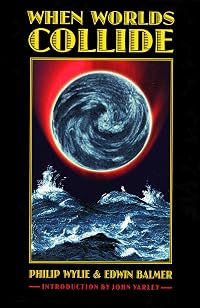
When Worlds Collide & After Worlds Collide
by Philip Wylie, Edwin Balmer
Bronson Beta (Collections and Selections — Omnibus)
On This Page
Description
"A team of scientists work hurriedly to build a spaceship in time to escape the doomed Earth." --Tags
Recommendations

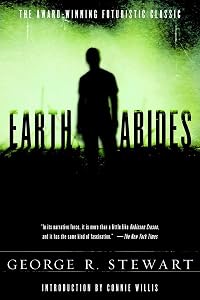


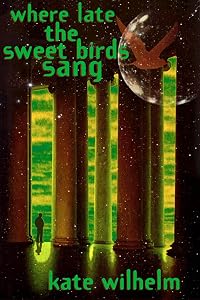
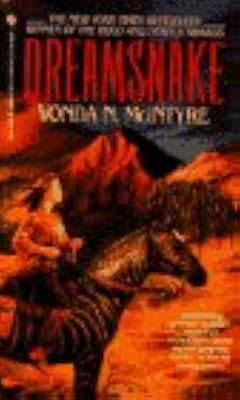
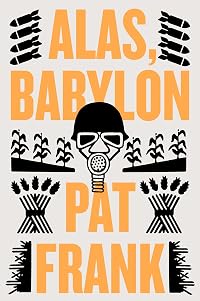


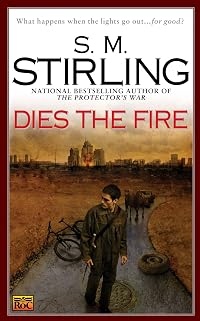

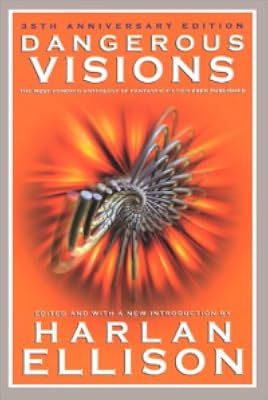
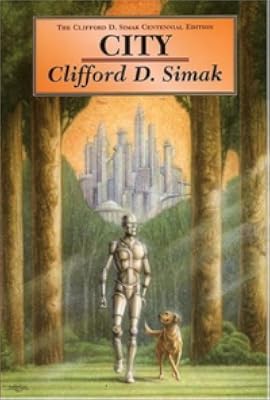
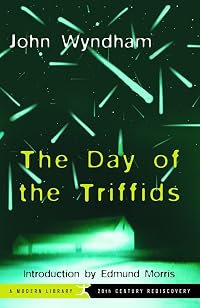




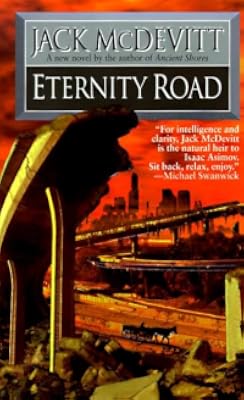


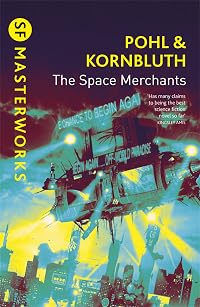


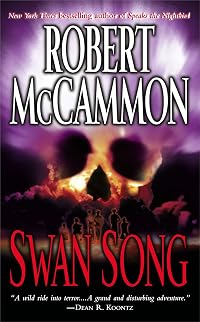

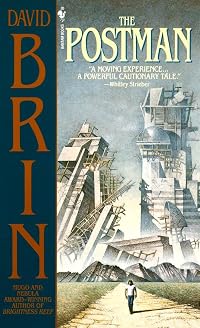
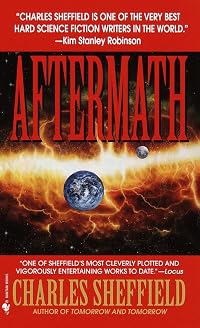


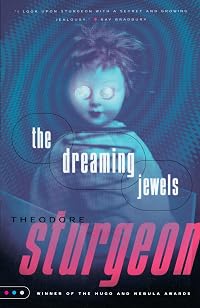
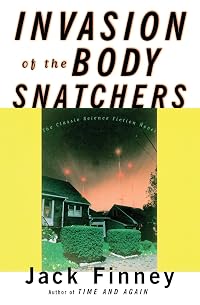
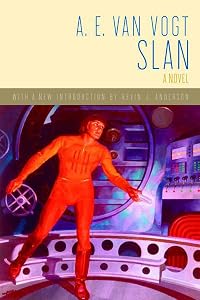

Member Recommendations

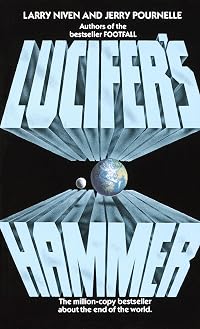
by bertilak
Member Reviews
I probably should have written this review three weeks ago when I actually finished this When Worlds Collide/After Worlds Collide omnibus. But I went on tvtropes.org to see how influential the Worlds Collide series actually was, and I've only just managed to escape.
The summary of my findings is… oh God, I don't remember. I ended up somewhere between an Eldritch Abomination and a face full of alien wing-wong and completely lost track of whatever I read at the start. Oh well, I'll just blag it and hope no one notices.
When Worlds Collide is one of those stories that it's easy to feel like you've read before. The basic plot is that Earth is doomed and the best solution seems to be hopping in a spaceship and fleeing. Echoes of this can be show more found everywhere from Superman through to much more recent science fiction, like Stephen Baxter's [b:Flood|2111634|Flood (Flood, #1)|Stephen Baxter|http://d.gr-assets.com/books/1347366300s/2111634.jpg|2117042]/[b:Ark|2111628|Ark (Flood, #2)|Stephen Baxter|http://d.gr-assets.com/books/1347369559s/2111628.jpg|2117036] series. But tropes and clichés have to start somewhere, and many of these disaster story ones started here.
The novels' age may shield them from accusations of clichédom, but it raises another inevitable problem. They were written in the early 1930s, and they often show their age. Both stories edge uncomfortably close to if not racism then at least lazy stereotypes of non-American nationalities. Moreover, depending on how much you read into it, the attitude to women in the stories is either occasionally cringeworthy or downright sexist. But as with all stories from the past it's worth remembering that they simply reflect the cultural norms of the time. Those norms may be unpalatable these days, but as George Santayana famously put it: “Those who cannot remember the past should pick up and old book now and then and be jolly thankful that the world has moved on.”
Once you've adjusted your mental blinkers to deal with the dated elements of the story, it's quite the romp. Sure, the characters have a disarming tendency to launch into page- if not chapter-long soliloquies about this, that, or the other. But so what? Shakespeare did that all the time and nobody says “Gosh, that Shakespeare! His plays are okay, I guess, but there's just so much talking.” The first of the two stories is definitely the stronger, dealing as it does with the worryingly realistic reaction of mankind to news of its impending doom, and the tale of some heroic scientists who struggle to survive. Obviously at least some of them do survive, otherwise there wouldn't be a sequel.
I found the second story, After Worlds Collide, more interesting for what it sets out to do than the story itself, which is somewhat more lacklustre that its antecedent, and hasn't aged nearly as well (some long dead aliens are deduced to be super-advanced because they had… really smooth roads. And steam powered cars that could do 200mph. Wow.). Think back to your favourite disaster novel or film, be it one where Earth and Earthmen survive the disaster (say [b:Lucifer's Hammer|10431656|Lucifer's Hammer|Larry Niven|http://d.gr-assets.com/books/1297373905s/10431656.jpg|1842237] or 2012) or one where the species has to flee (say [b:Moonseed|1866449|Moonseed|Stephen Baxter|http://d.gr-assets.com/books/1348796298s/1866449.jpg|2117020], where the Moon represents our ultimate sanctuary). And then ask the question that my nephew would ask, if he was born yet and could talk: What happens next? This question is usually either glossed over or given a few pages/minutes in the denouement. A vague feeling of “Hey, we survived! Now let's rebuild society and make it better!” is generally given, and that's your lot. Wylie and Balmer do do this at the end of When Worlds Collide, but they also drop enough tantalising questions to warrant a second part to the adventure. Unfortunately the second adventure feels a whole lot more directionless than the obviously very focussed first one. The characters essentially amble around for a hundred and eighty pages finding out a few things here and there. And then its like the authors got bored so, with a couple of pages to go, they wrap up the book's conflict and everyone lives happily ever after the end.
The blink-and-you-miss-it ending to the duology is a bit of an anti-climax given the enormity of some of the ideas present. But if you want to read tales of cataclysm on a planetary scale then you really shouldn't be starting anywhere else.
--
As a side note, When Worlds Collide features a rather lovely gaffe about half way through. Two planets are heading towards Earth, a huge gas giant called Bronson Alpha and a small rocky planet called Bronson Beta. As they approach they become visible in the night sky. At one point, trying to convey a sense of scale, it is said that the gas giant Alpha is as large in the sky as the sun is during the day, while the smaller one, Beta, is only as big as a full moon. My brain accepted this for a few lines then suddenly caught up with the absurdity of it. I'll let you figure it out too. show less
The summary of my findings is… oh God, I don't remember. I ended up somewhere between an Eldritch Abomination and a face full of alien wing-wong and completely lost track of whatever I read at the start. Oh well, I'll just blag it and hope no one notices.
When Worlds Collide is one of those stories that it's easy to feel like you've read before. The basic plot is that Earth is doomed and the best solution seems to be hopping in a spaceship and fleeing. Echoes of this can be show more found everywhere from Superman through to much more recent science fiction, like Stephen Baxter's [b:Flood|2111634|Flood (Flood, #1)|Stephen Baxter|http://d.gr-assets.com/books/1347366300s/2111634.jpg|2117042]/[b:Ark|2111628|Ark (Flood, #2)|Stephen Baxter|http://d.gr-assets.com/books/1347369559s/2111628.jpg|2117036] series. But tropes and clichés have to start somewhere, and many of these disaster story ones started here.
The novels' age may shield them from accusations of clichédom, but it raises another inevitable problem. They were written in the early 1930s, and they often show their age. Both stories edge uncomfortably close to if not racism then at least lazy stereotypes of non-American nationalities. Moreover, depending on how much you read into it, the attitude to women in the stories is either occasionally cringeworthy or downright sexist. But as with all stories from the past it's worth remembering that they simply reflect the cultural norms of the time. Those norms may be unpalatable these days, but as George Santayana famously put it: “Those who cannot remember the past should pick up and old book now and then and be jolly thankful that the world has moved on.”
Once you've adjusted your mental blinkers to deal with the dated elements of the story, it's quite the romp. Sure, the characters have a disarming tendency to launch into page- if not chapter-long soliloquies about this, that, or the other. But so what? Shakespeare did that all the time and nobody says “Gosh, that Shakespeare! His plays are okay, I guess, but there's just so much talking.” The first of the two stories is definitely the stronger, dealing as it does with the worryingly realistic reaction of mankind to news of its impending doom, and the tale of some heroic scientists who struggle to survive. Obviously at least some of them do survive, otherwise there wouldn't be a sequel.
I found the second story, After Worlds Collide, more interesting for what it sets out to do than the story itself, which is somewhat more lacklustre that its antecedent, and hasn't aged nearly as well (some long dead aliens are deduced to be super-advanced because they had… really smooth roads. And steam powered cars that could do 200mph. Wow.). Think back to your favourite disaster novel or film, be it one where Earth and Earthmen survive the disaster (say [b:Lucifer's Hammer|10431656|Lucifer's Hammer|Larry Niven|http://d.gr-assets.com/books/1297373905s/10431656.jpg|1842237] or 2012) or one where the species has to flee (say [b:Moonseed|1866449|Moonseed|Stephen Baxter|http://d.gr-assets.com/books/1348796298s/1866449.jpg|2117020], where the Moon represents our ultimate sanctuary). And then ask the question that my nephew would ask, if he was born yet and could talk: What happens next? This question is usually either glossed over or given a few pages/minutes in the denouement. A vague feeling of “Hey, we survived! Now let's rebuild society and make it better!” is generally given, and that's your lot. Wylie and Balmer do do this at the end of When Worlds Collide, but they also drop enough tantalising questions to warrant a second part to the adventure. Unfortunately the second adventure feels a whole lot more directionless than the obviously very focussed first one. The characters essentially amble around for a hundred and eighty pages finding out a few things here and there. And then its like the authors got bored so, with a couple of pages to go, they wrap up the book's conflict and everyone lives happily ever after the end.
The blink-and-you-miss-it ending to the duology is a bit of an anti-climax given the enormity of some of the ideas present. But if you want to read tales of cataclysm on a planetary scale then you really shouldn't be starting anywhere else.
--
As a side note, When Worlds Collide features a rather lovely gaffe about half way through. Two planets are heading towards Earth, a huge gas giant called Bronson Alpha and a small rocky planet called Bronson Beta. As they approach they become visible in the night sky. At one point, trying to convey a sense of scale, it is said that the gas giant Alpha is as large in the sky as the sun is during the day, while the smaller one, Beta, is only as big as a full moon. My brain accepted this for a few lines then suddenly caught up with the absurdity of it. I'll let you figure it out too. show less
I probably should have written this review three weeks ago when I actually finished this When Worlds Collide/After Worlds Collide omnibus. But I went on tvtropes.org to see how influential the Worlds Collide series actually was, and I've only just managed to escape.
The summary of my findings is… oh God, I don't remember. I ended up somewhere between an Eldritch Abomination and a face full of alien wing-wong and completely lost track of whatever I read at the start. Oh well, I'll just blag it and hope no one notices.
When Worlds Collide is one of those stories that it's easy to feel like you've read before. The basic plot is that Earth is doomed and the best solution seems to be hopping in a spaceship and fleeing. Echoes of this can be show more found everywhere from Superman through to much more recent science fiction, like Stephen Baxter's [b:Flood|2111634|Flood (Flood, #1)|Stephen Baxter|http://d.gr-assets.com/books/1347366300s/2111634.jpg|2117042]/[b:Ark|2111628|Ark (Flood, #2)|Stephen Baxter|http://d.gr-assets.com/books/1347369559s/2111628.jpg|2117036] series. But tropes and clichés have to start somewhere, and many of these disaster story ones started here.
The novels' age may shield them from accusations of clichédom, but it raises another inevitable problem. They were written in the early 1930s, and they often show their age. Both stories edge uncomfortably close to if not racism then at least lazy stereotypes of non-American nationalities. Moreover, depending on how much you read into it, the attitude to women in the stories is either occasionally cringeworthy or downright sexist. But as with all stories from the past it's worth remembering that they simply reflect the cultural norms of the time. Those norms may be unpalatable these days, but as George Santayana famously put it: “Those who cannot remember the past should pick up and old book now and then and be jolly thankful that the world has moved on.”
Once you've adjusted your mental blinkers to deal with the dated elements of the story, it's quite the romp. Sure, the characters have a disarming tendency to launch into page- if not chapter-long soliloquies about this, that, or the other. But so what? Shakespeare did that all the time and nobody says “Gosh, that Shakespeare! His plays are okay, I guess, but there's just so much talking.” The first of the two stories is definitely the stronger, dealing as it does with the worryingly realistic reaction of mankind to news of its impending doom, and the tale of some heroic scientists who struggle to survive. Obviously at least some of them do survive, otherwise there wouldn't be a sequel.
I found the second story, After Worlds Collide, more interesting for what it sets out to do than the story itself, which is somewhat more lacklustre that its antecedent, and hasn't aged nearly as well (some long dead aliens are deduced to be super-advanced because they had… really smooth roads. And steam powered cars that could do 200mph. Wow.). Think back to your favourite disaster novel or film, be it one where Earth and Earthmen survive the disaster (say [b:Lucifer's Hammer|10431656|Lucifer's Hammer|Larry Niven|http://d.gr-assets.com/books/1297373905s/10431656.jpg|1842237] or 2012) or one where the species has to flee (say [b:Moonseed|1866449|Moonseed|Stephen Baxter|http://d.gr-assets.com/books/1348796298s/1866449.jpg|2117020], where the Moon represents our ultimate sanctuary). And then ask the question that my nephew would ask, if he was born yet and could talk: What happens next? This question is usually either glossed over or given a few pages/minutes in the denouement. A vague feeling of “Hey, we survived! Now let's rebuild society and make it better!” is generally given, and that's your lot. Wylie and Balmer do do this at the end of When Worlds Collide, but they also drop enough tantalising questions to warrant a second part to the adventure. Unfortunately the second adventure feels a whole lot more directionless than the obviously very focussed first one. The characters essentially amble around for a hundred and eighty pages finding out a few things here and there. And then its like the authors got bored so, with a couple of pages to go, they wrap up the book's conflict and everyone lives happily ever after the end.
The blink-and-you-miss-it ending to the duology is a bit of an anti-climax given the enormity of some of the ideas present. But if you want to read tales of cataclysm on a planetary scale then you really shouldn't be starting anywhere else.
--
As a side note, When Worlds Collide features a rather lovely gaffe about half way through. Two planets are heading towards Earth, a huge gas giant called Bronson Alpha and a small rocky planet called Bronson Beta. As they approach they become visible in the night sky. At one point, trying to convey a sense of scale, it is said that the gas giant Alpha is as large in the sky as the sun is during the day, while the smaller one, Beta, is only as big as a full moon. My brain accepted this for a few lines then suddenly caught up with the absurdity of it. I'll let you figure it out too. show less
The summary of my findings is… oh God, I don't remember. I ended up somewhere between an Eldritch Abomination and a face full of alien wing-wong and completely lost track of whatever I read at the start. Oh well, I'll just blag it and hope no one notices.
When Worlds Collide is one of those stories that it's easy to feel like you've read before. The basic plot is that Earth is doomed and the best solution seems to be hopping in a spaceship and fleeing. Echoes of this can be show more found everywhere from Superman through to much more recent science fiction, like Stephen Baxter's [b:Flood|2111634|Flood (Flood, #1)|Stephen Baxter|http://d.gr-assets.com/books/1347366300s/2111634.jpg|2117042]/[b:Ark|2111628|Ark (Flood, #2)|Stephen Baxter|http://d.gr-assets.com/books/1347369559s/2111628.jpg|2117036] series. But tropes and clichés have to start somewhere, and many of these disaster story ones started here.
The novels' age may shield them from accusations of clichédom, but it raises another inevitable problem. They were written in the early 1930s, and they often show their age. Both stories edge uncomfortably close to if not racism then at least lazy stereotypes of non-American nationalities. Moreover, depending on how much you read into it, the attitude to women in the stories is either occasionally cringeworthy or downright sexist. But as with all stories from the past it's worth remembering that they simply reflect the cultural norms of the time. Those norms may be unpalatable these days, but as George Santayana famously put it: “Those who cannot remember the past should pick up and old book now and then and be jolly thankful that the world has moved on.”
Once you've adjusted your mental blinkers to deal with the dated elements of the story, it's quite the romp. Sure, the characters have a disarming tendency to launch into page- if not chapter-long soliloquies about this, that, or the other. But so what? Shakespeare did that all the time and nobody says “Gosh, that Shakespeare! His plays are okay, I guess, but there's just so much talking.” The first of the two stories is definitely the stronger, dealing as it does with the worryingly realistic reaction of mankind to news of its impending doom, and the tale of some heroic scientists who struggle to survive. Obviously at least some of them do survive, otherwise there wouldn't be a sequel.
I found the second story, After Worlds Collide, more interesting for what it sets out to do than the story itself, which is somewhat more lacklustre that its antecedent, and hasn't aged nearly as well (some long dead aliens are deduced to be super-advanced because they had… really smooth roads. And steam powered cars that could do 200mph. Wow.). Think back to your favourite disaster novel or film, be it one where Earth and Earthmen survive the disaster (say [b:Lucifer's Hammer|10431656|Lucifer's Hammer|Larry Niven|http://d.gr-assets.com/books/1297373905s/10431656.jpg|1842237] or 2012) or one where the species has to flee (say [b:Moonseed|1866449|Moonseed|Stephen Baxter|http://d.gr-assets.com/books/1348796298s/1866449.jpg|2117020], where the Moon represents our ultimate sanctuary). And then ask the question that my nephew would ask, if he was born yet and could talk: What happens next? This question is usually either glossed over or given a few pages/minutes in the denouement. A vague feeling of “Hey, we survived! Now let's rebuild society and make it better!” is generally given, and that's your lot. Wylie and Balmer do do this at the end of When Worlds Collide, but they also drop enough tantalising questions to warrant a second part to the adventure. Unfortunately the second adventure feels a whole lot more directionless than the obviously very focussed first one. The characters essentially amble around for a hundred and eighty pages finding out a few things here and there. And then its like the authors got bored so, with a couple of pages to go, they wrap up the book's conflict and everyone lives happily ever after the end.
The blink-and-you-miss-it ending to the duology is a bit of an anti-climax given the enormity of some of the ideas present. But if you want to read tales of cataclysm on a planetary scale then you really shouldn't be starting anywhere else.
--
As a side note, When Worlds Collide features a rather lovely gaffe about half way through. Two planets are heading towards Earth, a huge gas giant called Bronson Alpha and a small rocky planet called Bronson Beta. As they approach they become visible in the night sky. At one point, trying to convey a sense of scale, it is said that the gas giant Alpha is as large in the sky as the sun is during the day, while the smaller one, Beta, is only as big as a full moon. My brain accepted this for a few lines then suddenly caught up with the absurdity of it. I'll let you figure it out too. show less
A lot of the science in this book is antiquated and the story makes sending an ark to another planet seem so much easier than it would really be, while relegating women to resources possessed by the few surviving men. This is the earlier version of the Seveneves story (Neal Stephenson), and while Stephenson's book is probably more realistic, Wylie's book is far more readable. Another modern version of this story, Aurora (Kim Stanley Robinson) falls somewhere in the middle, far more readable than either Wylie's or Stephenson's book, and with better female characters, but the only one in which humanity succeeds at settling on a new world is this classic version. Maybe modern writers have lost their optimism about mankind emerging out into show more space, as they have added in the realistic complications that would be involved with such stories in real life. show less
I read this book back when I was an early teenager and absolutely loved it. So, I thought I would read it again, and was very surprised at how well the novels have stood the test of time.
Sure, it's dated, it was written 80 years ago, and sure a lot of the science is unsound, but it was amazing how many scenes jumped back to me while reading it.
The excitement of the discovery, the possible way out, the handling of the end of times, the discovery of a new world, the technology on the new planet still working. It's written in such a way that the science isn't questioned, and the silly romance only bothers you once in a while, but the ideas patter around in your head long after you're done reading.
Fascinating stuff, and a very fun read. A show more terrific blast from the past..... show less
Sure, it's dated, it was written 80 years ago, and sure a lot of the science is unsound, but it was amazing how many scenes jumped back to me while reading it.
The excitement of the discovery, the possible way out, the handling of the end of times, the discovery of a new world, the technology on the new planet still working. It's written in such a way that the science isn't questioned, and the silly romance only bothers you once in a while, but the ideas patter around in your head long after you're done reading.
Fascinating stuff, and a very fun read. A show more terrific blast from the past..... show less
The first time I remember hearing the name Philip Wylie was when the University of Nebraska put out this wonderful edition of When Worlds Collide (which also contains its sequel, After Worlds Collide). The plot of the book is no doubt well-known by now. Earth finds itself in the path of two rogue planets, one of them on a collision course with Earth. Some scientists believe the other planet might just be hospitable enough to allow human habitation, the problem being how to get from here to there. Though both the language and the science in the book is dated, there's a lot about it that still rings true.
However, the reason I most appreciate this book and this edition is it introduced me to Philip Wylie, and after reading it, I hunted show more down most everything by him I could find. Seemingly almost forgotten today, Wylie was a working writer for more than half a century, who distinguished himself in a number of genres, including science fiction, crime, and social criticism.
Among other things, he wrote the screenplay to the Claude Rains classic, "The Invisible Man." His 1930 novel Gladiator is often credited with inspiring the character of "Superman." His 1934 novel Finnley Wren is a tour de force and an English language masterpiece. Later, during the Cold War, Wylie wrote a number of books featuring a post-nuclear war America, most notably in Tomorrow! Wylie himself became personally involved in Civil Defense initiatives.
But what I find to be the most delightful Wylie are the "Crunch and Des" stories he wrote, mostly for the Saturday Evening Post, that you can now find in a number of modern editions. Telling the tales of a pair of commercial fishermen in Florida, they are guaranteed to bring a smile.
So, in a nutshell, you're ever at a yard sale and see a dog-eared and yellowing book by Philip Wylie, pick it up. You'll be glad you did. show less
However, the reason I most appreciate this book and this edition is it introduced me to Philip Wylie, and after reading it, I hunted show more down most everything by him I could find. Seemingly almost forgotten today, Wylie was a working writer for more than half a century, who distinguished himself in a number of genres, including science fiction, crime, and social criticism.
Among other things, he wrote the screenplay to the Claude Rains classic, "The Invisible Man." His 1930 novel Gladiator is often credited with inspiring the character of "Superman." His 1934 novel Finnley Wren is a tour de force and an English language masterpiece. Later, during the Cold War, Wylie wrote a number of books featuring a post-nuclear war America, most notably in Tomorrow! Wylie himself became personally involved in Civil Defense initiatives.
But what I find to be the most delightful Wylie are the "Crunch and Des" stories he wrote, mostly for the Saturday Evening Post, that you can now find in a number of modern editions. Telling the tales of a pair of commercial fishermen in Florida, they are guaranteed to bring a smile.
So, in a nutshell, you're ever at a yard sale and see a dog-eared and yellowing book by Philip Wylie, pick it up. You'll be glad you did. show less
These two books were well written and ahead of their time. Though written in the 1930s they easily match or out perform many SF books of the 1950s when the authors had hindsight of WWII and the atomic bomb.
The stories are fascinating and show very good insight about international relationships. The predictions of the USA and Britain united against Germany and other countries and how it carries over to a new world is interesting.
Some of the prejudice and discrimination of the 1930s is present but it was written for the 1930s audience. The stories are brilliant and still work today.
The stories are fascinating and show very good insight about international relationships. The predictions of the USA and Britain united against Germany and other countries and how it carries over to a new world is interesting.
Some of the prejudice and discrimination of the 1930s is present but it was written for the 1930s audience. The stories are brilliant and still work today.
I liked it, mind you I was younger then, but that can't be helped! I put it in the same category really as Airport or Hotel ... I thought of them as "disaster" novels, even though the "disaster" sometimes doesn't come 'til the very end. (Most books have a disaster of sorts in them, I now realise--I'd been conditioned by the Hollywood Films then current to think of this as a disaster genre).
Anyway, it's likely still worth reading, though as the years pass older works can sometimes get a bit dated (and others, even older, stay remarkably fresh--Jane Austin, George Eliot, Charles Dickens, the fashions change but the prose is pratically perfect).
(Note: 5 stars = amazing, wonderful, 4 = very good book, 3 = decent read, 2 = disappointing, 1 = show more awful, just awful. I'm fairly good at picking for myself so end up with a lot of 4s). I feel a lot of readers automatically render any book they enjoy 5, but I grade on a curve! show less
Anyway, it's likely still worth reading, though as the years pass older works can sometimes get a bit dated (and others, even older, stay remarkably fresh--Jane Austin, George Eliot, Charles Dickens, the fashions change but the prose is pratically perfect).
(Note: 5 stars = amazing, wonderful, 4 = very good book, 3 = decent read, 2 = disappointing, 1 = show more awful, just awful. I'm fairly good at picking for myself so end up with a lot of 4s). I feel a lot of readers automatically render any book they enjoy 5, but I grade on a curve! show less
Members
- Recently Added By
Author Information

56+ Works 3,142 Members
Philip Wylie was a popular author of pulp fiction, sci-fi, and mysteries, as well as social commentary and nonfiction titles on a variety of subjects. His works include When Worlds Collide, Gladiator, and Generation of Vipers.
24+ Works 1,305 Members
Awards and Honors
Series

Belongs to Publisher Series
Work Relationships
Contains
Common Knowledge
- Canonical title
- When Worlds Collide & After Worlds Collide
- Disambiguation notice
- This entry represents works containing both When Worlds Collide and its sequel, After Worlds Collide, in a single volume regardless of title. (e.g. The Bison Frontiers of Imagination volume, which contains both ... (show all)works but uses the title of the first.)
Please do not combine with either of the two individual novels.
Classifications
Statistics
- Members
- 245
- Popularity
- 132,179
- Reviews
- 16
- Rating
- (4.02)
- Languages
- English
- Media
- Paper
- ISBNs
- 3
- ASINs
- 4