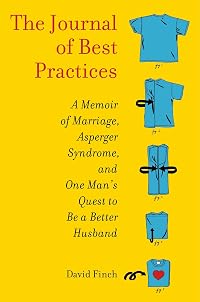
The Journal of Best Practices: A Memoir of Marriage, Asperger Syndrome, and One Man's Quest to Be a Better Husband
by David Finch
On This Page
Description
At some point in nearly every marriage, a wife finds herself asking, What is wrong with my husband?! In David Finch's case, this turns out to be an apt question. Five years after he married Kristen, the love of his life, they learn that he has Asperger syndrome. The diagnosis explains David's ever-growing list of quirks and compulsions, his lifelong propensity to quack and otherwise melt down in social exchanges, and his clinical-strength inflexibility. But it doesn't make him any easier to show more live with.Determined to change, David sets out to understand Asperger syndrome and learn to be a better husband-no easy task for a guy whose inability to express himself rivals his two-year-old daughter's, who thinks his responsibility for laundry extends no further than throwing things in (or at) the hamper, and whose autism-spectrum condition makes seeing his wife's point of view a near impossibility.Nevertheless, David devotes himself to improving his marriage with an endearing yet hilarious zeal that involves excessive note-taking, performance reviews, and most of all, the Journal of Best Practices: a collection of hundreds of maxims and hard-won epiphanies that result from self-reflection both comic and painful. They include "Don't change the radio station when she's singing along," "Apologies do not count when you shout them," and "Be her friend, first and always." Guided by the Journal of Best Practices, David transforms himself over the course of two years from the world's most trying husband to the husband who tries the hardest, the husband he'd always meant to be.Filled with humor and surprising wisdom, The Journal of Best Practices is a candid story of ruthless self-improvement, a unique window into living with an autism-spectrum condition, and proof that a true heart can conquer all. show lessTags
Recommendations







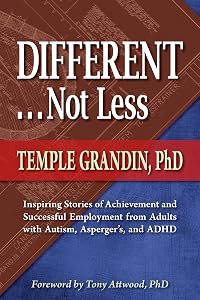
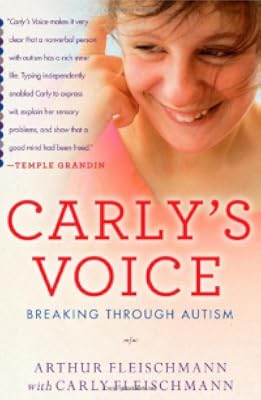
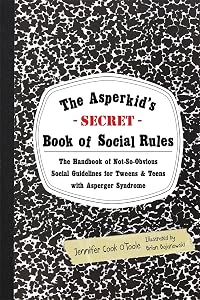
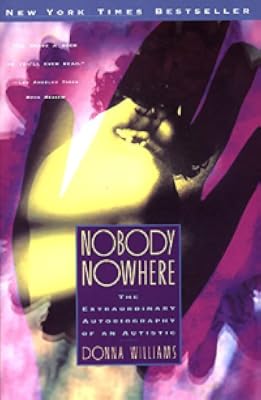

Member Recommendations
Member Reviews
David Finch has autism, a diagnosis he embraced gleefully as an explanation as to why his marriage cooled off about as soon as it began. Indeed, he brings an autistic focus to trying to understand how he deviates from what he calls marital "best practices." In doing so, he pulls no punches in explaining his behavior. He is even unflinchingly honest about when his flaws are not well-explained by his autism, for instance in exploring his sexist assumptions about gender dynamics in a marriage.
Unflinching honesty can sometimes be discomfiting in a memoir (see Alison Bechdel's "Are You My Mother?"), but in this case, the combination of Finch's dry humor and his commitment to self-improvement together allow it to be humorous, or at the very show more least, viewed empathetically. show less
Unflinching honesty can sometimes be discomfiting in a memoir (see Alison Bechdel's "Are You My Mother?"), but in this case, the combination of Finch's dry humor and his commitment to self-improvement together allow it to be humorous, or at the very show more least, viewed empathetically. show less
Having met David Finch in Detroit last October during the Great Lakes Independent Booksellers Association annual trade show, I discovered first-hand what a genuinely funny person he is. I knew that reading his memoir, The Journal of Best Practices, would be an enjoyable experience. I was prepared for the humor; I was not prepared for the heartfelt honesty and almost heartbreaking determination he shows throughout his journey to overcome his Asperger's in order to save his marriage. While David explains how difficult simple, everyday situations are for him due to his Asperger's, the lessons he learns over the eighteen-month experiment are truly lessons for every male.
Any memoir is only as good as the forthrightness of the author. David's show more honesty is as refreshing as it is touching to behold. There is no holding back for Mr. Finch. He is surprisingly candid in telling his story; for better or for worse, David tells it like it really was. He does not hide the fact that he was a distant father or selfish husband. A story such as his needs this openness to showcase his struggles and help the reader understand just how remarkable his successes are. Because of his honesty, the reader walks away from his story feeling as if s/he really knows David and feels humbled at being allowed such an intimate look into his life.
Every woman should be so lucky to have a husband like David. Ultimately, his love for Kristin is the driving force behind his need for self-improvement. The fact that he was able to make it so long without a diagnosis of any sort shows that he was able to function in society. He did not have to attempt to this experiment, and yet he jumped into it with as much enthusiasm and excitement as any five-year-old on Christmas morning. Given the divorce rates these days, most people in Kristin and David's situation would have called it quits. The fact that they did not is testament to their love, and it is beautiful to behold.
Marriage is never easy. Marriage to someone with Asperger Syndrome makes it even more difficult, especially if neither party knows that he has Asperger's at the beginning of the marriage. What is remarkable is the effort and work both Kristin and David put forth to save their marriage. The Journal of Best Practices is a great example of the dedication and perseverance it requires for a healthy and happy marriage. Better yet, David Finch has made it easy for every husband out there to learn what women truly want!
Acknowledgements: Thank you to the Great Lakes Independent Booksellers Association and David Finch for my review copy! show less
Any memoir is only as good as the forthrightness of the author. David's show more honesty is as refreshing as it is touching to behold. There is no holding back for Mr. Finch. He is surprisingly candid in telling his story; for better or for worse, David tells it like it really was. He does not hide the fact that he was a distant father or selfish husband. A story such as his needs this openness to showcase his struggles and help the reader understand just how remarkable his successes are. Because of his honesty, the reader walks away from his story feeling as if s/he really knows David and feels humbled at being allowed such an intimate look into his life.
Every woman should be so lucky to have a husband like David. Ultimately, his love for Kristin is the driving force behind his need for self-improvement. The fact that he was able to make it so long without a diagnosis of any sort shows that he was able to function in society. He did not have to attempt to this experiment, and yet he jumped into it with as much enthusiasm and excitement as any five-year-old on Christmas morning. Given the divorce rates these days, most people in Kristin and David's situation would have called it quits. The fact that they did not is testament to their love, and it is beautiful to behold.
Marriage is never easy. Marriage to someone with Asperger Syndrome makes it even more difficult, especially if neither party knows that he has Asperger's at the beginning of the marriage. What is remarkable is the effort and work both Kristin and David put forth to save their marriage. The Journal of Best Practices is a great example of the dedication and perseverance it requires for a healthy and happy marriage. Better yet, David Finch has made it easy for every husband out there to learn what women truly want!
Acknowledgements: Thank you to the Great Lakes Independent Booksellers Association and David Finch for my review copy! show less
"I was thirty years old and had been married five years when I learned that I have Asperger syndrome" starts the book, which is an account of how he worked - in a very Asperger manner - to mend their relationship. The Journal of Best Practices is what he called the notes he wrote to himself, such as "Ask if it's a good time to talk," and "Apologies do not count when you shout them." The book is a marvel, showing in the most candid manner possible his lack of empathy, his self-absorption, his obsessiveness, and his rigidity while he earnestly worked to approximate what it is to be a reasonably normal husband and father. The book provides a good insight into what it means to be on the spectrum; I'm afraid much of his behavior makes far show more too much sense to me and it would be perhaps more of a revelation to someone not as obsessive and solitary as I am. show less
I was attracted to this book because my son is on the autism spectrum. I find it helpful to read books written by adults with high-functioning autism because they often clearly describe what their world looks and feels like. It turns out that this is actually one of the best books on marriage from a husband's viewpoint that I have ever read. Finch credits British psychologist Simon Baron-Cohen's work for helping Finch understand himself. If Baron-Cohen is right that "autism can be considered as an extreme of the normal male (brain/psychological) profile," then every married man can learn from this book.
Finch and his wife Kristen go through five years of pain and emotional separation in marriage before Finch is diagnosed with autism. He show more is quite fortunate to have married a woman to show him "true grace" and be willing to both put up with his quirks in the surprise that she is not who he thought she was, and to slowly work with him to improve the marriage after the diagnosis.
Finch and his wife were friends in high school and began dating in college. He admits that he worked hard to put on his "best face" all the time and hide many of his quirks. Despite clear warning signs while they were living together, both thought the situation would magically improve once they got married and that the other party would change for the better, just like many young married couples. Misguided expectations lead to bitter disappointment.
Finch is determined to overcome his symptoms and become the perfect husband. He keeps a daily journal of his epiphanies and progress as he learns things like how to be empathetic, how to deal with change and disappointment, how to have constructive conflict, etc. His problem isn't just Asperger syndrome, it's also having conservative parents who never argued and allowed no conflict within the house as models. He marries someone dynamically different from him, she stays in the marriage because he makes her laugh and she knows he'd do anything for her, and eventually they have kids.
If you've read any book on marriage, you've seen to-do lists for husbands to improve upon: "Show more affection, find ways to have fun together, listen to her and don't try to solve all her problems..." Imagine a husband picking up one of those books and determining to do all of them better than any husband and you have Finch. Finch does not rely on marriage books but learns these lessons directly from his wife and sets about to improve himself as intensely as any of his other obsessions. While his wife appreciates the effort, just the fact that he's constantly looking for improvement like a machine really drives her nuts. But he learns what it means to see things from her perspective, how to listen to her, and how to be her friend. The goal is to restore the friendship that they enjoyed so much before and while they were dating-- something every married couple should struggle to do. "Be her friend, first and always."
It was also great to read how he dealt with his kids. When given the responsibility to get his toddlers ready for daycare in the morning after Kristen leaves for work and he heads to his office, he goes about trying to meet their needs but not showing the love that they desperately need. He eventually finds the right balance.
It's also a good look at his work life as a sort of electronic engineer and later as a salesman. Somehow he advances through the ranks but also determines that he'll put everything aside to be a better husband and father.
In the end he is able to put down the notebook and intensity and just be there for his family. The family develops into the one he dreamed of, with pictures on the wall, the wife cooking dinner for the family to eat together while he plays with the kids, etc. It's a beautiful, and almost unbelievable, ending.
If you do not have a loved one on the autism spectrum, you may find the book annoying, particularly all of Finch's snide, sarcastic self-deprecating remarks throughout the book (demonstrating his humor, which he has to practice). The book also contains a lot of profanity. But I give it 4 stars out of 5, and recommend it. show less
Finch and his wife Kristen go through five years of pain and emotional separation in marriage before Finch is diagnosed with autism. He show more is quite fortunate to have married a woman to show him "true grace" and be willing to both put up with his quirks in the surprise that she is not who he thought she was, and to slowly work with him to improve the marriage after the diagnosis.
Finch and his wife were friends in high school and began dating in college. He admits that he worked hard to put on his "best face" all the time and hide many of his quirks. Despite clear warning signs while they were living together, both thought the situation would magically improve once they got married and that the other party would change for the better, just like many young married couples. Misguided expectations lead to bitter disappointment.
Finch is determined to overcome his symptoms and become the perfect husband. He keeps a daily journal of his epiphanies and progress as he learns things like how to be empathetic, how to deal with change and disappointment, how to have constructive conflict, etc. His problem isn't just Asperger syndrome, it's also having conservative parents who never argued and allowed no conflict within the house as models. He marries someone dynamically different from him, she stays in the marriage because he makes her laugh and she knows he'd do anything for her, and eventually they have kids.
If you've read any book on marriage, you've seen to-do lists for husbands to improve upon: "Show more affection, find ways to have fun together, listen to her and don't try to solve all her problems..." Imagine a husband picking up one of those books and determining to do all of them better than any husband and you have Finch. Finch does not rely on marriage books but learns these lessons directly from his wife and sets about to improve himself as intensely as any of his other obsessions. While his wife appreciates the effort, just the fact that he's constantly looking for improvement like a machine really drives her nuts. But he learns what it means to see things from her perspective, how to listen to her, and how to be her friend. The goal is to restore the friendship that they enjoyed so much before and while they were dating-- something every married couple should struggle to do. "Be her friend, first and always."
It was also great to read how he dealt with his kids. When given the responsibility to get his toddlers ready for daycare in the morning after Kristen leaves for work and he heads to his office, he goes about trying to meet their needs but not showing the love that they desperately need. He eventually finds the right balance.
It's also a good look at his work life as a sort of electronic engineer and later as a salesman. Somehow he advances through the ranks but also determines that he'll put everything aside to be a better husband and father.
In the end he is able to put down the notebook and intensity and just be there for his family. The family develops into the one he dreamed of, with pictures on the wall, the wife cooking dinner for the family to eat together while he plays with the kids, etc. It's a beautiful, and almost unbelievable, ending.
If you do not have a loved one on the autism spectrum, you may find the book annoying, particularly all of Finch's snide, sarcastic self-deprecating remarks throughout the book (demonstrating his humor, which he has to practice). The book also contains a lot of profanity. But I give it 4 stars out of 5, and recommend it. show less
This is a memoir of sorts by a man who was diagnosed first by his wife and then by a professional as having Asperger's Syndrome, which falls in the autism spectrum. David Finch is a brilliant and funny man but he has many eccentricities and compulsions , which he realizes are undermining his marriage and family life. He works diligently - and obsessively - writing all of his best practices for overcoming his shortcomings into a notebook.
I wanted to understand more about Aspergers, and I think Finch does a great job of letting you get into his head, seeing life from his perspective. He struggles to understand empathy toward and involvement with other people. And he does so with just the right touch of self-deprecating humor.
I wanted to understand more about Aspergers, and I think Finch does a great job of letting you get into his head, seeing life from his perspective. He struggles to understand empathy toward and involvement with other people. And he does so with just the right touch of self-deprecating humor.
I heard an interview with the author on NPR and was fascinating by his story. As an adult, Finch discovered he had Asperger's Syndrome and devised techniques to help him cope. One goal was to be a better husband and father. In his book, Finch describes the rise and decline of his marriage, how he learned that he had Asperger's, and how he used notes, scribbled on whatever was handy, to help him remember both the practical (Don't change the radio station when Kristen's singing along) and the philosophical (When necessary, redefine perfection).
Although the five minute elevator pitch is a humorous and earnest conversation, the book is a drawn out rehashing of the jacket cover. It would have made a great short story (or NPR interview), but show more as a book, I found it repetitive. Perhaps the way the story is told is indicative of his experience of Asperger's. He tends to over think everything and finds repetition soothing. I also found it unbelievable that neither Finch nor his wife of five years, who is a speech therapist and autism expert, knew that he autistic. As he later realizes, Finch's behaviors are very typical of the disorder. How could they not know? Anyway, accepting the story as it is, the book could also be a guide for anyone who has ever left the dirty dishes or laundry for their partner, put work or intense hobbies ahead of their family, or become so wrapped up in their own minds, that they forget the needs of those closest to them. I'm glad that Finch and his family have successfully navigated his diagnosis and worked out compromises. I just wish that I had stuck to the interview version. show less
Although the five minute elevator pitch is a humorous and earnest conversation, the book is a drawn out rehashing of the jacket cover. It would have made a great short story (or NPR interview), but show more as a book, I found it repetitive. Perhaps the way the story is told is indicative of his experience of Asperger's. He tends to over think everything and finds repetition soothing. I also found it unbelievable that neither Finch nor his wife of five years, who is a speech therapist and autism expert, knew that he autistic. As he later realizes, Finch's behaviors are very typical of the disorder. How could they not know? Anyway, accepting the story as it is, the book could also be a guide for anyone who has ever left the dirty dishes or laundry for their partner, put work or intense hobbies ahead of their family, or become so wrapped up in their own minds, that they forget the needs of those closest to them. I'm glad that Finch and his family have successfully navigated his diagnosis and worked out compromises. I just wish that I had stuck to the interview version. show less
The subtitle of the book provides the perfect summary: “A Memoir of Marriage, Asperger Syndrome, and One Man’s Quest to Be a Better Husband.” David Finch has written a blisteringly honest account of what it feels like to have Asperger Syndrome and how this condition affects your life, especially a marriage and relationship with children. Finch has a good (albeit often sophomoric) sense of humor, and that makes the book quite readable. However, I wish he could have co-written it with his wife, Kristen, as I would have LOVED to have gotten her view of matters. (She sounds like a saint, to be honest.) In the beginning, Finch says something along the lines of “having Aspergers kind of makes you like a really typical insensitive guy show more … only more so,” and that did seem true. Many of his accounts seemed like jackass stuff that guys do and women complain about (complete cluelessness about feelings, insensitivity, inappropriate jokes, etc.), but Finch is good at conveying that, while “normal” guys might be operating at a volume of 3, guys with Aspergers operate with the volume turned up to 10. If you’re interested in what it feels like to have Aspergers or have someone in your life with the condition, I imagine this would be a must read book. I found it quite interesting, and I think Finch was brave to share his story and provide the world with an insight of what it feels like to live with this type of mind. show less
Members
- Recently Added By
Author Information

2 Works 494 Members
Awards and Honors
Notable Lists
Common Knowledge
- Original publication date
- 2012
- People/Characters
- David Finch; Kristen Finch
Classifications
- Genres
- Nonfiction, Biography & Memoir, General Nonfiction
- DDC/MDS
- 616.85 — Applied science & technology Medicine & health Diseases, Allergies, Skin Conditions Nervous Disorders: Autism, Anorexia, OCD Miscellaneous
- LCC
- RC553 .A88 .F54 — Medicine Internal medicine Internal medicine Neurosciences. Biological psychiatry. Neuropsychiatry Psychiatry Psychopathology
- BISAC
Statistics
- Members
- 500
- Popularity
- 60,428
- Reviews
- 26
- Rating
- (3.67)
- Languages
- English
- Media
- Paper, Audiobook, Ebook
- ISBNs
- 10
- ASINs
- 3