On This Page
Description
Intertwines the stories of rock star and vampire Lestat, beautiful twins haunted by a gruesome tragedy, and Akasha, mother of all vampires, who dreams of godhood.Tags
Recommendations

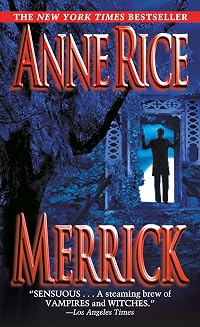
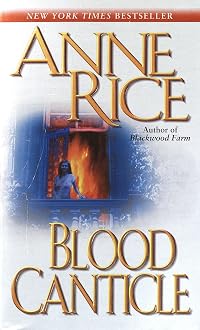
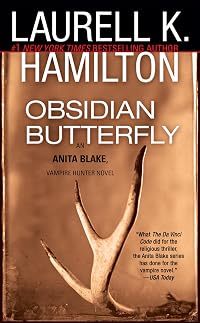
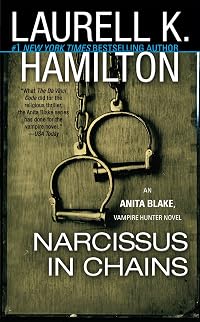
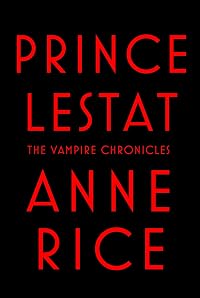

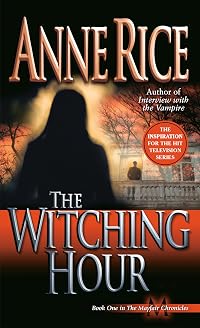
Member Recommendations
Vivia by Tanith Lee
by Romerillo

Member Reviews
This book had a lot of plot lines filled with random exposition and backstories. I would have liked that if they all connected in some way, but the few times the stories touched felt lackluster to me.
Most of the book was told through new characters. And I was not in the mood for a new cast when I felt like the stories of the ones I knew were not finished yet. I didn’t dislike them, but I spent a lot of their parts wondering how they would connect to the characters I already knew.
Every single vampire in this series is lowkey insane and that's what makes them so entertaining.
I wanted to see Louis and Lestat interact. The two unreliable narrators of the previous books needed some sort of conclusion! They directly contradicted each other show more in their versions of events and I wanted to know what would happen when they were together in 'real time' and not someone's narration. These two dropped the literary equivalent of a diss track on each other. Louis described Lestat as a villain and Lestat called him a liar! They can’t just move on, right?
There was a disappointing lack of Gabrielle and Louis in general. They are the most important characters from the previous books that are still alive, I wanted to know what they're doing nowadays.
The only major secondary characters who felt part of this book were Marius and Armand. They didn’t do much for the overarching plot, but they had chapters dedicated to them. Interview boy from book 1 returned and he is one of the new characters through which the story is told. He didn't do anything either, but he did provide some fun bits about Armand learning about technology. I wished I’d gotten the same for Gabrielle and Louis.
A lot of the new characters did not even play major roles in the story. Pandora, Mael, Santino and Daniel were just there. Khayman was only important during the tale of the twins and not in the present. Jesse created mystery in the first part due to her heritage, but didn’t contribute much in the finale. Neither did her secret organisation.
I did enjoy it whenever these new characters offered their perspective on the past books. Jesse was so right when she called Louis, Lestat and Claudia an ‘evil little family’ while breaking into their old house.
In general, the book felt like a continuation of the Cairo section from book 2, with Lestat and Marius and Egyptian lore. Lestat gets himself in trouble with Akasha and the main plot is the mystery of the twins. I expected a dramatic finale to match the tension that built for 3/4ths of the book. How do they avoid Akasha’s unrealistic/utopian/murderous plans to reshape the world? Let’s just say it felt kinda deus ex machina. What was the point of all these characters if they just sit around and listen to Maharet?
The frame story was slightly confusing as well. Lestat is formally the author, but most of the book is not bound to his point of view. The previous two felt like biographies told to the reader/the anonymous boy. This one? I don’t know. Did Lestat quit music to ask everyone about their thoughts and write this book?
I think it would have worked better to stick to various point of view characters without an overarching narrator. The few first person Lestat chapters could have been third person. show less
Most of the book was told through new characters. And I was not in the mood for a new cast when I felt like the stories of the ones I knew were not finished yet. I didn’t dislike them, but I spent a lot of their parts wondering how they would connect to the characters I already knew.
Every single vampire in this series is lowkey insane and that's what makes them so entertaining.
I wanted to see Louis and Lestat interact. The two unreliable narrators of the previous books needed some sort of conclusion! They directly contradicted each other show more in their versions of events and I wanted to know what would happen when they were together in 'real time' and not someone's narration. These two dropped the literary equivalent of a diss track on each other. Louis described Lestat as a villain and Lestat called him a liar! They can’t just move on, right?
There was a disappointing lack of Gabrielle and Louis in general. They are the most important characters from the previous books that are still alive, I wanted to know what they're doing nowadays.
The only major secondary characters who felt part of this book were Marius and Armand. They didn’t do much for the overarching plot, but they had chapters dedicated to them. Interview boy from book 1 returned and he is one of the new characters through which the story is told. He didn't do anything either, but he did provide some fun bits about Armand learning about technology. I wished I’d gotten the same for Gabrielle and Louis.
A lot of the new characters did not even play major roles in the story. Pandora, Mael, Santino and Daniel were just there. Khayman was only important during the tale of the twins and not in the present. Jesse created mystery in the first part due to her heritage, but didn’t contribute much in the finale. Neither did her secret organisation.
I did enjoy it whenever these new characters offered their perspective on the past books. Jesse was so right when she called Louis, Lestat and Claudia an ‘evil little family’ while breaking into their old house.
In general, the book felt like a continuation of the Cairo section from book 2, with Lestat and Marius and Egyptian lore. Lestat gets himself in trouble with Akasha and the main plot is the mystery of the twins. I expected a dramatic finale to match the tension that built for 3/4ths of the book. How do they avoid Akasha’s unrealistic/utopian/murderous plans to reshape the world? Let’s just say it felt kinda deus ex machina. What was the point of all these characters if they just sit around and listen to Maharet?
The frame story was slightly confusing as well. Lestat is formally the author, but most of the book is not bound to his point of view. The previous two felt like biographies told to the reader/the anonymous boy. This one? I don’t know. Did Lestat quit music to ask everyone about their thoughts and write this book?
I think it would have worked better to stick to various point of view characters without an overarching narrator. The few first person Lestat chapters could have been third person. show less
I'm going to say something controversial among Anne Rice fans, and I have a feeling it'll earn me an internet hitman bought off of Reddit to come looking for me.
But I actually preferred the movie to the book.
... Wait, wait! Hear me out!
Look, I get it, the 2002 film essentially cut out a lot of things, mashed a few other characters together, and essentially put "Lestat the Vampire" and "Queen of the Damned" together and it was kind of a mess, but the reason I preferrd it was because despite the mess, it was at least more concise than the book.
I'm not going to divulge spoilers in this review, but I will say that at least it had things going for it at the time that were a lot better than the novel. It WAS a decent enough read, and there show more are legitimate things I did enjoy about the book, but... I really feel that this is the end of my "Vampire Chronicles" adventure. Let me explain in my usual way below.
Positives
First off, the things I liked.
I think Anne Rice is a gifted writer in the way she writes descriptions and sets the scene, I will certainly say. It's clear that she has a lot of knowledge about all things gothic and all things "high art" since she constantly references operas, plays, classical music, art, and other things that many consider classics now. She's also clearly wide-reading and is knowledgeable about theology and history, and she brings that out in her vampires to the point it always feels natural when she mentions them enjoying something from the 1700s.
Not only that, but the premise is interesting as well: An ancient Queen who had been imprisoned for thousands of years, and is the very first vampire in recorded history, awakens and decides to remake the world according to her vision and whims. The surviving vampires band together to plan on how to stop her and essentially save the world from her tyranny. It feels almost like a world-ending threat rather than just a typical gothic horror story (and indeed, it veers away from the gothic roots of the earlier two books by the end).
But... being well written does not make up for some of its shortcomings, which I'll get into shortly.
Negatives
I'm not going to lie. I did not care for half the cast. The half I did not care about could literally disappear from the story, and nothing would change. You only need to be concerned with Akasha, Lestat, Mekare, Maharet, Louis, Gabrielle, Khaymen, and Marius, and it would be fine. Most of the others are superfluous, and I get that they're there to set up later books in the series, but they don't really add anything other than taking up space.
Another thing I did not care about was how we had to devote so much space to the twins and Akasha's backstory. It took them three long chapters to get through, and it could have honestly been condensed to one long chapter, as a lot of it was things that had no bearing on the story.
Another thing I was not a fan of was that it felt like things just tended to happen. Akasha had her evil plan (More on that in a bit), took Lestat with her, did some bad things, the other vampires talked a lot, Akasha and Lestat got bored and went to them, and then the ending happened. There was no buildup, no planning, no action, or really any major loss other than thousands of nameless characters in the background. Akasha shows up at the end, we get long-winded philosophy that felt like it was going in circles, and then the ending comes out, and we get an epilogue.
I was expecting more. I wanted to see Akasha hunting down the vampires one by one, demanding they join her, and then, when they don't, fighting them or something, only for that vampire to get away or the other vampires to show up and barely survive, all coming up with a plan to stop her. Just something other than them talking endlessly.
Overall
Overall, I think this novel was the weakest of the three. I know plenty of people say it's their favorite, but I personally thought "Interview with the Vampire" and "The Vampire Lestat were better written as pieces of dreary, melancholic gothic fiction about the emptiness of an eternity as a vampire and how they find meaning in a meaningless existence.
Of course, the epilogue of this book was actually quite uplifting. The vampires find a new purpose, vow to remain in contact with one another and help each other, and Lestat gets a cheeky moment with Louis that feels like a perfect ending to a film, and I actually enjoyed that quite a bit. To me, that felt like the perfect ending to a three-parter book.
And I mean that. I'll probably not read the rest of the Vampire Chronicles, nor the Wolf Gift (as in my review for that, I stated I did not enjoy it as much). I might pick up the first book in the "Lives of the Mayfair Witches" down the line, but for now, I've gotten everything out of this series I feel I needed, and I want to move on. show less
But I actually preferred the movie to the book.
... Wait, wait! Hear me out!
Look, I get it, the 2002 film essentially cut out a lot of things, mashed a few other characters together, and essentially put "Lestat the Vampire" and "Queen of the Damned" together and it was kind of a mess, but the reason I preferrd it was because despite the mess, it was at least more concise than the book.
I'm not going to divulge spoilers in this review, but I will say that at least it had things going for it at the time that were a lot better than the novel. It WAS a decent enough read, and there show more are legitimate things I did enjoy about the book, but... I really feel that this is the end of my "Vampire Chronicles" adventure. Let me explain in my usual way below.
Positives
First off, the things I liked.
I think Anne Rice is a gifted writer in the way she writes descriptions and sets the scene, I will certainly say. It's clear that she has a lot of knowledge about all things gothic and all things "high art" since she constantly references operas, plays, classical music, art, and other things that many consider classics now. She's also clearly wide-reading and is knowledgeable about theology and history, and she brings that out in her vampires to the point it always feels natural when she mentions them enjoying something from the 1700s.
Not only that, but the premise is interesting as well: An ancient Queen who had been imprisoned for thousands of years, and is the very first vampire in recorded history, awakens and decides to remake the world according to her vision and whims. The surviving vampires band together to plan on how to stop her and essentially save the world from her tyranny. It feels almost like a world-ending threat rather than just a typical gothic horror story (and indeed, it veers away from the gothic roots of the earlier two books by the end).
But... being well written does not make up for some of its shortcomings, which I'll get into shortly.
Negatives
I'm not going to lie. I did not care for half the cast. The half I did not care about could literally disappear from the story, and nothing would change. You only need to be concerned with Akasha, Lestat, Mekare, Maharet, Louis, Gabrielle, Khaymen, and Marius, and it would be fine. Most of the others are superfluous, and I get that they're there to set up later books in the series, but they don't really add anything other than taking up space.
Another thing I did not care about was how we had to devote so much space to the twins and Akasha's backstory. It took them three long chapters to get through, and it could have honestly been condensed to one long chapter, as a lot of it was things that had no bearing on the story.
Another thing I was not a fan of was that it felt like things just tended to happen. Akasha had her evil plan (More on that in a bit), took Lestat with her, did some bad things, the other vampires talked a lot, Akasha and Lestat got bored and went to them, and then the ending happened. There was no buildup, no planning, no action, or really any major loss other than thousands of nameless characters in the background. Akasha shows up at the end, we get long-winded philosophy that felt like it was going in circles, and then the ending comes out, and we get an epilogue.
I was expecting more. I wanted to see Akasha hunting down the vampires one by one, demanding they join her, and then, when they don't, fighting them or something, only for that vampire to get away or the other vampires to show up and barely survive, all coming up with a plan to stop her. Just something other than them talking endlessly.
Overall
Overall, I think this novel was the weakest of the three. I know plenty of people say it's their favorite, but I personally thought "Interview with the Vampire" and "The Vampire Lestat were better written as pieces of dreary, melancholic gothic fiction about the emptiness of an eternity as a vampire and how they find meaning in a meaningless existence.
Of course, the epilogue of this book was actually quite uplifting. The vampires find a new purpose, vow to remain in contact with one another and help each other, and Lestat gets a cheeky moment with Louis that feels like a perfect ending to a film, and I actually enjoyed that quite a bit. To me, that felt like the perfect ending to a three-parter book.
And I mean that. I'll probably not read the rest of the Vampire Chronicles, nor the Wolf Gift (as in my review for that, I stated I did not enjoy it as much). I might pick up the first book in the "Lives of the Mayfair Witches" down the line, but for now, I've gotten everything out of this series I feel I needed, and I want to move on. show less
The challenges with Queen of the Damned, the final book of the Interview with the Vampire trilogy, is similar to those faced by writers capping a long-running and much beloved television series: namely how to wrap up loose threads and tell a satisfying story in its own right? The best screenwriters often miss the mark entirely and for the first half of The Queen of the Damned, I was fearful that Anne Rice was not up to the task either. After having read the tight, first-person narratives of the first two novels, I was disoriented by the discursive nature of this one. The narrator was unclear and the perspective jumped from person to person. Some characters, like the trailer-trash Baby Jenks vampire were introduced then quickly show more dispatched with. Who was this new guy Khayman, and did we really need the introduction of a new immortal, Daniel, "the boy" who had interviewed Louis who later became Armand's companion. Pandora was superfluous, as were other minor characters such as Gabrielle, Mael, and Eric. Hell, even a new main character, Jesse, seemed unnecessary and lacked the charisma of her male predecessors. The recurring visions of the red haired twins were as baffling to the reader as they were perplexing to the vampires who dreamt them. The book was seemingly confusing and unfocused, which probably contributed to my picking it up and putting it down over the course of many long months if not an entire year. But then, starting around Part III, with Maharat's two-part Story of the Twins, it all started to jell. The reader goes back in time to the very beginning and learns the mysterious origins of Enkil and Akasha. Lestat returns with a greater voice, as does the favorite Marius. There's more action and a lengthy philosophical debate about good vs. evil, the true nature of mankind, rationality vs. religion, and whether the world's complex problems can be solved or not with simple solutions. There is even a love story. Two actually. One between two prominent vampire protagonists and the other between the undead and humankind. Because, despite their undying thirst and murderous quest to satisfy it, what this trilogy reveals is that these monsters who were once flesh and blood mortals never really relinquished their fascination with, envy of, and in the end, love for man. This coven, when push came to shove, were mankind's greatest defenders. The last chapter, in which Louis and Lestat spend some time together alone, something many readers have been craving, proves an extremely satisfying, even emotionally impactful, dénouement. The trilogy stands the test of time and is as good a read now as it was in the 1980s. It is packed with meaning and insight into the human condition and remains a relevant read, maybe now more than ever. show less
This is my favorite of the series so far, I was holding onto nearly every single word of this, especially at the beginning. A great plot, and all the new characters didn't boggle the text down, they just made it better. I'm enjoying being in Lestat's head more and more. The Devil's Minion chapter was the greatest vampire story I've ever read, and I could read just that single one multiple times.
Ordinarily, for a book I enjoyed so much, I would give it five stars. The Legend of the Twins was actually my favorite story arc in Queen of the Damned, and the Twins are two of my favorite characters. Infact, I'd say that this book is my favorite in the entire Vampire Chronicles.
But the reason I take away a star is due to the abrupt ending. It is clear that Akasha is deluded in her thinking, and that what she believes is good for mankind is not. But I wonder after 6000 years of sleep, she would have the wisdom to see a better path, unless these 6000 years spent in silence (except for exceedingly rare occasions) served to warp and twist her mind. This in itself is an entirely believable character.
However, the very ending left me flat. I show more had to read the last chapter several times to make sure that I hadn't missed anything. I wish that Ms. Rice had put more of Mekare in future books, perhaps learning about modern society and getting used to her new role as Queen. The ending was far too abrupt and not well-thought out for a tale that was incredible. show less
But the reason I take away a star is due to the abrupt ending. It is clear that Akasha is deluded in her thinking, and that what she believes is good for mankind is not. But I wonder after 6000 years of sleep, she would have the wisdom to see a better path, unless these 6000 years spent in silence (except for exceedingly rare occasions) served to warp and twist her mind. This in itself is an entirely believable character.
However, the very ending left me flat. I show more had to read the last chapter several times to make sure that I hadn't missed anything. I wish that Ms. Rice had put more of Mekare in future books, perhaps learning about modern society and getting used to her new role as Queen. The ending was far too abrupt and not well-thought out for a tale that was incredible. show less
Queen of the Damned in the third in Anne Rice's Vampire Chronicles. I read the book, for the first time, many years ago, and only recently picked it back up as the 6th book in Chronicles (Prince Lestat) will soon be released. So, I'm gradually working my way through them.
Queen of the damned is different from all the other Vampire Chronicles in that it is predominently written in third person POV, rather than Lestat's POV. He is, as stated, the writer of the book, but in order to bring the story together with multiple characters, it didn't make sense to use first person.
I remember when I first read QOTD that I missed Lestat's voice; it didn't feel like The Vampire Lestat (the previous book in the Chronicles), but having re-read it, I show more think it works tremendously as a book written in third person. In fact, I would say, of all the Chronicles, this book impressed me the most.
Without giving too much away, the first part of the book introduces a number of characters and their stories leading up to the massive Vampire Lestat Concert that happened at the end of the previous book. We are introduced to Jesse, a member of a secret order called the Talamasca, who is drawn towards Lestat for reasons I best not go into. We also meet Daniel Malloy, the boy reporter from the first of the Vampire Chronicles (Interview with the Vampire). He was the person interviewing Louis. Other - much older - Vampires are introduced for the first time, and we realise that in the scheme of things, Lestat, Louis, and even Armand (who is also in this book) are mere fledgelings in comparison to some of the other Vampires. These vampires, were the first ever made. The direct decendants of the first ever vampires - Akasha and Enkil.
We learn of the Vampire mythology in this book; where they came from, how they came to be, and what drives them to drink blood. This is one of the things that makes this book so amazing.
I was also amazed by the structure of this book; it's long, and it has many new characters in it, and yet the book flowed well. It didn't feel disjointed or confusing. On the contrary, it was clear, very well written, and a terrific read.
I strongly recommend reading The Queen of the Damned. It's a terrific book; the best in the series (so far). show less
Queen of the damned is different from all the other Vampire Chronicles in that it is predominently written in third person POV, rather than Lestat's POV. He is, as stated, the writer of the book, but in order to bring the story together with multiple characters, it didn't make sense to use first person.
I remember when I first read QOTD that I missed Lestat's voice; it didn't feel like The Vampire Lestat (the previous book in the Chronicles), but having re-read it, I show more think it works tremendously as a book written in third person. In fact, I would say, of all the Chronicles, this book impressed me the most.
Without giving too much away, the first part of the book introduces a number of characters and their stories leading up to the massive Vampire Lestat Concert that happened at the end of the previous book. We are introduced to Jesse, a member of a secret order called the Talamasca, who is drawn towards Lestat for reasons I best not go into. We also meet Daniel Malloy, the boy reporter from the first of the Vampire Chronicles (Interview with the Vampire). He was the person interviewing Louis. Other - much older - Vampires are introduced for the first time, and we realise that in the scheme of things, Lestat, Louis, and even Armand (who is also in this book) are mere fledgelings in comparison to some of the other Vampires. These vampires, were the first ever made. The direct decendants of the first ever vampires - Akasha and Enkil.
We learn of the Vampire mythology in this book; where they came from, how they came to be, and what drives them to drink blood. This is one of the things that makes this book so amazing.
I was also amazed by the structure of this book; it's long, and it has many new characters in it, and yet the book flowed well. It didn't feel disjointed or confusing. On the contrary, it was clear, very well written, and a terrific read.
I strongly recommend reading The Queen of the Damned. It's a terrific book; the best in the series (so far). show less
At first, I hated the concept of having to read this book while jumping back and forth in between the different stories of different characters. But as I kept reading on, I found myself loving every character that I had to read about, and I was anxious to find out what heppened next with Lestat, Jessie, or the story of the legendary twins. I found myself reading through this book faster than I thought I would. Despite the fact that it's thicker than the two books before it in the Vampire Chronicles, I read it much faster than I had with the two previous books.
I love the story in it, although I didn't like how easily Lestat fell into doing things he definitely shouldn't have been doing...
I love the story in it, although I didn't like how easily Lestat fell into doing things he definitely shouldn't have been doing...
Members
- Recently Added By
Lists

Bloody Good Vampire Books
394 works; 28 members

Top Five Books of 2016
795 works; 228 members

The Best Vampires, Werebeasts, Witches Books
192 works; 12 members

Best LGBT Fiction
144 works; 25 members

Best Horror Mega-List
342 works; 6 members

Fiction: Supernatural Horror
97 works; 1 member

Luetut kirjat
74 works; 1 member

Wish List
37 works; 1 member

Vampire Chronicles - Anne Rice
13 works; 1 member

Eerie eTales
192 works; 3 members

Sinister AudioTales
65 works; 1 member

BlackDog's Complete Paperbacks From Hell List
639 works; 3 members

Books Read in 1991
6 works; 1 member

Horror (Owned TBR)
60 works; 1 member
Author Information

Anne Rice was born Howard Allen O'Brien on October 4, 1941 in New Orleans, Louisiana. She received a bachelor's degree in political science in 1964 and master's degree in English and creative writing in 1972 from San Francisco State University. She published her first short story in 1965 called October 4, 1948. Her first book, Interview with the show more Vampire, was published in 1976. It was made into a film starring Brad Pitt, Kirsten Dunst, and Tom Cruise in 1994. She wrote various series in the same genre including the rest of the Vampire Chronicles, the Mayfair Witches books, and The Wolf Gift Chronicles. Her novel, Feast of All Saints, became a Showtime mini-series in 2001. Her other works include Cry to Heaven, Servant of the Bones, and Violin. In 1998, Rice returned to the Catholic Church and for some time only wrote for Christ or about Christ. These works include Christ the Lord: Out of Egypt, Christ the Lord: The Road to Cana, and Called Out of Darkness. Anne Rice died on December 11, 2021 at the age of 80. (Bowker Author Biography) show less
Some Editions
Awards and Honors
Awards
Distinctions
Series

Belongs to Publisher Series
Goldmann (9843)
Work Relationships
Is contained in
5 Titles in Vampire Chronicles By Anne Rice - Vampire Lestat - Tale of the Body Thief - Queen of the Damned - Merrick - by Anne Rice
9 Book Collection of Anne Rice: The Queen of the Damned, The Tale of the Body Thief, Interview With The Vampire, Memnoch by Anne Rice
Interview with the Vampire / The Vampire Lestat / The Queen of the Damned / The Tale of the Body Thief / Memnoch the Devil by Anne Rice
Collector's Set (5-Paperback Books): Taltos, The Tale Of The Body Thief, Queen Of The Damned, The Vampire Lestat, Interview With The Vampire by Anne Rice
Exit to Eden / Feast of All Saints / Interview With the Vampire / Lasher / Merrick / The Mummy / Pandora / Queen of the Damned / Servant of the Bones / The Tale of the Body Thief / The Vampire Lestat / Vittorio the Vampire / The Witching Hour by Anne Rice
Vittorio the Vampire / The Vampire Lestat / Interview With the Vampire / The Vampire Armand / Queen of the Damned / Merrick / The Witching Hour / Blood Canticle / The Mummy / Memnoch the Devil / Taltos by Anne Rice
Interview With the Vampire / The Vampire Lestat / The Queen of the Damned / The Tale of the Body Thief / Memnoch the Devil / The Vampire Armand by Anne Rice
Interview With the Vampire / The Vampire Lestat / The Queen of the Damned / The Tale of the Body Thief by Anne Rice
Set of 8 Vampire Chronicles by Anne Rice~Interview With The Vampire/The Witching Hour/The Queen of the Damned/Merrick/The Vampire Lestat/Vittorio the Vampire/Taltos Lives of the Mayfair Witches/Violin by Anne Rice
Interview With the Vampire / The Vampire Lestat / Queen of the Damned / The Tale of the Body Thief / Memnoch the Devil / The Vampire Armand / Merrick by Anne Rice
The Complete Vampire Chronicles: The Tale of the Body Thief, the Queen of the Damned, the Vampire Lestat, Interview With the Vampire by Anne Rice
Has the adaptation
Has as a reference guide/companion
Common Knowledge
- Canonical title
- The Queen of the Damned
- Original title
- The Queen Of The Damned
- Original publication date
- 1988
- People/Characters
- Lestat de Lioncourt; Louis de Pointe du Lac; Armand; Daniel Molloy; Maharet; Mekare (show all 15); Jesse Reeves; Marius de Romanus; Akasha; Khayman; Pandora; Mael; Santino; Aaron Lightner; David Talbot
- Important places
- San Francisco, California, USA; Sonoma Valley, California, USA; Egypt (Ancient)
- Related movies
- Queen of the Damned (2002 | IMDb)
- Epigraph
- TRAGIC RABBIT
Tragic rabbit, a painting.
The caked ears green like rolled corn.
The black forehead pointing at the stars.
A painting on my wall, alone
as rabbits are
and aren't. Fat red cheek,
all... (show all) Art, trembling nose,
a habit hard to break as not.
You too can be a tragic rabbit; green and red
your back, blue your manly little chest.
But if you're ever goaded into being one
beware the True Flesh, it
will knock you off your tragic horse
and break your tragic colors like a ghost
breaks marble; your wounds will heal
so quickly water
will be jealous.
Rabbits on white paper painted
outgrow all charms against their breeding wild;
and their rolled corn ears become horns.
So watch out if the tragic life feels fine-
caught in the rabbit trap
all colors look like sunlight's swords,
and scissors like The Living Lord.
STAN RICE
Some Lamb (1975) - Dedication
- This book is dedicated
with love
to
Stan Rice, Christopher Rice,
and John Preston
And to the memory
of
my beloved editors:
John Dodds
and
William Whitehead - First words
- I'm the Vampire Lestat. Remember me?
- Last words
- (Click to show. Warning: May contain spoilers.)"It makes me feel so good!"
- Publisher's editor*
- Duvic Patrice
- Original language
- English
- Canonical DDC/MDS
- 813.087381
*Some information comes from Common Knowledge in other languages. Click "Edit" for more information.
Classifications
- Genres
- Horror, Fiction and Literature, Fantasy, General Fiction
- DDC/MDS
- 813.087381 — Literature & rhetoric American literature in English American fiction in English By type Genre fiction Adventure fiction Horror fiction; Ghost fiction Horror fiction Vampires and the undead
- LCC
- PS3568 .I265 .Q44 — Language and Literature American literature American literature Individual authors 1961-
- BISAC
Statistics
- Members
- 12,644
- Popularity
- 652
- Reviews
- 101
- Rating
- (3.66)
- Languages
- 15 — Danish, Dutch, English, Finnish, French, German, Hungarian, Italian, Norwegian (Bokmål), Polish, Romanian, Russian, Spanish, Swedish, Portuguese (Portugal)
- Media
- Paper, Audiobook, Ebook
- ISBNs
- 83
- UPCs
- 2
- ASINs
- 43