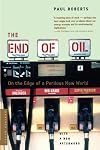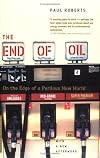
The End of Oil: On the Edge of a Perilous New World
by Paul Roberts
On This Page
Description
Petroleum is now so deeply entrenched in our economy, our politics, and our personal expectations that even modest efforts to phase it out are fought tooth and nail by the most powerful forces in the world: companies and governments that depend on oil revenues; the developing nations that see oil as the only means to industrial success; and a Western middle class that refuses to modify its energy-dependent lifestyle. But within thirty years, by even conservative estimates, we will have show more burned our way through most of the oil that is easily accessible. And well before then, the side effects of an oil-based society -- economic volatility, geopolitical conflict, and the climate-changing impact of hydrocarbon pollution -- will render fossil fuels an all but unacceptable solution. How will we break our addiction to oil? And what will we use in its place to maintain a global economy and political system that are entirely reliant on cheap, readily available energy? Reported from around the globe, The End of Oil brings the world situation into fresh and dramatic focus for business and general readers alike. Roberts talks to both oil optimists and oil pessimists, delves deep into the economics and politics of oil, considers the promises and pitfalls of alternatives, and shows that, although the world energy system has begun its epoch-defining transition, disruption and violent dislocation are almost assured if we do not take a more proactive stance. With the topicality and readability of Fast Food Nation and the scope and trenchant analysis of Guns, Germs, and Steel, this is a vitally important book for the new century. show lessTags
Recommendations















Member Reviews
This came out during Dubya's reign and is so rather dated and does not strive to be an epic entertainment like The Prize: The Epic Quest for Oil, Money, and Power. However, I found enlightening and educational the overview of diminishing returns for oil extractors, the lack of silver bullets outside the hydrocarbon fuels and the convincing argument that the future for oil is a cliff not a gentle downslope. (Strong demand and government actions keep supply steady-ish until it can't.)
Както знаем, ресурсите никога няма да се изчерпят ( http://kaka-cuuka.com/1152 ), но това не пречи на всякакви многознайковци да се изказват по въпроса, всявайки паника заради неизбежния апокалипсис, който, видите ли, идва с всеки изминал ден, този път наистина, обещавам... Затова, честно казано, не очаквах много от книга, която е известна с предсказанията на автора че, да познахте, нефтът на планетата вече свършва и ще show more последва икономически апокалипсис ако НЕ НАПРАВИМ НЕЩО СЕГА!!!
Останах приятно изненадан, че авторът, въпреки гореописаната си теза (а тезата му в общи линии е точно такава), се старае искрено да погледне въпроса от двете страни, да даде информация за нефтената индустрия и да включи колкото се може фактологични доказателства в книгата. Макар да поддържа идеите му, книгата е информативна и определено не е едностранчива пропаганда.
За съжаление обаче, това не стига написаното в нея да е вярно. Примерите за различните неуспешни прототипи на икономични бензинови мотори не са доказателство, че е невъзможно създаването на такъв. Нито изчерпването на съществуващите нефтени кладенци доказва, че не могат да бъдат открити и използвани нови залежи. Фактът, че от написването на книгата (2006 г.) цената на петрола не само не е достигнала космически висоти, както предрича авторът, ами спада, а на газта направо се сгромолясва, че от тогава са открити нови нефтени находища с размер по-голям от всички открити дотогава, и че разработката им е възможна благодарение на нови технологии, кара човек да се замисли (за пореден път) за смисъла на апокалиптични прогнози от всякакъв тип. show less
Останах приятно изненадан, че авторът, въпреки гореописаната си теза (а тезата му в общи линии е точно такава), се старае искрено да погледне въпроса от двете страни, да даде информация за нефтената индустрия и да включи колкото се може фактологични доказателства в книгата. Макар да поддържа идеите му, книгата е информативна и определено не е едностранчива пропаганда.
За съжаление обаче, това не стига написаното в нея да е вярно. Примерите за различните неуспешни прототипи на икономични бензинови мотори не са доказателство, че е невъзможно създаването на такъв. Нито изчерпването на съществуващите нефтени кладенци доказва, че не могат да бъдат открити и използвани нови залежи. Фактът, че от написването на книгата (2006 г.) цената на петрола не само не е достигнала космически висоти, както предрича авторът, ами спада, а на газта направо се сгромолясва, че от тогава са открити нови нефтени находища с размер по-голям от всички открити дотогава, и че разработката им е възможна благодарение на нови технологии, кара човек да се замисли (за пореден път) за смисъла на апокалиптични прогнози от всякакъв тип. show less
With regards to energy reform, the author writes, "Frankly though, the thought of any kind of delay, no matter how rationally justified, terrifies me." Me too, after reading this clear, concise (only 340 pages on this massive topic), accesible, and still current, work. Roberts published this in 2004 and again with an afterward in 2005. He has predicted the obvious. 2010 and beyond will be turbulent times indeed.
Exceptional. Even approaching two decades old it still feels quite relevant. In light of what he debated was to come, it is all the more alarming. If anything, this book should be even more of a call to action than it was when it was first released.
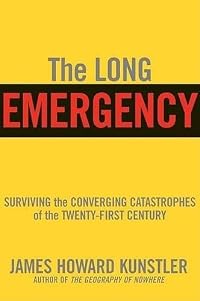
sober, sane and thorough look at how we got into the mess we're in and how it's not too late to get out of it. more hopeful than kunstler but still not the happiest of reads.
333.79
ROB
ROB
Members
- Recently Added By
Author Information

Paul Roberts is a regular contributor to Harper's Magazine, for which he has written about the timber industry, the auto industry, and the destruction of the Florida Everglades. A longtime observer of both business and environmental issues, Roberts is an expert on the complex interplay of economics, technology, and the environment. He lives in show more Leavenworth, Washington show less
Common Knowledge
- Publisher's editor
- Mueller, Anton
- Blurbers
- Romm, Joseph J.; Flavin, Christopher; Victor, David G.; Conaway, James; Easterbrook, Gregg
Classifications
- Genres
- Economics, Nonfiction, General Nonfiction, Science & Nature, Politics and Government, History
- DDC/MDS
- 333.79 — Society, Government, and Culture Economics Economics of land and energy Conservation, Alternative Energy Sources Energy - alternative, renewable
- LCC
- HD9650.6 .R63 — Social sciences Industries. Land use. Labor Industries. Land use. Labor Special industries and trades Chemical industries
- BISAC
Statistics
- Members
- 670
- Popularity
- 42,735
- Reviews
- 7
- Rating
- (3.72)
- Languages
- English, Finnish, Italian, Spanish
- Media
- Paper, Ebook
- ISBNs
- 10
- UPCs
- 2
- ASINs
- 8