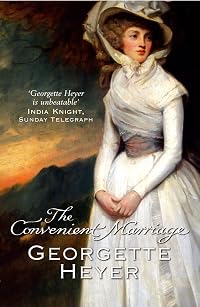
The Convenient Marriage
by Georgette Heyer
On This Page
Description
"A writer of great wit and style... I've read her books to ragged shreds." -Kate Fenton, Daily TelegraphHoratia Winwood is simply helping her family
When the Earl of Rule proposes marriage to her sister Lizzie, Horatia offers herself instead. Her sister is already in love with someone else, and Horatia is willing to sacrifice herself for her family's happiness. Everyone knows she's no beauty, but she'll do her best to keep out of the Earl's way and make him a good wife. And then the Earl's show more archenemy, Sir Robert, sets out to ruin her reputation...
The Earl of Rule has found just the wife he wants
Unbeknownst to Horatia, the Earl is enchanted by her. There's simply no way he's going to let her get into trouble. Overcoming some misguided help from Horatia's harebrained brother and a hired highwayman, the Earl routs his old enemy, and wins over his young wife, gifting her with a love that she never thought she could expect.
"Reading Georgette Heyer is the next best thing to reading Jane Austen."-PUBLISHERS WEEKLY
. show less
Tags
Recommendations


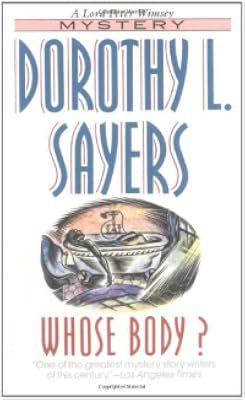
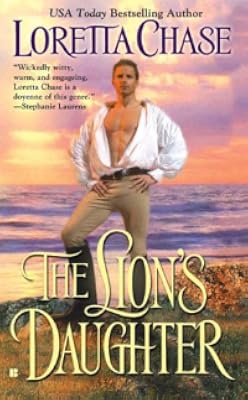
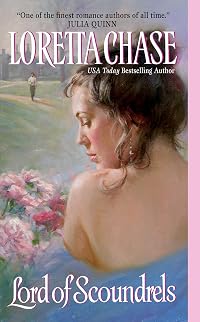
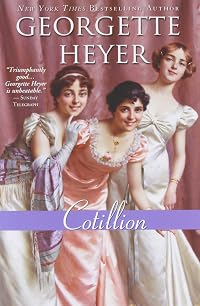







Member Reviews
The Earl of Rule decides he needs a wife and chooses Lizzie Winwood to fulfill the role. Unfortunately, Lizzie’s heart already belongs to Captain Heron. Although Heron is penniless, and Lizzie’s family needs money yesterday, she really doesn’t want to marry Rule instead. But it’s alright, because Lizzie’s youngest sister, Horatia, volunteers to take one for the team and marry the dashing, handsome, and incredibly rich Earl in Lizzie’s place. So selfless of her! 😊
This was a zany, hilarious story filled with lovable characters. I loved Horry’s madcap brother, Pelham, and his friend Pomeroy, and how they managed to rope Heron, an otherwise strait-laced character, into their wild schemes. Their antics cracked me up, and I show more highlighted so many funny lines. I also really enjoyed Pel’s sibling relationship with Horry, which was also quite funny. Lethbridge and Crosby were good villains, and, of course, Rule was a great hero. I loved that he trusted and showed so much patience with his impetuous young bride. I wish the ending had been longer, but that’s only because I wanted more Rule and Horry. show less
This was a zany, hilarious story filled with lovable characters. I loved Horry’s madcap brother, Pelham, and his friend Pomeroy, and how they managed to rope Heron, an otherwise strait-laced character, into their wild schemes. Their antics cracked me up, and I show more highlighted so many funny lines. I also really enjoyed Pel’s sibling relationship with Horry, which was also quite funny. Lethbridge and Crosby were good villains, and, of course, Rule was a great hero. I loved that he trusted and showed so much patience with his impetuous young bride. I wish the ending had been longer, but that’s only because I wanted more Rule and Horry. show less
The great joy in Heyer's novels is not necessarily the means by which the principle characters contrive to misunderstand each other until they finally end up on the same wavelength. No, the delight in these is as much the supporting characters and the set pieces that scatter the book. In this case, the principles are Marcus, Earl of Rule and his very bold young wife, Horatia Winwood. The delight, however, rests in the passage where Horatia's brother, Pelham, her brother in law Edward Heron and Pelham's friend Roland Pommeroy try and save her from herself. This culminates in an attempt the hold up a coach as highway men. the humour with which this scene is presented is positively brilliant. When Sir Roland tries to enquire of their show more victim where he got his fine horses, you have to laugh at his bafflement when the man doesn't want to deal. Priceless.
As usual, the entire book could have been avoided had the two principles actually had an honest conversation at the end of chapter 1, but that would have been to miss the fun. show less
As usual, the entire book could have been avoided had the two principles actually had an honest conversation at the end of chapter 1, but that would have been to miss the fun. show less
Originally published in 1934, The Convenient Marriage is one of Georgette Heyer's earlier romances, and although the author is credited with inventing the "Regency Romance" genre, belongs more to the Georgian school. I understand that Heyer was quite embarassed by these Georgian romances, later in life, no doubt owing to their reliance on such swashbuckling staples as duels, highwaymen, and out-and-out kidnapping. Whatever the case may be, I adore this book, which never fails to make me laugh, and I keep it by me for times when I need a little light-hearted escape.
It is the story of Horatio Winwood, a rather short young lady with intimidating eyebrows and a stammer, who decides that the fabulously wealthy Earl of Rule must marry her, show more rather than her older sister Elizabeth. The "proposal" scene is simply delicious, ranking among my favorite Heyer moments, and is only equaled by the hilarious sequence of events involving "Pel and Pom" (as I like to think of them) later on in the novel.
This tale of two very different characters, their eventful marriage, and how they come to an understanding of one another, is engagingly told. The cast of supporting characters, from the dastardly Lord Lethbridge to the genial and rather hot-headed Pelham, is superb. Here the reader will find, not one, but two fake hold-ups, a genuine kidnapping, a rather dull duel, and the story of true love... What more could be desired? show less
It is the story of Horatio Winwood, a rather short young lady with intimidating eyebrows and a stammer, who decides that the fabulously wealthy Earl of Rule must marry her, show more rather than her older sister Elizabeth. The "proposal" scene is simply delicious, ranking among my favorite Heyer moments, and is only equaled by the hilarious sequence of events involving "Pel and Pom" (as I like to think of them) later on in the novel.
This tale of two very different characters, their eventful marriage, and how they come to an understanding of one another, is engagingly told. The cast of supporting characters, from the dastardly Lord Lethbridge to the genial and rather hot-headed Pelham, is superb. Here the reader will find, not one, but two fake hold-ups, a genuine kidnapping, a rather dull duel, and the story of true love... What more could be desired? show less
I'm not sure if I just read this, I would have enjoyed it as much. But Richard Armitage brings these characters to life in a way that made me absolutely adore this story. For each character, he created a distinct voice that conveyed everything about the character you could hope for.
Aside from his reading, I enjoyed this story for its twist on the romantic novel. The heroine isn’t some chaste meek’n’mild wallflower. She’s an extravagant flirt who learns a few lessons about love and propriety. I enjoyed this. She wasn’t perfect, but had distinct flaws that needed correction, that got her in trouble, that she had to confront.
Heyer, known for her historic accuracy, did not disappoint. Her grasp of late 1700s style and manners gave show more the story a lovely authenticity. But there is no danger of boredom, as the story practically dances with Heyer light and sparkling prose. And excellent summer read, perfect for poolside!
Note: My review pertains to the AudioBook, read by Richard Armitage. show less
Aside from his reading, I enjoyed this story for its twist on the romantic novel. The heroine isn’t some chaste meek’n’mild wallflower. She’s an extravagant flirt who learns a few lessons about love and propriety. I enjoyed this. She wasn’t perfect, but had distinct flaws that needed correction, that got her in trouble, that she had to confront.
Heyer, known for her historic accuracy, did not disappoint. Her grasp of late 1700s style and manners gave show more the story a lovely authenticity. But there is no danger of boredom, as the story practically dances with Heyer light and sparkling prose. And excellent summer read, perfect for poolside!
Note: My review pertains to the AudioBook, read by Richard Armitage. show less
If you think of this book as a Regency romance done by the Marx Brothers, you will get a sense of the appeal and fun of this story. [The genre of “Regency romances,” usually set in the period of the British Regency (1811-1820), involves romances with an emphasis on manners. There is generally a great deal of witty, fast-paced dialogue among the protagonists, and in terms of romance, more talk than action. While Jane Austen is perhaps the best-known author from this period, the genre remained popular thereafter, and Georgette Heyer (herself influenced by Austen), wrote over two dozen such novels.]
Although this book is considered a Regency romance, it is set a little early, in 1776. [Thus it is more accurately considered a "Georgian show more romance," the Georgian era of British history spanning the reigns of the first four Hanoverian kings of Great Britain who were all named George: George I, George II, George III and George IV and covering the period from 1714 to 1830. The Regency Era is a "sub-period" this time.]
What I found especially delightful about this book is that the affaire d’amour involved two people who were already married to each other, in, as the title suggests, a marriage of convenience.
When the 35-year-old and wealthy Marcus, Earl of Rule, proposes marriage to 20-year-old Elizabeth Winwood (whom Rule barely knows), she agrees to marry him although she loves someone else (Edward Heron). But her family is desperate for money, largely owing to the gambling habit of Elizabeth's brother Pelham, and a marriage to Rule would provide them with a large settlement.
The youngest Winwood sister, Horatia (called Horry), only 17, decides to “save” Elizabeth so she can be with her true love Edward, and goes to see Rule, asking in her stammer, “C-could you - would you m-mind very much - having m-me instead?”
Rule protests he is too old for Horry, but she assures him no one would think he was as old as he actually was. Laughing, he grows charmed by Horry, who promises not to “interfere” with Rule’s private life, and agrees to her plan.
The two marry, much to the titillation of society, and Horry soon takes up the occupations of the idle rich, viz., gambling and spending money on fashions and equipages, with relish.
Meanwhile several parties conspire to undermine the marriage. Lady Caroline Massey has been Rule’s mistress, and had hoped to snare him permanently for his money and connections. Baron Robert Lethbridge wants revenge on Rule for stymying his designs on Rule’s sister, Lady Louisa. Rule’s cousin, Crosby Drelincourt, heir-presumptive to Rule, doesn’t want any competition for Rule’s fortune.
The group convinces Horry that Rule “had been for years the [Lady] Massey’s slave.” Horry, who is beginning to love her husband, sets out to make Rule jealous by consorting with Lethbridge. Lethbridge turns out to be even a bigger rake than his reputation allowed, and Horry gets into serious trouble. Her brother, his good friend Sir Roland Pommeroy, and Edward Heron all try to help her out, to hilarious effect, not knowing that Rule is aware of their schemes. The zany build-up to the dénouement is counterbalanced by the tenderness of the resolution.
Discussion: I couldn’t help but fall in love with Lord Rule. He is patient, generous, humorous, tender, and most helpfully, smarter than anyone else around him. He is enchanted by Horry’s naivety and honesty, although she did indeed have a lot of growing up to do. (It’s very sad there is no sequel.)
I should add, that in order to enjoy this book, you’ll have to leave your social conscience on the shelf for a while. These are all rich white people spending money profligately which was quite possibly made from exploiting colonial subjects, and certainly with no regard for the hardships of the poor. But it can also be said that the author underlays her tale with a certain cynicism and irony that encourages the reader to regard the effete rich with a jaundiced eye, along with affection for those characters who make an effort to maintain morality and humaneness.
Evaluation: If you like the comical romances of Sophie Kinsella and you also like Jane Austin, you well might enjoy this confection of a story written in 1934 but none the worse for its age. show less
Although this book is considered a Regency romance, it is set a little early, in 1776. [Thus it is more accurately considered a "Georgian show more romance," the Georgian era of British history spanning the reigns of the first four Hanoverian kings of Great Britain who were all named George: George I, George II, George III and George IV and covering the period from 1714 to 1830. The Regency Era is a "sub-period" this time.]
What I found especially delightful about this book is that the affaire d’amour involved two people who were already married to each other, in, as the title suggests, a marriage of convenience.
When the 35-year-old and wealthy Marcus, Earl of Rule, proposes marriage to 20-year-old Elizabeth Winwood (whom Rule barely knows), she agrees to marry him although she loves someone else (Edward Heron). But her family is desperate for money, largely owing to the gambling habit of Elizabeth's brother Pelham, and a marriage to Rule would provide them with a large settlement.
The youngest Winwood sister, Horatia (called Horry), only 17, decides to “save” Elizabeth so she can be with her true love Edward, and goes to see Rule, asking in her stammer, “C-could you - would you m-mind very much - having m-me instead?”
Rule protests he is too old for Horry, but she assures him no one would think he was as old as he actually was. Laughing, he grows charmed by Horry, who promises not to “interfere” with Rule’s private life, and agrees to her plan.
The two marry, much to the titillation of society, and Horry soon takes up the occupations of the idle rich, viz., gambling and spending money on fashions and equipages, with relish.
Meanwhile several parties conspire to undermine the marriage. Lady Caroline Massey has been Rule’s mistress, and had hoped to snare him permanently for his money and connections. Baron Robert Lethbridge wants revenge on Rule for stymying his designs on Rule’s sister, Lady Louisa. Rule’s cousin, Crosby Drelincourt, heir-presumptive to Rule, doesn’t want any competition for Rule’s fortune.
The group convinces Horry that Rule “had been for years the [Lady] Massey’s slave.” Horry, who is beginning to love her husband, sets out to make Rule jealous by consorting with Lethbridge. Lethbridge turns out to be even a bigger rake than his reputation allowed, and Horry gets into serious trouble. Her brother, his good friend Sir Roland Pommeroy, and Edward Heron all try to help her out, to hilarious effect, not knowing that Rule is aware of their schemes. The zany build-up to the dénouement is counterbalanced by the tenderness of the resolution.
Discussion: I couldn’t help but fall in love with Lord Rule. He is patient, generous, humorous, tender, and most helpfully, smarter than anyone else around him. He is enchanted by Horry’s naivety and honesty, although she did indeed have a lot of growing up to do. (It’s very sad there is no sequel.)
I should add, that in order to enjoy this book, you’ll have to leave your social conscience on the shelf for a while. These are all rich white people spending money profligately which was quite possibly made from exploiting colonial subjects, and certainly with no regard for the hardships of the poor. But it can also be said that the author underlays her tale with a certain cynicism and irony that encourages the reader to regard the effete rich with a jaundiced eye, along with affection for those characters who make an effort to maintain morality and humaneness.
Evaluation: If you like the comical romances of Sophie Kinsella and you also like Jane Austin, you well might enjoy this confection of a story written in 1934 but none the worse for its age. show less
When Lord Rule proposes to her oldest sister Lizzie, Horatia Winwood takes it upon herself to marry the Lord to help her sister and her beau. Having promised not to interfere with Lord Rule, Horatia is aware that the marriage is one of convenience. However, when Lord Rule's archnemesis decides to ruin Horatia's reputation, it may turn out the marriage is a love match after all.
A delectable read I devoured over the course of two days, Horatia and Lord Rule are both charming characters and the plot is quite a bit more action packed than other Heyers I've read. The novel also varies from the norm in that it begins with a marriage rather than ending with one. With a fun cast of supporting characters (my personal favourite being Horatia's show more gambling and drink-prone brother, Pelham) the novel was just the light and fast read I needed. show less
A delectable read I devoured over the course of two days, Horatia and Lord Rule are both charming characters and the plot is quite a bit more action packed than other Heyers I've read. The novel also varies from the norm in that it begins with a marriage rather than ending with one. With a fun cast of supporting characters (my personal favourite being Horatia's show more gambling and drink-prone brother, Pelham) the novel was just the light and fast read I needed. show less
=This has so much plot for a Heyer! I say that with affection, but I don't really associate adventure and plotting with Heyer. But oh my god this one was full of it! And Horatia! I'm positively in love with her, such a capable, competent heroine is not easily found in regency romance. Horatia was able to save herself, and I became quite fond of her stammer though it sort of annoyed me at first.
And Lord Rule! He may have exceeded my love for Mr. Beaumaris (Arabella). I can't explain how much I love Rule, he was just so funny and took everything in stride but was certainly angry when it mattered.
It seems the more Heyer I read the better she gets! Another must read!
And Lord Rule! He may have exceeded my love for Mr. Beaumaris (Arabella). I can't explain how much I love Rule, he was just so funny and took everything in stride but was certainly angry when it mattered.
It seems the more Heyer I read the better she gets! Another must read!
Members
- Recently Added By
Lists

Favorite Georgette Heyer Novels, Ranked
49 works; 29 members

Best Love Stories
107 works; 14 members

KayStJ's to-read list
1,616 works; 11 members

Favorite Romance Fiction
247 works; 115 members

Books Read in 2023
5,638 works; 147 members

Books We Couldn't Put Down
443 works; 197 members

Top Five Books of 2025
954 works; 304 members
Talk Discussions
Past Discussions
Found: Victorian era woman comes into her own in Name that Book (August 2021)
Author Information

125+ Works 78,317 Members
Georgette Heyer was born on August 16, 1902 at Wimbledon, London. She wrote The Black Moth as a story for her brother Boris. Her father, impressed with his daughter's imagination, suggested that she prepare it to be published, which it was by Constable in 1921. Having scored an instant success with The Black Moth at the age of nineteen under her show more own name, Georgette Heyer, she experimented with a pseudonym, Stella Martin, for her third book, published by Mills & Boon. She continued writing and in 1925 she married Ronald Rougier, a mining engineer. After reasonable but not spectacular sales from her first few books the instant success of These Old Shades in 1926 brought her a solid source of income which was very necessary at the time since the family relied to a large extent on the income from Georgette Heyer's writing. She wrote over fifty books during her lifetime and created the Regency England genre of romance novels. She died on July 4, 1974 at the age of 71. (Bowker Author Biography) show less
Some Editions
Series
Belongs to Publisher Series
rororo (477)
Work Relationships
Is contained in
These Old Shades + Sprig Muslin + Sylvester + The Corinthian + The Convenient Marriage by Georgette Heyer
Is abridged in
Common Knowledge
- Canonical title*
- Die Vernunftehe
- Original publication date
- 1934
- People/Characters
- Lord Marcus Drelincourt, Earl of Rule; Horatia Winwood; Lord Robert Lethbridge
- Important places
- London, England, UK
- First words
- Lady Winwood being denied, the morning caller inquired with some anxiety for Miss Winwood, or, in fact, for any of the young ladies.
- Last words
- (Click to show. Warning: May contain spoilers.)'I l-like it very m-much!'
- Original language
- English
*Some information comes from Common Knowledge in other languages. Click "Edit" for more information.
Classifications
Statistics
- Members
- 1,947
- Popularity
- 10,971
- Reviews
- 82
- Rating
- (3.63)
- Languages
- 6 — English, French, German, Italian, Portuguese, Spanish
- Media
- Paper, Audiobook, Ebook
- ISBNs
- 41
- UPCs
- 1
- ASINs
- 38