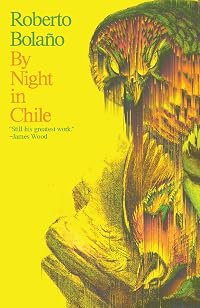
By Night in Chile
by Roberto Bolaño
On This Page
Description
As through a crack in the wall, By Night in Chile's single night-long rant provides a terrifying, clandestine view of the strange bedfellows of church and state in Chile. This wild, eerily compact novel-Roberto Bolaño's first work available in English-recounts the tale of a poor boy who wanted to be a poet, but ends up a half-hearted Jesuit priest and conservative literary critic, a sort of lapdog to the rich and powerful cultural elite, in whose villas he encounters Pablo Neruda and Ernst show more Jünger. Father Urrutia is offered a tour of Europe by agents of Opus Dei to study "the disintegration of the churches"-a journey into realms of the surreal-and, ensnared by this plum, he is next assigned, after the destruction of Allende, the secret, never-to-be-disclosed job of teaching Pinochet, at night, all about Marxism, so the junta generals can know their enemy. Soon, searingly, his memories go from bad to worse. Heart-stopping and hypnotic, By Night in Chile marked the American debut of an astonishing writer. show lessTags
Recommendations
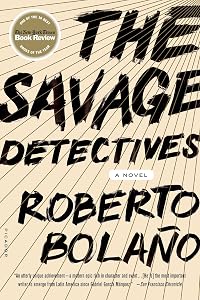
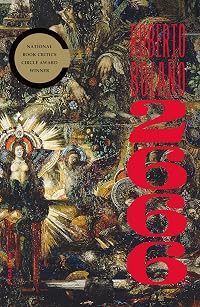





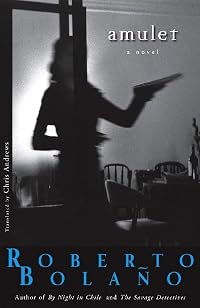
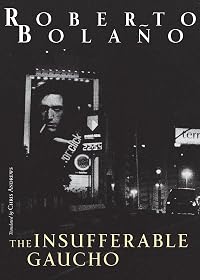

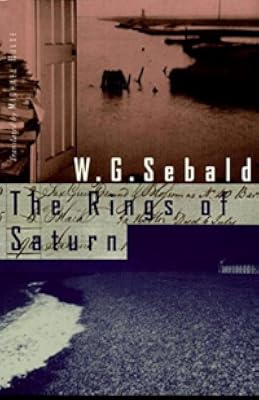

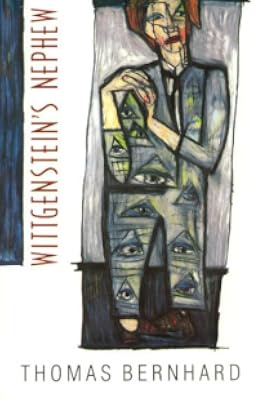
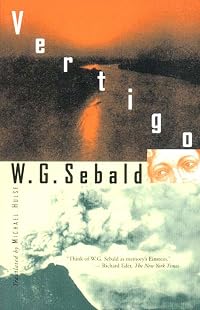

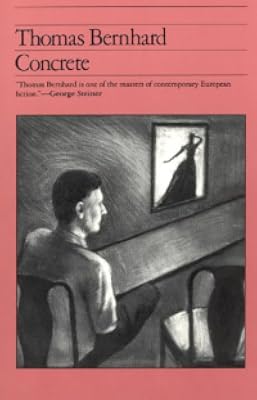
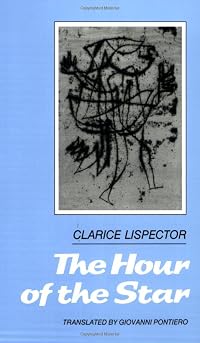

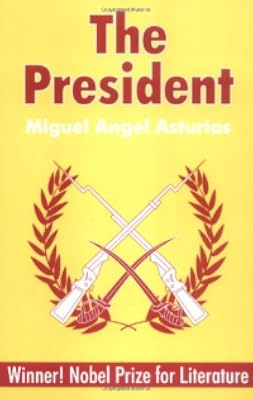
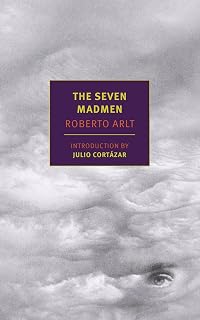
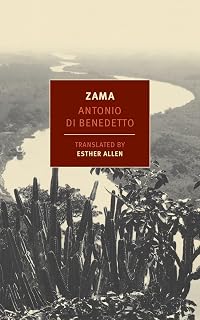
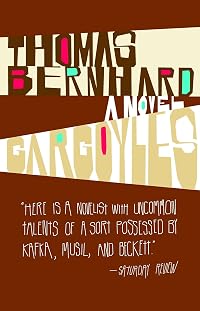



Member Recommendations
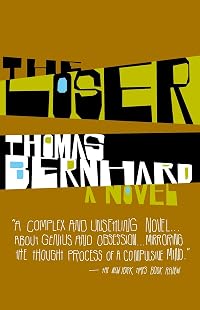
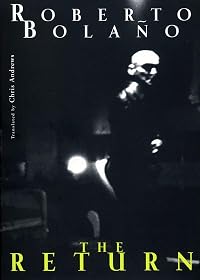
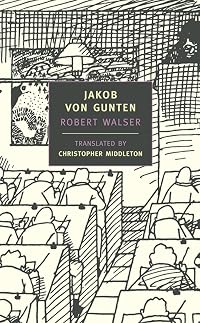
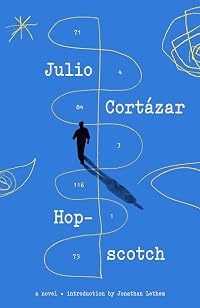
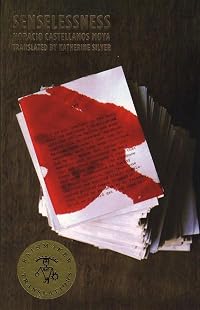
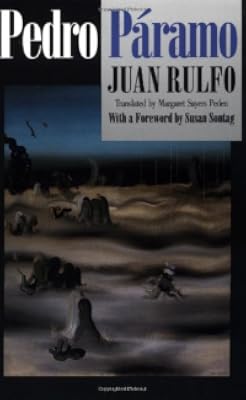
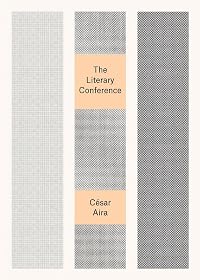
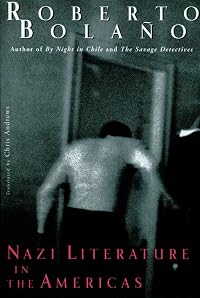
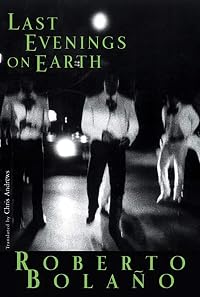
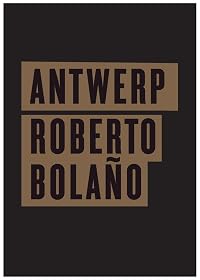
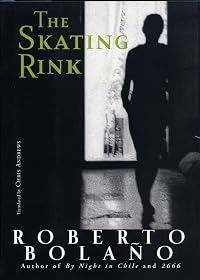
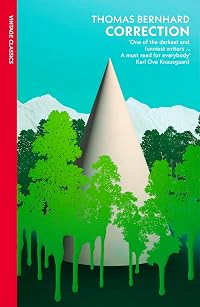
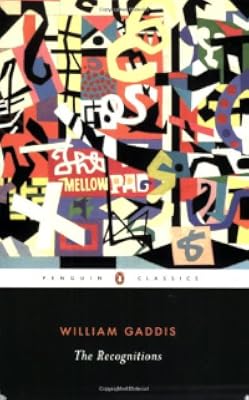
Queenofcups A similar treatment of the evolution of a consciousness, in a different time and place.
Member Reviews
And so I move from a book for which there were three reviews (Ivan Klima's 'My First Loves') to this with over 700... Strange how acclaim accumulates in reading circles - rock star status for some, the cabaret circuit for others equally worthy of our praise. In terms of reputation, then, Bolaño puts me in mind of Murakami. In Bolaño's case, the fuss is merited, to some extent at least.
As ever with Bolaño, there is an extravagantly-named protagonist - Father Sebastian Urrutia Lacroix, in this case - and a large cast of extravagantly-named others, some of whom are genuine historical figures and some pure invention. It concerns the sick-bed (and possibly, death-bed) reminiscences of a Chilean priest who is also a literary critic and show more minor poet. The priest joins the reactionary and secretive Catholic organisation, Opus Dei, becoming its "most liberal member". The crux of the novella explores Urrutia's ambiguous relationship with Augusto Pinochet's appalling neo-Falangist dictatorship (you remember him, the friend of Margaret Thatcher..)
'By Night in Chile' is an example of the one-paragraph, stream-of-consciousness novel. In this, it's nothing new. Garcia Marquez's 'The Autumn of the Patriarch' and Bernhard's 'Old Masters' spring to mind. It does mean, though, it's unlikely to prove a good read for those who like their fiction broken up into readily consumed pieces. I found it thoroughly engaging. The compromised nature of Father Urrutia (think of Greene's 'Whisky Priest' here), the surreal and menacing nature of the episodes and some beautiful imagery compelled me to read it almost in one sitting. Well, in one lying, actually... I write this while propped up on one elbow like Urrutia himself, nursing a lower back injury... show less
As ever with Bolaño, there is an extravagantly-named protagonist - Father Sebastian Urrutia Lacroix, in this case - and a large cast of extravagantly-named others, some of whom are genuine historical figures and some pure invention. It concerns the sick-bed (and possibly, death-bed) reminiscences of a Chilean priest who is also a literary critic and show more minor poet. The priest joins the reactionary and secretive Catholic organisation, Opus Dei, becoming its "most liberal member". The crux of the novella explores Urrutia's ambiguous relationship with Augusto Pinochet's appalling neo-Falangist dictatorship (you remember him, the friend of Margaret Thatcher..)
'By Night in Chile' is an example of the one-paragraph, stream-of-consciousness novel. In this, it's nothing new. Garcia Marquez's 'The Autumn of the Patriarch' and Bernhard's 'Old Masters' spring to mind. It does mean, though, it's unlikely to prove a good read for those who like their fiction broken up into readily consumed pieces. I found it thoroughly engaging. The compromised nature of Father Urrutia (think of Greene's 'Whisky Priest' here), the surreal and menacing nature of the episodes and some beautiful imagery compelled me to read it almost in one sitting. Well, in one lying, actually... I write this while propped up on one elbow like Urrutia himself, nursing a lower back injury... show less
Father Urrutia Lacroix is on his deathbed, confronting the "wizened youth" of his idealistic younger self, and ranting in a semi-confessional, desultory style that runs the entire book without pause. He relates his desire to write poetry and how that brought him into the circle of literary critic, Farewell, where he met many illustrious members of the literary intelligentsia, including Neruda. But Urrutia remained on the outside and eventually fell into a despondency broken only by an offer from two shady members of Opus Dei to travel Europe investigating ways to preserve the integrity of the Church. Upon his return he is drawn into a complicit relationship with the Chilean military junta, until he even he finds it hard to justify his show more actions.
By Night in Chile is a stinging indictment of the literary elite and their role as bystanders, if not contributors, to the terror that permeated Chile under Pinochet. Replete with references to literary figures ranging from Dante to Ernst Jünger, as well as Chilean historical personages, the novel is best read with easy access to the Internet. Bolaño also condemns the Catholic Church for being "the well in which the sins of Chile sink without a trace." His imagery of the priests of Europe using falcons to bring down the pigeons and even doves of the people they supposedly guide is chilling. In addition to it's intellectual interest, the novel is wonderfully written with lines that are both concise and illustrative. Impressive. show less
By Night in Chile is a stinging indictment of the literary elite and their role as bystanders, if not contributors, to the terror that permeated Chile under Pinochet. Replete with references to literary figures ranging from Dante to Ernst Jünger, as well as Chilean historical personages, the novel is best read with easy access to the Internet. Bolaño also condemns the Catholic Church for being "the well in which the sins of Chile sink without a trace." His imagery of the priests of Europe using falcons to bring down the pigeons and even doves of the people they supposedly guide is chilling. In addition to it's intellectual interest, the novel is wonderfully written with lines that are both concise and illustrative. Impressive. show less
A great book to read while I myself was in a state of feverish delirium, picking it up, putting it down, finding myself totally adrift at times and fully lucid at others. I have not read Bolaño for many years, not since I was in my late teens (I'm 32 now), and the experience was very different. This time I felt I understood the fundamental absurdity of the Bolaño style: marrying literary critics, militant fascists, poets, and Marxism in a river of hallucinatory ramblings is a method so homogenous you kind of have to laugh. I think my younger self, knowing nothing about Latin America, probably just thought this was what they were like over there. But no, this is all the work of a totally sui generis imagination, one that questions the show more moral complicity of literature and philosophy with fascism. I know a lot of smart people think this is his best, and I did like it a lot more this time, but it didn't come close to moving me anywhere near as much as 2666 (which I have not read in many, many years now). Good to get back in touch with Big Bobby Bolaño. show less
The hallucinogenic confessions of a coward on his deathbed. That Father Urrutia is a stooge for Pinochet is just a symptom of the man's fundamental mediocrity: his cowardice extends to his very artistic soul. Urrutia is the academic elite who idolize the innovators of poetry and literature of the past but are too afraid to contribute to it. They neither challenge, change, adapt, innovate, or engage. In their inaction they are failures. They discuss politics in the abstract sense while prisoners are tortured literally underneath their feet. It's like Leni Riefenstahl who claimed ignorance of Hitler's agenda. How can a visionary play with the power art without understanding the consequences?
On his deathbed Urrutia realizes that he show more squandered his intellectual inheritance on the perceived safety of fascism. In his attempts to be above it all he is lowered beneath. A "wizened youth" looks on solemnly: perhaps this apparition is what Urrutia once was or perhaps it is what he was always too afraid to become. The man who wanted to be the next Neruda understands that the only thing he contributed to his country were birds of prey, imported from former dictatorships, intended to slaughter doves who shit on cathedrals. Now there is one hell of a metaphor. show less
On his deathbed Urrutia realizes that he show more squandered his intellectual inheritance on the perceived safety of fascism. In his attempts to be above it all he is lowered beneath. A "wizened youth" looks on solemnly: perhaps this apparition is what Urrutia once was or perhaps it is what he was always too afraid to become. The man who wanted to be the next Neruda understands that the only thing he contributed to his country were birds of prey, imported from former dictatorships, intended to slaughter doves who shit on cathedrals. Now there is one hell of a metaphor. show less
One of the first things, or so it's often said - for instance, by Mario Vargas Llosa in last year's Nobel Prize lecture - that happens in a dictatorship is that the artists get silenced. All those brave painters, playwrights, poets and novelists who stand up against tyranny, whose works are distributed in secret on photocopies and are sung at secret gatherings, who are more powerful than a thousand bombs, and who get thanked as liberators once democracy returns...
Except is that really what happens? By night in Chile, that long period when Pinochet's fascists ruled, everything was silent according to Bolaño. Much like 2666, By Night In Chile seems almost an accusation against literature itself and its failures. We follow our narrator as show more he makes his deathbed confession, how he started as a young priest turned literature critic, as he learns from both fellow critics, from Opus Dei and from the fascist junta the importance of conservation, purity, loyalty, a world in which everything always remains what it is, where nobody questions anything. He praises the silence that dictatorship brought, when he finally gets to rise to prominence as both a Marxism expert to the junta and an eloquent appraiser of classical, eternal literature - since nothing new gets written about what's happening now. Afterwards, with Pinochet gone, everyone talks about how they resisted, but our narrator, who maintains his innocence right up to the end, was there and he didn't see it. While they gathered in secret rooms and whispered of their independence, people were tortured. In silence. Literature didn't change anything (he writes in his novel).
Bolaño's roots seem less South American and more central European - there are parts of By Night In Chile where it feels like I'm reading one of the latter-day East bloc satirists, especially Hrabal comes to mind. He's both funny and desperately, bitterly furious. It's not the masterpiece that 2666 is; the characters are a little too sketchy, and there are a few ideas (for instance, naming the Opus Dei representatives Raef and Etah) that feel a bit too on the nose. But on a whole, it's a dark little bitter pill of a book, at 150 pages just thin enough to sneak in the next time we get a little too self-congratulatory about how we made the world better today. show less
Except is that really what happens? By night in Chile, that long period when Pinochet's fascists ruled, everything was silent according to Bolaño. Much like 2666, By Night In Chile seems almost an accusation against literature itself and its failures. We follow our narrator as show more he makes his deathbed confession, how he started as a young priest turned literature critic, as he learns from both fellow critics, from Opus Dei and from the fascist junta the importance of conservation, purity, loyalty, a world in which everything always remains what it is, where nobody questions anything. He praises the silence that dictatorship brought, when he finally gets to rise to prominence as both a Marxism expert to the junta and an eloquent appraiser of classical, eternal literature - since nothing new gets written about what's happening now. Afterwards, with Pinochet gone, everyone talks about how they resisted, but our narrator, who maintains his innocence right up to the end, was there and he didn't see it. While they gathered in secret rooms and whispered of their independence, people were tortured. In silence. Literature didn't change anything (he writes in his novel).
Bolaño's roots seem less South American and more central European - there are parts of By Night In Chile where it feels like I'm reading one of the latter-day East bloc satirists, especially Hrabal comes to mind. He's both funny and desperately, bitterly furious. It's not the masterpiece that 2666 is; the characters are a little too sketchy, and there are a few ideas (for instance, naming the Opus Dei representatives Raef and Etah) that feel a bit too on the nose. But on a whole, it's a dark little bitter pill of a book, at 150 pages just thin enough to sneak in the next time we get a little too self-congratulatory about how we made the world better today. show less
Sebastian Urrutia Lacroix, a failed priest, literary critic, and occasional poet, is dying. In a long and rambling deathbed confession, Urrutia looks back over the achievements and shortcomings in his life with an increasingly shaky grasp of reality. His memories, which range from the specific (meetings with Pablo Neruda, teaching Marxist philosophy to Augusto Pinochet) to the fantastic (engaging in falconry with European clergymen), come tumbling out in a stream-of-consciousness style as his end draws nearer. Throughout the narrative, Urrutia takes a decidedly defensive tone as he attempts to justify his actions to the unseen “wizened youth” who sits in judgment.
Although brief in length, this is a deceptively complex novel. It can show more be read as either a straightforward tale of one man’s final thoughts before passing away or as an allegorical and political history of the author’s native land of Chile. It is no secret that Bolaño’s sentiments ran contrary to those of the military dictatorship that controlled the country for many years—in fact, he spent time in jail under the Pinochet regime—and that attitutde of dissent is evident throughout the entire book. However, the story can also be seen as an indictment of the community of Chilean artists and writers that turned a blind eye toward the repression happening around them during that terrible time.
By Night in Chile is not as well known nor as well received as the author’s longer works of fiction (The Savage Detectives, 2666), but that should not dissuade potential readers. Bolaño was a marvelous writer and his talents for stylistic innovation (e.g., the entire story is essentially told in a single paragraph stretching to more than 100 pages) and insights into social conventions and human nature are on full display here. His prose is at once challenging, thought provoking, and profoundly moving, which is a most generous reward for the effort it takes to read it. show less
Although brief in length, this is a deceptively complex novel. It can show more be read as either a straightforward tale of one man’s final thoughts before passing away or as an allegorical and political history of the author’s native land of Chile. It is no secret that Bolaño’s sentiments ran contrary to those of the military dictatorship that controlled the country for many years—in fact, he spent time in jail under the Pinochet regime—and that attitutde of dissent is evident throughout the entire book. However, the story can also be seen as an indictment of the community of Chilean artists and writers that turned a blind eye toward the repression happening around them during that terrible time.
By Night in Chile is not as well known nor as well received as the author’s longer works of fiction (The Savage Detectives, 2666), but that should not dissuade potential readers. Bolaño was a marvelous writer and his talents for stylistic innovation (e.g., the entire story is essentially told in a single paragraph stretching to more than 100 pages) and insights into social conventions and human nature are on full display here. His prose is at once challenging, thought provoking, and profoundly moving, which is a most generous reward for the effort it takes to read it. show less
In this slim book, Bolaño manages to attack everything from the literati to religion, from politics to dissident desires, from memory and its unreliability to flat-out fabrications and historical inconsistencies.
The narrative voice here is really the technical vehicle that navigates the reader, and it's at this that Bolaño succeeds in such a wonderfully brilliant and uncharted way. While at times reminiscent of Dostoevsky's Underground Man or Camus's Clamence, or perhaps the comparison is solely rooted in the motif of confession, Bolaño's Urrutia is a literary, religious, political, and existential crisis all his own.
The narrative voice here is really the technical vehicle that navigates the reader, and it's at this that Bolaño succeeds in such a wonderfully brilliant and uncharted way. While at times reminiscent of Dostoevsky's Underground Man or Camus's Clamence, or perhaps the comparison is solely rooted in the motif of confession, Bolaño's Urrutia is a literary, religious, political, and existential crisis all his own.
Members
- Recently Added By
Published Reviews
ThingScore 100
Det finns mycket mer att säga om Roberto Bolaño. [...] Att läsa honom är som att sömnlös i natten vrida på radions AM-band och höra röster, städer, kontinenter lysa upp i mörkret och åter försvinna.
added by Jannes
Det finns överhuvudtaget mycket symbolik och allegori i denna korta roman. Men bilderna är så verkningsfulla och melankoliskt sköna att de inte alls tynger prosan så som symboler ofta brukar göra.
added by Jannes
Lists

2024-2025 Ezra Klein Guest Recommendations
213 works; 6 members
Author Information

96+ Works 28,088 Members
Some Editions
Series
Belongs to Publisher Series
Common Knowledge
- Canonical title*
- Om natten i Chile
- Original title
- Nocturno de Chile
- Original publication date
- 2000 (original Spanish) (original Spanish); 2003 (English: Andrews) (English: Andrews)
- People/Characters
- Augusto Pinochet; Sebastián Urrutia Lacroix; Pablo Neruda; Farewell; Ernst Jünger
- Important places
- Chile; Latin America; South America
- Epigraph
- "Ta av er peruken." - Chesterton
"Take off your wig" - Dedication
- For Carolina López and Lautaro Bolaño
- First words
- I am dying now, but I still have many things to say.
- Quotations
- ....my cassock flapping in the wind, my cassock like a shadow, my black flag, my prim and proper music, clean, dark cloth, a well in which the sins of Chile sank without a trace
And I shrugged my shoulders, as people do in novels, but never in real life. - Last words
- (Click to show. Warning: May contain spoilers.)And then the storm of shit begins.
- Blurbers
- Sontag, Susan; Palmer, Michael; Goldman, Francisco
- Original language
- Spanish
*Some information comes from Common Knowledge in other languages. Click "Edit" for more information.
Classifications
- Genres
- Fiction and Literature, General Fiction
- DDC/MDS
- 813 — Literature & rhetoric American literature in English American fiction in English
- LCC
- PQ8098.12 .O38 .N6313 — Language and Literature French, Italian, Spanish and Portuguese literatures Spanish literature Provincial, local, colonial, etc. Spanish America
- BISAC
Statistics
- Members
- 1,811
- Popularity
- 12,046
- Reviews
- 66
- Rating
- (3.82)
- Languages
- 19 — Chinese, Czech, Danish, Dutch, English, Estonian, Finnish, French, German, Hebrew, Italian, Lithuanian, Norwegian (Bokmål), Polish, Portuguese, Russian, Croatian, Spanish, Swedish
- Media
- Paper, Audiobook, Ebook
- ISBNs
- 58
- ASINs
- 15