The House I Loved
by Tatiana de Rosnay 
On This Page
Description
From the New York Times bestselling author of Sarah's Key and A Secret Kept comes an absorbing new novel about one woman's resistance during an époque that shook Paris to its very core.Paris, France: 1860's. Hundreds of houses are being razed, whole neighborhoods reduced to ashes. By order of Emperor Napoleon III, Baron Haussman has set into motion a series of large-scale renovations that will permanently alter the face of old Paris, moulding it into a "modern city." The reforms will erase show more generations of history—but in the midst of the tumult, one woman will take a stand.
Rose Bazelet is determined to fight against the destruction of her family home until the very end; as others flee, she stakes her claim in the basement of the old house on rue Childebert, ignoring the sounds of change that come closer and closer each day. Attempting to overcome the loneliness of her daily life, she begins to write letters to Armand, her beloved late husband. And as she delves into the ritual of remembering, Rose is forced to come to terms with a secret that has been buried deep in her heart for thirty years. Tatiana de Rosnay's The House I Loved is both a poignant story of one woman's indelible strength, and an ode to Paris, where houses harbor the joys and sorrows of their inhabitants, and secrets endure in the very walls...
. show less
Tags
Recommendations





















Member Reviews
The House I Loved is one novel that tries too hard. Through a combination of flashbacks and epistolary revelations to her long-dead husband, Rose Bazelet sets out to defend her actions, both past and present, to her friends, to future readers of the letter, and ultimately to readers of the novel. In doing so, she comes across as an emotionally-wrought woman driven to desperate measures in lieu of any other plan of action. Unfortunately, the sympathy and peace of mind she seeks to achieve turns into pity on the part of the reader, once her full actions become clear. One can easily imagine that this is not the response Tatiana de Rosnay was hoping to achieve with this, her third novel, but it is there all the same.
For one thing, she show more crafts The House I Loved to shock the reader with its secrets. To achieve this, a writer must balance the hints sprinkled throughout the novel in an effort to keep a reader's interest while not unveiling too much too soon. Ms. de Rosnay, unfortunately, is not able to master the balance needed to be effective with this, and the "stunning" secret that is eventually revealed is one the reader can predict with ease much earlier in the novel. Once a reader guesses the secret, the entire story loses momentum and becomes nothing more than an old woman's regrets and wishful thinking.
Furthermore, Ms. de Rosnay does not sufficiently set the stage for the reader to be able to understand Rose all that well. Any hints about the actual time frame of the novel do not occur until well after the midway point, where she finally mentions the names of key historical figures. If the story is about Rose's personal rebellion against the inevitable, in addition to her unburdening of her soul to her long-dead husband, then Ms. de Rosnay fails to establish the historical context for the reader, so one may understand what was and what was not proper and acceptable behavior for a widow during this time frame. Without these key pieces of information, a reader is left wondering why Rose does not do more to fight her current situation. In other words, a reader will struggle connecting to Rose to be able to truly sympathize with her.
Kate Reading is an adequate narrator for this rather maudlin story. She conquers the French pronunciations with ease, even going so far as to over-pronounce them. This can be rather jarring at times for a listener, especially since all other narrations are accomplished with a decidedly English accent. Any additional fault with the narration, other than the French words, are less due to Ms. Reading's performance and more due to the emotionally dense script of Ms. de Rosnay's. She does a satisfactory job with the material she was given.
It is not as if The House I Loved is a horrible novel. it just is not very good either. While one cannot deny the tragedy that was the razing of houses and buildings in the name of modern city planning, the reader struggles to feel the same sense of tragedy for Rose's predicament, largely because it was of her own doing. What starts out as grace and gentility quickly turns to melodrama as Rose's end draws near. The end result is a novel that leaves a reader feeling restless as the story unfolds, wishing it would happen faster, and fairly unsatisfied at its ending, all for a story that had potential but fizzled all too quickly.
Acknowledgments: Thank you to Esther Bochner from Macmillian Audio for my review copy! show less
For one thing, she show more crafts The House I Loved to shock the reader with its secrets. To achieve this, a writer must balance the hints sprinkled throughout the novel in an effort to keep a reader's interest while not unveiling too much too soon. Ms. de Rosnay, unfortunately, is not able to master the balance needed to be effective with this, and the "stunning" secret that is eventually revealed is one the reader can predict with ease much earlier in the novel. Once a reader guesses the secret, the entire story loses momentum and becomes nothing more than an old woman's regrets and wishful thinking.
Furthermore, Ms. de Rosnay does not sufficiently set the stage for the reader to be able to understand Rose all that well. Any hints about the actual time frame of the novel do not occur until well after the midway point, where she finally mentions the names of key historical figures. If the story is about Rose's personal rebellion against the inevitable, in addition to her unburdening of her soul to her long-dead husband, then Ms. de Rosnay fails to establish the historical context for the reader, so one may understand what was and what was not proper and acceptable behavior for a widow during this time frame. Without these key pieces of information, a reader is left wondering why Rose does not do more to fight her current situation. In other words, a reader will struggle connecting to Rose to be able to truly sympathize with her.
Kate Reading is an adequate narrator for this rather maudlin story. She conquers the French pronunciations with ease, even going so far as to over-pronounce them. This can be rather jarring at times for a listener, especially since all other narrations are accomplished with a decidedly English accent. Any additional fault with the narration, other than the French words, are less due to Ms. Reading's performance and more due to the emotionally dense script of Ms. de Rosnay's. She does a satisfactory job with the material she was given.
It is not as if The House I Loved is a horrible novel. it just is not very good either. While one cannot deny the tragedy that was the razing of houses and buildings in the name of modern city planning, the reader struggles to feel the same sense of tragedy for Rose's predicament, largely because it was of her own doing. What starts out as grace and gentility quickly turns to melodrama as Rose's end draws near. The end result is a novel that leaves a reader feeling restless as the story unfolds, wishing it would happen faster, and fairly unsatisfied at its ending, all for a story that had potential but fizzled all too quickly.
Acknowledgments: Thank you to Esther Bochner from Macmillian Audio for my review copy! show less
An epistolary novel written from the point of view of Rose Bazelet, a 60 year old women, determined to oppose the modernization, or destruction, depending on your point of view, of old Paris. The Emperor and his Prefect have crafted a plan to tear down much of the city to make way for the broad boulevards and buildings that now define Paris. While many were in agreement with their plans, the longer it wore on, the larger and more vocal the opposition became. Rose is a fictious example of this minority living on one of those very real streets, the Rue Childert. She tells the story of her life through a series of letters written to her husband who died a number of years prior.
I love de Rosnay's descriptions of Paris, of the house, and show more life at this pivitol time in French history. I felt that telling the story through letters was well-chosen and enjoyed reading Rose's ramblings and reminences as she spoke to her husband. The love between the two was palpable, as was the connection between Rose and the young flower girl Alexandrine. Yet I never felt emotionally invested in Rose's story, despite how both likable and sympathetic a character she was. I think that if I had felt a stronger connection to her this book would have been clear four star material, instead of leading to my waffling back and forth for a long time before coming up with a rating. Ms. de Rosnay continues to intrigue me with her storylines and how she tells the story of little talked about French history. Though this book left me wanting in the end, I can definitely say that I will be recommending it to others. show less
I love de Rosnay's descriptions of Paris, of the house, and show more life at this pivitol time in French history. I felt that telling the story through letters was well-chosen and enjoyed reading Rose's ramblings and reminences as she spoke to her husband. The love between the two was palpable, as was the connection between Rose and the young flower girl Alexandrine. Yet I never felt emotionally invested in Rose's story, despite how both likable and sympathetic a character she was. I think that if I had felt a stronger connection to her this book would have been clear four star material, instead of leading to my waffling back and forth for a long time before coming up with a rating. Ms. de Rosnay continues to intrigue me with her storylines and how she tells the story of little talked about French history. Though this book left me wanting in the end, I can definitely say that I will be recommending it to others. show less
Readers who were enthralled by de Rosnay's excellent and heartbreaking 'Sarah's Key' are in for a letdown by this turgid, motionless tale of an elderly widow who refuses to leave her Paris home, even though it is scheduled for demolition in the city-wide renovation program of the mid-1800s.
Rose Bazelet spends her time writing apologetic letters to her late husband, and re-reading letters he and others have written to her. She alludes many times to the secret she cannot yet reveal, but most readers will have figured out what's going on long before it's spelled out. Waiting for that revelation is a tedious exercise, ameliorated only by the fact that the story itself is rather short, padded out to novel length by a physical design that's show more heavy on white space to make it appear more substantial than it really is.
One could, I suppose, draw an analogy between the destruction of Rose's home and the ending of the genteel society through which she moved. But that would require one to be concerned about the main character -- a task rendered virtually impossible by the lack of real character development and the unending flow of minutiae the covers the pages. show less
Rose Bazelet spends her time writing apologetic letters to her late husband, and re-reading letters he and others have written to her. She alludes many times to the secret she cannot yet reveal, but most readers will have figured out what's going on long before it's spelled out. Waiting for that revelation is a tedious exercise, ameliorated only by the fact that the story itself is rather short, padded out to novel length by a physical design that's show more heavy on white space to make it appear more substantial than it really is.
One could, I suppose, draw an analogy between the destruction of Rose's home and the ending of the genteel society through which she moved. But that would require one to be concerned about the main character -- a task rendered virtually impossible by the lack of real character development and the unending flow of minutiae the covers the pages. show less
There are books where the beginning hints at the ending. The House I Loved is one such book but knowing how this one will end is what makes it so special. It builds very slowly and before you know it, you’ve been picked up and carried to the end.
A Parisian widow in mourning for many years, Rose Bazelet still maintains a rather full life on the rue Childebert in the house left to her by her husband. She has her friends and her routines but when the Emperor, Napoleon III, decides to bring Paris into the modern age by destroying what’s considering quaint by her neighborhood’s standards and replacing it with modern and better functioning buildings and facilities, her world comes crashing down. Rose does not want her Paris, the one show more where memories of her deceased husband and son reside, to be torn down and rebuilt. She takes a stand and makes the decision to fight for her home, her life, and her street. Rose tells everyone she knows that she will not be leaving her family home and nothing, not money or destruction, will make her leave the house she feels she must protect at all costs for the husband she dearly misses.
Hiding in the basement of her home, with frequent visits from Gilbert, a homeless man who has taken to protecting and helping Rose, she writes to her husband. In long letters, and short, she tells him about her fight and how the man at the office treated her as if her home and life meant nothing --- and indeed it meant nothing to him all. She reveals long held secrets to him, secrets she has never told another living person. Rose writes about her neighbors that have brought her joy over the years and have kept her company after his death. As the day of destruction nears, her letters become more heart wrenching, sad, and poignant.
I’m the type of person that will read the last page of a book before I start. I love spoilers just that much. The House I Loved was the first book in a very long time where that didn’t happen. I had a feeling I knew how this one was going to end and I don’t say this as a way to ruin this book for anyone. The beauty is really in the letters and memories Rose is telling and reliving for her husband. Some of the memories were lovely --- for instance, when she begins her love of reading and how she tells her husband that she now finally understands how he could sit for hours absorbed in a book. A reader would love that! Others are awful, sad memories that only impending change would cause her to reveal.
I don’t want you to think this book is only sad, it is in a way, but it’s also very heartwarming and the picture that de Rosnay paints of this little street in Paris in the 1860s is very vibrant. The parks, the buildings, and the people are alive in Rose’s letters. And while Rose’s world is very small, it feels much grander thanks to the words she writes to her beloved husband. Her description of a neighbor and friend, Alexandrine, a local florist, is wonderful and you can see how close the women are and how much they admire, and need, one another. It’s in these letters about Alexandrine that you catch glimpses of Rose’s relationship with the daughter she never felt close to and you see why she feels so loving toward Alexandrine.
At first I thought of Rose as a stubborn old woman but soon found myself admiring the character for her strength and convictions. To her, the house was more than just simple bricks and mortar. It was her life and the memories that kept her going. She refused to part with it for reasons that only she understood but also out of love for a husband she wanted desperately to feel close to after his death. It’s a love story on more than one level. show less
A Parisian widow in mourning for many years, Rose Bazelet still maintains a rather full life on the rue Childebert in the house left to her by her husband. She has her friends and her routines but when the Emperor, Napoleon III, decides to bring Paris into the modern age by destroying what’s considering quaint by her neighborhood’s standards and replacing it with modern and better functioning buildings and facilities, her world comes crashing down. Rose does not want her Paris, the one show more where memories of her deceased husband and son reside, to be torn down and rebuilt. She takes a stand and makes the decision to fight for her home, her life, and her street. Rose tells everyone she knows that she will not be leaving her family home and nothing, not money or destruction, will make her leave the house she feels she must protect at all costs for the husband she dearly misses.
Hiding in the basement of her home, with frequent visits from Gilbert, a homeless man who has taken to protecting and helping Rose, she writes to her husband. In long letters, and short, she tells him about her fight and how the man at the office treated her as if her home and life meant nothing --- and indeed it meant nothing to him all. She reveals long held secrets to him, secrets she has never told another living person. Rose writes about her neighbors that have brought her joy over the years and have kept her company after his death. As the day of destruction nears, her letters become more heart wrenching, sad, and poignant.
I’m the type of person that will read the last page of a book before I start. I love spoilers just that much. The House I Loved was the first book in a very long time where that didn’t happen. I had a feeling I knew how this one was going to end and I don’t say this as a way to ruin this book for anyone. The beauty is really in the letters and memories Rose is telling and reliving for her husband. Some of the memories were lovely --- for instance, when she begins her love of reading and how she tells her husband that she now finally understands how he could sit for hours absorbed in a book. A reader would love that! Others are awful, sad memories that only impending change would cause her to reveal.
I don’t want you to think this book is only sad, it is in a way, but it’s also very heartwarming and the picture that de Rosnay paints of this little street in Paris in the 1860s is very vibrant. The parks, the buildings, and the people are alive in Rose’s letters. And while Rose’s world is very small, it feels much grander thanks to the words she writes to her beloved husband. Her description of a neighbor and friend, Alexandrine, a local florist, is wonderful and you can see how close the women are and how much they admire, and need, one another. It’s in these letters about Alexandrine that you catch glimpses of Rose’s relationship with the daughter she never felt close to and you see why she feels so loving toward Alexandrine.
At first I thought of Rose as a stubborn old woman but soon found myself admiring the character for her strength and convictions. To her, the house was more than just simple bricks and mortar. It was her life and the memories that kept her going. She refused to part with it for reasons that only she understood but also out of love for a husband she wanted desperately to feel close to after his death. It’s a love story on more than one level. show less
In high school history I learned about Napoleon III & Baron Haussman's grand project in the 1850s that levelled whole neighbourhoods in order to build the boulevards that helped make Paris a world capital, and I found the story fascinating. When I read the review of The House I Loved, which is set against that historical event, in the Globe & Mail last year, I put it on my wishlist. The story follows Madame Rose Bazelet who is a widow living in her husband's family home, which is slated for demolition. The rest of her neighbourhood has moved out, but she holds on, hiding in the basement and writing letters to her deceased "beloved" husband.
What a disappointment! The main problem is the author's choice to use the epistolary structure. show more It is entirely artificial and contrived. The entire time I read this, I constantly thought "no one writes letters like this." Halfway through I realized the book reminded me of one of those internet memes that make a statement and follow it with "said no one ever." Here's a meme for you: a picture of me holding up this book and saying "said no one ever." I'll open to any page and give you an example:
". . . she seized my hand, fairly stuttering with emotion as she cried out, 'Oh, but you cannot stay here any longer, Madame Rose!' The house will be pulled down in the next twenty-four hours! It would be madness to stay, you will . . . ' Her eyes met mine, those toffee-colored eyes shining with intelligence, and I looked back at her, calmly, my back straight." Who writes like that in a letter? It's beyond silly.
The House I Loved would have actually made sense if it had been written in third person point of view instead. However, even then, it still would have been a boring story. There was a "secret" to be revealed at the end, but due to the heavy foreshadowing, it wasn't even a little surprise.
You may ask why I read such a poorly written, boring book. I really shouldn't have, but it was very short, and I really was fascinated by the preposterous writing. At least it was set in Paris.
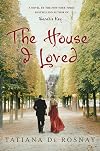
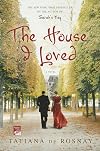
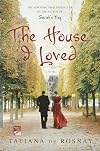
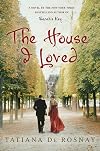
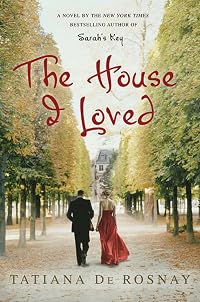
A note about the cover: I love this cover photo--strolling down an allee, the gravel path, the mansard roof in the distance--this could only be France. And the flowing red dress is perfection. However, there was no scene in the book anything like this, the house in question (although it was a nice house), was on a crowded side street, and that gorgeous dress is obviously 20th century, while the book was set in the mid-19th century. Well, they got the France part right. show less
What a disappointment! The main problem is the author's choice to use the epistolary structure. show more It is entirely artificial and contrived. The entire time I read this, I constantly thought "no one writes letters like this." Halfway through I realized the book reminded me of one of those internet memes that make a statement and follow it with "said no one ever." Here's a meme for you: a picture of me holding up this book and saying "said no one ever." I'll open to any page and give you an example:
". . . she seized my hand, fairly stuttering with emotion as she cried out, 'Oh, but you cannot stay here any longer, Madame Rose!' The house will be pulled down in the next twenty-four hours! It would be madness to stay, you will . . . ' Her eyes met mine, those toffee-colored eyes shining with intelligence, and I looked back at her, calmly, my back straight." Who writes like that in a letter? It's beyond silly.
The House I Loved would have actually made sense if it had been written in third person point of view instead. However, even then, it still would have been a boring story. There was a "secret" to be revealed at the end, but due to the heavy foreshadowing, it wasn't even a little surprise.
You may ask why I read such a poorly written, boring book. I really shouldn't have, but it was very short, and I really was fascinated by the preposterous writing. At least it was set in Paris.
A note about the cover: I love this cover photo--strolling down an allee, the gravel path, the mansard roof in the distance--this could only be France. And the flowing red dress is perfection. However, there was no scene in the book anything like this, the house in question (although it was a nice house), was on a crowded side street, and that gorgeous dress is obviously 20th century, while the book was set in the mid-19th century. Well, they got the France part right. show less
Un libro inestimable que hace reflexionar sobre lo que la modernidad, en su necesario avance de progreso y mejoras, arrolla y relega al olvido.
París, década de 1860. La ciudad está en pleno proceso de cambio, abandonando el París medieval para dar paso al París moderno y urbano. El barón Haussmann, prefecto de la ciudad, por encargo del emperador Napoleón III llevará a cabo las grandes ideas y estrategias de esta radical reforma.
Cuando Rose se casó con Armand Bazelet sabía que se unía al hombre de su vida. Su larga unión fue algo hermoso e inquebrantable. Pero hace diez años que Armand ya no está. Y a Rose tan solo le queda la casa, la casa donde nació Armand, y su padre, y el padre de su padre. La casa de la calle show more Childebert, antigua y robusta, solo habitada por generaciones de Bazelet, que ha albergado mucha felicidad y también tristezas, y un terrible secreto jamás confesado. Y le quedan sus vecinos, entre ellos la joven Alexandrine, capaz de aturdir y reavivar a Rose con su fuerte personalidad, sus maneras modernas y rotundas y su sincero afecto.
Por eso, cuando una carta con remite «Prefectura de París. Ayuntamiento» le anuncia que su casa y todas las de la calle serán expropiadas y derribadas para continuar la prolongación del bulevar Saint-Germain, siguiendo los planes de remodelación de la ciudad de París del barón Haussmann, Rose solo sabe una cosa: tal como prometió a su marido, jamás abandonará la casa.
Con el telón de fondo de la convulsa Francia del siglo XIX, Tatiana de Rosnay desarrolla un delicioso y conmovedor retrato de un mundo que ya no existe. Un libro inestimable que hace reflexionar sobre lo que la modernidad, en su necesario avance de progreso y mejoras, arrolla y relega al olvido. Poco estaremos avanzando si, en el camino, ignoramos el alma de las cosas.
La crítica ha dicho...
«La autora se inscribe en la línea de novelistas de gran éxito como Anna Gavalda, Katherine Pancol o Muriel Barbery, cuyas historias nos dejan sin aliento.»
Le Figaro
«¿Tendrá la misma acogida la nueva novela de Tatiana de Rosnay, La casa que amé, que La llave de Sarah, su anterior título con más de cinco millones de ejemplares vendidos en todo el mundo? Apostamos que sí, la idea es formidable.»
Marie France
«Este libro une la sobriedad de la escritura con los impulsos del romanticismo clásico. Al final, no solo queda París conmocionado, el lector también.»
Aujourd'hui en France
«Los secretos, las casas, la familia y unos personajes bien construidos crean la fuerza de las novelas de Tatiana de Rosnay. Las vamos descubriendo, una tras otra, desde su éxito internacional La llave de Sarah, que la ha elevado al rango de la autora francesa más leída de Europa.»
Le Point
«En esta novela se encuentran todos los ingredientes que crean el sabor de las historias show less
París, década de 1860. La ciudad está en pleno proceso de cambio, abandonando el París medieval para dar paso al París moderno y urbano. El barón Haussmann, prefecto de la ciudad, por encargo del emperador Napoleón III llevará a cabo las grandes ideas y estrategias de esta radical reforma.
Cuando Rose se casó con Armand Bazelet sabía que se unía al hombre de su vida. Su larga unión fue algo hermoso e inquebrantable. Pero hace diez años que Armand ya no está. Y a Rose tan solo le queda la casa, la casa donde nació Armand, y su padre, y el padre de su padre. La casa de la calle show more Childebert, antigua y robusta, solo habitada por generaciones de Bazelet, que ha albergado mucha felicidad y también tristezas, y un terrible secreto jamás confesado. Y le quedan sus vecinos, entre ellos la joven Alexandrine, capaz de aturdir y reavivar a Rose con su fuerte personalidad, sus maneras modernas y rotundas y su sincero afecto.
Por eso, cuando una carta con remite «Prefectura de París. Ayuntamiento» le anuncia que su casa y todas las de la calle serán expropiadas y derribadas para continuar la prolongación del bulevar Saint-Germain, siguiendo los planes de remodelación de la ciudad de París del barón Haussmann, Rose solo sabe una cosa: tal como prometió a su marido, jamás abandonará la casa.
Con el telón de fondo de la convulsa Francia del siglo XIX, Tatiana de Rosnay desarrolla un delicioso y conmovedor retrato de un mundo que ya no existe. Un libro inestimable que hace reflexionar sobre lo que la modernidad, en su necesario avance de progreso y mejoras, arrolla y relega al olvido. Poco estaremos avanzando si, en el camino, ignoramos el alma de las cosas.
La crítica ha dicho...
«La autora se inscribe en la línea de novelistas de gran éxito como Anna Gavalda, Katherine Pancol o Muriel Barbery, cuyas historias nos dejan sin aliento.»
Le Figaro
«¿Tendrá la misma acogida la nueva novela de Tatiana de Rosnay, La casa que amé, que La llave de Sarah, su anterior título con más de cinco millones de ejemplares vendidos en todo el mundo? Apostamos que sí, la idea es formidable.»
Marie France
«Este libro une la sobriedad de la escritura con los impulsos del romanticismo clásico. Al final, no solo queda París conmocionado, el lector también.»
Aujourd'hui en France
«Los secretos, las casas, la familia y unos personajes bien construidos crean la fuerza de las novelas de Tatiana de Rosnay. Las vamos descubriendo, una tras otra, desde su éxito internacional La llave de Sarah, que la ha elevado al rango de la autora francesa más leída de Europa.»
Le Point
«En esta novela se encuentran todos los ingredientes que crean el sabor de las historias show less
Set against the sweeping changes brought about by Napoleon III in 1860s Paris, The House I Loved was truly a love story of family, home, and neighborhood as well as an intimate and heartbreaking story of city planning and urban renewal. I love reading interior descriptions, and this author's writing was so exquisitely detailed that I could see in the movie of my mind every detail of the house on Rue Childebert right down to the occasional petal fallen on a table from a bouquet of Madam Bazelet's beloved flowers. I could easily picture myself sitting next to Madam Bazelet as she told her story, and despite the outcome, it was a most pleasant visit.
Members
- Recently Added By
Published Reviews
ThingScore 58
. . . one gets the clear sense of a woman losing her place in a changing world, but this isn’t enough to make up for a weak narrative hung entirely on the eventual reveal of a long-buried secret.
added by Nickelini
Can a novel make us nostalgic for a place we’ve never been? With her third English-language release, an uncomplicated story brimming with homespun details, Tatiana de Rosnay presents a convincing case. Nearly every sentence evokes the appeal of mid-19th-century Paris, the city she clearly loves, and her empathy for the citizens whose homes and dreams were obliterated by the march of progress.
added by Nickelini
De Rosnay’s delicacy and the flavor of her beloved Paris are everywhere in this brief but memorable book.
Replete with treats, particularly for Paris-lovers—indeed for anyone wedded to a special place.
Replete with treats, particularly for Paris-lovers—indeed for anyone wedded to a special place.
added by Nickelini
Lists

EU Fiction: 1950-2022
223 works; 68 members

IMPAC Dublin Literary Award 2014 longlist
150 works; 3 members
Author Information

35+ Works 17,260 Members
Tatiana de Rosnay was born September 28th, 1961 near Paris. Her father is French scientist Joël de Rosnay, her grandfather was painter Gaëtan de Rosnay and her great-grandmother was Russian actress Natalia Rachewskïa, director of the Leningrad Pushkin Theatre from 1925 to 1949. Tatiana was raised in Paris and then in Boston. She moved to show more England in the early 80's and obtained a Bachelor's degree in English literature at the University of East Anglia, in Norwich. When she returned to Paris, Tatiana became press attaché for Christie's and then Paris Editor for Vanity Fair magazine till 1993. Since 1992, Tatiana has published eight novels in France. Sarah's Key, her first novel written in English, sold over 400,000 copies worldwide. Her novels also include A Secret Kept and The House I loved. Tatiana works as a journalist for French ELLE and is literary critic for Psychologies Magazine and the Journal du Dimanche. In 2014 her title, The Other Story, made The New York Times Best Seller List. (Bowker Author Biography) show less
Awards and Honors
Distinctions
Common Knowledge
- Canonical title
- The House I Loved
- Original title
- The house I loved
- Original publication date
- 2011-02
- People/Characters
- Rose Bazelet; Baron Haussman; Armand Bazelet
- Important places
- Paris, France; France
- Epigraph
- Paris slashed with saber cuts, its veins opened.
--Émile Zola, The Kill, 1871
The old Paris is no more (the shape of a city changes faster, alas! than the human heart).
--Charles Baudelaire, "The Swan," 1861
I wish for all this to be marked on my body when I am dead. I believe in such cartography -- to be marked by nature, not just to label ourselves on a map like the names of rich men and women on buildings.
--Michael On... (show all)daatje, The English Patient - Dedication
- This is for my mother, Stella,
and for my House Man: NJ - First words
- My beloved, I can hear them coming up our street.
- Last words
- (Click to show. Warning: May contain spoilers.)When reached by our journalist, the Prefecture's legal counsel replied that the Prefect had no comment whatsoever to make concerning the matter.
Classifications
- Genres
- Fiction and Literature, General Fiction, Historical Fiction
- DDC/MDS
- 823.914 — Literature & rhetoric English & Old English literatures English fiction 1900- 1901-1999 1945-1999
- LCC
- PR9105.9 .R6 .H68 — Language and Literature English English Literature English literature: Provincial, local, etc.
- BISAC
Statistics
- Members
- 951
- Popularity
- 27,946
- Reviews
- 49
- Rating
- (3.19)
- Languages
- 8 — Dutch, English, French, German, Norwegian (Bokmål), Portuguese, Spanish, Swedish
- Media
- Paper, Audiobook, Ebook
- ISBNs
- 43
- UPCs
- 1
- ASINs
- 6