Confidence Men: Wall Street, Washington, and the Education of a President
by Ron Suskind
On This Page
Description
Draws on hundreds of hours of interviews and in-depth research to relate the complete story of the nation's financial meltdown, from the trading floors of lower Manhattan to the power corridors inside the Beltway.Tags
Recommendations
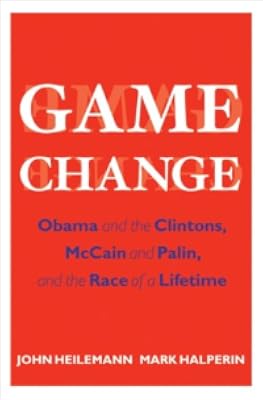
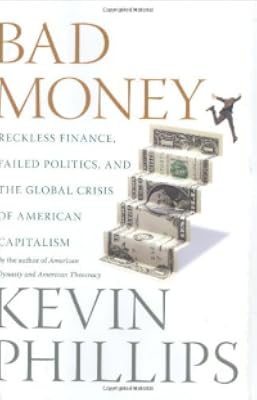
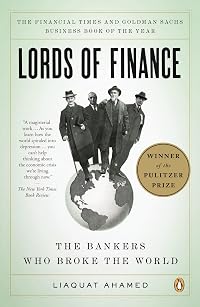
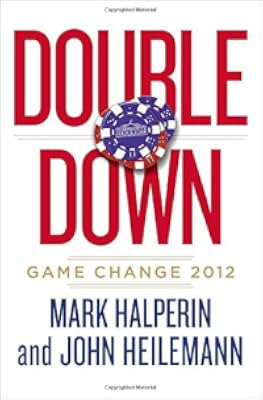
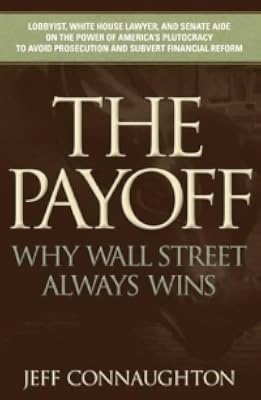
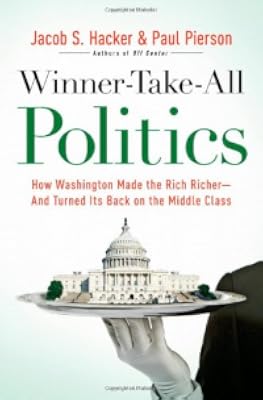
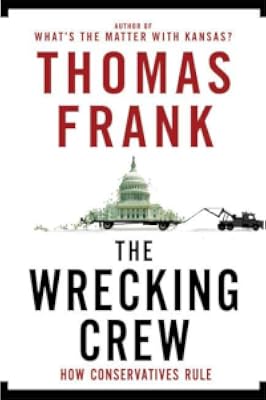
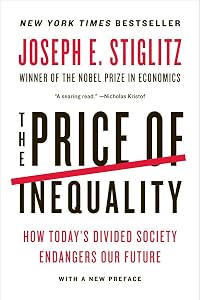
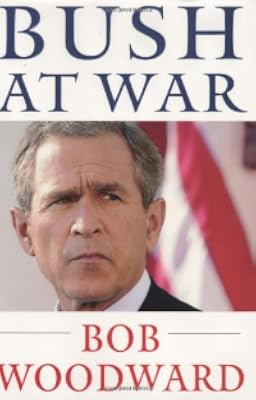
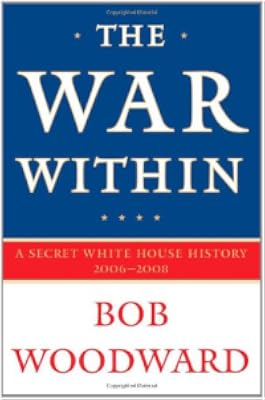
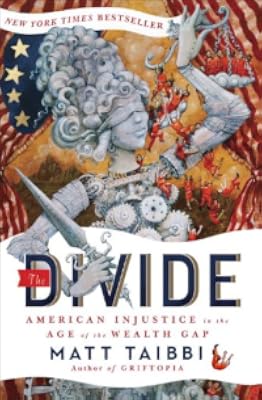

Member Reviews
This is a PHENOMENAL recounting of the 2008 financial meltdown - the heroes, villains, and Barack Obama, who falls in the middle. The most venal: all the banksters and their lobbyists, especially Blankfein and Dimon; Rahm Emanuel, he-man-woman-hater and Obama's Chief of Staff and old friend; Larry Summers, he-man-woman-hater and self-proclaimed expert on all matters economic; Tim Geithner, a man with no morals, in the pocket of Wall St. In Congress, Chris Dodd and Barney Frank, who sold out to Wall St by blowing big holes in what would have been the reformation of how they do business. The heroes are the regulators Gary Gensler and Paul Volker; Peter Rouse, who succeeded Rahm Emanuel; Elizabeth Warren, who invented the Consumer show more Financial Protection Bureau but wasn't trusted to run it; Paul Volker, whose rule separating commercial banks from sketchy and lucrative debt financing was obliterated. The president, newly elected, keeps around his old Chicago campaign buddies and allows them to make disastrous decisions for him. The war between Wall St and Washington devolves into the greedy hands washing each other, and it takes two years for Obama to grasp the reins. Maybe not so shocking should be the pervasive sexism that sidelined talented professional women, as Emanuel and Summers never did conceal their lack of regard for their skills. This 2011 book is so riveting that almost 24 hours of audio, read by the outstanding James Lurie, flies by too quickly. A masterwork, an indictment, and a superb analysis. show less
Reads like a fast-paced novel, but with the added kicker that this is, unfortunately, real stuff. Ron Suskind does a marvelous job of delving into the Obama administration's responses to the financial system fiasco and how it, like 9-11 did for President Bush, gave President Obama a rare opportunity to step up and lead the nation in addressing a critical issue. In Bush's case, energy independence. In Obama's case, significant structural reform of the financial system. Bush didn't even try, only asking us to go shopping. Obama did try, but couldn't, or wouldn't, stand up to his own staff people, much less Wall Street and the big banks. As a result, we ended up with watered-down legislation that does not significantly reduce the risk of show more similar financial crises recurring.
Similarly with health care reform, he didn't stand up to help ensure that real reform of the health care delivery "system" accompanied reform of health care insurance, with its related expansion of coverage. The former is the only way we can significantly address our runaway health care costs. The latter only determines how these costs get spread around among insurance companies and the insured, with taxpayers picking up the slack. As with financial system reform, many of the critical issues simply get kicked farther down the road, to the continued enrichment of existing vested interests. show less
Similarly with health care reform, he didn't stand up to help ensure that real reform of the health care delivery "system" accompanied reform of health care insurance, with its related expansion of coverage. The former is the only way we can significantly address our runaway health care costs. The latter only determines how these costs get spread around among insurance companies and the insured, with taxpayers picking up the slack. As with financial system reform, many of the critical issues simply get kicked farther down the road, to the continued enrichment of existing vested interests. show less
A fascinating look into the botched economic recovery moves of the U.S. government with Bob Woodward-like detail often putting reader in the room for high-level, private conversations. At times it reads like Obama hagiography, but ultimately Suskind provides a balanced view pointing out Obama being overwhelmed by economic issues too complicated for him in the over-hopeful simultaneous attempts to also tackle health care while Tim Geinert handed Wall Street everything it wanted and the health insurance industry swept up as much profit in the resulting confusion.
Like the rest of us, Barak Obama had virtually no understanding of how or why Wall Street had torpedoed the US economy as he rounded into the final months of his 2008 Presidential campaign.
I write these words even as Donald Trump’s Presidency is rocked by yet new revelations that he is an incompetent President of the United States, when a member of his own administration has anonymously written an Op-Ed piece in The New York Times claiming that his top officials regularly remove sensitive papers from his desk, “slow-walk” his orders, and have to re-explain the simplest of security matters to him.
Americans have a right to expect better from Trump, but how much better?
In Confidence Men we learn that Obama’s economics advisors show more “re-litigated” Obama’s decisions, “slow-walked” the ones they didn’t like, and flat out ignored others.
But even Obama was not the first.
The US Intelligence Community flat out hid an intelligence assessment from George Bush out of fears that the information would lead Bush and Vice-President Cheney to declare yet another war in the Middle East.
General Westmoreland fed Lyndon Johnson terrible advice and progress reports about the war in Vietnam. But Johnson largely accepted them.
John Kennedy completely bungled the Vienna Summit with Nikita Kruschev.
President Wilson suffered such serious strokes that his wife made all Presidential decisions for the last two years of his presidency.
President Grant was tricked into helping Jay Gould’s manipulation of gold prices before that, and the list of Presidential losers goes on and on.
What exactly should Americans expect of their President and is the office?
Ostentibly the office was designed to administer the fledgling US government, act on the laws passed by Congress, and give the armed forces a single voice to obey.
But from the beginning, the President has been charged with delegating responsibility to paid officers, and often officers paid on a fee-for-service model that encouraged terrific corruption. And they have “slow-walked” reforms to that system ever since.
People who mourn the loss of professionalism in government forget the alienation that accompanied the professional cadres of American government officials. They believed the bureaucracy sclerotic, the decisions divorced from the “real” needs of the people.
Clearly, government is a work in process. If Americans have anything to worry about it’s that their constitution not pre-empt changing circumstances. And if Americans have anything to fear from their Republican leaders its that they ignore global problems out what they say are threats to their sovereignty.
Sovereignty is a useful fiction for vested interests.
Climate change is not a negotiable outcome. show less
I write these words even as Donald Trump’s Presidency is rocked by yet new revelations that he is an incompetent President of the United States, when a member of his own administration has anonymously written an Op-Ed piece in The New York Times claiming that his top officials regularly remove sensitive papers from his desk, “slow-walk” his orders, and have to re-explain the simplest of security matters to him.
Americans have a right to expect better from Trump, but how much better?
In Confidence Men we learn that Obama’s economics advisors show more “re-litigated” Obama’s decisions, “slow-walked” the ones they didn’t like, and flat out ignored others.
But even Obama was not the first.
The US Intelligence Community flat out hid an intelligence assessment from George Bush out of fears that the information would lead Bush and Vice-President Cheney to declare yet another war in the Middle East.
General Westmoreland fed Lyndon Johnson terrible advice and progress reports about the war in Vietnam. But Johnson largely accepted them.
John Kennedy completely bungled the Vienna Summit with Nikita Kruschev.
President Wilson suffered such serious strokes that his wife made all Presidential decisions for the last two years of his presidency.
President Grant was tricked into helping Jay Gould’s manipulation of gold prices before that, and the list of Presidential losers goes on and on.
What exactly should Americans expect of their President and is the office?
Ostentibly the office was designed to administer the fledgling US government, act on the laws passed by Congress, and give the armed forces a single voice to obey.
But from the beginning, the President has been charged with delegating responsibility to paid officers, and often officers paid on a fee-for-service model that encouraged terrific corruption. And they have “slow-walked” reforms to that system ever since.
People who mourn the loss of professionalism in government forget the alienation that accompanied the professional cadres of American government officials. They believed the bureaucracy sclerotic, the decisions divorced from the “real” needs of the people.
Clearly, government is a work in process. If Americans have anything to worry about it’s that their constitution not pre-empt changing circumstances. And if Americans have anything to fear from their Republican leaders its that they ignore global problems out what they say are threats to their sovereignty.
Sovereignty is a useful fiction for vested interests.
Climate change is not a negotiable outcome. show less
Insightful look into how Obama policies were developed, especially regarding the economy and health care, who his advisers were, how they were selected, and how policy was developed. I found the discussion of the make-up of Obama's economic advisory team most interesting, as well as the insight that Obama seems better suited at making an intellectual argument than actually winning an argument with political foes.
It doesn't read like a Rush Limbaugh / Sean Hannity / Glen Beck partisan rant, nor is it a liberal whitewash overlooking the problems and deficiencies of the Obama Administration. It lays out the issues, the pros and cons, and lets the reader make his or her independent judgment. The reality is that Obama's approval rating has show more declined during his presidency, and it's not unexpected that Suskind's book would reflect some of the issues which led to this decline in approval. But I didn't view this as a hatchet-job, facts are facts, and results are results. show less
It doesn't read like a Rush Limbaugh / Sean Hannity / Glen Beck partisan rant, nor is it a liberal whitewash overlooking the problems and deficiencies of the Obama Administration. It lays out the issues, the pros and cons, and lets the reader make his or her independent judgment. The reality is that Obama's approval rating has show more declined during his presidency, and it's not unexpected that Suskind's book would reflect some of the issues which led to this decline in approval. But I didn't view this as a hatchet-job, facts are facts, and results are results. show less
First, it struck me as strange to be reading a book about a sitting president’s cabinet. It felt like a forced telescoping (microscoping?) of history. I still have mixed feelings about this. I have never read a book like this before (one about a sitting president’s cabinet). It felt lurid. I couldn’t resist after so many members of said cabinet tried to backtrack in the press after the book was released. To me, this meant whatever was in the book was probably true. Or maybe the author had misrepresented his sources.
With those preliminaries out of the way, the gist is that Obama choose the wrong economic team and that Tim Geithner and Larry Summers deliberately ignored Obama’s policy intentions and enacted what they themselves show more thought was best. The degree to which this was intentional on their part is I suppose a matter of debate. Suskind faults Obama for not being able to control these two men. There you go - start arguing with your conservative family members.
Suskind criticizes Obama for asking “What’s my narrative?” instead of being concerned with specific policy points. But Suskind himself deliberately shapes a novel-esque narrative: Obama is the patsy, Geithner & Summers are the villians, and Gary Gensler is the hero. [ed. note: someone should out me here: Obama is the POTUS; Suskind is a journalist]I’m sure Obama’s experience during the time Suskind is writing about would be different. I’m reminded of Jimmy Carter’s Whitehouse Diary. Carter’s subjective experience (and his later analysis thereof) provide a telling lens for what is generally considered a failed presidency. That comparison should be enough to tell you all you really need to know without reading Suskind’s book.
Outside of those considerations, the first chapter is too overtly literary. Suskind is better served sticking to the “facts.” Which he does in later chapters. But he does repeat certain passages or points over and over. I couldn’t help but think this was for the benefit of people who wouldn’t bother to read the whole book. I suppose people who typically read books like this don’t read the whole thing. I feel so provincial. show less
With those preliminaries out of the way, the gist is that Obama choose the wrong economic team and that Tim Geithner and Larry Summers deliberately ignored Obama’s policy intentions and enacted what they themselves show more thought was best. The degree to which this was intentional on their part is I suppose a matter of debate. Suskind faults Obama for not being able to control these two men. There you go - start arguing with your conservative family members.
Suskind criticizes Obama for asking “What’s my narrative?” instead of being concerned with specific policy points. But Suskind himself deliberately shapes a novel-esque narrative: Obama is the patsy, Geithner & Summers are the villians, and Gary Gensler is the hero. [ed. note: someone should out me here: Obama is the POTUS; Suskind is a journalist]I’m sure Obama’s experience during the time Suskind is writing about would be different. I’m reminded of Jimmy Carter’s Whitehouse Diary. Carter’s subjective experience (and his later analysis thereof) provide a telling lens for what is generally considered a failed presidency. That comparison should be enough to tell you all you really need to know without reading Suskind’s book.
Outside of those considerations, the first chapter is too overtly literary. Suskind is better served sticking to the “facts.” Which he does in later chapters. But he does repeat certain passages or points over and over. I couldn’t help but think this was for the benefit of people who wouldn’t bother to read the whole book. I suppose people who typically read books like this don’t read the whole thing. I feel so provincial. show less
This book is another view of the financial crisis and how the newly elected Obama administration handled it. Based on Suskind's findings, they did not handle it very well. Too many egos, too much political infighting and a lack of leadership from the President stymied progress on financial and economic fronts. This book basically covered events from 2008 – 2010 so given the economic recovery Obama and his administration must've gotten their act together. Pres. Obama is shown as a very smart man who grasped quickly the implications and effects of the economic turn down. Unfortunately the team and cabinet he assembled were not able to work together and develop a comprehensive economic plan to address the nation's woes, particularly show more unemployment.
This book is 482 pages but if you are a political junkie like me, you'll find it an interesting read. show less
This book is 482 pages but if you are a political junkie like me, you'll find it an interesting read. show less
Members
- Recently Added By
Lists

False prophets
9 works; 1 member

The Joe Rogan Experience Library
254 works; 3 members
Author Information

7+ Works 3,758 Members
Ron Suskind is the author of The Way of the World, The One Percent Doctrine, The Price of Loyalty, and A Hope in the Unseen. From 1993 to 2000 he was the senior national affairs writer for The Wall Street Journal, where he won a Pulitzer Prize. He lives in Washington, D.C.
Awards and Honors
Distinctions
Common Knowledge
- Canonical title
- Confidence Men: Wall Street, Washington, and the Education of a President
- Original publication date
- 2011
- First words
- President Barack Obama dances lightly down the four marble steps to the Rose Garden and across the flagstones to a waiting lectern
- Last words
- (Click to show. Warning: May contain spoilers.)". . . Leadership in this office is a matter of helping the American people feel confident."
Classifications
- Genres
- Economics, Nonfiction, General Nonfiction, Business, Politics and Government, History
- DDC/MDS
- 330.973 — Society, government, & culture Economics Jobs & Careers Economic geography and history North America United States
- LCC
- E908.3 .S87 — History of the United States Barack Obama's administration, 2009-
- BISAC
Statistics
- Members
- 404
- Popularity
- 76,958
- Reviews
- 10
- Rating
- (3.59)
- Languages
- English, French
- Media
- Paper, Audiobook, Ebook
- ISBNs
- 16
- ASINs
- 8