
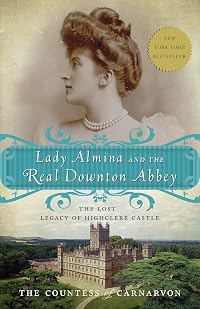
Lady Almina and the Real Downton Abbey: The Lost Legacy of Highclere Castle
by Fiona Carnarvon
Downton Abbey (Companion Books — Highclere 1)
On This Page
Description
The real-life inspiration and setting for the Emmy Award-winning Downton Abbey, Lady Almina and the Real Downton Abbey tells the story behind Highclere Castle and the life of one of its most famous inhabitants, Lady Almina, the 5th Countess of Carnarvon.Drawing on a rich store of materials from the archives of Highclere Castle, including diaries, letters, and photographs, the current Lady Carnarvon has written a transporting story of this fabled home on the brink of war. Much like her show more Masterpiece Classic counterpart, Lady Cora Crawley, Lady Almina was the daughter of a wealthy industrialist, Alfred de Rothschild, who married his daughter off at a young age, her dowry serving as the crucial link in the effort to preserve the Earl of Carnarvon's ancestral home. Throwing open the doors of Highclere Castle to tend to the wounded of World War I, Lady Almina distinguished herself as a brave and remarkable woman.
This rich tale...
. show less
Tags
Recommendations




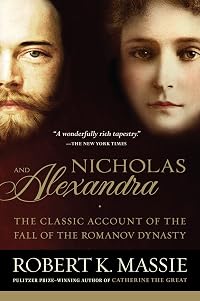
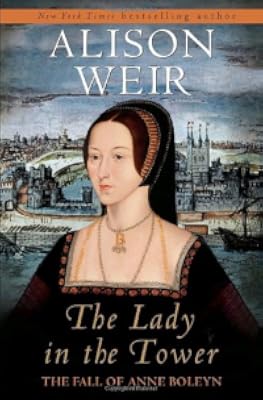
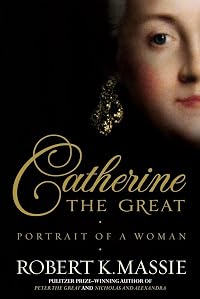
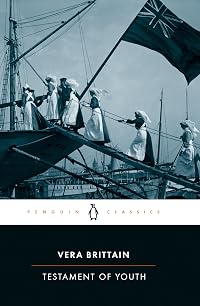



Member Recommendations
Taphophile13 Almina Wombwell and Catherine Wendell both married into the Herbert family and each in turn became Countess of Carnarvon and mistress of Highclere Castle.
30
Member Reviews
This book had a lot of interesting things to say. It just said them in that pretentious writing style that takes twice as long to read. I loved reading about Almina and all he adventures. Her story almost makes the Downton abbey tv show into a boring story. But I liked even more reading about her husband, Lord Carnarvon, and his adventures in Egypt with Howard Carter. I knew lots of Carter's story from reading about King Tut's tomb when I was in elementary school, and it was enlightening to read about the man who financed those excavations as well as had a great passion for Egypt himself. This book spent way too many pages on WWI. I get it, it's important, and even more important to the British than for Americans, but really, people show more aren't reading this book to hear about conditions in the trenches, we want to hear feel-good stories about the grand old houses of the English countryside. So, this book has a lot of interesting things, and really gives you a feel for the context that Downton Abbey takes place in. However, it does it with pretentious writing and a bit too much WWI for my taste. show less
This astounding account of Lady Almina and Highclere Castle is rich in atmosphere and dense with details. Meticulously researched, we learn about the life of Lady Almina from the time of her marriage to the Earl of Carnarvon, on through The Great War, to the discovery of King Tut’s tomb by the Earl, and then his untimely death, at which time she must relinquish her control of the castle. There are a lot of details about many of the people who were friends of the Lady Almina and her husband, and about various events. But much of the book centers around the Great War and the charitable efforts of Lady Almina. She turned the castle into a hospital for wounded soldiers and funded much of this cost herself, as well as devoting herself to show more nursing the sick and wounded. Also explored in detail is the search by her husband for an intact Egyptian tomb, which was finally successful with the discovery of King Tut’s tomb. According to this book, Almina was certainly a force to be reckoned with, and kind and gracious as well as giving when dealing with the needs of others. This well written book is quite captivating, much like the Lady herself. show less
I thought this would be fluff, but it turned out to be the very opposite. Through photos and excerpts from family archives, the focus is primarily on Lady Almina, the Countess of Carnarvon after her marriage to the 5th Earl of Carnarvon. Highclere Castle may be the setting for the popular TV series, Downton Abbey, and there are some similarities in events that took place in both the fictional family seat of the Crawleys and the Carnarvons, but this generation of the Carnarvons made contributions to society that have endured to present time.
Almina Wombwell, alleged illegitimate daughter of Alfred de Rothschild, married Lord Carnarvon, into the Herbert family and became the next mistress of Highclere Castle.
While we're treated to an show more insight into the glittering lifestyle of the wealthy and titled during the late 1800s, there was eventually more to this family than frivolous self-indulgence. It is a snapshot of the times when Queen Victoria reigned over the great British Empire. There are references to the families who live in the Castle to maintain the Castle and serve the family, who work the grounds and the village around the castle, but the focus is solely on Lady Almina and Lord Carnarvon,and later, their two children, Lord Porchester (always known as Porchy) and Eve.
The most interesting portions of the book, in my opinion, is the coverage of England when the Great War breaks. Men from Highclere's staff enlist or are called up, including Lady Almina's son, Porchy. Lord Carnarvon as a result of poor health, is spared, but his step-brother, Aubrey, despite poor eyesight, is determined to do his bit for his country. As the war progresses and more soldiers are injured or die on the front line, Lady Almina's finds her calling. Believing that soldiers recuperate better if they're in calm and luxurious surroundings, she proceeds to convert Highclere into a recuperative hospital, with funds from Alfred de Rothschild, hiring dedicated nurses and doctors. Her unflagging energy and determined concern for the soldiers earn her enormous respect, love and gratitude from their families, to whom she wrote missives, letting them know how their husbands, sons or brothers are doing, and at times, even inviting them to come for a visit.
Lord Carnarvon's passion, on the other hand, is Egypt, and archeology. He is introduced to and teams up with Howard Carter. Despite poor health, he continued to fund and spend the cold winter months in Egypt, hoping to discover important tombs and to increase his collection of Egyptian antiquities. Eventually, of course, he and Carter discover Tutankhamun's tomb and we all know how his life story ends.
Following the death of the 5th Earl, Lady Almina steps down as the Countess of Carnarvon and the reigns are turned over to her son, now the 6th Earl of Carnarvon, his wife and their son, and there the book ends.
Written simply and with an engaging style, I found myself completely captivated. show less
Almina Wombwell, alleged illegitimate daughter of Alfred de Rothschild, married Lord Carnarvon, into the Herbert family and became the next mistress of Highclere Castle.
While we're treated to an show more insight into the glittering lifestyle of the wealthy and titled during the late 1800s, there was eventually more to this family than frivolous self-indulgence. It is a snapshot of the times when Queen Victoria reigned over the great British Empire. There are references to the families who live in the Castle to maintain the Castle and serve the family, who work the grounds and the village around the castle, but the focus is solely on Lady Almina and Lord Carnarvon,and later, their two children, Lord Porchester (always known as Porchy) and Eve.
The most interesting portions of the book, in my opinion, is the coverage of England when the Great War breaks. Men from Highclere's staff enlist or are called up, including Lady Almina's son, Porchy. Lord Carnarvon as a result of poor health, is spared, but his step-brother, Aubrey, despite poor eyesight, is determined to do his bit for his country. As the war progresses and more soldiers are injured or die on the front line, Lady Almina's finds her calling. Believing that soldiers recuperate better if they're in calm and luxurious surroundings, she proceeds to convert Highclere into a recuperative hospital, with funds from Alfred de Rothschild, hiring dedicated nurses and doctors. Her unflagging energy and determined concern for the soldiers earn her enormous respect, love and gratitude from their families, to whom she wrote missives, letting them know how their husbands, sons or brothers are doing, and at times, even inviting them to come for a visit.
Lord Carnarvon's passion, on the other hand, is Egypt, and archeology. He is introduced to and teams up with Howard Carter. Despite poor health, he continued to fund and spend the cold winter months in Egypt, hoping to discover important tombs and to increase his collection of Egyptian antiquities. Eventually, of course, he and Carter discover Tutankhamun's tomb and we all know how his life story ends.
Following the death of the 5th Earl, Lady Almina steps down as the Countess of Carnarvon and the reigns are turned over to her son, now the 6th Earl of Carnarvon, his wife and their son, and there the book ends.
Written simply and with an engaging style, I found myself completely captivated. show less
I didn't expect this to be a riveting book, but it was. I was expecting a puff piece tying the history of Highclere to the Downton Abbey series. I am not the least bit disappointed to have been utterly wrong. The true story (one assumes sanitized at least a little, of course) is many times more interesting than the soap opera television series. The real people who lived at Highclere during the end of the 19th & beginning of the 20th century were larger-than-life and so terribly interesting to read about. Highly recommended for Anglophiles, history buffs, nurses, Egyptophiles and fans of Downtown Abbey.
So many people have found the Downton Abbey drama on PBS a fascinating series and I am one of them. Along with the interesting characters, the castle itself is almost a character. Built on a massive scale, Highclere Castle is a masterpiece of elegance. Its hundreds of windows and tall corner turrets scream an overwhelming message of power. So, it was with great joy that I jumped into this volume with eagerness to find out about the backstory and history of this amazing castle.
I was not disappointed. My first surprise was that Almina, who was soon to become Lady Almina, the 5th Countess of Carnarvon, was only 19 years old when she married. As in the Downton Abbey story, the major reason for this marriage was the wealth that Almina could show more bring to the castle. (Lady Cora Crowley is an American who brings a large dowry to her marriage on the television show.) The fact that Almina was the illegitimate daughter of an extremely wealthy man didn’t seem to faze the aristocracy of the era. I found the details of how she took over the running of the household, even accomplishing a complete redecoration for the purpose of entertaining the Prince of Wales within a few months of her marriage, to be mind boggling.
The story of how she turned the castle into a hospital during World War I was riveting. The care that was taken of these damaged young men, even so far as to hire pretty nurses and outfit them in smart-looking uniforms so that the men could be surrounded by beautiful sights, was a story I had never heard before.
I would recommend this book to anyone interested in English history, strong women, and the life of glamorous society at the turn of the century.
I received this book in a Goodreads Giveaway. show less
I was not disappointed. My first surprise was that Almina, who was soon to become Lady Almina, the 5th Countess of Carnarvon, was only 19 years old when she married. As in the Downton Abbey story, the major reason for this marriage was the wealth that Almina could show more bring to the castle. (Lady Cora Crowley is an American who brings a large dowry to her marriage on the television show.) The fact that Almina was the illegitimate daughter of an extremely wealthy man didn’t seem to faze the aristocracy of the era. I found the details of how she took over the running of the household, even accomplishing a complete redecoration for the purpose of entertaining the Prince of Wales within a few months of her marriage, to be mind boggling.
The story of how she turned the castle into a hospital during World War I was riveting. The care that was taken of these damaged young men, even so far as to hire pretty nurses and outfit them in smart-looking uniforms so that the men could be surrounded by beautiful sights, was a story I had never heard before.
I would recommend this book to anyone interested in English history, strong women, and the life of glamorous society at the turn of the century.
I received this book in a Goodreads Giveaway. show less
Lady Almina and the Real Downton Abbey - The Lost Legacy of Highclere Castle by Lady Fiona Carnarvon (the 8th Countess of Carnarvon) was an enjoyable read.
It tells the story of Highclere Castle, which was the setting for Julian Fellowes’ show Downton Abbey and the “real” reason I picked up this book!😂
However, it mainly focuses on the life of Lady Almina, the illegitimate daughter of Alfred de Rothschild, who became the 5th Countess of Carnarvon (The only reason I indicate she was the “illegitimate” daughter, is that these things made a difference in Almina’s upper class world and highlights how her fortune helped her transcend this social strata…it always comes down to money!lol). She was a pampered and spoiled woman show more but went on to do some good things like set up a hospital and continue to financially support Howard Carter’s work after opening the tomb of Tutankhamun’s in 1922 (the Egyptian government repaid her for these expenses).
The title draws you with “Highclere” and does not disappoint with providing details, but I wish it had more accounts of life “downstairs” (which is where I would have been in those times!😅) I also felt that, since Almina became its focus (which I was totally ok with), the author should have continued to provide more accounts of her life even when no longer center stage for Highclere. Just left me hanging a bit. For example, Almina was involved in some high-profile court case initiated by her second husband’s first wife, and the book glosses over it. She married someone soon after Lord Carnarvon and I would have liked to read a bit more about it. I think she opened a second hospital and named it after her beloved father, and I wondered how she fared with that as well. Anyway…just a small gripe, as I did enjoy the book.
I picked up the book for Highclere, ended up fascinated by Almina, but it was realizing she was married to the guy that funded the excavation of Tutankhamun’s tomb that turned out to be a surprise for me.
I enjoyed reading about Highclere, but just like when I’ve read about Darcy’s home, Pemberley, in Pride of Prejudice, I’ve never had a longing to own or live in something so large. They have always seemed like “Entities” to me, so this quote about Highclere resonated with me: “A house such as Highclere, not to mention the other properties, was a responsibility as well as a privilege. The sense of custodianship that came with the inheritance meant that – to a larger extent – the Castle owned the family, rather than the other way around. Almina was key to securing its future, and she knew it.”
🏰
There are also other female characters in this book I would have liked to know better (understandably the author couldn’t focus on them), and will research later to include:
- The “indefatigable” Dowager Countess Elsie, who was 63 in 1919, but became vicechairman of the Vocal Therapy Society to help soldiers restore normal speech after injuries and trauma.
- Agnes Keyser: socialite, friend and lover of the Prince of Wales, who developed a vocation for nursing and set up a hospital.
🏰
The book makes reference to the Spanish flu sweeping through Europe after the war and how this “influenza pandemic [was] so deadly that it claimed more lives than the recently finished war.” – Reminds us of how cyclical everything is…even deadly pandemics. 😷 show less
It tells the story of Highclere Castle, which was the setting for Julian Fellowes’ show Downton Abbey and the “real” reason I picked up this book!😂
However, it mainly focuses on the life of Lady Almina, the illegitimate daughter of Alfred de Rothschild, who became the 5th Countess of Carnarvon (The only reason I indicate she was the “illegitimate” daughter, is that these things made a difference in Almina’s upper class world and highlights how her fortune helped her transcend this social strata…it always comes down to money!lol). She was a pampered and spoiled woman show more but went on to do some good things like set up a hospital and continue to financially support Howard Carter’s work after opening the tomb of Tutankhamun’s in 1922 (the Egyptian government repaid her for these expenses).
The title draws you with “Highclere” and does not disappoint with providing details, but I wish it had more accounts of life “downstairs” (which is where I would have been in those times!😅) I also felt that, since Almina became its focus (which I was totally ok with), the author should have continued to provide more accounts of her life even when no longer center stage for Highclere. Just left me hanging a bit. For example, Almina was involved in some high-profile court case initiated by her second husband’s first wife, and the book glosses over it. She married someone soon after Lord Carnarvon and I would have liked to read a bit more about it. I think she opened a second hospital and named it after her beloved father, and I wondered how she fared with that as well. Anyway…just a small gripe, as I did enjoy the book.
I picked up the book for Highclere, ended up fascinated by Almina, but it was realizing she was married to the guy that funded the excavation of Tutankhamun’s tomb that turned out to be a surprise for me.
I enjoyed reading about Highclere, but just like when I’ve read about Darcy’s home, Pemberley, in Pride of Prejudice, I’ve never had a longing to own or live in something so large. They have always seemed like “Entities” to me, so this quote about Highclere resonated with me: “A house such as Highclere, not to mention the other properties, was a responsibility as well as a privilege. The sense of custodianship that came with the inheritance meant that – to a larger extent – the Castle owned the family, rather than the other way around. Almina was key to securing its future, and she knew it.”
🏰
There are also other female characters in this book I would have liked to know better (understandably the author couldn’t focus on them), and will research later to include:
- The “indefatigable” Dowager Countess Elsie, who was 63 in 1919, but became vicechairman of the Vocal Therapy Society to help soldiers restore normal speech after injuries and trauma.
- Agnes Keyser: socialite, friend and lover of the Prince of Wales, who developed a vocation for nursing and set up a hospital.
🏰
The book makes reference to the Spanish flu sweeping through Europe after the war and how this “influenza pandemic [was] so deadly that it claimed more lives than the recently finished war.” – Reminds us of how cyclical everything is…even deadly pandemics. 😷 show less
We should know our betters : know that toffs will not be transparent. They will only tell you what they want you to know and to minimise the scandal they will painfully minimise the accuracy. Despite pointing out the howlers in the captions on several photographs, and the historically flawed text in Highclere’s “ Lady Almina and the Real Downton Abbey” ( after the hardback came out in the UK, last September ) the transformation of this book into it’s new “ First US Edition”, with the inners unchanged, confirms that view.
The book does have an attractive new cover but it’s still the content that counts.
It’s all another instance of Herbert history repeating itself. There is already a less than honourable pile up of show more Carnarvon-family scribes who put their heavy-handed gloss on the accuracy regarding past members of the clan. Elsie, the second 4th Countess of Carnarvon, rigorously controlled and censored the posthumous biography of Henry, the 4th Earl of Carnarvon, a notable Victorian politician and Cabinet Minister. Lady Winifred Burghclere, the sister of George, 5th Earl of Carnarvon of Tutankhamun fame ( Almina’s husband ) did exactly the same, stopping the leak of any embarrassing fall out about “Lordy!” ( the name the Egyptian natives gave Lord Carnarvon in the Valley of the Kings ). In 1923, Lady Winfred crafted an elegant and impeccably worded posthumous sketch of her adored brother, George, but as seen through her very rose tinted glasses, and it made no mention, of faults, or George’s darker proclivities. Almina was demolished by Winifred’s blast of the trumpet in a single, dull, sentence. Then there was the womanising 6th Earl’s ghosted memoirs that stopped well short of fact about his catalogue of carnal cavorting. And, unsurprisingly, the ghost writers have done it yet again with this book, portraying Almina as a saint. This lady was no saint!
But there’s a lot at stake in only offering up a sanitised edition of Almina’s life with the rake-in being synonymous with the public popularity of Highclere Castles’ expansive ( and expensive ) use as the backdrop to a television programme called “Downton Abbey”.
People actually believe in, and follow this TV series as mesmerised as grazing sheep watching car headlamps flicking in the winter darkness of night. But the same extremes between fiction and reality portrayed in “Lady Almina…....” are at best an attempt to confuse the masses to make them actually believe the fiction, much as Orson Wells first deceived half of America into leaving their homes as they thought the men from Mars were about to land.
What good features there are in the book – and there are some genuinely interesting and worthy parts – albeit only carefully selected examples from Highclere’s Secrets Archives- are lost in the colossal wave of hypocrisy by the painfully irritating plotters. Almina’s true-life experiences are often scuttled, just as assassin or assassins scuttled an earlier biography of her in the 1990s– the reason being that on that occasion evidence was found that Almina had “strayed”, the 6th Earl’s paternity was in very great doubt. The gene pool of Porchey Carnarvon’s father is mentioned in the narrative but in the wrong places, to bring him out with any meaningful recognition. But you will find this confronted in another biography of Almina, Countess of Carnarvon in addition to the rest of her secrets.
Besides the paternity issue, which remains an open wound, Almina’s own paternity is a matter of some dispute. Porchey, the womanising 6th Earl of Carnarvon, who absolutely hated his mother, was first to claim, publically, that the millionaire banker, Baron ( he was never a “Sir”) Alfred de Rothschild was Almina’s biological father. This, despite a birth certificate that states her dad was “ Frederick C Wombwell”, a gentleman, although also a cad. Wombwell believed he was Almina’s father, but he is ridiculed in Highclere’s text. They choose also to ignore Almina’s brother, who was a visitor at Highclere and to whom the Countess raised a fine memorial when he died.
Going back to Almina being a Rothschild bastard, this nonsence has been maintained with constancy and the Wombwells discredited. But there is NO proof in favour of the Rothschild in this book, indeed they are as frigid as the fiction of Downton Abbey on the central point of their treatise.
It seems a case of employing the technique of Mr Goebbels that if one utters a big enough untruth and keep repeating it, people will eventually come to believe it. In this case when the golden opportunity presented itself, to reveal the full facts about Alfred and cite the evidence for these claims of Almina being a Rothschild, the book can only declare limply “. the question of Almina’s paternity can’t be conclusively determined with any certainty….”
The strengths of “ Lady Almina…..” include the descriptions of Highclere ramparts at war. Almina found her forte as a nurse and spent over thirty years working steadfastly (and often waywardly) in private nursing care, mainly pampering to the Royals, the rich and the famous. But none of Almina’s story in the later period of her life is included in the book.
Almina transferred her Castle for the Great War and later moved her wartime nursing home activities to London’s Mayfair. But all this storyline ( which is well enough told ) is small glory, in what is otherwise a cowardly approach, messing with a woman’s life and only stating her pleasantries. Almina’s real life, the character and make up of the woman, her struggle for love, and for own carnal pleasures, as well as her motives in wanting to do something worthwhile don’t get mentioned. Perhaps they were afraid of scaring the horses at Highclere stud, the beasts were once owned by Almina, who was made bankrupt by 1951, and lived with a man twenty years her junior, in a apple orchard in Somerset, completely unknown to Highclere’s hounds.
The book makes a good meal out of the rituals of Society entertaining and Almina’s brave challenge to be the grandest hostess of the hour. The stay at Highclere Castle by the Prince of Wales (later King Edward VII) in 1895 is a good chunk, but this was published in a previous book by the same stable, so it’s double dipping.
Another weakness of the book is in its abrupt ending. Almina’s story is cut-off suddenly in 1923, just after the 5th Earl’s famous mosquito bite and then cruel demise. That said, the last page refers to her second marriage, to an ex- army Colonel (whilst saying nothing of the blackguard plunging her into a scandalous Court case of DENNISTOUN v DENNISTOUN in 1925, which cost her $100,000 worth of misery). In summing up Almina’s next four lively decades in a single paragraph – and not a very good one – it leaves the brainwashed reader with only that other biography to best reflect the Countess’s full life and loves, her glories and her descent into bankruptcy, but ultimately to her greater story, which in being told without warts or blemishes leaves this important, unstoppable, eccentric woman, who really didn’t give a damn, a much lesser figure than she really was. She deserves a much better memorial than a nice new book cover. show less
The book does have an attractive new cover but it’s still the content that counts.
It’s all another instance of Herbert history repeating itself. There is already a less than honourable pile up of show more Carnarvon-family scribes who put their heavy-handed gloss on the accuracy regarding past members of the clan. Elsie, the second 4th Countess of Carnarvon, rigorously controlled and censored the posthumous biography of Henry, the 4th Earl of Carnarvon, a notable Victorian politician and Cabinet Minister. Lady Winifred Burghclere, the sister of George, 5th Earl of Carnarvon of Tutankhamun fame ( Almina’s husband ) did exactly the same, stopping the leak of any embarrassing fall out about “Lordy!” ( the name the Egyptian natives gave Lord Carnarvon in the Valley of the Kings ). In 1923, Lady Winfred crafted an elegant and impeccably worded posthumous sketch of her adored brother, George, but as seen through her very rose tinted glasses, and it made no mention, of faults, or George’s darker proclivities. Almina was demolished by Winifred’s blast of the trumpet in a single, dull, sentence. Then there was the womanising 6th Earl’s ghosted memoirs that stopped well short of fact about his catalogue of carnal cavorting. And, unsurprisingly, the ghost writers have done it yet again with this book, portraying Almina as a saint. This lady was no saint!
But there’s a lot at stake in only offering up a sanitised edition of Almina’s life with the rake-in being synonymous with the public popularity of Highclere Castles’ expansive ( and expensive ) use as the backdrop to a television programme called “Downton Abbey”.
People actually believe in, and follow this TV series as mesmerised as grazing sheep watching car headlamps flicking in the winter darkness of night. But the same extremes between fiction and reality portrayed in “Lady Almina…....” are at best an attempt to confuse the masses to make them actually believe the fiction, much as Orson Wells first deceived half of America into leaving their homes as they thought the men from Mars were about to land.
What good features there are in the book – and there are some genuinely interesting and worthy parts – albeit only carefully selected examples from Highclere’s Secrets Archives- are lost in the colossal wave of hypocrisy by the painfully irritating plotters. Almina’s true-life experiences are often scuttled, just as assassin or assassins scuttled an earlier biography of her in the 1990s– the reason being that on that occasion evidence was found that Almina had “strayed”, the 6th Earl’s paternity was in very great doubt. The gene pool of Porchey Carnarvon’s father is mentioned in the narrative but in the wrong places, to bring him out with any meaningful recognition. But you will find this confronted in another biography of Almina, Countess of Carnarvon in addition to the rest of her secrets.
Besides the paternity issue, which remains an open wound, Almina’s own paternity is a matter of some dispute. Porchey, the womanising 6th Earl of Carnarvon, who absolutely hated his mother, was first to claim, publically, that the millionaire banker, Baron ( he was never a “Sir”) Alfred de Rothschild was Almina’s biological father. This, despite a birth certificate that states her dad was “ Frederick C Wombwell”, a gentleman, although also a cad. Wombwell believed he was Almina’s father, but he is ridiculed in Highclere’s text. They choose also to ignore Almina’s brother, who was a visitor at Highclere and to whom the Countess raised a fine memorial when he died.
Going back to Almina being a Rothschild bastard, this nonsence has been maintained with constancy and the Wombwells discredited. But there is NO proof in favour of the Rothschild in this book, indeed they are as frigid as the fiction of Downton Abbey on the central point of their treatise.
It seems a case of employing the technique of Mr Goebbels that if one utters a big enough untruth and keep repeating it, people will eventually come to believe it. In this case when the golden opportunity presented itself, to reveal the full facts about Alfred and cite the evidence for these claims of Almina being a Rothschild, the book can only declare limply “. the question of Almina’s paternity can’t be conclusively determined with any certainty….”
The strengths of “ Lady Almina…..” include the descriptions of Highclere ramparts at war. Almina found her forte as a nurse and spent over thirty years working steadfastly (and often waywardly) in private nursing care, mainly pampering to the Royals, the rich and the famous. But none of Almina’s story in the later period of her life is included in the book.
Almina transferred her Castle for the Great War and later moved her wartime nursing home activities to London’s Mayfair. But all this storyline ( which is well enough told ) is small glory, in what is otherwise a cowardly approach, messing with a woman’s life and only stating her pleasantries. Almina’s real life, the character and make up of the woman, her struggle for love, and for own carnal pleasures, as well as her motives in wanting to do something worthwhile don’t get mentioned. Perhaps they were afraid of scaring the horses at Highclere stud, the beasts were once owned by Almina, who was made bankrupt by 1951, and lived with a man twenty years her junior, in a apple orchard in Somerset, completely unknown to Highclere’s hounds.
The book makes a good meal out of the rituals of Society entertaining and Almina’s brave challenge to be the grandest hostess of the hour. The stay at Highclere Castle by the Prince of Wales (later King Edward VII) in 1895 is a good chunk, but this was published in a previous book by the same stable, so it’s double dipping.
Another weakness of the book is in its abrupt ending. Almina’s story is cut-off suddenly in 1923, just after the 5th Earl’s famous mosquito bite and then cruel demise. That said, the last page refers to her second marriage, to an ex- army Colonel (whilst saying nothing of the blackguard plunging her into a scandalous Court case of DENNISTOUN v DENNISTOUN in 1925, which cost her $100,000 worth of misery). In summing up Almina’s next four lively decades in a single paragraph – and not a very good one – it leaves the brainwashed reader with only that other biography to best reflect the Countess’s full life and loves, her glories and her descent into bankruptcy, but ultimately to her greater story, which in being told without warts or blemishes leaves this important, unstoppable, eccentric woman, who really didn’t give a damn, a much lesser figure than she really was. She deserves a much better memorial than a nice new book cover. show less
Members
- Recently Added By
Author Information

15 Works 2,455 Members
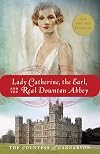
Fiona Carnarvon, the 8th Countess of Carnarvon married Geordie, the 8th Earl of Carnarvon in 1999, and they acceded to Highclere ten years ago upon the death of Geordie's father. Highclere has become one of the most famous houses in England as the location for the PBS series Downton Abbey. She has written two brochures, one detailing the house's show more history and one about the Egyptian Exhibit in the basement. Her books include Lady Almina and the Real Downton Abbey and Lady Catherine, the Earl, and the Real Downton Abbey. (Bowker Author Biography) show less
Some Editions
Awards and Honors
Awards
Series

Work Relationships
Common Knowledge
- Canonical title*
- Lady Almina och verklighetens Downton Abbey
- Original publication date
- 2011-09-29
- People/Characters
- Almina, Countess of Carnarvon; George Herbert, 5th Earl of Carnarvon; Edward VII, King of the United Kingdom; Howard Carter
- Important places
- Highclere Castle, Highclere, Hampshire, England, UK; Hampshire, England, UK
- Important events
- World War I
- Dedication
- For my husband and son, who I adore, and my beloved sisters
- First words
- On Wednesday 26 June 1895, Miss Almina Victoria Marie Alexandra Wombwell, a startlingly pretty nineteen-year-old of somewhat dubious social standing, married George Edward Stanhope Molyneux Herbert, the 5th Earl of Carnarvon,... (show all) at St Margaret's, Westminster.
- Last words
- (Click to show. Warning: May contain spoilers.)We hope that, if she were here today, she would recognise things and feel a sense of pride that much of what she loved had been preserved and that the spirit of her work was continuing through her great-grandson and his family.
*Some information comes from Common Knowledge in other languages. Click "Edit" for more information.
Classifications
- Genres
- Biography & Memoir, General Nonfiction, History, Nonfiction
- DDC/MDS
- 942.2 — History & geography History of Europe England and Wales Southeast England
- LCC
- DA570 .C37 — History of Europe, Asia, Africa and Oceania Great Britain History of Great Britain England History By period Modern, 1485- 20th century
- BISAC
Statistics
- Members
- 1,683
- Popularity
- 13,206
- Reviews
- 70
- Rating
- (3.52)
- Languages
- 10 — Dutch, English, Estonian, German, Italian, Japanese, Norwegian (Bokmål), Portuguese, Spanish, Swedish
- Media
- Paper, Audiobook, Ebook
- ISBNs
- 36
- ASINs
- 9