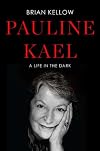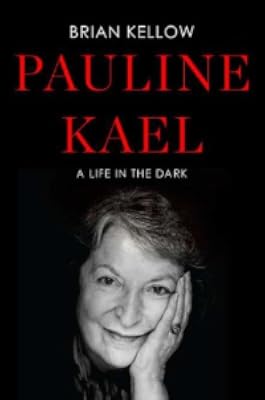
Pauline Kael: A Life in the Dark
by Brian Kellow
On This Page
Description
In her nearly quarter-century (1968-1991) reviewing films at The New Yorker, Pauline Kael became the most widely read, the most influential, the most powerful, and, often enough, the most provocative critic in America. Her passionate engagement with the work of a new generation of artists--and her ability to share her enthusiasm with a fresh, vernacular, and confrontational style--changed the face of film criticism. On the tenth anniversary of her death comes the first full-scale biography: show more author Brian Kellow has interviewed family members, friends, colleagues, and adversaries and written a detailed portrait of this remarkable, often relentlessly driven woman. Kellow examines the controversy Kael generated by overstepping what many considered the boundaries of critical propriety. He follows her successes as well as her battles. For anyone who loves film or is concerned about the role of criticism in the arts, this book is a revelatory biography of one of the most influential women of the past half century.--From publisher description. show lessTags
Recommendations













Member Reviews
In her eulogy for Pauline Kael, her daughter, Gina, said, "Pauline's greatest weakness, her failure as a person, became her great strength, her liberation as a writer and a critic." It's an interesting idea, that one's strengths may be attributable to one's weaknesses, but I think it may sometimes be true. It may even be true in my own case.
Kael, who at one time was the most influential film critic in the country, certainly had her weaknesses. Among these was her treatment of her own daughter as a virtual slave, depending upon her to type her reviews, run her errands and provide her transportation, while denying her the freedom to live her own life. Kael's friendships so often depended upon those friends agreeing with her and, at least show more in the case of other movie critics, not becoming as prominent as she. She allowed herself to be courted by directors and others in the movie business, always insisting a favorable review from her could not be bought, even when so many of her reviews suggested otherwise.
Brian Kellow mentions many other Pauline Kael weaknesses in his 2011 biography "Pauline Kael: A Life in the Dark," yet the book hardly qualifies as a hatchet job, for his emphasis lies with her significant strengths. She was, whether you agreed with her opinions or not, a terrific writer whose prose jumped off the pages of The New Yorker. Although she rarely wrote about anything other than movies, her reviews managed to be commentary on the times, as well. They were also surprisingly autobiographical. Once urged to write her memoirs, Kael replied, "I think I have."
Kellow's book nicely summarizes Kael's most important and controversial reviews and articles over the years, yet I think he too often inserts his own opinions about these films, faulting Kael when her opinions don't match his own, which seems to be what he criticizes Kael for doing. show less
Kael, who at one time was the most influential film critic in the country, certainly had her weaknesses. Among these was her treatment of her own daughter as a virtual slave, depending upon her to type her reviews, run her errands and provide her transportation, while denying her the freedom to live her own life. Kael's friendships so often depended upon those friends agreeing with her and, at least show more in the case of other movie critics, not becoming as prominent as she. She allowed herself to be courted by directors and others in the movie business, always insisting a favorable review from her could not be bought, even when so many of her reviews suggested otherwise.
Brian Kellow mentions many other Pauline Kael weaknesses in his 2011 biography "Pauline Kael: A Life in the Dark," yet the book hardly qualifies as a hatchet job, for his emphasis lies with her significant strengths. She was, whether you agreed with her opinions or not, a terrific writer whose prose jumped off the pages of The New Yorker. Although she rarely wrote about anything other than movies, her reviews managed to be commentary on the times, as well. They were also surprisingly autobiographical. Once urged to write her memoirs, Kael replied, "I think I have."
Kellow's book nicely summarizes Kael's most important and controversial reviews and articles over the years, yet I think he too often inserts his own opinions about these films, faulting Kael when her opinions don't match his own, which seems to be what he criticizes Kael for doing. show less
I've spent a lot of time with Pauline Kael over the years. When you become so familiar with a writer, you can sometimes become exasperated with their flaws. But that happens with authors you truly respond to.
I've often wondered whether I would like her as well in person. After reading this book, I'm not so sure. But I'm very happy to learn so much about her life from this excellent book.
I've often wondered whether I would like her as well in person. After reading this book, I'm not so sure. But I'm very happy to learn so much about her life from this excellent book.
Pauline Kael reveled in the notion that movies had a subtext and were more than entertainments. The years she wrote reviews in The New Yorker began during a golden age of moviemaking. She continued on through the era of blockbusters and the beginning of the dominance of CGI over other methods of storytelling.
And although she reveled in strong film storytelling that included nuance, she did not celebrate shades of grey in her own life. Biographer Brian Kellow shows, rather than merely tells, how her world view of pro and con shaped the major relationships in her life. Those included her daughter, her grandson, her boss William Shawn and her acolytes, the Paulettes. For the last group, if you didn't take her advice, you were cast out. For show more her daughter, it meant years of being the practical one who took care of mundane arrangements. For her grandson, who has since died, it mean pure love. And for Mr. Shawn, it meant constant poking and no support, although she certainly sought his recommendations whenever it could help her.
There isn't much actual drama to Kael's life, and Kellow acknowledges this. He gives a great deal of space in his biography to quoting Kael's reviews. And this is fitting. Because the movies were her life. The scope and sweep of an era when movies came of age, when the blockbuster mentality took over and when movie critics had an influential voice in championing films, are the story of Kael's life.
The reviews themselves hold up well. The reviews provide a window into the passionate viewing experience of someone who took each film on its own merits even while upholding overall high standards that art be accomplished. Agreeing or disagreeing with a Kael review remains rewarding, for it engages the reader in reasoned decisions, based on reactions from the heart and the head, on whether the film delivered a rewarding viewing experience.
The value of this biography may not be in recounting the life of its subject, but rather in giving voice once again to its subject as she writes about what she loved most. The reviews quoted are both a history of that time in movie-making and a vibrant demonstration of honest reaction to a work of art that connects that work to its value in the viewer's life. Kellow shows how criticism can be enriching and, in doing that, pays honor to his subject. show less
And although she reveled in strong film storytelling that included nuance, she did not celebrate shades of grey in her own life. Biographer Brian Kellow shows, rather than merely tells, how her world view of pro and con shaped the major relationships in her life. Those included her daughter, her grandson, her boss William Shawn and her acolytes, the Paulettes. For the last group, if you didn't take her advice, you were cast out. For show more her daughter, it meant years of being the practical one who took care of mundane arrangements. For her grandson, who has since died, it mean pure love. And for Mr. Shawn, it meant constant poking and no support, although she certainly sought his recommendations whenever it could help her.
There isn't much actual drama to Kael's life, and Kellow acknowledges this. He gives a great deal of space in his biography to quoting Kael's reviews. And this is fitting. Because the movies were her life. The scope and sweep of an era when movies came of age, when the blockbuster mentality took over and when movie critics had an influential voice in championing films, are the story of Kael's life.
The reviews themselves hold up well. The reviews provide a window into the passionate viewing experience of someone who took each film on its own merits even while upholding overall high standards that art be accomplished. Agreeing or disagreeing with a Kael review remains rewarding, for it engages the reader in reasoned decisions, based on reactions from the heart and the head, on whether the film delivered a rewarding viewing experience.
The value of this biography may not be in recounting the life of its subject, but rather in giving voice once again to its subject as she writes about what she loved most. The reviews quoted are both a history of that time in movie-making and a vibrant demonstration of honest reaction to a work of art that connects that work to its value in the viewer's life. Kellow shows how criticism can be enriching and, in doing that, pays honor to his subject. show less
Somewhat pedestrian biography of eminent movie critic
Ratings
Members
- Recently Added By
Lists

Books Read By artturnerjr - 2016
30 works; 1 member
Author Information
8+ Works 303 Members
Brian Kellow is the features editor of Opera News.
Awards and Honors
Common Knowledge
- Dedication
- To my father, Jack Kellow, who loves shoot-em-ups. To my mother, Marjorie Kellow, who loved "The Godfather" and "Prizzi's Honor" and thought '40's women's pictures were 'crap.' And most of all to my brother, Barry Kellow, wh... (show all)ose movie love turned out to be contagious.
- First words
- In the beginning, even the French had their doubts about Louis Malle's Murmur of the Heart.
- Last words
- (Click to show. Warning: May contain spoilers.)"And to think," Pauline finally said, "there's not even a decent movie to see."
Classifications
- Genres
- Nonfiction, Biography & Memoir, General Nonfiction
- DDC/MDS
- 791.43092 — Arts & recreation Recreation, sports, and performing arts Public performances Motion pictures, radio, television, podcasting Motion pictures Standard subdivisions History, geographic treatment, biography; description, critical appraisal of specific companies and studios {for specific films see 791.437} Biography
- LCC
- PN1998.3 .K34 .K46 — Language and Literature Literature (General) Literature (General) Drama Motion pictures
- BISAC
Statistics
- Members
- 135
- Popularity
- 242,329
- Reviews
- 4
- Rating
- (3.53)
- Languages
- English
- Media
- Paper, Ebook
- ISBNs
- 4
- ASINs
- 3