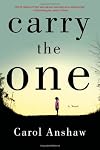
Carry the One
by Carol Anshaw
On This Page
Description
When a car of inebriated guests from Carmen's wedding hits and kills a girl on a country road, Carmen and the people involved in the accident connect, disconnect, and reconnect throughout twenty-five subsequent years of marriage, parenthood, holidays, and tragedies.Tags
Recommendations

























Member Recommendations
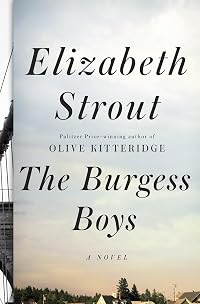
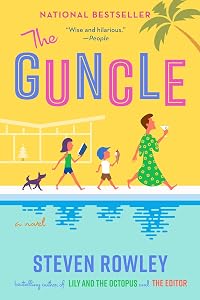
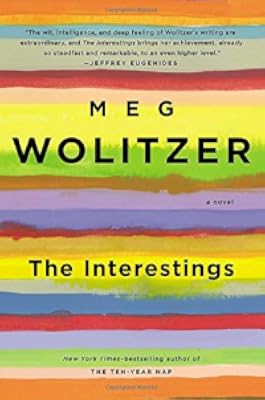
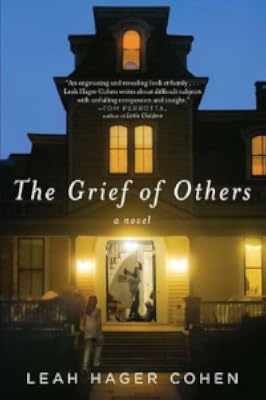
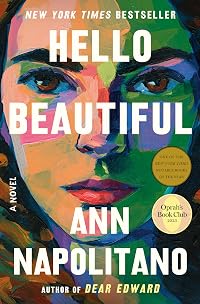
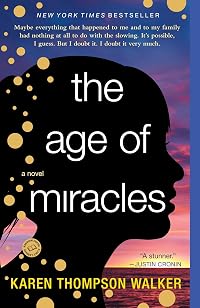
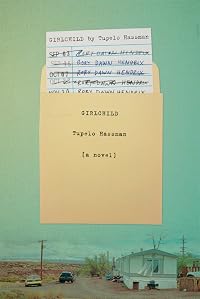
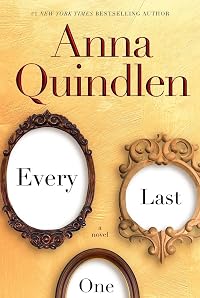
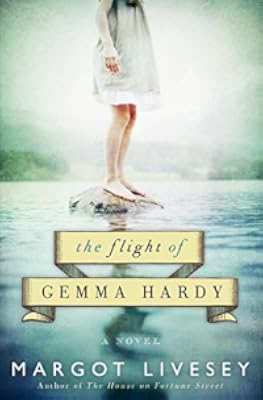
DanieXJ Both of these Carol Anshaw books take a look at life from a variety of points of view and yet have a plot throughout as well and don't get lost in the philosophizing.

jayne_charles Not many parallels between these two books plot-wise, but they had a strikingly similar tone and while reading one I was constantly reminded of the other.
Member Reviews
In the small hours of the morning on an otherwise deserted country road, a carload of wedding celebrants, under the influence of alcohol and drugs, crashes into a ten year old girl, killing her. One life is ended by the impact, but the ramifications of the accident echo and multiply in the years that follow in the lives of each of the car’s occupants. For one it means prison. For the others, their guilt and their punishment takes various forms. But for each there can be little doubt that one event will come to dominate the rest of their lives.
Carol Anshaw follows the lives of three siblings over the course of the next twenty-five years: Carmen, whose wedding the others had attended; Alice, who was in the back seat of the car with her show more lover, Maude; and Nick, who was in the front passenger seat. Each chapter focuses on a different sibling, returning again and again over the years. Swooping between a regal third person, where the course of a character’s life can be announced magisterially, and a close third person narration from virtually inside the head of the character, Anshaw invites us to feel their anguish, doubt, and disappointment. Writing in a lush, lyric mode, she brings her principal characters viscerally to life. So much so that they feel hauntingly, even distressingly, real.
In their separate ways, each character must deal with the fallout from that initial horrific accident. For Alice, a burgeoning artist, the life that might have been for the dead girl begins to play itself out in her paintings. For Carmen, her marriage disintegrates, but she finds solace in her young son. For Nick, the downward spiral is unrelenting. But the effects go far beyond these principal characters.
Certainly an impressive and emotional novel that must be highly recommended. show less
Carol Anshaw follows the lives of three siblings over the course of the next twenty-five years: Carmen, whose wedding the others had attended; Alice, who was in the back seat of the car with her show more lover, Maude; and Nick, who was in the front passenger seat. Each chapter focuses on a different sibling, returning again and again over the years. Swooping between a regal third person, where the course of a character’s life can be announced magisterially, and a close third person narration from virtually inside the head of the character, Anshaw invites us to feel their anguish, doubt, and disappointment. Writing in a lush, lyric mode, she brings her principal characters viscerally to life. So much so that they feel hauntingly, even distressingly, real.
In their separate ways, each character must deal with the fallout from that initial horrific accident. For Alice, a burgeoning artist, the life that might have been for the dead girl begins to play itself out in her paintings. For Carmen, her marriage disintegrates, but she finds solace in her young son. For Nick, the downward spiral is unrelenting. But the effects go far beyond these principal characters.
Certainly an impressive and emotional novel that must be highly recommended. show less
Anshaw is a genius at pulling together family and friend strands into a united whole world for the reader, penetrating the depths of all her characters, even the minor ones. In this novel, we meet three siblings - Alice, Nick, and Carmen - immediately after a disastrous drunk and drugged-driving accident, when a little girl is hit and run over following Carmen's wedding. With the tragedy opening the novel, we follow what becomes of those who were in the car and the newlyweds. Alice becomes a famous artist stuck in a bad groove with her flighty, ambitious girlfriend, Carmen's husband eventually divorces her to run off with a missionary, and Nick, an astronomer, has a secret about the accident which sends him over the line into addiction. show more As the siblings age, the accident's impact reaches into their lives with amazing force, and the reader will ache for their subsequent good and bad decisions.
Quotes: "She was a terrible actress, wooden. Often she appeared stunned by the other actor's line."
"It was not a good situation when the same person provided the pain and the analgesic."
"I don't think he's terribly interested in a tragedy so big that everyone else is in on it. He's a tragedy snob." show less
Quotes: "She was a terrible actress, wooden. Often she appeared stunned by the other actor's line."
"It was not a good situation when the same person provided the pain and the analgesic."
"I don't think he's terribly interested in a tragedy so big that everyone else is in on it. He's a tragedy snob." show less
How does one horrible incident redirect the trajectory of our lives? How is our character reshaped by tragedy? These are the questions that Carol Anshaw explores in “Carry the One,” a stunning novel about how a drunk driving incident influences the lives of the characters.
The novel begins on the night of Matt and Carmen’s wedding, when a car filled with sleepy and stoned wedding guests crashes into a young girl, Casey, on a dark country road. The girl dies instantly, and the specter of her memory haunts those involved in the accident.
Alice, Carmen’s sister, responds by fearing emotional commitment and drifts from relationship to relationship, including a volatile on-again-off-again affair with Maude, who was also in the car on show more the night of the crash. Alice is a painter who becomes increasingly well known in the art world as the story unfolds. Her best work, though, is portraits of Casey living the life she never had a chance to experience. These paintings torment Alice and she refuses to place them on exhibit. Withholding that which would bring her the most fame is her atonement for the girl’s death.
Carmen and Alice’s brother Nick, whose girlfriend Olivia was driving, is tortured by guilt - he saw the girl but was too stoned to do anything to prevent the accident. He descends further and further into drug addiction and alcoholism. His guilt prevents him from allowing himself any form of happiness and he destroys a promising career in astronomy and his relationship with Olivia. And in his awkward junkie way, he tries to make amends to Casey's parents.
Carmen’s reaction to the accident is a compulsion to save the world; she is a militant social worker and a crusading political activist. But she is helpless to save those she most wants to rescue - her sister, her brother, and the young girl who died.
“Carry the One” is subtle and understated, yet incredibly powerful. Anshaw knows just what to say and what to leave unsaid. The writing is compelling and beautiful. Every word, every phrase is perfect. The world the author creates becomes something real. The characters are complex and utterly believable. Their pain and their emotional battles are perfectly conveyed.
I was completely captivated by this novel. Even after I’ve finished, I feel the lingering presence of the characters, and my mind resounds with the questions Anshaw posed: why is my life what is it and what has made me who I am?
Caution to potential readers: If you are at all homophobic, you will not be comfortable reading this book. show less
The novel begins on the night of Matt and Carmen’s wedding, when a car filled with sleepy and stoned wedding guests crashes into a young girl, Casey, on a dark country road. The girl dies instantly, and the specter of her memory haunts those involved in the accident.
Alice, Carmen’s sister, responds by fearing emotional commitment and drifts from relationship to relationship, including a volatile on-again-off-again affair with Maude, who was also in the car on show more the night of the crash. Alice is a painter who becomes increasingly well known in the art world as the story unfolds. Her best work, though, is portraits of Casey living the life she never had a chance to experience. These paintings torment Alice and she refuses to place them on exhibit. Withholding that which would bring her the most fame is her atonement for the girl’s death.
Carmen and Alice’s brother Nick, whose girlfriend Olivia was driving, is tortured by guilt - he saw the girl but was too stoned to do anything to prevent the accident. He descends further and further into drug addiction and alcoholism. His guilt prevents him from allowing himself any form of happiness and he destroys a promising career in astronomy and his relationship with Olivia. And in his awkward junkie way, he tries to make amends to Casey's parents.
Carmen’s reaction to the accident is a compulsion to save the world; she is a militant social worker and a crusading political activist. But she is helpless to save those she most wants to rescue - her sister, her brother, and the young girl who died.
“Carry the One” is subtle and understated, yet incredibly powerful. Anshaw knows just what to say and what to leave unsaid. The writing is compelling and beautiful. Every word, every phrase is perfect. The world the author creates becomes something real. The characters are complex and utterly believable. Their pain and their emotional battles are perfectly conveyed.
I was completely captivated by this novel. Even after I’ve finished, I feel the lingering presence of the characters, and my mind resounds with the questions Anshaw posed: why is my life what is it and what has made me who I am?
Caution to potential readers: If you are at all homophobic, you will not be comfortable reading this book. show less
The “one” purportedly being carried in this novel is a 10-year-old girl, killed by a car of guests leaving a wedding reception in 1983. The guests include Alice and Nick, sister and brother of Carmen, the pregnant bride. Years later, when the car’s occupants find themselves together again, one of them comments, “When you add us up, you always have to carry the one.”
But, in fact, only peripheral characters are affected significantly by the girl’s death. Carmen exhibits no guilt over letting her obviously impaired brother and sister drive away in the middle of the night. After the event, Alice’s toxic and mostly sexual relationship with Maude continues unabated. Nick is intelligent enough to do something brilliant with his show more life but his only real goal remains getting high. Memories of the incident surface sporadically, particularly in Alice’s paintings, but after twenty-five years, the siblings are exactly the same people they might have been if the accident never occurred.
Carol Anshaw’s ability to write insightful, sharp dialogue and evocative description is never in question. But her skill in crafting a sentence is wasted on self-absorbed, unrealistic, and repetitive characters whose only purpose is to carry on with their meaningless lives. Unless Anshaw’s intent is demonstrating the destructive power of narcissism, she misses the mark. show less
But, in fact, only peripheral characters are affected significantly by the girl’s death. Carmen exhibits no guilt over letting her obviously impaired brother and sister drive away in the middle of the night. After the event, Alice’s toxic and mostly sexual relationship with Maude continues unabated. Nick is intelligent enough to do something brilliant with his show more life but his only real goal remains getting high. Memories of the incident surface sporadically, particularly in Alice’s paintings, but after twenty-five years, the siblings are exactly the same people they might have been if the accident never occurred.
Carol Anshaw’s ability to write insightful, sharp dialogue and evocative description is never in question. But her skill in crafting a sentence is wasted on self-absorbed, unrealistic, and repetitive characters whose only purpose is to carry on with their meaningless lives. Unless Anshaw’s intent is demonstrating the destructive power of narcissism, she misses the mark. show less
I'm always surprised when I read or hear from a reader that they didn't "like" the characters. Characters can be well written and interesting without being likable. In fact, characters can be boring because they are boring. I liked the concept of the book and found it well written. Powerful events shape different people in different ways.
This books follows the lives of a group of family and friends through 25 years, starting with a wedding and a drunken ride on a dark country lane that resulted in the death of a little girl. The "one" they all carry is the specter of that girl, the responsibility and guilt , and the book is the story of how that effected their lives. One becomes a fierce liberal activist, one becomes a famous painter who can't show her best work, another becomes an addict who is obsessed by the child's mother. Then there's the conflicted nurse turned model, the songwriter who finds his success tainted with the tragedy, and more. This is a group character study of the process of time, what it does to us, what we do with it, and how we (humans) deal with show more it. What really moves the book is the magnificent writing--very visual yet full of mystery and shadows. This book will make you think about consequences and choices in your own life even as the characters' lives unfold in front of you. show less
I really liked the idea of this book: an accident involving lots of drunk/stoned people in a car that hits and kills a young girl. Technically, only the driver is guilty by law, but the others carry their own guilt. No one made good decisions that night. Each of the characters takes away a bit of the dead girl that night and each deals with her presence in their lives in different ways.
Anshaw paints a vivid portrait of the accident's impact on the characters' lives. Not only how they are individually altered, but also how the shared experience shapes their interactions with each other. The author is adept at handling a multitude of characters - all were interesting and individualized so I never was confused about who was who or why show more they made the choices they did. And the paths the characters lives took were all believable and understandable. For me, the only downfall was that I didn't like the characters. To the one they were too self-centered and felt cold. So, I never really connected emotionally to the story.
Bottom line: a well written and enjoyable story with less than likable (to me) characters. I'd definitely read another book by Carol Anshaw. show less
Anshaw paints a vivid portrait of the accident's impact on the characters' lives. Not only how they are individually altered, but also how the shared experience shapes their interactions with each other. The author is adept at handling a multitude of characters - all were interesting and individualized so I never was confused about who was who or why show more they made the choices they did. And the paths the characters lives took were all believable and understandable. For me, the only downfall was that I didn't like the characters. To the one they were too self-centered and felt cold. So, I never really connected emotionally to the story.
Bottom line: a well written and enjoyable story with less than likable (to me) characters. I'd definitely read another book by Carol Anshaw. show less
Members
- Recently Added By
Published Reviews
ThingScore 100
Carol Anshaw's superb Carry the One opens in 1983, with a wedding and a tragedy in quick succession. The wedding of Carmen and Matt is a pleasantly raucous affair, held outdoors at a bohemian farm in rural Wisconsin. Folk songs are loudly sung, and as a pleasant haze of alcohol and pot permeates the evening, Carmen hopes, with only a little apprehension, "to sit out this early phase of her show more marriage, the mortifying dances segment"..... show less
added by marq
Lists

Recommend the 20 best books you've read in the last five years
2,168 works; 606 members

Top Five Books of 2020
982 works; 350 members

SantaThing 2014 Gifts
299 works; 17 members

Good LGBT fiction for LGBT folk and friends
551 works; 53 members

Most-anticipated future releases
40 works; 25 members

Indie Next Picks
196 works; 4 members
Author Information

9+ Works 1,448 Members
Awards and Honors
Work Relationships
Contains
Common Knowledge
- Canonical title
- Carry the One
- Original publication date
- 2012-03
- People/Characters
- Alice; Carmen; Nick; Maude; Olivia
- Important places
- Chicago, Illinois, USA; Amsterdam, North Holland, Netherlands; New York, New York, USA
- Epigraph
- On the night came undone like a party dress And fell at her feet in a beautiful mess. - "Barroom Girls" Gillian Welch/David Rawlings
- Dedication
- In memory of Dog Stanley 1948-2004
- First words
- So Carmen was married, just.
- Quotations
- The streets along the water slipstreamed with bicycle traffic. --Alice in Amsterdam
She only knew it was him by the way the crowd deferred and dispersed, as though street-sweeping brushes spun in front of him while he moved slowly along the perimeter of paintings. --Alice referring to Kees Verwey, a famous p... (show all)ainter, at her museum showing in Amsterdam
She anticipated his worst criticism. She shared the curse of many artists—that praise beaded up and rolled off her while criticism stuck like glue, glue embedded with ground glass. --Alice referring to Kees Verwey
Alice listened to the small echo created by this conversation, the space outside the words that told her she would sleep with this woman tonight. Everything between now and that eventuality was just filler.
Alice saw the standard equation of attraction had been altered for her. Not only would she not have to hang her own paintings anymore, she would no longer have to rely on her own charms. From here on, for a time a... (show all)nyway, her name alone would be enough to slide her into the beds of admirers. A flinch of sadness caught her.
He stopped and for just a beat, they were both listening to the same soft ocean of fiber optics. --Gabe and Carmen
A face forged in the fire of too much bad experience. Fights, lost jobs, accidents with machinery, domestic disputes. --Terry Redman
He stood in a whippy wind, watching a darkening sky, a spring storm fast approaching. He understood that by taking this, his second punch from Terry Redman, another extremely small adjustment, a minute recalibration had... (show all) occurred in an as-yet-unsolved equation. This must have been what he came for. --Nick
The neighborhood used to be a hodgepodge of dilapidated frame houses and low brick factories with vague industrial activities, and was farther west than anyone lived, anyone she knew. In the past few years, though, it h... (show all)ad become fashionable. Architects had revamped the industrial buildings into studios, yuppies had bought the houses and renovated them with narrow-board siding and Victorian gingerbread trim. All she had to do to become hip was stay put and get the right siding. Sort of how staying in exactly the same position politically had moved her from liberal to radical. She had left the moving to others. --Carmen
The plane was made of metal the thickness of a license plate.
In order to keep liking Nick (as opposed to loving him, which was non-negotiable), Alice sometimes had to look at him obliquely, or with her eyes half closed, or through a pinhole in a piece of cardboard. Straight on wo... (show all)uld burn her retinas.
If war was a happy thing, it would be like this. Even as they were going to sleep, late crackers were still popping sporadically, the last kernels in the bag of microwave popcorn.
Romance no longer looked like so much fun, more like a repetitive stress injury—beginning with Maude, but by now also including all the failed and pathetic attempts to replicate that constellation of emotion with someone el... (show all)se. --Alice
By mid-afternoon, Carmen was sifting the text for the subtext. "We're through the information-gathering part. The information is now in. Now they're shaping this for our consumption, imposing a story line. &... (show all)nbsp;The brave passengers taking the last plane down in the field. The firemen rushing in heedlessly, answering their call to duty. And pretty soon, they'll get the president ready for his close-up to congratulate us for being Americans. This huge unprecedented, unmanageable mess, all the complexity behind it—they're already starting to manage it. They're making a theater piece out of pure horror so we can watch the unwatchable then get back to the mall." --regarding the 9/11 terrorist attack
Silence settled on them like a pall. Inside the din of the bar, the silence at the table entered the realm of negative sound.
"It's as easy to commute between New York and Tucson as Chicago and Tucson," she told Maude. They talked like this now—gorgeous, decorated lies spilling from their mouths as they waved at each other from farther and f... (show all)arther off. --Alice and Maude
"Excellent upgrade. Self-regulated morphine drip," he reported. Then tapped the control clutched in Loretta's hand. "A person could get a little trigger-happy." --Nick - Last words
- (Click to show. Warning: May contain spoilers.)"There. You're okay now," she said, then into the phone, "No, I was just talking to someone here."
- Blurbers
- Donoghue, Emma; Bechdel, Alison
Classifications
Statistics
- Members
- 751
- Popularity
- 37,443
- Reviews
- 55
- Rating
- (3.40)
- Languages
- English
- Media
- Paper, Audiobook, Ebook
- ISBNs
- 16
- ASINs
- 4