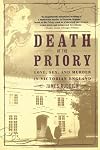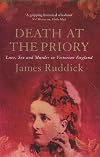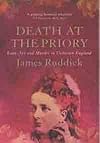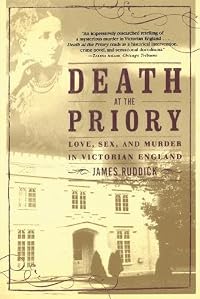
Death at the Priory: Sex, Love, and Murder in Victorian England
by James Ruddick
On This Page
Description
In 1875, the beautiful and vivacious widow Florence Ricardo wedded Charles Bravo, a daring barrister. The marriage seemed a happy one, although society gossips whispered that Bravo had married Florence for her fortune. Yet behind this charming public persona, Charles Bravo was a brutal and vindictive man, who dismissed Florence's steadfast companion Mrs Cox, and who regularly subjected his wife to violent abuse.Tags
Recommendations






Member Reviews
Charles Bravo (1845 - 21 April 1876) was a British lawyer who was fatally poisoned with antimony in 1876. The case is still sensational, notorious, and unresolved. It was an unsolved crime committed within an elite Victorian household at The Priory, a landmark house in Balham, London. The reportage eclipsed even government and international news at the time. Leading doctors attended the bedside, including Royal physician Sir William Gull, and all agreed it was a case of antimony poisoning. The victim took three days to die but gave no indication of the source of the poison during that time. Was it suicide, accidental self-poisoning, or murder? No one was ever charged for the crime.
His wealthy wife Florence had previously been married show more but had been separated from her first husband (who later died) because of his affairs and violent alcoholism. The impetuous Florence had also enjoyed an extramarital affair with a fashionable society doctor, the much older Dr. James Manby Gully, who was also married at the time. Her affair became public knowledge and Florence fell out of favor with her family and society. In order to reenter society, she married Charles Bravo. The marriage appeared to be doomed from the start. It was whispered that Charles had married Florence for her money, but the wealthy Florence had opted to hold onto her assets, a choice provided by new laws in England at the time (Married Women's Property Act 1870). This financial imbalance led immediately to tensions within the marriage. Police enquiries in the case revealed Charles's behavior towards Florence as being controlling, mean, and violent. Florence also experienced several miscarriages in quick succession, but Charles brutally persisted in forcing her to keep trying for an heir. However, given the nature of the man, there was no shortage of people in the Bravo household with motives for poisoning Charles Bravo.
Two inquests were held and the sensational details were considered so scandalous that women and children were banned from the room while Florence Bravo testified. The first returned an open verdict. The second inquest returned a verdict of wilful murder; however, nobody was ever arrested or charged. The household broke up after the inquest ended and the twice-widowed Florence moved away, dying of alcohol poisoning two years later.
Over a hundred years later, author James Ruddick embarked upon his own in-depth investigations in a case that reads like a modern page-turner. Drawing on detailed court and newspaper records, archives, family papers and letters, and interviews with surviving relatives, he has unearthed a wealth of information that gives conclusive evidence as to various suspects' motives and opportunities. His travels locally and internationally yielded comments from surviving family friends and local inhabitants. Medical research also gives tantalizing hints as to why, if it was not suicide or accidental self-poisoning, Bravo did not say whom he thought was the poisoner. This is a fantastic read and I could not put the book down. The author has found such compelling evidence to exonerate some particular suspects, evidence that was never investigated all that time ago. It points out the flaws in policing methods of the day, as well as how social perceptions of the time influenced popular thinking. Ruddick give a deep and, at times, sensitive insight into the personalities of the main players, showing how they were trapped by their own natures (the headstrong spoiled Florence and the dominant Charles) as well as by the social mores and actual laws of the era. It is also a fascinating insight into the stultifying, repressive atmosphere of Victorian England, and the sad situation of many women of all social classes. Detective novel, historical docu-drama, and police thriller... call it what you will, I highly recommend this book to all readers with a penchant for detective and mystery novels. Draw your own conclusions...the author gives plenty of evidence for and against! show less
His wealthy wife Florence had previously been married show more but had been separated from her first husband (who later died) because of his affairs and violent alcoholism. The impetuous Florence had also enjoyed an extramarital affair with a fashionable society doctor, the much older Dr. James Manby Gully, who was also married at the time. Her affair became public knowledge and Florence fell out of favor with her family and society. In order to reenter society, she married Charles Bravo. The marriage appeared to be doomed from the start. It was whispered that Charles had married Florence for her money, but the wealthy Florence had opted to hold onto her assets, a choice provided by new laws in England at the time (Married Women's Property Act 1870). This financial imbalance led immediately to tensions within the marriage. Police enquiries in the case revealed Charles's behavior towards Florence as being controlling, mean, and violent. Florence also experienced several miscarriages in quick succession, but Charles brutally persisted in forcing her to keep trying for an heir. However, given the nature of the man, there was no shortage of people in the Bravo household with motives for poisoning Charles Bravo.
Two inquests were held and the sensational details were considered so scandalous that women and children were banned from the room while Florence Bravo testified. The first returned an open verdict. The second inquest returned a verdict of wilful murder; however, nobody was ever arrested or charged. The household broke up after the inquest ended and the twice-widowed Florence moved away, dying of alcohol poisoning two years later.
Over a hundred years later, author James Ruddick embarked upon his own in-depth investigations in a case that reads like a modern page-turner. Drawing on detailed court and newspaper records, archives, family papers and letters, and interviews with surviving relatives, he has unearthed a wealth of information that gives conclusive evidence as to various suspects' motives and opportunities. His travels locally and internationally yielded comments from surviving family friends and local inhabitants. Medical research also gives tantalizing hints as to why, if it was not suicide or accidental self-poisoning, Bravo did not say whom he thought was the poisoner. This is a fantastic read and I could not put the book down. The author has found such compelling evidence to exonerate some particular suspects, evidence that was never investigated all that time ago. It points out the flaws in policing methods of the day, as well as how social perceptions of the time influenced popular thinking. Ruddick give a deep and, at times, sensitive insight into the personalities of the main players, showing how they were trapped by their own natures (the headstrong spoiled Florence and the dominant Charles) as well as by the social mores and actual laws of the era. It is also a fascinating insight into the stultifying, repressive atmosphere of Victorian England, and the sad situation of many women of all social classes. Detective novel, historical docu-drama, and police thriller... call it what you will, I highly recommend this book to all readers with a penchant for detective and mystery novels. Draw your own conclusions...the author gives plenty of evidence for and against! show less
A readable re-examination of the 1876 Charles Bravo murder, in which Ruddick claims to have proven the identity of the murderer. His historical overview of the case is well worth a read, and the new evidence he claims to have uncovered is certainly interesting. I even don't really have much of a problem with his ultimate conclusion about the case, which seems perfectly reasonable. I do, however, have to question a few of the speculative leaps he makes, and while interesting, I'm not entirely sure just how reliable I consider the oral traditions of distant descendants of the participants.
Wanting a break from fiction, I read Death at the Priory, which sounds like it ought to be a cozy but in fact is a non-fictional account of a domestic murder that rocked the late Victorian world. Like the Borden murders, the poisoning of Charles Bravo remains unsolved, not because there were no suspects but because there were so many.
Was it his wealthy, beautiful wife? Already notorious from having had an affair prior to this, her second marriage, with the much older Dr. Gully.
Was it Dr. Gully, who was still besotted with Mrs. Bravo?
Was it Mrs. Cox, the companion, who had been threatened with termination and faced destitution for herself and her three boys?
Was it Griffiths, the stableman, who Bravo fired and had vowed to revenge himself show more on his employer for casting himself and his wife out?
This author, like many others claims to have solved it. In fact, the murderer will go undiscovered for certain. What the matter did do is pull back the curtains on how, even in a wealthy, upperclass home, a man was free to be an abusive tyrant, and a woman, any woman, living under his roof had no recourse other than to submit to his brutality or find a more final solution.
The murder drew back the curtain on the domestic brutality of time. Marital rape, physical abuse, psychological torment. Social mores allowed no escape. A "good" woman was expected to submit. Or, as perhaps in this case, take justice into her own white hands.
A good reminder to be grateful we (as women) live now and not in earlier times. They were not romantic. They were damned unpleasant. show less
Was it his wealthy, beautiful wife? Already notorious from having had an affair prior to this, her second marriage, with the much older Dr. Gully.
Was it Dr. Gully, who was still besotted with Mrs. Bravo?
Was it Mrs. Cox, the companion, who had been threatened with termination and faced destitution for herself and her three boys?
Was it Griffiths, the stableman, who Bravo fired and had vowed to revenge himself show more on his employer for casting himself and his wife out?
This author, like many others claims to have solved it. In fact, the murderer will go undiscovered for certain. What the matter did do is pull back the curtains on how, even in a wealthy, upperclass home, a man was free to be an abusive tyrant, and a woman, any woman, living under his roof had no recourse other than to submit to his brutality or find a more final solution.
The murder drew back the curtain on the domestic brutality of time. Marital rape, physical abuse, psychological torment. Social mores allowed no escape. A "good" woman was expected to submit. Or, as perhaps in this case, take justice into her own white hands.
A good reminder to be grateful we (as women) live now and not in earlier times. They were not romantic. They were damned unpleasant. show less
The fatal poisoning of Charles Bravo in 1876 remains a great, unsolved mystery. Author James Ruddick did some serious legwork doing deep research on each side of the Atlantic. While his interpretation of the facts may not sway you completely to his solution, his original work uncovering a primary source relating to housekeeper Jane Cox does make this work worth reading instead of or at least in addition to any previously formulated work. Regardless of whether he is correct, or not, the elegant and engaging presentation will be entertaining for any true crime fan.
Death at the Priory by James Ruddick - good
What an interesting true story. Reminiscent of The Suspicions of Mr Whicher in that it reviews a Victorian Murder that no one was convicted for and tries to work out 'whodonit'.
Unlike Mr Whicher (which I found interesting but dry), this is a lively run through of the facts about the murder, the people involved and the possible culprits. The author comes to a conclusion based on his research and modern understanding which I found plausible.
Florence Campbell marries Alexander Ricardo and soon regrets it. Somehow she manages to extracate herself from the marriage and falls into the arms of Dr Gully her physician and a man somewhat older than her. Later she drops him to marry Charles Bravo and it show more is Charles who is our murder victim. He is poisoned and suffers an agonising and lingering death. So who killed him? Florence who suffers at his hands, her lady companion that Charles was threatening with dismissal, Dr Gully through jealousy, or the coachman that Charles dismissed? The author researched meticulously and reaches his own conclusion, but not before he has drawn back the lace curtains on the Victorian upper-classes and their marriages.
I thought it was fascinating. show less
What an interesting true story. Reminiscent of The Suspicions of Mr Whicher in that it reviews a Victorian Murder that no one was convicted for and tries to work out 'whodonit'.
Unlike Mr Whicher (which I found interesting but dry), this is a lively run through of the facts about the murder, the people involved and the possible culprits. The author comes to a conclusion based on his research and modern understanding which I found plausible.
Florence Campbell marries Alexander Ricardo and soon regrets it. Somehow she manages to extracate herself from the marriage and falls into the arms of Dr Gully her physician and a man somewhat older than her. Later she drops him to marry Charles Bravo and it show more is Charles who is our murder victim. He is poisoned and suffers an agonising and lingering death. So who killed him? Florence who suffers at his hands, her lady companion that Charles was threatening with dismissal, Dr Gully through jealousy, or the coachman that Charles dismissed? The author researched meticulously and reaches his own conclusion, but not before he has drawn back the lace curtains on the Victorian upper-classes and their marriages.
I thought it was fascinating. show less
This is a non-fiction book in two parts: in the first half, the author tells what’s known about a murder that took place in 1875 England. In the second, he goes through the evidence and interviews descendants of the people involved and presents his theory of what happened.
Florence Campbell was the daughter of a well to do upper middle class family who had the worst luck in relationships. She married Alexander Ricardo, who was in the service, and demanded that he resign because she feared for his life in the military. He declined into total alcoholism and became abusive. When she left him and went home, her father refused to take her in, wanting her to ‘do the right thing’ and stand by her husband. For her to leave would reflect show more poorly on her family, of course, and he couldn’t have that. When she refused to go back to Ricardo, he agreed to send her to a sanitarium for a stay ‘for health reasons’. There she met Dr. Gully, the much older, married, owner of the sanitarium and they started an affair. During this time, Ricardo had the good grace to die, leaving Florence a rich widow. It did not do her much good, however, because word of her affair got out, ruining her in society. She was happy to marry Charles Bravo, as this made her acceptable to society again. He was happy to marry her, as she was very rich and let him spend her money freely. Bravo would have had it made had he not been a mean and greedy man, dismissing Florence’s servants and getting rid of everything that he personally had no interest in, such as the garden and the horses. He became emotionally, sexually, and physically abusive to Florence. Then one evening he became violently ill. Doctors were called and they realized he had swallowed poison. After three horrible days, he died. Was is suicide, as Florence’s paid companion claimed? Or had someone poisoned him? If so, who? There was no lack of people that he had angered. Despite an inquest, no one was ever charged with Bravo’s death.
Ruddick’s examination of the evidence convinced me pretty well that he has fingered the right suspect. He was able to find out things from the descendants that never came out at the inquest. There were also presumptions about what people of different classes and sexes would and wouldn’t do that colored the minds of the investigators. Had this same crime been committed today, there would have most likely have been a conviction. An interesting piece of Victorian true crime. show less
Florence Campbell was the daughter of a well to do upper middle class family who had the worst luck in relationships. She married Alexander Ricardo, who was in the service, and demanded that he resign because she feared for his life in the military. He declined into total alcoholism and became abusive. When she left him and went home, her father refused to take her in, wanting her to ‘do the right thing’ and stand by her husband. For her to leave would reflect show more poorly on her family, of course, and he couldn’t have that. When she refused to go back to Ricardo, he agreed to send her to a sanitarium for a stay ‘for health reasons’. There she met Dr. Gully, the much older, married, owner of the sanitarium and they started an affair. During this time, Ricardo had the good grace to die, leaving Florence a rich widow. It did not do her much good, however, because word of her affair got out, ruining her in society. She was happy to marry Charles Bravo, as this made her acceptable to society again. He was happy to marry her, as she was very rich and let him spend her money freely. Bravo would have had it made had he not been a mean and greedy man, dismissing Florence’s servants and getting rid of everything that he personally had no interest in, such as the garden and the horses. He became emotionally, sexually, and physically abusive to Florence. Then one evening he became violently ill. Doctors were called and they realized he had swallowed poison. After three horrible days, he died. Was is suicide, as Florence’s paid companion claimed? Or had someone poisoned him? If so, who? There was no lack of people that he had angered. Despite an inquest, no one was ever charged with Bravo’s death.
Ruddick’s examination of the evidence convinced me pretty well that he has fingered the right suspect. He was able to find out things from the descendants that never came out at the inquest. There were also presumptions about what people of different classes and sexes would and wouldn’t do that colored the minds of the investigators. Had this same crime been committed today, there would have most likely have been a conviction. An interesting piece of Victorian true crime. show less
This book covers a true life Victorian death under suspect circumstances and the Author's attempt to discover the true murderer.
In 1875, the wealthy widow Florence Ricardo marries ambitious barrister Charles Bravo. Less than six months later he was dead, as a result of poisoning by antimony.
Florence's first marriage was to a heavy drinker who was such a vile character that she left him and returned to her family, only to be put under terrible pressure to return to the marriage for the sake of appearences. He drinks himself to death and she retires to Malvern to recover under the direction of Dr James Gully. Older than her, they however have an intense affair which scandalises society. He aborts the baby that she ends up carrying.
She show more marries Charles Bravo as a way of restoring her social position. It was not a good marriage - she was headstrong, wishing to control her own substantial finances, and be in control of her own body (and knowing that the abortion had already weakened her system). He was a bully and typical Victorian male - seeing his wife, and her money and body as simple possessions that he could do with what he wanted. He drank heavily, sexually abused her (both raping and sodomising her), and demanding "conjical relations" whether or not she was phyiscally or emotionally ready for it after the failure of two subsequent miscarriages.
The inquest determined that Antimoney (a remedy still used today to make people sick when they've drunk alcohol) was used to kill Bravo, essentially in such a large quantity that it burned his insides. It was never determined who killed him, mainly because there were too many suspects. Ruddick attempts to pull things together, including the original inquest transcripts, letters to/from some of the suspects and their families, and testimony from their descendants. He presents what he believes is those responsible for the murder (and their motives) and it's up to you to decide whether he's correct. show less
In 1875, the wealthy widow Florence Ricardo marries ambitious barrister Charles Bravo. Less than six months later he was dead, as a result of poisoning by antimony.
Florence's first marriage was to a heavy drinker who was such a vile character that she left him and returned to her family, only to be put under terrible pressure to return to the marriage for the sake of appearences. He drinks himself to death and she retires to Malvern to recover under the direction of Dr James Gully. Older than her, they however have an intense affair which scandalises society. He aborts the baby that she ends up carrying.
She show more marries Charles Bravo as a way of restoring her social position. It was not a good marriage - she was headstrong, wishing to control her own substantial finances, and be in control of her own body (and knowing that the abortion had already weakened her system). He was a bully and typical Victorian male - seeing his wife, and her money and body as simple possessions that he could do with what he wanted. He drank heavily, sexually abused her (both raping and sodomising her), and demanding "conjical relations" whether or not she was phyiscally or emotionally ready for it after the failure of two subsequent miscarriages.
The inquest determined that Antimoney (a remedy still used today to make people sick when they've drunk alcohol) was used to kill Bravo, essentially in such a large quantity that it burned his insides. It was never determined who killed him, mainly because there were too many suspects. Ruddick attempts to pull things together, including the original inquest transcripts, letters to/from some of the suspects and their families, and testimony from their descendants. He presents what he believes is those responsible for the murder (and their motives) and it's up to you to decide whether he's correct. show less
Members
- Recently Added By
Lists

True Crime
216 works; 16 members

Books Read in 2021
5,361 works; 114 members
Author Information
2 Works 486 Members
James Ruddick is a journalist and television researcher
Awards and Honors
Awards
Common Knowledge
- Canonical title
- Death at the Priory: Sex, Love, and Murder in Victorian England
- Alternate titles
- Death at the Priory
- Original publication date
- 2001
- People/Characters
- Charles Bravo; Florence Ricardo; Alexander Ricardo; Dr. James Manby Gully; Jane Cox
- Important places
- London, England, UK; Scotland Yard, London, England, UK; England, UK; Balham, London, England, UK
- Important events
- The Charles Bravo Murder (April 21, 1876); Murder at the Priory (April 21, 1876)
- First words
- On a warm April morning in 1876, the body of a young barrister named Charles Bravo was carried out of a house in Balham, south London.
- Blurbers
- Aslami, Zarena
Classifications
Statistics
- Members
- 474
- Popularity
- 63,790
- Reviews
- 18
- Rating
- (3.60)
- Languages
- English
- Media
- Paper, Audiobook
- ISBNs
- 9
- ASINs
- 5