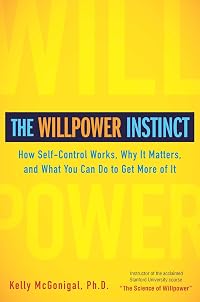
The Willpower Instinct: How Self-Control Works, Why It Matters, and What You Can Do to Get More of It
by Kelly McGonigal
On This Page
Description
McGonigal provides a step-by-step program for identifying goals, strengthening self-control, and making lifelong changes, whether it's weight loss, financial health, stress reduction, conquering procrastination, being a better parent, or finding your focus.Tags
Recommendations
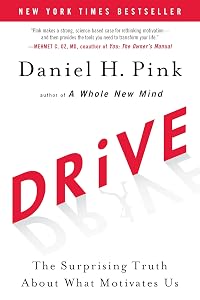
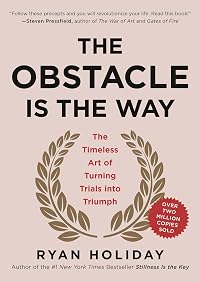
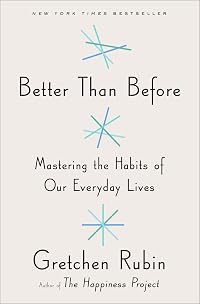
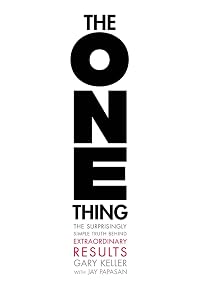
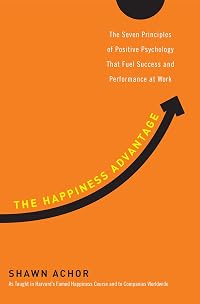
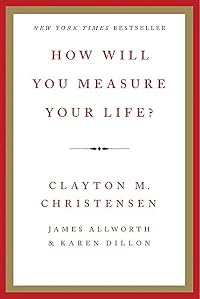
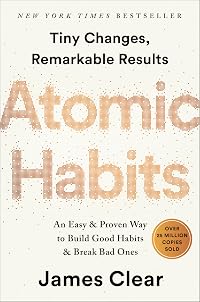
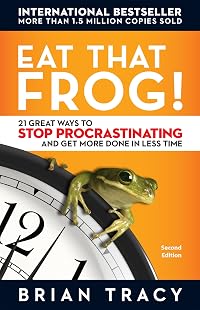

Member Recommendations
Member Reviews
I am doing something I shouldn't right now but lacked the self-control to just "turn the page." I am reviewing a book I didn't read. I am basing what I am saying on the blurbs and the reviews of others. And on the author's wikipedia page. I didn't even listen to her TED talk. (and YES, she has one!) She's probably a nice person (she has an identical twin who is a game designer!) but I am unable to just ignore the amount of hype surrounding this book! To start with, a "health psychologist" is not the same thing as a psychologist. Next, the analogy of willpower to a muscle is such an old cliché that she should be embarrassed as a writer to use it. [book:It's On You|242549360] is another book I didn't read but even the blurb deserves 5 show more stars. Why am I mentioning it here? Because it explores a trend that the book under review book is following: ignoring the cultural context of a problem and, under the guise of empowering the individual, leaves it to each of us to solve for ourselves. (OK. it didn't ignore it--I learned from someone's comments on a DIFFERENT review of this book that she points out that we tend to recycle exactly when our neighbors do so.)
We live in a culture that is powered by unthinking consumption--that is, on the opposite of willpower. And then we're shocked (SHOCKED, I tell you!) to find an "epidemic" of obesity.
Statistically (we're pretending to be scientists here) what percentage of this book's readers were attracted to it because they are trying to diet? I don't know but my guess--or perhaps my instinct tells me it's high. Are they aware of the scientific research that diets don't work? And, yes, I want to complain about the word "instinct" in the title. I DID read the very long title.
I'm calming down a bit now--but pretending we're going to fix impulsivity with a book is just plain stupid. I will hide this "review" because of the "spoilers."
Wait--I have more to say. The very concept of willpower offends me. It sets up a conflict where we need compassion. I'm told the author is also interested in compassion. Don't hate your impulsive parts--they need love too. There are reasons we have parts that feel deprived. Overpowering them is the wrong way to go. show less
We live in a culture that is powered by unthinking consumption--that is, on the opposite of willpower. And then we're shocked (SHOCKED, I tell you!) to find an "epidemic" of obesity.
Statistically (we're pretending to be scientists here) what percentage of this book's readers were attracted to it because they are trying to diet? I don't know but my guess--or perhaps my instinct tells me it's high. Are they aware of the scientific research that diets don't work? And, yes, I want to complain about the word "instinct" in the title. I DID read the very long title.
I'm calming down a bit now--but pretending we're going to fix impulsivity with a book is just plain stupid. I will hide this "review" because of the "spoilers."
Wait--I have more to say. The very concept of willpower offends me. It sets up a conflict where we need compassion. I'm told the author is also interested in compassion. Don't hate your impulsive parts--they need love too. There are reasons we have parts that feel deprived. Overpowering them is the wrong way to go. show less
'The Willpower Instinct' combines the braininess of a Malcolm Gladwell bestseller with the easy access and actual helpfulness of an "Idiots' Guide" to not being lazy.
In each chapter, Dr. McGonigal outlines psychological pathologies and inherent biases that we are consciously unaware of and thus prey to through psychology experiments and case studies she's gathered through teaching her course, 'The Science of Willpower', at Stanford University. But unlike Malcolm Gladwell, she doesn't stop with a wry observation and explanation - each chapter ends with actionable strategies for dealing with the tendencies highlighted.
This reviewer generally abhors self-help books as offering little more than "just do it" nike-isms designed to prey on show more feelings of helplessness and those looking for reassurance from a damaged ego in the mire of a pity party. This book is different. She presents cutting edge scientific and psychological research in an incredibly accessible plain english (as an attorney in training, I can attest to both the value and difficulty of this) and backs it up with strategies that work. show less
In each chapter, Dr. McGonigal outlines psychological pathologies and inherent biases that we are consciously unaware of and thus prey to through psychology experiments and case studies she's gathered through teaching her course, 'The Science of Willpower', at Stanford University. But unlike Malcolm Gladwell, she doesn't stop with a wry observation and explanation - each chapter ends with actionable strategies for dealing with the tendencies highlighted.
This reviewer generally abhors self-help books as offering little more than "just do it" nike-isms designed to prey on show more feelings of helplessness and those looking for reassurance from a damaged ego in the mire of a pity party. This book is different. She presents cutting edge scientific and psychological research in an incredibly accessible plain english (as an attorney in training, I can attest to both the value and difficulty of this) and backs it up with strategies that work. show less
 This review was written for LibraryThing Early Reviewers.
I had trouble finishing this book quickly, because I kept trying to stop and do the experiments. I got through it by reminding myself that I wasn't limited to just one bookmark, and could mark the experiment I was on and read ahead without missing anything. I will enjoy the re-read immensely, I think.
Dr. McGonigal teaches a course at Stanford University called "The Science of Willpower", and if the class is half as engaging as this book, collecting the subject matter and lessons for a wider audience, her students are very lucky indeed. Presented in explanatory sections (I particularly liked the chapter that delved into the roll of dopamine in the processes of the brain), case studies of people putting the lessons to use, and practical show more exercises for the reader to try, the format created a recurring rhythm that encourages reader participation. McGonigal has a very engaging, conversational tone throughout the book, which only enhances the inviting nature of the content.
The content itself is very helpful, providing an overview of the human brain, and reasons why our brains seem to be doing things that we don't quite approve of. She provides known "traps" for willpower, the ways that both our species inheritance and our modern (United States) world works for and against our willpower. Then she provides ways for us to work with those factors toward our reasoned goals and around our short-term impulses.
As a habitual procrastinator, I found the whole work very enlightening. show less
Dr. McGonigal teaches a course at Stanford University called "The Science of Willpower", and if the class is half as engaging as this book, collecting the subject matter and lessons for a wider audience, her students are very lucky indeed. Presented in explanatory sections (I particularly liked the chapter that delved into the roll of dopamine in the processes of the brain), case studies of people putting the lessons to use, and practical show more exercises for the reader to try, the format created a recurring rhythm that encourages reader participation. McGonigal has a very engaging, conversational tone throughout the book, which only enhances the inviting nature of the content.
The content itself is very helpful, providing an overview of the human brain, and reasons why our brains seem to be doing things that we don't quite approve of. She provides known "traps" for willpower, the ways that both our species inheritance and our modern (United States) world works for and against our willpower. Then she provides ways for us to work with those factors toward our reasoned goals and around our short-term impulses.
As a habitual procrastinator, I found the whole work very enlightening. show less
This review was written for LibraryThing Early Reviewers.The Willpower Instinct is a delight not only for what it teaches, but how it teaches. Dr. McGonigal has a wonderful sense of humor and inserts little jokes throughout the text, making for what might otherwise be an exhausting read quite pleasant. The methods taught in the book are both straightforward and realistic. (These types of books often fail by demanding far too much for persons already suffering from a willpower deficit.) Each chapter asks the reader to do some small homework assignment after explaining the importance and meaning of said assignment. The result is a change in the way the reader thinks about life and goals and shortcomings and achievement. My suspicion is that the lessons of The Willpower Instinct will amplify for show more the reader over time. This is a remarkable book. show less
This review was written for LibraryThing Early Reviewers.One of the most comprehensive books about self-control and willpower.
Explains willpower using insights from economics, psychology, neuroscience, and medicine, and provides tested strategies to help you improve self-control, overcome distraction, temptation and procrastination.
It's clear, engaging and humorous. There's a nice blend of scientific/research background, detailed examples and practical tips/strategies. But the writing can be roundabout at times and there’s a fair amount of repetition and overlapping ideas. Would've also preferred if Mcgonigal also helped to connect the dots more. And I like that she didn't rely on 1 basic scientific idea or framework, but explores the topic using a range of concepts from psychology, show more economics and neuroscience.
What it covers:
• The 3 components of willpower (I will, “I won’t” and I want) that determine if you can exercise self-control when you need it.
• Why you lose self-control due to the effects of your brain and body, how willpower works like muscles, how we give ourselves the license to sin, how we confuse desire and happiness, how giving in to indulgences makes us feel worse, why we make bad long-term decisions, how willpower is affected by social influences, and why suppressing/denying your feelings or impulses will only backfire.
• What you can do about each of the factors above, including a list of practical exercises and strategies to help you develop self-awareness and address real-life challenges.
Book summary at: https://readingraphics.com/book-summary-the-willpower-instinct/ show less
Explains willpower using insights from economics, psychology, neuroscience, and medicine, and provides tested strategies to help you improve self-control, overcome distraction, temptation and procrastination.
It's clear, engaging and humorous. There's a nice blend of scientific/research background, detailed examples and practical tips/strategies. But the writing can be roundabout at times and there’s a fair amount of repetition and overlapping ideas. Would've also preferred if Mcgonigal also helped to connect the dots more. And I like that she didn't rely on 1 basic scientific idea or framework, but explores the topic using a range of concepts from psychology, show more economics and neuroscience.
What it covers:
• The 3 components of willpower (I will, “I won’t” and I want) that determine if you can exercise self-control when you need it.
• Why you lose self-control due to the effects of your brain and body, how willpower works like muscles, how we give ourselves the license to sin, how we confuse desire and happiness, how giving in to indulgences makes us feel worse, why we make bad long-term decisions, how willpower is affected by social influences, and why suppressing/denying your feelings or impulses will only backfire.
• What you can do about each of the factors above, including a list of practical exercises and strategies to help you develop self-awareness and address real-life challenges.
Book summary at: https://readingraphics.com/book-summary-the-willpower-instinct/ show less
While Kelly McGonigal's subject matter doesn't have the kinetic appeal of the MythBusters, her ability to explain common misconceptions about the psychology of self-control and willpower would make her feel right at home with Adam and Jamie. In this very readable book, McGonigal takes the reader through the science behind willpower and various experiments that help illuminate human strengths and weaknesses. There is a bit of overlap with other recent books, but these instances were brief and limited. And also strongly overwhelmed by the number of times that McGonigal brought fresh insights to her subject matter.
McGonigal recommends reading the book over 10 weeks (a chapter per week) to allow the material to be put into practice show more gradually, to be formed into habits. Be forewarned... your willpower will likely not support this. I was learning too much to put it down. Perhaps, the RE-reading can be accomplished in this fashion.
I received a copy of this book through the LibraryThing Early Reviewers Program. show less
McGonigal recommends reading the book over 10 weeks (a chapter per week) to allow the material to be put into practice show more gradually, to be formed into habits. Be forewarned... your willpower will likely not support this. I was learning too much to put it down. Perhaps, the RE-reading can be accomplished in this fashion.
I received a copy of this book through the LibraryThing Early Reviewers Program. show less
This review was written for LibraryThing Early Reviewers.A truly fantastic book. On the surface, this topic may not seem that interesting, however, it was a very easy read filled with research articles. The author made it very interesting. Highly recommend.
Members
- Recently Added By
Lists

Non-Fiction Worth Reading
1,016 works; 262 members

Best Self Help Books
87 works; 18 members

Favorite 10 Books of the Upper Class For Developing Self-Discipline
10 works; 1 member
Author Information

18+ Works 1,949 Members
Kelly McGonigal, Ph.D., is an award-winning psychology instructor at Stanford University, as well as a health educator for the School of Medicine's Health Improvement Program. Her psychology courses for professionals and the general public-including "The Science of Willpower" and "Living Well with Stress"-are among the most popular in the history show more of Stanford's Continuing Studies program. She is also the author of Psychology Today's Science of Willpower blog and lives in Palo Alto, California. show less
Some Editions
Awards and Honors
Common Knowledge
- Canonical title
- The Willpower Instinct: How Self-Control Works, Why It Matters, and What You Can Do to Get More of It
- Alternate titles
- Maximum Willpower (UK) (UK)
- Original publication date
- 2011
Classifications
Statistics
- Members
- 1,300
- Popularity
- 18,680
- Reviews
- 42
- Rating
- (4.05)
- Languages
- 10 — Chinese, Dutch, English, French, German, Japanese, Korean, Portuguese, Russian, Spanish
- Media
- Paper, Audiobook, Ebook
- ISBNs
- 22
- ASINs
- 10
