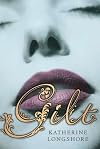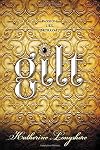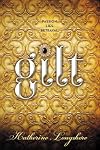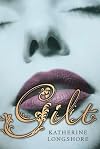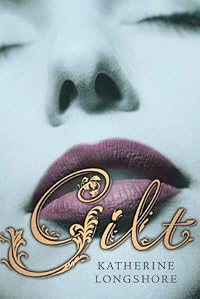
Gilt
by Katherine Longshore
On This Page
Description
In 1539, Kitty Tylney and her best friend Cat Howard--the audacious, self-proclaimed "Queen of Misrule"--both servants to the Duchess of Norfolk, move to the court of King Henry VIII, who fancies Cat, and when Cat becomes queen, Kitty must learn to navigate the complexities and dangers of the royal court.Tags
Recommendations







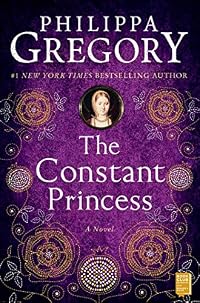
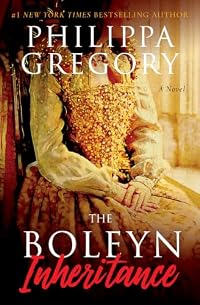
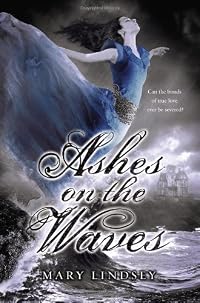

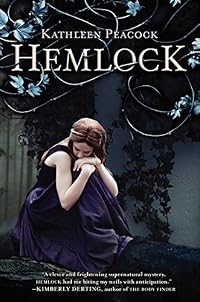















Member Recommendations


Member Reviews
As young girls growing up in the Tudor age, both Catherine Howard and Kitty Tilney dream of making their way to the court of King Henry VIII - one likely more so than the other. Stuck living as ward's of Catherine's grandmother, the dowager duchess at Norfolk House, they spent their time in the maiden's chambers dreaming of getting away.
Kitty knows she has no real prospects, but Catherine is a Howard and that gives her possibility.
When Cat gets works her way into court - and possibly King Henry's heart, as well - she follows through on a promise and brings Kitty along. It's filled with jewels, beautiful dresses, and fancy parties, yes, but court life isn't perfect or easy.
Kitty finds herself somewhere she never thought she'd be - torn show more between two men.
And Cat may have more than her heart in danger if she keeps up her flirting ways. Kitty will have to learn how to be Cat's friend but also keep herself safe in a place where gossip no longer just gets your in trouble - in could get you killed.
I'm kind of a sucker for historical fiction - well, good historical fiction - and Tudor period ones, specifically.
When you read a good - completely fictitious - novel, you're often left wishing there was more. Another book, another chapter, some sort of epilogue, something. You can imagine things all you want but it never quite reaches the level of awesome that the book did because those characters were created in the author's head. With really good historical fiction, it's interestingly the same way. You finish a book wishing there were more about those characters, that you could keep reading about them . . . Then you remember there is because they're real (well save for any characters created for the novel). The only problem is, they're never quite the same as they were in whichever book you've just read because in a sense, the author created these characters as well - or at least brought them (back) to life.
Katherine Longshore does that in Gilt. I've read other novels set during the same time period with some of the same historical figures involved but this novel goes around the main players to and gives readers a bit of an outsiders (though not that outside) perspective. It's told through Kitty, Cat's best friend, confidante and surrogate sister. While we don't have the perspectives on King Henry that a novel told from Cat(herine)'s view might give, we do get a great view on who Cat, later Queen Catherine, is.
Not who she sees herself as, but who someone who's almost always known her sees her as.
Kitty also has a great view on the different men and women at court. From the way they're perceived to how they act to little secrets about them. It's likely that she, not being that high up in the court's hierarchy sees things that even one of the other ladies might not be privy to - or might not care to notice.
Gilt is not only a great historical fiction novel, it's a great character study that brought up a lot of things I hadn't thought about before in my other readings on the same time period. Even if you care nothing (or very little) about the time period, it's a tremendous read for the friendship between Cat and Kitty and the struggles they face - both with each other and that life puts on their bond.
This may be a young adult historical fiction but I think it easily stands up to the adult historical fiction novels - like those by Carolly Erickson and Alison Weir.
Rating: 9/10
thank you to the publisher and NetGalley for my e-galley of this title for review show less
Kitty knows she has no real prospects, but Catherine is a Howard and that gives her possibility.
When Cat gets works her way into court - and possibly King Henry's heart, as well - she follows through on a promise and brings Kitty along. It's filled with jewels, beautiful dresses, and fancy parties, yes, but court life isn't perfect or easy.
Kitty finds herself somewhere she never thought she'd be - torn show more between two men.
And Cat may have more than her heart in danger if she keeps up her flirting ways. Kitty will have to learn how to be Cat's friend but also keep herself safe in a place where gossip no longer just gets your in trouble - in could get you killed.
I'm kind of a sucker for historical fiction - well, good historical fiction - and Tudor period ones, specifically.
When you read a good - completely fictitious - novel, you're often left wishing there was more. Another book, another chapter, some sort of epilogue, something. You can imagine things all you want but it never quite reaches the level of awesome that the book did because those characters were created in the author's head. With really good historical fiction, it's interestingly the same way. You finish a book wishing there were more about those characters, that you could keep reading about them . . . Then you remember there is because they're real (well save for any characters created for the novel). The only problem is, they're never quite the same as they were in whichever book you've just read because in a sense, the author created these characters as well - or at least brought them (back) to life.
Katherine Longshore does that in Gilt. I've read other novels set during the same time period with some of the same historical figures involved but this novel goes around the main players to and gives readers a bit of an outsiders (though not that outside) perspective. It's told through Kitty, Cat's best friend, confidante and surrogate sister. While we don't have the perspectives on King Henry that a novel told from Cat(herine)'s view might give, we do get a great view on who Cat, later Queen Catherine, is.
Not who she sees herself as, but who someone who's almost always known her sees her as.
Kitty also has a great view on the different men and women at court. From the way they're perceived to how they act to little secrets about them. It's likely that she, not being that high up in the court's hierarchy sees things that even one of the other ladies might not be privy to - or might not care to notice.
Gilt is not only a great historical fiction novel, it's a great character study that brought up a lot of things I hadn't thought about before in my other readings on the same time period. Even if you care nothing (or very little) about the time period, it's a tremendous read for the friendship between Cat and Kitty and the struggles they face - both with each other and that life puts on their bond.
This may be a young adult historical fiction but I think it easily stands up to the adult historical fiction novels - like those by Carolly Erickson and Alison Weir.
Rating: 9/10
thank you to the publisher and NetGalley for my e-galley of this title for review show less
Gilt is unlike any Tudor book I've ever read and as far as YA's concerned, I've read a lot.
First off, it's told from a different perspective. A lot of Tudor books I've read were told by one of the queen's or a relative of one. Gilt is told from the perspective of one of Catherine Howard's closest friends. I loved having this different perspective. When it comes to Catherine Howard, I've only read a couple books and in both, she was telling her own story and she came off as horribly misunderstood and lonely. Reading about it from her best friend's perspective cast Catherine in a very different light. Kitty was a fantastic narrator.
Second, Kitty had her own romances. Not a love triangle, really, but there was one main love interest and show more one secondary love interest and it's hard to explain without spoiling, but it's different and I liked it. I learned a lot about Kitty and saw a lot of her character development through those relationships.
Now, Katherine Longshore knows how to write a book. The romantic tension was incredible. Remember, this is a time when people weren't even allowed to kiss before marrying and love was a rarity. So certain characters could just be standing in the same room together and I'd be like "You'll make the cutest babies because you ARE MEANT TO BE." So, yeah. Tension galore.
Katherine also captured the setting and the characters so wonderfully. The setting was really well described, from the gardens, to the hallways of the castles. Since it's historical fiction, a lot of the characters were real and Katherine elaborated on what we know about them or came up with personalities for them and in the case of people I was familiar with, they were a lot like what I expected they would be. And as I mentioned, our main character does some fantastic developing and growth.
Gilt isn't a short book, and I read it very quickly. I read about half in a sitting. Katherine Longshore's writing is beautiful, descriptive, and addicting. I'm pretty sure all of her books are going to be insta-buys for me.
Truly, Gilt is an incredible read. The setting is lush, the characters are wonderful and diverse, the narrator is totally different from any Tudor book I've read, and the writing is addicting. Y'all seriously need to pick up this book. show less
First off, it's told from a different perspective. A lot of Tudor books I've read were told by one of the queen's or a relative of one. Gilt is told from the perspective of one of Catherine Howard's closest friends. I loved having this different perspective. When it comes to Catherine Howard, I've only read a couple books and in both, she was telling her own story and she came off as horribly misunderstood and lonely. Reading about it from her best friend's perspective cast Catherine in a very different light. Kitty was a fantastic narrator.
Second, Kitty had her own romances. Not a love triangle, really, but there was one main love interest and show more one secondary love interest and it's hard to explain without spoiling, but it's different and I liked it. I learned a lot about Kitty and saw a lot of her character development through those relationships.
Now, Katherine Longshore knows how to write a book. The romantic tension was incredible. Remember, this is a time when people weren't even allowed to kiss before marrying and love was a rarity. So certain characters could just be standing in the same room together and I'd be like "You'll make the cutest babies because you ARE MEANT TO BE." So, yeah. Tension galore.
Katherine also captured the setting and the characters so wonderfully. The setting was really well described, from the gardens, to the hallways of the castles. Since it's historical fiction, a lot of the characters were real and Katherine elaborated on what we know about them or came up with personalities for them and in the case of people I was familiar with, they were a lot like what I expected they would be. And as I mentioned, our main character does some fantastic developing and growth.
Gilt isn't a short book, and I read it very quickly. I read about half in a sitting. Katherine Longshore's writing is beautiful, descriptive, and addicting. I'm pretty sure all of her books are going to be insta-buys for me.
Truly, Gilt is an incredible read. The setting is lush, the characters are wonderful and diverse, the narrator is totally different from any Tudor book I've read, and the writing is addicting. Y'all seriously need to pick up this book. show less
Review courtesy of Dark Faerie Tales
Quick & Dirty: As you watch the young queen with the same anticipation you feel in a horror movie, you heart aches for Kitty and her unwavering loyalty to Catherine. There’s romance, but I was happy to find the focus is on Kitty and Cat’s close friendship, not a hot guy.
Opening Sentence: ”You’re not going to steal anything.”
The Review:
While I’m a big historical romance buff, I’ll admit Henry VIII and his various wives have never been my favorite to read about. I’m too big a fan of Happy Endings. So I didn’t know a lot about Catherine Howard and her best friend Kitty before picking up this novel. From what I’ve heard from my friends who do devour Tudor novels, Longshore does a show more great job of sticking to the historicity of the period. Of course the novel and all its details are fictionalized from Kitty’s point of view, but I think history-purists will be pleased by Gilt.
Kitty Tylney has gone through a lot before the beginning of the novel. As in, she’s-carrying-around-a-crippling-amount-of-baggage. Her family tosses their worthless daughter over to be a servant in Cat’s step-grandmother’s house, the Duchess of Norfolk. Apparently, a lot of ton daughters got sent there for “betterment,” which as I understand really just means “they’re your problem now.” In true Mean Girls style, Catherine Howard runs the show as the Queen of Misrule. It isn’t long before Cat catches the eye of Henry, despite being on his fifth wife.
When Cat goes to court, her ever loyal Kitty is at her side. Her best friend and most loyal confidant, Kitty keeps all Catherine’s secret. Kitty’s devotion to Cat makes you want to alternately applaud her loyalty and shake her for being an idiot. She lies and placates Cat, usually to her own expense, as the girls find themselves seduced deeper and deeper into the heart of Henry VII’s cut-throat court. It’s only William, steward to the Duke of Norfolk, who seems to recognize Kitty’s unwavering devotion as unhealthy. Though their romance blossoms into a very satisfying subplot, the whole focus of the novel is on the relationship between Kitty and Catherine.
If watching Catherine ease her way into Henry’s heart is like watching a train wreck, then waiting to find out Kitty’s fate had all the anticipation of watching a plane crash. We all know the fate of Catherine Howard, but what about Kitty Tylney? How does her unwavering loyalty play out in the bitter end? The tension is threaded through the romantic novel like a ticking bomb waiting to go off.
I can’t imagine the time and research that went into recreating this world. Longshore paints a vivid picture of Greenwich Castle and its courtiers, one I couldn’t help but sink into. She doesn’t weigh the reader down with needless details to prove she knows what she’s talking about, but weaves the tense time period in with the scene. I’m excited to hear that Gilt is a part of a series, because I want to read more of this world and Longshore’s writing.
Notable Scene:
“No one is happier thank I am that you’re finally getting all you deserve. Beautiful clothes. Jewelry. A man you love.”
She stopped moving. Stopped breathing. Then snapped, “Get out,” over her shoulder, and Joan and Alice disappeared as quickly as dandelion fluff on the wind.
“Who told you?” she asked, her voice more deadly than ever. “No one knows.”
“Francis,” I whispered, my voice a paroxysm of nerves.
“Francis Dereham?” she asked.
“Yes,” I said. “He saw you at court. Then he came here to get his old job back. I spoke with him.”
“Francis?” She repeated, and her eyes opened wide, radiating surprise, or possibly fear.
FTC Advisory: Viking/Penguin provided me with a copy of Gilt. No goody bags, sponsorships, “material connections,” or bribes were exchanged for my review. show less
Quick & Dirty: As you watch the young queen with the same anticipation you feel in a horror movie, you heart aches for Kitty and her unwavering loyalty to Catherine. There’s romance, but I was happy to find the focus is on Kitty and Cat’s close friendship, not a hot guy.
Opening Sentence: ”You’re not going to steal anything.”
The Review:
While I’m a big historical romance buff, I’ll admit Henry VIII and his various wives have never been my favorite to read about. I’m too big a fan of Happy Endings. So I didn’t know a lot about Catherine Howard and her best friend Kitty before picking up this novel. From what I’ve heard from my friends who do devour Tudor novels, Longshore does a show more great job of sticking to the historicity of the period. Of course the novel and all its details are fictionalized from Kitty’s point of view, but I think history-purists will be pleased by Gilt.
Kitty Tylney has gone through a lot before the beginning of the novel. As in, she’s-carrying-around-a-crippling-amount-of-baggage. Her family tosses their worthless daughter over to be a servant in Cat’s step-grandmother’s house, the Duchess of Norfolk. Apparently, a lot of ton daughters got sent there for “betterment,” which as I understand really just means “they’re your problem now.” In true Mean Girls style, Catherine Howard runs the show as the Queen of Misrule. It isn’t long before Cat catches the eye of Henry, despite being on his fifth wife.
When Cat goes to court, her ever loyal Kitty is at her side. Her best friend and most loyal confidant, Kitty keeps all Catherine’s secret. Kitty’s devotion to Cat makes you want to alternately applaud her loyalty and shake her for being an idiot. She lies and placates Cat, usually to her own expense, as the girls find themselves seduced deeper and deeper into the heart of Henry VII’s cut-throat court. It’s only William, steward to the Duke of Norfolk, who seems to recognize Kitty’s unwavering devotion as unhealthy. Though their romance blossoms into a very satisfying subplot, the whole focus of the novel is on the relationship between Kitty and Catherine.
If watching Catherine ease her way into Henry’s heart is like watching a train wreck, then waiting to find out Kitty’s fate had all the anticipation of watching a plane crash. We all know the fate of Catherine Howard, but what about Kitty Tylney? How does her unwavering loyalty play out in the bitter end? The tension is threaded through the romantic novel like a ticking bomb waiting to go off.
I can’t imagine the time and research that went into recreating this world. Longshore paints a vivid picture of Greenwich Castle and its courtiers, one I couldn’t help but sink into. She doesn’t weigh the reader down with needless details to prove she knows what she’s talking about, but weaves the tense time period in with the scene. I’m excited to hear that Gilt is a part of a series, because I want to read more of this world and Longshore’s writing.
Notable Scene:
“No one is happier thank I am that you’re finally getting all you deserve. Beautiful clothes. Jewelry. A man you love.”
She stopped moving. Stopped breathing. Then snapped, “Get out,” over her shoulder, and Joan and Alice disappeared as quickly as dandelion fluff on the wind.
“Who told you?” she asked, her voice more deadly than ever. “No one knows.”
“Francis,” I whispered, my voice a paroxysm of nerves.
“Francis Dereham?” she asked.
“Yes,” I said. “He saw you at court. Then he came here to get his old job back. I spoke with him.”
“Francis?” She repeated, and her eyes opened wide, radiating surprise, or possibly fear.
FTC Advisory: Viking/Penguin provided me with a copy of Gilt. No goody bags, sponsorships, “material connections,” or bribes were exchanged for my review. show less
Gilt will be very familiar to fans of Philippa Gregory. The subject matter is what brought Ms. Gregory her fame, and even Katherine Longshore's writing style is eerily similar. However, Gilt is not just another copycat novel geared towards young adults. There is a brash, in-your-face quality to the entire story that accentuates just how dangerous this era was for anyone caught up in the machinations of the Tudor court. Ms. Longshore does an admirable job of explaining the notoriously complicated politics well enough that even the most ignorant reader will understand the dangers facing Catherine Howard and Kitty.
In spite of the twistings and turnings of the politics involved with Court life, Gilt remains true to the world of young adult show more fiction by remaining steadfast to the themes that permeate this genre. Kitty must discover the true meaning of friendship as well as determine her own path towards happiness. Cat learns to rue her actions through the ultimate penalty. It is a coming-of-age story with fatal consequences if the lessons are not fully learned.
As in most Tudor fiction, Catherine Howard gets a bad rap, and Gilt is no different. Cat is awful - selfish and vain-glorious. She lives to serve herself, and one does not have to know Tudor history to know in advance that her marriage to King Henry VIII is not going to end well. A reader will not be able to determine whether Kitty's steadfastness to Cat in spite of everything she is put through on Cat's behalf is due to her naivete, ignorance, or generous heart. Still, one cannot help but sympathize with this young woman torn between friendship and faithfulness, the glitter and glamour of the Court, and a future filled with the unfamiliar.
Ms. Longshore does an admirable job of taking an unknown historical figure and bringing her life. The fictional aspects Gilt blend seamlessly with the historical portions, rounding out a reader's mental image of the cast of characters as well as the environs in which they find themselves. The descriptions are robust, allowing readers to easily imagine the scenes, the scents, and the sounds. By using someone who would have had intimate knowledge of the Queen's comings and goings, more than her ladies-in-waiting ever would, readers get an even more insider view of life as the Queen of England as well as regular life during this era. It is a fabulous behind-the-scenes view of a not-so-fabulous period in history.
Acknowledgments: Thank you to NetGalley and to Penguin Young Readers Group for my e-galley. show less
In spite of the twistings and turnings of the politics involved with Court life, Gilt remains true to the world of young adult show more fiction by remaining steadfast to the themes that permeate this genre. Kitty must discover the true meaning of friendship as well as determine her own path towards happiness. Cat learns to rue her actions through the ultimate penalty. It is a coming-of-age story with fatal consequences if the lessons are not fully learned.
As in most Tudor fiction, Catherine Howard gets a bad rap, and Gilt is no different. Cat is awful - selfish and vain-glorious. She lives to serve herself, and one does not have to know Tudor history to know in advance that her marriage to King Henry VIII is not going to end well. A reader will not be able to determine whether Kitty's steadfastness to Cat in spite of everything she is put through on Cat's behalf is due to her naivete, ignorance, or generous heart. Still, one cannot help but sympathize with this young woman torn between friendship and faithfulness, the glitter and glamour of the Court, and a future filled with the unfamiliar.
Ms. Longshore does an admirable job of taking an unknown historical figure and bringing her life. The fictional aspects Gilt blend seamlessly with the historical portions, rounding out a reader's mental image of the cast of characters as well as the environs in which they find themselves. The descriptions are robust, allowing readers to easily imagine the scenes, the scents, and the sounds. By using someone who would have had intimate knowledge of the Queen's comings and goings, more than her ladies-in-waiting ever would, readers get an even more insider view of life as the Queen of England as well as regular life during this era. It is a fabulous behind-the-scenes view of a not-so-fabulous period in history.
Acknowledgments: Thank you to NetGalley and to Penguin Young Readers Group for my e-galley. show less
Katherine 'Kitty' Tylney is the young, forgotten daughter , distantly related to English nobility. As a young girl she is cast off by her family to be raised in the Duchess of Norfolk's household. This is where Kitty meets her best friend, Catherine 'Cat' Howard. Kitty exists in Cat's shadow. Kitty is the loyal friend who entertains Cat and keeps all of her secrets. Eventually Cat makes her way to the Court of King Henry VIII, becoming his fifth and youngest wife. Cat sends for her faithful friend and Kitty finds herself wildly out of her depth and eventually ruined as she is ensnared in a court full of intrigue and manipulation.
Kitty is well drawn, but ultimately hard to like. She exists entirely in the shadow of her beautiful and show more cunning friend, Catherine Howard. She is hardly able to articulate that she may have any desires for herself, apart from just being wanted. It is that sense of abandonment that draws Kitty to Cat and keeps her there, even as Cat self-destructs. In the end Kitty does seem to be little more than a shadow, though the story is told from her point of view. show less
Kitty is well drawn, but ultimately hard to like. She exists entirely in the shadow of her beautiful and show more cunning friend, Catherine Howard. She is hardly able to articulate that she may have any desires for herself, apart from just being wanted. It is that sense of abandonment that draws Kitty to Cat and keeps her there, even as Cat self-destructs. In the end Kitty does seem to be little more than a shadow, though the story is told from her point of view. show less
 This review was written for LibraryThing Early Reviewers.
Katherine Longshore transports Mean Girls to Tudor England in this delightful and terrifyingly apt criticism of modern girl culture.
Readers will be seduced from the beginning with detailed descriptions of Tudor era opulence. Longshore finds her parallel to Regina in Catherine Howard, or Cat, Henry VIII's fifth wife. The teenage Cat has a bottomless appetite for clothes, jewelry, and young men. She is queen of the group of unwanted Howard nieces and cousins who live as servants-in-all-but-name to their grandmother, dowager duchess of Norfolk. In this boarding school-like setting, Cat blithely manipulates her friends and family members to suit her desires, particularly her "shadow," her "mirror," her "sister of the soul," Kitty Tylney, show more who hails from the even poorer side of the family. In Kitty, the audience will find its moral anchor and spark of light for the insufficiently gilded road ahead.
Longshore's dialogue and pacing are refreshingly modern. She will undoubtedly be compared to Philippa Gregory, (and deservedly so, this is equal to Gregory's best work in The Other Boleyn Girl), but her writing style more closely mimics that of Suzanne Collins. Anachronistic phrases like "Shut up," and "best friend," feel authentic in the mouths of her characters. Although, she occasionally runs away with her language, Longshore's inventiveness and extensive vocabulary bring an extra dimension to her writing.
Gilt is a fast and thrilling read, and demonstrates a complex understanding both of teenage girl hierarchies and palace politics. While Gilt may be read for pleasure, it may be read again for commentary on how young girls treat each other, and how both perpetrator and victim are affected. The historical parallel drives home that while modern schoolgirls may not be in a position to have their heads chopped off by mad monarchs, selfishness and materialism hurts everyone. And furthermore, while Cat is far from sympathetic, we can see this much through Kitty's eyes: Not even Regina deserves to be hit by a bus. show less
Readers will be seduced from the beginning with detailed descriptions of Tudor era opulence. Longshore finds her parallel to Regina in Catherine Howard, or Cat, Henry VIII's fifth wife. The teenage Cat has a bottomless appetite for clothes, jewelry, and young men. She is queen of the group of unwanted Howard nieces and cousins who live as servants-in-all-but-name to their grandmother, dowager duchess of Norfolk. In this boarding school-like setting, Cat blithely manipulates her friends and family members to suit her desires, particularly her "shadow," her "mirror," her "sister of the soul," Kitty Tylney, show more who hails from the even poorer side of the family. In Kitty, the audience will find its moral anchor and spark of light for the insufficiently gilded road ahead.
Longshore's dialogue and pacing are refreshingly modern. She will undoubtedly be compared to Philippa Gregory, (and deservedly so, this is equal to Gregory's best work in The Other Boleyn Girl), but her writing style more closely mimics that of Suzanne Collins. Anachronistic phrases like "Shut up," and "best friend," feel authentic in the mouths of her characters. Although, she occasionally runs away with her language, Longshore's inventiveness and extensive vocabulary bring an extra dimension to her writing.
Gilt is a fast and thrilling read, and demonstrates a complex understanding both of teenage girl hierarchies and palace politics. While Gilt may be read for pleasure, it may be read again for commentary on how young girls treat each other, and how both perpetrator and victim are affected. The historical parallel drives home that while modern schoolgirls may not be in a position to have their heads chopped off by mad monarchs, selfishness and materialism hurts everyone. And furthermore, while Cat is far from sympathetic, we can see this much through Kitty's eyes: Not even Regina deserves to be hit by a bus. show less
This review was written for LibraryThing Early Reviewers.Originally posted here.
This review begins with a confession. Intrigued? Here we go. Confession #1: I cheated on King Henry. Oh wait, that wasn't me! That was Catherine (like that narrows it down). Oops! I got ahead of myself. Actually, my confession is that, much as I love reading historical fiction, I really am not a huge fan of reading about the Tudors. They're a completely fascinating (i.e. batshit insane) family, especially during Henry VIII's reign. However, I have been burned by books and movies about these years before. I know everyone else loved The Other Boleyn Girl but both the book and the film were big fat DNFs for me. Because of this, I enter every Tudors thing with a larger than usual (and usual is prodigious) amount of show more skepticism. Well, this one I loved.
One thing that often frustrates me about the Tudors, even the show (which I largely enjoyed) is the romanticizing of Henry. Partly, this is because he tends to be younger in much of the fiction, a lot of which focuses on Anne Boleyn. I'm not saying Henry doesn't come off as a womanizing bastard (he does), but he also generally seems like he gets so much play because he's attractive and charismatic. Again, I think that was fairly true when he was young, although I definitely think much of his appeal had to do with the crown even then. However, as he got older, he got fat and had serious health issues. I love Katherine Longshore for displaying Henry as what he really was.
I totally get why shows make Henry more attractive (who wants to watch some guy who looks like that?), but that doesn't make it accurate, and there's less of a reason for it in fiction. That seems unfair to say, but oh well. The same is true of Catherine, who is portrayed as a completely fetching blonde in the show, but pictures reveal her to be somewhat plain. In Gilt, Cat is described not as beautiful, but as vivacious and so charming no one can tell that she's not gorgeous.
What really drew me into Gilt, though, is Kitty. I identified so much with Kitty and her desperation. She has nobody and she wants so badly to believe that she has a real friend in Cat. She is loyal to a fault (a big one). For the most part, I really am not like Kitty, but I liked Kitty so much, and I just kept hoping she would make the right decisions such as avoiding ruinous people.
There are so many right bastards (both literally and figuratively I'm sure) walking around Henry's court. Women's options were so incredibly limited. Of course, there were also the freedoms that they had. I cannot believe how easy it was for women to be, well, easy. Even in a dormitory packed full of beds, with more than one girl per bed no less, girls managed to carry out affairs; there's nothing awkward about that. Don't even get me started on the rage I feel about how men could rape any woman they wanted to and claim that she wanted it, so obviously it's her fault. Instead, I will let Kitty send that message in my favorite quote. I love her when she has a backbone.
Gilt is truly wonderful. I laughed, I was grossed out, I was enraged and I nearly cried. Gilt really is a lot like a more historically accurate, YA version of The Tudors. There's sex, backstabbing and dirty jokes galore. I loved every single minute of it. If you enjoy reading all of those things, get thee to a bookstore anon! show less
This review begins with a confession. Intrigued? Here we go. Confession #1: I cheated on King Henry. Oh wait, that wasn't me! That was Catherine (like that narrows it down). Oops! I got ahead of myself. Actually, my confession is that, much as I love reading historical fiction, I really am not a huge fan of reading about the Tudors. They're a completely fascinating (i.e. batshit insane) family, especially during Henry VIII's reign. However, I have been burned by books and movies about these years before. I know everyone else loved The Other Boleyn Girl but both the book and the film were big fat DNFs for me. Because of this, I enter every Tudors thing with a larger than usual (and usual is prodigious) amount of show more skepticism. Well, this one I loved.
One thing that often frustrates me about the Tudors, even the show (which I largely enjoyed) is the romanticizing of Henry. Partly, this is because he tends to be younger in much of the fiction, a lot of which focuses on Anne Boleyn. I'm not saying Henry doesn't come off as a womanizing bastard (he does), but he also generally seems like he gets so much play because he's attractive and charismatic. Again, I think that was fairly true when he was young, although I definitely think much of his appeal had to do with the crown even then. However, as he got older, he got fat and had serious health issues. I love Katherine Longshore for displaying Henry as what he really was.
I totally get why shows make Henry more attractive (who wants to watch some guy who looks like that?), but that doesn't make it accurate, and there's less of a reason for it in fiction. That seems unfair to say, but oh well. The same is true of Catherine, who is portrayed as a completely fetching blonde in the show, but pictures reveal her to be somewhat plain. In Gilt, Cat is described not as beautiful, but as vivacious and so charming no one can tell that she's not gorgeous.
What really drew me into Gilt, though, is Kitty. I identified so much with Kitty and her desperation. She has nobody and she wants so badly to believe that she has a real friend in Cat. She is loyal to a fault (a big one). For the most part, I really am not like Kitty, but I liked Kitty so much, and I just kept hoping she would make the right decisions such as avoiding ruinous people.
There are so many right bastards (both literally and figuratively I'm sure) walking around Henry's court. Women's options were so incredibly limited. Of course, there were also the freedoms that they had. I cannot believe how easy it was for women to be, well, easy. Even in a dormitory packed full of beds, with more than one girl per bed no less, girls managed to carry out affairs; there's nothing awkward about that. Don't even get me started on the rage I feel about how men could rape any woman they wanted to and claim that she wanted it, so obviously it's her fault. Instead, I will let Kitty send that message in my favorite quote. I love her when she has a backbone.
Gilt is truly wonderful. I laughed, I was grossed out, I was enraged and I nearly cried. Gilt really is a lot like a more historically accurate, YA version of The Tudors. There's sex, backstabbing and dirty jokes galore. I loved every single minute of it. If you enjoy reading all of those things, get thee to a bookstore anon! show less
Members
- Recently Added By
Lists

Absolute Power
107 works; 1 member
Author Information
Some Editions
Common Knowledge
- Original publication date
- 2012-05-15
Classifications
Statistics
- Members
- 363
- Popularity
- 85,949
- Reviews
- 45
- Rating
- (3.71)
- Languages
- English
- Media
- Paper, Ebook
- ISBNs
- 7
- ASINs
- 3