On This Page
Description
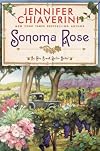
As the nation grapples with the strictures of Prohibition, Rosa Barclay lives on a Southern California rye farm with her volatile husband, John, who has lately found another source of income far outside the federal purview. Mother to eight children, Rosa mourns the loss of four who succumbed to the mysterious wasting disease that is now afflicting young Ana and Miguel. Two daughters born of another father are in perfect health. When an act of violence shatters Rosa's resolve to maintain her show more increasingly dangerous existence, she flees with the children and her precious heirloom quilts to the mesa where she last saw her beloved mother alive. As a flash flood traps them in a treacherous canyon, only one man is brave-or foolhardy-enough to come to their rescue: Lars Jorgenson, Rosa's first love and the father of her healthy daughters. Together they escape to Berkeley, where a leading specialist offers their only hope of saving Ana and Miguel. Here in northern California, they create new identities to protect themselves from Rosa's vengeful husband, the police who seek her for questioning, and the gangsters Lars reported to Prohibition agents-officers representing a department often as corrupt as the Mob itself. Ever mindful that his youthful alcoholism provoked Rosa to spurn him, Lars nevertheless supports Rosa's daring plan to stake their futures on a struggling Sonoma Valley vineyard--despite the recent hardships of local winemakers whose honest labors at viticulture have, through no fault of their own, become illegal. show lessTags
Recommendations




Member Reviews
[Originally posted at Bookin' It.]
This is #19 in the Elm Creek Quilts series, but you really don't have to have read any of the previous books to enjoy this one, since it's historical fiction. The main character here, Rosa Diaz Barclay, was introduced in The Quilter's Homecoming, and this book is also set in California in the late 1920s, in the midst of Prohibition.
Rosa married John, a Southern California rye farmer and postmaster, a man she didn't love, to legitimize her true love's baby. Eight children later (with yet another by her lover), Rosa is miserable - half of her children are dead of a mysterious wasting disease, and her husband has become abusive and won't let Rosa take the surviving sick children (who are the two who are show more his) to specialists in the big city.
In a jealous rage, John beats Rosa and threatens to kill her lover, Lars Jorgensen, who Rosa did not marry all those years ago due to her family's prejudices and Lars' drinking problem. This time, though, Lars and Rosa run away with the children to San Francisco. Rosa finds John's stash of cash from bootlegging and takes most of it with her. John, meanwhile, is imprisoned for bootlegging and initially thinks Rosa and the children perished in a flash flood in a nearby canyon.
Rosa and Lars, posing as Rose and Nils Otteson, ultimately find work in a family vineyard in Sonoma County. The sick children are diagnosed with celiac disease, and a diet of bananas (with no wheat products) improves their health. Rosa/Rose and Lars/Nils face other problems though, with more bootleggers (including their employers), dirty Prohibition agents, and the fear that John (or the police or gangsters) will find them.
There's not a lot about quilts or quilting in this book, but I learned a lot about wine making and the sufferings of family vintners during the Prohibition years. It was also very interesting to read about the early treatment of celiac disease, as I have a number of relatives with this illness. Chiaverini provides her research sources in acknowledgments at the end of the book.
Rosa isn't always likable, but she is a strong heroine. There's a lot of sadness and darkness in this book - illness, regret, loneliness, isolation, abuse, rape, alcoholism, adultery, lying, law-breaking - but that, and intriguing supporting characters, are what makes the story. Ultimately, it's rewarding to see Rosa find happiness with the man she loves and her growing, healthy children.
© Amanda Pape - 2012
[This book was borrowed from and returned to my local public library.] show less
This is #19 in the Elm Creek Quilts series, but you really don't have to have read any of the previous books to enjoy this one, since it's historical fiction. The main character here, Rosa Diaz Barclay, was introduced in The Quilter's Homecoming, and this book is also set in California in the late 1920s, in the midst of Prohibition.
Rosa married John, a Southern California rye farmer and postmaster, a man she didn't love, to legitimize her true love's baby. Eight children later (with yet another by her lover), Rosa is miserable - half of her children are dead of a mysterious wasting disease, and her husband has become abusive and won't let Rosa take the surviving sick children (who are the two who are show more his) to specialists in the big city.
In a jealous rage, John beats Rosa and threatens to kill her lover, Lars Jorgensen, who Rosa did not marry all those years ago due to her family's prejudices and Lars' drinking problem. This time, though, Lars and Rosa run away with the children to San Francisco. Rosa finds John's stash of cash from bootlegging and takes most of it with her. John, meanwhile, is imprisoned for bootlegging and initially thinks Rosa and the children perished in a flash flood in a nearby canyon.
Rosa and Lars, posing as Rose and Nils Otteson, ultimately find work in a family vineyard in Sonoma County. The sick children are diagnosed with celiac disease, and a diet of bananas (with no wheat products) improves their health. Rosa/Rose and Lars/Nils face other problems though, with more bootleggers (including their employers), dirty Prohibition agents, and the fear that John (or the police or gangsters) will find them.
There's not a lot about quilts or quilting in this book, but I learned a lot about wine making and the sufferings of family vintners during the Prohibition years. It was also very interesting to read about the early treatment of celiac disease, as I have a number of relatives with this illness. Chiaverini provides her research sources in acknowledgments at the end of the book.
Rosa isn't always likable, but she is a strong heroine. There's a lot of sadness and darkness in this book - illness, regret, loneliness, isolation, abuse, rape, alcoholism, adultery, lying, law-breaking - but that, and intriguing supporting characters, are what makes the story. Ultimately, it's rewarding to see Rosa find happiness with the man she loves and her growing, healthy children.
© Amanda Pape - 2012
[This book was borrowed from and returned to my local public library.] show less
I have been a fan of the Elm Creek Series since a fellow book reader alerted me to the series about 7 years ago. So, as soon as I saw this book was available to review I enthusiastically raised my hand and awaited for the book to cross the Atlantic.
Initially, I could not see how this fitted with the theme of Elm Creek, but a few pages in and I recognised a name from an earlier book. This latest addition to the series is set as Prohibition rages; this book delves deeper than just a great storyline. It brings to life events and hardships that would have happened. The struggle for survival by those who lives were turned upset down by the impact of Prohibition.
It is also the story of the relationships.
Firstly between the main character Rosa show more and her brute and bully of a husband. I could feel Rosa's fear, not just for herself but for her children and the circumstances that she finds herself in and how she copes with those circumstances. It is also the story of her husband John, who struggles and fails with acceptance that he is second best for Rosa's love. John has tried to isolate Rosa. He tried hard to restrict her relationship with her parents and when her mother dies, Rosa is devastated. Later Rose contemplates if John is responsible.
The second relationship is between Rosa and her first love, Lars, who is the father of two of four children. The characters are bought to life as we delve within the pages and it is very easy to get caught up with their lives. To feel their anguish, fear, worry, despair and love.
Rosa should have left her husband long ago. The final straw is that he returns and sees her with a female friend. He is insistent that Lars is hiding and goes looking for him. Before he leaves he severely beats Rosa and hurts her friend. The friend drives off to warn Lars and Rosa gathers her children and some basic belongings and leaves. Just before she leaves one of her daughters tells her mother that there is something hidden in the barn. A quick explore and Rosa discovers that there is a stash of money hidden in the barn. Rosa takes some of the cash and subsequently takes the strong box with the deeds for the farm so that John can not sell it from under her. I applauded her quick thinking.
Rosa takes her children and hides in a local cave; wrapping the children for warmth in the heirloom quilts made by her mother. Lars arrives and rescues her and the children, and they are fearful that John will catch up with them. John does not; he is arrested for his part in a bootlegging organisation.
Rosa and Lars do get away. They take the children and Rosa to a local hospital. Although Rosa has four children, she has also had four children who have passed away. She is desperate to ensure that that two of her children, who are poorly are treated and to establish what is wrong with them.
Rosa and Lars with the children have a new start, although it is not without it's problems and worries, but I do believe that they are as happy as they deserve to be. Perhaps the lives of Rosa and Lars will feature in a future book?
This was another fabulous book in the Elm Creek series. The characters are rich in description and emotion, which is a theme carried across the entire series. The storyline was interesting and it is clear to see that the author has done lots of research to explore the wider issues around Prohibition and the medical issues involving the children. I thoroughly enjoyed the book and look forward to reading the next instalment in the series.
Disclaimer - I received a copy of this book from the publisher. I was not paid for my review and the review is my genuine opinion of the book. show less
Initially, I could not see how this fitted with the theme of Elm Creek, but a few pages in and I recognised a name from an earlier book. This latest addition to the series is set as Prohibition rages; this book delves deeper than just a great storyline. It brings to life events and hardships that would have happened. The struggle for survival by those who lives were turned upset down by the impact of Prohibition.
It is also the story of the relationships.
Firstly between the main character Rosa show more and her brute and bully of a husband. I could feel Rosa's fear, not just for herself but for her children and the circumstances that she finds herself in and how she copes with those circumstances. It is also the story of her husband John, who struggles and fails with acceptance that he is second best for Rosa's love. John has tried to isolate Rosa. He tried hard to restrict her relationship with her parents and when her mother dies, Rosa is devastated. Later Rose contemplates if John is responsible.
The second relationship is between Rosa and her first love, Lars, who is the father of two of four children. The characters are bought to life as we delve within the pages and it is very easy to get caught up with their lives. To feel their anguish, fear, worry, despair and love.
Rosa should have left her husband long ago. The final straw is that he returns and sees her with a female friend. He is insistent that Lars is hiding and goes looking for him. Before he leaves he severely beats Rosa and hurts her friend. The friend drives off to warn Lars and Rosa gathers her children and some basic belongings and leaves. Just before she leaves one of her daughters tells her mother that there is something hidden in the barn. A quick explore and Rosa discovers that there is a stash of money hidden in the barn. Rosa takes some of the cash and subsequently takes the strong box with the deeds for the farm so that John can not sell it from under her. I applauded her quick thinking.
Rosa takes her children and hides in a local cave; wrapping the children for warmth in the heirloom quilts made by her mother. Lars arrives and rescues her and the children, and they are fearful that John will catch up with them. John does not; he is arrested for his part in a bootlegging organisation.
Rosa and Lars do get away. They take the children and Rosa to a local hospital. Although Rosa has four children, she has also had four children who have passed away. She is desperate to ensure that that two of her children, who are poorly are treated and to establish what is wrong with them.
Rosa and Lars with the children have a new start, although it is not without it's problems and worries, but I do believe that they are as happy as they deserve to be. Perhaps the lives of Rosa and Lars will feature in a future book?
This was another fabulous book in the Elm Creek series. The characters are rich in description and emotion, which is a theme carried across the entire series. The storyline was interesting and it is clear to see that the author has done lots of research to explore the wider issues around Prohibition and the medical issues involving the children. I thoroughly enjoyed the book and look forward to reading the next instalment in the series.
Disclaimer - I received a copy of this book from the publisher. I was not paid for my review and the review is my genuine opinion of the book. show less
I thought this would be a light "chick lit" romance, but it was deeper, encompassing many difficult themes: domestic violence, adultery, chronic illness, ethnic/cultural clashes. Rosa is forced to leave her abusive husband, and her rescuer is a former lover and father of two of her children. She regrets her former lapses and has vowed to remain true to her morals and the teaching of the church, but they still have feelings for each other. How will this be resolved, and what will her husband do if he finds them?
Received from Netgalley for review, thank you. I put in a request for the book based on the synopsis; this was a little outside of my usual well-worn paths, in a few ways. I've read little in this setting, time or place or cultural, and little enough in this broad genre, and I was attracted to the idea of a Prohibition-era vineyard. It's an aspect of that time in history I'd never considered – the incredible tight spot family vineyards were placed in by that national mistake. I know I tend to be perhaps overly critical of romances, and it isn't fair to the writer or publisher for me to take on a book that comes to me with that handicap (though holding them to the same standard as other books shouldn't be unfair) … still, it sounded show more like a story I wanted to know. There were mixed, not altogether negative, results.
As the book opens, Rosa lives with her husband and four surviving children on a rye farm in southern California, and nothing is simple. Her husband, John, is not the man she loves, and he knows it, and makes her pay. The four children are only half the number Rosa has borne, the other four having died horribly young of an unexplainable wasting disease (which I diagnosed, wrongly – I was close though). She watches in despair as two of the survivors seem to be going the same way. The other two have a reason for not being ill which did not sit well with the way I expected this book to go (and I never was entirely comfortable with it). For some reason I went into this expecting a Christian romance of some degree. And while the text was refreshingly free of Romance Novel Sexese™ (not a throbbing body part in sight), and while Rosa at least is nominally Christian, the characters are not chaste, nor do they behave in a particularly Christian manner. At all. Ever, really.
Rosa's husband is … well, I'm certainly not about to say she earned any of the treatment he gave her, but if she had entered into the marriage honestly and actually put her past behind her and applied herself (as teachers like to say), John might have had the foundation he needed to be a better man. Maybe not; his temper was formidable and maybe someday when she burned dinner he would have started hitting her. Regardless, as the book starts, she is terrified of him, and has good reason to be – and so I was surprised at the flashbacks that showed him controlling his anger and actually making the effort to be as good a husband as he could. Not, I want to be careful to state, that there is ever any valid excuse for a man to ever hit his wife – but it has to be said that Rosa treated him like a not-entirely-welcome houseguest because she was still in love with Lars, the man who fathered the child she gave birth to seven months after she married John … She lied to him, married him only to cover her pregnancy, and betrayed him, and he figured it all out; it doesn't take a psychologist to figure out why John was a bit put out. In other words, neither of them was innocent
I guess I'm not terribly fond of Rosa. Or Lars. Definitely not John, though I don't blame him for his anger – he's a horrible person when we meet him, and no amount of excuses will take that away.
A few of the minor characters were quite likeable and interesting – I would like the rest of the story of Elizabeth and the Triumph Ranch, for example, and in the Sonoma Valley there are some friends and neighbors I quite liked … Actually, I hate to say it, but I just realized that the histories of a great many of the minor characters here would make for a much more interesting reads than Rosa's story, at least once catastrophe strikes and Rosa takes the children and flees to, eventually, Sonoma. All resolution to the first half of the book happened off-stage – from the halfway point it was a whole new tale with almost no connection to the rest.
It may be odd to say it, but the problem I have with Sonoma Rose is that it's too much like a chunk out of reality: no one is blameless (except the children, and one of them is a brat while another is a little saint, both of which can be annoying extremes); events happen sometimes because of previous actions and sometimes just because they happen; people you want to like do things you can't like or in ways you can't like; and along the way a lot of loose ends are left flapping in the breeze.
I will credit this book for making me look deeper into Prohibition, because I had to do some digging in light of the predicament of the vineyards Rosa and Lars become involved with. Again, life-like, there are no answers; the story takes place pretty much smack in the middle of Prohibition (which was 1920-33, if you're wondering), and leaves off with absolutely no indication of whether the wineries manage to survive. It made a difference in my experience of the book to know – once I figured it out – that there were years yet to endure of Prohibition rather than, as I'd hoped, the end being in sight. (It also took far too much work just to figure out the really pretty important detail of exactly what year it was (1926 or 27, I believe, was the figure I wound up with): "Let's see, if that child was four when Prohibition began, and he's – hm, how old? Two years younger than this one who is seven, and if it all started in 1920, then …" ( show less
As the book opens, Rosa lives with her husband and four surviving children on a rye farm in southern California, and nothing is simple. Her husband, John, is not the man she loves, and he knows it, and makes her pay. The four children are only half the number Rosa has borne, the other four having died horribly young of an unexplainable wasting disease (which I diagnosed, wrongly – I was close though). She watches in despair as two of the survivors seem to be going the same way. The other two have a reason for not being ill which did not sit well with the way I expected this book to go (and I never was entirely comfortable with it). For some reason I went into this expecting a Christian romance of some degree. And while the text was refreshingly free of Romance Novel Sexese™ (not a throbbing body part in sight), and while Rosa at least is nominally Christian, the characters are not chaste, nor do they behave in a particularly Christian manner. At all. Ever, really.
Rosa's husband is … well, I'm certainly not about to say she earned any of the treatment he gave her, but if she had entered into the marriage honestly and actually put her past behind her and applied herself (as teachers like to say), John might have had the foundation he needed to be a better man. Maybe not; his temper was formidable and maybe someday when she burned dinner he would have started hitting her. Regardless, as the book starts, she is terrified of him, and has good reason to be – and so I was surprised at the flashbacks that showed him controlling his anger and actually making the effort to be as good a husband as he could. Not, I want to be careful to state, that there is ever any valid excuse for a man to ever hit his wife – but it has to be said that Rosa treated him like a not-entirely-welcome houseguest because she was still in love with Lars, the man who fathered the child she gave birth to seven months after she married John … She lied to him, married him only to cover her pregnancy, and betrayed him, and he figured it all out; it doesn't take a psychologist to figure out why John was a bit put out. In other words, neither of them was innocent
I guess I'm not terribly fond of Rosa. Or Lars. Definitely not John, though I don't blame him for his anger – he's a horrible person when we meet him, and no amount of excuses will take that away.
A few of the minor characters were quite likeable and interesting – I would like the rest of the story of Elizabeth and the Triumph Ranch, for example, and in the Sonoma Valley there are some friends and neighbors I quite liked … Actually, I hate to say it, but I just realized that the histories of a great many of the minor characters here would make for a much more interesting reads than Rosa's story, at least once catastrophe strikes and Rosa takes the children and flees to, eventually, Sonoma. All resolution to the first half of the book happened off-stage – from the halfway point it was a whole new tale with almost no connection to the rest.
It may be odd to say it, but the problem I have with Sonoma Rose is that it's too much like a chunk out of reality: no one is blameless (except the children, and one of them is a brat while another is a little saint, both of which can be annoying extremes); events happen sometimes because of previous actions and sometimes just because they happen; people you want to like do things you can't like or in ways you can't like; and along the way a lot of loose ends are left flapping in the breeze.
I will credit this book for making me look deeper into Prohibition, because I had to do some digging in light of the predicament of the vineyards Rosa and Lars become involved with. Again, life-like, there are no answers; the story takes place pretty much smack in the middle of Prohibition (which was 1920-33, if you're wondering), and leaves off with absolutely no indication of whether the wineries manage to survive. It made a difference in my experience of the book to know – once I figured it out – that there were years yet to endure of Prohibition rather than, as I'd hoped, the end being in sight. (It also took far too much work just to figure out the really pretty important detail of exactly what year it was (1926 or 27, I believe, was the figure I wound up with): "Let's see, if that child was four when Prohibition began, and he's – hm, how old? Two years younger than this one who is seven, and if it all started in 1920, then …" ( show less
Sonoma Rose
This part of the quilt series is about Rosa in CA and she's had enough abuse and she and the children are fleeing along with John's strongbox. Her husband did not like her parents and they were not allowed at family events.
She grabs the family quilts and photos and she knows John will follow her to the mesa, but he doesn't know of the caves...Her childhood friend Lars might be able to help save her and the children. Lots of secrets as to who the father is of the children but he just wants to protect her.
Chapters go back in time to when they first met, who she selected for her spouse, etc With chapters of present time we are able to follow her life after she's left with help to tend to her children so they won't be so show more sick..
Love the travel and how she seeks out doctors to help the kids. Like that he stands by her and that others are trying to shut down the moonshiners.
Liked hearing of the process of wine from grapes.
I received this book from National Library Service for my BARD (Braille Audio Reading Device). show less
This part of the quilt series is about Rosa in CA and she's had enough abuse and she and the children are fleeing along with John's strongbox. Her husband did not like her parents and they were not allowed at family events.
She grabs the family quilts and photos and she knows John will follow her to the mesa, but he doesn't know of the caves...Her childhood friend Lars might be able to help save her and the children. Lots of secrets as to who the father is of the children but he just wants to protect her.
Chapters go back in time to when they first met, who she selected for her spouse, etc With chapters of present time we are able to follow her life after she's left with help to tend to her children so they won't be so show more sick..
Love the travel and how she seeks out doctors to help the kids. Like that he stands by her and that others are trying to shut down the moonshiners.
Liked hearing of the process of wine from grapes.
I received this book from National Library Service for my BARD (Braille Audio Reading Device). show less
Another lovely addition to the Elm Creek Quilt series. Some of the Elm Creek books have wandered to stories only loosely connected to the Elm Creek group itself, and this is one that shares only a loose connection with the Pennsylvania roots of the series. The storyline is strong, including spousal abuse, adultery, and children with chronic disease. The story is set in the Prohibition years, and the survival of the Sonoma vintners is another theme.
Like most of Chiaverini's works, the book provides us with a warm story of strong women and families. If you enjoy the Elm Creek series, you will enjoy this one. I did.
Like most of Chiaverini's works, the book provides us with a warm story of strong women and families. If you enjoy the Elm Creek series, you will enjoy this one. I did.
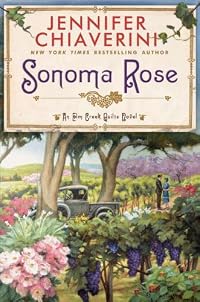
Enjoyed reading this novel about a young love that is derailed. Liked the history of the Prohibition era, but never having read the quilt stories, I expected there to be a bit more about the quilts. Will read more of her novels because I do like her easy writing style. These was alight easy read featuring a very strong woman who must overcome adversity to make her life with her first love possible. Also love the title and the cover.
ARC from NetGalley.
ARC from NetGalley.
Members
- Recently Added By
Author Information

68+ Works 19,337 Members
Jennifer Chiaverini is a graduate of the University of Notre Dame and the University of Chicago. She used to be a writing instructor at Penn State University and Edgewood College. She is the author of the Elm Creek Quilts series and four volumes of quilt patterns inspired by her novels. She is also the designer of the Elm Creek Quilts fabric lines show more from Red Rooster Fabrics. Among her most recent works, is the New York Times bestselling novel, Mrs. Lincoln's Dressmaker. (Publisher Provided) Jennifer Chiaverini is a graduate of the University of Notre Dame and the University of Chicago. She is an American quilter and author. Her books include the Elm Creek Quilts series as well as five collections of quilt patterns inspired by her novels. She designs the Elm Creek Quilts fabric lines from Red Rooster Fabrics. She was also a writing instructor at Penn State and Edgewood College. Jennifer is also the author of bestselling novels Mrs. Lincoln's Dressmaker, The Spymistress and Mrs. Lincoln's Rival. (Bowker Author Biography) show less
Some Editions
Awards and Honors
Distinctions
Series

Work Relationships
Is contained in
Common Knowledge
- Canonical title
- Sonoma Rose
- Original publication date
- 2012
- People/Characters
- Rosa Barclay; John Barclay; Marta Barclay; Lupita Barclay; Ana Barclay; Miguel Barclay (show all 9); Elizabeth Nelson; Henry Nelson; Lars Jorgensen
- Important events
- Prohibition in the United States
- Dedication
- For Marty, Nicholas, and Michael, with all my love.
- First words
- Clad in the faded apron she had sewn from a cotton feed sack, Rosa sat at the foot of the kitchen table sipping a cup of coffee and planning her day while her husband bolted down his bacon and eggs.
Classifications
- Genres
- Fiction and Literature, General Fiction, Historical Fiction, Romance
- DDC/MDS
- 813.54 — Literature & rhetoric American literature in English American fiction in English 1900-1999 1945-1999
- LCC
- PS3553 .H473 .S66 — Language and Literature American literature American literature Individual authors 1961-
- BISAC
Statistics
- Members
- 293
- Popularity
- 109,311
- Reviews
- 13
- Rating
- (3.65)
- Languages
- English
- Media
- Paper, Audiobook, Ebook
- ISBNs
- 15
- ASINs
- 3