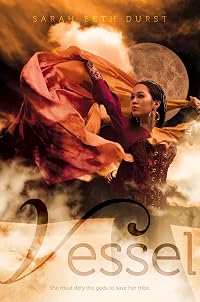
Vessel
by Sarah Beth Durst 
On This Page
Description
When the goddess Bayla fails to take over Liyana's body, Liyana's people abandon her in the desert to find a more worthy vessel, but she soon meets Korbyn, who says the souls of seven deities have been stolen and he needs Liyana's help to find them.Tags
Recommendations







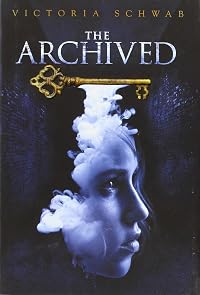

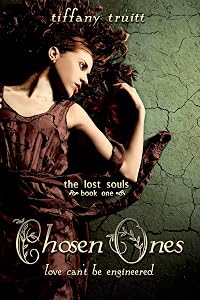
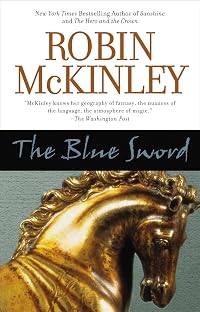
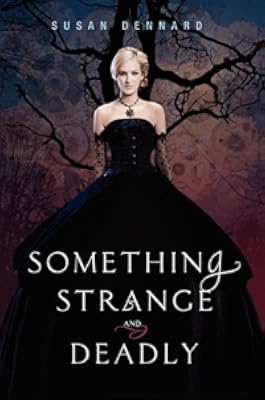


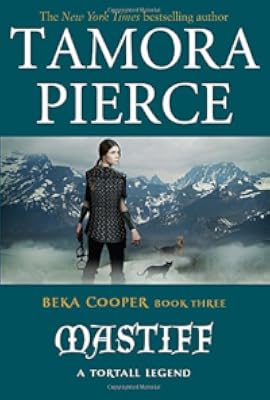
Member Recommendations
Member Reviews
4.5
Gods, Sacrifice, love and adventure all blend together in this wonderful fantasy. it follows an amazing heroine as she struggles to make a sacrifice to save her people.She meets and grows to know many gods, people and hear their stories. There is a lot of myth/story sharing which I loved.
Liyanna, she never weekend her beliefs, she does not cower in fear she charges into action even when all seems hopeless. She walks with the Trickster god- Raven, a fascinating man/god to spend time with. She is strong, smart and loyal. She had me cheering, sifting and laughing, just a fantastic character.
There is a bit of a love triangle but it is not what you have read before. This is an intelligent book with intelligent characters. Duty. logic and show more loyalty are at work here. I think it is a true unselfish love I wish we would see more of in books.
I loved it, I will search out books from this author in the future.
show less
Gods, Sacrifice, love and adventure all blend together in this wonderful fantasy. it follows an amazing heroine as she struggles to make a sacrifice to save her people.She meets and grows to know many gods, people and hear their stories. There is a lot of myth/story sharing which I loved.
Liyanna, she never weekend her beliefs, she does not cower in fear she charges into action even when all seems hopeless. She walks with the Trickster god- Raven, a fascinating man/god to spend time with. She is strong, smart and loyal. She had me cheering, sifting and laughing, just a fantastic character.
There is a bit of a love triangle but it is not what you have read before. This is an intelligent book with intelligent characters. Duty. logic and show more loyalty are at work here. I think it is a true unselfish love I wish we would see more of in books.
I loved it, I will search out books from this author in the future.
show less
Liyana spent years training to be the vessel of her clan's goddess. The years of training culminate with the ritual dance that will call the goddess Bayla to walk among her people. Liyana dances . . . but Bayla does not come. Is Liyana an unfit vessel, or has Bayla turned her back on her people? Either way, Liyana no longer has a place in her clan. Left behind in the desert, Liyana prepares to struggle for survival, knowing that she will probably die soon. But then Korbyn appears, looking for her. Korbyn is the trickster god, summoned into his own clan's vessel, and he explains to Liyana that Bayla and several other gods have been trapped somehow, summoned into false vessels, unable to come to their people. Liyana and Korbyn set out show more across the desert to find the other vessels whose gods have been taken, and then to find out what has entrapped the missing deities.
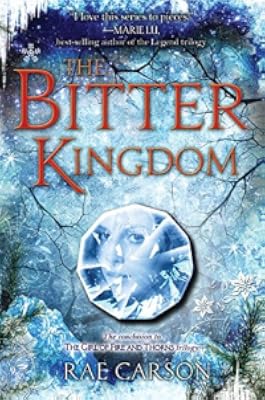
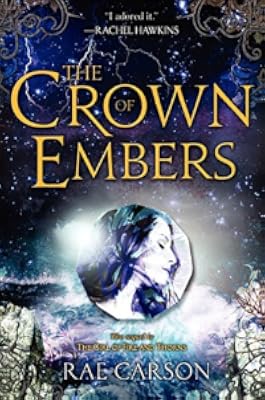
This book has a wonderful setting and fantastic characters -- Liyana's no-nonsense attitude works so beautifully with Korbyn's lighthearted demeanor, and the other vessels are also distinct and interesting. I thought the plotting was mostly strong, though the romantic subplot, especially the way it worked out, was less than satisfying to me. That minor criticism aside, I still completely enjoyed this book, and would recommend it to readers who like YA fantasy, particularly fans of Tamora Pierce and Rae Carson. show less
This book has a wonderful setting and fantastic characters -- Liyana's no-nonsense attitude works so beautifully with Korbyn's lighthearted demeanor, and the other vessels are also distinct and interesting. I thought the plotting was mostly strong, though the romantic subplot, especially the way it worked out, was less than satisfying to me. That minor criticism aside, I still completely enjoyed this book, and would recommend it to readers who like YA fantasy, particularly fans of Tamora Pierce and Rae Carson. show less
It's been a long time since I picked up a book that moved me and captured me as much as this one did. And by the end of it I just felt complete.
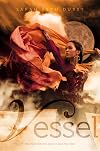
But let's begin with the first thing we see here, the cover. I don't know about you but whoever designed the cover for Vessel didn't do a good job, he/she did a marvelous and stunning job. The second I saw it, the second I loved it and promptly added it to my wishlist.
This was just one of those books that I HAD to possess, as simple as that.
Then of course we have the plot. I think what amazes me most is the fact that the author shows us so many aspects like art, religion, clans and environment. The world building is just plain awesome, she covers every aspect with a lot of insight and that helps show more us understand more the society Liyana, the main character, lives in.
The scenario for this story is the dessert, and maybe it sounds boring, but it isn't. The complexity of the situations the different clans have to go through and the love they profese to the dessert makes it unique and as interesting as a character itself.
The most strong component in the book is the religion, of course. You see, every hundred years each clan welcomes its god/goddess that comes from the Dreaming to nourish the oasis they live in, bring rain and, all in all, help them survive another hundred years.
But the thing is, every time a god fills the body of the vessel (like Liyana) the soul inside that body fades in order to leave space for the god's soul.
And just like that, when the chosen ones are selected they have to consecrate their bodies to be nothing but perfect.
When the day comes Liyana dances for hours, but Bayla (goddess of the Goat's Clan) never comes and Liyana is left in the dessert, by her own people, to die as they assume she is not worthy of the goddess.
When everything turns to the worst and Liyana thinks she is just going to die a silhouette appears in the horizon... Korbyn, the trickster god, has come looking for her in order to save the other gods that have been kidnapped.
And here is where we learn that Liyana is strong, resourceful and ready to do whatever it takes to survive and save the gods. Even speak her mind in front of an Emperor.
Because this book has a love triangle, but it isn't the main thread and it's well developed. By the end of the book I wasn't really happy but it made sense so it didn't ruin the book for me.
And one thing I'm really happy about? The author made me fell in love, care and think about the characters as if they were real people and I during the whole book I felt that I was there, with them, living each adventure and misfortune.
The fact that Vessel is a standalone book makes it even more fascinating and perfect, it proves that it's possible to tell a story so deep and rich without falling in the long series that are normal nowadays.
A book that makes you consider things like sacrifice, free will, faith and the importance between the life of one person for the survival of an entire group is a treasure.
As a bottom line all I can say is that I'm a huge fan of Sarah Beth now. Go pick up this book if you haven't already, it deserves all the attention it can get because it's perfect. show less
But let's begin with the first thing we see here, the cover. I don't know about you but whoever designed the cover for Vessel didn't do a good job, he/she did a marvelous and stunning job. The second I saw it, the second I loved it and promptly added it to my wishlist.
This was just one of those books that I HAD to possess, as simple as that.
Then of course we have the plot. I think what amazes me most is the fact that the author shows us so many aspects like art, religion, clans and environment. The world building is just plain awesome, she covers every aspect with a lot of insight and that helps show more us understand more the society Liyana, the main character, lives in.
The scenario for this story is the dessert, and maybe it sounds boring, but it isn't. The complexity of the situations the different clans have to go through and the love they profese to the dessert makes it unique and as interesting as a character itself.
The most strong component in the book is the religion, of course. You see, every hundred years each clan welcomes its god/goddess that comes from the Dreaming to nourish the oasis they live in, bring rain and, all in all, help them survive another hundred years.
But the thing is, every time a god fills the body of the vessel (like Liyana) the soul inside that body fades in order to leave space for the god's soul.
And just like that, when the chosen ones are selected they have to consecrate their bodies to be nothing but perfect.
When the day comes Liyana dances for hours, but Bayla (goddess of the Goat's Clan) never comes and Liyana is left in the dessert, by her own people, to die as they assume she is not worthy of the goddess.
When everything turns to the worst and Liyana thinks she is just going to die a silhouette appears in the horizon... Korbyn, the trickster god, has come looking for her in order to save the other gods that have been kidnapped.
And here is where we learn that Liyana is strong, resourceful and ready to do whatever it takes to survive and save the gods. Even speak her mind in front of an Emperor.
Because this book has a love triangle, but it isn't the main thread and it's well developed. By the end of the book I wasn't really happy but it made sense so it didn't ruin the book for me.
And one thing I'm really happy about? The author made me fell in love, care and think about the characters as if they were real people and I during the whole book I felt that I was there, with them, living each adventure and misfortune.
The fact that Vessel is a standalone book makes it even more fascinating and perfect, it proves that it's possible to tell a story so deep and rich without falling in the long series that are normal nowadays.
A book that makes you consider things like sacrifice, free will, faith and the importance between the life of one person for the survival of an entire group is a treasure.
As a bottom line all I can say is that I'm a huge fan of Sarah Beth now. Go pick up this book if you haven't already, it deserves all the attention it can get because it's perfect. show less
Gorgeously imagined world with rich and flavourful cultural tapestry, characters you will root for, a seemingly impossible quest of epic proportions, and a conclusion that will leave you breathless and heartbroken - Vessel has all that and more! This sweeping tale mixes adventure, romance, drama and enough eye-popping sorcery to earn this book a place on every fantasy fan's shelf. It's definitely one of 2012 must-reads!
Once every hundred years, the goddess of the Goat Clan (Bayla) is summoned from the dreaming to ensure that her clan survives the next century. Her soul fills a human body - a vessel - to work the magic that brings rain to the dessert, increase the herds and make the oasis green again. Without the help of her magic, show more people wouldn't be able to survive in the ruthless, desolate desert that is their homeland.
For centuries, people of the dessert have been summoning gods and goddesses and for centuries they've been following the same sacred ritual: the dreamwalk would chose the vessel for the goddess, preparations would be made and, finally, the ceremony would take place during which the goddess would take over the vessel's body, killing the vessel's soul in the process. Chosen to be Bayla's vessel, Liyana is ready for her sacrifice. For years she's been training in preparations for this moment. The goddess does not come, though, and Liyana - accused of being unworthy of the deity - is abandoned by her clan and left to die alone in the dessert. Heartbroken and desperate, she is found by Korbyn (a trickster god inside of his vessel), who tells her that her goddess did not, in fact, abandon her, but was captured and imprisoned. And five other gods shared her fate. To free them, she'll have to join Korbyn and the other vessels on their dangerous journey across the desert. A journey both physical and spiritual, that will make Liyana question her readiness to give up her life.
Vessel is slow-going (and it's a good thing!), reflective, emotionally engaging and visually stunning. It invites you to ponder issues such as sacrifice, putting the well-being of a group over the individual, and - most importantly - the meaning and importance of faith and free will. It's also a fascinating examination of a deeply religious society, its priorities, social structures and behavioural patterns. It's a meaningful and multi-layered book, but also one that is charming, entertaining and simply very enjoyable to read. I can't say that I devoured it in one sitting, but I loved coming back to it, slowly savouring every scene and dialogue.
With her magical, evocative writing style and intelligent observations about life, love and family, Sarah Beth Durst captivates the reader and draws them in. Her prose is honest and convincing, but also very elegant and fairy-tale like. Dreamy and mesmerizing. The characters, as well as the settings, are gorgeously fleshed out and authentic. You can almost hear the hypnotizing rhythm of the drumbeats, feel the scorching sun on your skin, and smell the exotic spices. It's almost too easy to lose yourself in this world.
Liyana is an absolutely fascinating character. Torn between duty and desire to live, she carries the weight of the tribe on her fragile shoulders. She knows what is expected of her and - while she's not overly enthusiastic about it - she has accepted her fate with remarkable grace and courage. She doesn't want to die, but she puts her family and her tribe before herself and therefore she's willing to give up her own happiness to ensure their well-being. Giving, caring and thoughtful, she's a wonderful and inspiring character. I absolutely adored her. As she gets closer to Korbyn, she begins to realize that she doesn't want to die. Her conflicting feelings are tormenting her, and the inevitability of her death weighs heavy on the reader's heart. I found myself emotionally invested in her story, cheering for her and hoping - against all odds - for a happy ending to her journey.
Overall, this book is about mythology mixed in with religious beliefs, shaman magic and deities, but it's also - perhaps even most of all - about one girl who sacrificed everything - her life, her dreams, her future - for her family and tribe. It's about faith, love, dedication, honor, hope, persistence and making one's own fate. It's about fighting for the things worth fighting for and never giving up. It's a beautiful, thought-provoking and enthralling story and, while I'm very satisfied with the ending, I am also totally heartbroken to say goodbye to all the amazing characters.
I absolutely loved Vessel. Fans of fantasy and epic adventures won't be disappointed! show less
Once every hundred years, the goddess of the Goat Clan (Bayla) is summoned from the dreaming to ensure that her clan survives the next century. Her soul fills a human body - a vessel - to work the magic that brings rain to the dessert, increase the herds and make the oasis green again. Without the help of her magic, show more people wouldn't be able to survive in the ruthless, desolate desert that is their homeland.
For centuries, people of the dessert have been summoning gods and goddesses and for centuries they've been following the same sacred ritual: the dreamwalk would chose the vessel for the goddess, preparations would be made and, finally, the ceremony would take place during which the goddess would take over the vessel's body, killing the vessel's soul in the process. Chosen to be Bayla's vessel, Liyana is ready for her sacrifice. For years she's been training in preparations for this moment. The goddess does not come, though, and Liyana - accused of being unworthy of the deity - is abandoned by her clan and left to die alone in the dessert. Heartbroken and desperate, she is found by Korbyn (a trickster god inside of his vessel), who tells her that her goddess did not, in fact, abandon her, but was captured and imprisoned. And five other gods shared her fate. To free them, she'll have to join Korbyn and the other vessels on their dangerous journey across the desert. A journey both physical and spiritual, that will make Liyana question her readiness to give up her life.
Vessel is slow-going (and it's a good thing!), reflective, emotionally engaging and visually stunning. It invites you to ponder issues such as sacrifice, putting the well-being of a group over the individual, and - most importantly - the meaning and importance of faith and free will. It's also a fascinating examination of a deeply religious society, its priorities, social structures and behavioural patterns. It's a meaningful and multi-layered book, but also one that is charming, entertaining and simply very enjoyable to read. I can't say that I devoured it in one sitting, but I loved coming back to it, slowly savouring every scene and dialogue.
With her magical, evocative writing style and intelligent observations about life, love and family, Sarah Beth Durst captivates the reader and draws them in. Her prose is honest and convincing, but also very elegant and fairy-tale like. Dreamy and mesmerizing. The characters, as well as the settings, are gorgeously fleshed out and authentic. You can almost hear the hypnotizing rhythm of the drumbeats, feel the scorching sun on your skin, and smell the exotic spices. It's almost too easy to lose yourself in this world.
Liyana is an absolutely fascinating character. Torn between duty and desire to live, she carries the weight of the tribe on her fragile shoulders. She knows what is expected of her and - while she's not overly enthusiastic about it - she has accepted her fate with remarkable grace and courage. She doesn't want to die, but she puts her family and her tribe before herself and therefore she's willing to give up her own happiness to ensure their well-being. Giving, caring and thoughtful, she's a wonderful and inspiring character. I absolutely adored her. As she gets closer to Korbyn, she begins to realize that she doesn't want to die. Her conflicting feelings are tormenting her, and the inevitability of her death weighs heavy on the reader's heart. I found myself emotionally invested in her story, cheering for her and hoping - against all odds - for a happy ending to her journey.
Overall, this book is about mythology mixed in with religious beliefs, shaman magic and deities, but it's also - perhaps even most of all - about one girl who sacrificed everything - her life, her dreams, her future - for her family and tribe. It's about faith, love, dedication, honor, hope, persistence and making one's own fate. It's about fighting for the things worth fighting for and never giving up. It's a beautiful, thought-provoking and enthralling story and, while I'm very satisfied with the ending, I am also totally heartbroken to say goodbye to all the amazing characters.
I absolutely loved Vessel. Fans of fantasy and epic adventures won't be disappointed! show less
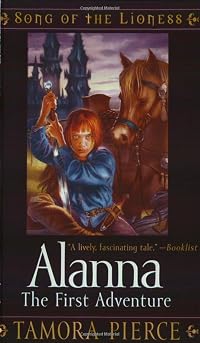
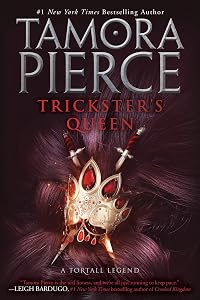
Prelim Review: Durst has, by in large, always pleased me with her writing. I refer mainly to [b:Ice|7899897|Ice|Sarah Beth Durst|https://images.gr-assets.com/books/1348535662s/7899897.jpg|6507271] (which I adore) and [b:Enchanted Ivy|8940240|Enchanted Ivy|Sarah Beth Durst|https://images.gr-assets.com/books/1328351597s/8940240.jpg|10682445] (which I was mostly pleased by). During her talk at the signing I attended, she mentioned that Tamora Pierce was a large inspiration for her. That reading the Alanna books and seeing how a girl fought to become a knight inspired her to write. I can see that most clearly in this book (which was blurbed by Pierce!) and influence the character of Alanna must have had on Durst's creative process.
The world show more that Durst built for the Desert Clans is one riddled with superstition, tradition and blind faith in their religion. For many of the clans, and vessels, everything begins and ends with the God/Goddess of their people. Moreso then what it means as a way to carve out a life in the harsh, unforgiving, barely habitable desert, the summoning is almost a validation that the sacrifices they continually make are important. Like the deities the varied clans each have a separate way of living, but they are united in they can't survive without their respective god or goddess.
And as at least three characters point out, this is highly problematic when things go wrong.
Liyana is an easy character to feel emotion for. She's young, she's deeply devoted to saving her people despite the hostility she encounters when her summoning fails. She confused by the changes in her life, in how she views the Gods she's been told to revere all her life, in the abrupt turn things take when her carefully laid out path is pulled away. Despite the fantasy trappings these are all things that could easily happen to anyone in the real world. Loss of identity, rebuilding something from the ashes of old, even a crisis of faith--who hasn't gone through this?
Interestingly consequences in the book weren't often delivered upon the one who perpetrated the problem. For instance when Korbyn and Liyana arrive at the Horse Clan (worshippers of Sendak, a kind of frenemy to Korbryn), Korbyn's levity causes Liyana harm. Similarly later when Liyana overrules Fennick, he pays the price.
Parts of Vessel definitely needed more fleshing out. Durst intersperses the Liyana and the others travels to save their way of life with chapters from following the young Emperor of the Crescent Lands struggle to find the answer to his people's problems. I would have liked to see the Crescent Lands, or at least learned a bit more about how they lived. How they founded their way of life and how their stories--the only form of history anyone in the novel has--diverted so fundamentally from the Desert Clans. The mythology nut in me wondered if any of their tales overlapped--what gods the Crescent Land once had and if the Desert Clans gods knew them.
I have my reservations in regards to the ending, while I understood where Durst was going and even agreed with the overall results, it was too much crammed into too little page space. One character in particular, and their actions which could have devastating to the world at large and not just to either the desert clans or the Crescent Lands, are not given the justification I think they deserved.The Emperor freely admits to ordering his Magician to imprison the Desert Clan Gods in their diamond prisons. Other then some disgust and 'I understand you did it from a good place' sort of comment, it just...vanishes and we are given to assume Liyana married him.
Regardless this book held me enthralled and I can't recommend it enough. show less
The world show more that Durst built for the Desert Clans is one riddled with superstition, tradition and blind faith in their religion. For many of the clans, and vessels, everything begins and ends with the God/Goddess of their people. Moreso then what it means as a way to carve out a life in the harsh, unforgiving, barely habitable desert, the summoning is almost a validation that the sacrifices they continually make are important. Like the deities the varied clans each have a separate way of living, but they are united in they can't survive without their respective god or goddess.
And as at least three characters point out, this is highly problematic when things go wrong.
Liyana is an easy character to feel emotion for. She's young, she's deeply devoted to saving her people despite the hostility she encounters when her summoning fails. She confused by the changes in her life, in how she views the Gods she's been told to revere all her life, in the abrupt turn things take when her carefully laid out path is pulled away. Despite the fantasy trappings these are all things that could easily happen to anyone in the real world. Loss of identity, rebuilding something from the ashes of old, even a crisis of faith--who hasn't gone through this?
Interestingly consequences in the book weren't often delivered upon the one who perpetrated the problem. For instance when Korbyn and Liyana arrive at the Horse Clan (worshippers of Sendak, a kind of frenemy to Korbryn), Korbyn's levity causes Liyana harm. Similarly later when Liyana overrules Fennick, he pays the price.
Parts of Vessel definitely needed more fleshing out. Durst intersperses the Liyana and the others travels to save their way of life with chapters from following the young Emperor of the Crescent Lands struggle to find the answer to his people's problems. I would have liked to see the Crescent Lands, or at least learned a bit more about how they lived. How they founded their way of life and how their stories--the only form of history anyone in the novel has--diverted so fundamentally from the Desert Clans. The mythology nut in me wondered if any of their tales overlapped--what gods the Crescent Land once had and if the Desert Clans gods knew them.
I have my reservations in regards to the ending, while I understood where Durst was going and even agreed with the overall results, it was too much crammed into too little page space. One character in particular, and their actions which could have devastating to the world at large and not just to either the desert clans or the Crescent Lands, are not given the justification I think they deserved.
Regardless this book held me enthralled and I can't recommend it enough. show less
I really don’t understand people only giving this book 4 star reviews. Sarah Beth Durst has hit her mark once again with Vessel! I found this story to be unique and completely immersive. I didn’t want to stop reading it!
The first thing I noticed about Vessel was the amazing world building that Sarah Beth Durst is so famous for. She didn’t disappoint with Vessel. The first page is so descriptive that it sucks you into Liyana’s world before you even realize it. In fact, I used the first two paragraphs to show my students the “power of sensory details.” (Hope the author doesn’t mind.) It was great timing that we were discussing building your setting and using descriptive details to make your writing more interesting, and show more then I opened Vessel and viola: perfect example! The opening page’s example was a huge hit with my students (who are also reluctant readers). I booked talked the awesomeness and now they all want to read it. J
If you’ve read any other books by Sarah Beth Durst, hearing that the world she creates for her characters in Vessel is like none you’ve ever read about won’t surprise you. She seems to have a knack for developing unique settings.
The mythology she used throughout Vessel was great. I’m a huge mythology nerd, so anything even loosely based on myth will grab my attention. With Vessel, I could recognize the trickster tale elements, but I had a hard time pin-pointing which culture the myths truly came from. Were they borrowed from many cultures or were they a product of the author’s divine imagination? Hard to say. What I can say, though, is that it was flawless. The way the mythological elements were woven into the characters’ every being was fantastic. From battling glass sky serpents and sand wolves to saving your gods/goddesses from an unknown threat—Vessel had it all! I cannot even begin to tell you how much I loved it.
The mythology element in the book also plays a HUGE role in the plot. (Loved it!) It’s rather hard to explain the intricate plot, but I can safely say there were numerous surprises along the way. I usually figure out plots midway through a book, but not with Vessel. I can honestly say I was surprised by the ending. While I was a little disappointed with the turn of events in the resolution, it was still a fulfilling ending.
The characters were also pretty spectacular too. It was hard to make a connection with them because they were so different, but I certainly found myself invested in them. Liyana was the epitome of a strong female lead, and I loved her. She was resourceful and stubborn. Korbyn was mischievous (which makes sense since he was the trickster god). I could just picture the twinkle in his eye! Loved him. Team Korbyn FTW! The other characters that you meet along the way were equally impressive. They were each unique and brought something special to the plot.
I really wish I would have wrote this review the moment I finished reading Vessel instead of waiting two weeks. I feel like now I can only capture the superficial elements that I enjoyed, instead of the overall impact I had when I read the final words. Since this is the second book by Sarah Beth Durst that I’ve read—and I loved it—I’ve decided that I need to read everything else she has written. Vessel was so different from Drink, Slay, Love, but it still managed to find a place on my shelves as a favorite. (For the Record, Drink, Slay, Love is my favorite, non-sparkling vampire book of all time.) I also think it should be noted that truly talented authors (like Sarah Beth Durst) are able to make each book they write unique and special. Vessel was nothing like DSL—seriously. It was as if I was reading the author for the first time, and I appreciated that.
So, for all the mythology fans out there, you need to read Vessel. It’s like nothing you’ve read before! show less
The first thing I noticed about Vessel was the amazing world building that Sarah Beth Durst is so famous for. She didn’t disappoint with Vessel. The first page is so descriptive that it sucks you into Liyana’s world before you even realize it. In fact, I used the first two paragraphs to show my students the “power of sensory details.” (Hope the author doesn’t mind.) It was great timing that we were discussing building your setting and using descriptive details to make your writing more interesting, and show more then I opened Vessel and viola: perfect example! The opening page’s example was a huge hit with my students (who are also reluctant readers). I booked talked the awesomeness and now they all want to read it. J
If you’ve read any other books by Sarah Beth Durst, hearing that the world she creates for her characters in Vessel is like none you’ve ever read about won’t surprise you. She seems to have a knack for developing unique settings.
The mythology she used throughout Vessel was great. I’m a huge mythology nerd, so anything even loosely based on myth will grab my attention. With Vessel, I could recognize the trickster tale elements, but I had a hard time pin-pointing which culture the myths truly came from. Were they borrowed from many cultures or were they a product of the author’s divine imagination? Hard to say. What I can say, though, is that it was flawless. The way the mythological elements were woven into the characters’ every being was fantastic. From battling glass sky serpents and sand wolves to saving your gods/goddesses from an unknown threat—Vessel had it all! I cannot even begin to tell you how much I loved it.
The mythology element in the book also plays a HUGE role in the plot. (Loved it!) It’s rather hard to explain the intricate plot, but I can safely say there were numerous surprises along the way. I usually figure out plots midway through a book, but not with Vessel. I can honestly say I was surprised by the ending. While I was a little disappointed with the turn of events in the resolution, it was still a fulfilling ending.
The characters were also pretty spectacular too. It was hard to make a connection with them because they were so different, but I certainly found myself invested in them. Liyana was the epitome of a strong female lead, and I loved her. She was resourceful and stubborn. Korbyn was mischievous (which makes sense since he was the trickster god). I could just picture the twinkle in his eye! Loved him. Team Korbyn FTW! The other characters that you meet along the way were equally impressive. They were each unique and brought something special to the plot.
I really wish I would have wrote this review the moment I finished reading Vessel instead of waiting two weeks. I feel like now I can only capture the superficial elements that I enjoyed, instead of the overall impact I had when I read the final words. Since this is the second book by Sarah Beth Durst that I’ve read—and I loved it—I’ve decided that I need to read everything else she has written. Vessel was so different from Drink, Slay, Love, but it still managed to find a place on my shelves as a favorite. (For the Record, Drink, Slay, Love is my favorite, non-sparkling vampire book of all time.) I also think it should be noted that truly talented authors (like Sarah Beth Durst) are able to make each book they write unique and special. Vessel was nothing like DSL—seriously. It was as if I was reading the author for the first time, and I appreciated that.
So, for all the mythology fans out there, you need to read Vessel. It’s like nothing you’ve read before! show less
If I had to sum up this book in one word it would be: breathtaking! I was absolutely absorbed in every aspect of this book. It felt more like an experience than just simply reading a book. The descriptions were so vivid and the characters were so interesting, it became easy to get swept up in this world and let everything around me just slip away.
In Vessel, we follow Liyana who was supposed to become the vessel for her goddess to inhabit and help her people, but her goddess never came. Her clan is forced to leave her to seek out help elsewhere and she is left to pick up the broken pieces of her life. Liyana went through an extreme journey both physically and emotionally. She had to grow up very quickly and went from being a trusted show more vessel, to being abandoned, to being an extremely strong girl that fought in the face of adversity instead of hiding from it. I admired her strength of heart and her determination to see her task through to the end to try and save her people.
Liyana’s hope comes in the form of Korbyn, the trickster god who claims to know where the missing gods and goddess are and with Liyana’s help claims he can save them. Korbyn remained a mystery for most of the book which is fitting since he is the trickster god. You are never quite sure what he is up to since he never really answers questions with a straight answer and does not reveal his true purpose for the journey he starts Liyana on. However, I found that he grew on me as the story progressed and I came to care for what happened to him by the end of the novel.
While the characters were fascinating and I highly enjoyed watching their journey, the stories laced throughout really stole the show. Sarah gives us the history of the gods and goddess and more information about each of the clans through stories and legends that they pass down through the generations. They were told in such detail and many resembled fables with lessons to be learned from them. They were a clever way for us to get to know our characters better and really become invested in the outcome of their lives.
While the book is a little over four hundred pages, I never became bored or found the story dragging. There was always something happening to move the plot forward and the mystery of the location of the missing gods and goddesses was an enigma I was eager to see solved. Liyana also brought forth interesting questions along the way to locating her gods and goddess. Is blind devotion the right choice? Why can you not questions the gods you serve? She began to stand on her own two feet and question her traditions and what was really the right path for her people. It was interesting watching her choose her own path in life, not the one that was initially chosen for her. Liyana faced adversity at every turn, but she persevered and accompanying her on her quest was magical.
Overall, I cannot say enough good things about Vessel. It is an epic fantasy that reminds me of why I adore this genre and Sarah. She has created a stunning world filled with an intriguing mythology, vibrant characters and a story that will grab hold of you immediately and not let go. Sarah continues to amaze me with ability write books that keep me fully engrossed and stay with me long after I have read the final page. Vessel is a superior addition to the young adult community and I highly recommend checking it out if you have not already done so. show less
In Vessel, we follow Liyana who was supposed to become the vessel for her goddess to inhabit and help her people, but her goddess never came. Her clan is forced to leave her to seek out help elsewhere and she is left to pick up the broken pieces of her life. Liyana went through an extreme journey both physically and emotionally. She had to grow up very quickly and went from being a trusted show more vessel, to being abandoned, to being an extremely strong girl that fought in the face of adversity instead of hiding from it. I admired her strength of heart and her determination to see her task through to the end to try and save her people.
Liyana’s hope comes in the form of Korbyn, the trickster god who claims to know where the missing gods and goddess are and with Liyana’s help claims he can save them. Korbyn remained a mystery for most of the book which is fitting since he is the trickster god. You are never quite sure what he is up to since he never really answers questions with a straight answer and does not reveal his true purpose for the journey he starts Liyana on. However, I found that he grew on me as the story progressed and I came to care for what happened to him by the end of the novel.
While the characters were fascinating and I highly enjoyed watching their journey, the stories laced throughout really stole the show. Sarah gives us the history of the gods and goddess and more information about each of the clans through stories and legends that they pass down through the generations. They were told in such detail and many resembled fables with lessons to be learned from them. They were a clever way for us to get to know our characters better and really become invested in the outcome of their lives.
While the book is a little over four hundred pages, I never became bored or found the story dragging. There was always something happening to move the plot forward and the mystery of the location of the missing gods and goddesses was an enigma I was eager to see solved. Liyana also brought forth interesting questions along the way to locating her gods and goddess. Is blind devotion the right choice? Why can you not questions the gods you serve? She began to stand on her own two feet and question her traditions and what was really the right path for her people. It was interesting watching her choose her own path in life, not the one that was initially chosen for her. Liyana faced adversity at every turn, but she persevered and accompanying her on her quest was magical.
Overall, I cannot say enough good things about Vessel. It is an epic fantasy that reminds me of why I adore this genre and Sarah. She has created a stunning world filled with an intriguing mythology, vibrant characters and a story that will grab hold of you immediately and not let go. Sarah continues to amaze me with ability write books that keep me fully engrossed and stay with me long after I have read the final page. Vessel is a superior addition to the young adult community and I highly recommend checking it out if you have not already done so. show less
Members
- Recently Added By
Lists

Mythopoeic fantasy award winners - children literature
24 works; 1 member
Author Information

40+ Works 11,803 Members
Sarah Beth Durst is a LibraryThing Author, an author who lists their personal library on LibraryThing.
Some Editions
Awards and Honors
Series
Belongs to Publisher Series
Common Knowledge
- Original publication date
- 2012-09-11
- People/Characters
- Liyana; Jidali; Aunt Sabisa; Aunt Andra; Talu; Korbyn
- Dedication
- For my daughter and my son, my Liyana and her Jidali
- First words
- On the day she was to die, Liyana walked out of her family's tent to see the dawn.
- Last words
- (Click to show. Warning: May contain spoilers.)And then she rose and walked back through the valley to Jarlath
Classifications
- Genres
- Fiction and Literature, Fantasy, Tween, Teen, Young Adult
- DDC/MDS
- 813.6 — Literature & rhetoric American literature in English American fiction in English 2000-
- LCC
- PZ7 .D93436 .V — Language and Literature Fiction and juvenile belles lettres Fiction and juvenile belles lettres Juvenile belles lettres
- BISAC
Statistics
- Members
- 370
- Popularity
- 84,815
- Reviews
- 23
- Rating
- (3.90)
- Languages
- English
- Media
- Paper, Ebook
- ISBNs
- 6
- ASINs
- 3